Cursos de Desarrollo
Los mismos datos para todos, vengan de Udemy o de Coursera: precio, valoración, duración e idioma. 1.285 cursos encontrados. Afinar la búsqueda

Generative AI in Project Planning Training
This beginner-friendly course shows how Generative AI enhances the entire software project management lifecycle from planning to closure. Learn how AI supports project conception, feasibility analysis, and charter creation. Discover how to define scope, manage risks, execute tasks, and track progress using GenAI tools. Explore closure documentation, real-world challenges, and case studies like Walmart’s use of GenAI. Hands-on demos help you automate planning and improve decisions with AI. No prior AI knowledge is required. Basic understanding of software projects or project management is recommended. By the end of this course, you will be able to: - Apply GenAI to streamline project initiation, planning, execution, and closure - Generate charters, sprints, and risk plans using AI tools - Monitor and control project progress with GenAI-driven insights - Automate documentation across project phases and derive key takeaways - Analyze real-world case studies and emerging AI trends in project management Ideal for project managers, software leads, and aspiring AI-savvy professionals.

Getting Started with Apache Cassandra
The “Getting Started with Cassandra” course is designed to help you gain knowledge of the Cassandra database system. You will learn architecture as well as how to design, build and use Cassandra databases. This training course helps you develop your skills and knowledge in Cassandra. Cassandra is a NoSQL database that has the traits of a distributed, open-source, and decentralized database or storage system. It can support the management of excessively massive amounts of structured data without a single point of failure, thereby resulting in the provision of highly available services. This course contains 3+ hours of training videos. Learners could find a total of 35 lectures in the training course with comprehensive coverage of all topics regarding “Getting Started with Cassandra”. These lectures are divided into 3 Modules and each module is further split into lessons. The entire course includes Assessments to validate knowledge checks of learners. Also, a set of Graded Questions is available at the end of every module. Module 1: Data and Storage Models in Cassandra Module 2: Cassandra Architecture and Query Language Module 3: Security, Deployment, Monitoring, and Maintenance in Cassandra

YOLO-NAS + v8 Full-Stack Computer Vision Course
This course features Coursera Coach! A smarter way to learn with interactive, real-time conversations that help you test your knowledge, challenge assumptions, and deepen your understanding as you progress through the course. This comprehensive course introduces you to the YOLO-NAS + v8 model and its integration into real-world applications. You’ll gain hands-on experience in using YOLO-NAS + v8 for object detection, training custom models, and deploying solutions across different platforms, from cloud services to mobile devices. Learn how to transition from YOLOv8 to YOLO-NAS, refine object detection capabilities, and integrate advanced tracking techniques with algorithms like DeepSORT and Bytetrack. The course takes you on a journey through every aspect of YOLO-NAS + v8, from setting up the environment on various platforms, fine-tuning models for specific needs, and exploring use cases such as waste sorting detection and safety compliance. You’ll also learn model conversion techniques and deploy solutions on Docker, Jetson NANO, and even mobile devices using Kivy. Whether you're looking to enhance your computer vision skills or integrate AI into mobile and web apps, this course caters to all levels of learners. If you're a developer, data scientist, or researcher, this course will provide you with the necessary tools to create sophisticated AI-driven applications across a wide range of industries.

Web Application Security Testing with OWASP ZAP
By the end of this project, you will learn the fundamentals of how to use OWASP Zed Attack Proxy (ZAP). This tool greatly aids security professionals and penetration testers to discover vulnerabilities within web applications. You will learn how to perform a basic web app vulnerability scan, analyze the results, and generate a report of those results. This course includes steps on how to configure the browser proxy to passively scan web requests and responses by simply exploring websites. This course will also include how to use dictionary lists to find files and folders on a web server, and how to spider crawl websites to find all the links and URLs. Finally, the end of the course gives a brief overview of how to intercept, view, modify, and forward web requests that occur between the browser and web application. Note: This course works best for learners who are based in the North America region. We’re currently working on providing the same experience in other regions.

Ansible Automation and DevOps Integration
Ready to take your Ansible automation beyond basic provisioning and into production-grade DevOps workflows? This course teaches you how to scale, optimize, test, and govern Ansible automation so it performs reliably across real infrastructure. The course combines concise concept videos with hands-on demonstrations, so you learn each technique and then watch it applied in a real Ansible environment. You will benchmark and refactor playbooks, configure dynamic cloud inventory, debug failed runs, and execute provisioning through a CI/CD pipeline, following along with guided demos at each stage. By the end of this course, you will be able to: 1. Optimize Ansible playbook performance using execution strategies, forks, and fact caching 2. Configure dynamic inventory and cloud inventory plugins for changing infrastructure 3. Test and debug Ansible playbooks using linting, idempotency checks, and Molecule 4. Integrate Ansible into CI/CD pipelines with governance, RBAC, and auditing This course is ideal for system administrators, DevOps engineers, and infrastructure engineers who can already write Ansible playbooks and roles and want to run automation at production scale. Before starting, you should have a basic understanding of Ansible playbooks, Jenkins, YAML, Amazon EC2, and IAM, along with an AWS Free Tier account for the cloud demonstrations. Enroll now to build production-grade Ansible automation skills and a hands-on DevOps portfolio.
Perform basic data analysis tasks using Java streams
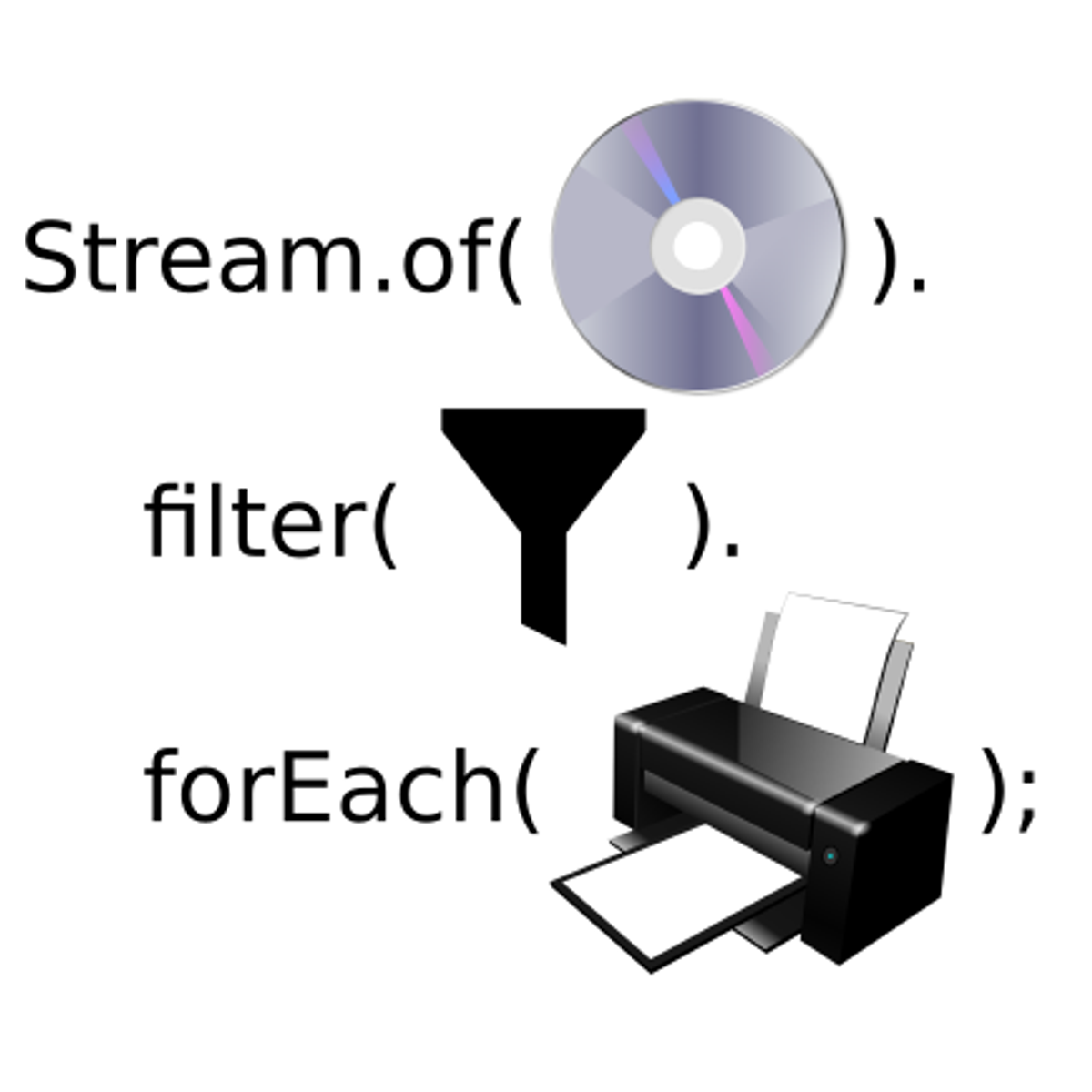
In this 1-hour long project-based course, you will learn how to create a Java Stream object based on an array of data, and understand the distinction between terminal and intermediate stream operations. You will iterate through the data stream using the forEach method, and use a range of Stream methods to perform logical operations on the data stream. You will perform basic statistical calculations on a stream of numeric data, and string operations on a stream of string data. You will learn how to use the map, filter, and reduce Stream methods. Finally, you will learn how to load a CSV file, the COVID vaccination dataset, and turn it into a data stream, and perform basic exploratory analysis of the data. Note: This course works best for learners who are based in the North America region. We’re currently working on providing the same experience in other regions.
Process Map Data using C++ Adjacency List Shortest Path
In this project you will use the adjacency list data structure and other data structures to find the shortest distance between a set of towns loaded from a file. The shortest path problem is well known in the field of computer science. An adjacency list is probably the best data structure to represent a set of connected vertices to find the shortest path from one vertex to another. One application for shortest paths is in computer networking routing. Another common application for its use is on a Map, where it is useful to find the shortest distance from one town to another. Note: This course works best for learners who are based in the North America region. We’re currently working on providing the same experience in other regions.

AJAX for Web Developers
The "AJAX for Web Developers" course explores how modern websites update parts of a web page without the need to reload the entire page, providing a fluid and fast user experience. This course covers the relationship between client apps or websites and servers, the distinction between full page loads and AJAX, and the best use-cases for each. We will delve into Javascript's Fetch API, modern Async/Await syntax, and the benefits of using the Axios module to streamline the process of making requests to a server and handling the response. The course also introduces JSON as a data exchange format for clients and servers, explaining how to encode and decode JSON, error-handling for AJAX requests, and crucial security best practices for AJAX. By the end of the course, you'll be ready to interact confidently with a live API and update elements on the page via AJAX.

Selenium WebDriver Advanced - Complete Framework
Updated in May 2025. This course now features Coursera Coach! A smarter way to learn with interactive, real-time conversations that help you test your knowledge, challenge assumptions, and deepen your understanding as you progress through the course. Embark on an advanced journey in Selenium WebDriver with this detailed course, designed to transform your automation skills. Starting with a solid introduction to frameworks and the Page Object Model, you'll quickly progress to setting up your development environment using IntelliJ and Maven. Understand the critical reasons behind using frameworks by exploring real test scenarios and their limitations without structured frameworks. Dive deep into creating your first test and page classes, mastering the concepts of returning page objects, and adding multiple test methods to your framework. Explore advanced topics like implementing custom drivers, utilizing the WebDriver Factory Pattern, and integrating utilities for enhanced functionality. Learn the importance of the BaseTest and BasePage classes and how they streamline your test execution. Enhance your frameworks with data-driven testing by managing test data in Excel, writing custom utilities, and implementing data-driven test methods. Integrate logging with Log4j2 and generate advanced reports using Extent Reports. Additionally, the course covers version control using Git and GitHub, emphasizing the importance of branches and resolving merge conflicts. This course is ideal for intermediate to advanced Selenium WebDriver users, automation testers, and QA engineers looking to deepen their understanding of building robust automation frameworks. Basic knowledge of Selenium and Java is recommended.

Build Practical Ruby Projects Using Core Programming Skills
Learners will be able to build structured Ruby projects, apply core programming constructs, implement object-oriented principles, and deliver a complete, working Ruby application by the end of this course. This course is designed to take learners from foundational Ruby concepts to the successful completion of a real-world Ruby project. Beginning with environment setup and basic syntax, learners progressively work through variables, control flow, data structures, object-oriented programming, file handling, and modular code design. Each module builds logically on the previous one, ensuring steady skill development through hands-on project work. By completing this course, learners gain practical experience writing clean, reusable, and maintainable Ruby code, while also developing problem-solving skills essential for real programming tasks. The course emphasizes applied learning through structured lessons, practice quizzes, graded assessments, and a full project walkthrough. What makes this course unique is its project-first approach—every concept is taught in direct context of building and refining a Ruby project. This ensures learners not only understand Ruby concepts, but can confidently apply them in real development scenarios, making the course ideal for beginners seeking practical, job-ready Ruby skills.

Programación en Python
¡Te damos la bienvenida al curso de Programación en Python de la Universidad de los Andes! El propósito de este curso es ofrecerte un ambiente interactivo para que desarrolles tus habilidades de pensamiento computacional, aprendas a programar en el lenguaje Python y te entrenes en la resolución de problemas utilizando un computador. La estrategia pedagógica empleada es el aprendizaje activo basado en casos. Es un curso altamente interactivo que constantemente te retará a responder preguntas, verificar tu comprensión, ejercitarte en escritura de código de programación, resolver casos de diferente complejidad y múltiples oportunidades para pasar de la teoría a la práctica, con actividades formativas, con las cuales desarrollarás habilidades de abstracción y de programación. Además, podrás utilizar PyTips, una aplicación web desarrollada por la Universidad de los Andes, novedosa e importante para el desarrollo de habilidades de programación, donde encontrarás una lista de errores comunes que se cometen al aprender a programar en Python y te permite corregirlos de manera que puedas aprender de ellos. Ten en cuenta que el tiempo estimado para la realización de las actividades de cada módulo es de 15 horas en promedio. Tú puedes invertir este tiempo en un periodo de 1 o 2 semanas por módulo, de acuerdo con tus posibilidades y necesidades educativas. Así mismo te recomendamos que desarrolles todas las actividades educativas en el orden propuesto, de manera que pueda sacar mejor provecho de este curso. Este curso es para toda persona que desee aprender a programar, aunque nunca lo haya hecho. Se requiere un mínimo de bases matemáticas y muchas ganas de aprender y trabajar.

Incident Response and Risk Management
Updated in May 2025. This course now features Coursera Coach! A smarter way to learn with interactive, real-time conversations that help you test your knowledge, challenge assumptions, and deepen your understanding as you progress through the course. In this comprehensive course, you will delve into the key components of effective incident response and risk management. The journey begins with building a strong foundation in response planning, focusing on preparation, detection, analysis, containment, and recovery strategies. Through real-world examples and scenarios, you’ll learn how to develop robust incident response plans that are vital during crises such as the COVID-19 pandemic. Each episode provides practical insights and guidance, ensuring you can confidently handle incidents within any IT environment. Next, you will explore the intricacies of digital forensics, gaining skills in evidence preservation and chain-of-custody management. You’ll also understand how to effectively test and train your incident response capabilities to ensure your team is well-prepared for any eventuality. The course further covers mitigation techniques, emphasizing the importance of continuous improvement in your response strategies. Practical advice from industry experts, including insights into NIST cybersecurity frameworks, ensures a well-rounded understanding of these critical concepts. In the final sections, you will dive into the NIST Risk Management Framework (RMF), learning to integrate security and risk management into your organization’s operations. You will gain a thorough understanding of how to categorize information systems, establish risk management scopes, and implement effective system security plans. The course concludes with business continuity strategies, backup and recovery methods, and the application of virtualization and cloud technologies to ensure seamless recovery and resilience in the face of disruption. This course is designed for IT and audit professionals, cybersecurity practitioners, and those involved in organizational risk management. A basic understanding of IT security concepts is recommended.

FortiAnalyzer Administrator
In this course, you will learn how to deploy, configure, and secure FortiAnalyzer. You will also learn how to register and manage devices with FortiAnalyzer. Finally, you will explore the fundamentals of the logging and reporting management capabilities included on FortiAnalyzer. These skills will provide you with a solid foundation for becoming a professional FortiAnalyzer administrator.

Apply Protocol-Oriented Programming in Swift Applications
Learners will be able to design reusable behaviors using protocols, apply value semantics with structures, implement selection logic, and use delegation patterns to manage user interaction in Swift applications. This course provides a practical, step-by-step introduction to Protocol-Oriented Programming (POP) in Swift, a core paradigm encouraged by Apple for building scalable and maintainable apps. Starting with foundational concepts, learners explore how protocols define behavior independently of concrete types and how structures leverage value semantics for safer code. Through hands-on examples, learners build data models, display structured lists, and progressively add interaction logic such as selecting and managing favorite items. What makes this course unique is its end-to-end, example-driven approach. Instead of focusing only on theory, learners follow a single evolving use case that demonstrates how POP improves flexibility, testability, and separation of concerns. The course also emphasizes real-world delegation patterns using collection views, helping learners understand how protocols enable clean communication between components. By completing this course, learners gain practical skills to write cleaner, more modular Swift code, making it ideal for developers who want to move beyond inheritance-heavy designs and adopt modern Swift best practices.

Create a Dark Moody Atmospheric 2D Game with Unity and C#
Delve into the world of 2D game development with this comprehensive course designed to teach you how to create a dark, atmospheric game using Unity and C#. You’ll begin by installing the Unity game engine and exploring its user interface. From understanding components and game files to mastering Unity's UI, these foundational lessons set the stage for a smooth development experience. As you progress, you’ll implement core mechanics like player movement, jumping, and more advanced actions such as dashing and wall jumping, using intuitive scripts and techniques. Building on this foundation, the course introduces you to the visual elements that define the atmosphere of your game. You’ll learn to add and animate sprites, integrate lighting effects, and use Cinemachine for advanced camera controls. The Tile Map Editor will help you design intricate levels, while dynamic particle effects and soundscapes will enhance the game's immersion. Each lesson is crafted to ensure that you not only understand the mechanics but can also apply them creatively to craft a unique gaming experience. Finally, the course focuses on the finishing touches that turn a good game into a great one. You’ll implement features like collectable items, custom menus, and sound effects that make the game engaging and interactive. Bug-fixing lessons ensure your game runs smoothly, and a final walkthrough shows you how to build and deploy your game, allowing you to share your creation with the world. Whether you're a beginner or looking to refine your skills, this course offers a complete journey from concept to finished product. This course is ideal for beginner to intermediate game developers who are familiar with basic programming concepts and want to learn game development using Unity and C#. No prior experience in Unity is required, but a basic understanding of C# will be beneficial.

Building Web Applications in Django
In this course, you will learn how Django communicates with a database through model objects. You will explore Object-Relational Mapping (ORM) for database access and how Django models implement this pattern. We will review the Object-Oriented (OO) pattern in Python. You will learn basic Structured Query Language (SQL) and database modeling, including one-to-many and many-to-many relationships and how they work in both the SQL and Django models. You will learn how to use the Django console and scripts to work with your application objects interactively.

Service Meshes and Microservices Patterns
Cloud-native Java applications are built differently from traditional monoliths. In this hands-on course, you’ll learn Service Meshes and Microservices Patterns, a practical course that helps developers build, containerize, connect, secure, and observe Java microservices using modern cloud-native tools and patterns. Whether you want to understand microservices architecture, design independent services, manage distributed data, or deploy services with Kubernetes and Istio, this course gives you a structured starting point. You’ll begin by exploring the foundations of microservices architecture, including service boundaries, multi-module Maven projects, Spring Boot services, Docker containerization, Docker Compose environments, PostgreSQL integration, Spring Cloud Gateway routing, and Kafka-based event communication. Then, you’ll move into distributed data and resilience patterns by working with CQRS, Redis read models, Saga workflows, eventual consistency, Resilience4j circuit breakers, retries, fallbacks, and gateway rate limiting. Finally, you’ll explore Kubernetes-native deployment, Eureka service discovery, Istio service mesh, Envoy sidecars, mTLS, traffic splitting, and observability. By the end of this course, you will be able to: - Explain microservices architecture, service boundaries, cloud-native design principles, and the shared database anti-pattern. - Build and manage multi-module Spring Boot microservices using Maven, Docker, Docker Compose, PostgreSQL, Kafka, Redis, and Spring Cloud Gateway. - Implement distributed data and transaction patterns using CQRS, Redis-backed read models, Saga choreography, and eventual consistency. -Apply resilience patterns such as circuit breakers, retries, fallback methods, and Redis-backed gateway rate limiting. -Deploy Java microservices to Kubernetes using Minikube, configure service discovery with Eureka, and use Istio with Envoy for traffic control, mTLS, and observability. This course is designed for Java developers, backend engineers, DevOps professionals, cloud-native application developers, software architects, and learners who want to understand how production-ready Java microservices are designed, built, deployed, and operated. If you are new to microservices or want a practical path from Spring Boot development to Kubernetes and service mesh concepts, this course provides a guided learning experience. Learners should have basic experience with Java and Spring Boot. Familiarity with Maven, REST APIs, Docker, Git, and command-line usage is helpful, along with a willingness to practice through hands-on development and deployment tasks. Enroll now and learn how to build scalable, resilient, and observable Java microservices.

Google Cloud Fundamentals: Core Infrastructure - Polski
Szkolenie Google Cloud Fundamentals: Core Infrastructure wprowadza ważne pojęcia i terminologię potrzebne w pracy z Google Cloud. Za pomocą filmów i praktycznych modułów szkolenie prezentuje oraz porównuje usługi Google Cloud umożliwiające między innymi przetwarzanie i przechowywanie danych, a także zawiera ważne materiały i narzędzia do zarządzania zasadami.
Parallel programming
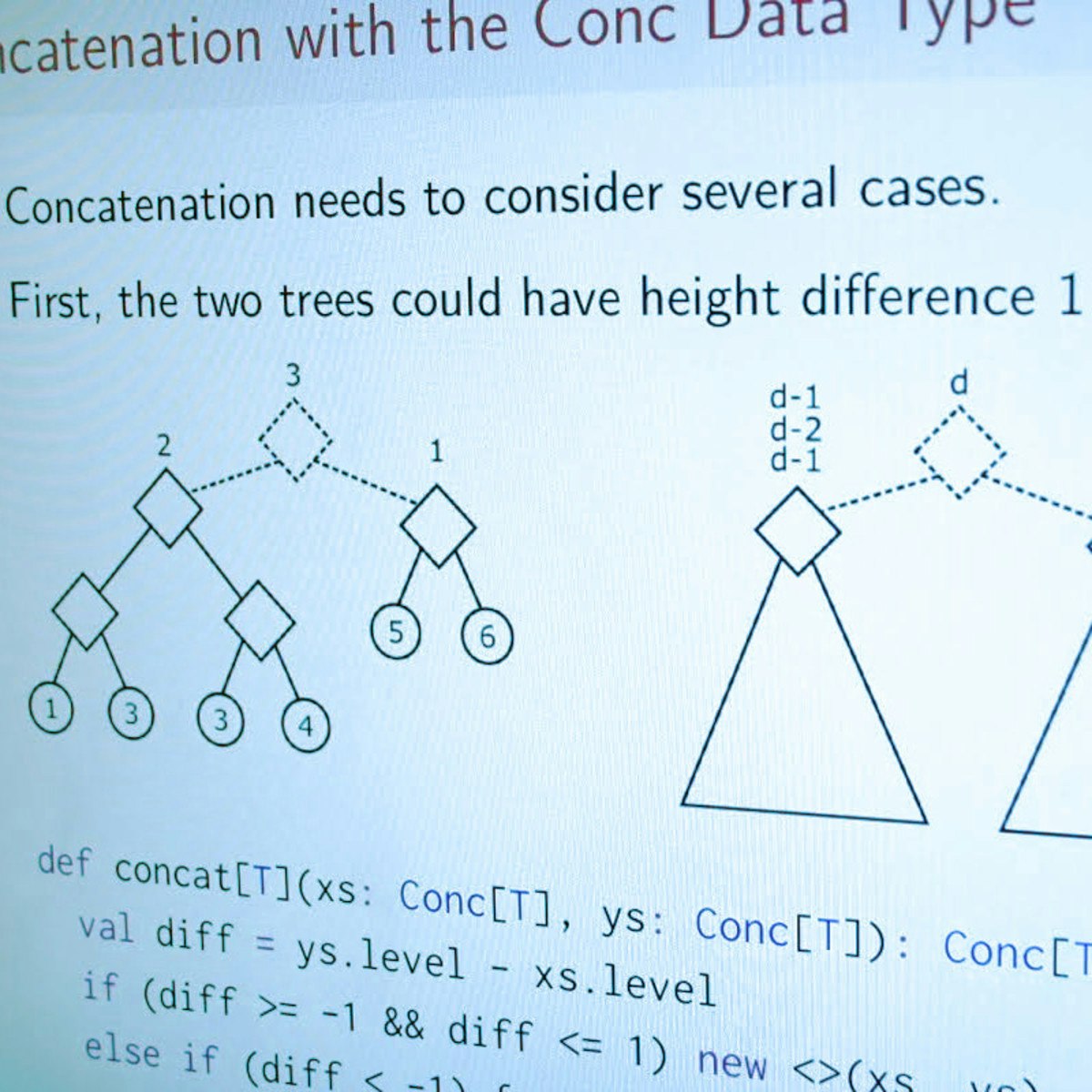
With every smartphone and computer now boasting multiple processors, the use of functional ideas to facilitate parallel programming is becoming increasingly widespread. In this course, you'll learn the fundamentals of parallel programming, from task parallelism to data parallelism. In particular, you'll see how many familiar ideas from functional programming map perfectly to to the data parallel paradigm. We'll start the nuts and bolts how to effectively parallelize familiar collections operations, and we'll build up to parallel collections, a production-ready data parallel collections library available in the Scala standard library. Throughout, we'll apply these concepts through several hands-on examples that analyze real-world data, such as popular algorithms like k-means clustering. Learning Outcomes. By the end of this course you will be able to: - reason about task and data parallel programs, - express common algorithms in a functional style and solve them in parallel, - competently microbenchmark parallel code, - write programs that effectively use parallel collections to achieve performance Recommended background: You should have at least one year programming experience. Proficiency with Java or C# is ideal, but experience with other languages such as C/C++, Python, Javascript or Ruby is also sufficient. You should have some familiarity using the command line. This course is intended to be taken after Functional Program Design in Scala: https://www.coursera.org/learn/progfun2.

Security & Ethical Hacking: Attacking Web and AI Systems
In this course you will learn how the security of web-based software, including deployed AI agents, can be compromised. Real-world attacks we study are conducted against a variety of web technologies and frameworks. In addition, we will introduce the topic of Adversarial Machine Learning (exploiting algorithms and learning techniques) in the Artificial Intelligence domain, including Language Models. We will review and study modern, cutting-edge research in this area. Course assessments are through quizzes, hands-on exercises and an exam. This course can be taken for academic credit as part of CU Boulder’s MS in Data Science or MS in Computer Science degrees offered on the Coursera platform. These fully accredited graduate degrees offer targeted courses, short 8-week sessions, and pay-as-you-go tuition. Admission is based on performance in three preliminary courses, not academic history. CU degrees on Coursera are ideal for recent graduates or working professionals. Learn more: MS in Data Science: https://www.coursera.org/degrees/master-of-science-data-science-boulder MS in Computer Science: https://coursera.org/degrees/ms-computer-science-boulder

Application and DevSecOps
In this advanced-level course, you will learn to embed security directly into the software development lifecycle, transforming how your organization builds and deploys applications. You'll move beyond traditional development practices to automate security by gating Infrastructure-as-Code (IaC) pipelines, embedding SAST/DAST scanning, and continuously monitoring control baselines to ensure ongoing compliance. You'll leverage generative AI and manual frameworks to lead comprehensive threat-modeling workshops, identifying potential attack vectors before they impact production. You'll also engineer secure containerized and Kubernetes environments, aligning workload protection and orchestration controls with established cloud landing zones, and design AI-enhanced security gates within Jenkins and GitHub Actions to prevent AI-related attack vectors throughout the software delivery lifecycle. This course is for security engineers, DevOps professionals, and software architects with familiarity with the SDLC, basic CI/CD pipeline automation, and introductory experience with application or infrastructure security testing. By the end of this course, you will be able to lead threat-modeling workshops to derive security requirements and structure control gates across complex systems; operationalize SAST, DAST, SCA, and secret-scanning within CI/CD and IaC pipelines to enforce risk-based gating; engineer secure containerized and Kubernetes environments aligned with established cloud landing zones; and design AI-enhanced security gates within Jenkins and GitHub Actions to prevent AI-related attack vectors across the software delivery lifecycle. This course works with tools across the DevSecOps ecosystem, including GitHub Advanced Security for secret scanning and code analysis, the free Microsoft Threat Modeling Tool which are available for public repositories. GitHub Advanced Security features, including Code Security and Secret Protection, require a paid license for private repositories.

5G Open RAN Essentials: Architecture & Ecosystem Basics
5G Open RAN Essentials: Architecture & Ecosystem Basics is a hands-on course designed for engineers, analysts, and telecom professionals who want to understand the building blocks and business case behind Open RAN. You’ll start by exploring what sets Open RAN apart from traditional RAN—from modular architecture to open interfaces—using simple, visual walkthroughs. As you move forward, you’ll dive into the core components of O-RAN—RU, DU, CU, and RIC—and learn how they work together to enable vendor interoperability and flexible deployments. Through real-world case studies, interactive labs, and industry-aligned design tasks, you’ll apply your learning in practical ways—from designing pilot architectures to making a strategic pitch for O-RAN adoption. By the end, you’ll be able to confidently explain how Open RAN works, why it matters, and how it’s being deployed around the world to drive innovation, cost-efficiency, and supply chain diversity.
Amazon Q Developer Beginner Training for Python
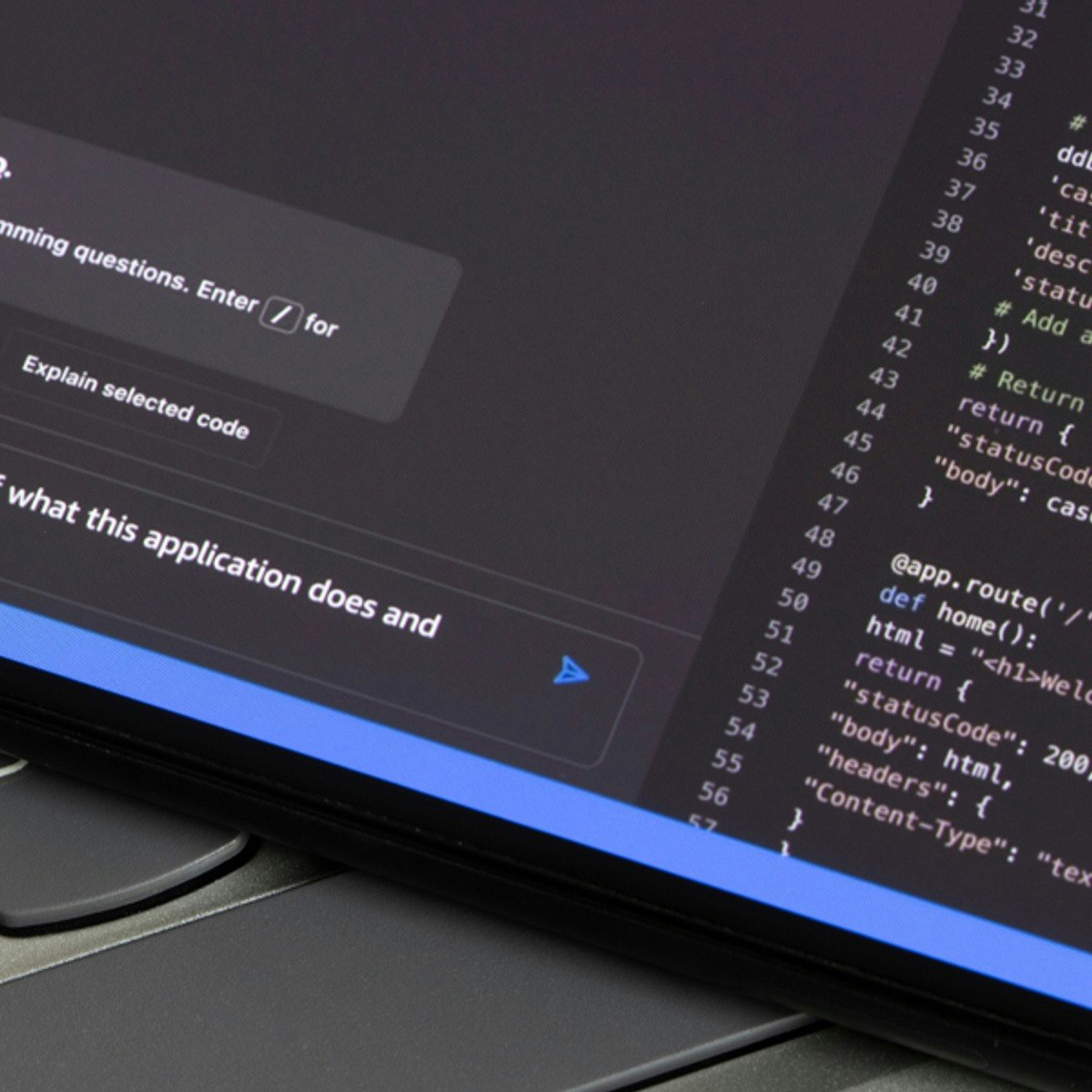
Master Amazon Q Developer and prompt engineering for Python development. This course covers Amazon Q Developer setup, AI-assisted coding, prompt engineering, safe prompting, output verification, Python project development, structured workflows, and software testing. Build practical skills through hands-on demos to create, validate, test, and improve reliable Python applications using Amazon Q. By the end of this course, you will be able to: - Set up and use Amazon Q Developer for Python coding - Apply prompt engineering fundamentals and safe prompting - Create structured problem statements for AI-assisted development - Verify AI-generated outputs for accuracy and reliability - Build professional Python projects with structured workflows - Apply unit, integration, and end-to-end testing - Use Amazon Q to support reliable AI-assisted development Ideal for beginners, students, Python developers, programmers, and aspiring AI developers with basic Python knowledge. No prior experience with Amazon Q Developer or prompt engineering is required.

Intermediate Python Skills for DevOps
This course features Coursera Coach! A smarter way to learn with interactive, real-time conversations that help you test your knowledge, challenge assumptions, and deepen your understanding as you progress through the course. Take your Python skills to the next level with this course focused on advanced Python techniques for DevOps automation. You'll explore powerful concepts like generators, decorators, error handling, resource management, logging, and system automation. By the end of the course, you’ll be equipped to use Python in more sophisticated DevOps workflows, creating more efficient and flexible scripts and tools to automate tasks and solve problems in real-world environments. The course starts with an exploration of Python generators and decorators, diving deep into their functionality to improve code efficiency and flexibility. From there, you’ll master error handling and resource management, learning how to handle exceptions, manage system resources, and clean up files and connections. You will also learn how to implement effective logging practices to monitor and debug Python applications in DevOps environments. We’ll also cover key concepts for managing data, working with regular expressions, and serializing data for communication. The course also introduces techniques for automating DevOps tasks, from environment variable management to system interaction through Python scripts. You'll gain hands-on experience in automating essential DevOps operations, managing configurations, and ensuring seamless interactions between systems. This course is perfect for Python developers who are familiar with basic Python concepts and want to deepen their skills in DevOps automation. A basic understanding of Python is required, and the course is ideal for those with some experience in Python who want to expand their toolset for automating DevOps workflows. By the end of the course, you will be able to automate complex DevOps tasks, handle errors effectively, implement efficient logging practices, and create robust Python applications for system automation and interaction.

TDD – Desenvolvimento de Software Guiado por Testes
Neste curso, assumimos que você já sabe projetar e desenvolver programas mais complexos em Java, com método e organização graças às boas práticas e princípios exercitados no curso anterior; mas você talvez não se sinta ainda confortável em projetar programas usando técnicas ágeis, como o desenvolvimento guiado por testes (TDD). O objetivo deste curso é expor você aos princípios e práticas de desenvolvimento guiado por testes, tanto para modelar quanto para desenvolver aplicações e componentes de software, sem abandonar os conceitos e princípios de orientação a objetos aprendidos no curso anterior. De fato, pregamos que tais conceitos e princípios fortalecem o emprego do TDD no desenvolvimento ágil de software com mais qualidade. Este curso terá um grande foco em atividades hands-on, permitindo a você captar todos os aspectos práticos da técnica e facilitar a sua aplicação quando estiver projetando e desenvolvendo software de maneira ágil nos próximos cursos. Os conceitos de desenvolvimento de software com Java apresentados neste curso incluem o seguinte: revisão de testes de unidade; automação de testes; desenvolvimento guiado por testes; ciclo do TDD; refatoração de código de produção; ciclo de refatoração; uso de objetos stubs e mocks; boas práticas no TDD; modelagem de software por meio do TDD. Ao final deste curso, você terá amadurecido de tal modo suas habilidades de programação que será capaz de implementar, agora usando o TDD, versões modificadas e estendidas do componente de gamificação constante do Trabalho de Conclusão da Especialização, com base nas boas práticas exercitadas neste curso.

Foundations of Scalable Application Development with NestJS
This course teaches how to build scalable, high-performance applications using NestJS, a powerful Node.js framework. Learners explore architecture patterns, modular design, and best practices for enterprise-grade applications. By the end of this course, participants will be able to set up a robust NestJS environment, implement advanced features like modules, controllers, and decorators, and optimize APIs for real-world use. The course emphasizes practical outcomes through hands-on examples and structured guidance. What sets this course apart is its balance between core theoretical concepts and applied development practices, including REST API optimization and GraphQL integration with Apollo Federation. Learners gain exposure to both foundational principles and industry-relevant implementations. Ideal for software developers and backend engineers with basic Node.js knowledge, this course is suitable for those aiming to deepen expertise in building scalable server-side applications. This course is part one of a three-course Specialization designed to provide a comprehensive learning pathway in this subject area. While it delivers standalone value and practical skills, learners seeking a more integrated and in-depth progression may benefit from completing the full Specialization.
Test Driven Development in Java for Beginners
By the end of this course, you will understand the test-driven development process in Java at a beginner's level.

بدء عملية تصميم تجربة المستخدم: التعاطف والتحديد والتصور
بدء عملية تصميم تجربة المستخدم: التعاطف والتحديد والتصور هي الدورة التدريبية الثانية في برنامج الشهادة التي ستزودك بالمهارات اللازمة للتقدم إلى وظائف المبتدئين في تصميم تجربة المستخدم. في الدورة الثانية، ستكمل الخطوات الأولى لعملية التصميم لمشروع ستتمكن من تضمينه في ملفك الشخصي. سوف تتعلم كيفية التعاطف مع المستخدمين وفهم الشكاوى لديهم، وتحديد احتياجات المستخدم باستخدام عرض المشكلة، والتوصل إلى الكثير من الأفكار لإيجاد حلول لمشكلات هؤلاء المستخدمين. سيعمل مصممو تجربة المستخدم والباحثون الحاليون في Google كمدربين لك، وستكمل الأنشطة العملية التي تحاكي سيناريوهات تصميم تجربة المستخدم في العالم الحقيقي. يجب أن يكون المتعلمون الذين يكملون الدورات السبع في برنامج الشهادة مؤهلين للتقدم بطلب للحصول على وظائف مصممي تجربة المستخدم المبتدئين. لا تلزم خبرة سابقة. بنهاية هذه الدورة، ستكون قادرًا على: - وصف طرق البحث الشائعة لتجربة المستخدم. - التعاطف مع المستخدمين لفهم احتياجاتهم والشكاوى لديهم. - إنشاء خرائط التعاطف والشخصيات وقصص المستخدم وخرائط رحلة المستخدم لفهم احتياجات المستخدم. - إعداد عمليات عرض المشكلة لتحديد احتياجات المستخدم. - إيجاد أفكار للحلول الممكنة لمشكلات المستخدم. - إجراء عمليات تدقيق تنافسية. - تحديد وتفسير التحيزات في أبحاث تجربة المستخدم. - ابدأ في تصميم تطبيق هاتف محمول، كمشروع جديد لتضمينه في ملفك الشخصي الاحترافي لتجربة المستخدم.

Créez des infographies avec Piktochart
À la fin de ce projet, vous aurez toutes les compétences de base pour créer des infographies professionnelles avec Piktochart, logiciel et outil en ligne de création et d’édition d’infographies et de visuels Marketing en tous genres. Vous serez capable de découvrir en détail les différentes fonctionnalités de la plateforme, et serez en mesure d’utiliser ses outils pour créer des infographies compréhensibles et ludiques. Ce projet est destiné aux débutants, aux personnes qui n’ont jamais utilisé Piktochart pour créer des infographies. Il est idéal pour ceux et celles qui souhaiteraient utiliser Piktochart pour leurs projets professionnels.

SwiftUI Covid19 Statistics Tracker with REST API & Swift 5
In this course, you will build a fully functional SwiftUI app to track COVID-19 statistics, using Swift 5 and integrating a REST API. By the end of this course, you will understand how to fetch live data, display real-time statistics, and design an intuitive user interface for an iOS app. The course walks you through every step, ensuring a practical learning experience with real-world applications. The course begins with setting up the project and registering for the required API. You'll then proceed through 13 detailed video lessons, each guiding you through key aspects of app development, from designing user interfaces to managing and displaying COVID-19 statistics. With each part of the course, you will progressively build out more complex app functionality, resulting in a complete, dynamic iOS 15 app by the end. This course is perfect for beginners with a basic understanding of programming who want to dive into mobile app development with SwiftUI. It’s especially useful for those who want to learn how to integrate APIs into their apps and build data-driven mobile applications. The course is beginner-friendly, but a basic understanding of programming concepts will be beneficial. By the end of the course, you will be able to build a COVID-19 tracking app using SwiftUI, integrate and manage real-time data from a REST API, and develop a polished iOS application with a focus on usability and functionality.

Introduction to Ethereum Blockchain
The course "Building DApps in Ethereum Blockchain" aims to provide participants with the knowledge and skills necessary to design, develop, and deploy decentralized applications (DApps) on the Ethereum blockchain. By the end of the course, participants will have acquired the necessary skills to design, develop, and deploy their own DApps on the Ethereum blockchain. They will be equipped to tackle real-world challenges in the blockchain industry, with the ability to contribute to projects related to decentralized finance, supply chain management, digital identity, and more. The course is suitable for the following target audience: 1) Developers: The course primarily targets developers who have a solid understanding of programming concepts and have experience with at least one programming language. The course will equip developers with the knowledge and skills necessary to build decentralized applications on the Ethereum blockchain. 2) Blockchain Enthusiasts: Individuals with a keen interest in blockchain technology, specifically Ethereum, can benefit from the course. The course will provide them with the necessary technical skills to develop DApps on the Ethereum platform. 3) Entrepreneurs and Product Managers: Entrepreneurs or product managers who are interested in exploring the potential of decentralized applications and integrating blockchain technology into their products or services can find value in the course. 4) Technical Professionals in the Finance and Banking Industry: Professionals in the finance and banking industry who want to explore the potential of blockchain and decentralized finance (DeFi) can benefit from the course. 5) Students and Researchers: Students studying computer science, blockchain, or related fields can take the course to gain practical knowledge and hands-on experience in developing DApps on the Ethereum blockchain. Pre-requisites: 1) Participants should have a solid understanding of programming concepts and experience with at least one programming language such as JavaScript, Python, or Solidity. 2) Familiarity with the fundamental concepts of blockchain technology is important. 3) Basic knowledge of web development is often required since DApps often involve front-end interfaces and back-end components. 4) Participants should have some familiarity with the command line interface (CLI), as they may need to execute commands to set up development environments, interact with Ethereum tools, compile smart contracts, and deploy DApps. 5) Solidity and Ethereum Development Tools By the end of the course, you will be able to: 1) Understand the key concepts, tools, and techniques involved in building Ethereum-based DApps, enabling individuals to tap into the potential of blockchain technology. 2) Will learn the fundamentals of blockchain technology, Ethereum architecture, smart contract development using Solidity, and the integration of front-end interfaces with the Ethereum network.

Master Supermarket Layouts: Design & Draft in AutoCAD
Learn to design, construct, and visualize a complete supermarket layout using industry-standard AutoCAD workflows. In this hands-on course, learners will identify key architectural components, develop structural and sectional drawings, organize service and operational zones, and create a fully detailed front elevation for a commercial supermarket project. By mastering both foundational and advanced drafting techniques, learners gain the practical skills needed to produce precise, professional architectural drawings. This course benefits learners by bridging real-world architectural planning with practical AutoCAD techniques. Each lesson builds progressively, reinforcing spatial reasoning, accuracy, and design decision-making. Through a complete project case study, learners gain confidence in handling commercial layouts, interpreting spatial requirements, and applying detailing strategies used in real architectural workflows. What makes this course unique is its comprehensive, end-to-end supermarket case study, structured into clear modules with progressive exercises—from base layout creation to advanced elevation detailing. Whether you’re building your drafting portfolio or preparing for professional design work, this course equips you with applied skills and industry-aligned expertise for real commercial projects.

Mastering Vim: Efficient Editing & Vimscript for Developers
This course dives deep into Vim, one of the most powerful and customizable text editors available. As a developer, learning Vim will boost your productivity and streamline your workflows. You will master Vim from basic navigation to advanced scripting techniques. This course empowers you to leverage Vim's full potential for text editing, coding, and development. What sets this course apart is its combination of theory and practical, real-world applications. You’ll build real projects using Vim and Vimscript to integrate into modern development environments. Ideal for developers looking to enhance their productivity with Vim, this course doesn’t require prior experience with Vim but benefits those with basic programming knowledge.

Introducción a IA con Python
El participante aprenderá los fundamentos de la Inteligencia Artificial (IA), desde sus conceptos básicos hasta las técnicas y herramientas más utilizadas para su desarrollo, utilizando Python como lenguaje de programación. Al finalizar el curso, será capaz de aplicar algoritmos de IA en ejemplos prácticos y comprender las implicaciones éticas de la IA

SwiftUI Animations iOS 16 - Animate Anything with SwiftUI
Updated in May 2025. This course now features Coursera Coach! A smarter way to learn with interactive, real-time conversations that help you test your knowledge, challenge assumptions, and deepen your understanding as you progress through the course. Create smooth and engaging animations with SwiftUI through a fun course that caters to all skill levels, from easy to advanced, exploring various types of animations. With just a working knowledge of Swift, you can utilize Apple’s SwiftUI to create beautiful animations with less code. The course covers numerous techniques to translate your animation ideas into reality. SwiftUI, Apple's declarative framework, is fast, easy, and enjoyable. You will learn to create projects like a breathing flower with effects such as snow and wind, animate objects around different axes, create a marching ants effect, animate a weather graph with data, and combine animations for unique effects. Additionally, you'll use the Shape protocol and paths to make custom wave shapes and animate them along control points, as well as animatableData for animating data in interesting ways. You will understand the Parallax effect, use iOS SpriteKit for physics-based animations, and add sound to make projects more engaging. This course is ideal for intermediate iOS developers looking to expand their expertise with SwiftUI. A basic understanding of Swift programming is recommended. Whether you're a developer aiming to create more engaging user interfaces or a designer wanting to implement your ideas more effectively, this course is designed to elevate your skills.
Building Multimodal Search and RAG
Learn how to build multimodal search and RAG systems. RAG systems enhance an LLM by incorporating proprietary data into the prompt context. Typically, RAG applications use text documents, but, what if the desired context includes multimedia like images, audio, and video? This course covers the technical aspects of implementing RAG with multimodal data to accomplish this. 1. Learn how multimodal models are trained through contrastive learning and implement it on a real dataset. 2. Build any-to-any multimodal search to retrieve relevant context across different data types. 3. Learn how LLMs are trained to understand multimodal data through visual instruction tuning and use them on multiple image reasoning examples. 4. Implement an end-to-end multimodal RAG system that analyzes retrieved multimodal context to generate insightful answers. 5. Explore industry applications like visually analyzing invoices and flowcharts to output structured data. 6. Create a multi-vector recommender system that suggests relevant items by comparing their similarities across multiple modalities. As AI systems increasingly need to process and reason over multiple data modalities, learning how to build such systems is an important skill for AI developers. This course equips you with the key skills to embed, retrieve, and generate across different modalities. By gaining a strong foundation in multimodal AI, you’ll be prepared to build smarter search, RAG, and recommender systems.
Advanced Patterns and Enterprise Deployment in Angular
Advance your Angular expertise by mastering reusable patterns, state management, and production-ready deployment strategies. Learn to optimize forms, implement NgRx, and streamline your CI/CD pipeline for enterprise applications. This course covers advanced Angular development topics, including reusable form patterns, master/detail interfaces, data tables, and state management with NgRx and Signals. Learners will also gain practical knowledge in preparing applications for production, implementing automated testing, and deploying with modern CI/CD workflows. By the end, you will be ready to deliver high-performance, maintainable Angular solutions at scale. With a focus on actionable insights and up-to-date tools, this course presents advanced techniques and best practices through clear explanations and real-world examples. Learners are guided through the process of optimizing, testing, and deploying enterprise-grade Angular applications. This course is part three of a three-course Specialization designed to provide a comprehensive learning pathway in this subject area. While it delivers standalone value and practical skills, learners seeking a more integrated and in-depth progression may benefit from completing the full Specialization. This course is based on Angular for Enterprise Applications, by Doguhan Uluca. Packt is one of the world's most prolific publishers of cutting-edge technical content. For over two decades we've made it our mission to curate and publish the knowledge of only the very best technical experts. We focus on real-world courses that help our customers get the job done, with coverage that extends across a wide range of established and cutting-edge technical topics. If you're an individual or an organisation that embraces learning by doing, Packt is the perfect fit for you.

AWS: IoT, Machine Learning and Blockchain
AWS: IoT, Machine Learning, and Blockchain is the second course of Exam Prep (SAP-C02): AWS Certified Solutions Architect - Professional Specialization. This course explores key AWS services for building intelligent and connected applications. Learners will gain insights into AWS IoT Core, AWS IoT Events, and IoT Greengrass. The course also covers AI services like Amazon Polly, Translate, Comprehend, Rekognition, Kendra, Personalize, and SageMaker. Additionally, it introduces Managed Blockchain and remote workspace solutions with WorkSpaces and WorkSpaces Web. This course facilitates learners with approximately 3:00-3:30 Hours of Video lectures that provide both Theory and Hands-On knowledge. Also, Graded and Ungraded Quizzes are provided with every module to test learners' ability. - Module 1: IoT and Blockchain in AWS - Module 2: Machine Learning in AWS This course is designed for professionals seeking to master specialized AWS services beyond core infrastructure. It is ideal for developers, data scientists, architects, and engineers focused on leveraging Artificial Intelligence, Machine Learning, Internet of Things, Blockchain, and End User Computing solutions. - Senior Solutions Architects - Enterprise Architects - Cloud Infrastructure Architects - Senior DevOps Engineers By the end of the course, learners will be able to: - Understand IoT services like AWS IoT Core, IoT Events, and IoT Greengrass. - Extract data from documents and recognize images using Amazon Textract and Rekognition. - Discover use cases for Amazon Managed Blockchain and compare virtual desktop solutions with Amazon WorkSpaces vs WorkSpaces Web.

Dynamic volume provisioning on GKE with Google Cloud NetApp Volumes
This is a self-paced lab that takes place in the Google Cloud console.

Concurrency in Go
Learn how to implement concurrent programming in Go. Explore the roles of channels and goroutines in implementing concurrency. Topics include writing goroutines and implementing channels for communications between goroutines. Course activities will allow you to exercise Go’s capabilities for concurrent programming by developing several example programs.

Cybersecurity and Network Defense Fundamentals
This program equips aspiring cybersecurity professionals, SOC analysts, network engineers, and system administrators with the foundational knowledge and practical skills required to understand, analyze, and defend against modern cyber threats in enterprise environments. You will begin by exploring the evolving cyber threat landscape, examining attacker motivations, adversary methodologies, and structured attack lifecycles using frameworks such as the Cyber Kill Chain and MITRE ATT&CK. Through guided demonstrations and applied analysis, you will learn how attackers conduct reconnaissance, exploit vulnerabilities, and move across networks—and how defenders detect and disrupt these activities using structured security operations techniques. Building on this foundation, you will develop practical Linux skills essential for cybersecurity operations. Working within a Kali Linux environment, you will execute core command-line operations, analyze system logs, apply regular expressions for investigation, and map adversary techniques using MITRE ATT&CK Navigator. The course also introduces structured threat intelligence practices, including OSINT collection and STIX/TAXII-based intelligence sharing. Using tools such as Maltego and theHarvester, you will learn how to uncover external attack surfaces and enhance situational awareness through intelligence-driven defense. Next, the program explores attack vectors and exploitation techniques commonly used in real-world cyber incidents. You will analyze phishing campaigns, social engineering tactics, malware delivery methods, and ransomware lifecycles. Through controlled demonstrations and sandbox-based analysis, you will observe malicious behavior, identify indicators of compromise, and understand how attackers transition from initial access to system impact. The course then advances into operating system security and network monitoring. You will apply secure configuration principles, enforce privilege management controls, audit system activity, and assess endpoint security posture across Windows and Linux environments. On the network side, you will design segmented architectures, implement intrusion detection and prevention concepts, and analyze packet-level traffic using Wireshark and Snort to detect anomalies and suspicious activity. Finally, you will integrate these capabilities in a structured practice project where you map a full threat lifecycle, analyze indicators, harden systems, and validate monitoring controls—demonstrating a layered defense strategy aligned with enterprise best practices. By the end of this program, you will be able to: -Analyze cyber threats, attacker behaviors, and structured attack lifecycles. -Map adversary tactics and techniques using MITRE ATT&CK and the Cyber Kill Chain. -Apply Linux command-line tools for log analysis, investigation, and threat mapping. -Collect and evaluate threat intelligence using OSINT and structured intelligence feeds. -Identify phishing, malware, and ransomware exploitation techniques. -Implement operating system hardening and privilege management controls. -Design secure network architectures using segmentation and IDS/IPS principles. -Analyze network traffic and detect suspicious activity using monitoring tools. This course is designed for SOC analysts, cybersecurity practitioners, network and infrastructure engineers, system administrators, and early-career security professionals seeking strong foundational and operational skills in cyber threat analysis and network defense. Join us to build the analytical mindset, technical capability, and structured defense strategies required to protect enterprise systems against modern cyber threats.
Cloud Native, Microservices, Containers, DevOps and Agile
Over 80% of enterprises now rely on cloud-native technologies to drive innovation and scale efficiently (CNCF). Professionals with cloud-native, microservices, and DevOps skills are highly sought after! This course equips both aspiring and experienced professionals with the practical, job-ready expertise employers are looking for. During the course, you’ll explore cloud-native fundamentals, including hybrid cloud infrastructures and modernization strategies. Plus, you'll gain hands-on experience mastering RESTful APIs, CI/CD pipelines, and Agile and Scrum practices that enhance collaboration and delivery. The course also covers essential containerization concepts for using Docker and Kubernetes, ensuring you can build scalable and resilient applications. Plus, through interactive labs and real-world projects, you'll develop the technical skills and confidence to apply these practices effectively in professional environments. By the end, you'll have the expertise to build scalable cloud-native applications, automate development workflows, and align technical solutions with business objectives. If you’re keen to open up exciting career opportunities in cloud, enroll today!
Reinforcement Learning from Human Feedback
Large language models (LLMs) are trained on human-generated text, but additional methods are needed to align an LLM with human values and preferences. Reinforcement Learning from Human Feedback (RLHF) is currently the main method for aligning LLMs with human values and preferences. RLHF is also used for further tuning a base LLM to align with values and preferences that are specific to your use case. In this course, you will gain a conceptual understanding of the RLHF training process, and then practice applying RLHF to tune an LLM. You will: 1. Explore the two datasets that are used in RLHF training: the “preference” and “prompt” datasets. 2. Use the open source Google Cloud Pipeline Components Library, to fine-tune the Llama 2 model with RLHF. 3. Assess the tuned LLM against the original base model by comparing loss curves and using the “Side-by-Side (SxS)” method.

Deploy & Optimize ML Services Confidently
Take your machine learning skills beyond the notebook and into production. In this short, practical course, you’ll learn how to turn trained models into reliable RESTful inference services, automate deployment pipelines, and monitor real-time performance like a professional MLOps engineer. You’ll build a /predict API using FastAPI, integrate it with GitHub Actions for CI/CD, and then simulate traffic with Locust to evaluate latency and optimize for a 100 ms SLA target. Whether you’re an aspiring MLOps engineer or a data scientist ready to bridge into deployment, this course gives you the hands-on confidence to deliver production-grade ML services that scale. You’ll strengthen the technical and analytical skills that modern AI teams need — automation, performance optimization, and service reliability — to stay competitive in the evolving ML operations landscape. By the end, you’ll not only deploy your own model confidently but also gain the credibility to manage real-world ML systems end-to-end.

Design, Build, & Publish your Portfolio with Figma & Framer
By the end of this course with Nuria Quero, you will be able to design, build, and publish your own fully responsive portfolio website—moving seamlessly from Figma to Framer without writing a single line of code. You’ll learn how to structure and design your portfolio in Figma, transfer it using the Figma to Framer plugin, create CMS collections, link pages, design for mobile, add subtle animations, and publish to a custom domain. This hands-on class is structured in three practical parts: designing your portfolio in Figma, bringing it to life in Framer with CMS and interactions, and optimizing and publishing your site. Along the way, you’ll bridge the common gap between static design files and real, functional websites. This course is ideal for design students, junior designers, freelancers, and professionals who want to create or refresh their portfolio. To be successful, you should feel comfortable using a computer and navigating design tools, but no prior experience with Figma or Framer is required. Your portfolio is your calling card. In this course, you won’t just design it—you’ll launch it.

Web and Mobile Testing with Selenium
Modern applications that we build invariably have touch-points with its users through web-based and mobile platforms. Users interact with the software through these interfaces and the experiences those interfaces provide have a strong influence on the perceived quality of the software. The pace at which modern applications deploy new versions and features call for careful prioritization of testing effort and rapid execution through automation. Techniques and methods for testing of such applications will be the focus of this course. We will cover key concepts relevant to testing of web and mobile platforms, underlying techniques and the use of Selenium as a framework for automating testing of such applications. The learner will gain a solid foundation in web and mobile testing principles and the ability to use a testing framework to automate test execution.

AI 世界的安全防護簡介
人工智慧 (AI) 帶來轉型可能,但全新資安挑戰也隨著出現。本課程介紹資料安全和保護的策略,可幫助相關領域的領導者,在企業內部安全地管理 AI。您可以瞭解如何建立框架,主動辨別和減輕 AI 特有的風險、保護機密資料、確實法規遵循,並打造堅韌的 AI 基礎架構。我們提供四個不同產業的案例,帶您探索如何實際應用這些策略。

Build a C# WinForms Exhibition Visitor Entry System
By completing this course, learners will analyze real-world requirements, design structured databases, develop intuitive WinForms user interfaces, and implement a fully functional Exhibition Visitor Entry system using C# and ADO.NET. Learners will gain hands-on experience in connecting UI elements with backend logic, managing relational data, validating user input, and handling exceptions in a production-ready desktop application. This course enables learners to move beyond theory by building a complete end-to-end practical project that mirrors real business scenarios. Instead of isolated concepts, learners follow a step-by-step workflow—from planning and database design to UI creation, coding, validation, and final application polishing. The structured module and lesson approach ensures clarity, while the progressive coding demonstrations reinforce industry-relevant best practices. What makes this course unique is its project-centric methodology, focusing on practical implementation using C# WinForms and ADO.NET, technologies still widely used in enterprise desktop applications. By the end of the course, learners will have a deployable project, improved problem-solving skills, and the confidence to design and develop similar real-world desktop applications independently.

Conduzir pesquisas de UX e testar os primeiros conceitos
“Conduzir pesquisas de UX e testar os primeiros conceitos” é o quarto curso de um programa de certificação que vai lhe fornecer as habilidades necessárias para se candidatar a empregos de nível básico em design de experiência do usuário (UX, na sigla em inglês). Neste curso, você aprenderá a planejar e realizar um estudo de usabilidade para coletar feedback sobre seus designs. Depois, você modificará seus designs de baixa fidelidade com base nos insights da sua pesquisa. Seus instrutores serão designers e pesquisadores de UX atuais do Google, e você realizará atividades práticas que simulam situações reais de projeto de UX. Os alunos que concluírem os sete cursos deste programa de certificação estarão equipados para se candidatar a vagas de designers de UX iniciantes. Veja do que você será capaz ao final deste curso: Planejar um estudo de pesquisa de UX, incluindo o histórico do projeto, os objetivos e as perguntas da pesquisa, principais indicadores de desempenho, metodologia, participantes e script. - Explicar a importância da privacidade e dos dados do usuário. - Realizar um estudo de usabilidade moderado e não moderado. - Fazer anotações durante um estudo de usabilidade. - Criar diagramas de afinidade para agrupar e analisar dados. - Sintetizar observações de pesquisa e obter insights. - Desenvolver habilidades de apresentação persuasiva para compartilhar os insights da pesquisa. - Modificar designs de baixa fidelidade com base nos insights de pesquisa. - Continuar criando o design de um app para dispositivos móveis para incluir no seu portfólio profissional. - Para ir bem neste curso, você precisa concluir os três cursos anteriores do programa de certificação. Como alternativa, você precisa ter capacidade de realizar pesquisas com usuários para ajudar na criação de mapas de empatia, personas, histórias de usuários, mapas da jornada do usuário, declarações de problema e propostas de valor. Você também precisa saber como criar wireframes e protótipos de baixa fidelidade em papel e na ferramenta de design Figma.
Kubernetes Networking, Storage, and Security Essentials
Gain expertise in Kubernetes networking, storage, and security to ensure robust, scalable, and secure cloud-native applications. Learn how to design, secure, and troubleshoot critical infrastructure components. This course delves into the essential aspects of Kubernetes networking, including pod communication, service types, and ingress controllers, as well as persistent storage and stateful application management. You will also explore security best practices, RBAC, and network policies to protect your clusters and workloads. By mastering these topics, you will be equipped to design and maintain resilient, secure, and high-performing Kubernetes environments. The course uses practical scenarios, interview-style questions, and clear explanations to help learners internalize key networking, storage, and security concepts. Emphasis is placed on real-world challenges and actionable strategies for success. This course is part two of a three-course Specialization designed to build a complete and cohesive understanding of the subject. While it offers valuable skills on its own, you'll gain the most benefit by progressing through all three courses as a structured learning journey. This course is based on Cracking the Kubernetes Interview, by Viktor Vedmich and Alexander Dovnar. Packt is one of the world's most prolific publishers of cutting-edge technical content. For over two decades we've made it our mission to curate and publish the knowledge of only the very best technical experts. We focus on real-world courses that help our customers get the job done, with coverage that extends across a wide range of established and cutting-edge technical topics. If you're an individual or an organisation that embraces learning by doing, Packt is the perfect fit for you.