Cursos de Desarrollo
Los mismos datos para todos, vengan de Udemy o de Coursera: precio, valoración, duración e idioma. 1.285 cursos encontrados. Afinar la búsqueda
Python Django for Beginners
Django powers some of the most heavily trafficked sites on the internet, and it remains one of the most in-demand skills for backend and full-stack developers. This course gives you a structured, beginner-friendly path into building real, database-driven web applications with Python. You will progress from an empty project folder to a deployed, multi-page web application. The course opens with Django's MTV architecture and the request-response lifecycle, then moves into templates, static asset management, and reusable UI components. From there, you will model data with the Django ORM, construct views and URL routing, process forms, and implement full CRUD functionality. This is a follow-along course. Every concept is paired with a hands-on activity. By the end of this course, you will be able to: 1. Explain Django's MTV architecture and the request-response lifecycle 2. Construct templates, views, and URL routing for multi-page applications 3. Build relational data models and query them using the Django ORM 4. Implement forms, CRUD operations, and user authentication 5. Deploy a complete Django application to a production server This course is ideal for aspiring backend and full-stack developers, Python programmers moving into web development, and computer science students building practical project experience. To get started, you need basic Python knowledge along with a working knowledge of HTML and CSS. Enroll now to start building production-ready web applications with Django.

Online Social Media
Master the dynamic world of social media through comprehensive exploration of its evolution, impact, and future. This course equips you with critical thinking skills to analyze social media platforms, understand their theoretical foundations, and navigate digital spaces responsibly. You'll trace social media's evolution from early platforms to modern ecosystems, examining diverse platforms including microblogging, media sharing, professional networking, and messaging apps. Explore foundational theories such as Uses and Gratification Theory, Media Ecology Theory, and Diffusion of Innovation Theory to understand how social media shapes communication and society. Develop practical skills for the digital age by examining digital identity formation, privacy concerns, ethical considerations, and cybersecurity practices. Learn how to leverage social media for career advancement while understanding the psychological impacts, authenticity challenges, and safety concerns of online interactions. This course uniquely combines theoretical frameworks with real-world applications, preparing you to engage critically with social media as both a user and professional. Through interactive dialogues, case studies, and hands-on assignments, you'll gain the knowledge and confidence to navigate the evolving social media landscape responsibly and effectively.
Building Interactive User Interfaces Using React Library
A frontend application is expected to have an attractive, responsive UI and a seamless UX with swift navigable views. Single Page Applications (SPAs) fulfill these expectations as they are lighter and efficient. React, a popular JavaScript library is used for developing complex user interfaces for single page applications (SPAs). Facebook, Instagram, Netflix, Airbnb etc., are some of the famous websites that use React. In this course, you will learn to construct an SPA by developing reusable and testable React Class components. The library helps you explore React features that enhance the performance of web applications by enabling partial page updates.

Developing and Deploying Web Applications with Python
Build practical skills in Python web development by learning how to create, connect, parse, publish, and deploy web applications. This course is designed for learners with a foundational understanding of Python who want to expand into GUI development, networking, web data processing, and web application deployment using industry-standard Python technologies. You will begin by building interactive desktop applications with wxPython, creating GUI-based programs, enhancing text editors, and integrating database support. Next, you will develop network-aware applications using Python networking modules, implement asynchronous programming with asyncio, and build event-driven applications with the Twisted framework. You will then learn to parse and clean HTML using Tidy, Python parsing libraries, and Beautiful Soup, before extracting web data and implementing CGI programming for server-side web applications. Finally, you will configure Apache for dynamic content deployment, publish applications using Python Server Pages, generate RSS feeds, and implement XML-RPC for remote communication. Whether you want to strengthen your Python web programming skills or gain hands-on experience with web deployment and communication technologies, this course provides a structured, practice-focused path from GUI development to deploying Python-powered web services.

Advanced SwiftUI, MVVM, and App Design Patterns
This course features Coursera Coach! A smarter way to learn with interactive, real-time conversations that help you test your knowledge, challenge assumptions, and deepen your understanding as you progress through the course. In this course, you will delve into advanced SwiftUI techniques, focusing on app design patterns, UI customization, and the MVVM architecture. You'll master the art of stylizing text views, including using Markdown, string interpolation, and attributed strings. Further, you’ll explore creating custom view modifiers, building complex UI elements, and adapting your app for dark and light mode support. The journey continues with the implementation of real-world projects like a calculator app with advanced features, an MVVM-based recipe app, and a platform-adaptive hotkeys app. You'll also work with advanced design techniques using iOS 18 capabilities such as Text Renderer effects and Metal shaders. Along the way, you'll learn the intricacies of state management, UI responsiveness, and incorporating complex business logic into your apps. This course will also introduce design best practices for scalable, maintainable, and testable SwiftUI applications. You will work on real-world challenges, applying MVVM to organize your code, use efficient data handling, and develop polished apps. By the end of the course, you will be able to create highly interactive SwiftUI interfaces, build robust apps using MVVM, and apply design patterns to optimize your development process and code structure.

xUnit
"Introduction to xUnit for .NET Testing" is a comprehensive course tailored for .NET developers looking to master the xUnit testing framework. Across two modules, this course begins with the basics of xUnit, including setup, writing initial tests, and understanding the framework's core concepts. It then progresses to more advanced topics like data-driven testing, handling asynchronous code, and integrating xUnit into CI/CD pipelines. Emphasizing both theory and practical application, this course is designed to equip developers with the skills needed to implement robust and efficient testing strategies using xUnit in their .NET projects, thereby enhancing software quality and reliability. Module 1: Getting Started with xUnit is designed to introduce .NET developers to xUnit, a popular testing framework. It begins with a comprehensive overview of xUnit, followed by guidance on setting it up in a .NET project. The module progresses to crafting your first test, understanding test classes and methods, the basics of asserts, and the test lifecycle, including setup and teardown processes. This module is a foundational step for developers aiming to build robust testing practices using xUnit in their .NET projects. "Module 2: Advancing Your xUnit Skills" elevates your proficiency in xUnit for .NET by exploring more advanced and specialized testing techniques. This module covers data-driven testing using attributes like [InlineData], [ClassData], and [MemberData], managing expected exceptions, and approaches to testing asynchronous code. It also emphasizes best practices for organizing and naming tests, effective use of assertions, and conceptual insights into integrating xUnit with CI/CD pipelines. Ideal for developers seeking to enhance their xUnit testing skills, this module offers deep insights and practical applications. This course is suitable for anyone involved in the .NET development ecosystem who wishes to enhance their unit testing skills, ensure code reliability, and maintain software quality using the xUnit framework. Disclaimer: This is an independent educational resource created by Board Infinity for informational and educational purposes only. This course is not affiliated with, endorsed by, sponsored by, or officially associated with any company, organization, or certification body unless explicitly stated. The content provided is based on industry knowledge and best practices but does not constitute official training material for any specific employer or certification program. All company names, trademarks, service marks, and logos referenced are the property of their respective owners and are used solely for educational identification and comparison purposes.
Node.js Backend Security, Performance and Optimization
Ready to take your backend development skills to the next level? In today’s fast-paced tech world, optimizing and securing your Node.js applications is essential, but generic Node.js tutorials overlook real-world challenges. This course closes that gap with techniques to make your backend systems more performant, secure, and cloud-native. You’ll master essential Node.js optimization techniques—from improving controller performance to securing sessions with Redis. Dive into MongoDB optimization, learning how to use indexing, geospatial queries, and replication for scalable applications. You’ll also gain hands-on experience deploying your Node.js app to Heroku, ensuring it’s production-ready. What makes this course unique? Practical, real-world projects that tackle complex backend issues head-on. Learn security best practices like blacklisting refresh tokens and managing sessions across multiple devices, ensuring your app is secure. Perfect for developers looking to level up their backend skills, this course equips you with the tools to build high-performance, scalable applications. Build smarter, not harder. Enroll now and transform your backend skills!

Introduction to User Experience Principles and Processes
This UX course provides an introduction to the fields of UX research and design. Learners will gain an understanding of what is involved in UX research, including conducting interviews, evaluating systems, and analyzing systems using principles of good design. Learners will also learn about the work involved in UX Design, including the generation of promising design solutions and the creation of prototypes at multiple levels of fidelity. By interleaving successive phases of UX Research and Design, learners will see how to learn from inevitable mistakes and improve towards a product with a great UX. What you'll learn: - The skills needed for UX research and design - How UX researchers discover and assess user needs and assess possible designs - How to conduct a micro-usability test - How UX designers use sketching and prototyping to develop design concepts - How to incorporate a user-centered focus into the design process - Key features of human behavior and describe their impact on the design of interactive systems - Techniques for critiquing and designing interactive systems based on human capabilities and behavior
Effective .NET Memory Management
Effective .NET Memory Management gives you the essential skills to control how your applications use memory and why it matters for building high-performance, stable software. Understanding these techniques is crucial for developers who want to create scalable systems that handle real-world workloads efficiently. Through this course, you’ll learn how to optimize memory usage, reduce unnecessary allocations, and prevent common pitfalls that lead to performance degradation. You will gain practical insights that help you apply memory-efficient techniques directly to your .NET projects. What sets this course apart is its balanced approach—combining clear explanations of core memory concepts with hands-on examples drawn from real application scenarios. You will immediately see how theory translates into impactful improvements. This course is ideal for intermediate to advanced developers familiar with C# and .NET Core who want to strengthen performance engineering skills. Some prior experience with application development is recommended.

Applied DeepSeek: Building Intelligent Systems
Apply DeepSeek to real-world scenarios through detailed case studies and learn how to build robust AI-powered applications. Discover best practices for integrating DeepSeek into practical workflows and systems. This course guides learners through hands-on applications of DeepSeek, starting with benchmarking, prompt design, and response evaluation in diverse domains such as financial document extraction. Learners will explore the process of building AI-driven solutions, from technical requirements and context creation to deploying APIs and running models locally. The course also covers the integration of DeepSeek into agent workflows, enabling the development of intelligent agents and orchestrated systems. Learners engage with practical examples and step-by-step explanations, focusing on translating DeepSeek’s capabilities into effective solutions. The course emphasizes actionable insights and real-world integration strategies for developers and AI engineers. This course is part two of a three-course Specialization designed to provide a comprehensive learning pathway in this subject area. While it delivers standalone value and practical skills, learners seeking a more integrated and in-depth progression may benefit from completing the full Specialization.
Intro to Mistral AI
This course teaches you how to interact with Mistral's AI models with JavaScript. This enables you to build intelligent apps, all the way from simple chat completions to advanced use-cases like RAG and function calling. The code is written using Mistral's JavaScript SDK, but the concepts covered are language-agnostic, making this course just as relevant for Python developers as it is JavaScript developers. Created in collaboration between Mistral AI and Scrimba.
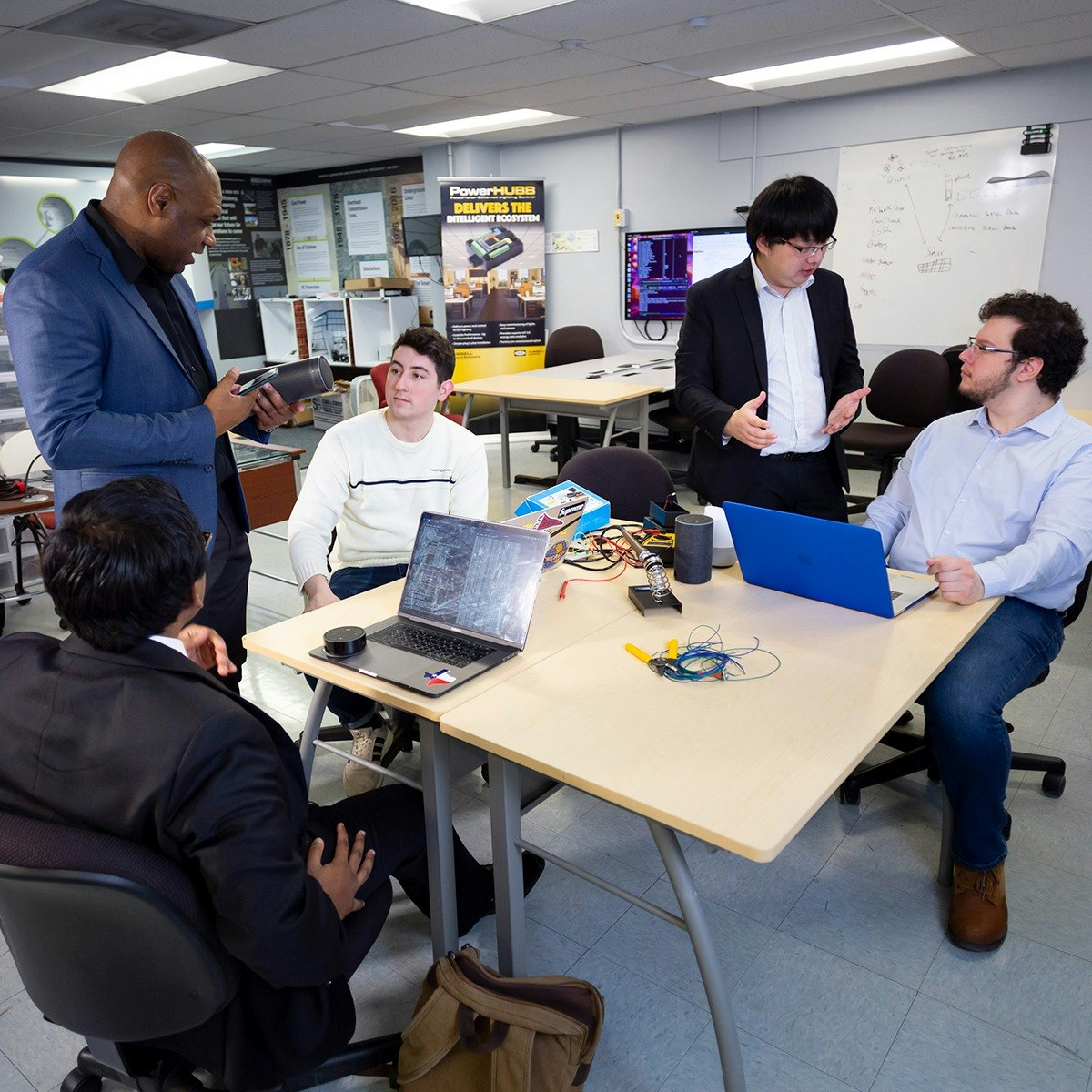
Deep Learning
An introduction to the field of deep learning, including neural networks, convolutional neural networks, recurrent neural networks, transformers, generative models, neural network compression and transfer learning. This course will benefit students’ careers as a machine learning engineer or data scientist.

Creative AI: Images and Media
This course explores how artificial intelligence is transforming the way we create, interpret, and engage with images and visual media. Focusing on generative tools, datasets, and cultural impact, you’ll learn how AI systems are trained to generate images, how artists are using them creatively, and what ethical, legal, and political questions arise as a result. By the end of the course you will be able to: - Explore how AI can be used to generate and manipulate images using techniques like GANs, CLIP, and diffusion models. - Understand the impact of datasets on the aesthetics and biases of generative AI, and how dataset design influences creative output. - Evaluate the ethical and legal implications of AI image-making, including issues of consent, appropriation, and authorship. - Experiment with text-to-image tools and other generative systems, gaining insight into how artists are working with AI in practice. Through hands-on activities, creative walkthroughs, and interviews with artists and researchers, you’ll investigate how generative systems work, reflect on how they relate to earlier image-making technologies like photography, and examine the social debates surrounding AI art platforms and dataset ethics. Featuring perspectives from leading artists and technologists working at the cutting edge of AI and visual culture, this course provides both the technical understanding and critical insight to begin experimenting with AI in your own creative media practice. No technical experience is required, just curiosity and a willingness to engage with new visual tools and ideas.

Advanced Architectural Modeling and Texturing
Updated in May 2025. This course now features Coursera Coach! A smarter way to learn with interactive, real-time conversations that help you test your knowledge, challenge assumptions, and deepen your understanding as you progress through the course. This course is designed to help you master advanced techniques in architectural modeling and texturing using Blender. You will learn to create detailed architectural elements like doorways, windows, and balconies, while also exploring the art of texturing to bring your models to life. By the end of this course, you will have the skills to design highly realistic and visually appealing 3D architectural scenes. The course begins with an in-depth exploration of doorway design, including the importance of normals and advanced unwrapping techniques for wood textures. You’ll then learn how to add natural elements like foliage, pottery, and plant pots to enhance the aesthetic appeal of entrances. The course continues with advanced lessons on window design, including mirror modifiers, cloth physics for curtains, and techniques for fixing mesh gaps. As you progress, you will delve into balcony design, where you’ll use geometry nodes to create detailed planks and support structures. Additionally, you will learn how to model elegant curved staircases and refine your window and door models with advanced texturing techniques. The course concludes with a focus on camera framing, rendering setup, and the application of stylized architectural elements, such as arches and decorative railings. This course is ideal for intermediate to advanced Blender users who want to enhance their architectural design and texturing skills. A basic understanding of 3D modeling and Blender’s interface is required, and this course is suitable for those interested in creating high-quality architectural visualizations for professional portfolios or projects.

Optimizing Salesforce Solutions on Vlocity OmniStudio
This course provides actionable strategies to optimize performance and scalability for Salesforce Industries on the Vlocity OmniStudio platform. It offers practical best practices for enhancing system efficiency and improving the user experience, helping professionals streamline their implementation and management of industry-specific solutions. You will master the essential tools and techniques that ensure the optimal performance of OmniStudio installations. This course focuses on improving both the service and presentation layers, as well as enhancing scalability, enabling users to create highly efficient and scalable applications. What makes this course unique is its combination of theory and real-world applications. You will gain hands-on experience with design patterns and performance analysis, equipping you to implement best practices in your own Salesforce solutions. This course is ideal for Salesforce administrators, architects, developers, and business leaders seeking to optimize Salesforce Industry Solutions on the Vlocity OmniStudio platform. A basic understanding of Salesforce and OmniStudio is recommended.

Getting Started with Flutter & Dart
Updated in May 2025. This course now features Coursera Coach! A smarter way to learn with interactive, real-time conversations that help you test your knowledge, challenge assumptions, and deepen your understanding as you progress through the course. Kickstart your journey in Flutter app development with this hands-on course designed for beginners and aspiring developers. You’ll learn how to set up the Flutter development environment on Windows and macOS, install Visual Studio Code, and create your first Flutter application. By the end, you'll be equipped with the fundamental skills needed to build interactive mobile apps. This course takes a structured approach, starting with an introduction to Flutter and Dart, covering essential concepts like variables, functions, and object-oriented programming in Dart. You’ll then move on to Flutter widgets, diving deep into stateless and stateful widgets while learning how to build interactive UI components. Hands-on exercises will reinforce your knowledge, including building a Fortune Cookie app and a fully functional Tip Calculator app. Throughout the course, you’ll gain experience in working with widget hierarchies, managing state with setState(), applying themes, and using advanced Dart features such as named parameters and object-oriented principles. By working on practical projects, you'll understand how to refactor and optimize your code for efficiency and maintainability. Whether you’re a beginner or a developer looking to transition into mobile app development, this course is perfect for you. No prior experience in Flutter or Dart is needed, but basic programming knowledge is helpful. By the end, you’ll have a solid foundation to build your own Flutter applications confidently.
Introduction to TensorFlow for Artificial Intelligence, Machine Learning, and Deep Learning
If you are a software developer who wants to build scalable AI-powered algorithms, you need to understand how to use the tools to build them. This course is part of the DeepLearning.AI TensorFlow Developer Specialization and will teach you best practices for using TensorFlow, a popular open-source framework for machine learning. The Machine Learning course and Deep Learning Specialization from Andrew Ng teach the most important and foundational principles of Machine Learning and Deep Learning. This new DeepLearning.AI TensorFlow Developer Specialization teaches you how to use TensorFlow to implement those principles so that you can start building and applying scalable models to real-world problems. To develop a deeper understanding of how neural networks work, we recommend that you take the Deep Learning Specialization.
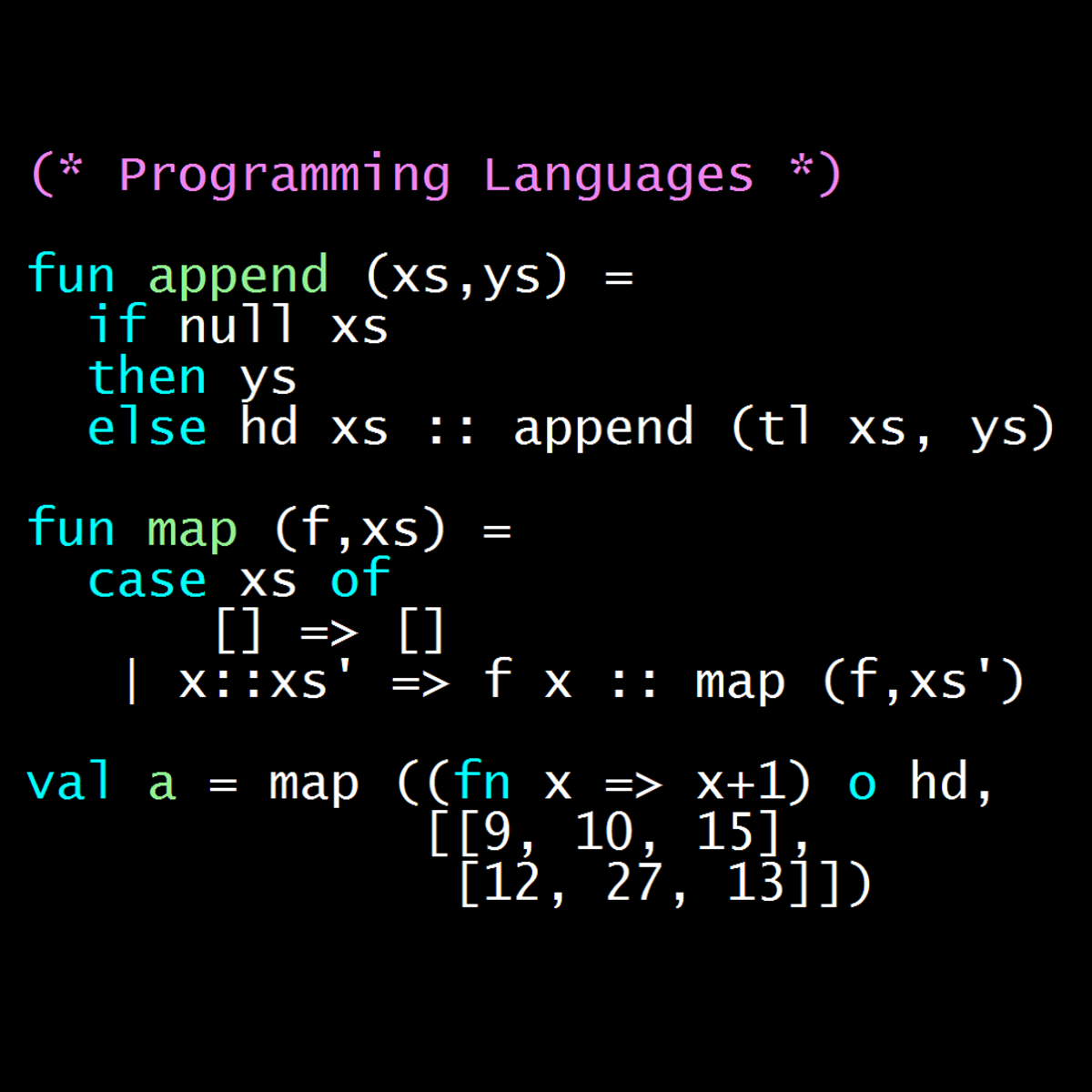
Programming Languages, Part A
This course is an introduction to the basic concepts of programming languages, with a strong emphasis on functional programming. The course uses the languages ML, Racket, and Ruby as vehicles for teaching the concepts, but the real intent is to teach enough about how any language “fits together” to make you more effective programming in any language -- and in learning new ones. This course is neither particularly theoretical nor just about programming specifics -- it will give you a framework for understanding how to use language constructs effectively and how to design correct and elegant programs. By using different languages, you will learn to think more deeply than in terms of the particular syntax of one language. The emphasis on functional programming is essential for learning how to write robust, reusable, composable, and elegant programs. Indeed, many of the most important ideas in modern languages have their roots in functional programming. Get ready to learn a fresh and beautiful way to look at software and how to have fun building it. The course assumes some prior experience with programming, as described in more detail in the first module. The course is divided into three Coursera courses: Part A, Part B, and Part C. As explained in more detail in the first module of Part A, the overall course is a substantial amount of challenging material, so the three-part format provides two intermediate milestones and opportunities for a pause before continuing. The three parts are designed to be completed in order and set up to motivate you to continue through to the end of Part C. The three parts are not quite equal in length: Part A is almost as substantial as Part B and Part C combined. Week 1 of Part A has a more detailed list of topics for all three parts of the course, but it is expected that most course participants will not (yet!) know what all these topics mean.

Gen AI in Cybersecurity
This course provides an overview of how Generative AI is applied in the field of cybersecurity. It covers the foundational principles, benefits, and emerging trends in using AI to protect digital infrastructure. Key topics include AI-driven threat detection, automated defense systems, and secure coding practices using generative models. By the end of this course, you will be able to: - Articulate the fundamental features, advantages, and environment of Gen AI in cybersecurity. - Comprehend the essential concepts, including but not limited to, data models, threat detection, AI-driven defenses, and cybersecurity frameworks. - Apply industry best practices in organizing code, adhere to naming conventions, and craft clean, idiomatic code in the context of Gen AI cybersecurity. - Initiate practical implementation of Gen AI in cybersecurity scenarios. This course is tailored for Web Security Professionals, Data Defenders, System Security Architects, Cybersecurity Researchers, Visionary Entrepreneurs, and those venturing into the field and1 suitable for both seasoned professionals and newcomers to the cybersecurity domain. No prior experience with AI or cybersecurity is mandatory, although any existing knowledge will certainly facilitate the learning process. Embark on an educational expedition to master the intricacies of Gen AI in Cybersecurity. Acquire not only the skills but also the best practices essential for fortifying digital landscapes and advancing your expertise in the realm of cybersecurity.

Git and GitHub for DevOps Engineers
This course features Coursera Coach! A smarter way to learn with interactive, real-time conversations that help you test your knowledge, challenge assumptions, and deepen your understanding as you progress through the course. In this course, you will learn how to efficiently use Git and GitHub in a DevOps environment. You’ll gain the skills to manage source code, collaborate with teams, and streamline the development process using version control and advanced Git features. By the end, you’ll be comfortable navigating Git workflows and GitHub’s collaborative tools, essential for modern DevOps practices. The course begins with an introduction to version control and guides you through setting up Git on Windows and Linux. As you advance, you will learn the foundational aspects of Git repositories, staging, commits, and working with branches. Along the way, you’ll dive into GitHub, exploring how to create repositories, clone them, and push changes to remote repositories. As you continue, you'll work with other developers through collaborative features like pull requests, resolving merge conflicts, and handling private repositories. You’ll also delve into advanced topics such as Git rebase, Git fetch, and Git pull. The course culminates in a practical DevOps project where you'll set up and manage a Git repository, enable DevOps workflows, and release code to production using AWS. This course is designed for aspiring DevOps engineers and software developers seeking to enhance their Git and GitHub skills. No prior experience is required, but familiarity with basic software development concepts is beneficial.

Build a Webpage with HTML and CSS
This html and css course gives you the complete web development basics to build responsive websites from scratch - covering HTML structure, CSS styling, Bootstrap, and real portfolio projects, Start with HTML foundations: learn to structure web pages using tags, headings, images, links, lists, tables, forms, and semantic markup - building your first complete webpage in a hands-on lab. Next, master CSS from fundamentals to advanced: selectors, pseudo-classes, box model, typography, colours, Flexbox, CSS Grid, animations, media queries, and CSS variables for responsive design. Then advance into Bootstrap: apply the grid system, pre-built components, utilities, and advanced plugins - culminating in a peer-reviewed capstone project building a complete mobile-friendly webpage. By the End, You Will: - Build structured HTML web pages using semantic tags, forms, tables, and multimedia elements - Apply CSS Flexbox, Grid, animations, and media queries to create responsive professional websites - Create a Bootstrap-powered mobile-friendly webpage as a portfolio-ready peer-reviewed project - Design production-quality pages using html and css for beginners best practices end-to-end Ideal For: Complete beginners wanting to learn html and css; students starting a front end developer course; anyone learning how to make a website using html and css; developers adding responsive design skills. Enroll and start building the web today. Disclaimer: This course is an independent educational resource developed by Board Infinity and is not affiliated with, endorsed by, sponsored by, or officially associated with Alphabet Inc, Meta, or any of their subsidiaries or affiliates. This course is not official preparation material for any of these companies. All trademarks, service marks, company names, logos, and brand names mentioned are the property of their respective owners and are used for identification, educational, and informational purposes only. No claim is made to exclusive rights to use any third-party trademarks apart from their context in this educational material.

Desarrollo Web Interactivo
Este curso te brindará la oportunidad de fortalecer tus habilidades digitales y mejorar tu empleabilidad. Aprenderás programación en HTML, CSS y JavaScript, adquiriendo los conocimientos necesarios para dar tus primeros pasos en el mundo de la tecnología.
Storing, Retrieving, and Processing JSON data with Python
By the end of this project, you will learn how to work with JSON data in python. we will learn what is an API and how we can access the data using HTTP requests in Python. We are going to retrieve the data and use TKinter module in python to develop a desktop application for browsing characters rolled in Rick and Morty series. During this project, you will learn what a JSON API is and how it works. you will learn about how to send an HTTP request to the server to retrieve the JSON data and at the end, we are going to learn how to use this data to develop a desktop application using python and TKinter.

Introduction to DevSecOps
Venture into the realm of DevSecOps with this immersive course. This course is designed to provide a comprehensive overview of this integration, shedding light on the significance of embedding security into every phase of the development process. In the first module, you will delve into understanding and implementing DevSecOps. You'll gain insights into the best practices for secure development, from the initial ideation phase right through to deployment, ensuring the delivery of secure software products. The second module covers the transformative role of automation in DevSecOps. It showcases how automation can not only enhance efficiency and code quality but also speed up release cycles and reduce vulnerabilities. By the conclusion of this course, learners will not just be familiar with the theoretical concepts of DevSecOps but will be equipped with the practical skills needed to implement these principles in real-world scenarios. They will be poised to champion efficiency, security, and collaboration within their respective organizations, driving impactful change. Disclaimer: This is an independent educational resource created by Board Infinity for informational and educational purposes only. This course is not affiliated with, endorsed by, sponsored by, or officially associated with any company, organization, or certification body unless explicitly stated. The content provided is based on industry knowledge and best practices but does not constitute official training material for any specific employer or certification program. All company names, trademarks, service marks, and logos referenced are the property of their respective owners and are used solely for educational identification and comparison purposes.
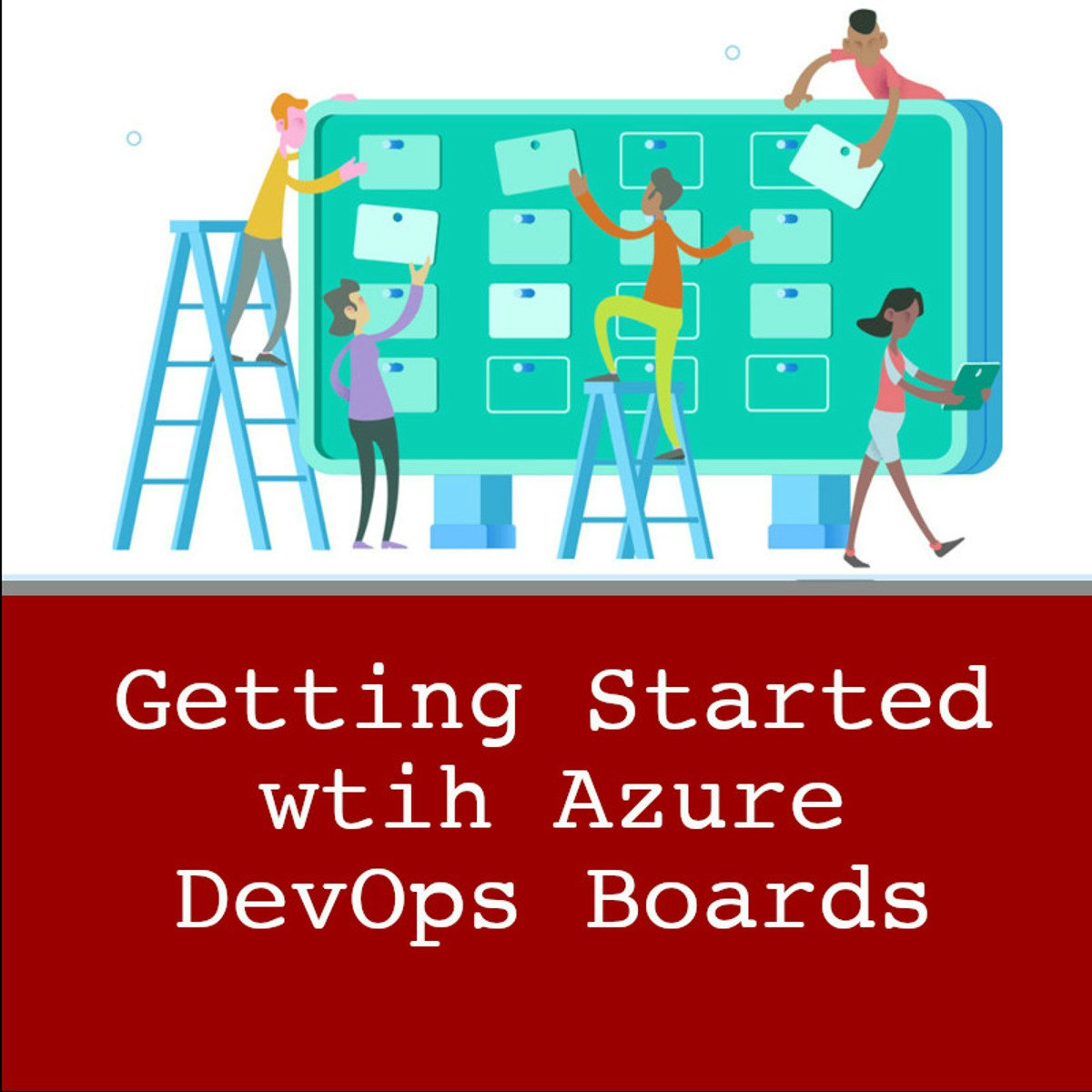
Getting Started with Azure DevOps Boards
In this guided project, you will create and setup an Azure DevOps project; add teams to your project; create, import, and manage work items; customize the project’s boards; and explore different views of your work items, and organize them into sprints. Note: This course works best for learners who are based in the North America region. We’re currently working on providing the same experience in other regions.

How to Create Realistic Reflections with Adobe Photoshop
**Enroll in this Guided Project before April 2026, for a free 1-month trial to the Creative Cloud Pro Plan!** After we finish this project, you will be able to create a reflection of any landscape you like whether it’s in the morning or evening, and add different effects to it using Photoshop. Throughout the project, you will be able to use basic tools like the transform tool and you will identify layers on Photoshop. This is for anyone who is a beginner level designer that is interested in adding some life to a boring picture they want to use. It can also be for photographers who want to add a little bit of spark and brighten up photos they took on a trip. This project will be fun and super simple, it helps turn a picture in your imagination into reality. It will also help anyone who wants to launch a new product in their collection, but didn’t have the right setting during a photoshoot. The tools we will learn together will help us create a reflection to amplify the photo. It will turn from a normal image to an artwork with a few small edits. Adobe Photoshop is used to bring your imagination to life. It’s where you can unlock your creativity and use innovative features to create avant-garde graphics for your projects.

User Experience: Research & Prototyping
What makes for a great user experience? How can you consistently design experiences that work well, are easy to use and people want to use? This course will teach you the core process of experience design and how to effectively evaluate your work with the people for whom you are designing. You'll learn fundamental methods of design research that will enable you to effectively understand people, the sequences of their actions, and the context in which they work. Through the assignments, you’ll learn practical techniques for making sense of what you see and transform your observations into meaningful actionable insights and unique opportunity areas for design. You’ll also explore how to generate ideas in response to the opportunities identified and learn methods for making your ideas tangible. By answering specific questions and refining your concepts, you’ll move closer to making your ideas real. We’ll use cases from a variety of industries including health, education, transportation, finance, and beyond to illustrate how these methods work across different domains. Good luck and we hope you enjoy the course!

Mastering Microservices Design with CQRS, DDD, and Marten
This course features Coursera Coach! A smarter way to learn with interactive, real-time conversations that help you test your knowledge, challenge assumptions, and deepen your understanding as you progress through the course. In this course, you'll master the design and implementation of microservices using CQRS, DDD, and Marten as a document database. You'll build scalable APIs, handle CRUD operations, and integrate microservices with PostgreSQL and Redis. Learn how to optimize performance using Docker, implement cross-cutting concerns like logging and exception handling, and utilize patterns such as Proxy and Decorator. The course also covers high-performance communication using gRPC for seamless interactions between microservices. By working with real-world examples, you'll learn how to structure and deploy microservices efficiently, ensuring they are robust and scalable. Ideal for developers familiar with .NET, this course will guide you through designing and deploying microservices that are efficient, reliable, and scalable. By the end of the course, you will be able to develop and deploy microservices using CQRS, DDD, Marten, gRPC, and Docker.
Python Data Structures
This course will introduce the core data structures of the Python programming language. We will move past the basics of procedural programming and explore how we can use the Python built-in data structures such as lists, dictionaries, and tuples to perform increasingly complex data analysis. This course will cover Chapters 6-10 of the textbook “Python for Everybody”. This course covers Python 3.

Internet of Things: Communication Technologies
Have you wondered how “Things” talk to each other and the cloud? Do you understand the alternatives for conveying latency-sensitive real time data versus reliable signaling data? Building on the skills from the Sensing and Actuation course, we will explore protocols to exchange information between processors. In this course, you will learn how VoIP systems like Skype work and implement your own app for voice calls and text messages. You will start by using the Session Initiation Protocol (SIP) for session management. Next, you will learn how voice codecs such as Adaptive Multi Rate (AMR) are used in 3G networks and use them for voice traffic in your app. Learning Goals: After completing this course, you will be able to: 1. Implement session initiation, management and termination on your DragonBoard™ 410c using SIP. 2. Discover other users and exchange device capabilities. 3. Compare and contrast narrowband and wideband codecs and experience the voice quality differences between them. 4. Implement and demonstrate VoIP calls using the DragonBoard 410c.

SQL Performance, Testing, and Data Integrity
You will develop advanced skills in SQL optimization, automated testing, and data integrity management essential for production database environments. This comprehensive course combines performance tuning, quality assurance, and database automation to prepare you for senior data engineering roles. You'll gain practical experience diagnosing query bottlenecks through execution plan analysis, implementing comprehensive testing frameworks for data transformations, and building CI/CD pipelines for database migrations. The course covers advanced techniques like recursive CTEs for hierarchical data, custom user-defined functions, and idempotent data manipulation scripts. What makes this course unique is its focus on production-ready database practices. You'll work with real performance scenarios, build automated testing suites, and implement safe data modification procedures that prevent corruption and ensure audit trails. By completion, you'll confidently optimize database performance, implement robust testing frameworks, and maintain data integrity in enterprise environments—skills crucial for database administrators and senior data engineers.

Data Structures and Algorithms: Merge Sort
In this course, you'll practice your software craftsmanship skills by coding six different merge sort algorithms. Each solution will teach you a new technique for solving problems as a software developer and level up your computer science skills in general. The course aims to help working developers or bootcamp graduates to step up their software design skills by learning to think algorithmically. Along the way, you'll learn to code six alternative implementations of the Merge Sort algorithm, as well as algorithm analysis and a handful of powerful design patterns. By the end, you’ll be more confident in your CS skills and have sharper problem-solving abilities.
Functional Programming Principles in Scala
Functional programming is becoming increasingly widespread in industry. This trend is driven by the adoption of Scala as the main programming language for many applications. Scala fuses functional and object-oriented programming in a practical package. It interoperates seamlessly with both Java and Javascript. Scala is the implementation language of many important frameworks, including Apache Spark, Kafka, and Akka. It provides the core infrastructure for sites such as Twitter, Netflix, Zalando, and also Coursera. In this course, you will discover the elements of the functional programming style and learn how to apply them usefully in your daily programming tasks, such as modeling business domains or implementing business logic. You will also develop a solid foundation for reasoning about functional programs, by touching upon proofs of invariants and the tracing of execution symbolically. The course is hands-on; most units introduce short programs that serve as illustrations of important concepts and invite you to play with them, modifying and improving them. The course is complemented by a series of programming projects as homework assignments. Recommended background: You should have at least one year of programming experience. Proficiency with Java or C# is ideal, but experience with other languages such as C/C++, Python, Javascript, or Ruby is also sufficient. You should have some background in mathematics (e.g., algebra, logic, proof by induction). Last, you should have some familiarity with using the command line.
Python Data Visualization
This if the final course in the specialization which builds upon the knowledge learned in Python Programming Essentials, Python Data Representations, and Python Data Analysis. We will learn how to install external packages for use within Python, acquire data from sources on the Web, and then we will clean, process, analyze, and visualize that data. This course will combine the skills learned throughout the specialization to enable you to write interesting, practical, and useful programs. By the end of the course, you will be comfortable installing Python packages, analyzing existing data, and generating visualizations of that data. This course will complete your education as a scripter, enabling you to locate, install, and use Python packages written by others. You will be able to effectively utilize tools and packages that are widely available to amplify your effectiveness and write useful programs.

Analyzing and Securing AI System Performance
This long course develops skills for operational analytics, secure data practices, and governance essential to building trustworthy, auditable agentic systems. You will aggregate and analyze operational metrics, design A/B experiments and statistical tests to validate agent improvements, and craft clear visualizations and alerting rules for stakeholders. The course covers end-to-end data hygiene: cleaning, schema validation, reproducible notebooks with data versioning, and trade-offs between sample size and noise for experimental design. It also addresses security and governance: securing API endpoints per OWASP ASVS, dependency vulnerability analysis, secret-management trade-offs (on-prem vs managed), and threat modeling (STRIDE). Practical tasks include building DBT models for telemetry, configuring alerts, producing reproducible analytic notebooks, and creating STRIDE diagrams with documented mitigations to reduce operational and supply-chain risk.

Python Programming Essentials Training
This comprehensive Python Programming course equips you with the skills to code confidently, solve problems efficiently, and build real-world applications. Begin by mastering programming fundamentals—understand software types, programming models, and set up Python with an IDE. Get hands-on with writing your first Python program. Progress to core programming concepts—work with data types, operators, strings, conditionals, and loops to build logical, structured code. Advance to functions, lambda expressions, and generators for modular design. Conclude with object-oriented programming principles and threading techniques to develop scalable and high-performance Python applications. You should have a basic understanding of computer operations and logical thinking. By the end of this course, you will be able to: - Set Up & Start: Install Python, configure an IDE, and write your first program. - Build Logic: Use data types, loops, and conditionals to structure program flow. - Create Modular Code: Apply functions, lambdas, and OOP to organize and scale code. - Manage Concurrency: Use threading and multithreading to handle parallel tasks. Ideal for aspiring developers, coding professionals, and anyone looking to build a strong foundation in Python programming.

Zig From Zero
By the end of this course you will read Zig source confidently, build static binaries small enough to ship inside a 50-kilobyte microcontainer, pick the right allocator (GeneralPurposeAllocator, ArenaAllocator, FixedBufferAllocator, or page_allocator) for each workload, and tell a data engineering team where Zig wins versus where Rust still owns the problem. The course is pitched at Rust developers. Every Zig idiom is paired with the Rust pattern it replaces — allocator parameters versus `'a` lifetimes, the `!T` error type versus `Result<T, E>`, `comptime T: type` versus trait bounds plus `derive` plus `macro_rules!`, and `defer` plus `errdefer` versus `impl Drop`. You finish with a clear mental model of when to reach for Zig (Lambda, edge, embedded, C interop) and when to stay with Rust (long-running services with shared state). Six modules cover the language tour, performance optimization, a Marco Polo CLI, four allocator strategies side by side, a Docker multi-stage build for a Zig HTTP server, and the Rust-or-Zig decision rule on a real data team.
Create Effects for Tiktok: Effect House for Beginners
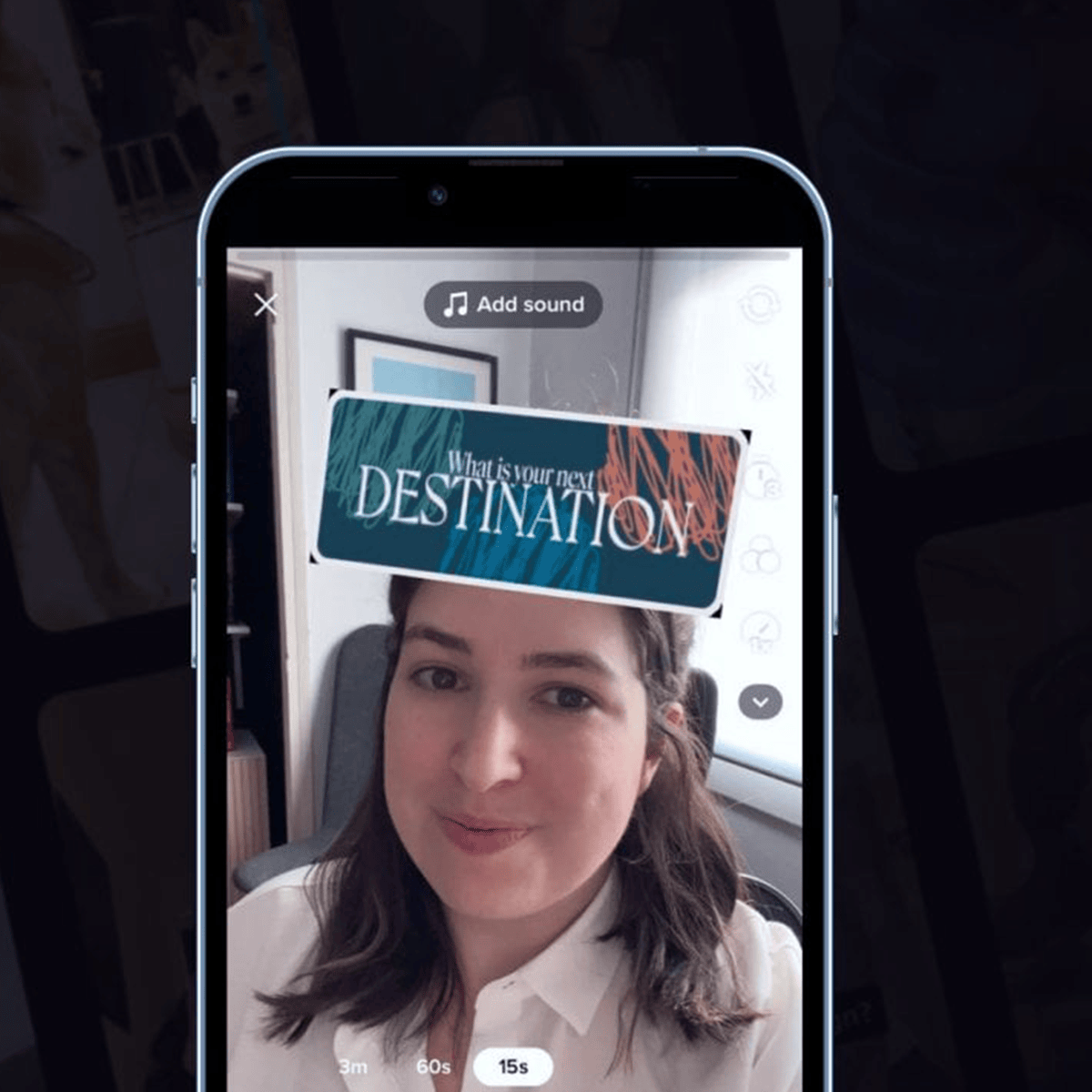
By the end of this course with Nuria Quero, you will be able to design, build, and publish your first TikTok effects using Effect House—from setting up the tool to sharing your filter on TikTok. You’ll confidently navigate the interface, add 2D and 3D elements, use face tracking for makeup effects, experiment with visual scripting, and test and submit your work for review. This class is designed for aspiring AR creators, designers, content creators, and anyone curious about augmented reality who has never used Effect House before. No prior AR experience is required. To be successful, you only need a TikTok account and a computer capable of running Effect House—we’ll cover installation and setup together. Structured in three practical parts—platform and tool foundations, building a face-tracking makeup effect, and creating an interactive randomizer effect—you’ll learn by doing. Nuria guides you step by step as you build two complete effects from scratch, with downloadable assets and finished project files included. If you’ve ever wanted to turn your ideas into interactive filters seen by millions, this course gives you the skills and confidence to start creating right away.

AI Security Architecture, Controls, and Defensive Operations
This course features Coursera Coach! A smarter way to learn with interactive, real-time conversations that help you test your knowledge, challenge assumptions, and deepen your understanding as you progress through the course. This comprehensive course equips learners with the knowledge and skills to secure AI systems effectively, covering threat modeling, security controls, access management, data protection, monitoring, and attack mitigation. You’ll explore practical frameworks like OWASP ML Security Top 10, MITRE ATLAS, and CVE AI guidelines, gaining hands-on insights into implementing robust AI defenses. Through structured modules, learners will understand model evaluation, guardrails, endpoint access, encryption, auditing, and monitoring practices essential for safeguarding AI deployments. The course also examines real-world attack vectors including prompt injection, model inversion, supply chain threats, and adversarial manipulations, teaching you how to anticipate, detect, and mitigate risks. Designed for IT professionals, security engineers, and AI practitioners, this course assumes foundational knowledge in cybersecurity principles and AI systems, offering a structured path from basic controls to advanced defensive strategies. By the end of the course, you will be able to design, implement, and manage comprehensive AI security architectures, apply controls and compensating measures, secure data and access, and utilize AI-enabled tools to protect systems from complex attack vectors.

Java Control Flow, IDE, and Object-Oriented Programming
Updated in May 2025. This course now features Coursera Coach! A smarter way to learn with interactive, real-time conversations that help you test your knowledge, challenge assumptions, and deepen your understanding as you progress through the course. This course offers an in-depth exploration of Java, starting from the fundamentals and advancing to more complex topics. Through hands-on exercises and examples, you will master Java programming, focusing on key elements like control structures, methods, and development environments. By the end, you’ll be able to write and debug your own Java programs with confidence. The journey begins with a thorough introduction to Integrated Development Environments (IDEs), focusing on IntelliJ IDEA, one of the most powerful and widely used IDEs for Java development. You’ll learn how to install and navigate the IDE and explore its functionalities to streamline your coding experience. From there, the course dives into Java’s syntax, including conditional statements, logical operators, and comparison operators, each accompanied by practical exercises to reinforce learning. As you progress, you’ll work through expressions, statements, and control flow mechanisms in Java, such as the switch statement, loops, and debugging techniques. The course also introduces you to more advanced concepts like method overloading, nested control structures, and parsing user input. You will gain hands-on experience with Java’s various control flow constructs, which are essential for building dynamic, interactive applications. This course is ideal for aspiring Java developers, beginners, and intermediate learners who wish to strengthen their programming skills. No prior knowledge of Java is required, but familiarity with basic programming principles will be beneficial. You will emerge from this course with a solid foundation in Java, ready to tackle real-world projects and further your development career.

Introducción a UML
Bienvenidos a este curso de introducción al Lenguaje de Modelado Unificado, o UML por su sigla en inglés. Este curso surge como respuesta a la necesidad de los ingenieros de software de desarrollar la habilidad de abstraer y representar en un modelo problemas o soluciones. Esta habilidad es especialmente importante en el mundo del software donde las tecnologías son tan cambiantes. Un modelo te provee una forma de comunicar y validar un entendimiento, independiente de la tecnología en la que construirás una solución. Al finalizar el curso, los estudiantes estarán en condiciones de comunicar sus diseños a otros miembros de un equipo de desarrollo o a otros equipos de desarrollo.

Unreal Engine: Apply & Demonstrate Skeletal Animation
Learn how to import, configure, and animate skeletal meshes in Unreal Engine 4 through a practical, hands-on workflow focused on character integration. This course introduces the essential steps for working with skeletal meshes, from importing FBX character assets and configuring import settings to editing animations with the Persona Editor and controlling animation playback. Designed for game developers, technical artists, and animators, the course provides a structured learning experience that builds confidence in working with animated character assets inside Unreal Engine 4. You'll explore skeletal mesh structure, manage skeleton hierarchies, create animation sequences, and apply engine-integrated animation tools to prepare characters for interactive 3D projects. Through guided lessons and graded practice, you'll develop practical skills for configuring skeletal mesh imports, editing animations, and integrating animated assets into Unreal Engine workflows. By the end of the course, you'll be able to apply skeletal mesh animation techniques and demonstrate a solid understanding of the animated asset pipeline for Unreal Engine 4. Whether you're expanding your game development skills or strengthening your animation workflow, this course offers a focused introduction to skeletal mesh animation using Unreal Engine 4.
Introduction to Java for Beginners
Unlock the power of Java and build a strong foundation in software development! This practical course guides you from writing your first line of code to building complete applications, covering syntax, logic, object-oriented programming, and modern AI-assisted tools. Throughout the course, you will explore: Java Fundamentals: Set up the JDK and IntelliJ IDEA, and write your first programs using variables, data types, and type casting. Control Flow and Logic: Learn how programs make decisions and repeat tasks using operators, if-else statements, switch cases, and loops. Data Structures and Methods: Organize data efficiently with arrays, and create reusable code using methods, parameters, and overloading. Object-Oriented Programming: Master classes, objects, encapsulation, inheritance, and polymorphism to design clean software architecture. Real-World Capstone Project: Build a complete Employee Management System end-to-end, from planning the class hierarchy to implementing application logic and testing. AI-Assisted Coding: Accelerate your workflow by building a Habit Tracker with Cursor and a fullstack Spring Boot app using GitHub Copilot. By the end of the course, you will be able to write robust Java applications with confidence, apply OOP principles, and leverage AI tools to code faster.
Web Dev: Environment Setup and Basic Page Creation
This course will be useful for anyone who wants to gain a firm technical understanding of the core languages and tools used in web development. You will begin by preparing your web platform, preparing your development tools and processes, and monitoring the web request–response cycle. Then, you'll create a basic web page, provide navigation links between pages, and improve web-page structure and navigation. This is the first course in a multi-course Specialization. All of the courses in this Specialization require that you run a XAMPP web server on localhost. The course setup instructions provided in the first module of this course go into more detail about the hardware and software requirements.
Build a Modern Computer from First Principles: From Nand to Tetris (Project-Centered Course)
What you’ll achieve: In this project-centered course* you will build a modern computer system, from the ground up. We’ll divide this fascinating journey into six hands-on projects that will take you from constructing elementary logic gates all the way through creating a fully functioning general purpose computer. In the process, you will learn - in the most direct and constructive way - how computers work, and how they are designed. What you’ll need: This is a self-contained course: all the knowledge necessary to succeed in the course and build the computer system will be given as part of the learning experience. Therefore, we assume no previous computer science or engineering knowledge, and all learners are welcome aboard. You will need no physical materials, since you will build the computer on your own PC, using a software-based hardware simulator, just like real computers are designed by computer engineers in the field. The hardware simulator, as well as other software tools, will be supplied freely after you enroll in the course. Course format: The course consists of six modules, each comprising a series of video lectures, and a project. You will need about 2-3 hours to watch each module's lectures, and about 5-10 hours to complete each one of the six projects. The course can be completed in six weeks, but you are welcome to take it at your own pace. You can watch a TED talk about this course by Googling "nand2tetris TED talk". *About Project-Centered Courses: Project-centered courses are designed to help you complete a personally meaningful real-world project, with your instructor and a community of learners with similar goals providing guidance and suggestions along the way. By actively applying new concepts as you learn, you’ll master the course content more efficiently; you’ll also get a head start on using the skills you gain to make positive changes in your life and career. When you complete the course, you’ll have a finished project that you’ll be proud to use and share.

Gemini CLI でアプリ開発を加速
このコースは、Gemini CLI(ターミナル用に開発された、Gemini を搭載した生成 AI エージェント)を活用して、よりスマートに作業したいと考えているアプリ デベロッパーや DevOps エンジニアを対象としています。 このコースでは、Gemini CLI のインストールと構成について説明し、ユースケースとセキュリティのベスト プラクティスを紹介します。コマンド、ツール、MCP サーバー、拡張機能についても説明します。実践型演習では、Gemini CLI のインストールと構成、Gemini CLI を使用したコードの分析とアプリの構築、変更に取り組みます。

AWS: Machine Learning & MLOps Foundations
"AWS: Fundamentals of Machine Learning & MLOps is the first course of Exam Prep (MLA-C01): AWS Certified Machine Learning Engineer – Associate Specialization. This course assists learners in building foundational knowledge of core machine learning concepts, including types of learning, data preparation, model evaluation, and operationalization. Learners gain a strong understanding of the difference between AI, Deep Learning, and Machine Learning, and how to identify and apply real-world ML use cases using AWS services. This course allows learners to explore key topics such as model selection, classification workflows, confusion matrices, and regression evaluation techniques. In addition, learners are introduced to the concepts of MLOps and the AWS services used to streamline ML deployment and monitoring in production environments. The course is divided into two modules, and each module is further segmented by Lessons and Video Lectures. This course facilitates learners with approximately 2:30–3:00 hours of video lectures that provide both theory and hands-on knowledge using AWS tools. Also, Graded and Ungraded Quizzes are provided with every module to test the understanding and application readiness of learners." Module 1: Machine Learning and MLOps Concepts Module 2 : Model Development & Evaluation Techniques By the end of this course, learners will be able to: - Apply foundational machine learning and MLOps concepts using AWS tools - Build and evaluate ML models with services like Amazon SageMaker - Understand end-to-end ML workflows, including data preparation, model training, and deployment - Strengthen their preparation for the AWS Certified Machine Learning Engineer – Associate (MLA-C01) exam This course is ideal for aspiring ML practitioners, data engineers, and developers with 6 months to 1 year of AWS experience who want to build practical skills in machine learning and MLOps. It also supports learners preparing for the AWS Certified Machine Learning Engineer – Associate (MLA-C01) exam and professionals seeking hands-on knowledge of implementing and managing ML workflows using AWS services.

Intermediate Python: Modules, OOP & App Development
Advance your Python skills by exploring modules, file operations, decorators, and the principles of object-oriented programming. Learn to design robust applications using classes, inheritance, and error handling, and gain practical experience with dates, randomness, and testing. This course delves into intermediate Python topics, including working with modules, reading and writing files, and leveraging decorators for more flexible code. You will develop a deep understanding of object-oriented programming, learning how to define classes, use inheritance, and implement magic methods. The course also covers exception handling, working with dates and times, generating random data, and the essentials of unit testing and mocking. By the end, you will be equipped to design, build, and test more complex Python applications. The course uses a practical, example-driven approach, combining concise explanations with real-world code samples and quizzes to reinforce learning. Learners are encouraged to think critically and apply concepts to realistic programming scenarios, ensuring a smooth transition from theory to practice. This course is part two of a three-course Specialization designed to build a complete and cohesive understanding of the subject. While it offers valuable skills on its own, you'll gain the most benefit by progressing through all three courses as a structured learning journey. This course is based on Learn to Code with Python, by Boris Paskhaver. This course is licensed and distributed by Packt. All rights reserved. Packt is one of the world's most prolific publishers of cutting-edge technical content. For over two decades we've made it our mission to curate and publish the knowledge of only the very best technical experts. We focus on real-world courses that help our customers get the job done, with coverage that extends across a wide range of established and cutting-edge technical topics. If you're an individual or an organisation that embraces learning by doing, Packt is the perfect fit for you.
Azure Storage, Virtual Machines, and App Service
Every cloud application needs reliable storage and scalable compute. This course covers both — giving you the skills to manage Azure's core data and workload services from a single, structured learning path. The storage module starts with the fundamentals: creating and configuring storage accounts, choosing the right redundancy option (LRS, GRS, ZRS) for your workload's availability needs, and managing storage tiers and lifecycle policies to control costs. You'll secure storage using encryption (SSE and ADE), access keys, Shared Access Signatures, and Microsoft Entra ID authentication. In the virtual machine module, you'll plan and deploy Azure VMs with appropriate sizing and storage choices, connect to and manage them securely after deployment, and configure high availability using availability options. You'll also deploy VM Scale Sets that automatically grow and shrink based on demand. The PaaS module introduces the application hosting options that reduce operational overhead. You'll configure App Service plans, deploy and secure web apps, set up custom domains, manage CI/CD workflows with deployment slots, and back up App Service workloads. The module closes with Azure Container Instances, Container Groups, and Azure Container Apps — giving you a clear view of when and how to use each containerized compute option. Who this is for: Systems Engineers, DevOps beginners, and Developers who need to host applications and manage data in Microsoft Azure. General cloud and IT familiarity is recommended.

Build a C# .NET Rainfall Measurement System
By the end of this course, learners will be able to design a database-driven desktop application, create a structured Windows Forms user interface, implement event-driven logic, validate user input, and test a complete Rainfall Measurement System using C# and .NET. This hands-on course guides learners through the end-to-end development of a real-world Rainfall Measurement System, making it ideal for those who want to move beyond theory and build practical application development skills. Learners begin by understanding the project requirements, designing a robust database, and creating an intuitive user interface. They then progress to implementing core application logic, handling events, validating rainfall data, and managing errors to ensure reliable system behavior. What makes this course unique is its project-centric approach: instead of isolated concepts, learners work on a continuous, realistic system that mirrors industry-style desktop application development. Each stage of the project builds logically on the previous one, reinforcing best practices in planning, design, coding, and testing. This course is especially beneficial for students, beginners, and working professionals who want to strengthen their practical C# .NET skills, gain confidence in building complete applications, and add a meaningful project to their development portfolio.