Cursos de Ciencia y matemáticas
Los mismos datos para todos, vengan de Udemy o de Coursera: precio, valoración, duración e idioma. 238 cursos encontrados. Afinar la búsqueda
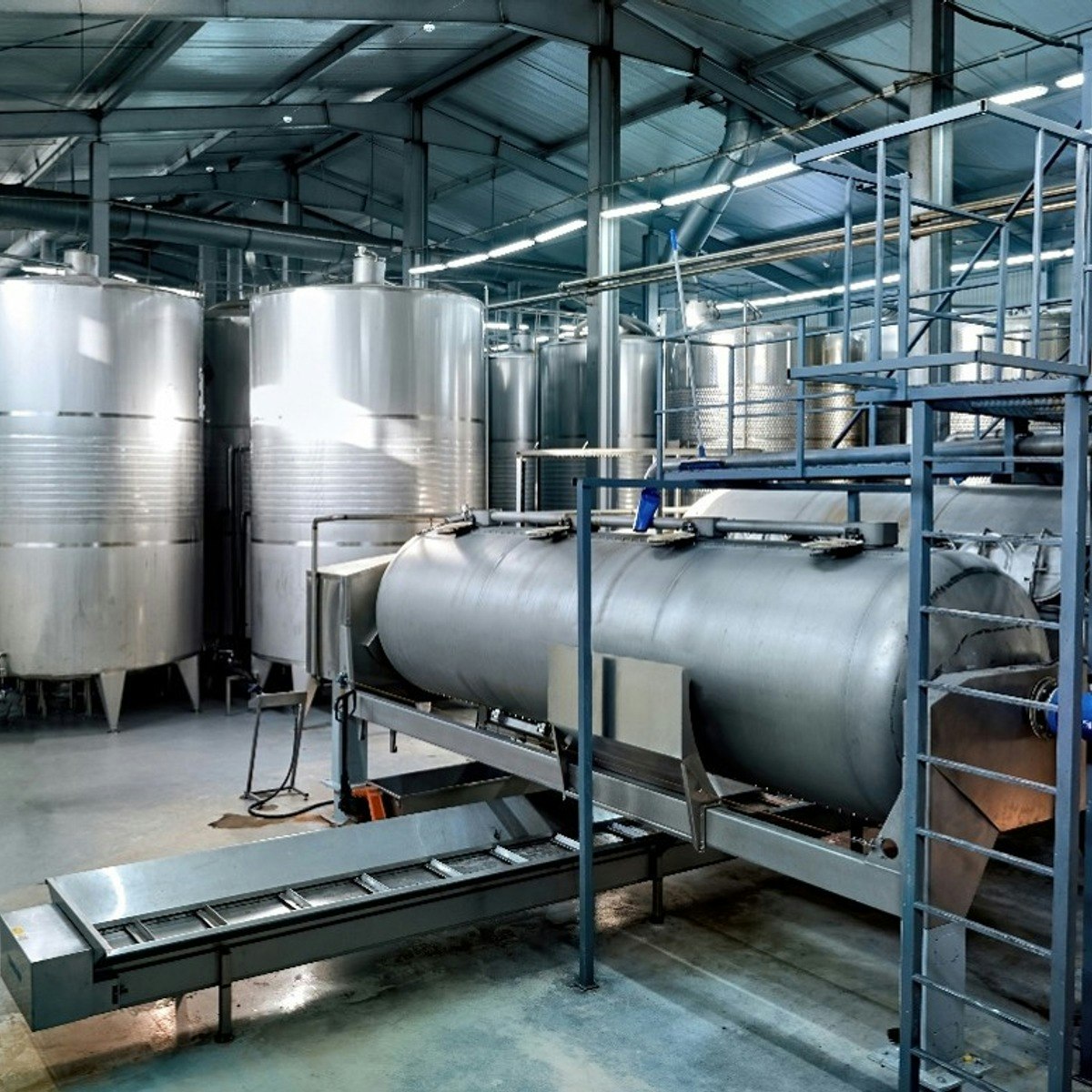
Boiler Plant Construction, Commissioning & Operations
This specialization provides an in-depth and practical understanding of boiler plant construction, manufacturing, commissioning, and operational aspects in thermal power plants. It begins with the design and execution of boiler area foundations, covering construction planning, activities, and resource management, with a focus on safety practices and digitalization at construction sites. Learners explore manufacturing processes for boilers, including metal joining (welding), forming, heat treatment, and fabrication flow for headers, pipes, panels, and coils, along with commonly used materials and statutory codes and standards. Destructive and non-destructive testing, calibration, and quality control are emphasized to ensure structural integrity and reliability. The course covers boiler erection planning, sequence of erection for structures, pressure parts, ducting, fans, pulverizers, coal bunkers, and auxiliary systems. Commissioning and pre-commissioning processes, chemical cleaning, cold and hot boiler cleanup, fuel system commissioning, steam blowing, soot blower operations, and boiler start-up/shutdown sequences are explained in detail. Operational aspects include boiler controls, trip conditions, plant interlocks, special operating conditions, combustion tuning, and performance guarantee tests. This integrated approach equips learners with the skills to safely design, construct, commission, and operate boilers for optimal performance and reliability.

Ethics in Engineering
Explore unique case studies in engineering ethics. In this four-week course, you’ll examine different historical case studies and understand how they led to classic engineering failures. Though each case is unique and has a distinct context, they all share common themes; a backstory, a disastrous event, a post-event with ramifications, and outcomes. For each case, you’ll watch and hear video lectures and explore foundational literature. You’ll also have the opportunity to discuss the case in detail and check your knowledge through quizzes and reflections on your understanding of the case. This format will help you develop a working knowledge of ethical foundations. Delve into four case studies, including the VW emissions scandal, the failure of the Denver airport baggage system, the fatal case of the Therac 25 radiation machine, and the software failure of the Ariane 5 rocket launch. With each case, you’ll identify key aspects that led to the engineering failures and discuss the outcomes of the failures. You’ll also explore the significance of each case and how they led to corrective actions. Develop your knowledge of engineering alongside experts in the industry. The course will help you reflect on engineering as a design discipline and its impact on humans. You’ll be guided by Dr. David Chesney, an expert in both industry and academics with 20 years of experience at General Motors Corporation and 20 years working at the University of Michigan. Dr. Chesney’s background is in Mechanical Engineering, Biomedical Engineering, and Computer Science and he is the Toby Teorey Collegiate Lecturer in Electrical Engineering and Computer Science at the University of Michigan College of Engineering. This course will be particularly useful for engineering students and professionals, although no prior experience is required.
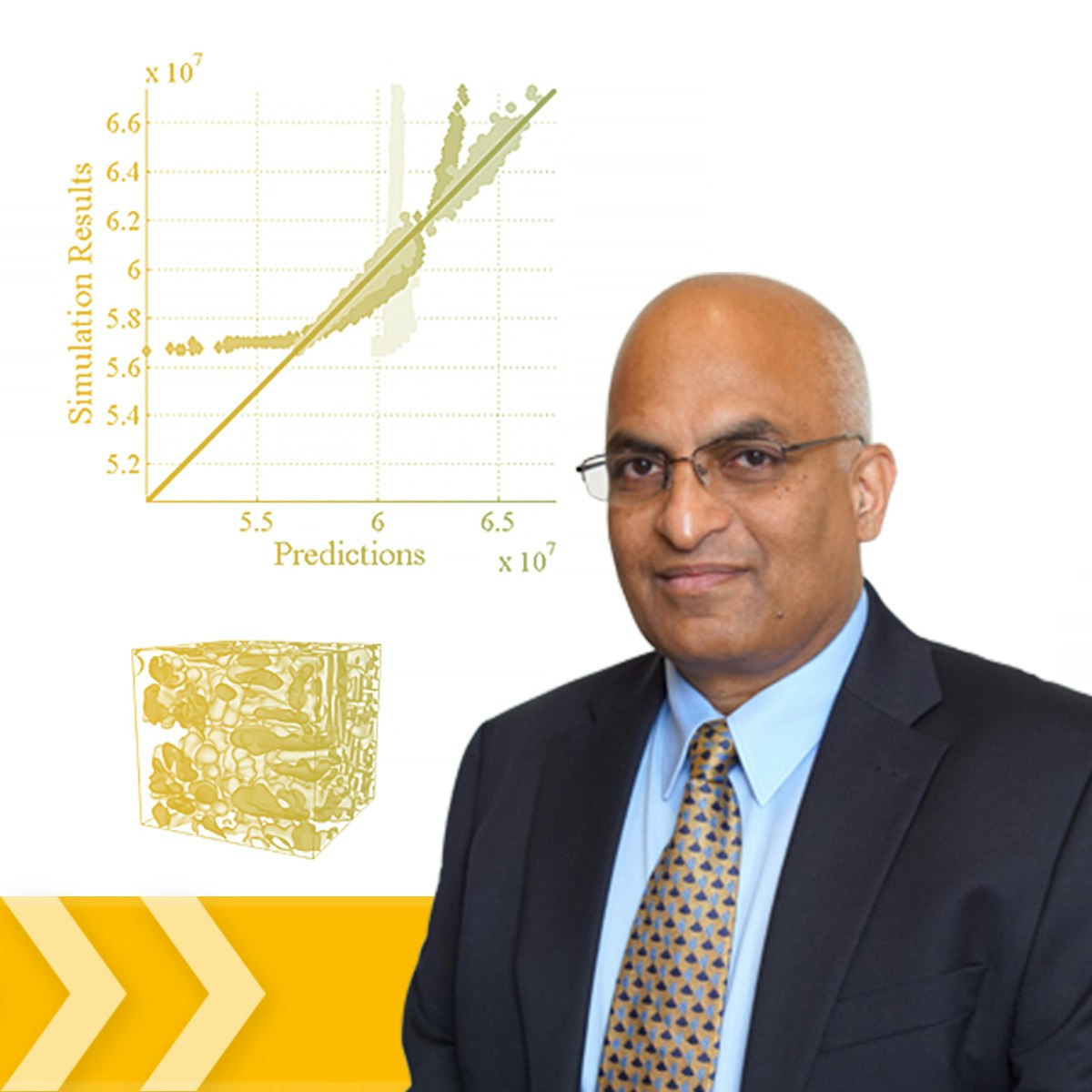
Materials Data Sciences and Informatics
This course aims to provide a succinct overview of the emerging discipline of Materials Informatics at the intersection of materials science, computational science, and information science. Attention is drawn to specific opportunities afforded by this new field in accelerating materials development and deployment efforts. A particular emphasis is placed on materials exhibiting hierarchical internal structures spanning multiple length/structure scales and the impediments involved in establishing invertible process-structure-property (PSP) linkages for these materials. More specifically, it is argued that modern data sciences (including advanced statistics, dimensionality reduction, and formulation of metamodels) and innovative cyberinfrastructure tools (including integration platforms, databases, and customized tools for enhancement of collaborations among cross-disciplinary team members) are likely to play a critical and pivotal role in addressing the above challenges.
Aerospace 3D Printing: Additive Manufacturing
Complex aerospace components that once took months to manufacture are now printed in days. Major aerospace companies like GE Aviation and Airbus have revolutionized production through additive manufacturing, achieving 50% weight reductions while exceeding performance standards. This transformation represents the industry's shift to mission-critical 3D printing capabilities. This comprehensive course equips engineers with essential additive manufacturing knowledge tailored for aerospace applications. You'll master AM principles, from layer-by-layer fabrication to aerospace-specific material science, strategic advantages of AM in aerospace, materials selection and process optimization, and advanced design methodologies including topology optimization. Through real-world case studies, you'll analyze successful implementations and navigate challenges in quality control and certification. This course is for aerospace, mechanical, and manufacturing engineers, as well as R&D and design professionals aiming to apply 3D printing in aerospace. It also suits advanced learners seeking to connect engineering design, materials, and additive manufacturing technologies. Learners should have a basic understanding of 3D printing, CAD, and common aerospace materials. They should also be familiar with core aerospace engineering concepts and general manufacturing processes. By course completion, you'll evaluate components for AM suitability, select optimal materials and processes, and apply lightweight design strategies. You'll also master SLM, EBM, and DED techniques, preparing you to lead AM initiatives while ensuring aerospace compliance.
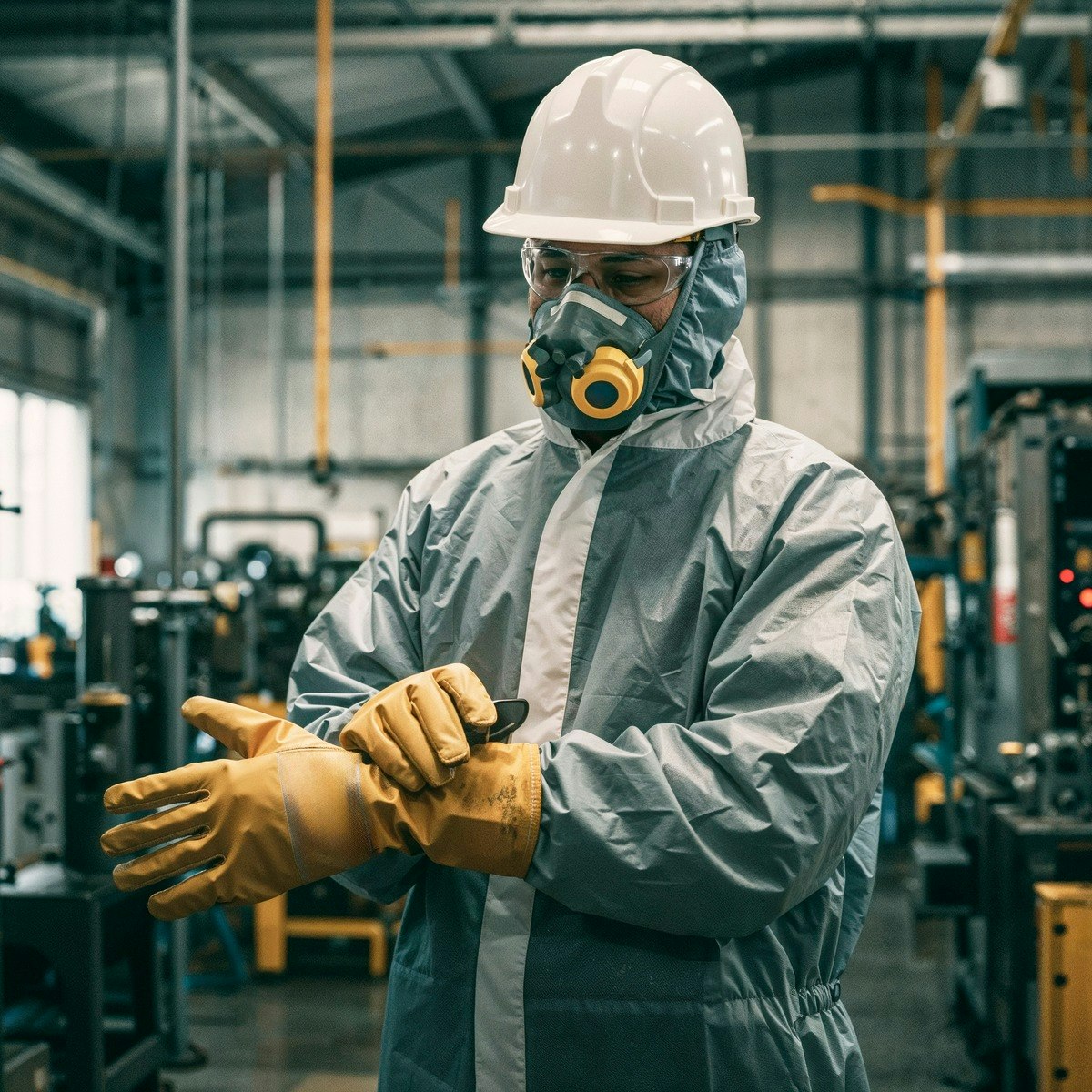
Industrial Hygiene and Incident Management
Industrial Hygiene and Incident Management is a comprehensive course designed to help learners create safer, healthier, and more productive workplaces. The course provides practical knowledge of occupational hygiene, workplace ergonomics, safety in design, and incident investigation methodologies used across industrial sectors. Learners will understand how environmental factors such as noise, vibration, illumination, ventilation, heat stress, cold stress, radiation, workplace violence, and substance abuse can impact worker health and safety. The course also explores ergonomic principles, manual material handling, workstation design, musculoskeletal disorders, ergonomic assessment tools, and risk control measures. In addition, learners will gain insights into Safety in Design concepts, including safe plant layouts, equipment design and electrical safety. The course concludes with incident investigation and root cause analysis techniques such as 5 Why Analysis, Fishbone Analysis, Failure Mode and Effects Analysis (FMEA), and Fault Tree Analysis (FTA), enabling learners to identify causes of incidents and implement preventive actions. Through practical examples and industry applications, this course equips learners with essential skills to improve workplace health, safety, and operational performance. Learning Objectives By the end of this course, learners will be able to: Identify and evaluate occupational hygiene hazards and their impact on worker health and safety. Apply ergonomic principles to reduce workplace injuries and improve productivity. Integrate safety considerations into the design of workplaces, equipment, and industrial systems. Conduct incident investigations and apply root cause analysis techniques to prevent recurrence. Implement practical control measures to create safer and healthier work environments. Target Learners This course is ideal for: Engineering students and graduates Safety professionals and supervisors Industrial, manufacturing, and construction professionals Maintenance and project engineers Occupational health practitioners Anyone interested in industrial hygiene, ergonomics, and incident management

Analysis of Shallow Foundation
Welcome to the " Analysis of Shallow Foundation" course! In Module 1, we delve into various foundation types, aiding learners in appropriate selection based on project requirements, featuring a real-time case study for practical application. Additionally, participants will explore shallow foundations, gaining insights into their types, advantages, and limitations. Moving on to Module 2, we focus on understanding design prerequisites for shallow foundations on both soil and rock. Learners will gather essential details for bearing capacity calculations, drawing from various field test results, and analyze settlements in cohesive and cohesionless soils. Module 3 equips participants with proficiency in designing raft foundations, enhancing comprehension of associated construction procedures. This includes exploration of various footings and rafts, elucidating their specific applications. Participants will also gain practical experience using PLAXIS 2D software for settlement and bearing capacity analysis. Lastly, in Module 4, we explore special foundations, emphasizing practical applications and understanding the Modulus of Subgrade Reaction. Participants will develop skills to design grade slabs catering to various loading scenarios. Join us in this comprehensive journey into Shallow Foundation Analysis! To Learners: To enhance the learning experience, participants are encouraged to actively engage with the course on a weekly basis. Regularly revisiting topics will contribute to improved clarity and understanding. Quizzes and assignments have been deliberately designed to assess learners' understanding. In cases where information recall is challenging, the option to revisit content for a clearer understanding is readily accessible. Supplementary reading materials are provided to complement the course, offering additional information and in-depth analysis. Learners are encouraged to explore these resources as they address practical aspects and real industry cases. Active participation in the discussion forum is strongly encouraged. Engaging with peers fosters the exchange of ideas and perspectives, creating a collaborative learning environment. Interacting with peers is invaluable for validating and reinforcing learning. The course has been intricately crafted and presented by professionals possessing extensive industry expertise. This offers an excellent opportunity to gain insights from seasoned masters.

Introduction to Biology: Ecology
Ecology is all about connections. In this course, we’ll see how interdependent every living thing is and how people are impacting the natural world. Like all sciences, ecology isn’t just a list of known facts– it’s also a process. I love telling stories, and I’ve included many stories about how we’ve come to know what we know about ecology through observations and experiments.

Electrical Characterization: MOSFETs
MOSFET transistor switches are the workhorse of semiconductor-based electronics. In this course, we begin with MOS capacitors and see how to extract the oxide charge density, which is important for controlling the MOSFET threshold voltage. We then review MOSFET electrical characteristics and see how current-voltage measurements are used to determine the threshold voltage. The course project uses real-world data to extract the threshold voltage of a 40 nm gate length MOSFET designed for 5G radio frequency integrated circuits.

Environmental Protection and Sustainability
This course offers a comprehensive introduction to the environmental dimension of Health, Safety, and Environment (HSE) management, blending theoretical foundations with practical guidance. You’ll begin by exploring the core principles of environmental protection and the regulatory landscape—examining how global standards like ISO 14001 shape effective Environmental Management Systems. From there, you’ll learn to monitor environmental conditions, analyze and interpret data, and communicate performance clearly and convincingly. As you progress, the course delves into the full lifecycle of hazardous materials: characterizing waste streams, evaluating treatment technologies, and understanding regulatory requirements for safe disposal. You’ll build the skills to select appropriate management strategies that minimize risk and environmental impact while ensuring compliance with legal frameworks. Finally, you’ll master environmental risk assessment and develop robust risk management plans that align with organizational goals. The course culminates with emergency response planning, equipping you to design and implement protocols for environmental incidents that protect people, assets, and ecosystems. Whether you’re new to HSE or an experienced practitioner, you’ll come away ready to integrate environmental stewardship into your safety programs and drive more sustainable, compliant operations.

Nonlinear Kalman Filters (and Parameter Estimation)
As a follow-on course to "Linear Kalman Filter Deep Dive", this course derives the steps of the extended Kalman filter and the sigma-point Kalman filter for estimating the state of nonlinear dynamic systems. You will learn how to implement these filters in Octave code and compare their results. You will be introduced to adaptive methods to tune Kalman-filter noise-uncertainty covariances online. You will learn how to estimate the parameters of a state-space model using nonlinear Kalman filters.

Site Investigation
Welcome to the comprehensive Site Investigation course, unfolding across four enlightening modules crafted to provide learners with a profound understanding of the complex world beneath our feet. In Module 1, participants will delve into diverse site investigation types, methods, and codal provisions, gaining practical insights to adeptly select drilling and sampling approaches tailored to specific soil conditions. Module 2 will take learners on an exploration of field tests, including SPT, SCPT, DCPT, and Plate Load Tests, fostering proficiency in conducting these tests and providing a nuanced understanding of alternative methods such as Vane Shear Test and Pressuremeter Tests. In Module 3, learners will unravel the essentials of site investigation reports, mastering the analysis of crucial data while delving into the intricacies of liquefaction susceptibility and mitigation methods. Finally, Module 4 will immerse learners in a Virtual Laboratory for soil testing, where they will acquire hands-on skills in conducting tests like liquid limit, plastic limit, compaction, shear strength, consolidation, and permeability—essential tools for their journey into the realm of site investigation and engineering applications. To strengthen acquired knowledge and ensure a continuous learning flow, learners are encouraged to regularly participate in the course on a weekly basis. Consistent review of topics not only fosters clarity but also deepens understanding. Quizzes and assignments are thoughtfully designed to evaluate learners' comprehension, and in instances of difficulty in recall, revisiting content for better understanding is always an option. Supplementary reading materials are provided for additional information and in-depth analysis. Learners are urged to explore these materials, as they delve into practical aspects and real industry cases. Active engagement in the discussion forum is strongly advocated. Collaborating with peers facilitates the exchange of ideas and perspectives, fostering a cooperative learning environment. Interacting with peers proves valuable for validating and reinforcing learning. The course, meticulously crafted and presented by professionals with extensive industry expertise, provides an excellent opportunity to glean insights from seasoned masters. Get ready to uncover the secrets beneath the surface and build a solid foundation of knowledge in Site Investigation!

Innovative Climate Solutions
Climate action isn’t just about cutting emissions; it is about reimagining how our societies thrive. Innovative Climate Solutions challenges us to look beyond standard sustainability practices and dive into meaningful climate action. This course examines key solutions from technological, social, institutional, and grassroots perspectives. Additionally, you’ll take a justice-oriented approach, exploring not just what works technically for communities, but what works equitably. Ultimately, you will shift from a passive observer to an active analyst of change, learning to recognize how individual choices, grassroots movements, and institutional shifts combine to spark climate action. You will leave with an understanding of the crisis and be equipped to champion the innovative solutions that drive genuine, lasting impact. This is the third course in the Climate Solutions series, a three-course series on addressing climate change with innovative, community-centered strategies that protect biodiversity for the benefit of all.
GIS Data Formats, Design and Quality
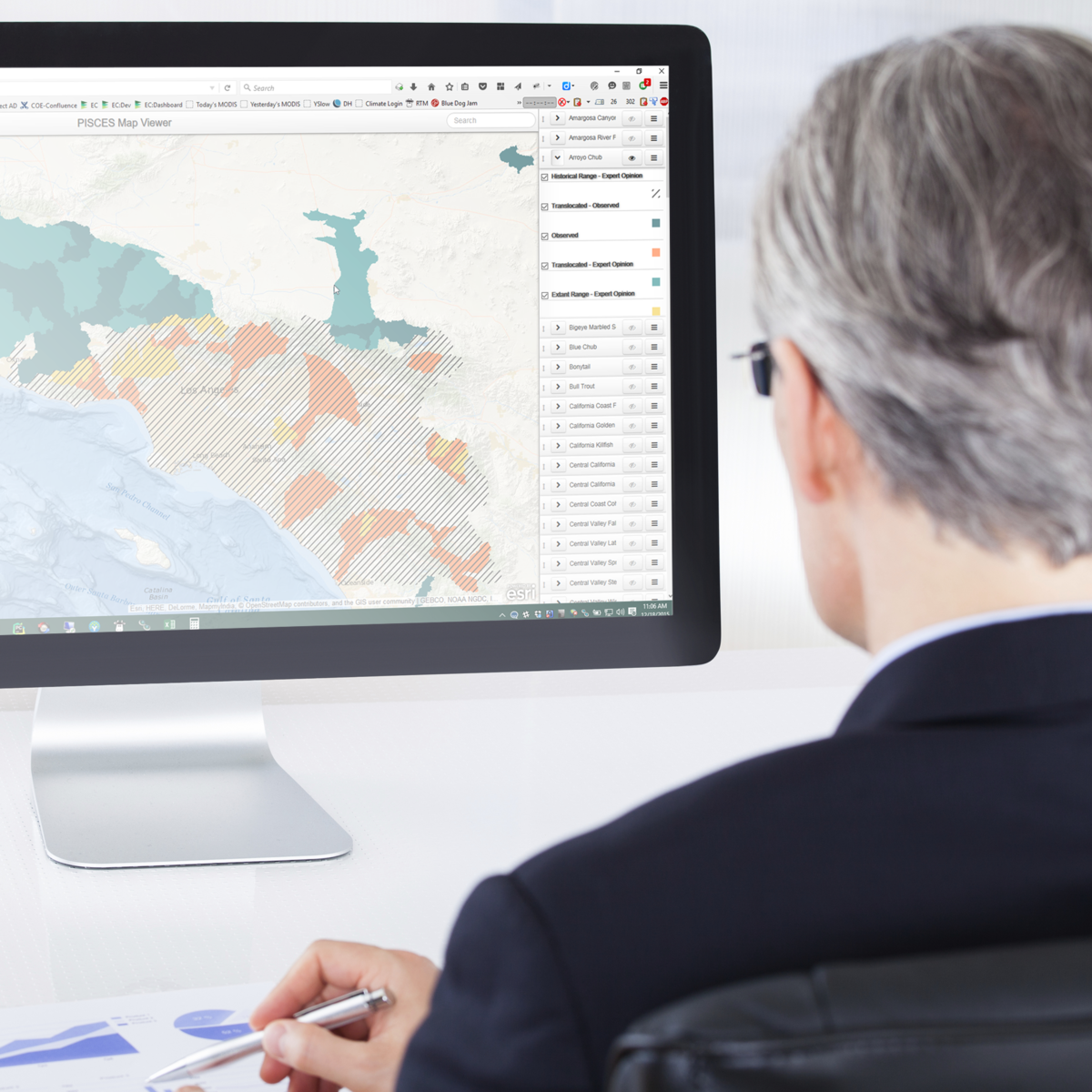
In this course, the second in the Geographic Information Systems (GIS) Specialization, you will go in-depth with common data types (such as raster and vector data), structures, quality and storage during four week-long modules: Week 1: Learn about data models and formats, including a full understanding of vector data and raster concepts. You will also learn about the implications of a data’s scale and how to load layers from web services. Week 2: Create a vector data model by using vector attribute tables, writing query strings, defining queries, and adding and calculating fields. You'll also learn how to create new data through the process of digitizing and you'll use the built-in Editor tools in ArcGIS. Week 3: Learn about common data storage mechanisms within GIS, including geodatabases and shapefiles. Learn how to choose between them for your projects and how to optimize them for speed and size. You'll also work with rasters for the first time, using digital elevation models and creating slope and distance analysis products. Week 4: Explore datasets and assess them for quality and uncertainty. You will also learn how to bring your maps and data to the Internet and create web maps quickly with ArcGIS Online. Take GIS Data Formats, Design and Quality as a standalone course or as part of the Geographic Information Systems (GIS) Specialization. You should have equivalent experience to completing the first course in this specialization, Fundamentals of GIS, before taking this course. By completing the second class in the Specialization you will gain the skills needed to succeed in the full program.
Our Energy Future
This course is designed to introduce students to the issues of energy in the 21st century – including food and fuels – which are inseparably linked – and will discuss energy production and utilization from the biology, engineering, economics, climate science, and social science perspectives. This course will cover the current production and utilization of energy, as well as the consequences of this use, examining finite fossil energy reserves, how food and energy are linked, impacts on the environment and climate, and the social and economic impacts of our present energy and food production and use. After the introductory lectures, we will examine the emerging field of sustainable energy, fuel and food production, emphasizing the importance of developing energy efficient and sustainable methods of production, and how these new technologies can contribute to replacing the diminishing supplies of fossil fuels, and reduce the consequences of carbon dioxide release into the environment. This course will also cover the importance of creating a sustainable energy future for all societies including those of the developing world. Lectures will be prepared and delivered by leading UC San Diego and Scripps Institution of Oceanography faculty and industry professionals across these areas of expertise.
Basic HVAC Tools
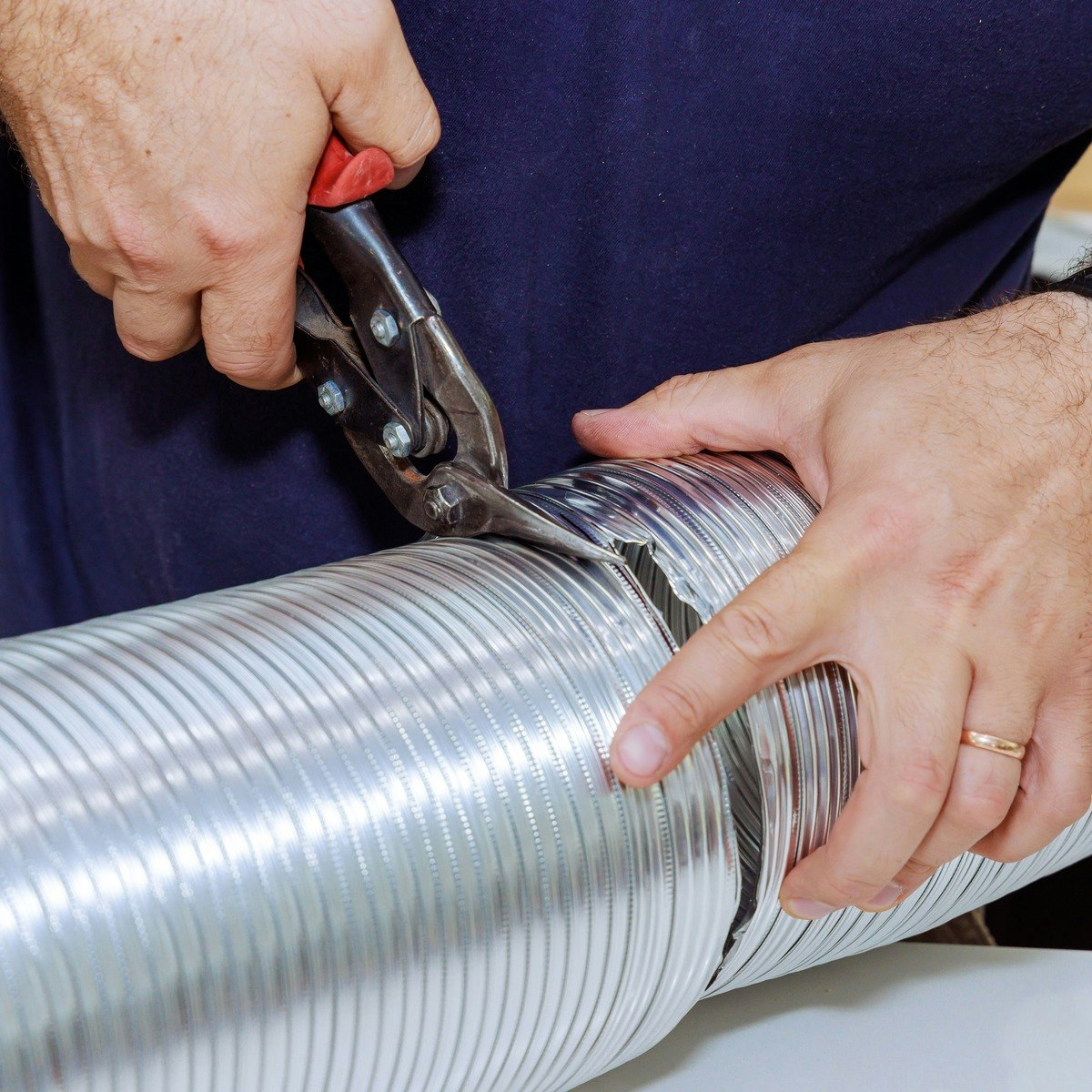
The foundation of every successful HVAC career is built upon the mastery of the industry's essential tools. This introductory course provides a comprehensive guide to the specialized equipment required to deliver exceptional quality and safety in heating, cooling, and ventilation work. This training bridges the gap between simply owning tools and understanding their precise function in the field. By the end of this course, you will be able to identify common hand and specialized tools used in modern HVAC applications. You'll be able to explain the specific purpose and engineering behind each tool and describe the proper and safe usage of equipment to support field-ready skills. In this course you will explore how using the right tool impacts the accuracy of installations and the efficiency of troubleshooting. By completing this training, you will gain the practical knowledge necessary to perform tasks with the confidence and precision of a master technician.

Introdução ao Controle de Sistemas
Este curso apresenta os principais conceitos do controle de sistemas e mostra suas vantagens e importância para a sociedade moderna. Você vai entender o que é o controle de sistemas e como o controle com realimentação funciona, e passará a perceber a sua presença em diversas situações em seu dia-a-dia, na natureza, no corpo humano e em diversos dispositivos, desde os mais simples até os mais complexos. Você vai perceber a necessidade de modelos teóricos para a análise e o projeto do controle de sistemas e aprenderá como verificar se um sistema atende a determinados requisitos de desempenho. Você também aprenderá como projetar um controle simples de modo a obter o melhor desempenho possível de um sistema de controle. Este é apenas o primeiro passo em direção a um vasto campo do conhecimento e lhe dará a base e a segurança necessárias para avançar em seus estudos no maravilhoso mundo do controle de sistemas.

재생 에너지: 기본 원칙 및 일자리 창출
이 강좌는 다양한 재생 에너지 솔루션의 복합성과 미묘한 차이에 대한 지식을 쌓을 수 있도록 도와주고 관련 커리어 기회(기술 관련 커리어 및 일반적으로 청정에너지와 관련되지 않은 직무 모두)에 대한 지식도 제공합니다. 수강생은 녹색 에너지 기술, 지속가능성이 사회에 미치는 영향, 미국의 에너지 소비 및 보존에 대한 토론에 적극적으로 참여합니다. 주제는 다음과 같습니다. 녹색건축 설계 및 건설의 원리, 광전지를 통한 태양 에너지 변환, 풍력 터빈 부지 선정 및 설계, 청정에너지에 나노 기술 적용. 이 강좌는 각 청정에너지 시장 부문에 해당하는 뉴욕 주립 대학교(SUNY) 시스템의 교육 기회를 참조합니다. 재생 에너지 분야에 진입하려는 사람이라면 신규 종사자든 업종 전환자든 누구나 이 강좌에서 도움을 얻을 수 있습니다. 자료에는 온라인 강좌. 영상, 데모, 읽기 자료, 토론이 포함됩니다. 수강생은 관심 있는 분야의 직업이 무엇인지 정의하고, 부족한 부분이 무엇인지 평가하여 추가로 필요한 교육/훈련/역량이 무엇인지 정하고, 원하는 재생 에너지 커리어 패스를 문서화하여 커리어 로드맵을 만듭니다.
Viscoelasticidad en materiales poliméricos. Modelización
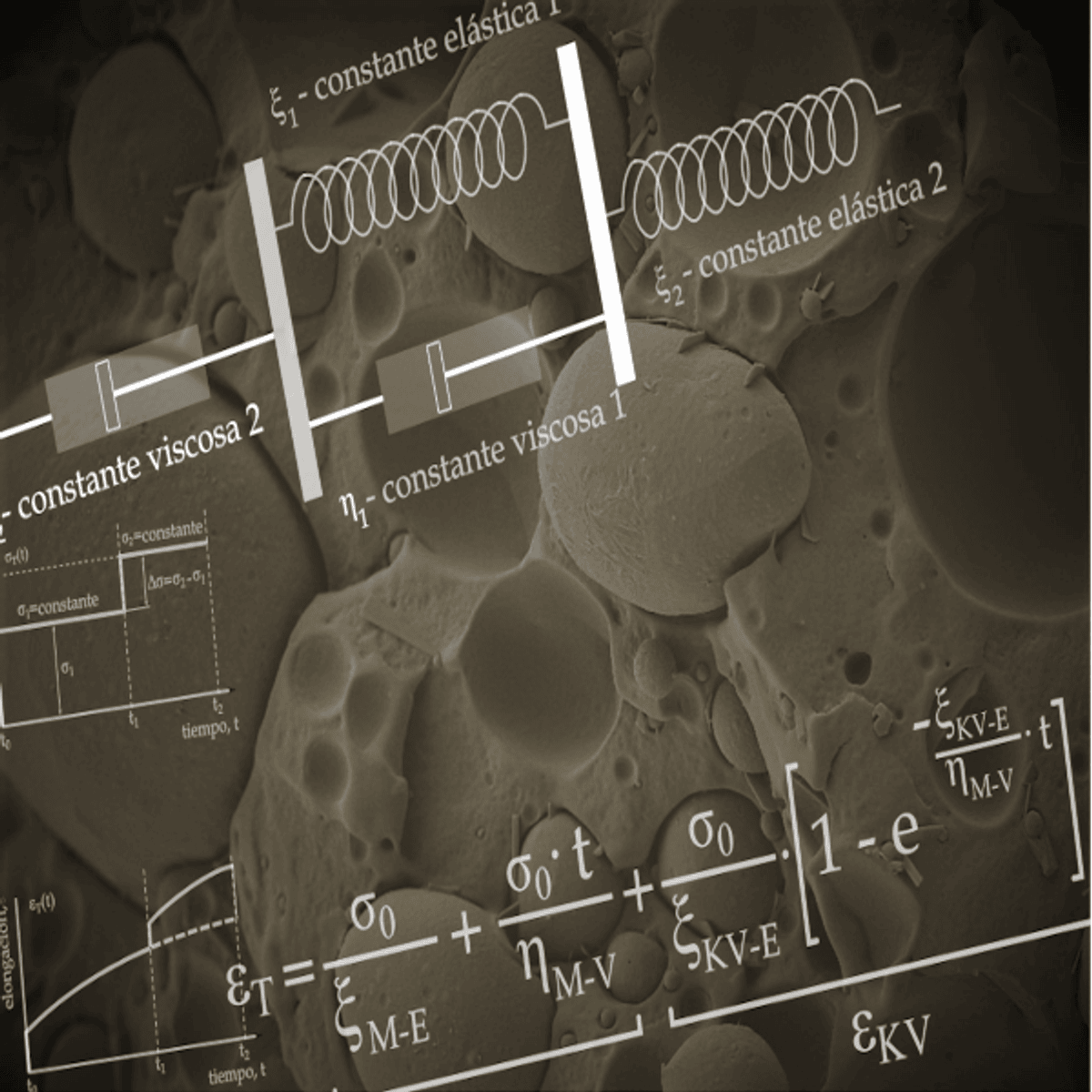
Los materiales poliméricos presentan un comportamiento viscoelástico, lo que significa que sus propiedades mecánicas resultan de la interacción entre características elásticas y viscosas. Además, estos materiales responden de manera distinta según si las cargas aplicadas actúan durante períodos cortos o si se mantienen a lo largo del tiempo. Por ello, en el diseño y desarrollo de componentes fabricados con polímeros es fundamental tener en cuenta su comportamiento viscoelástico para garantizar un rendimiento mecánico adecuado.
Introduction to Power Electronics
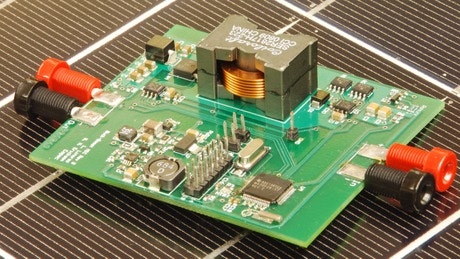
This course can also be taken for academic credit as ECEA 5700, part of CU Boulder’s Master of Science in Electrical Engineering degree. This course introduces the basic concepts of switched-mode converter circuits for controlling and converting electrical power with high efficiency. Principles of converter circuit analysis are introduced, and are developed for finding the steady state voltages, current, and efficiency of power converters. Assignments include simulation of a dc-dc converter, analysis of an inverting dc-dc converter, and modeling and efficiency analysis of an electric vehicle system and of a USB power regulator. After completing this course, you will: ● Understand what a switched-mode converter is and its basic operating principles ● Be able to solve for the steady-state voltages and currents of step-down, step-up, inverting, and other power converters ● Know how to derive an averaged equivalent circuit model and solve for the converter efficiency A basic understanding of electrical circuit analysis is an assumed prerequisite for this course.

4.- El Cálculo - Otros Modelos
Este curso forma parte de una secuencia con la que se propone un acercamiento a la Matemática Preuniversitaria que prepara para la Matemática Universitaria. En él se asocia un significado real con el contenido matemático que se aprende y se integran tecnologías digitales en el proceso de aprendizaje. Se propone la reinterpretación de los contenidos matemáticos relativos a Modelos con Radicales y Exponentes en términos de nociones y procesos del Cálculo Diferencial. Esto servirá como puente para el desarrollo de un pensamiento matemático avanzado con el que se trabajará en la Matemática Universitaria. El período de acreditación para la materia Introducción a las Matemáticas ha concluido. La última fecha para recibir certificados de Coursera es 24 de julio 2017. Informaremos oportunamente cuando la opción de acreditación esté disponible de nuevo. Curso con crédito académico para alumnos admitidos y aspirantes a ingresar a su primer semestre de un programa de profesional en el Tecnológico de Monterrey. Si estás inscrito en este MOOC con el fin de obtener el crédito académico para el curso de Introducción a las matemáticas (Matemáticas Remedial), confirma tu interés en la acreditación a la cuenta: mooc@servicios.itesm.mx. Consulta las preguntas frecuentes para conocer el proceso de acreditación.
Aléatoire : une introduction aux probabilités - Partie 2
Ce cours d'introduction aux probabilités a la même contenu que le cours de tronc commun de première année de l'École polytechnique donné par Sylvie Méléard. Le cours introduit graduellement la notion de variable aléatoire et culmine avec la loi des grands nombres et le théorème de la limite centrale. Les notions mathématiques nécessaires sont introduites au fil du cours et de nombreux exercices corrigés sont proposés. Ce cours propose aussi une introduction aux méthodes de simulations des variables aléatoires comme la méthode de Monte Carlo. Des expériences numériques interactives sont également mises à votre disposition pour vous permettre de visualiser diverses notions.

Applied Sustainability Engineering
Applied Sustainability Engineering, the second course in the "Applied Sustainability for Technical Managers" specialization discusses the techniques used by engineers and scientists to develop and assess the environmental impact of products and processes required to make those products. It begins with a discussion of different renewable energy technologies and their economics – highlighting how continued reductions in cost have made wind and solar power the least expensive way to generate electricity. It then addresses carbon footprints and how they are determined, applying a practical example where you determine your residential and transportation carbon footprints. From there, the course transitions to defining sustainable and circular products and packaging and showcasing several examples. As Technical Managers, you’ll need metrics for determining whether a product is truly sustainable, so the course introduces techniques such as Life Cycle Assessment (LCA), Streamlined LCA (S-LCA), and the Eco-Audit methodologies. The course concludes with an overview of sustainable product design frameworks, including Cradle-to-Cradle, Design for the Circular Economy, and Biomimicry, just to name a few. This course is very practical, introducing you to several areas critical to managing and learning about sustainability initiatives, from assessing the environmental and social impacts of a product or process, to designing more sustainable and circular products. If you want to work towards having a positive impact on the planet and on society, then this course is for you! This course was developed in collaboration with Siemens Digital Industries Software and is part of the "Design for the Circular Economy" collection. Learners who complete and pass the course can receive an industry-recognized digital badge. The “Design for the Circular Economy” microcredential and graduate certificate are developed around the educational goals of providing technical, business, and leadership knowledge and skills that inspire the transformation towards a more circular economy. This includes gaining technical knowledge to apply circular economy principles in product design, minimizing waste and maximizing impact; developing business acumen to implement innovative circular economic models that prioritize sustainability and resilience; and acquiring leadership strategies to communicate effectively and inspire change within an organization. This course can be taken for academic credit as part of CU Boulder’s Master of Engineering in Engineering Management (ME-EM) degree offered on the Coursera platform. The ME-EM is designed to help engineers, scientists, and technical professionals move into leadership and management roles in the engineering and technical sectors. With performance-based admissions and no application process, the ME-EM is ideal for individuals with a broad range of undergraduate education and/or professional experience. Learn more about the ME-EM program at https://www.coursera.org/degrees/me-engineering-management-boulder.
材料力學一 (Mechanics of Materials (1))
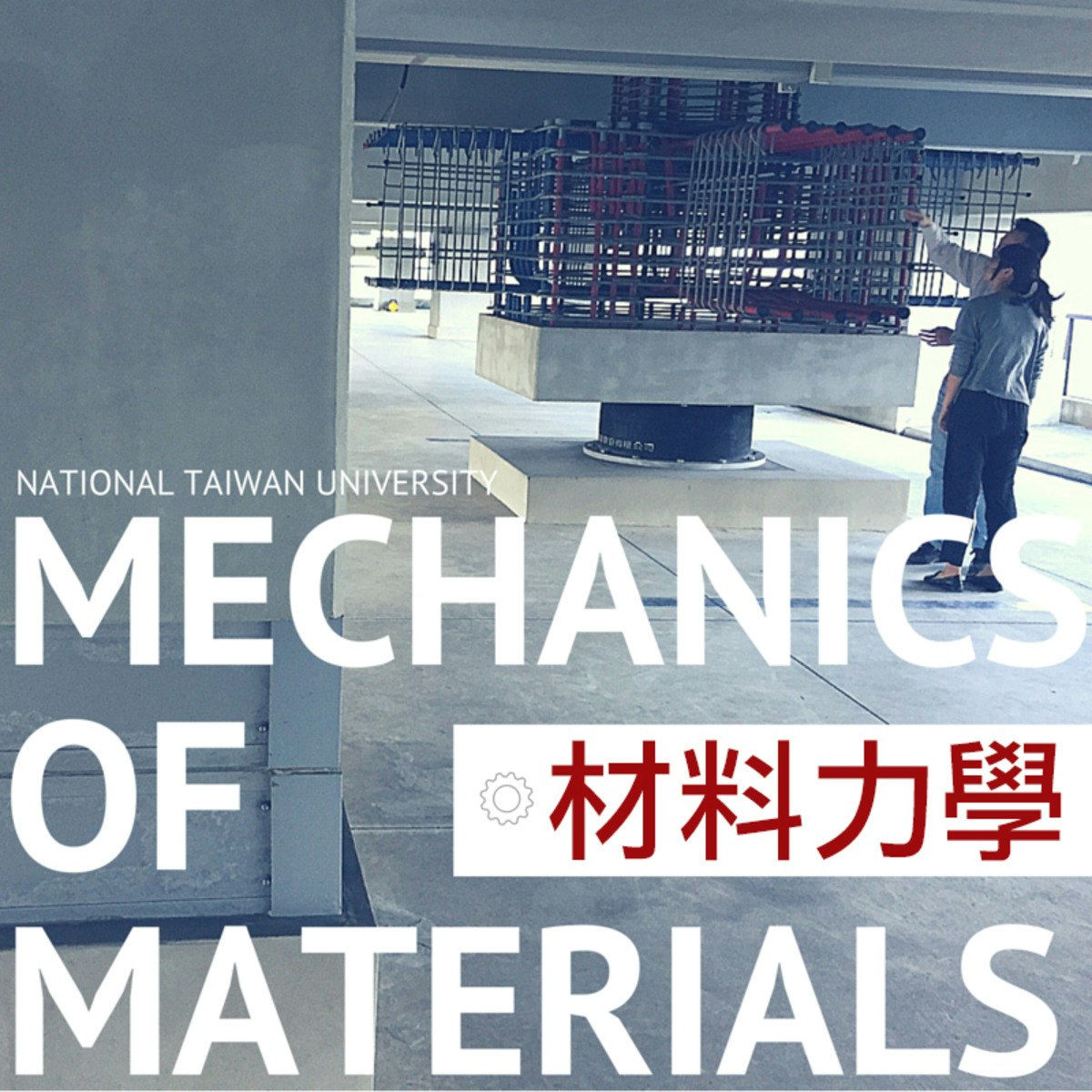
課程介紹與教學目標 (About the course) 房屋為我們遮風避雨,讓我們安心工作、生活,而結構系統又是房屋的骨幹,讓房屋能站的又高、又直、又穩。你知道橫者為梁,直者為柱,但你知道在結構工程師的眼中,梁與柱有什麼其他的不同嗎?他們其中藏著什麼秘密,能支撐起整個結構?工程師要怎麼決定梁該有多深?柱該有多粗?該用矩形、圓形還是其他形狀?該用實心還是空心?在有地震的地方,設計上是否又有不一樣的考量? 材料力學是通往上述問題解答關鍵的一步。在材料力學(一)裡,我們會由大家熟知的虎克定律開始,以蓋房子的重要材料「結構鋼」為例,深入探討「力量」與「變形」這兩個令結構工程師愛恨交加的物理量之間的關係。然後依序探討結構桿件受軸力(拉/壓)、受扭、受彎、受剪四大外力作用下,會在桿件內部產生怎樣的相對應變形與受力,並探討建築結構設計概念與提供桿件設計演算範例。 本課程是希望精通「鋼筋混凝土設計」、「鋼結構設計」、「木構造設計」者必備的先修課程,也為對「彈性力學」有興趣者,提供許多基礎知識與這些知識如何實際應用於工程設計。 主要授課對象為土木、建築相關從業人員與在學學生,其他包括工學院各科系同學或對材料力學有興趣的人士,也歡迎選修。 授課形式 (Course format) 本堂課將以影片的形式為主, 搭配課後作業及期末報告的形式來進行。 修課背景要求 (Recommended background) 靜力學 ( Statics )
Evolución: Síntesis extendida
En este curso desarrollarás una visión amplia de la biología evolutiva así como su comprensión, explicación y el desarrollo de las habilidades que le permitan argumentar las diferencias entre la síntesis moderna y la síntesis extendida; la relación entre evolución y biología del desarrollo (Evo-Devo), la complejidad de los conceptos centrales de la plasticidad fenotípica, la herencia inclusiva, y la teoría de la construcción de nichos. Además, desarrollarás habilidades para aplicar el marco de la síntesis extendida para la construcción de nuevo conocimiento en su área de investigación o docencia.

Greening the Economy: Sustainable Cities
How can we shape our urban development towards sustainable and prosperous futures? This course explores sustainable cities as engines for greening the economy in Europe and around the world. We place cities in the context of sustainable urban transformation and climate change. We connect the key trends of urbanization, decarbonisation and sustainability. We examine how visions, experiments and innovations can transform urban areas. And we look at practices (what is happening in cities at present) and opportunities (what are the possibilities for cities going forwards into the future). This course was launched in January 2016, and it was updated in September 2021 with new podcasts, films and publications. The course is produced by Lund University in cooperation with WWF and ICLEI – Local Governments for Sustainability who work with creating sustainable cities. The course features researchers, practitioners and entrepreneurs from a range organisations.
Municipal Solid Waste Management in Developing Countries
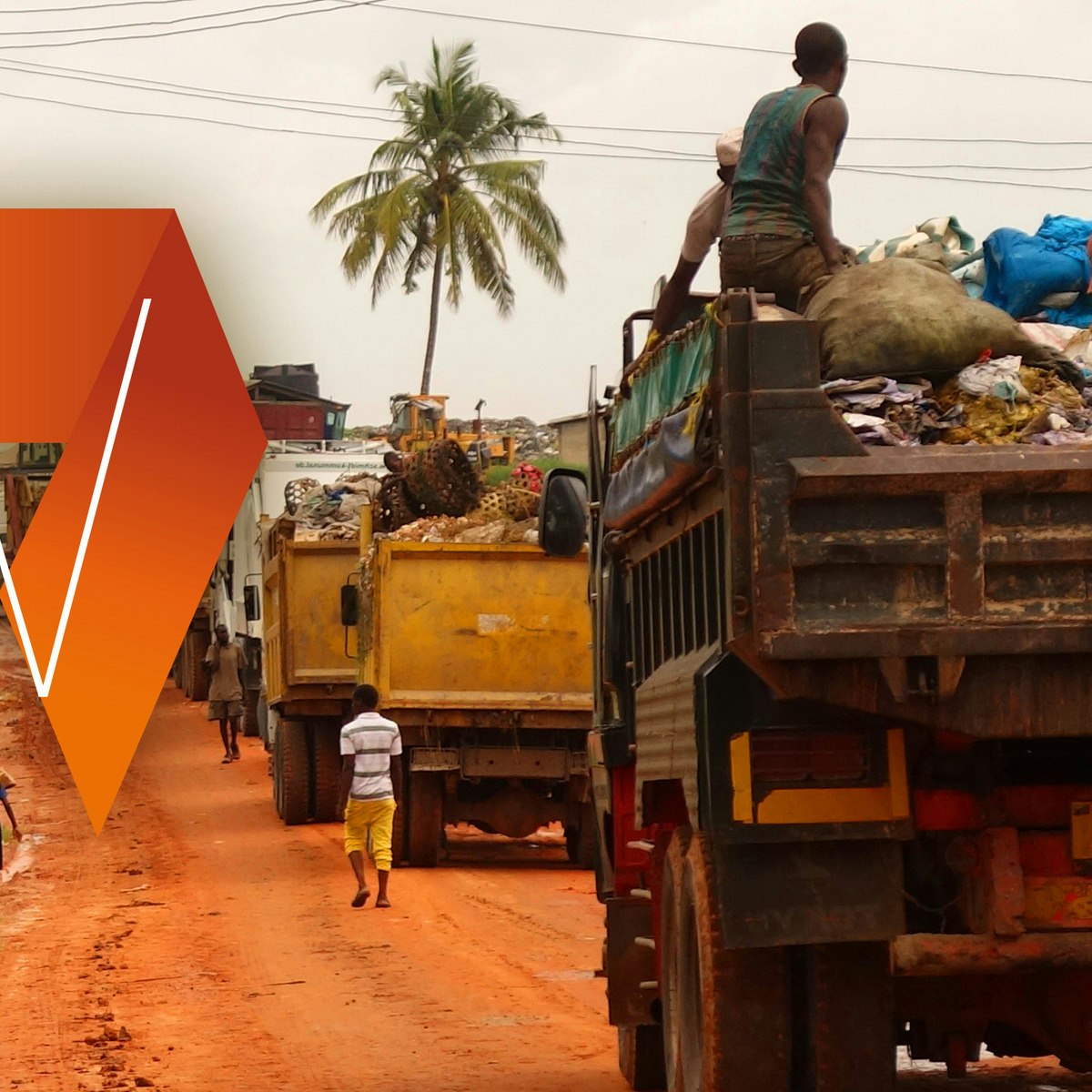
Have you come across large piles of garbage in neighbourhoods and streets and smelly waste disposal sites polluting the environment of low- and middle-income countries? Do you want to know what kind of sustainable solutions are appropriate to better manage waste and enhance recycling and recovery? If yes, this course is for you! This course provides you with an overview of the municipal solid waste management situation in low- and middle-income countries. It covers key elements of the waste management system, such as its technical, environmental, social, financial and institutional aspects. Besides understanding the challenges, you will be introduced to appropriate and already applied solutions through selected case studies.
Çok değişkenli Fonksiyon II: Uygulamalar / Multivariable Calculus II: Applications
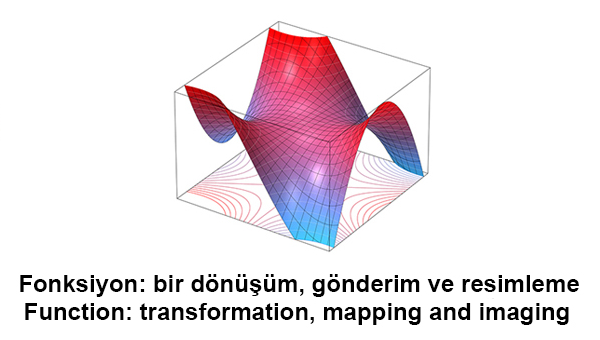
Ders çok değişkenli fonksiyonlardaki iki derslik dizinin ikincisidir. Birinci ders türev ve entegral kavramlarını geliştirmekte ve bu konulardaki problemleri temel çözme yöntemlerini sunmaktadır. Bu ders, birinci derste geliştirilen temeller üzerine daha ileri konuları işlemekte ve daha kapsamlı uygulamalar ve çözümlü örnekler sunmaktadır. Ders gerçek yaşamdan gelen uygulamaları da tanıtmaya önem veren “içerikli yaklaşımla” tasarlanmıştır. Bölümler Bölüm 1: Multivar 1'in Özeti, Dairesel Koordinatlarda Entegraller Bölüm 2: Türev Uygulamalarından Seçme Konular Bölüm 3: Çok Değişkenle Zincirleme Türev ve Jakobiyan Bölüm 4: Uzayda Yüzey ve Hacım Entegralleri Bölüm 5: Düzlemde Akı Entegralleri Bölüm 6: Düzlemde Green, Uzayda Stokes ve Green-Gauss Teoremleri Bölüm 7: Stokes ve Green-Gauss Teoremleri ve Doğanın Korunum Yasaları ----------- The course is the second of the two course sequence of calculus of multivariable functions. The first course develops the concepts of derivatives and integrals of functions of several variables, and the basic tools for doing the relevant calculations. This course builds on the foundations of the first course and introduces more advanced topics along with more advanced applications and solved problems. The course is designed with a “content-based” approach, i. e. by solving examples, as many as possible from real life situations. Bölümler Bölüm 1: Summary of Multivar I, Integral in Circular Coordinates Bölüm 2: Topics of Derivative Applications Bölüm 3: Chain Derivatives with Multi Variables and Jacobian Bölüm 4: Surface and Volume Integrals in Space Bölüm 5: Flux Integrals in the Plane Bölüm 6: Green in Plane, Stokes in Space and Green-Gauss Theorems Bölüm 7: Stokes and Green-Gauss Theorem and Nature Conservation Laws ----------- Kaynak: Attila Aşkar, “Çok değişkenli fonksiyonlarda türev ve entegral”. Bu kitap dört ciltlik dizinin ikinci cildidir. Dizinin diğer kitapları Cilt 1 “Tek değişkenli fonksiyonlarda türev ve entegral”, Cilt 3: “Doğrusal cebir” ve Cilt 4: “Diferansiyel denklemler” dir. Source: Attila Aşkar, Calculus of Multivariable Functions, Volume 2 of the set of Vol1: Calculus of Single Variable Functions, Volume 3: Linear Algebra and Volume 4: Differential Equations. All available online starting on January 6, 2014
工程圖學 2D CAD
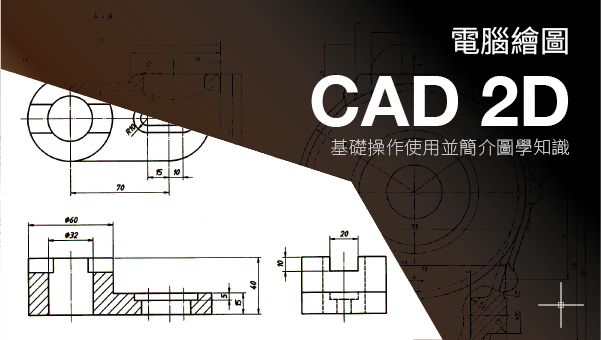
工程圖學在教什麼?這門課有的重要性為何? 對我的專業有什麼幫助?沒有工程背景的人也可以學習工程圖學嗎?我不是工程師,學習工程圖學對我的生活有幫助嗎? 這門課是CAD/BIM技術與應用專項課程的第一門課,與其他三門課「工程圖學2D專題」、「工程圖學3D」,及「工程圖學3D專題」,作為工程圖學及電腦繪圖的入門課程,你將在這門課會學到各種繪圖的原理與方法,以及AutoCAD電腦繪圖技術,並在相關的作業練習中,逐漸熟練這些基本技術。 工程製圖的應用無所不在,最主要的目的就是利用圖像來描述物體的形貌與功能,作為保存與傳遞想法的工具。繪圖一點也不難,無論你從事什麼工作,來自什麼背景,只要你具備中學程度的基本幾何和三角函數概念,就可以在這裡從頭開始,學會工程圖學!你會驚訝的發現,當繪圖融入你的生活時帶來的趣味與方便!
Micro and Nanofabrication (MEMS)
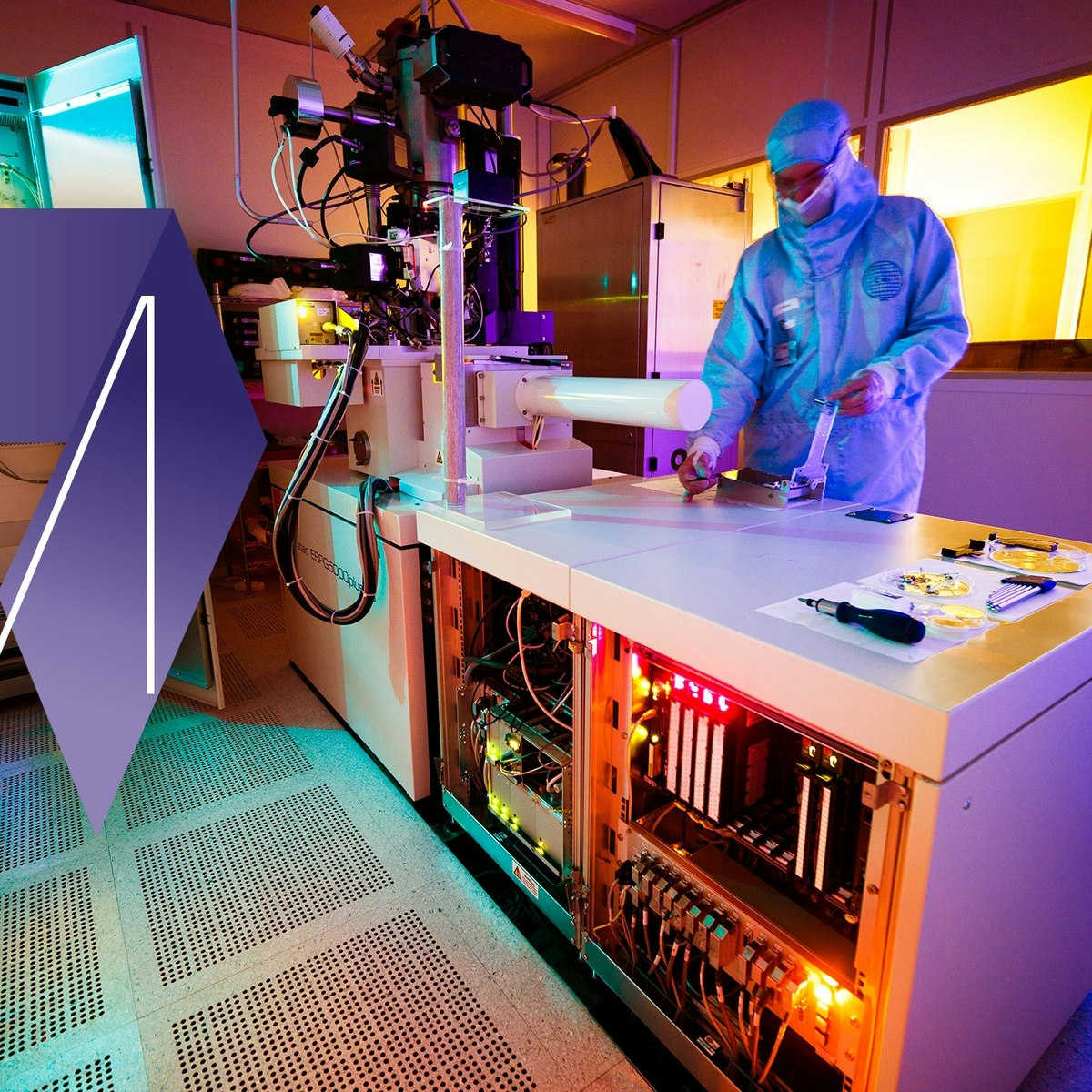
Learn the fundamentals of microfabrication and nanofabrication by using the most effective techniques in a cleanroom environment. Microfabrication and nanofabrication are the basis of manufacturing for nearly all modern miniaturized systems that are ubiquitously used in our daily life. Examples include; computer chips and integrated sensors for monitoring our environment, cars, mobile phones, medical devices and more. Micro- and nanofabrication can be taught to students and professionals by textbooks and ex-cathedra lectures, but the real learning comes from seeing the manufacturing steps as they happen. In this engineering course, we will go a step beyond classroom teaching to not only explain the basics of each fabrication step but also show you how it’s done through video sequences and zooming into the equipment. For some selected examples, students will also be able to set process parameters on a virtual panel to see how it affects the processing results.
Material Jetting and Stereolithography
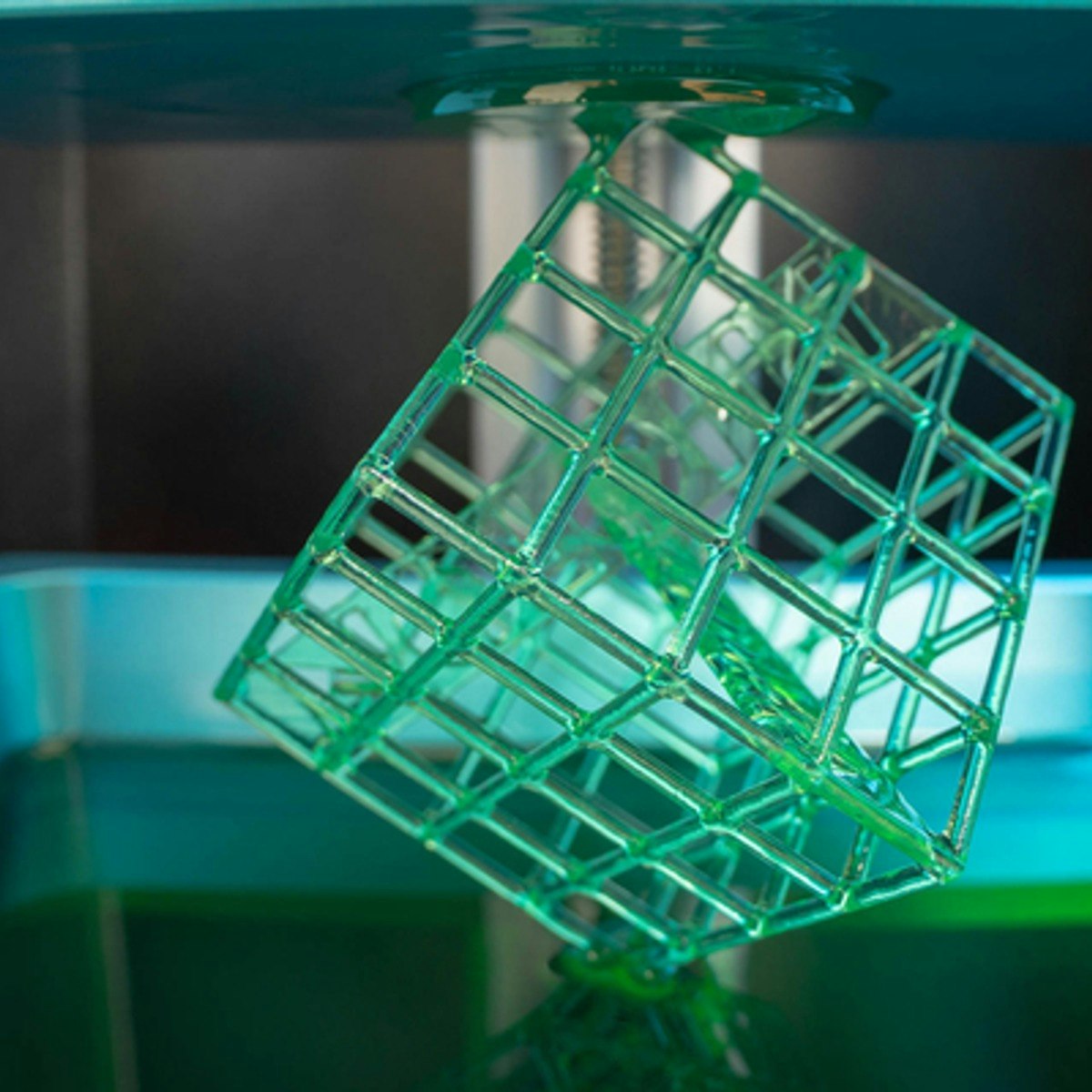
This course looks at two photopolymer resin-based processes: material jetting and stereolithography. We walk through the build preparation, printing, and post-processing for both processes, and discuss the kinds of applications for which these processes are well suited. The necessary elements for each course are lecture videos, knowledge checks, and project completion. For additional information on certain topics, I've included supplemental readings and videos throughout various lessons that might enhance your knowledge. Because all resources are not available to all students, these materials are optional. In addition, you will note that some of the lectures feature our department’s graduate students. These excellent students are sometimes closer to the material, having learned it recently, so we greatly appreciate their participation in the instructional process.
Sustainable Practices in High-Tech Manufacturing
As global pressure grows to cut emissions and reduce resource use, high-tech manufacturers face the challenge of achieving sustainability without sacrificing performance or innovation. This practical course equips engineers, operations managers, and sustainability professionals with the skills to integrate sustainable practices into advanced manufacturing environments. Through real-world examples and interactive exercises, you'll learn how to reduce energy use, minimize waste, and improve environmental performance at the facility level. Explore emerging technologies like AI-driven optimization, IoT-based monitoring, and eco-friendly materials that are shaping the future of manufacturing. You’ll also gain an understanding of global sustainability regulations, ESG reporting standards, and carbon credit markets across regions such as the EU, U.S., and India. This course is designed for professionals in manufacturing, operations, and sustainability roles who want to drive measurable environmental impact. It’s equally useful for engineers, plant managers, and corporate leaders looking to align production strategies with ESG and regulatory expectations. Learners should have a basic understanding of manufacturing operations, sustainability principles, and environmental regulations. No advanced technical background is required, but curiosity about technology and innovation will help you get the most out of the course. By the end, you'll be able to implement effective sustainability strategies, navigate compliance requirements, and support your organization’s environmental goals with confidence.
Modern Robotics, Course 1: Foundations of Robot Motion
Do you want to know how robots work? Are you interested in robotics as a career? Are you willing to invest the effort to learn fundamental mathematical modeling techniques that are used in all subfields of robotics? If so, then the "Modern Robotics: Mechanics, Planning, and Control" specialization may be for you. This specialization, consisting of six short courses, is serious preparation for serious students who hope to work in the field of robotics or to undertake advanced study. It is not a sampler. In Course 1 of the specialization, Foundations of Robot Motion, you will learn fundamental material regarding robot configurations, for both serial robot mechanisms and robots with closed chains. You will learn about configuration space (C-space), degrees of freedom, C-space topology, implicit and explicit representations of configurations, and holonomic and nonholonomic constraints. You will also learn how to represent spatial velocities and forces as twists and wrenches. This material is at the core of the study of anything that moves (e.g., robots). This course follows the textbook "Modern Robotics: Mechanics, Planning, and Control" (Lynch and Park, Cambridge University Press 2017). You can purchase the book or use the free preprint pdf. You will build on a library of robotics software in the language of your choice (among Python, Mathematica, and MATLAB) and use the free cross-platform robot simulator V-REP, which allows you to work with state-of-the-art robots in the comfort of your own home and with zero financial investment.
Chemical Process Safety
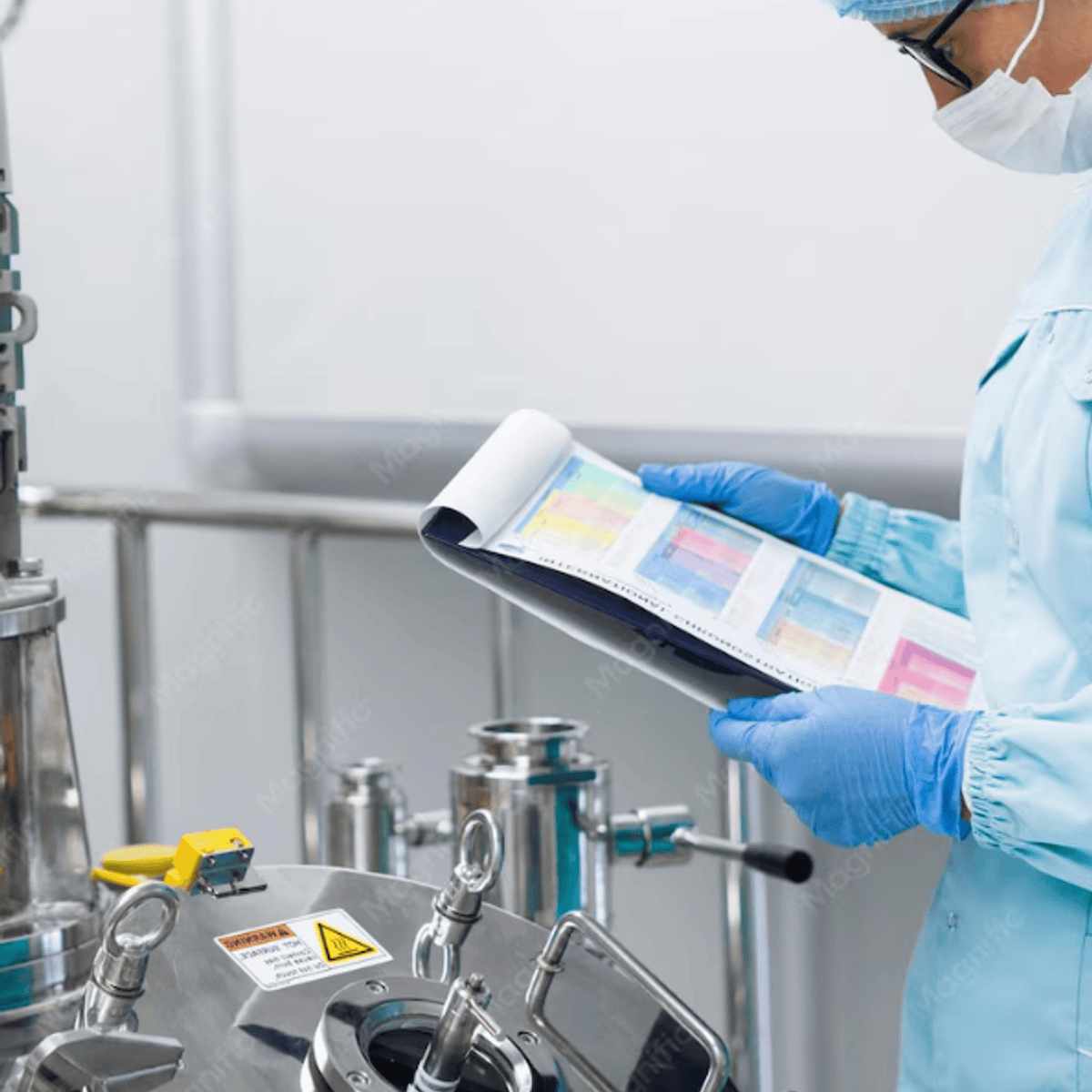
Chemical Process Safety is a comprehensive course designed to provide learners with a strong foundation in identifying, assessing, and managing hazards within process industries. The course focuses on the principles of Process Safety Management (PSM), risk-based safety approaches, safety performance monitoring, and lessons learned from major industrial accidents. Learners will gain practical knowledge of Safety Instrumented Systems (SIS), Safety Integrity Levels (SIL), and Safety Instrumented Functions (SIF), which play a critical role in preventing catastrophic process failures. The course also explores Process Hazard Analysis (PHA) methodologies and industry-standard risk assessment techniques, including HAZOP, FMEA, Fault Tree Analysis (FTA), Event Tree Analysis (ETA), and Layer of Protection Analysis (LOPA). Through practical examples and case studies, learners will develop the skills required to identify process hazards, evaluate risks, implement effective safeguards, and contribute to safer, more reliable, and compliant industrial operations. Learning Objectives By the end of this course, learners will be able to: Explain the principles, elements, and implementation requirements of Process Safety Management (PSM) and risk-based process safety. Analyze process risks using qualitative and quantitative hazard assessment methodologies. Apply hazard analysis techniques such as HAZOP, FMEA, FTA, ETA, and LOPA to identify and mitigate process hazards. Interpret the concepts of SIS, SIL, and SIF and their role in process safety and risk reduction. Develop effective risk management strategies to improve operational safety, reliability, and regulatory compliance. Target Learners This course is ideal for: Chemical, Mechanical, and Process Engineering students Process, Production, and Operations Engineers Safety Engineers and HSE Professionals Plant Managers and Supervisors Oil & Gas, Petrochemical, and Process Industry Professionals Anyone interested in process safety and risk management
Advancing Mask Technology for Semiconductors
This is a comprehensive course designed to deepen your understanding of semiconductor mask technology, a critical component in the miniaturization and efficiency of electronic devices. Throughout this course, you'll explore fundamental concepts, advanced techniques, and practical applications of mask design and fabrication processes, equipping you with the skills necessary to excel in semiconductor manufacturing. This course is tailored for engineers, technologists, and professionals involved in semiconductor manufacturing and design. It is also suitable for individuals interested in advanced fabrication processes and those aiming to deepen their expertise in semiconductor mask technology. Participants should have a basic understanding of semiconductor technology, including manufacturing processes and device physics. Familiarity with mask design principles, CAD tools, photolithography, etching, deposition, doping techniques, and cleanroom protocols is recommended. Knowledge of semiconductor device technologies such as CMOS, BJT, and GaN, as well as quality control methods in semiconductor fabrication, will be beneficial. By the end of this course, you will be able to explain the fundamental principles of semiconductor mask design, apply advanced lithography and fabrication techniques, optimize mask performance for improved manufacturing quality, and implement yield enhancement strategies in semiconductor production. These competencies will empower you to address complex fabrication challenges and stay abreast of the latest advancements in mask technology.

The Evolving Universe
This is an introductory astronomy survey class that covers our understanding of the physical universe and its major constituents, including planetary systems, stars, galaxies, black holes, quasars, larger structures, and the universe as a whole.

Honors Algebra 2: Polynomials and Complex Numbers
Honors Algebra 2: Polynomials and Complex Numbers By the end of this course, learners will be able to analyze, graph, and transform polynomial functions, apply techniques such as factoring, division, and the Remainder and Factor Theorems to solve higher-order equations, and use the Fundamental Theorem of Algebra to understand the complete set of polynomial solutions. They will also develop fluency with complex numbers, performing arithmetic operations, representing them in both algebraic and geometric forms, and applying them to solve equations that have no real solutions. As the second course in the three-part Honors Algebra 2 specialization, this class moves beyond routine algebraic skills to build deep mathematical reasoning. Students will see how polynomials and complex numbers provide the foundation for modern algebra, engineering, and physics, while practicing advanced problem-solving strategies that encourage both precision and creativity. What makes this course unique is its balance of rigor and accessibility. Learners progress through challenging concepts with step-by-step guidance, visual explanations, and real-world applications that demonstrate why these topics matter. Completing this course prepares students not only to excel in advanced high school mathematics but also to transition confidently into college-level coursework.
機器人學一 (Robotics (1))
本課程主要在學習機械手臂在分析面的運動學和軌跡規劃。 學習目標: 1.瞭解物體在空間中運動的描述方式 2.瞭解多關節機械手臂的順逆運動學 3.瞭解運動軌跡的規劃方式。
Cómo entrenar a tus electrones 3: Aplicaciones interesantes
La electrónica ha respaldado el desarrollo científico y tecnológico de la humanidad, ostentando un rol clave en los últimos 50 años. Nos admiramos de la capacidad del ser humano de diseñar circuitos integrados que contienen millones de transistores y que nos permiten procesar con gran precisión las señales más débiles provenientes de las antenas de telefonía celular, de las neuronas del cerebro, de una cámara digital, o de la carga depositada por partículas subatómicas que colisionan en el Gran Colisionador de Hadrones en Suiza. Es difícil entender un circuito electrónico, y aún más difícil diseñarlo. Pero no es imposible. Los electrones pueden ser muy dóciles si sabemos dominarlos. "Cómo entrenar a tus electrones 3: Aplicaciones interesantes", el último curso de una serie de tres MOOCs, introduce los dispositivos semiconductores discretos más utilizados en la actualidad en aplicaciones analógicas, los transistores bipolares, y finaliza con aplicaciones interesantes tales como los osciladores. Las videolecciones acompañadas de pequeños cuestionarios te ayudarán a reforzar tu aprendizaje en cuanto a la comprensión del funcionamiento de los semiconductores, los circuitos principales para amplificar, y las técnicas de análisis más utilizadas.