Cursos de Ciencia y matemáticas
Los mismos datos para todos, vengan de Udemy o de Coursera: precio, valoración, duración e idioma. 238 cursos encontrados. Afinar la búsqueda
Introduction to Complex Analysis
This course provides an introduction to complex analysis which is the theory of complex functions of a complex variable. We will start by introducing the complex plane, along with the algebra and geometry of complex numbers, and then we will make our way via differentiation, integration, complex dynamics, power series representation and Laurent series into territories at the edge of what is known today. Each module consists of five video lectures with embedded quizzes, followed by an electronically graded homework assignment. Additionally, modules 1, 3, and 5 also contain a peer assessment. The homework assignments will require time to think through and practice the concepts discussed in the lectures. In fact, a significant amount of your learning will happen while completing the homework assignments. These assignments are not meant to be completed quickly; rather you'll need paper and pen with you to work through the questions. In total, we expect that the course will take 6-12 hours of work per module, depending on your background.
EV Evolution: Comprehensive Introduction to EVs
As countries around the world work together to tackle global warming, electric mobility is considered to be one of the major initiatives to reduce the carbon footprint across the transportation sector from cycles to aircraft. This course provides you with the fundamentals of Electric Vehicle (EV) technology, laying a strong foundation to learn further specific topics in electric mobility. This is a foundational course that will start with a discussion on the need and environmental impacts of electric vehicles and their role in sustainable mobility. We will discuss the history and evolution of electric vehicles with industry examples. Then we’ll review different electric vehicles based on the propulsion type, energy source, and battery size. We will also discuss the key components of the electric vehicle and their major functions. Finally, a review of different powertrain layouts will be provided. We will conclude the course by addressing challenges, issues, and opportunities, as well as exploring emerging trends and technologies in the electric vehicle industry. Upon completing this course, you will be able to get a strong foundation on the fundamentals of electric vehicle technology, including know-how on their key components and architecture. This will help you to confidently step into the world of electric vehicles and enable you to start learning more specific areas in electric vehicle systems. These skills will assist learners in acquiring a general overview of electric vehicle technology. This program is designed for anyone who is interested in electric vehicle technology. This includes engineers working in product development to faculty and students from academia. The course is open for all who are starting their learning journey into the world of electric vehicles. It is recommended for the learner to have some knowledge of basic physics and chemistry covered at the High School level to understand some of the technical terms covered in the course.

CPS Design for Mechatronics, Healthcare, EV & Robotics
This course covers diverse aspects of mechatronics, electric vehicles (EVs), medical devices, and Cyber-Physical Systems (CPS). The Automotive Mechatronics module provides participants with a deep understanding of essential components, emphasizing the analysis of Electronic Control Units (ECUs) and the application of various sensor types and Advanced Driver Assistance Systems in critical automotive functions. The course culminates in the practical implementation of CAN interface integration with the STM32F407 microcontroller in automotive electronics. It delves into the workings and applications of digital stethoscopes, advanced thermometers, ultrasound machines, and more. Participants gain hands-on experience in setting up a remote health monitoring system using Arduino Nano, showcasing real-world applications of embedded systems in healthcare. Furthermore, it focuses on the on-board electrical system, 48 V system understanding, DC-DC converters, and the traction motors, on-board chargers, and various motor configurations in electric vehicles. Participants will gain concepts for the design and development of a 5 Degree Freedom Robotic ARM for industrial automation. It covers pneumatic and hydraulic systems, solenoid control valve components, Denavit–Hartenberg Parameters, and provides hands-on experience in assembling and testing a 5DOF robotic arm using Arduino Nano.
Nanotecnologia, Sostenibilitat i matemàtiques al món nano
Aquest curs està dedicat principalment a estudiants universitaris de primer i segon curs interessats en ciència i enginyeria, així com a estudiants de secundària i professionals d’educació primària i secundària interessats en nanotecnologia i sostenibilitat.

Astronomía básica
Este curso proporciona una introducción a la astronomía, brindando a los participantes los conocimientos fundamentales sobre el universo y su evolución. Al finalizar, comprenderán la importancia histórica de la astronomía, cómo funcionan los telescopios y las escalas de tamaño y distancia de diversos objetos celestes. Además, tendrán una visión integral sobre la estructura y evolución de estos objetos astronómicos, lo que les permitirá apreciar en profundidad su lugar en el cosmos.
Graphs and Networks
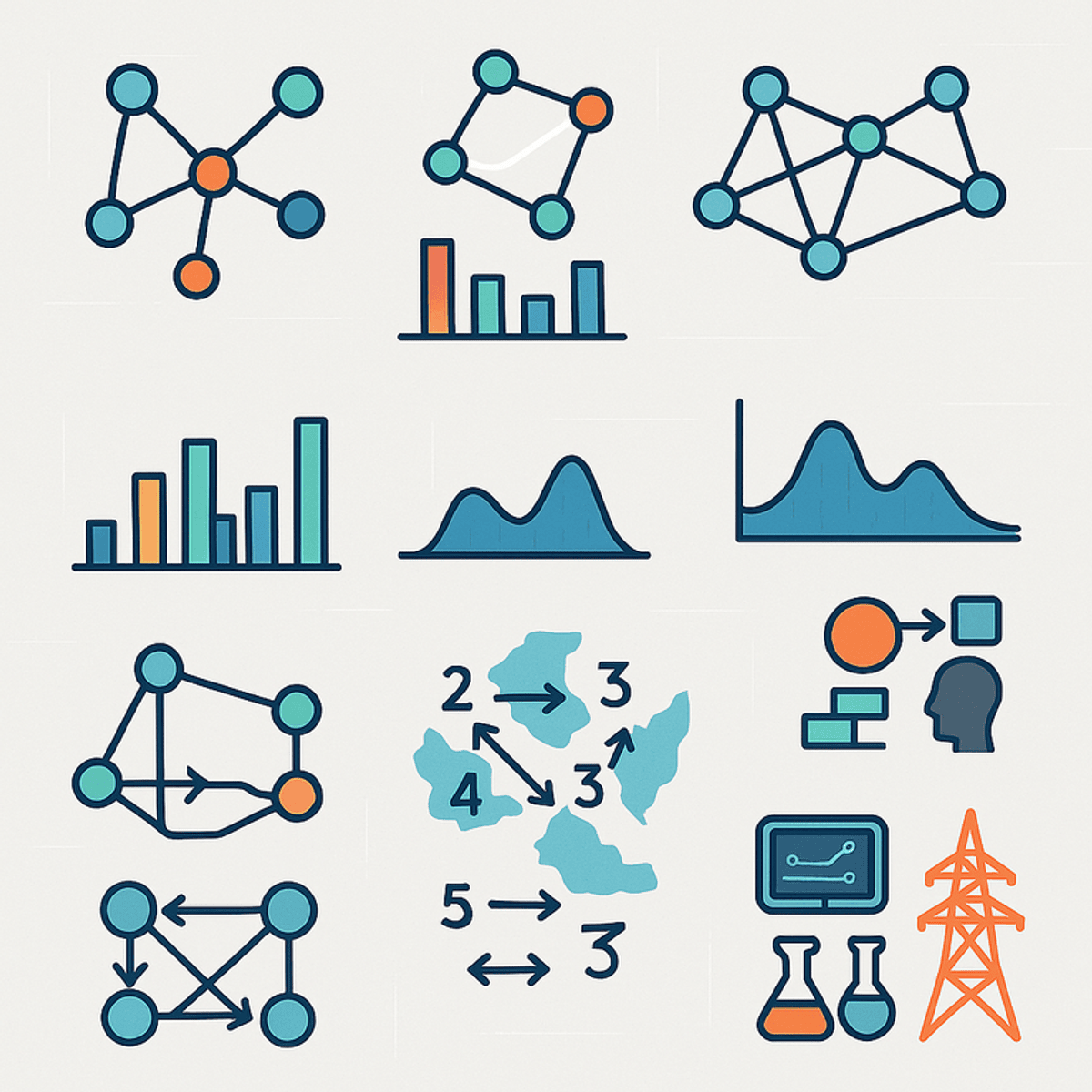
Master the mathematical and computational foundations of graph theory and network analysis in this comprehensive course for problem-solvers and analytical thinkers. Explore how graphs model real-world systems—such as social networks, transportation grids, communication systems, and biological pathways. Begin with core concepts like graph properties, connectivity, and planarity, then advance to topics like graph coloring, matching algorithms, network flows, and optimization. Learn to design efficient algorithms, analyze centrality measures, compute maximum flows, and solve minimal cost flow problems. Through mathematical rigor and practical application, you’ll develop both theoretical insight and hands-on problem-solving skills. Applications span scheduling, frequency assignment, image processing, artificial intelligence, and machine learning. Ideal for aspiring researchers, data scientists, and network engineers, this course equips you with essential tools to analyze, optimize, and visualize interconnected systems across diverse domains.
Hardware Description Languages for FPGA Design
This course can also be taken for academic credit as ECEA 5361, part of CU Boulder’s Master of Science in Electrical Engineering degree. Hardware Description Languages for Logic Design enables students to design circuits using VHDL and Verilog, the most widespread design methods for FPGA Design. It uses natural learning processes to make learning the languages easy. Simple first examples are presented, then language rules and syntax, followed by more complex examples, and then finally use of test bench simulations to verify correctness of the designs. Lecture presentations are reinforced by many programming example problems so that skill in the languages is obtained. After completing this course, each student will have fundamental proficiency in both languages, and more importantly enough knowledge to continue learning and gaining expertise in Verilog and VHDL on their own. This course includes specific hardware and software requirements. Please review the FAQ below for complete details.
Instrumentation and Control Systems in Power Plants
This specialization provides a comprehensive understanding of instrumentation and control systems in modern power plants, focusing on selection, operation, and integration of critical instruments. It begins with the fundamentals of instruments and final control elements, covering industrial drawings, selection criteria, sizing, and applications for pressure, temperature, level, and flow measurement. Supervisory instruments and steam and water analysers are explored in detail, along with control valve construction, sizing, actuator types, cavitation, and flashing considerations. The course also covers power plant control systems, including architecture, configuration, communication, and automation. Learners gain practical knowledge of automated control systems, wireless communication, and fieldbus protocols such as Foundation Fieldbus and ProfiBus. The curriculum emphasizes real-world application, providing insights into system integration, reliability, and performance optimization. By completing this specialization, learners develop the skills to effectively design, operate, and maintain instrumentation and control systems in power plants, ensuring safe, efficient, and automated plant operations.

Climate Change and Water in Mountains: A Global Concern
What is climate change ? How are mountain regions affected by the evolution of water resources and their uses ? What kind of risks need to be considered ? Mountains are recognized as particularly sensitive physical environments where intense and rapid changes have in the past, and may increasingly in the future, place pressure on their resource base. In this context, a team of roughly 100 experts worked from 2008 to 2013 for the European ACQWA project (www.acqwa.ch) which was coordinated by the University of Geneva. The primary objectives of the project were to assess the impacts of a changing climate on the quantity and quality of water originating in mountain regions, particularly where snow- and ice melt represent a large, sometimes the largest, streamflow component. A further objective of the project was to determine the potential disruptions to water-dependent economic activities related to the climate impacts on hydrological systems, and to propose a portfolio of possible adaptation strategies. This particular MOOC is inspired by the ACQWA Project and offers a better understanding of climate change, its impacts on the quality and quantity of water in mountain regions and the risks related to changing water resources. From an interdisciplinary perspective, the participation of twenty-five instructors from five different countries (Switzerland, England, South Korea, India and Nepal) and fourteen institutions (UNIGE, RTS, UNIFR, UZH, ETHZ, Meteodat GmbH, WGMS, Imperial College London, Agroscope, République et Canton de Genève, Yonsei University, IHCAP, ICIMOD, SDC, FOEN) highlights the diversity of both theoretical and practical viewpoints related to these issues. By the end of this course, you will be able : - to define the general concept of climate change in mountain regions - to understand the concepts associated with climate change such as adaptation and water governance strategies - to consider the impacts of climate change on water resources in mountain regions - to identify the impacts of climate change on hydropower, agriculture, aquatic ecosystems and health - to enumerate risks that can occur in mountain areas and lead to disruptions in water availability and use. Your acquired knowledge will be evaluated through multiple-choice quizzes at the end of each unit of the course. This MOOC on “Climate Change and Water in Mountain Regions : A Global Concern” was initiated and financed by the University of Geneva, through its Institute for Environmental Sciences. We look forward to you joining us !

Mathematics for Computer Science
Mathematics for Computer Science course is designed to give you part of the mathematical foundations needed to work in computer science in any of its strands, from business to visual digital arts, music, games. At any stage of the problem solving and modelling stage you will require numerical and computational tools. We get you started in binary and other number bases, some tools to make sense of sequences of numbers, how to represent space numerical using coordinates, how to study variations of quantities via functions and their graphs. For this we prepared computing and everyday life problems for you to solve using these tools, from sending secret messages to designing computer graphics. If you wish to take it further you can join the University of London's BSc Computer Science degree and complete the full module ‘Numerical Mathematics’. Enjoy!

Introduction to Micro Electro Mechanical Systems (MEMS)
MEMS devices leverage the same equipment and processes used for semiconductor devices to create microscale sensors and actuators that drive innovation across a wide range of technologies in modern society. Through this course, learners will be able to demonstrate how these processes are specifically used for MEMS fabrication and highlight some differences from semiconductor fabrication. Key applications in consumer, industrial, aerospace, and medical applications are highlighted and described in more detail. This course is part of the Semiconductor and MEMS Fabrication Specialization. It is recommended that learners take the previous courses of the Specialization prior to this course. Please disregard module numbers because the content has been reorganized to improve comprehension and flow of the specialization.
AI for Engineering: An Overview
Modern engineering systems generate massive amounts of sensor data, simulations, logs, and performance metrics; far more than teams can manually analyze. AI helps engineers cut through this complexity, uncovering early warnings, hidden patterns, and system behaviors that traditional tools often miss. It accelerates testing, improves reliability, and supports better decisions across the entire product lifecycle. This course introduces how AI can complement engineering workflows in modeling and simulation, production, and real‑time operations. You’ll see how data‑driven reduced‑order models and physics‑informed machine learning speed up simulation; how virtual sensors extend what you can measure; and how computer vision, anomaly detection, predictive maintenance, and digital twins improve quality and reliability from design throughout the lifecycle. You'll also learn foundational responsible‑AI principles, such as explainability, interpretability, and observability, so you can evaluate AI‑generated insights and build trust in the systems you develop. By the end, you’ll be able to identify where AI can meaningfully support your work and confidently discuss opportunities and trade‑offs with technical teams. Enroll to gain a clear, high‑level perspective on AI’s role in engineering and begin exploring how it can enhance your work.
Structure of Ceramics: Materials Science Fundamentals
Ceramic materials power batteries, microchips, and sensors, and their performance traces back to atomic-scale structure. This course connects crystal structure, defect chemistry, and transport into one framework you can apply to real materials. You'll start with close-packed lattices and the rules that explain why ionic crystals form specific structures. From there, you'll use Kröger-Vink notation to describe point defects, build and interpret Brouwer diagrams, and apply the Debye-Hückel correction for charged defects. The course closes with diffusion kinetics and conductivity, plus characterization techniques like Kelvin Probe Force Microscopy and Electrostatic Force Microscopy. Special topics connect theory to devices you use daily, including transistors. In a capstone project, you'll qualify a candidate ceramic electrolyte for a solid oxide fuel cell, producing a Material Qualification Report that ties structure, defect chemistry, and transport together. Who this is for: third- and fourth-year undergraduates in materials science, chemical engineering, physics, or chemistry, plus incoming graduate students and engineers working with oxide materials.

Mécanique Lagrangienne
Ces quelques leçons de mécanique lagrangienne font partie d'un cours de formation de base en mécanique Newtonienne présenté sous la forme d'un MOOC en quatre parties : 1. Lois de Newton https://www.coursera.org/learn/mecanique-newton 2. Mécanique du point matériel https://www.coursera.org/learn/mecanique-point-materiel 3. Mécanique du Solide Indéformable https://www.coursera.org/learn/mecanique-solide 4. Mécanique Lagrangienne Le formalisme de Lagrange permet une résolution efficace de problèmes complexes de mécanique. Il permet aussi d'apporter un éclairage plus fondamental sur les lois de conservation (théorème de Noether). A titre d'illustration de la méthode de Lagrange, on traitera le problème très important des oscillateurs harmoniques couplés, exprimé comme un problème de valeurs propres et de vecteurs propres. On termine avec un formalisme permettant d'analyser les résonances paramétriques, notion illustrée par l'expérience montrant la stabilité d'un pendule inversé forcé.

Water Security & Stewardship
In order to access this course without a fee, please follow the below steps: 1. Click the blue ‘Enroll’ button 2. At the bottom of the pop-up window, click the ‘Audit the course’ option 3. For more information on auditing a course, please see details in this Learner Help Center article: https://www.coursera.support/s/article/209818613-Enrollment-options?language=en_US In this course, spread over ten modules, participants will learn about: • the water cycle • hydrology • groundwater models • human impacts on freshwater ecosystems • water governance • water law • the economics of water infrastructure • scenario planning and municipal water

Integral Calculus and Numerical Analysis for Data Science
Are you interested in Data Science but lack the math background for it? Has math always been a tough subject that you tend to avoid? This course will provide an intuitive understanding of foundational integral calculus, including integration by parts, area under a curve, and integral computation. It will also cover root-finding methods, matrix decomposition, and partial derivatives. This course is designed to prepare learners to successfully complete Statistical Modeling for Data Science Application, which is part of CU Boulder's Master of Science in Data Science (MS-DS) program. Logo courtesy of ThisisEngineering RAEng on Unsplash.com

Practice CATIA Generative Wireframe and Surface
This course will teach you how to use the Generative Wireframe and Surface app to create curves and surfaces. You will learn to efficiently assemble, re-limit and connect geometries. You will also learn to analyze the wireframe and the surface quality and rectify the detected defects.

Sustainable Cities Case Studies
Welcome to Sustainable Cities Case Studies, the third and final course in the Building Sustainable Cities Specialization. This course is intended to build upon foundational concepts and ideas developed in the previous two courses. Upon completing Sustainable Cities Case Studies, you will be able to analyze and evaluate practical strategies for urban sustainability and resilience in context. You will gain insights by exploring significant events and locations, such as the August 2023 wildfire on Maui. You will also examine the effects of transit-oriented development in Washington DC, the development of bicycle infrastructure in Copenhagen, and urban agriculture in Singapore. These case studies will provide a diverse understanding of how different cities address sustainability and resilience challenges. You will benefit from a comprehensive understanding of best practices in urban sustainability and climate resilience, using real-world examples to inform and put this knowledge into context. You will develop a vision for creating sustainable and resilient cities in the future, focusing on practical, actionable strategies. Sustainable Cities Case Studies uniquely integrates diverse global perspectives, providing you with the tools to assess and formulate plans that address ecological, policy, and social contexts, ultimately preparing you to contribute effectively to urban resilience initiatives.

Primary and Secondary Batteries
Primary and Secondary Batteries: This course will focus on fundamentals and basic operating principles of batteries; battery electrode active materials, performance, and life cycle evaluation; commercialization outlook of smart energy systems.
Digital Systems: From Logic Gates to Processors
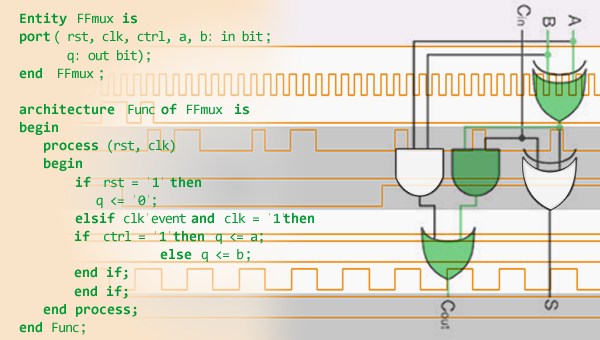
This course gives you a complete insight into the modern design of digital systems fundamentals from an eminently practical point of view. Unlike other more "classic" digital circuits courses, our interest focuses more on the system than on the electronics that support it. This approach will allow us to lay the foundation for the design of complex digital systems. You will learn a set of design methodologies and will use a set of (educational-oriented) computer-aided-design tools (CAD) that will allow you not only to design small and medium size circuits, but also to access to higher level courses covering so exciting topics as application specific integrated circuits (ASICs) design or computer architecture, to give just two examples. Course topics are complemented with the design of a simple processor, introduced as a transversal example of a complex digital system. This example will let you understand and feel comfortable with some fundamental computer architecture terms as the instruction set, microprograms and microinstructions. After completing this course you will be able to: * Design medium complexity digital systems. * Understand the description of digital systems using high-level languages such as VHDL. * Understand how computers operate at their most basic level (machine language).

Ciencia de datos energéticos
La ciencia de datos puede entenderse como la aplicación del potencial de la ciencia de datos en la búsqueda de soluciones novedosas a problemas del sector energético. Este curso busca facilitar la comprensión de cómo es ese proceso y, para ello, se enfoca exclusivamente en el subsector de la energía eléctrica. Para desarrollar un proyecto de ciencia de datos energéticos se necesita que confluyan dos tipos de conocimiento: por una parte, un conocimiento sobre el sector eléctrico (cómo es su estructura, cuáles son sus principales retos, cómo funciona) y , por otra, un conocimiento sobre la ciencia de datos (cuáles son sus fundamentos, cómo opera, qué tipo de aportes puede dar). Por esa razón, es usual que se constituyan equipos interdisciplinarios en los que confluyen tanto expertos en energía como expertos en análisis de datos. No es fácil para estos expertos poder dialogar, porque el conocimiento especializado suele tener también un lenguaje especializado y no es fácil compartir la experticia con personas que no son especialistas en nuestro campo de conocimiento. Justamente, este curso busca ayudar a facilitar ese diálogo y a sobrepasar esas barreras de comunicación. Para ello, lo que haremos será presentar los elementos básicos, fundamentales de cada una de las dos áreas del conocimiento con una perspectiva más amplia que profunda. El propósito es el de adquirir una comprensión de alto nivel de tanto los elementos del sector eléctrico como de la ciencia de datos. Aspiramos que, al finalizar exitosamente este curso, usted pueda entender y explicar cómo funciona el proceso de ciencia de datos aplicado a los problemas del sector eléctrico. ¿Cómo está estructurado el curso? El curso tiene seis módulos y en cada uno de esos módulos trabajamos un tema del área de energía y un tema del área de ciencia de datos, que confluyen en una aplicación concreta o, al menos, en una etapa de una aplicación concreta. En cada módulo, usted encontrará: - videos explicativos - un laboratorio no calificado - un laboratorio calificado - un cuestionario calificado. Los laboratorios son espacios para desarrollar tareas en lenguaje Python. No esperamos que usted sea un experto desarrollador de programas en Python, pero sí que tenga algún tipo de experticia en programación. ¿Para quién es este curso? Hemos imaginado este curso teniendo en mente dos posibles perfiles: 1) un perfil de alguien con conocimientos sobre el sector energético que quiere explorar qué puede aprovechar de la ciencia de datos; y 2) un perfil de alguien con conocimientos en ciencia de datos que quiere explorar cómo puede aportar esos conocimientos en el área del sector energético. Por ej.: Este curso está dedicado principalmente a estudiantes universitarios de primer y segundo año interesados en ciencia e ingeniería, junto con estudiantes de secundaria y profesionales interesados en programación.
Nanotechnology: A Maker’s Course
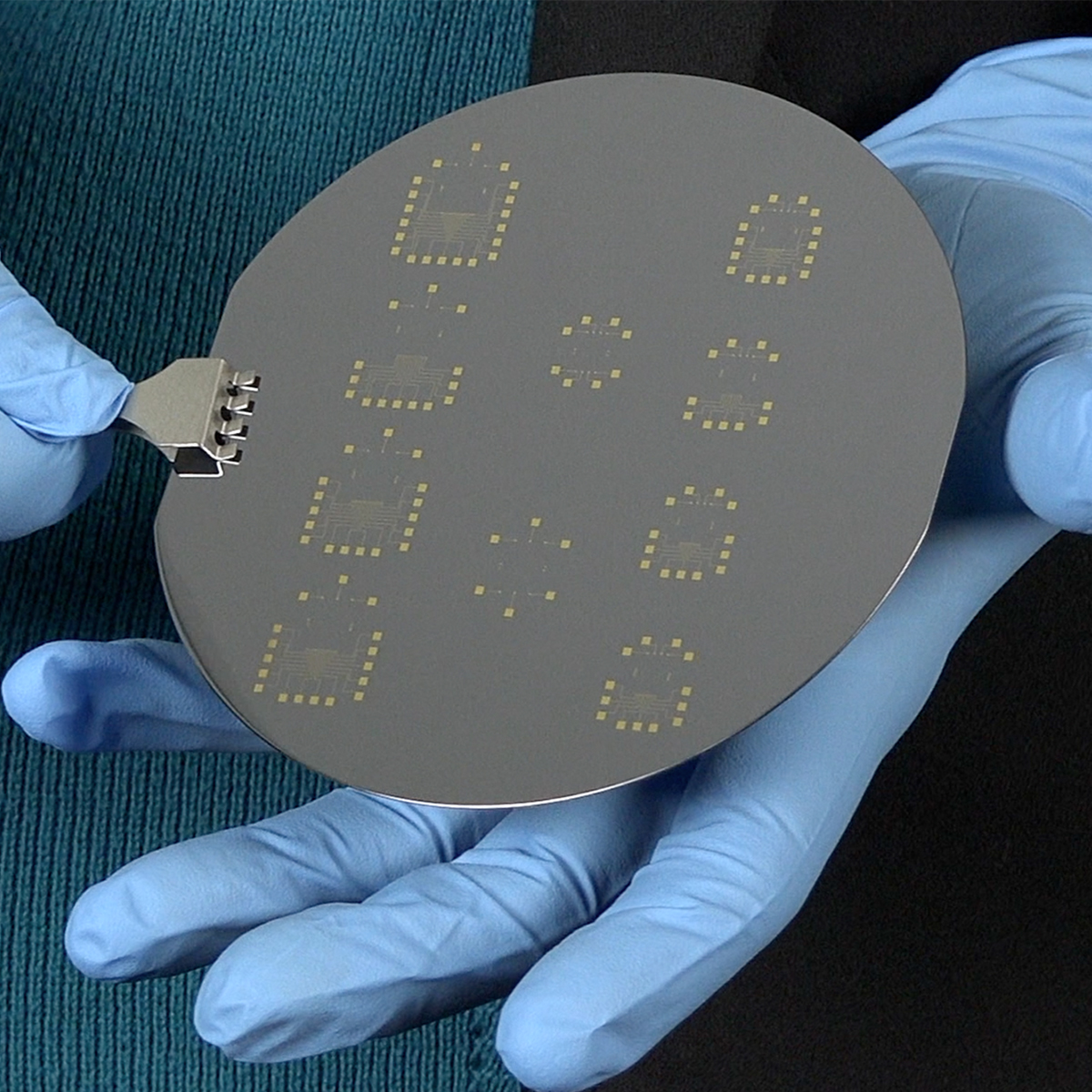
How can we create nano-structures that are 10,000 times smaller than the diameter of a human hair? How can we “see” at the nano-scale? Through instruction and lab demonstrations, in this course you will obtain a rich understanding of the capabilities of nanotechnology tools, and how to use this equipment for nano-scale fabrication and characterization. The nanoscale is the next frontier of the Maker culture, where designs become reality. To become a Nanotechnology Maker pioneer, we will introduce you to the practical knowledge, skills, and tools that can turn your nanotechnology ideas into physical form and that enable you to image objects at the nano-scale. This course has been developed by faculty and staff experts in nano-fabrication, electron beam microscopy, and nano-characterization through the Research Triangle Nanotechnology Network (RTNN). The RTNN offers training and use of the tools demonstrated in this course to schools and industry through the United States National Nanotechnology Coordinated Infrastructure program. The tools demonstrated in this course are available to the public through the RTNN.

Airside Facility Planning
This course delves into the critical processes of planning and designing the airside of a modern airport, the area where aircraft operations take centre stage. You'll gain a foundational understanding of the complex systems that ensure safe and efficient aircraft movement, from initial planning to detailed design. Begin by exploring the fundamental concepts of airport operations and the features that define a modern airport. Understand the critical need for growth requirements, driven by passenger demand and capacity. Delve into the essential codes and aviation regulatory organizations that govern airport development. Gain a firm grasp of key aviation terms and definitions, and explore the diverse landscapes of international airports. Learn the comprehensive airport master planning process, guided by ICAO standards. From site selection for greenfield airports, considering crucial geotechnical investigations and surveys of various facilities, to developing detailed layout plans, you'll understand the strategic roadmap for airport growth. Examine real-world applications through in-depth case studies for Airport Master Plan. Master the intricacies of runway planning and design. Explore location and planning considerations, and learn how to determine the optimal configuration and orientation of runways based on factors like wind conditions, using Windrose diagrams. Understand the technical aspects of runway design, including the essential calculations for runway length. Dive into the world of air traffic management, understanding its crucial role in ensuring safety and efficiency. Analyze airside capacity and delay, and learn to design essential airside infrastructure, including taxiways and aprons. Explore the critical design considerations for drainage systems, ducts, and lighting systems, ensuring the functionality and safety of the airside environment. By mastering the principles of airside facility planning, you'll gain the ability to create and optimize the very core of airport operations. From runway design and air traffic control to the intricacies of master planning, this course equips you with the knowledge to ensure safe, efficient, and future-proof airside environments, laying the groundwork for seamless aviation experiences. The target learners for this specialization are civil engineering graduate students, post graduate students and professionals working in the field of Airports. The prerequisites include Basic Civil Engineering, Building Materials and Transportation Engineering.
Space Mission Design and Operations
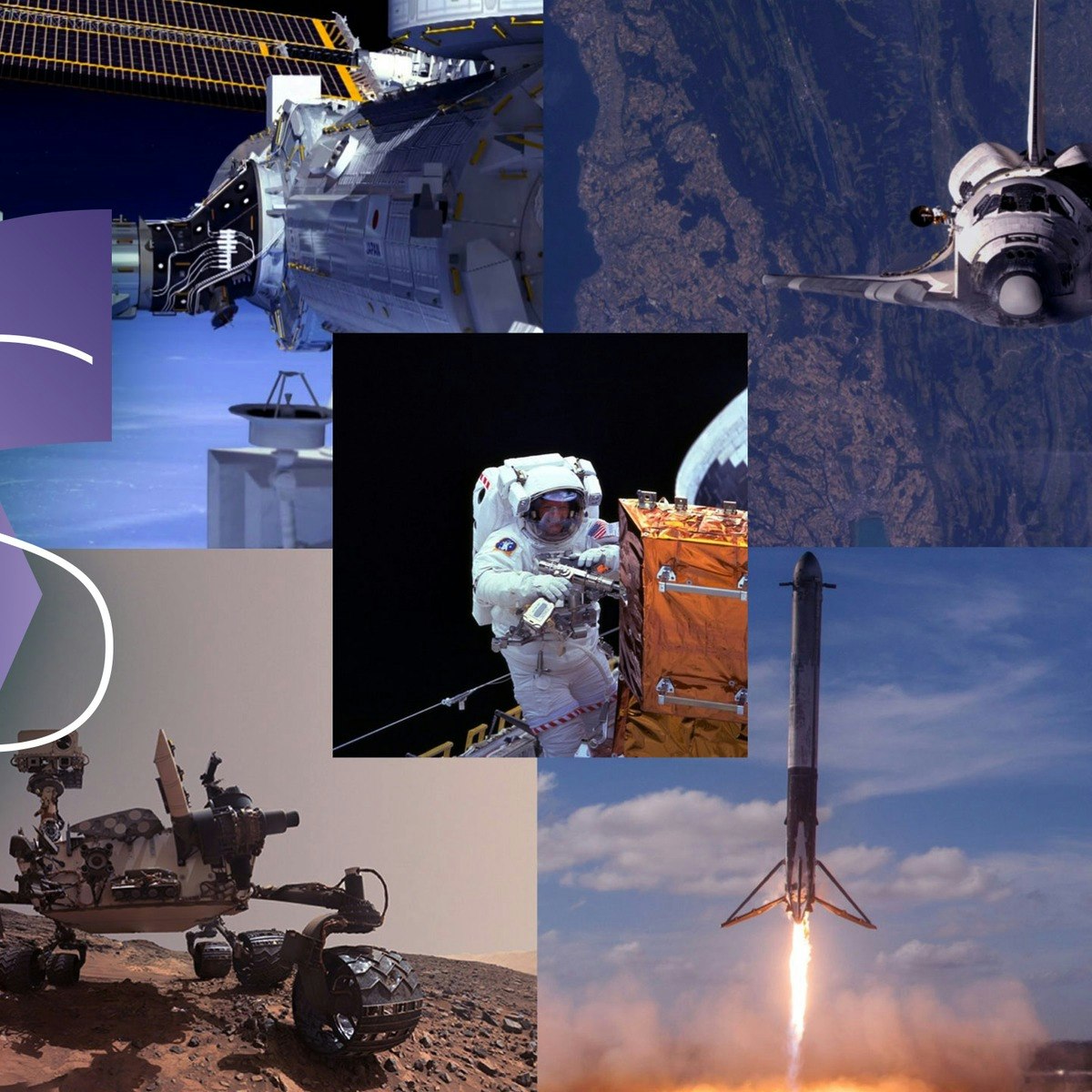
Learn the concepts used in the design of space missions, manned or unmanned, and operations, based on the professional experience of the lecturer. Space exploration is a very exciting subject. Consider the achievements of Sputnik 1, Yuri Gagarin's first flight in space, the Apollo missions to the Moon, followed by the Shuttle program, the Hubble Space Telescope launch and maintenance on orbit, and finally the assembly and exploitation of the International Space Station. These were challenging undertakings involving space agencies and industrial teams of several nations, and private companies as well. Space telescopes are in service, and several components of the solar system have been and are still actively visited by a number of unmanned probes and robots providing us with precious knowledge about our space environment as well as the far away Universe. This course builds on university level physics and mechanics to introduce and illustrate orbital dynamics as is applied in the design of space missions. Simple tools will be provided to allow planning of missions on orbit around Earth or in the Solar System. You will learn from the experience of Claude Nicollier, one of the first ESA astronauts, specifically through his involvement in the Shuttle project and his role in the maintenance of the Hubble Space Telescope on two occasions. The course focuses on conceptual understanding of space mechanics, maneuvers, propulsion and control systems used in all spacecraft. You will gain knowledge of the challenges related to the use of the space environment as a platform for scientific and utilitarian purposes.
Advanced Semiconductor Packaging
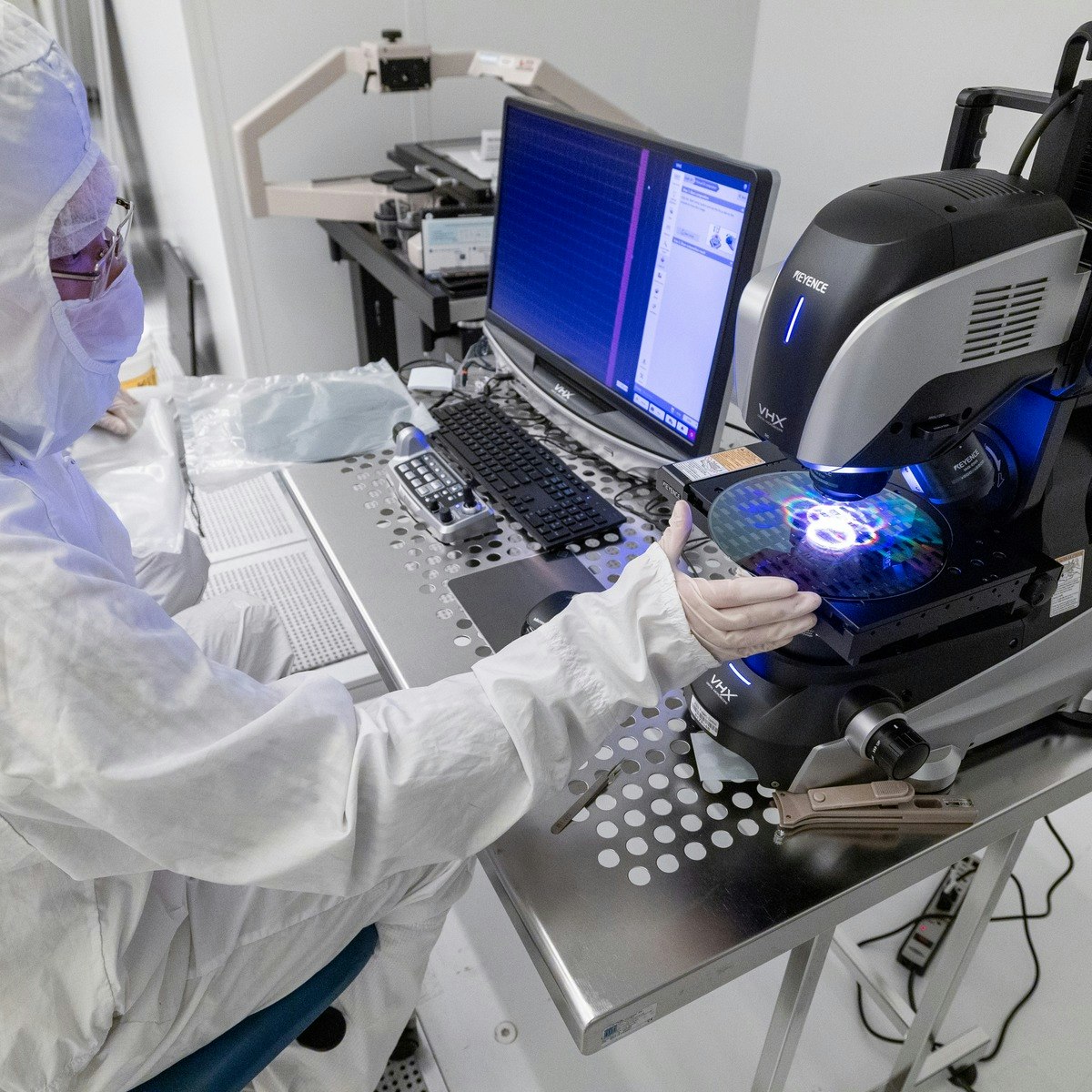
Throughout this course, you will be introduced to Pathway for Assembly and Packaging technologies for 7-nanometer silicon feature sizes and beyond. The course will present the evolution and impact of packaging on product performance and innovation. Specifically, we highlight how packaging has enabled better products via the use of heterogeneous integration by improving the interconnects for thermal management and signal integrity.
Transferencia de momentum, calor y masa computacional
En este MOOC el estudiante desarrollará competencias de computación científica y métodos numéricos para resolver problemas de transferencia de momentum, calor y masa. En concreto, el estudiante creará y utilizará códigos Python para encontrar la solución numérica a ecuaciones diferenciales ordinarias y ecuaciones diferenciales parciales. En fenómenos de transporte, estas ecuaciones provienen de problemas a los valores iniciales (PVI), problemas a los valores de contorno (PVC) y problemas a los valores iniciales y de contorno (PVIC). Las competencias a desarrollar en este curso son necesarias para modelar y simular realistamente intercambiadores de calor, estanques de almacenamiento, equipos de separación, motores, celdas de combustible, dispersión de contaminantes y transmisión de enfermedades infecciosas. Con las competencias desarrolladas en el curso, el estudiante será capaz de diseñar y optimizar sistemas ingenieriles para maximizar su seguridad, efectividad y eficiencia.
Design Concepts in Metro Rails
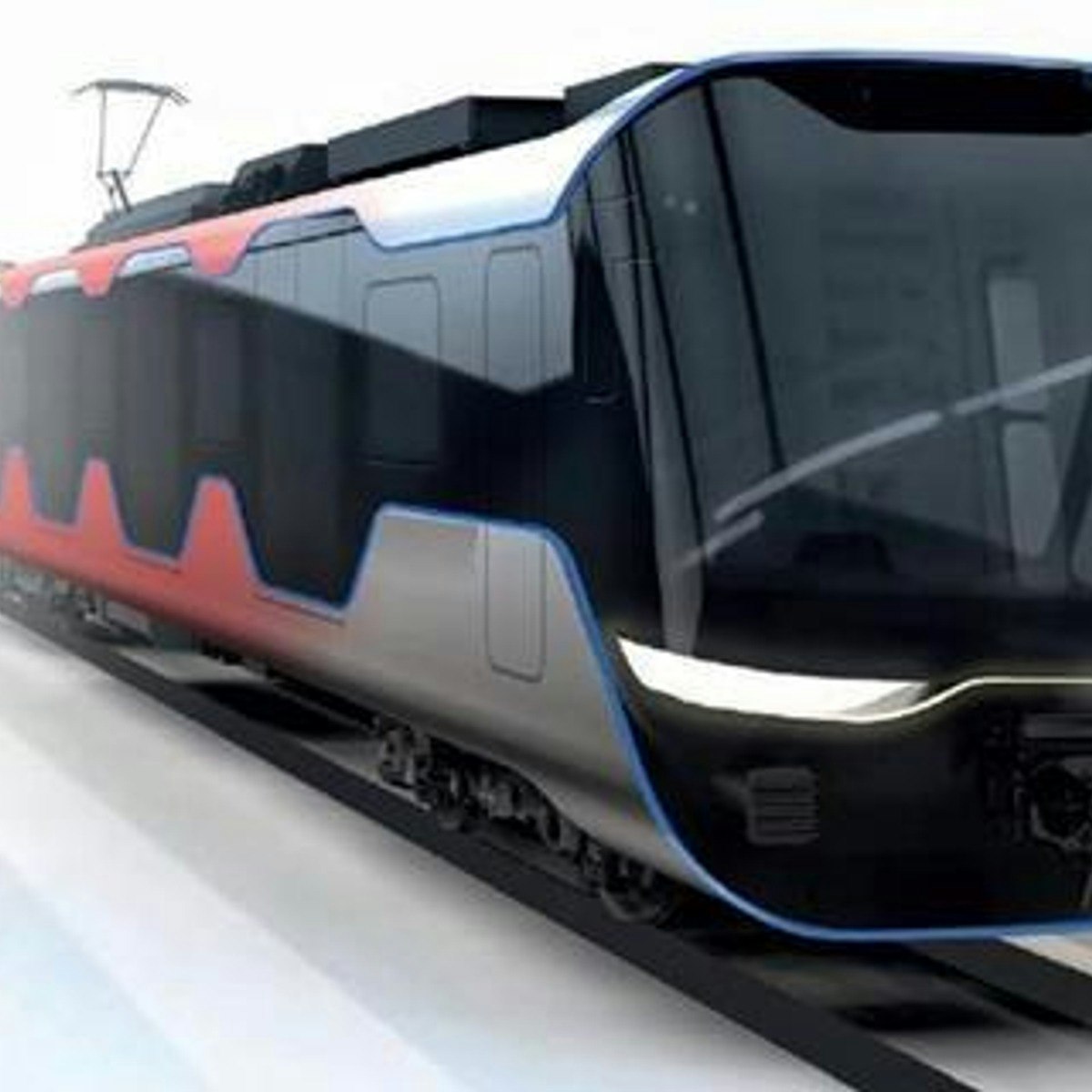
This course has been created for Civil and Transportation Engineers. The "Design concepts in Metro Rail systems" course is intended for entry level Engineers, those who want to comprehend and navigate the concepts in design of Metro rail systems. Throughout this course, participants will learn about the fundamental principles of design of Metro Rail systems in five modules. Tailored by industrial experts, this course is for the consumption of entry level Engineers in the Indian Subcontinent. The first module focuses on elevated metro stations, encompassing a detailed examination of station components, loads exerted on the station, modeling, and analysis concepts utilizing software. Learners will gain insights into the intricacies of designing station components, emphasizing practical applications and the utilization of software for effective modeling and analysis in the metro station design process. The second module delves into the elements of elevated viaducts, exploring topics such as Indian codes of practice governing metro viaducts, the various loads acting on these structures, and the application of modeling and analysis concepts using software. It further addresses the design intricacies of the superstructure, substructure, and foundations of metro viaducts. Additionally, the module introduces the learners to modeling software specific to metro rails, providing a comprehensive overview of tools essential for effective design and analysis in the field. The third module on underground stations- Earth retaining structures encompasses the elements comprising an underground metro station, its configuration and different earth retaining systems used in underground metros. The fourth module focusing on Underground Metro Stations analysis involves the exploration of Indian codes of practice governing the design of metro components and the evaluation of loads impacting underground stations. The fifth module centered on the design of underground stations includes considerations of SOD restrictions and the sizing of elements for underground stations. It encompasses the modeling of underground stations using software and the design of station components in accordance with the relevant code of practice.
Introduction to Industrial Bioprocess Development
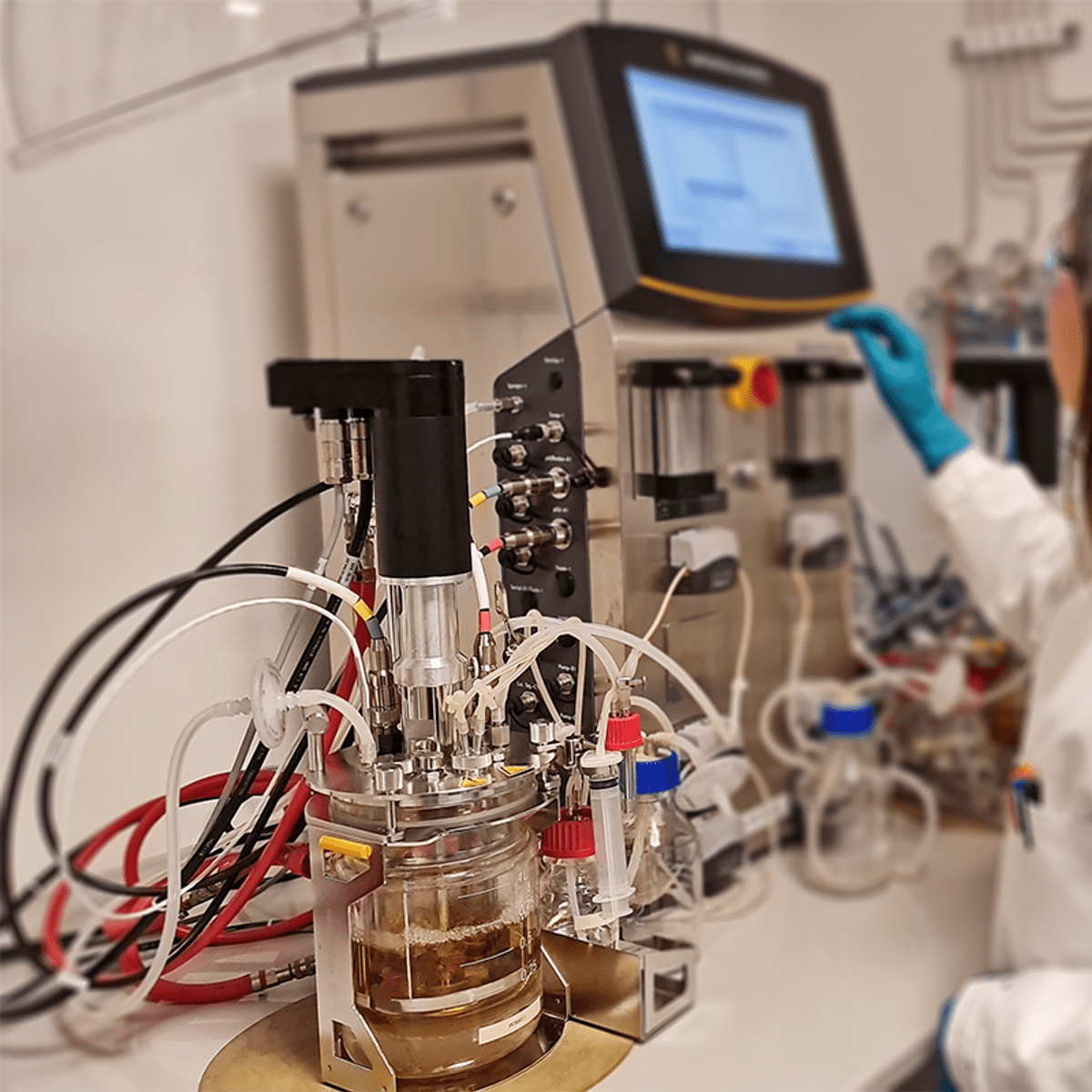
Bioprocesses make use of microorganisms, animal cells, or enzymes to manufacture new products or complete a chemical transformation. Since ancient days, humans have been using microorganisms to transform biological materials for the production of alcoholic beverages and other fermented foods. Since then, bioprocesses have been developed for an enormous range of commercial products, from relatively cheap products such as organic solvents and industrial alcohol, to expensive specialty chemicals such as therapeutic proteins, antibiotics, and vaccines. Nowadays, the development of bioprocesses is an essential part of a large number of chemical, food, and pharmaceutical industries. The main purpose of the course “Introduction to Industrial Bioprocess Development” is to provide an overview of the common stages involved in this type of processes. The course is primarily aimed at students, researchers, and professionals with an interest in bioprocessing, biomanufacturing, or fermentation technology. Some knowledge of biology, biotechnology and/or biochemical engineering will be advantageous, but not mandatory. The course begins with a brief description of some basic properties of microorganisms and general aspects related to their use in bioprocesses at industrial scale. Following this, the kinetic bases for cell growth, substrate utilization and product formation during batch, continuous and fed-batch cultures are discussed. In addition, the course includes a group of lectures dedicated to some stages that precede fermentation; specifically, media formulation, sterilization, preservation of microorganisms and inoculum preparation. The main characteristics of predominant types of industrial bioreactors along with process parameters that need to be controlled in stirred tank reactors are also covered in one of the modules of the course. Since the expansion of a bioprocess from a lab scale to an industrial scale is of considerable importance, an additional lecture dedicated to this topic is presented. The last part of the course provides a general overview of downstream processing, addressing processes used for the removal of cells from the culture medium, methods for the disruption of cells, and isolation of the target bioproduct. By the end of the course, you should: # Be able to identify the fundamental difference between the two basic cell types: eukaryotic and prokaryotic cells # Distinguish the main steps of the brewing process # Identify some important steps in recombinant protein production # Define the different stages of the industrial production of bioethanol # Distinguish the main characteristics of the three fermentation modes: batch, continuous and fed-batch # Define important parameters of the continuous fermentation mode # Identify bioprocesses where fed-batch fermenters are used and for how long can a fed-batch process be run # Identify how defined and undefined fermentation media are formulated # Discuss the role that key components of culture media play in bioconversion processes # Recognize the importance in avoiding microbial contamination # Describe chemical and physical sterilization methods # Distinguish the main characteristics of common techniques of cell preservation # Recognize factors that are commonly considered to obtain an inoculum suitable for fermentation at industrial scale # Define what a bioreactor is and in which industrial bioprocesses are commonly used # Identify the main parameters that need to be controlled during microbial conversions in STRs # List relevant parameters that are considered for scale-up purposes # Define the sequential steps of downstream processing # Distinguish different methods for biomass removal or cell harvesting # Select common unit operations used for primary isolation
Bridge Deck Analysis
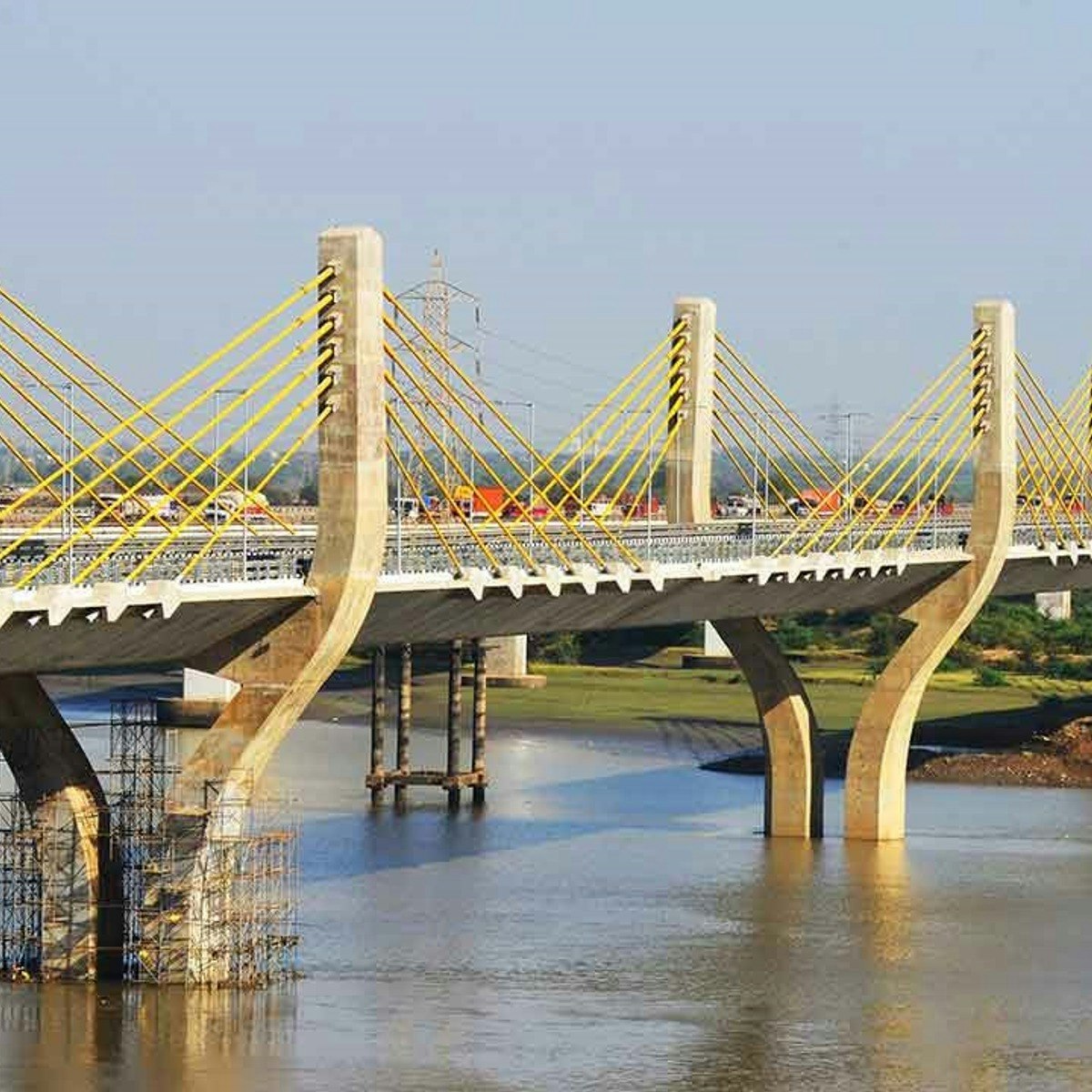
The course equips you to be the architect of a bridge's most crucial component: the superstructure. You'll learn the intricacies of designing these materials for bridge decks, considering their properties, behavior under load, and techniques like prestressing to enhance performance. The course delves into design philosophies, comparing traditional methods with modern limit state design to ensure bridges meet all safety requirements. But a bridge deck is more than just concrete. From designing box culverts that ensure proper drainage under the bridge to selecting appropriate retaining walls based on site conditions, you'll gain the knowledge to keep the bridge functional. The course even ventures into innovative solutions like seismic isolation devices to safeguard bridges during earthquakes. Beam and slab superstructures are a major focus. You'll master a step-by-step process to analyze and design them. This includes idealizing the bridge deck for analysis, calculating properties of beams within the deck, and accurately determining the design loads the bridge will encounter. The course emphasizes designing for both ultimate and serviceability limit states. This ensures the bridge can withstand various stresses without failure and functions well under everyday use. Steel and steel composite bridges come into play later. You'll gain knowledge of key design codes and different steel bridge configurations like trusses. Steel composite girders, which combine steel and concrete for enhanced performance, will be a key area of study. You'll learn to model these composite structures and design them for critical factors like flexure, shear, and fatigue, ensuring their long-term performance. By completing this course, you'll transform from a bridge deck novice to a confident designer.
Sustainable Transportation Networks and Streetscapes
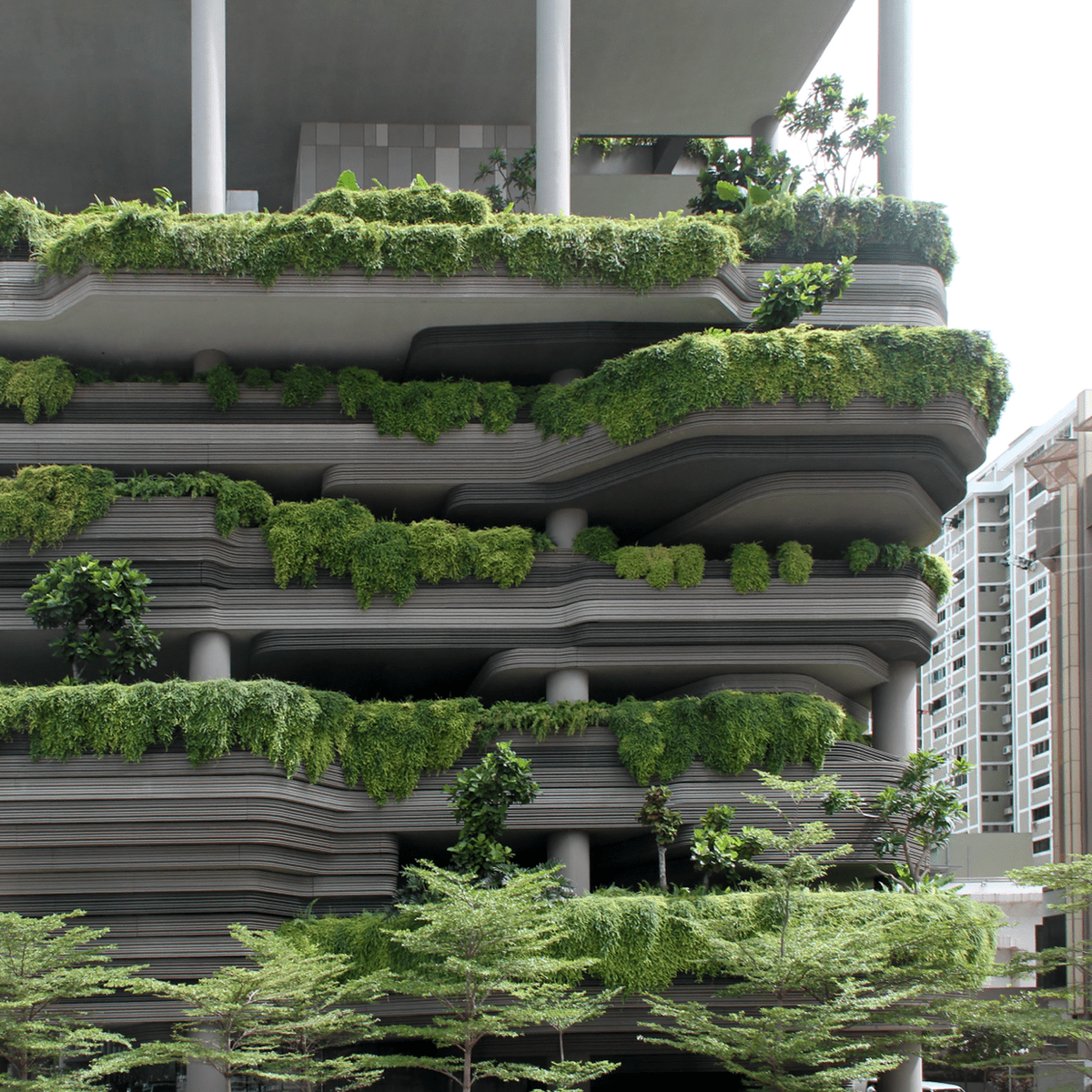
This course will evaluate best practices in transportation networks, thoroughfares, and streetscape designs for the effective movement of people, goods, and services in a region. Sustainable public and private streetscape design and application will be reviewed and evaluated for applications for sustainable cities. Considerations are assessed for smart urban planning, growth, and lifestyle. Strategies for creating equitable, healthy, and sustainable communities are also evaluated. By the end of this course, you will be able to: 1. Survey and evaluate thoroughfare network considerations for connectivity, block size and sidewalk interaction. 2. Compare different complete street design options for application in smart growth planning. 3. Evaluate sidewalk design and planning strategies for public and private sidewalks to include street tree configurations and street light design. 4. Examine issues of water management with specialized curb design, ground water recharge areas and swales as part of the streetscape design and planning. 5. Identify and evaluate the differences between free-flow, slow-flow, and yield-flow thoroughfare design concepts. 6. Assess and evaluate smart urban planning, growth, and lifestyle indicators. The target audience for this course includes: - Government Officials involved planning, designing, monitoring, enforcement, and assessment of sustainable project developments at the local, state, and federal level. - Private sector companies in the transportation and municipal design and construction business - Architects interested in advancing sustainable concepts for cities and communities - Foundations, associations, and other NGOs that support smart growth strategies - Academic faculty and students studying and researching community sustainability and resilience - Private citizens interested in improving their communities and living conditions
Climate Change and Adaptation
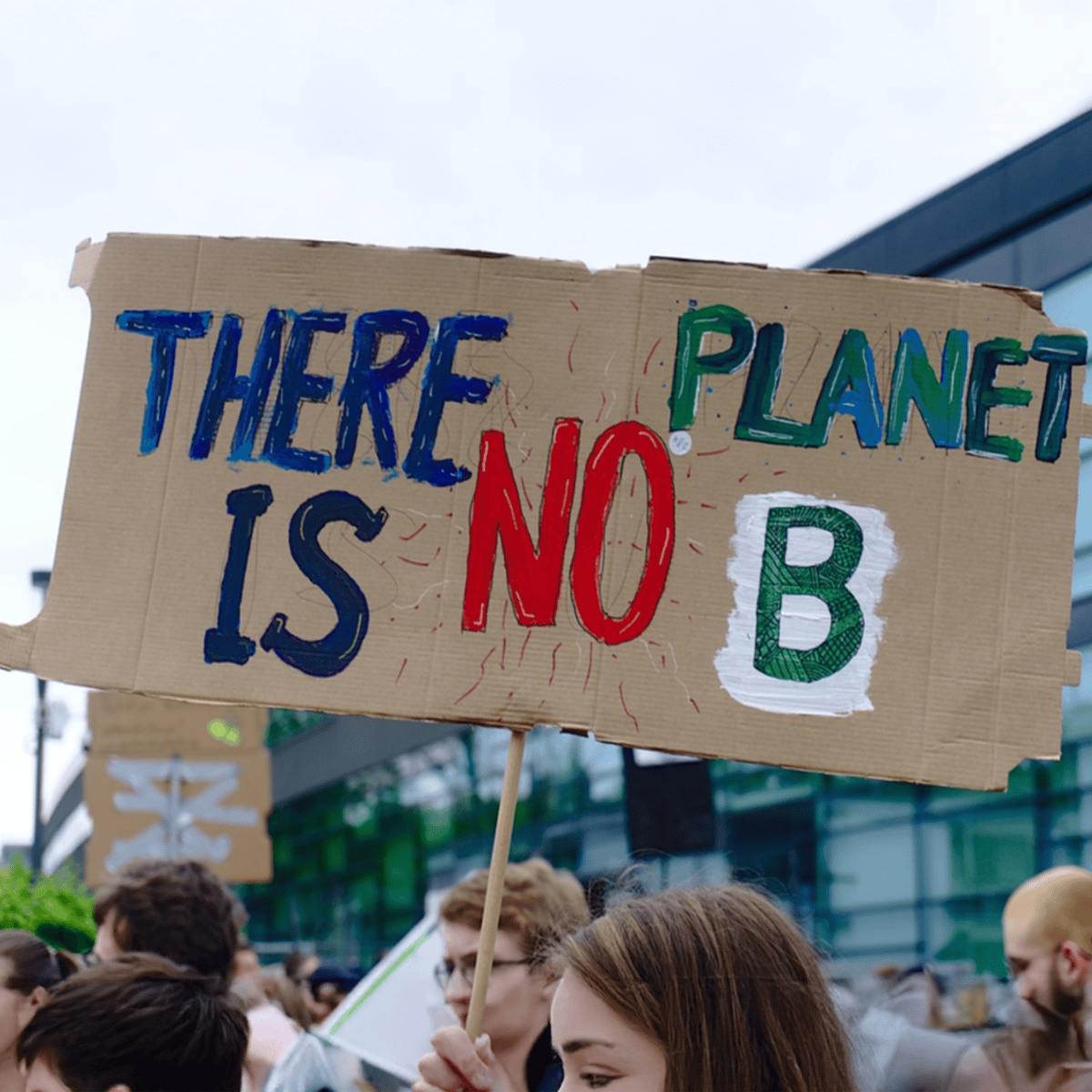
Climate change hits hardest where people and environments are most vulnerable. Adapting to it is as much a social challenge as a technical one. In "Climate Change & Adaptation," you'll explore the social dimensions of adaptation and how it shapes livelihoods, especially in less-developed regions. The course examines the concepts at the heart of climate adaptation and impacts: vulnerability and resilience, the ways human societies have historically adapted to climate variability and change, and future adaptation needs that will shape development to come. This is the second course in the "Climate Solutions" series, a three-course series on addressing climate change with innovative, community-centered strategies that protect biodiversity for the benefit of all.
Innovate with ANSYS Simulation Tools
In this course, you'll unlock the power of ANSYS simulation tools through engaging hands-on exercises. You'll gain practical experience with parametric designs and genetic optimization algorithms, as well as topology optimization for creating efficient, lightweight component shapes. This course is designed to help you tackle real-world engineering challenges with innovative solutions, enabling you to discover hidden patterns in models and make informed design decisions. Our interactive, learner-centered approach ensures a comprehensive and tailored learning experience that will enhance your expertise in mechanical analysis and design. This course is ideal for engineering students, professional engineers, simulation specialists, and researchers in engineering fields. Whether you're just beginning or looking to deepen your knowledge, the course offers valuable insights and practical skills to advance your expertise in engineering simulation and design. Participants should have a basic understanding of engineering principles and familiarity with simulation software. This foundational knowledge will help you engage more effectively with the course content and apply the advanced techniques covered. By the end of the course, you will be proficient in using ANSYS software for structural analysis and complex mechanical problem-solving. You’ll learn to execute parametric designs with genetic optimization algorithms and utilize topology optimization to enhance component designs, equipping you with the skills to create innovative and efficient engineering solutions.

Hydrocarbon Exploration and Production
Hydrocarbon Exploration and Production is a comprehensive course that provides insight into the methods and techniques involved in the exploration, drilling and production of hydrocarbon resources. This course is designed to equip the learners with the necessary knowledge and skills to pursue a career in the oil and gas industry, specifically focusing on three key modules: Exploration Methods, Upstream Equipment and Platforms; Drilling Methods and Systems and Methods of Oil Recovery. Exploration Methods delve into the various techniques and strategies employed to identify potential hydrocarbon reserves focusing on geological and geophysical surveys, seismic data interpretation and remote sensing technologies used to map subsurface structures to enable learners to make informed decisions regarding the economic viability of exploration projects. Drilling Methods and Systems gives a comprehensive understanding of the equipment and technologies utilized in upstream operations, including drilling rigs, wellheads and production platforms. It explores different drilling techniques such as rotary drilling, directional drilling and offshore drilling, along with the associated systems for well control and safety. Additional topics, such as well completion, casing and cementing procedures ensure a solid foundation in the practical aspects of drilling operations. Methods of Oil Recovery, emphasizes the techniques employed to maximize hydrocarbon extraction from reservoirs such as primary, secondary and tertiary recovery methods, including water flooding, gas injection and enhanced oil recovery (EOR) techniques. It explores the principles of reservoir engineering, reservoir characterization and well stimulation that are required to optimize oil recovery and production rates. Environmental considerations and sustainability practices in oil recovery will also be highlighted. By the end of the course, the learners will be well-prepared to contribute effectively to the hydrocarbon industry, equipped with the knowledge and technical expertise necessary for successful exploration and production operations. Target learners: Students pursuing Diploma / UG / PG Programs in Chemical/ Petroleum/ Oil and Gas Engineering. Faculties / Working Professionals in the above domain & other aspiring learners. Prerequisite: Basic Chemical/ Petroleum/ Oil and Gas Engineering

Fundamentals of Digital Design for VLSI Chip Design
This comprehensive learning module delves into Boolean algebra and its applications in digital circuit design, covering fundamental concepts like Boolean variables, logic gates, and their relationship with digital logic circuits. Participants explore Boolean expressions, simplification techniques, and consensus theorems, including the advanced Quine McCluskey method. The module also addresses combinational circuits, detailing the design and functionality of adders, subtractors, parity circuits, and multipliers. Encoding complexities are navigated with insights into encoders, decoders, multiplexers, and demultiplexers. Binary shifting operations, emphasizing logical and arithmetic shifting with multiplexers for efficient design, are covered. Moving forward, the module provides an in-depth exploration of sequential circuits, including latch and flip-flop circuits like SR latch, JK flip-flop, and more. Hazards in digital circuits, along with registers, bidirectional shift registers, and various counters, are thoroughly explained. The exploration concludes with Mealy and Moore state sequential circuits. Additionally, participants gain a comprehensive understanding of memory systems, programmable logic devices, and VLSI physical design considerations. The module covers SRAM and DRAM, tri-state digital buffers, Read-Only Memory (ROM), and Programmable Logic Devices (PLD) such as PROM, PLA, and PAL. Architecture and implementation of Complex Programmable Logic Devices (CPLD) and Field-Programmable Gate Arrays (FPGA) are discussed, along with the VLSI design cycle and design styles for CPLD, SPLD, and FPGA. By the end of this course, you will be able to: Understand the distinctions between analog and digital signals and the transformative benefits of digitization. Comprehend various number systems, Boolean algebra, and its application to logic gates. Master Boolean expression manipulation, canonical forms, and simplification techniques. Proficiently handle SOP and POS expressions, recognizing relationships between minterms and maxterms. Recognize the universality of NAND and NOR gates, implementing functions using De Morgan's Law. Master Karnaugh map techniques, including advanced methods and handling don't care conditions. Gain a comprehensive understanding of combinational circuits, covering principles and applications. Understand binary addition principles and design various adder circuits, including 4-bit ripple carry adders. Explore advanced adder designs for arithmetic operations. Proficiently design binary subtractors, analyze overflow/underflow scenarios, and understand signed number representation. Understand parity generation, detection, and various methods of binary multiplication. Master the design and application of various multipliers, incorporating the Booth algorithm. Understand applications of comparators, encoders, and decoders in digital systems. Proficiently use multiplexers and demultiplexers in digital circuit design, recognizing their role as function generators. Understand binary shifting operations, designing logical shifters, and principles of arithmetic and barrel shifting. Grasp foundational principles of sequential circuits, focusing on storage elements and designing an SR latch. Understand the operation of JK flip-flops, addressing race around conditions, and design master-slave JK flip-flops and Gated SR latches. Gain proficiency in designing and analyzing various types of counters in sequential circuits. Understand principles and design techniques for Mealy and Moore state sequential circuits. Grasp fundamental principles of memory, differentiating internal structures between SRAM and DRAM, and gain practical skills in addressing memory, controlling tri-state digital buffers, and understanding ROM, PLD, and various PLDs.
Spacecraft Dynamics Capstone: Mars Mission
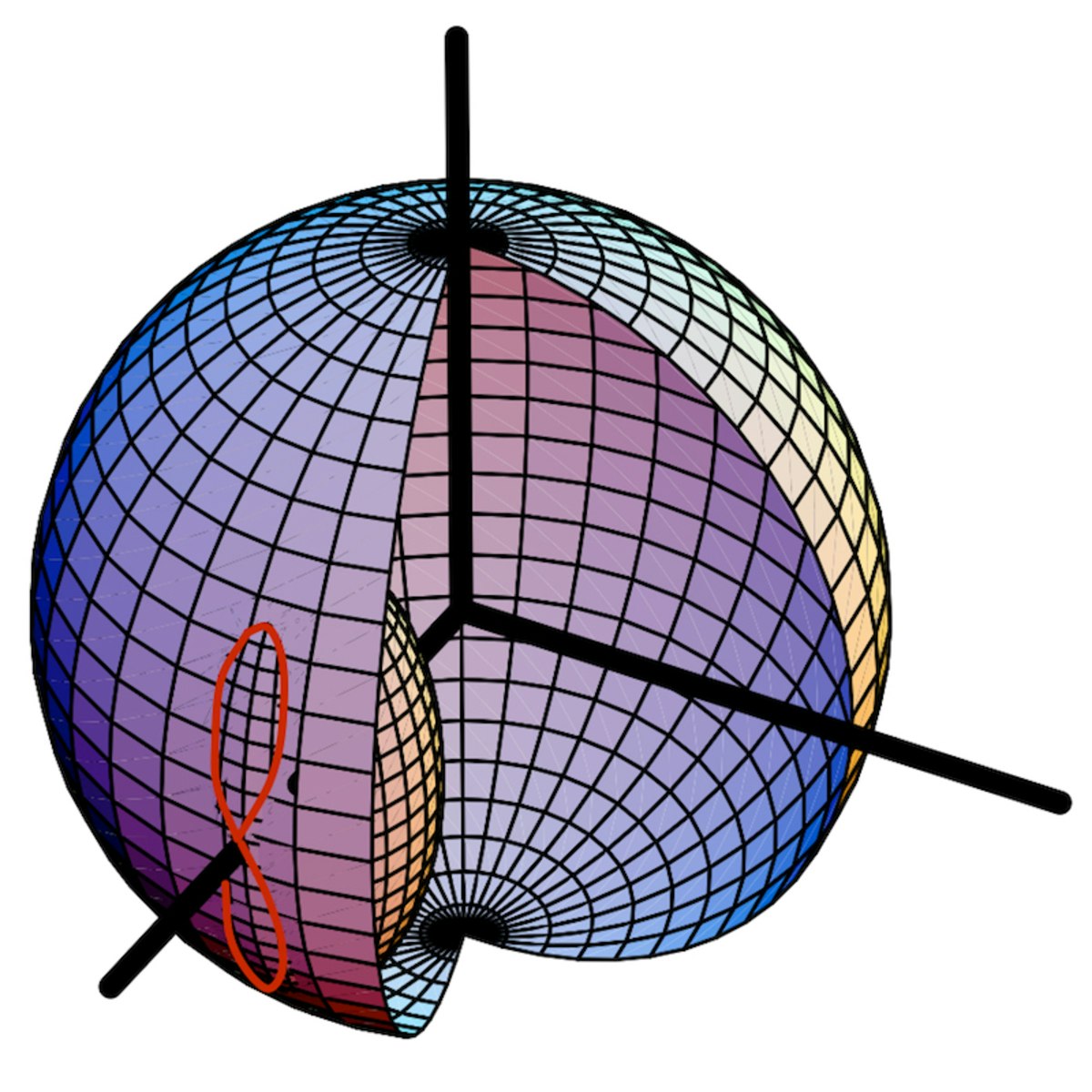
The goal of this capstone spacecraft dynamics project is to employ the skills developed in the rigid body Kinematics, Kinetics and Control courses. An exciting two-spacecraft mission to Mars is considered where a primary mother craft is in communication with a daughter vehicle in another orbit. The challenges include determining the kinematics of the orbit frame and several desired reference frames, numerically simulating the attitude dynamics of the spacecraft in orbit, and implementing a feedback control that then drives different spacecraft body frames to a range of mission modes including sun pointing for power generation, nadir pointing for science gathering, mother spacecraft pointing for communication and data transfer. Finally, an integrated mission simulation is developed that implements these attitude modes and explores the resulting autonomous closed-loop performance. Tasks 1 and 2 use three-dimensional kinematics to create the mission related orbit simulation and the associated orbit frames. The introductory step ensures the satellite is undergoing the correct motion, and that the orbit frame orientation relative to the planet is being properly evaluated. Tasks 3 through 5 create the required attitude reference frame for the three attitude pointing modes called sun-pointing, nadir-pointing and GMO-pointing. The reference attitude frame is a critical component to ensure the feedback control drives the satellite to the desired orientation. The control employed remains the same for all three pointing modes, but the performance is different because different attitude reference frames are employed. Tasks 6 through 7 create simulation routines to first evaluate the attitude tracking error between a body-fixed frame and a particular reference frame of the current attitude mode. Next the inertial attitude dynamics is evaluated through a numerical simulation to be able to numerically analyze the control performance. Tasks 8-11 simulate the closed-loop attitude performance for the three attitude modes. Tasks 8 through 10 first simulate a single attitude at a time, while tasks 11 develops a comprehensive attitude mission simulation which considers the attitude modes switching autonomously as a function of the spacecraft location relative to the planet. The material covered is taking from the book "Analytical Mechanics of Space Systems" available at https://arc.aiaa.org/doi/book/10.2514/4.105210.

La Química de las Reacciones
En este curso aprenderás los conocimientos básicos de reacciones químicas, lo cual te permitirá tener una mejor comprensión del estudio de la química, así como de la naturaleza. En general la mayoría de la gente le tiene miedo a la palabra química; sin embargo, debido a que la química es una ciencia central es necesario comprenderla y hacerla nuestra amiga. En este curso podrás adentrarte a las reacciones químicas y cálculos de una manera gradual y relacionando los conceptos con situaciones de la vida cotidiana para que puedas tener una mayor comprensión. Pero te pido, por favor, que realices cada una de las actividades que fueron planeadas para ayudarte a comprender esta hermosa ciencia. Mucho éxito y estoy segura de que nos divertiremos mucho.
Sustainability and the Circular Economy
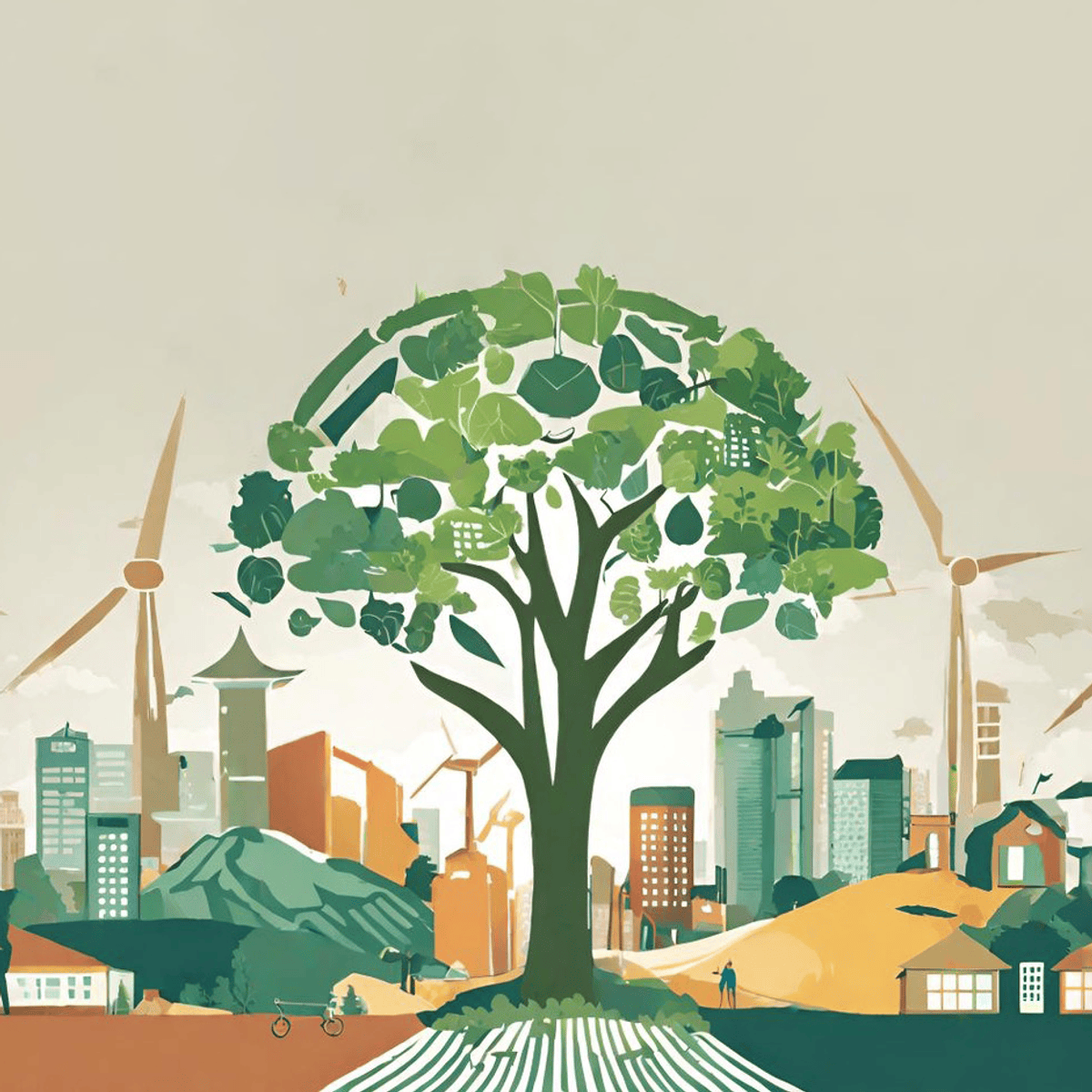
As the world’s population continues to rise toward an expected 10 billion citizens by 2050, it is imperative that business practices change to ensure a high quality of life is possible for all of us, both human and non-human. Today’s learners are very aware of this. Moreover, they are highly motivated and have the extraordinary capacity to create a future that provides both economic success and a more enduring, resilient, and sustainable planet. If you are one of these learners, then Sustainability and the Circular Economy is a course for you. Sustainability and the Circular Economy is the first course in the Applied Sustainability for Technical Managers specialization and builds the foundation for the rest of the specialization. It aims to provide learners with the strategies and tools to realize their vision by integrating sustainability into everyday life, and in the companies where they work. The course opens with an examination of climate change and human impact on the environment, and the opportunities created for innovative solutions that drive real change. We then explore the sources of many of our environmental challenges, and the need to transition to a zero-carbon energy future. A sustainable future is more than just renewable energy, as we need to pay attention to our ever-growing desire for products that add value to our lives. Therefore, the course explores how we’re electrifying transportation, making our homes more energy efficient, eating more sustainable food grown with regenerative agricultural practices, and wearing clothes designed to last and made from more natural materials using fair and equitable labor. It is important to recognize that many of the 10 billion global citizens will want the same products and lifestyles as citizens in wealthier industrialized nations. Yet products require materials - and our current extractive approach to resources will not meet this burgeoning demand. The course concludes with an overview of the Circular Economy, an innovative way of decoupling such economic growth from traditional resource extraction. This course was developed in collaboration with Siemens Digital Industries Software and is part of the "Design for the Circular Economy" collection. Learners who complete and pass the course can receive an industry-recognized digital badge. The “Design for the Circular Economy” microcredential and graduate certificate are developed around the educational goals of providing technical, business, and leadership knowledge and skills that inspire the transformation towards a more circular economy. This includes gaining technical knowledge to apply circular economy principles in product design, minimizing waste and maximizing impact; developing business acumen to implement innovative circular economic models that prioritize sustainability and resilience; and acquiring leadership strategies to communicate effectively and inspire change within an organization. This course can be taken for academic credit as part of CU Boulder’s Master of Engineering in Engineering Management (ME-EM) degree offered on the Coursera platform. The ME-EM is designed to help engineers, scientists, and technical professionals move into leadership and management roles in the engineering and technical sectors. With performance-based admissions and no application process, the ME-EM is ideal for individuals with a broad range of undergraduate education and/or professional experience. Learn more about the ME-EM program at https://www.coursera.org/degrees/me-engineering-management-boulder.
Fundamentals of Fluid-Solid Interactions
What is fluid-solid interactions ? It is what happens when the motions of a fluid and of a solid are somehow coupled. This happens all the time, around you when leaves flutter in the wind, inside you when your heart beats, above you when wings of a plane vibrate, under the sea... The idea behind this MOOC is to give you the basic tools to be able to predict and eventually mitigate things called flutter, galloping, sloshing, vortex-induced vibrations, added mass, to cite a few. We are going to consider any possible domains of applications such as civil engineering, aerospace engineering, nuclear engineering , ocean engineering, biomechanics and even food processing ! This is why we called the course “Fundamentals of Fluid Solid Interactions ”. There are so many phenomena and so many models that we need to work together on the basic mechanisms . If you want to see how fluid-solid interactions work, and be able to use that knowledge, join us ! A first session of the course was run in early 2016, with learners from over 100 countries. It is now available with subtitles, in English and now in Chinese. See the video at http://goo.gl/YKSMnD

Calculus for Engineers
This course offers a streamlined approach to university-level calculus, tailored for engineers and scientists. We begin with a review of precalculus in the first module, followed by derivatives and integrals in the second and third modules. The fourth module introduces Taylor series, while the fifth and sixth modules cover important applications of calculus. The course features 59 concise lecture videos, each accompanied by practice problems. After each major topic, you will find a short practice quiz to reinforce your understanding. Solutions to problems and practice quizzes are included in the instructor-provided lecture notes. At the end of each module, there is an assessed quiz to evaluate your progress. Score over 80% on these quizzes to earn a course certificate. Download the lecture notes: https://www.math.hkust.edu.hk/~machas/calculus-for-engineers.pdf Watch the promotional video: https://youtu.be/mDuHJos21wo

Análisis visual con Tableau
En este curso profundizaremos en las herramientas que ofrece Tableau en las áreas de gráficos, fechas, cálculos de tablas y realización de mapas. Exploraremos las mejores opciones para gráficos, según el tipo de datos que esté utilizando. Examinaremos tipos específicos de gráficos, incluidos diagramas de dispersión, diagramas de Gantt, histogramas, diagramas de viñetas, y abordaremos las pautas de creación de gráficos. Definiremos fechas discretas y continuas, y examinaremos cuándo usar cada una para explicar sus datos. Aprenderemos a crear cálculos de tabla personalizados y a crear parámetros. También presentaremos la cartografía y exploraremos cómo Tableau puede usar diferentes tipos de datos geográficos, cómo conectarse a múltiples fuentes de datos y cómo crear mapas personalizados.
Batteries and Electric Vehicles
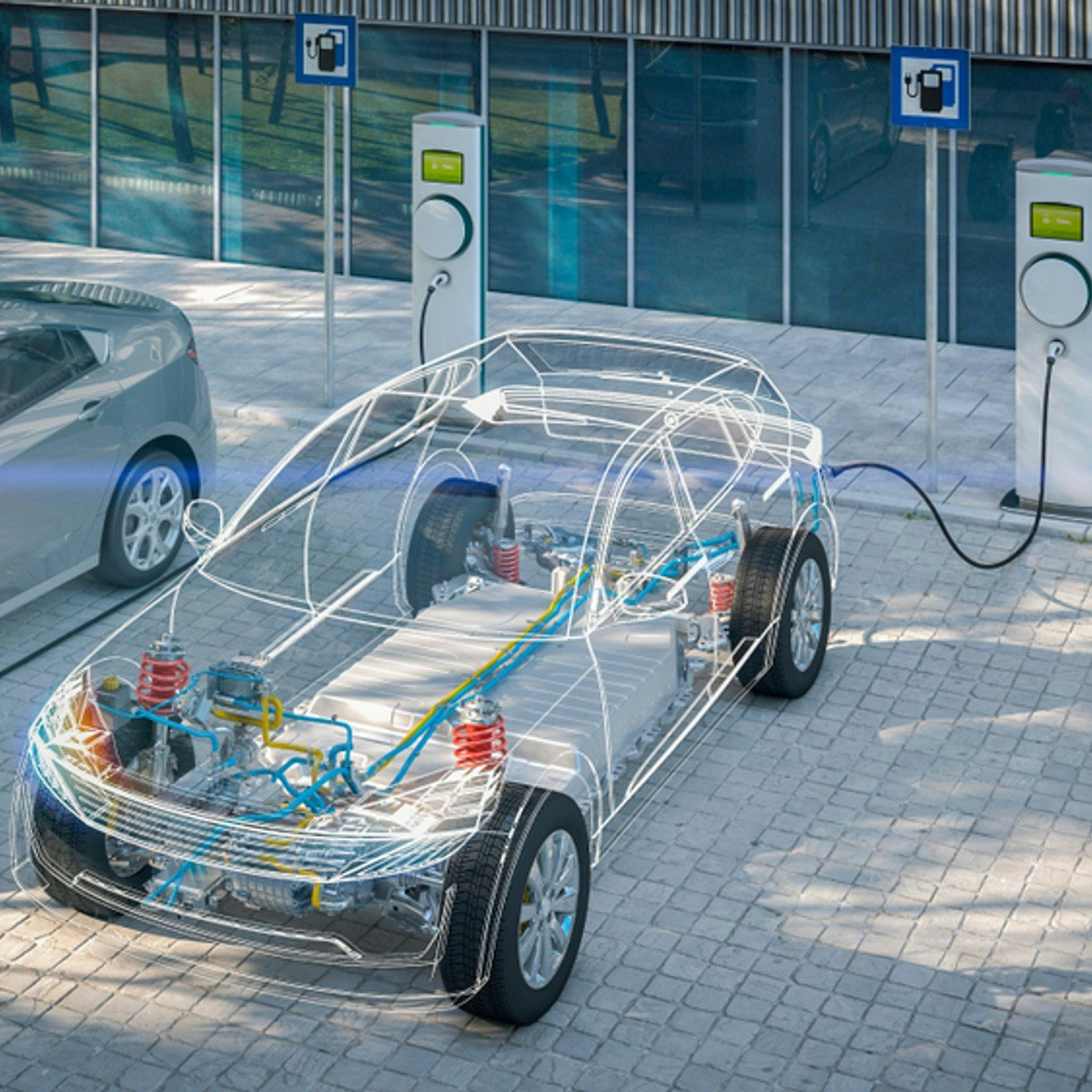
Batteries and Electric Vehicles: This course will focus on aspects of battery performance in zero emission vehicles, EV charger networks and second life applications of EV batteries, and standards and regulatory requirements.
Angewandte numerische Fluiddynamik
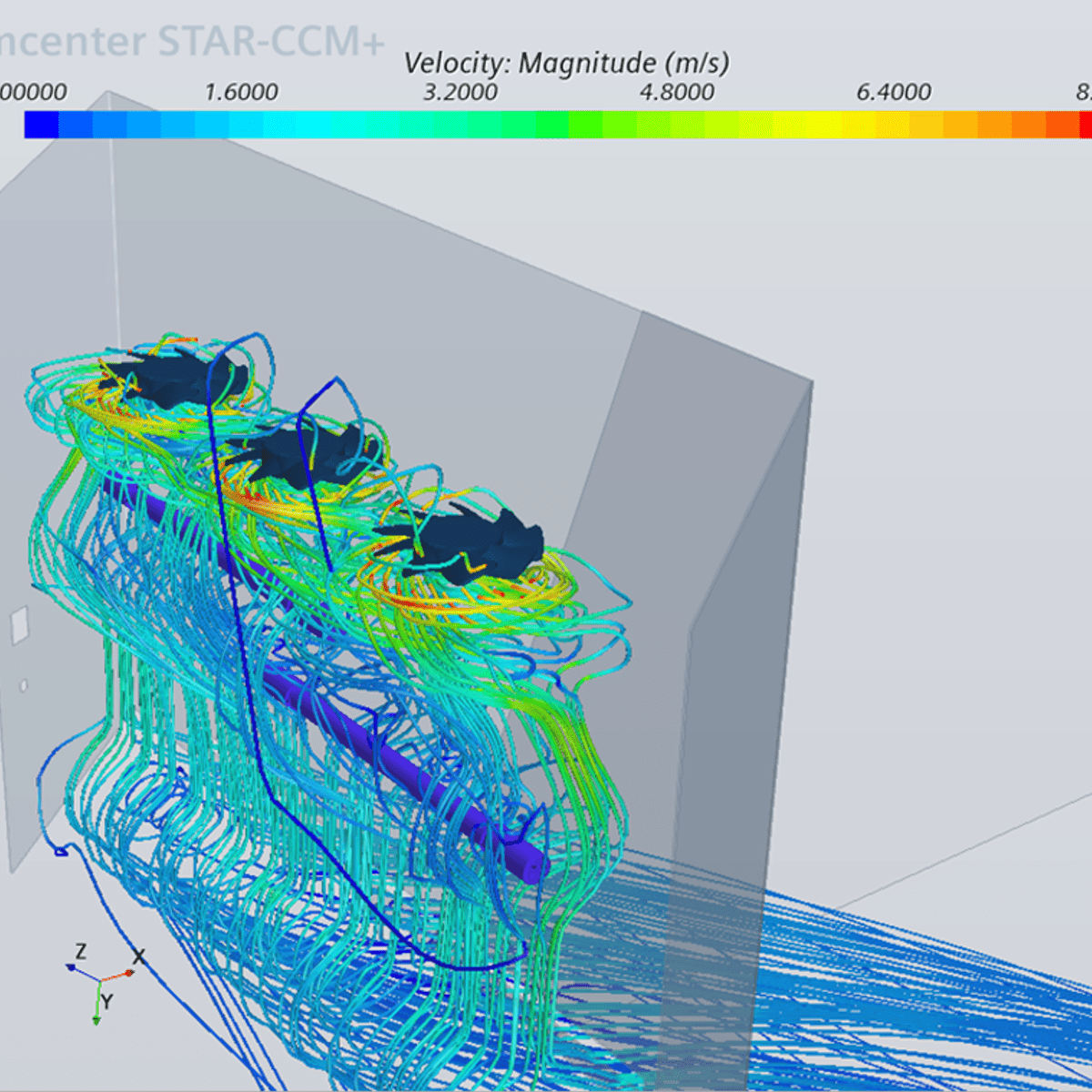
Wenn Sie dies lesen, sind Sie wahrscheinlich daran interessiert, sich in der Simcenter STAR-CCM+ Software oder einem anderen CFD-Tool mit der angewandten numerischen Fluiddynamik (englisch Computational Fluid Dynamics, Abk. CFD) zu beschäftigen. Dieser Kurs kann ein erster Schritt zur Verbesserung Ihrer Arbeitsleistung und zur Förderung Ihrer Karriere oder Ihres Bildungsweges sein. Wir haben diesen Kurs entwickelt, um Ihnen zu helfen, das Wissen der Strömungsphysik und numerischen Fluiddynamik zu nutzen, um Strömungs- und Wärmeübertragungsprobleme höchst effizient und professionell zu lösen. In diesem Kurs geht es nicht um Anweisungen zur Verwendung einer bestimmten Software. Für alle in diesem Kurs vorgestellten Simulationen wurde ausschließlich Simcenter STAR-CCM+ verwendet. Dennoch wären die Lernergebnisse dieselben, wenn eine andere öffentliche oder kommerzielle Software verwendet würde, solange sie dieselben Funktionen hat.

Digitalisation in the Aerospace Industry
The online course Digitalisation in Aerospace aims at making you aware of special production requirements connected with digitalisation. You will learn about the role of robotics and automation in manufacturing and gain a better understanding of differing perspectives on research and manufacturing as well as the points where these intersect.
Real-Time Embedded Systems Theory and Analysis
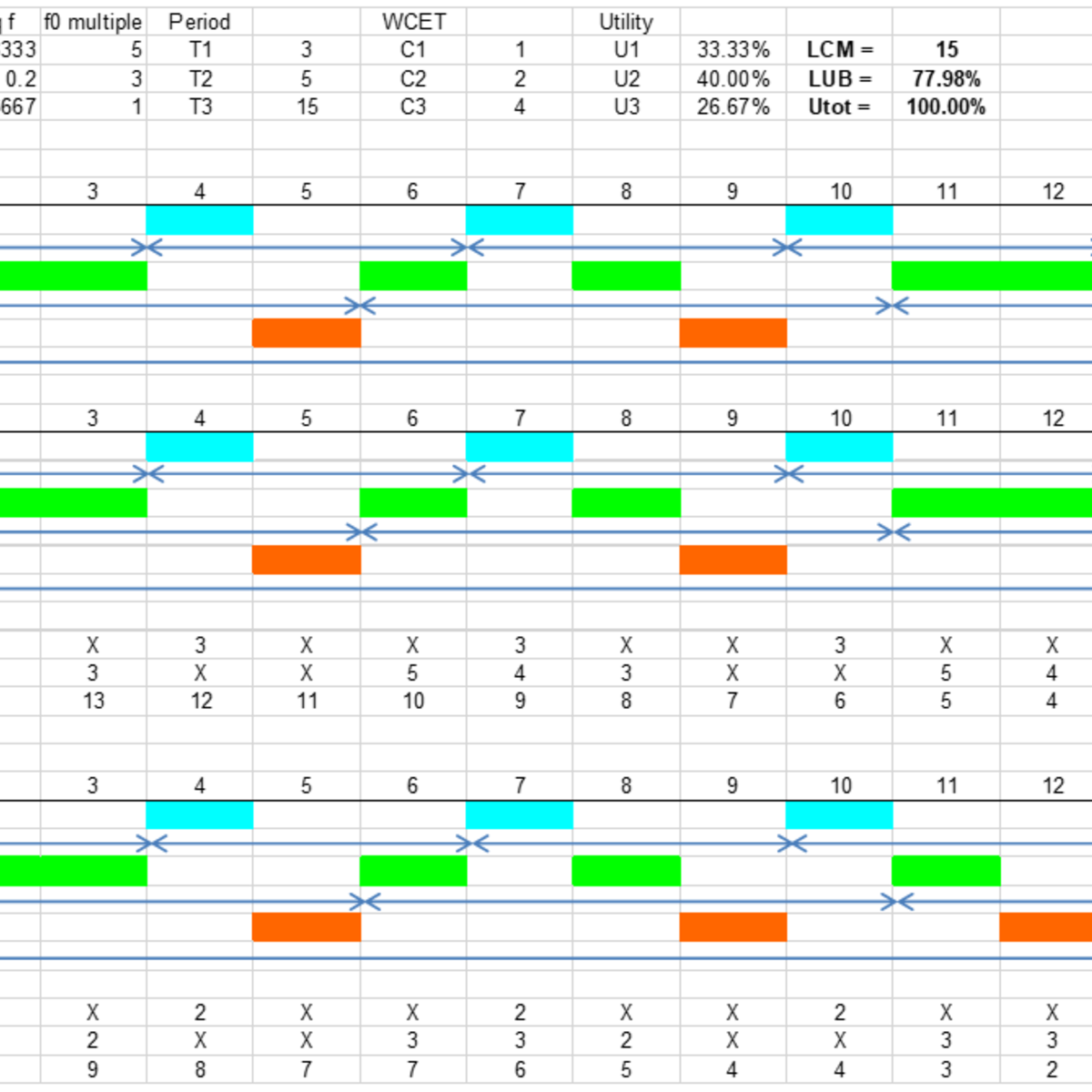
This course can also be taken for academic credit as ECEA 5316, part of CU Boulder’s Master of Science in Electrical Engineering degree. This course provides an in-depth and full mathematical derivation and review of models for scheduling policies and feasibility determination by hand and with rate monotonic tools along with comparison to actual performance for real-time scheduled threads running on a native Linux system. By the end of this course the learner will be able to full derive the fixed priority rate monotonic least upper bound for feasibility as well as justifying the rate monotonic policy and will be able to compare to dynamic priority scheduling including earliest deadline first and least laxity policies. At the end of this course learners will be able to fully derive and explain the math model for the rate monotonic least upper bound as well as performing timing diagram analysis for fixed and dynamic priority software services. Tools to provide analysis will be learned (Cheddar) to automate timing analysis and to compare to actual performance. Specific objectives include: ● Rate monotonic theory (complete math models) ● Differences between fixed priority rate monotonic policy and dynamic priority earliest deadline first and least laxity policies ● Scheduling theory and practice writing code for multi-frequency executives, priority preemptive RTOS services, and real-time threaded services on traditional operating systems (Linux) ● Building a simple Linux multi-service system using POSIX real-time extensions on Raspberry Pi 3b using sequencing and methods to log and verify agreement between theory and practice ● Timing diagram generation and analysis using Cheddar This course includes specific hardware and software requirements. Please review the FAQ below for complete details.

Maintaining a Professional Image in Trades
In the trades, your technical skill is only half of the equation; the way you present yourself often dictates how much a customer trusts your work before you even pick up a tool. This course is designed to help tradespeople bridge the gap between technical expertise and professional presentation. You will explore why a polished image is a critical asset for building long-term success in the field. By completing this course, you will learn to leverage your image as a tool for career growth, ensuring that your first impression is as solid as your craftsmanship. You'll gain a competitive edge by mastering the soft skills that turn one-time service calls into lifelong client relationships.

Climate Resilience and Urban Sustainability
Welcome to Climate Resilience and Urban Sustainability, the first course in the Building Sustainable Cities Specialization. By completing Climate Resilience and Urban Sustainability, you will gain the ability to apply a comprehensive toolkit of case studies to address urban resilience and sustainability. You will be empowered to create and advocate for policy, technological, and other changes aimed at improving these outcomes within their communities. You will also develop the skills to analyze and understand the origins, causes, and consequences of current sustainability and resilience challenges. You will benefit from a deeper understanding of the challenges cities face today, particularly in the context of global climate change and social equity. The course provides insights into the history of land use and urban development in the United States, highlighting the rise of automobile dependence and the impact of fossil fuels. It also explores the policies and politics that contribute to unsustainable development patterns. What makes this course unique is its focus on practical application. Through quizzes and real-world examples, you will engage with topics such as urban heat, flood risk, and climate costs, gaining the knowledge needed to identify and address these issues in your own community. The course also covers innovative planning frameworks like New Urbanism and Smart Growth, offering you a forward-thinking approach to urban development.
Renewable Energy Technology Fundamentals
Renewable energy is one of the fastest growing industries on the planet, with billions of dollars invested each year to meet international energy sustainability goals. This course will provide you with a solid foundation for understanding and deploying important renewable energy technologies such as wind and solar. In addition, you will come away with a good understanding of important energy storage technologies such as pumped hydro, batteries, and hydrogen. Upon completing the course, you will be conversant with the opportunities and challenges of renewable energy technologies. You will be comfortable participating in debates and making decisions regarding these technologies. And the knowledge you gain will be foundational for further study of renewable power systems, renewable energy projects, and forecasts for the future of renewable energy. We hope you will join us on our journey! This course is the first in a four-course Coursera specialization in Renewable Energy. • Renewable Energy Technology Fundamentals • Renewable Power & Electricity Systems • Renewable Energy Projects • Renewable Energy Futures Course logo image credit: "Wind Turbine" icon courtesy of Vectors Point from the Noun Project.

A quick tour on Big Data and Business Intelligence
This course is devoted to beginners and practitioners of Big Data and AI fields. It will be a quick overview of some basic concepts that could be further elaborated by professionals. Ranging from CAP theorem to Turing assumption, we will provide a starting guide for diving in these fascinating topics.
Steam Turbine Thermodynamics, Design and Control Systems
This Course provides an in-depth understanding of steam turbine thermodynamics, design principles, and control systems in modern thermal power plants. It begins with the fundamentals of turbine work-done, efficiency calculations, Willan’s equation, blade and stage efficiency, reheat factors, degree of reaction, and selection of blade profiles. Key design aspects, considerations, and common losses in steam turbines are covered to ensure optimal performance. The course also explores steam turbine valves, including main steam stop valves, HP governor valves, IP reheat and intercept valves, their components, arrangements, actuation, and control mechanisms. Learners gain practical knowledge of valve management, turbine governing systems, and evolution of governing technologies. Detailed coverage of Electrohydraulic (EH) oil systems includes system components, speed and load control mechanisms, overspeed protection, trip functions, and maintenance procedures. This specialization equips learners with the skills to design, operate, and manage steam turbines efficiently, ensuring precise control, safety, and optimal performance in power plant operations.
Origins - Formation of the Universe, Solar System, Earth and Life
The Origins course tracks the origin of all things – from the Big Bang to the origin of the Solar System and the Earth. The course follows the evolution of life on our planet through deep geological time to present life forms.