Cursos de Salud y bienestar
Los mismos datos para todos, vengan de Udemy o de Coursera: precio, valoración, duración e idioma. 351 cursos encontrados. Afinar la búsqueda
AI-Guided Stress Reduction & Analysis
Take control of your stress with an AI-powered system that shows you what actually works—and proves it with your own biometric data. You'll learn three evidence-based stress-reduction techniques (diaphragmatic breathing, progressive muscle relaxation, and grounding exercises) and understand the science of why they work physiologically. You'll create your own Study Card for quick reference during high-pressure moments. Master the complete AI-guided breathing workflow—from receiving a biometric stress alert on your wearable device to completing a guided drill and confirming your response. Most importantly, you'll analyze your own heart rate data to compare pre- and post-activity values, transforming subjective "I feel better" into objective evidence of improvement. Through realistic role plays and coach dialogues, you'll practice empathic communication when explaining techniques to skeptical colleagues and interpreting real-world pilot program data for decision-makers. By the end, you'll have a sustainable, data-informed stress management practice you can apply immediately. Designed for healthcare workers, first responders, customer service professionals, and anyone whose work involves unpredictable intensity spikes. No technical background required—just access to a heart-rate tracking device and a willingness to let the data guide your practice.
Major Depression in the Population: A Public Health Approach
Public Mental Health is the application of the principles of medicine and social science to prevent the occurrence of mental and behavioral disorders and to promote mental health of the population. This course illustrates the principles of public health applied to depressive disorder, including principles of epidemiology, transcultural psychiatry, health services research, and prevention. It is predicted that by 2020 depressive disorder will be the most important cause of disease burden in the entire world! Every human being suffers from feeling depressed at some point or other, but only about one fifth of the population will experience an episode of depressive disorder over the course of their lives. This course illuminates the public health approach to disease, and the particular complexities of applying this approach to mental disorders, using depression as the exemplar.
Digitizing Population Health in Low-Resource Settings
The rapid development of digital technologies provides fundamentally new ways of addressing pressing public health challenges, especially around understanding population health status, strengthening the collection and use of health data to inform public health policies and plan interventions, and strengthening health systems to advance disease prevention, health promotion, and health service delivery. This course introduces foundational concepts in digitization of population health data and programs, with the aim to support decision-making around the appropriate ecosystem for digitizing health data, the key stakeholders who should be engaged for effective digitization and strategies for implementing and scaling digitization efforts to strengthen population health programs. The course discusses special considerations for digitization within low-bandwidth, and low-resource environments and leverages case studies from low and middle-income country settings to orient learners to key concepts. In this course, you will learn: 1. Describe key components of an enabling ecosystem for digitization of population health programs (i.e., leadership and governance; strategy and investment; services and applications; standards and interoperability; infrastructure; legislation, policy, and compliance; and workforce). 2. Discuss the major global initiatives, frameworks, and resources available to support digitization of population health programs and key considerations when using these. 3. Understand how to promote digital ecosystem readiness and the use of maturity models in measuring readiness. 4. Explain key considerations when digitizing population health programs, such as principles of user-centered design, designing for sustainability and scale, and privacy and security of health data. 5. Describe the gender and equity considerations when developing tools and platforms for digital transformation in population health programs, including ways to promote equality and equity. 6. Introduce emerging approaches to the digitization of population health programs, including the use of advanced analytics and artificial intelligence, and critically examine their potential value, limitations, and implications for decision-making, equity, and health system performance. The course is targeted at public health program planners, policymakers, and implementers who are engaged in decision-making around when and how to digitize population health programs. Learners do not need a technology or an engineering background or experience.
Systems Science and Obesity
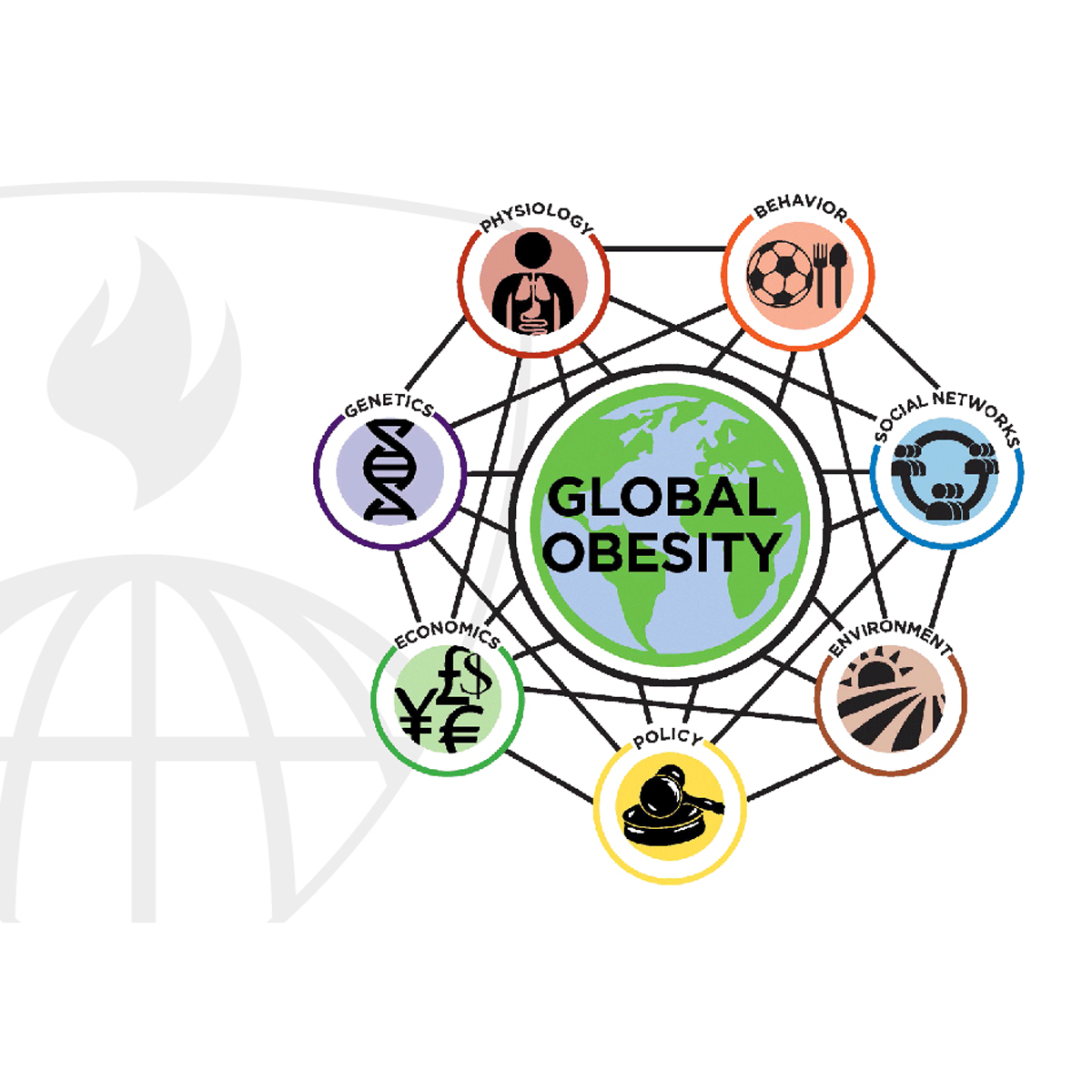
Systems science has been instrumental in breaking new scientific ground in diverse fields such as meteorology, engineering and decision analysis. However, it is just beginning to impact public health. This seminar is designed to introduce students to basic tools of theory building and data analysis in systems science and to apply those tools to better understand the obesity epidemic in human populations. There will also be a lab in which students will use a simple demonstration model of food acquisition behavior using agent-based modeling on standard (free) software (netlogo). The central organizing idea of the course is to examine the obesity epidemic at a population level as an emergent properties of complex, nested systems, with attention to feedback processes, multilevel interactions, and the phenomenon of emergence. While the emphasis will be on obesity, the goal will be to explore ways in which the systems approach can be applied to other non-communicable diseases both nationally and internationally. Topics will include: a) the epidemiology of obesity across time and place, b) theories to explain population obesity, c) the role of environments and economic resources in obesity c) basic concepts and tools of systems science, d) modeling energy-balance related behaviors in context, e) agent-based models, systems dynamic models, and social network models

Evaluación del Aprendizaje en Escenarios Clínicos
En el siguiente curso aprenderás cómo se desarrolla la enseñanza en diversos escenarios clínicos, desde el punto de vista del alumno y del docente. Comenzando primeramente con una visión general de la enseñanza médica tradicional y cómo ha ido evolucionando a través del tiempo, tomando en cuenta los factores que se evalúan. De este modo, podrás analizar qué elementos son importantes a considerar en la evaluación de los aprendizajes que vayas adquiriendo durante tu carrera médica (en caso de que seas estudiante) o, si eres docente, qué debes de evaluar y porqué. Este curso fue un consorcio del Tecnológico de Monterrey, Universidad Nacional Autónoma de México y Universidad Autónoma de Yucatán, financiado por el programa de subsidios de América Latina de la National Board of Medical Examiners.

Early Childhood
Learn how to analyze the critical physical, cognitive, and social-emotional factors that shape a child's growth from ages two to six. This course explores how children develop a sense of self, begin to understand gender, and form crucial relationships, while examining the powerful influence of different parenting styles and peer interactions. By the end of this course, you will be able to explain how these key influences at home and with friends guide a child's development through early childhood.
Essentials of Palliative Care
This course starts you on your journey of integrating primary palliative care into your daily lives. You will learn what palliative care is, how to communicate with patients, show empathy, and practice difficult conversations. You will learn how to screen for distress and provide psychosocial support. You will learn about goals of care and advance care planning and how to improve your success with having these conversations with patients. Finally, you will explore important cultural considerations and improve your cultural competency on the topics covered. For clinicians, the goal of this course is to help you incorporate primary palliative care into your daily practice or help you know when to seek a specialist. We will help you improve your patient’s quality of life and provide self-care tips to help you maintain your own. For patients and caregivers, this course will empower you to talk to your provider and get palliative care, if necessary. Stanford Medicine is jointly accredited by the Accreditation Council for Continuing Medical Education (ACCME), the Accreditation Council for Pharmacy Education (ACPE), and the American Nurses Credentialing Center (ANCC), to provide continuing education for the healthcare team. Visit the FAQs below for important information regarding 1) Date of original release and Termination or expiration date; 2) Accreditation and Credit Designation statements; 3) Disclosure of financial relationships for every person in control of activity content.
Health Equity Research & Practice: Local & Global Lessons
This course introduces students to the local and global lessons in health equity research and practice, covering topics such as the effects of structural drivers and systems of power on health equity and inequities in reproductive health and immigrant health. This course then goes on to apply these lessons to health equity research projects in settings around the world. Through exploration of global interventions, learners will be prepared to take on health disparities in their local communities by understanding why these health problems exist, what contributes to them, and how to create sustainable solutions. This course includes lectures, panel discussions, and interviews with leading experts.

HI-FIVE: Health Informatics For Innovation, Value & Enrichment (Clinical Perspective)
HI-FIVE (Health Informatics For Innovation, Value & Enrichment) Training is a 12-hour online course designed by Columbia University in 2016, with sponsorship from the Office of the National Coordinator for Health Information Technology (ONC). The training is role-based and uses case scenarios. Also, it has additional, optional modules on other topics of interest or relevance. Although we suggest to complete the course within a month's timeframe, the course is self-paced and so you can start and finish the course at anytime during a month's time period. No additional hardware or software are required for this course. Our nation’s healthcare system is changing at a rapid pace. Transformative health care delivery programs depend heavily on health information technology to improve and coordinate care, maintain patient registries, support patient engagement, develop and sustain data infrastructure necessary for multi-payer value-based payment, and enable analytical capacities to inform decision making and streamline reporting. The accelerated pace of change from new and expanding technology will continue to be a challenge for preparing a skilled workforce so taking this training will help you to stay current in the dynamic landscape of health care. This course is one of three related courses in the HI-FIVE training program, which has topics on population health, care coordination and interoperability, value-based care, healthcare data analytics, and patient-centered care. Each of the three courses is designed from a different perspective based on various healthcare roles. This first course is from a clinical perspective, geared towards physicians, nurse practitioners, physician assistants, nurses, clinical executives and managers, medical assistants, and other clinical support roles. However, we encourage anyone working in healthcare, health IT, public health, and population health to participate in any of the three trainings.
Experimental Methods in Systems Biology
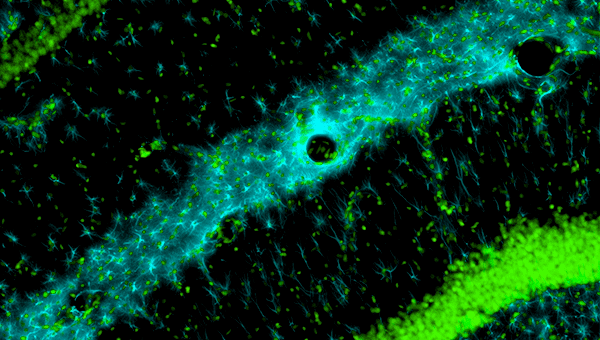
Learn about the technologies underlying experimentation used in systems biology, with particular focus on RNA sequencing, mass spec-based proteomics, flow/mass cytometry and live-cell imaging. A key driver of the systems biology field is the technology allowing us to delve deeper and wider into how cells respond to experimental perturbations. This in turns allows us to build more detailed quantitative models of cellular function, which can give important insight into applications ranging from biotechnology to human disease. This course gives a broad overview of a variety of current experimental techniques used in modern systems biology, with focus on obtaining the quantitative data needed for computational modeling purposes in downstream analyses. We dive deeply into four technologies in particular, mRNA sequencing, mass spectrometry-based proteomics, flow/mass cytometry, and live-cell imaging. These techniques are often used in systems biology and range from genome-wide coverage to single molecule coverage, millions of cells to single cells, and single time points to frequently sampled time courses. We present not only the theoretical background upon which these technologies work, but also enter real wet lab environments to provide instruction on how these techniques are performed in practice, and how resultant data are analyzed for quality and content.
The Social and Technical Context of Health Informatics
Improving health and healthcare institutions requires understanding of data and creation of interventions at the many levels at which health IT interact and affect the institution. These levels range from the external “world” in which the institution operates down to the specific technologies. Data scientists find that, when they aim at implementing their models in practice, it is the “socio” components that are both novel to them and mission critical to success. At the end of this course, students will be able to make a quick assessment of a health informatics problem—or a proposed solution—and to determine what is missing and what more needs to be learned. Who Is This Class For? Physicians, nurses, pharmacists, social workers, and other allied health professionals interested in expanding their understanding of digital health, big data, health information systems, and the unintended consequences of disruptive innovation in the healthcare system. The course is also aimed at those with technical, engineering, or analytics backgrounds who want to understand the nuances of those topics when it comes to healthcare.

Training and Learning Programs for Volunteer Community Health Workers
Volunteer community health workers (CHWs) are a major strategy for increasing access to and coverage of basic health interventions. Our village health worker training course reviews the process of training and continuing education of CHWs as an important component of involving communities in their own health service delivery. Participants will be guided through the steps of planning training and continuing education activities for village volunteers. The course draws on real-life examples from community-directed onchocerciasis control, village health worker programs, community case management efforts, peer educators programs and patent medicine vendor training programs, to name a few.

Human Development, Sexuality, and Gender
Explore how people grow and change throughout life, from infancy through older adulthood. In this course, you'll examine the physical, cognitive, and socioemotional developments that occur across the lifespan and the key milestones associated with each stage of life. You'll also explore the psychology of human sexuality and gender, examining how biological, psychological, and cultural factors shape identity and human experience. By the end of the course, you'll be able to explain major theories of human development and describe the influences that shape sexuality, gender, and identity throughout the lifespan.

Positive Psychology: Character, Grit and Research Methods
Learners discover how apply to research methods to their study of Positive Psychology. In this course, we study with Dr. Angela Duckworth and Dr. Claire Robertson-Kraft. Through an exploration their work "True Grit" and interviews with researchers and practitioners, you develop a research hypothesis and learn how to understand the difference between internal and external validity. You also begin to understand and apply the strengths and weaknesses associated with different types of measurements and evaluation designs. You then interpret the results in an empirical study. Suggested prerequisites: Positive Psychology: Martin E. P. Seligman’s Visionary Science and Positive Psychology: Applications and Interventions.
Genetics Foundations and Heredity Principles
Build a foundation in genetics by examining how DNA stores genetic information, how it is transmitted, and how it influences traits.. Drawing on trusted content from genetics experts, including Benjamin A. Pierce, author of Genetics Essentials published by Macmillan Learning, the course explores the role of genetics in biology and society, genetic organization in prokaryotic and eukaryotic cells, and chromosome behavior during mitosis and meiosis. You will use Mendel’s principles of segregation, dominance, and independent assortment to interpret monohybrid and dihybrid crosses, apply probability and chi-square reasoning to genetic data, and analyze pedigrees. The course also extends beyond basic Mendelian patterns to explore sex determination, sex-linked inheritance, multiple alleles, gene interactions, sex-influenced traits, and environmental effects on phenotype. Through videos, readings, dialogues, concept checks, graded assignments, and flashcards, you will practice explaining inheritance patterns, evaluating genetic hypotheses, and connecting genotype to phenotype. Historical examples and human genetics cases show how scientists use evidence to study heredity. By the end, you will be able to reason across foundational and modified inheritance patterns using core genetics concepts and evidence. This course is part of the Genetics Essentials Specialization, but can also be taken independently.

Introductory Human Physiology
Explore the fascinating world of human physiology and learn about the body's organ systems, their functions, and how they maintain health. In this comprehensive course, you will: - Master key concepts in human physiology and homeostasis - Delve into the nervous, endocrine, cardiovascular, respiratory, and urinary systems - Examine the role of senses, muscles, gastrointestinal, and reproductive systems - Apply knowledge to real-life situations and medical conditions This course is perfect for students, healthcare professionals, and anyone interested in human physiology and biology, building upon a basic understanding of human anatomy. This course is an excellent resource for MCAT preparation or as a refresher for health professionals. As a bonus, enhance your learning with a unique immersive virtual reality (VR) experience, accessible on both VR and desktop platforms, that takes you on an incredible journey inside the human body. This course offers a captivating way to explore and understand complex physiological concepts, as you virtually shrink to navigate through blood vessels and then return to normal size to measure blood pressure. The course comes to life as an educational adventure.

Causes of Racial Inequity in Healthcare
The second course of the Addressing Racial Health Inequity in Healthcare specialization you will journey through a survey of critical drivers of racial inequities in healthcare. These critical drivers need to be known in order to implement interventions that can achieve health equity. You will explore issues that arise around the financing of healthcare in the U.S, and how this system enables race-based disparities. You will then explore the multiple dimensions of access to care, and how various dimensions perpetuate racial inequities in care. You will also discuss the historical backdrop of mistreatment in healthcare settings that remains pervasive among racial groups. And finally, you will unpack implicit bias and how these biases influence diagnosis and treatment patterns among different racial groups.
AI Mindfulness: Focus, Guide, Analyze
Build a sustainable mindfulness practice powered by AI guidance and personal data analysis. You'll learn the foundational principles of mindfulness—present-moment focus and nonjudgmental awareness—to explain why these techniques support wellbeing. Master the AI-guided session workflow, from receiving prompts to logging completion with active engagement. Most importantly, you'll analyze your attention drift patterns to identify your unique challenges and select targeted improvement tactics. Through realistic role plays and coach dialogues, you'll practice explaining mindfulness to skeptics and interpreting your own data. Designed for anyone seeking a systematic, evidence-based approach to mindfulness. No prior meditation experience or technical background required.
Designing for Sustainment: Keeping Improvement Work on Track (Patient Safety IV)
Keeping patient safety and quality improvement projects on track, on time, and on budget is critical to ensuring their success. In this course, students will be introduced and given the opportunity to apply a series of tools to guide and manage patient safety and quality initiatives. These include tools for defining what success looks like, developing a change management plan, and conducting a pre-mortem to identify risks for project failure. This course will also provide tools for engaging stakeholders to ensure key players are invested in your project’s success.

Competencias clave para profesionales de Recursos Humanos
¿Cuáles serán los principales retos a la hora de gestionar personas en las organizaciones modernas?, ¿cuál es el papel de la digitalización y la globalización a la hora de organizar los recursos humanos? En este curso se abordan estas cuestiones desde una visión aplicada al mundo del trabajo y desde una perspectiva multicultural. Para ello se abordan las cuestiones clave relacionadas con las principales competencias que se solicitarán a los profesionales al frente de las organizaciones. Se analizarán de forma crítica aspectos como: la negociación, la resiliencia organizativa, el liderazgo o el trabajo remoto, entre otros.
Analyze Healthcare Data: Boost Patient Outcomes
Did you know that hospitals using data-driven performance metrics can reduce readmission rates by up to 25% while improving patient satisfaction scores? This Short Course was created to help data analysis professionals accomplish foundational healthcare data interpretation and metrics recognition. By completing this course, you'll be able to confidently identify and calculate key healthcare performance indicators, interpret exploratory data analysis reports, and extract actionable insights from healthcare visualizations that you can apply immediately in your healthcare data role. By the end of this course, you will be able to: - Recognize common healthcare performance metrics and their formulas - Understand exploratory data analysis (EDA) reports to identify key patterns This course is unique because it bridges the gap between general data analysis skills and healthcare-specific applications, providing you with industry-standard metrics used across hospitals and healthcare systems. To be successful in this project, you should have a background in basic mathematics and introductory statistics concepts.

Movement Strategies for Menopause Health
Menopause can affect far more than hormones. Changes in bone density, muscle strength, connective tissue, balance, pain sensitivity, mood, and energy can influence how a person moves, exercises, and feels in daily life. By the end of this course, learners will understand how movement, Pilates, and lifestyle strategies can support strength, stability, comfort, confidence, and long-term health during menopause. Under the guidance of physiotherapist Phillipa Butler, this course explains how hormonal changes may affect the musculoskeletal system, including bones, muscles, joints, and connective tissue. Learners explore why exercise and targeted movement can play an important role in reducing symptoms, managing risk, and supporting quality of life. Through step-by-step demonstrations and practical assignments, learners study movement programming, Pilates-based strategies, stability work, pain reduction concepts, and safe exercise progressions. Healthcare, fitness, Pilates, and wellness professionals will gain practical tools for supporting women through menopause, while general learners will better understand how movement can help during this transition. This course offers an informed, accessible approach to building strength, resilience, and confidence.
El futuro de la nutrición y el entrenamiento en el fútbol
Este curso explora el futuro de la nutrición, el entrenamiento y la tecnología en el fútbol de élite. Los alumnos descubrirán cómo la ciencia de vanguardia, desde la nutrición personalizada hasta la inteligencia artificial y las prácticas sostenibles, está transformando la forma en que los atletas entrenan, se recuperan y alcanzan su máximo rendimiento. A través del Innovation Lab del Real Madrid y asociaciones científicas pioneras, el curso muestra cómo los datos, la IA y las nuevas tecnologías crean sistemas de rendimiento más inteligentes y adaptativos. Desde la nutrición sostenible y la adaptación al clima hasta el liderazgo, la inteligencia emocional y la colaboración humano-IA, el curso conecta ciencia y práctica para preparar a los profesionales para la próxima era del deporte de élite. Al completarlo, comprenderá cómo afrontar los retos futuros del rendimiento, la salud y la ética en el fútbol, y cómo la innovación puede potenciar tanto la excelencia deportiva como el bienestar humano.
Molecular Evolution (Bioinformatics IV)
In the previous course in the Specialization, we learned how to compare genes, proteins, and genomes. One way we can use these methods is in order to construct a "Tree of Life" showing how a large collection of related organisms have evolved over time. In the first half of the course, we will discuss approaches for evolutionary tree construction that have been the subject of some of the most cited scientific papers of all time, and show how they can resolve quandaries from finding the origin of a deadly virus to locating the birthplace of modern humans. In the second half of the course, we will shift gears and examine the old claim that birds evolved from dinosaurs. How can we prove this? In particular, we will examine a result that claimed that peptides harvested from a T. rex fossil closely matched peptides found in chickens. In particular, we will use methods from computational proteomics to ask how we could assess whether this result is valid or due to some form of contamination. Finally, you will learn how to apply popular bioinformatics software tools to reconstruct an evolutionary tree of ebolaviruses and identify the source of the recent Ebola epidemic that caused global headlines.
Inclusión social de personas con discapacidad desde un enfoque de derechos.
La OMS en el año 2011 publicó el Informe Mundial sobre la Discapacidad, en el cual se evidencia un aumento en la prevalencia de discapacidad de un 15% (anteriormente se estimaba entre un 7 y un 10% de la población). Las personas que viven en situación de discapacidad presentan mayores niveles de deprivación en diferentes ámbitos: inserción al mercado del trabajo, nivel educacional, etc. Esto nos obliga como sociedad a repensar nuestro trabajo en esta materia desde un enfoque que garantice igual trato para todos. Pues, una sociedad que espere promover igualdad de oportunidades y espacios de desarrollo para todos sus miembros, debe poner especial atención con aquellos sectores que han sido postergados durante generaciones, esto ocurre con especial fuerza en nuestros países del tercer mundo. No obstante comprender el actual enfoque de Derechos permite orientar la acción hacía planes y programas que permitan garantizar accesibilidad e inclusión social para personas en situación de discapacidad. Nosotros buscamos promover que la labor social, laboral o profesional se enmarque en los principios y fundamentos del enfoque de Derechos en discapacidad, por lo que los estudiantes que desarrollen este curso desarrollen una mirada crítica de las prácticas de apoyo de las personas en situación de discapacidad. Posterior a 10 años del nacimiento de la Convención sobre los derechos de las personas con discapacidad, se hace urgente su difusión, comprensión y crítica por parte de los ciudadanos a objeto de modificar prácticas que hoy resultan contradictorias, ilegítimas e innecesarias, las que suelen atentar, en contra de la autonomía y derechos de las personas con discapacidad. El propósito del curso es promover que la labor social, laboral o profesional se enmarque en los principios y fundamentos del enfoque de Derechos en discapacidad. De esta manera los los estudiantes podrán reflexionar sobre el enfoque de Derechos consagrado en la Convención de Naciones Unidas sobre Derechos de las Personas con Discapacidad, las diferencias conceptuales entre modelos, enfoques y teorías en el ámbito de la discapacidad en su proceso de tránsito conceptual. De esta manera, los estudiantes analizarán distintos ámbitos de aplicación de dichos modelos y conceptualizaciones en ámbitos de salud, educación y trabajo, comprendiendo una visión integral del desarrollo humano de una sociedad desde el enfoque de derechos humanos.

Epidemiology: The Basic Science of Public Health
Often called “the cornerstone” of public health, epidemiology is the study of the distribution and determinants of diseases, health conditions, or events among populations and the application of that study to control health problems. By applying the concepts learned in this course to current public health problems and issues, students will understand the practice of epidemiology as it relates to real life and makes for a better appreciation of public health programs and policies. This course explores public health issues like cardiovascular and infectious diseases – both locally and globally – through the lens of epidemiology.

International Perspectives on Health and Nursing 健康和护理的国际化视角
The course “International Perspectives on Health and Nursing” will be given totally in English. It is a 6-week course with one topic in each week. Topics covered by this course include global health challenges, healthcare systems in different countries, nursing specialties and roles in different healthcare system, nursing education programs in various countries, nursing research agencies and status in different countries, and technologies that have changed nursing practice significantly.

Positive Psychology Specialization Project: Design Your Life for Well-being
You are encouraged to take the first four courses of the Foundations of Positive Psychology Specialization before starting this course and completing the Specialization Project. This course, taught by Dr. Martin E.P. Seligman brings all the key concepts from the first four courses to practice as you develop and test a new positive intervention for an audience of your choice. You identify opportunities in your daily life to increase the wellbeing by using knowledge you developed in the first four courses of the Specialization. In this final project, you evaluate the efficacy of a positive intervention based on subjective and objective measures. Then, you compare how empirical and non-empirically-based positive interventions can be applied to influence a person's wellbeing. Lastly, you reflect on how the fundamental elements of research methods are important in the everyday application of positive psychology. After completing all five courses, learners earn a certificate signed by Dr. Martin E.P. Seligman, Dr. James Pawelski, Dr. Angela Duckworth, Dr. Claire Robertson-Kraft and Dr. Karen Reivich.
Interventions and Calibration
This course covers approaches for modelling treatment of infectious disease, as well as for modelling vaccination. Building on the SIR model, you will learn how to incorporate additional compartments to represent the effects of interventions, such the effect of vaccination in reducing susceptibility. You will learn about ‘leaky’ vaccines and how to model them, as well as different types of vaccine and treatment effects. It is important to consider basic relationships between models and data, so, using the basic SIR model you have developed in course 1, you will calibrate this model to epidemic data. Performing such a calibration by hand will help you gain an understanding of how model parameters can be adjusted in order to capture real-world data. Lastly in this course, you will learn about two simple approaches to computer-based model calibration - the least-squares approach and the maximum-likelihood approach; you will perform model calibrations under each of these approaches in R.
Translating Research to Communities
Health research must positively impact the lives of the general population, so the public must receive and interpret research findings in a meaningful way. That is why translating research discoveries into practice is an important phase of the translational research spectrum. In this course, you’ll gain an introduction to the concepts of population health research and the ethical use of data science to drive advances in human health. Specifically, you’ll learn about the computational models used in population health research, the function of community partners in conducting translational research and disseminating findings, as well as the role of population health during health crises like the COVID-19 pandemic, Opioid crisis, and the Flint, Michigan, USA water crisis. This is the fourth of five courses in the “Translational Science” series.
Teaching LGBTQ+ Health
This curriculum is designed for faculty members and health professions educators. The course goals are to improve your knowledge, teaching skills, and attitudes pertaining to the provision of health care to LGBTQ+ patients.e.g. This is primarily aimed at first- and second-year undergraduates interested in engineering or science, along with high school students and professionals with an interest in programming.
XR in Healthcare Education and Clinical Practice
This course is designed to teach you about Extended Reality (XR) and how it's used in healthcare education and clinical practice. Using lessons from experts in the field and different case studies, this course shows you how to use this innovative technology in a way that creates sustainable, accessible real-world applications. The course considers Extended Reality (XR) from a number of perspectives. First of all, you will learn about the hardware and software considerations, then focus on education structures and frameworks and how Extended Reality is applied appropriately within this context. The final two weeks demonstrate how XR has been applied in real-world clinical practice and how you can best make use of the technology by understanding the impact of interdisciplinary expertise in the field. Overall, this course will help you to advance your use of Extended Reality, whatever your background, in clinical training and technologically-enhanced healthcare education contexts. You will also have the optional pathway of developing a business case alongside fellow learners. The business case can be the first step in promoting your XR idea or project to different stakeholders.
Road Safety & Indigenous Communities: Safe Systems Approach
Motor vehicle traffic deaths affect indigenous communities at a disproportionate rate as compared to the overall United States population. For children and youth ages 0-19, motor vehicle traffic death rates among American Indian and Alaska Native children and youths are up to 8 times higher than those of other racial and ethnic groups. This is often due to structural barriers in tribal communities such as lack of lighting, potholes, cattle, etc. This course dives specifically into the effectiveness of taking a Safe Systems approach to road safety in tribal communities. Perspectives from Safe Systems experts and tribal partners on safe systems approaches to road safety are highlighted as examples from specific communities. The course provides historical context to road safety and specific considerations for roads in tribal nations. Next, the course focuses on how to intervene to create a safe system in communities. In addition, this course will prepare you with information on how to apply for an SS4A grant, with examples from specific communities who have successfully obtained the grant. Throughout the course, resources are provided with tools on how to apply for SS4A grant and how to implement a safe systems approach.
Civil Registration & Vital Statistics in Population Health
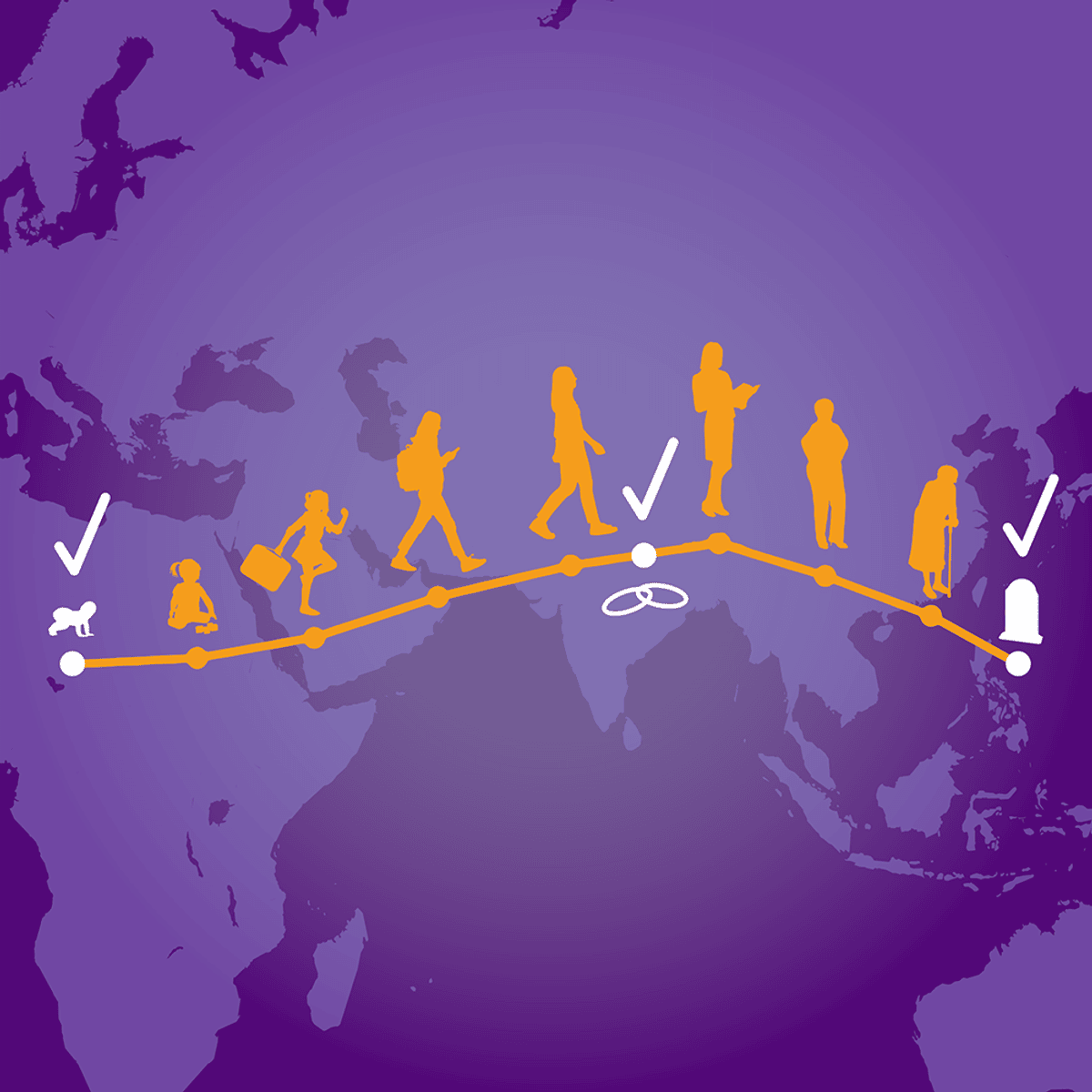
In this course, you will learn about the role and importance of civil registration and vital statistics (CRVS) systems that are used to track birth, death, and life events. Experts from around the world will explain what CRVS systems are, how they are used, the legal bases for registering vital events, and challenges experienced with CRVS systems. You will learn about how CRVS data can be used to inform population-level decision-making, including around specific methods such as medical certification of cause of death (MCCOD) and verbal autopsy, and the application of a gender and equity lens to data systems to ensure they are responsive to the needs of populations. Our overarching goals for the course are to support the collection of country-level death and birth data, to improve the use of data to inform policy priorities, track trends, and plan interventions, and enhance monitoring of major risk factors for early death, especially from noncommunicable diseases. The course is the result of a collaboration among multiple partners, including Vital Strategies, the Centers for Disease Control and Prevention (CDC), the CDC Foundation, the Johns Hopkins Bloomberg School of Public Health, Global Health Advocacy Incubator, and University of New South Wales, Sydney. This course was funded by Bloomberg Philanthropies, with co-funding from the Australian government and Bill and Melinda Gates Foundation.

Data Management and Sharing for NIH Proposals
The National Institutes of Health (NIH) has a new policy for the management and sharing of scientific data starting for (most) grants submitted January 25, 2023 or later. In this course we will describe what the new policy requires, places where you might want to share your particular kind of data, and how to deal with possible challenges associated with the policy. This course is for anyone writing a grant proposal for NIH that needs to know more about this policy and how to abide by it. It will guide learners gently through the process and help you figure out where you might need to share your data. This course is intended for those who are somewhat familiar with the grant writing process, however those who are completely new to grant writing will still find the material useful, but may need to look up a few terms. Learning Objectives: 1) Explain why the NIH has implemented this new policy 2) Describe the elements required in a data management and sharing plan 3) Identify appropriate data sharing repositories for different projects 4) Write a data management and sharing plan Unique Features of this Course - Beginner friendly for those who want to get started learning about this policy - Guided gentle step-by-step process to write your own data management and sharing plan - Easy access to relevant links associated with this policy and helpful tools - Helpful guidance about where to share your data - Information about nuances involved in the policy Key Words Data Sharing, NIH, Data Management, Data Sharing and Management Plans, Grant Writing, Grant Applications Intended Audience - Those involved in writing NIH grants - Those involved in submitting NIH grants Accessibility We are committed to making our content accessible and available to all. We welcome any feedback you might have at https://forms.gle/3sTZpctxzYyhj74NA. Questions related to accessibility accommodations should be directed to https://studentserviceportal.force.com/s/.

Bioinformatic Methods I
Large-scale biology projects such as the sequencing of the human genome and gene expression surveys using RNA-seq, microarrays and other technologies have created a wealth of data for biologists. However, the challenge facing scientists is analyzing and even accessing these data to extract useful information pertaining to the system being studied. This course focuses on employing existing bioinformatic resources – mainly web-based programs and databases – to access the wealth of data to answer questions relevant to the average biologist, and is highly hands-on. Topics covered include multiple sequence alignments, phylogenetics, gene expression data analysis, and protein interaction networks, in two separate parts. The first part, Bioinformatic Methods I (this one), deals with databases, Blast, multiple sequence alignments, phylogenetics, selection analysis and metagenomics. The second part, Bioinformatic Methods II, covers motif searching, protein-protein interactions, structural bioinformatics, gene expression data analysis, and cis-element predictions. This pair of courses is useful to any student considering graduate school in the biological sciences, as well as students considering molecular medicine. Both provide an overview of the many different bioinformatic tools that are out there. These courses are based on one taught at the University of Toronto to upper-level undergraduates who have some understanding of basic molecular biology. If you're not familiar with this, something like BIO101 from Saylor Academy (https://learn.saylor.org/course/view.php?id=889) might be helpful. No programming is required for this course. Bioinformatic Methods I is regularly updated, and was completely updated for January 2026.
Researcher Management and Leadership Training
This course is for early career researchers and mentors who believe that modern scientific careers require management skills and want to be research leaders. This curriculum gives you skills to effectively implement funded projects, thereby enhancing your career success. Research leaders take on a number of new roles, rights, and responsibilities--as scientific leaders, financial administrators, managers, and mentors. In this course, we explain how to optimize the people, teams, projects, and finances for which you are responsible. Despite your research training, you are probably facing an urgent training gap in leadership and management skills. Scientific careers falter for non-science reasons when researchers fail to execute a scope of work: struggle to track expenses and returns substantial unspent grant funds; or run out of funds by spending on the wrong people or mismanaging the right people. Consequently, projects close with inadequate progress on aims, thus compromising successful competition for future funding. This course will help avoid these traps. Leadership and management are essential skills for researchers. Several early career researchers, senior scientists, and administrative leaders are eager to share their expertise and experiences with you.

Sensation, Perception, and Consciousness
Explore how perception and consciousness shape the way you experience the world. In this course, you'll examine how your senses work together to interpret information and influence thoughts, behaviors, and everyday experiences. You'll also investigate consciousness and states of awareness, including sleep, dreaming, and hypnosis, gaining insight into how the mind functions both within and beyond conscious awareness. By the end of the course, you'll be able to explain key concepts in perception and consciousness and describe how different states of awareness influence behavior and cognition.
Vital Signs: Understanding What the Body Is Telling Us
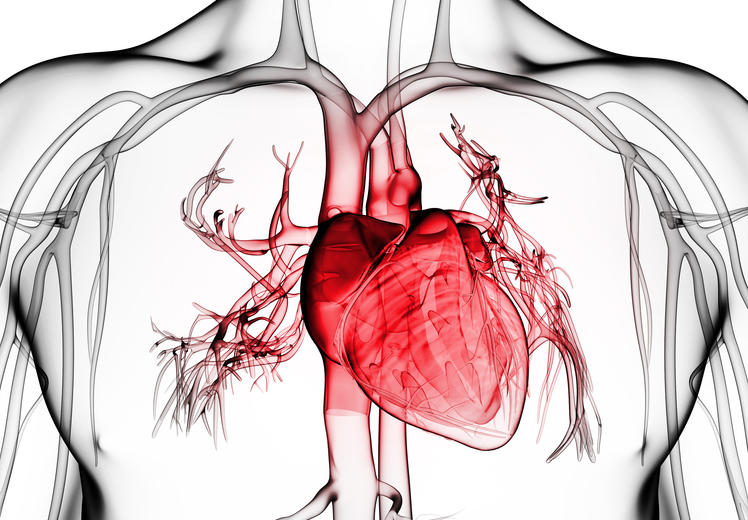
The vital signs – heart rate, blood pressure, body temperature, respiration rate, and pain – communicate important information about the physiological status of the human body. In this six-part course we explore the anatomy and physiology underlying the vital signs so that you will develop a systematic, integrated understanding of how the body functions. Relevant body systems are reviewed including cardiovascular and respiratory, followed by explanations of how the function of these systems affects vital signs. We discuss normal ranges, normal variants, and the mechanisms that underlie changes in the objective measurement of vital signs. The course also includes demonstrations of appropriate techniques for measuring vital signs in yourself and others. The course is designed for a broad, general audience but will be particularly interesting for individuals working in healthcare, those considering a career as a healthcare professional, lay caregivers, those with an interest in personal health and fitness, or anyone who simply wants to understand how the body functions.

Clinical Pharmacokinetics: Dosing and Monitoring
This course covers the core principles of clinical pharmacokinetics, including drug absorption, distribution, metabolism, excretion, and binding. In modern clinical practice, determining the correct dose is never a guessing game—it is a precise science where patient safety is continually on the line. Moving beyond abstract equations, this course explores how these core principles dictate real-time patient care on the hospital floor. We demystify complex mathematical concepts through innovative, visual frameworks like the foundational "Fish Tank" model, making first-order elimination and distribution intuitive to grasp. As the course unfolds, learners will investigate the critical challenges of assessing renal and hepatic clearance and uncover how shifting biological variables impact serum drug concentrations. Grounded in rigorous clinical case studies and enriched by the instructor's active academic research, the curriculum focuses heavily on managing critical antibiotics such as vancomycin and aminoglycosides. Designed for pharmacy students and healthcare professionals, this course bridges the gap between scientific theory and front-line application. You will walk away with the definitive problem-solving skills needed to confidently evaluate, monitor, and tailor life-saving medication regimens for individual patients.
GIS Fundamentals for Public Health Research
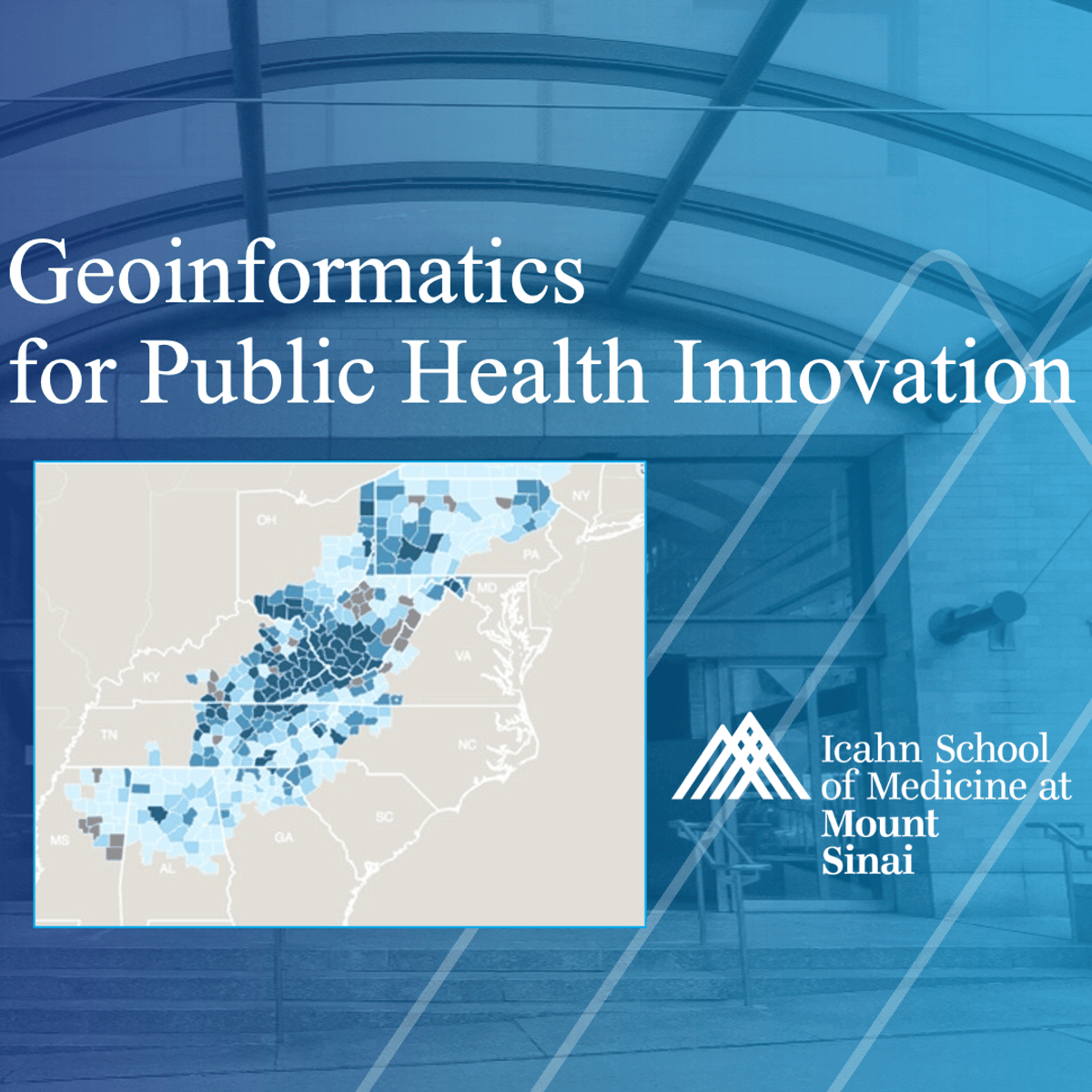
Geographic Information Systems (GIS) are transforming public health research, environmental health, epidemiology, and healthcare decision-making. This course offers a practical introduction to GIS, geoinformatics, and spatial analysis, showing how location-based data can be used to investigate health outcomes, environmental exposures, and population-level trends.

Introducción a la Psicología
¿Qué es el inconsciente? ¿Qué es la autoestima? ¿Qué es el apego y cómo incide en los vínculos adultos ? ¿Cómo funciona nuestro cerebro y cómo se modifica a lo largo de la vida? En este curso se abordarán estos interrogantes y diversos temas vinculados con la Psicología desde una mirada académica y mediante el estudio de los principales autores que han realizado significativos aportes a esta ciencia. Asimismo, el curso ofrece un recorrido por las principales escuelas psicológicas que han propuesto distintos modelos para el estudio de la mente y el cerebro. En este sentido, a lo largo del curso exploraremos cinco módulos dónde estudiaremos los siguientes temas: Los fundamentos de la Psicología, La conciencia y el inconsciente, El self y los otros, El cerebro y las funciones cognitivas, y las disfunciones cognitivas. El curso está dirigido a todos aquellos interesados en la Psicología, y no es necesario contar con conocimientos previos en el tema.

Nutrition and Weight Management for Fitness Professionals
In this course, you will learn how to effectively connect and motivate your clients to achieve their nutrition and weight management objectives. As a fitness professional, it is essential to be able to evaluate client nutritional patterns. This involves understanding clients' current eating habits, any dietary restrictions or preferences, and their desired outcomes. It is also important to be able to provide nutritional guidance within an appropriate scope of practice. This involves understanding the limitations of your role as a fitness professional and providing evidence-based and appropriate nutritional guidance to help clients make informed decisions about their food choices. As a fitness professional, it is essential to be able to build rapport with clients. This course will help you learn how to establish a positive and trusting relationship with each client, understanding their needs and providing support and encouragement throughout their fitness journey. Additionally, the course will cover essentials on how to motivate clients to adopt long-term lifestyle changes. This involves providing support, encouragement, and guidance to help clients make sustainable changes to their eating and exercise habits. By motivating clients to adopt long-term lifestyle changes, you can help them achieve their goals and maintain their results over time. By the end of the course, you will be able to: • Evaluate client nutritional patterns. • Provide nutritional guidance within appropriate scope of practice. • Build rapport with clients. • Motivate clients to adopt long-term lifestyle changes.

Hypothesis Testing in Public Health
Biostatistics is an essential skill for every public health researcher because it provides a set of precise methods for extracting meaningful conclusions from data. In this second course of the Biostatistics in Public Health Specialization, you'll learn to evaluate sample variability and apply statistical hypothesis testing methods. Along the way, you'll perform calculations and interpret real-world data from the published scientific literature. Topics include sample statistics, the central limit theorem, confidence intervals, hypothesis testing, and p values.

Newborn Capstone
Congratulations! You progressed your way through all four of the Newborn Baby Care courses, each with their own focal points on the many dimensions of maintaining newborn health in the first month of life. Now we arrive at a crucial part of your learning –the Newborn Baby Care Capstone- Case Studies, which is your opportunity to take what you have learned and synthesize, integrate, and apply what you know to a series of case studies. Interacting with these real-life scenarios will help you retain the specialization content and be ready to put it into practice in your own care-providing environment. Together we will experience key moments of the courses, this time through the lens of case studies. We will begin with addressing jaundice and performing screenings and assessments covered in Course 1. From there we will consider case studies for both heart and lung health representing Course 2. Then we will enter new territory, the first doctor’s visit once baby has gone home. Here you will bring together elements from Courses 3 and 4, assessing baby and also main care providers. No matter what capacity you do or will provide newborn baby care, the experience of this final capstone course will positively impact your understanding and ability to put that understanding into practice. The newborns, families, and other care providers you engage with will benefit greatly from your efforts. A newborn baby is an amazing beautiful life filled with hope. There is so much that goes into making sure that babies are born healthy, and so much more to think about after they are born. Whether you are in the health care field, or even a parent, this course is the perfect educational opportunity for you to keep newborn babies healthy in the days and weeks after they are born!
Medical Terminology and Anatomy for Phlebotomy
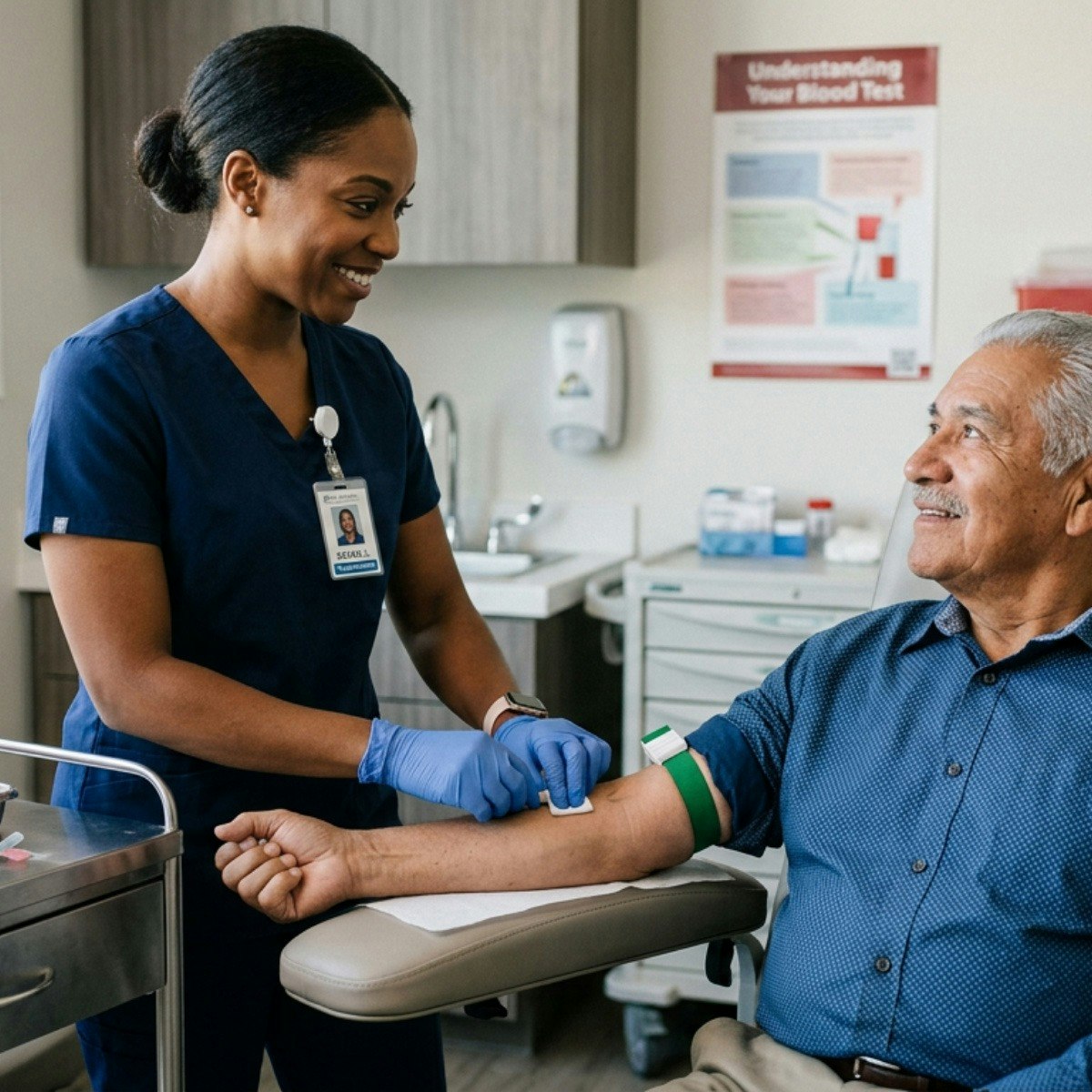
The Medical Terminology and Anatomy for Phlebotomy course provides the foundational knowledge to communicate confidently in clinical settings and understand the biological systems at the heart of phlebotomy practice. Students begin with an introduction to medical terminology, learning to decode and apply the prefixes, suffixes, and root words that form the language of healthcare. This essential skill enables phlebotomists to accurately interpret orders, document procedures, and collaborate effectively with other medical professionals. From there, the course offers a broad overview of the human body – its organization, systems, and structures – giving students the anatomical context needed to perform their work with precision. The course then takes a focused dive into the cardiovascular system and the composition of blood itself. Students explore how the heart, vessels, and circulatory pathways function together, and examine the components of blood that make it such a vital diagnostic tool. By the end of this course, students will have the terminology and anatomical literacy to approach phlebotomy procedures with greater confidence and professional competence in any healthcare setting.
Bugs 101: Insect-Human Interactions
Of all the animals on earth, which are the strongest for their size? What about the fastest? Who were the first animals to evolve flight? Insects take all of these titles and more! As the most abundant animals on the planet, insects and other arthropods affect our lives in so many ways. From beneficial interactions like pollination and biological pest control, to the transmission of life threatening diseases; this course will teach you about the big ways that these little arthropods impact our lives. In Bugs 101: Insect-Human Interactions, you will be plunged into the diverse (and sometimes alien) world of arthropods to learn how they work, what they do, and how insects and humans interact every day. After completing this course, you will be able to: Describe the evolutionary relationships between insects and their arthropod relatives Inventory major groups of insects and their diversity Demonstrate evolutionary adaptations that make insects successful Discuss insect biology and human-insect interactions Evaluate positive and negative interactions between insects and humans Propose practical and symbolic roles insects play in human societies

The Big Stuff: Evolution and Ecology
In this course, we will explore how evolution works to generate new species, the wide variety of life on earth. We will also touch on the importance of biodiversity for the overall health of our planet, and for our well being as humans. Then we will discuss ecology and the interconnectedness of life and touch on one big ecological issue in today’s society, conservation.
Using clinical health data for better healthcare
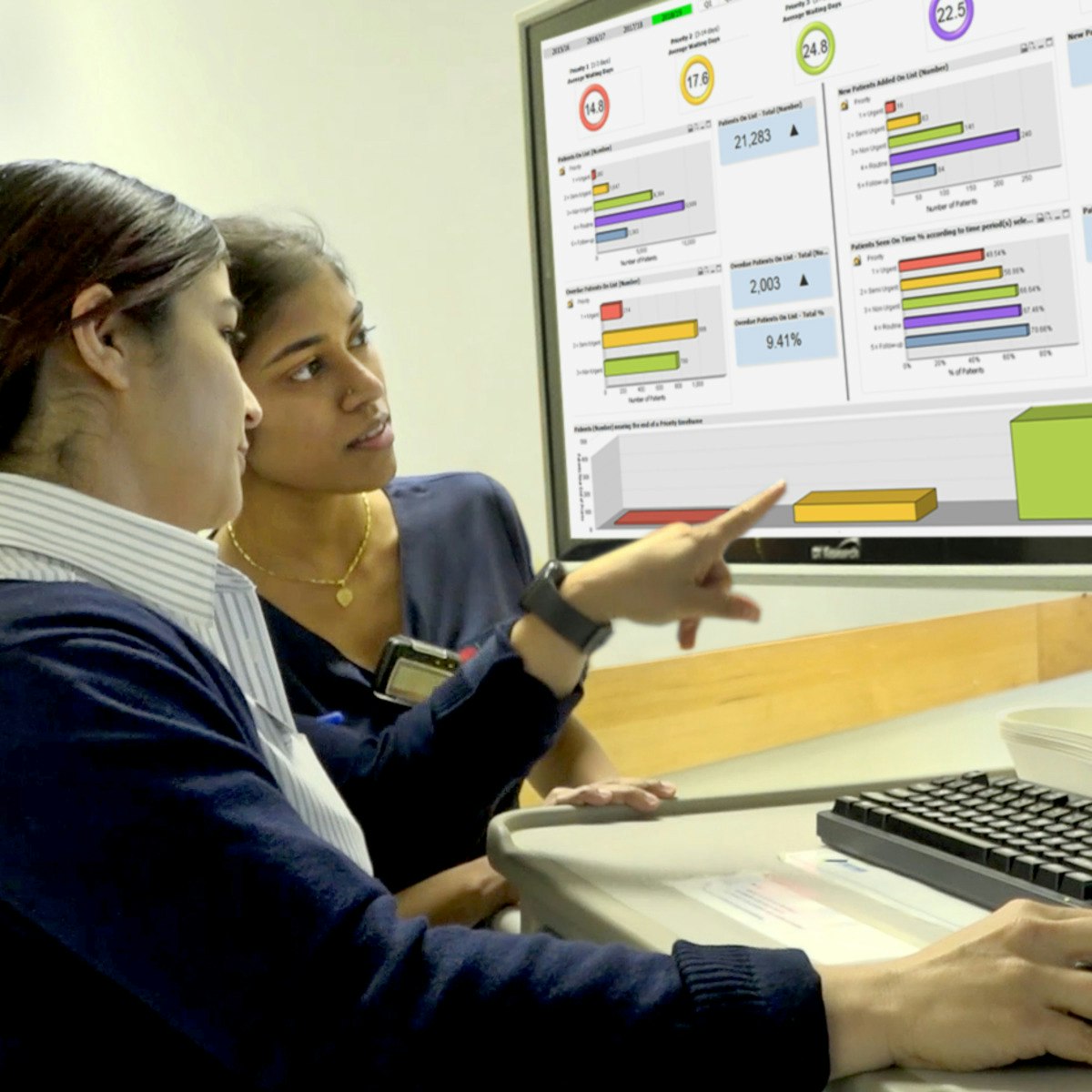
Digital health is rapidly being realised as the future of healthcare. While this is placing emphasis on the input of quality health data in digital records and systems, the delivery of safe and quality healthcare relies not only on the input of data, but also the ability to access and derive meaning from data to generate evidence, inform decision making and drive better health outcomes. This course provides insight into the use of healthcare data, including an overview of best practices and the practical realities of obtaining useful information from digital health systems via the understanding of the fundamental concepts of health data analytics. Learners will understand why data quality is essential in modern healthcare, as they are guided through various stages of the data life cycle, starting with the generation of quality health data, through to discovering patterns and extracting knowledge from health data using common methodologies and tools in the basic analysis, visualisation and communication of health data. In doing so, learners explore current healthcare delivery contexts, and future and emerging digital health data systems and applications that are rapidly becoming tomorrow’s reality. On completion of this course, you will be able to: 1. Identify digital health technologies, health data sources, and the evolving roles of health workforce in digital health environments 2. Understand key health data concepts and terminology, including the significance of data integrity and stakeholder roles in the data life cycle 3. Use health data and basic data analysis to inform and improve decision making and practice. 4. Apply effective methods of communication of health data to facilitate safe and quality care. During this course, you will interact with learning content contributed by: • Digital Health Cooperative Research Centre • Australian Digital Health Agency • eHealth NSW • Sydney Local Health District • The NSW Ministry of Health • Health Education and Training Institute • Clinical Excellence Commission • Chris O’Brien Lifehouse • Monash Partners / Australian Health Research Alliance • Australian Research Data Commons • Justice Health & Forensic Mental Health Network • South Eastern Sydney Local Health District • Western Sydney Local Health District • Westmead Breast Cancer Institute • Agency for Clinical Innovation • Western NSW Local Health District • Sydney Children’s Hospital Network This course is a collaborative venture between NSW Health, the University of Sydney and the Digital Health Cooperative Research Centre, including dedicated resources from eHealth NSW, Health Education and Training Institute, and the Research in Implementation Science & eHealth group. While many learning resources and case examples are drawn from the NSW Health service context, this course has relevance for all existing and future health workforce, regardless of role or work context. Note: Materials used are for learning purposes and content may not reflect your organisation’s policies. When working with data, make sure you act within the guidelines and policies of your organisation.
Auxilios Psicológicos. Catástrofes naturales. Intervinientes
En Venezuela están viviendo los efectos catastróficos de un terremoto, que ha causado muchas muertes, la destrucción de muchas infraestructuras y miles de afectados en mayor o menor grado por esta catástrofe natural. Ofrecemos una versión reducida y gratuita de nuestro curso sobre Primeros Auxilios Psicológicos para contribuir a la recuperación de todas aquellas personas que están sufriendo las consecuencias de esta catástrofe natural o están participando en la respuesta a la misma. Hemos abierto dos ediciones diferenciadas: A. Para las personas que están padeciendo las consecuencias por este terremoto (PrimPrimeros. Auxilios Psicológicos. TERREMOTO-VENEZUELA. Afectados). B. Para las personas que están participando y/o gestionando la respuesta, ya sean civiles voluntarios, profesionales sanitarios, miembros de las múltiples asociaciones de ayuda e incluso miembros de los cuerpos de Seguridad (Primeros Auxilios Psicológicos. TERREMOTO-VENEZUELA. Intervinientes). Las dos ediciones contienen material destinado a explicar cuáles son las reacciones más habituales de las personas de todas las edades ante situaciones imprevistas con tantas pérdidas y ofrecen herramientas para potenciar su resiliencia y contribuir a su recuperación.