Cursos de Salud y bienestar
Los mismos datos para todos, vengan de Udemy o de Coursera: precio, valoración, duración e idioma. 351 cursos encontrados. Afinar la búsqueda
Child Nutrition and Health
Are you passionate about shaping the future of young lives? This engaging, hands-on course dives into the critical nutritional needs of infants, toddlers, and preschoolers, equipping you with the knowledge to support their growth every step of the way. First Five Years Matter Most! From the moment a child is born, their brain and body begin a rapid transformation. Neural connections spark learning, behavior, and emotional development, while bones, muscles, and immune systems demand a steady stream of nutrients to thrive. Proper nutrition during these formative years isn’t just about meals. It’s about unlocking a child’s full potential. Through the interactive activities and real-world nutrition planning exercises in this course, you’ll learn how to tailor dietary strategies to each developmental stage and design balanced, age-appropriate meals, ensuring children grow up strong, smart, and emotionally resilient. Whether you're a parent, caregiver, educator, or health professional, this course empowers you to make a lasting impact on children's lives through informed nutritional choices.

Healthcare Career Explorer: Certified Nursing Assistant
Healthcare Career Explorer: Certified Nursing Assistant is a foundational, practice-based course designed for individuals exploring a career in patient care. Whether you're a first-time job seeker, career changer, or healthcare student, this course helps you understand the CNA role across care settings like hospitals, long-term care, and home health. Through interactive videos, real-world case studies, job market exploration, and hands-on planning tools, you'll learn what CNAs do, how they work with nurses and care teams, and where the strongest job opportunities exist. You’ll also practice communication techniques like SBAR, analyze current CNA job listings in your region, and build a personalized career starter plan. By the end of this course, you’ll be equipped with practical insights, confidence, and a clear pathway to begin your CNA journey with purpose and clarity.
Guidance to Keep Newborn Babies Safe and Healthy
In your previous 2 courses, you learned some medical interventions and skills to keep newborns healthy in the days and weeks after they have been born. In this course, you will learn some key things that parents will need to do to keep their babies safe and healthy. The Guidance to Keep Newborn Babies Safe and Healthy Course will teach you best practices for how your baby will spend most of their day: eating, sleeping, and sometimes crying. Parents need to understand how to optimize nutrition, how to create a safe and happy sleep environment, how to safely transport their baby in their car, and how to respond to their baby’s crying. A newborn baby is an amazing beautiful life filled with hope. There is so much that goes into making sure that babies are born healthy, and so much more to think about after they are born. Whether you are in the health care field, or even a parent, this course is the perfect educational opportunity for you to keep newborn babies healthy in the days and weeks after they are born!
Basics of Extracellular Vesicles
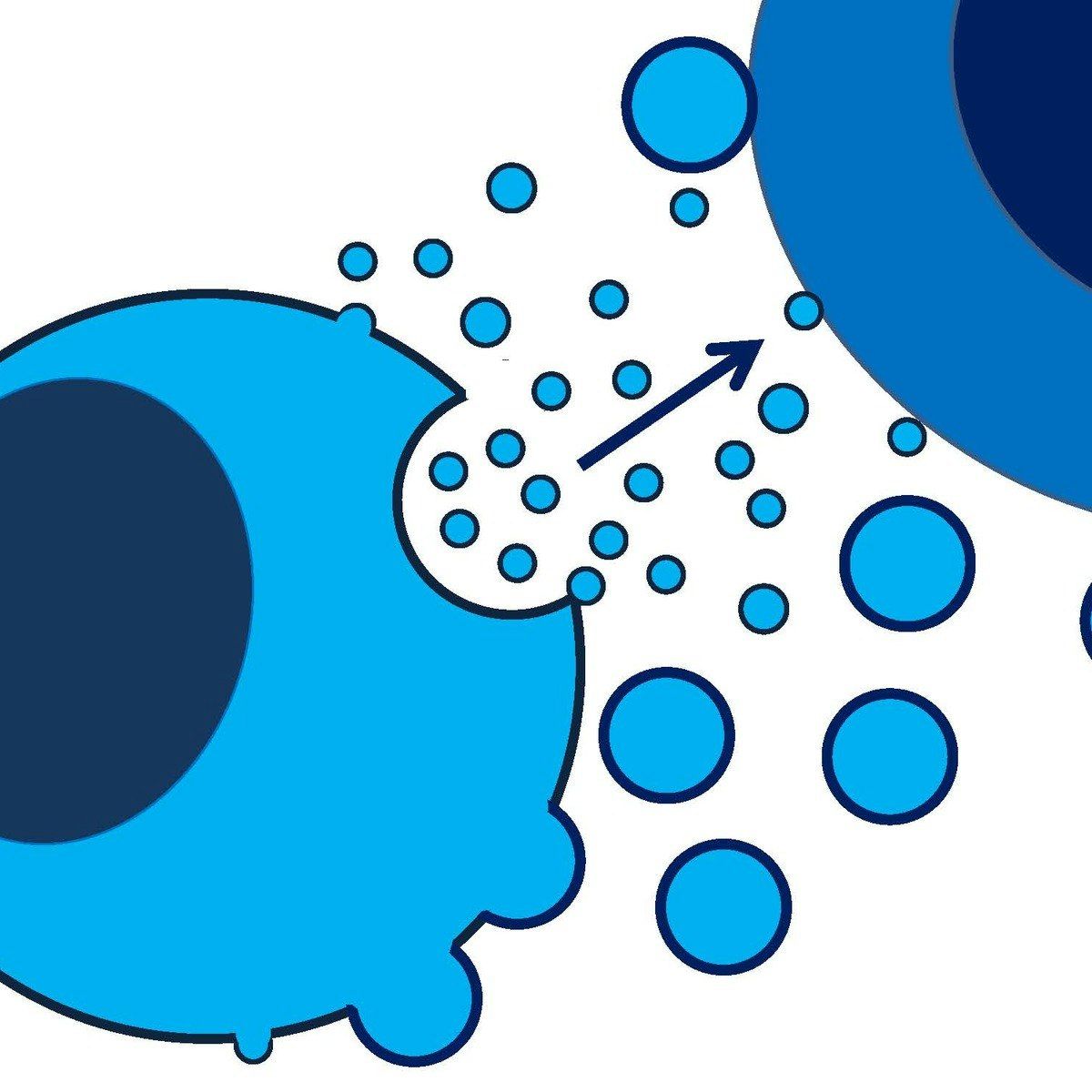
This course aims to provide the basic knowledge about extracellular vesicles (EV) a generic term including exosomes, microvesicles, microparticles, ectosomes, oncosomes, prostasomes, and many others. It covers areas such as EV history, nomenclature, biogenesis, EV cargo as well as the release and uptake mechanisms, collection and processing prior to isolation, different isolation methods, characterization and quantification techniques. This course is divided into five modules. Module 1 is an introduction to the field and will cover the nomenclature and the history of EVs. Module 2 will focus on the biogenesis, release and uptake mechanisms of EVs as well as the different EV cargos (RNA, protein, lipids). In Module 3, we will focus on the collection and processing of cell culture media and body fluids such as blood, breast milk, cerebrospinal fluid and urine prior to isolation of EVs. Module 4 and 5 will present different isolation methods and characterization/quantification techniques, respectively. Here differential ultracentrifugation, size exclusion chromatography, density gradient, kit based precipitation, electron microscopy (EM), cryo-TEM, flow cytometry, atomic-force microscopy and nanoparticle tracking analysis will be presented. The recommended prerequisites are college-freshman-level biology and biochemistry. After a completed course you should be able to: + Discuss the nomenclature and subgroups of extracellular vesicles. + Describe the RNA, protein and lipid content of extracellular vesicles. + Describe the basic concepts about the most common isolation and characterization techniques and how these techniques are used in the EV field. + State the benefits and limitations of the most common isolation and characterization techniques for extracellular vesicles. + Explain the considerations that are important during the collection and isolation of EVs from different body fluid. + Describe the release and uptake mechanisms of extracellular vesicles All lectures are given in English. Each of the five modules will be followed by an exam. All exams will be in the format of multiple choice questions. The course is organized in collaboration between the International Society for Extracellular Vesicles (ISEV), University of California Irvine (USA), University of Gothenburg (Sweden) and Pohang University of Science and Technology (South Korea).

Fundamentals for Implementing a Hypertension Program
This course provides the fundamental knowledge necessary for program managers and implementors in a hypertension control program, especially in resource-limited settings. The course is interactive and includes useful tips relevant to different settings. The course should be also relevant to physicians, nurses, pharmacists, community health workers, and others who are interested in learning about hypertension diagnosis and management.

Professionalism in Phlebotomy
Success in phlebotomy goes beyond technical skill – it requires professionalism, emotional intelligence, and effective communication. The Professionalism in Phlebotomy course provides the interpersonal and behavioral foundations to thrive in fast-paced healthcare environments. Students begin exploring how to manage workplace expectations, navigate patient interactions confidently and regulate emotions under pressure. From understanding the foundational principles of phlebotomy to handling difficult situations with composure, learners will develop the self-awareness needed to deliver consistent, patient-centered care. The course then shifts to building strong professional relationships, both with colleagues and patients. Special attention is given to blood collections in vulnerable and special populations, preparing students to approach sensitive situations with empathy and precision. Finally, students will examine the skills and behaviors that drive long-term career success in allied health. Whether you are just entering the field or looking to strengthen your professional practice, this course provides the tools to represent yourself – and patients – with excellence.
Fundamental Human Physiology in Sports Medicine
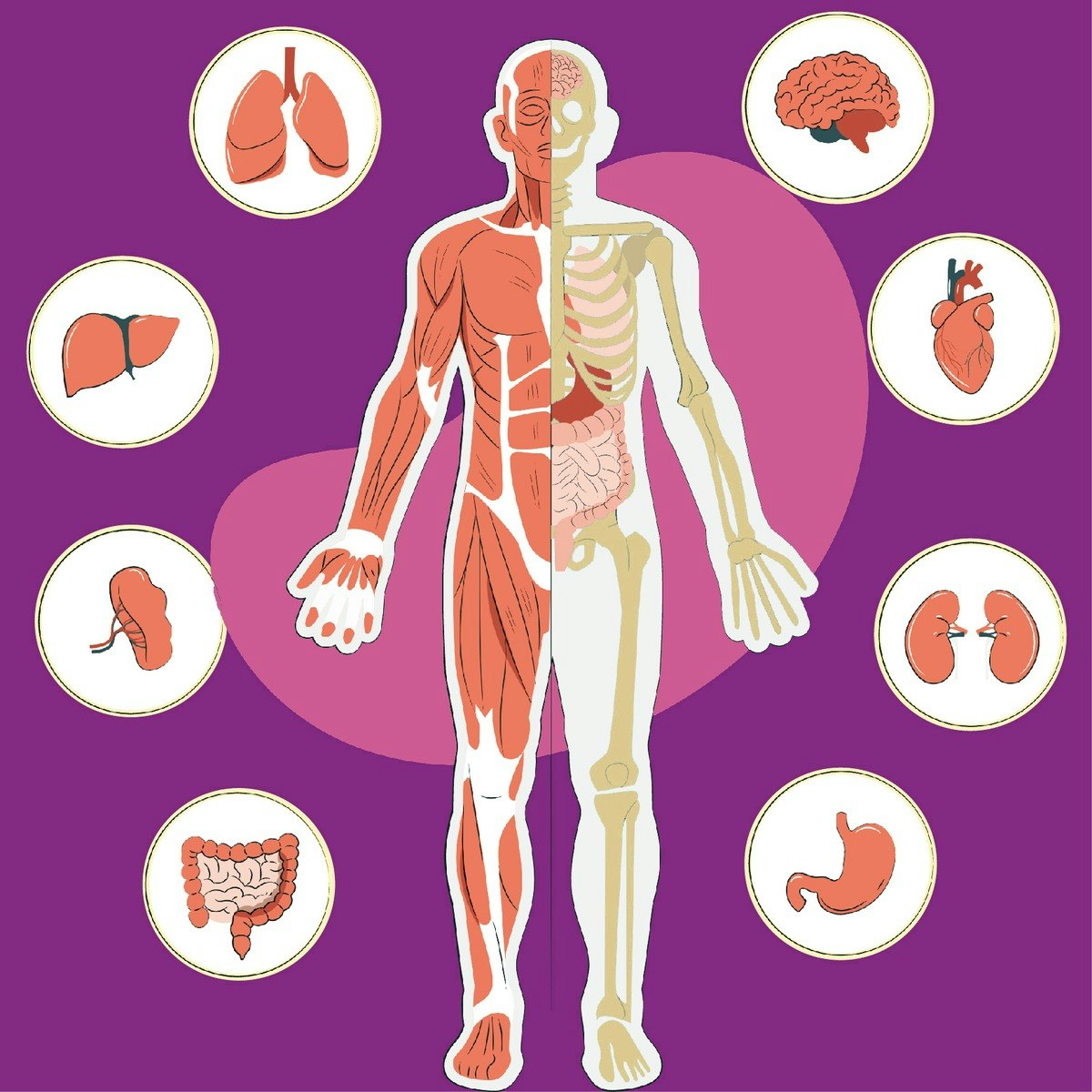
This is a course on fundamental sports-related musculoskeletal anatomy which provides students with a basic understanding of the musculoskeletal structure and function of different body regions. Topics include an overview of the musculoskeletal system, spine, upper limb, and lower limb.

Science of Firearm Injury Prevention Among Children & Teens
Firearm injuries are a leading cause of death among children and teens. However, there are many ways that these injuries and deaths can be prevented using evidence-based practices and policies. Presented by the University of Michigan Institute for Firearm Injury Prevention and the Firearm Safety among Children and Teens (FACTS) Consortium, this course lays a broad foundation for understanding the science of pediatric firearm injury prevention and the latest research and evidence-based solution. This course covers a range of firearm injury topics including firearm-related suicide, unintentional firearm injury, firearm-related community and youth violence, firearm-related intimate partner violence, school and mass shootings, and officer-involved shootings. Through lectures and interviews from leading firearm injury researchers, and activities, readings, discussion boards, and quizzes, learners can become familiar with the epidemiology, prevention strategies, and policy efforts related to pediatric firearm injury prevention. The course also covers important gaps in existing research and future directions for expanding the knowledge base of the field. This course is designed for multiple fields and levels of training, including students and researchers from public health, medicine, public policy, social work, nursing, criminology, sociology and psychology fields. The course is also appropriate for practitioners, educators and parents. As a learner, you will have the ability to select all modules or individual topics that interest you most. Composed of 7 modules, this course may be taken from the comfort of your home or office, and you can learn at your own pace. Supported by a grant to the University of Michigan by the National Institutes of Health - Eunice Kennedy Shriver National Institute of Child Health and Human Development (NIH/NICHD) (Award Number: R24HD087149) and the University of Michigan Institute for Firearm Injury Prevention. The content is solely the responsibility of the contributors and does not necessarily represent the official views of the National Institutes of Health - Eunice Kennedy Shriver National Institute of Child Health and Human Development (NIH/NICHD) or the Department of Health and Human Services.

Using Data for Healthcare Improvement
In this course, you will learn about the importance of measuring the quality of care and health outcomes in order to determine whether Quality Improvement(QI ) initiatives have achieved their aims. You will learn about how data is utilised to identify areas of improvement and the importance of using both quantitative and qualitative data in evaluating change. You will learn about the specific methods appropriate for improvement as distinct from methods more suited to research, including how to design measurement schemes suitable for improvement initiatives
Healthcare Career Explorer Nurse Practitioner (NP)
Healthcare Career Explorer: Nurse Practitioner (NP) introduces learners to the dynamic and evolving role of Nurse Practitioners in today’s healthcare system. Through real-world insights, learners will explore the key responsibilities of NPs across diverse care settings, understand the educational and licensure pathways required to enter the profession, and discover the wide range of career opportunities available in advanced nursing practice.

Childbirth: A Global Perspective
This course will review challenges for maternal and newborn health in the developing world, where a great many women and babies are suffering from complications during pregnancy, childbirth, and the days following birth. Themes covered include the epidemiology of maternal and newborn mortality and morbidity, relevant issues for the global health workforce, community-based interventions to improve maternal and newborn health and survival, and sociocultural dynamics surrounding birth. This course provides a broad overview of maternal and newborn health issues facing low-income and transitional countries, where more than 2.6 million babies are stillborn and nearly 500,000 women die during childbirth or from pregnancy-related complications each year. In the developing world, many women deliver at home without a skilled care provider, drugs, or technological supports. Maternal and newborn survival can be improved by mobilizing communities and improving access to skilled care. Through lectures, case studies and readings, course participants will learn about delivery challenges for maternal and newborn health services and how to utilize community-based strategies to improve the health and survival of mothers and babies.

Mixed Methods Research: Bridging Qualitative & Quantitative
In this course, you’ll explore the dynamic integration of qualitative and quantitative approaches to create robust research designs, analyze diverse datasets, and deliver actionable solutions. Whether you're working in healthcare, education, business, or beyond, this course provides the tools and knowledge to bridge numbers with narratives effectively. 1. Through engaging videos and interactive activities, you’ll learn to: 2. Design mixed-methods research tailored to real-world problems. 3. Organize, integrate, and visualize data effectively. 4. Translate findings into impactful recommendations and reports that inspire action. 5. Navigate the ethical complexities of managing integrated datasets. This course is designed for a diverse range of learners, including students, researchers, educators, and business professionals who want to master mixed-methods research. Whether you're a graduate student working on a thesis, an academic integrating research into teaching, or a business or healthcare professional seeking data-driven decision-making strategies, this course equips you with the skills to combine qualitative and quantitative insights effectively. Policy analysts and social scientists will also benefit from learning how to analyze societal trends and public perceptions using comprehensive research methodologies. No prior experience is required, but a foundational understanding of research concepts will be helpful. Learners should be familiar with fundamental research elements like research questions, hypotheses, and data collection methods. Basic analytical skills, such as interpreting charts and qualitative summaries, will support the learning experience. Additionally, experience in academic writing or structured reporting will be beneficial for effectively communicating research findings. By the end of this course, learners will be able to design mixed-methods research studies that align methodologies with real-world problems. They will gain hands-on experience in collecting, organizing, and integrating qualitative and quantitative data using the right tools and workflows. Additionally, learners will develop the ability to analyze integrated datasets, ensuring ethical considerations are met, and present compelling reports and visual narratives that translate research into actionable insights for diverse stakeholders.
Anticoagulación
El adecuado manejo de los fármacos anticoagulantes en distintos escenarios clínicos es esencial. Esto evita eventos mortales por tromboembolia y morbilidad por sangrado, el cual podemos valorar y mitigar. En este curso queremos brindarles herramientas para que, desde el ámbito clínico, puedan entender y logren usar de la forma apropiada todos los anticoagulantes que tenemos actualmente disponibles. Brindando a los pacientes el manejo óptimo de su anticoagulación, se generan los mejores desenlaces posibles en cada uno de los escenarios. Así mismo, adoptar un pensamiento crítico en el abordaje clínico de las patologías y su seguimiento a largo plazo, minimiza los riesgos y optimiza los resultados.

Analysis and Interpretation of Large-Scale Programs
This course is for implementers, managers, funders, and evaluators of health programs targeting women and children in low- and middle-income countries as well as undergraduate and graduate students in health-related fields. Course participants will learn how to 1) transform quantitative components of an evaluation measurement plan into a sound analysis plan to address the evaluation questions, 2) conduct quantitative analyses of primary or secondary surveys or other available data, 3) interpret the meaning of the analysis results and their implications, and 4) disseminate the evaluation findings to program implementers, local and global stakeholders. It is highly recommended that course participants have the statistical skills to conduct and understand quantitative analysis. The development of this course was supported by a grant from Government Affairs Canada (GAC) for the Real Accountability, Data Analysis for Results (RADAR) project.
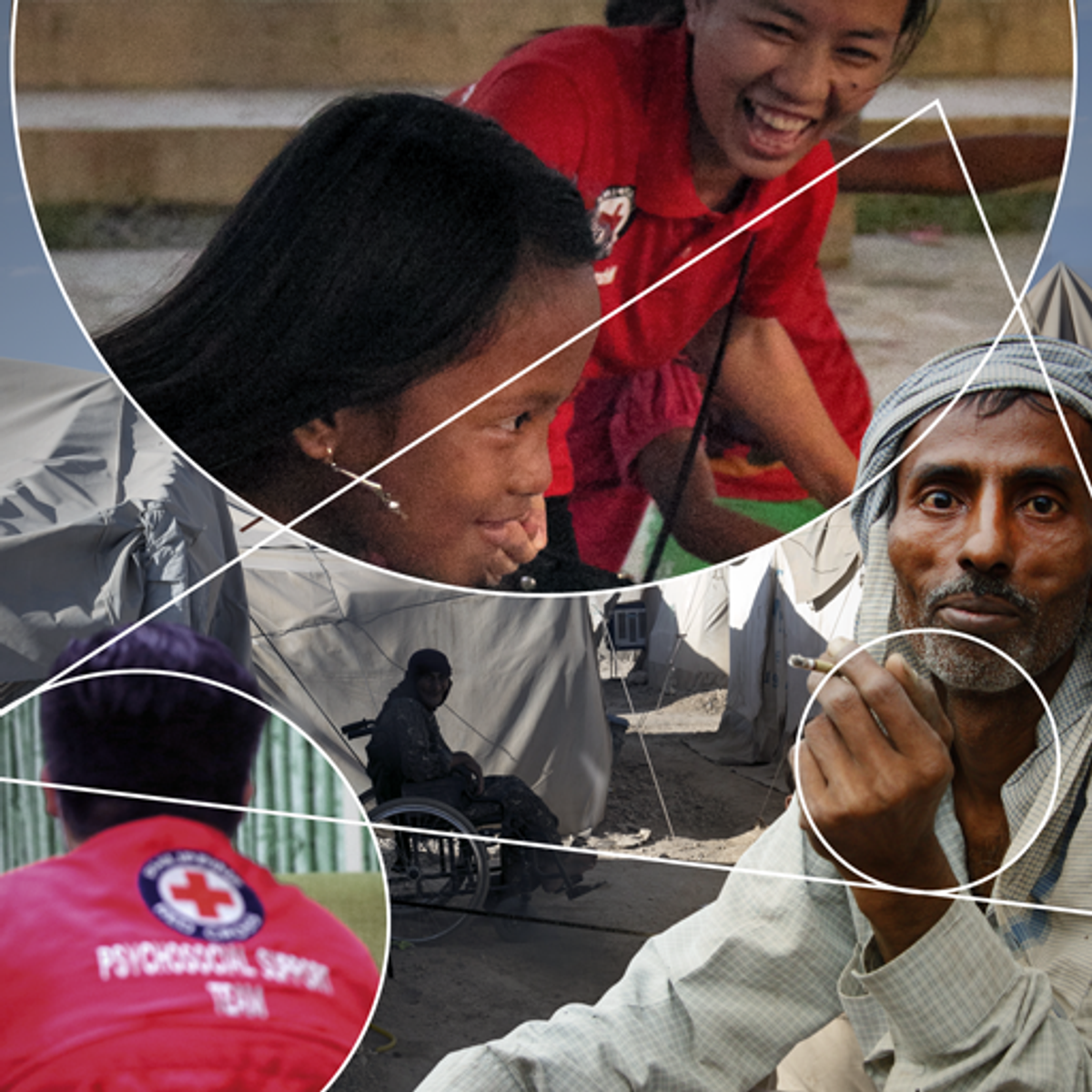
Chronically Ill in an Emergency: Why Mental Health Matters
In humanitarian settings, mental ill-health is powerfully inter-connected with other non-communicable diseases (NCDs) such as cardiovascular diseases, cancers, diabetes and chronic respiratory diseases. Integrating mental health and psychosocial support (MHPSS) with NCD prevention and care might therefore be useful, both to be more effective, and to require fewer resources. There is, however, a lack of widely accepted guidelines that take this into account, and this course is intended to draw attention to that issue. Attention to NCDs focused initially on four major disease categories (cardiovascular disease, diabetes, chronic respiratory disease and cancer) and four groups of associated risk factors (unhealthy diets, physical inactivity, tobacco use, and harmful use of alcohol). Recently, mental ill-health has been considered as the fifth NCD and environmental determinant as the fifth risk factor for NCDs – known as ‘5-by-5’ conditions. The course has a threefold aim: i) to explore evidence of interaction between mental ill-health and other NCDs and the role of psychosocial support in humanitarian response; ii) to explore what is being done and where; what level the determinants of health are being addressed at and the integration of mental health and psychosocial support or MHPSS and NCD prevention and care in humanitarian response; and iii) to identify and explore challenges, opportunities and lessons learned for integrating MHPSS and NCD prevention and care in humanitarian response. The MOOC will be led by a course leader from the University of Copenhagen in close collaboration with academic teachers, the Danish Red Cross and IFRC Reference Centre for Psychosocial Support, Copenhagen, Denmark.

Child Housing Assessment for a Safer Environment Teach-Out
Unintentional injuries are the leading cause of death for children aged 1-14. Young children spend most of their time at home, making them more vulnerable to home injuries. Many of these injuries are preventable with proper education and safety measures. By addressing common household hazards, we can significantly reduce the risk of injury and create a safer living environment for children. The CHASE (Children’s Housing Assessment for a Safe Environment) protocol is a comprehensive tool designed to identify and mitigate injury risks in children’s homes. This course provides both families and health professionals with the knowledge and tools necessary to prevent common home injuries through a structured approach. Each module covers a specific risk area, including carbon monoxide safety, falling furniture, fire safety, bathroom safety, window safety, stair safety, hot water safety, electrical safety, poison storage, and strangulation hazards. Assessors will learn about the risks, practical solutions, and engage in activities to ensure a safer living environment. Each module includes detailed training on assessing specific risks, using the CHASE tool effectively, and providing recommendations and interventions. Assessors will learn how to conduct thorough home inspections, provide educational materials, and facilitate necessary modifications to create safer homes for children. The course emphasizes the importance of proactive measures and equips participants with knowledge and tools to safeguard their homes effectively. Each module includes videos, readings, discussion prompts, and hands-on activities to ensure comprehensive understanding and practical application of the safety measures.

AI for Player Performance and Training
This course explores how artificial intelligence is transforming athlete training and team performance. Students will analyze the role of wearable technology in collecting key data on physical performance, as well as its application in designing more effective and personalized training programs. The course also delves into the use of digital tools for injury prevention and recovery planning, showing how data can help anticipate risks and optimize return-to-play timelines. From data collection to advanced analytics, learners will discover how AI enables more informed strategic decision-making in real sports contexts. Real-world case studies illustrate how elite teams, such as Real Madrid C.F., are using these technologies to enhance player performance, reduce physical risks, and make better tactical decisions based on real-time analysis.

Telehealth Clinical Essentials
How can telehealth expand healthcare access to our patients? What are ways we can leverage telehealth to better help our patients? In this short introductory course, you’ll receive an introduction to telehealth basics geared toward any healthcare professional or student who has patient-facing clinical responsibilities. We’ll first begin with how you can set yourself, your team, and your patients up for success by using practical tips to ensure success before, during, and after telehealth video appointments. We’ll then discuss general telehealth assessments, focusing on how to work with your patients to assess their vital signs and cognitive function as well as how you can complete a virtual environmental assessment. No matter what speciality or stage you’re at in your healthcare professional journey, this course will help you develop practical skills to be applied to your practice. No previous telehealth or specific technology experience is required.

Public Health Approaches to Abortion
Despite major gains in sexual and reproductive health and gender equity worldwide, abortion remains a topic rife with misinformation, disinformation and influenced by non-evidence-based policies. This introductory public health course provides accessible and foundational knowledge on the topic of abortion in the context of a changing reproductive health landscape. Highlighting expertise from Emory University researchers and community partners, this course provides an introduction to abortion from public health, medical, policy, social, and human rights perspectives for general audiences. Students will benefit from diverse learning opportunities through lectures, case studies, and self-reflection activities. Students will be introduced to several frames for thinking about abortion including those of reproductive justice, reproductive rights, reproductive health, life course, and health equity. By the end of the course, students will be able to examine their belief systems related to abortion and to identify and critique common misunderstandings related to abortion. Furthermore, students will explore the connection between social inequities and abortion to contextualize the future of abortion access in the rapidly changing present-day landscape.
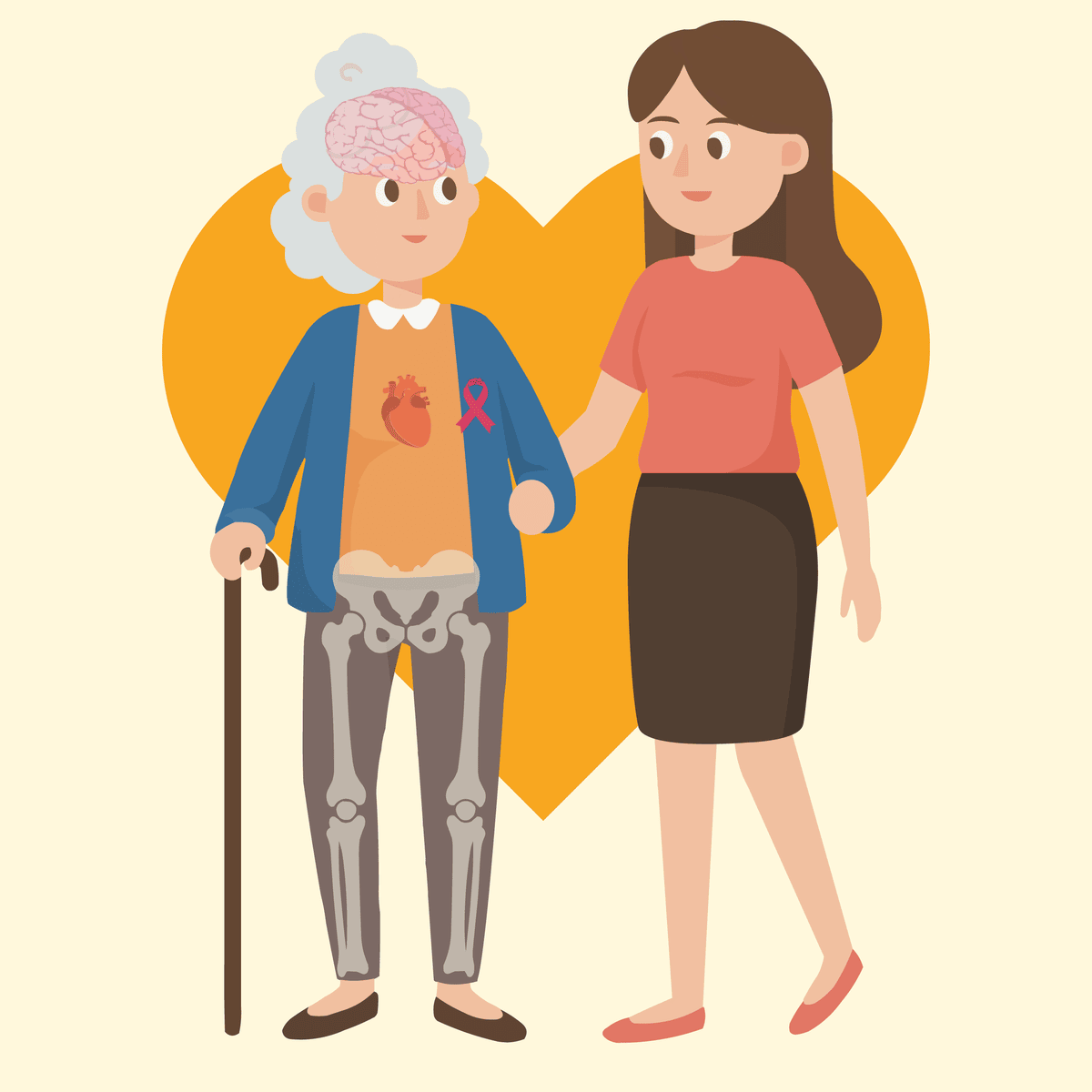
Confidently caring for patients with chronic conditions
This course is aimed at individuals interested in strengthening their skills in caring for family members with chronic conditions, whether or not they have a background in the health field. Through five modules, you will explore the caregiver’s role in high-prevalence situations such as cancer, neurodegenerative diseases, cardiometabolic conditions, mental disorders with cognitive impairment, and problematic use of psychoactive substances. You will develop skills to analyze the caregiving context, identify multidimensional needs, organize the role, make informed decisions, and solve common day-to-day problems. The learning pathway combines learning moments through practical and up-to-date resources such as core documents, videos, infographics, and interactive materials, along with spaces for collective reflection. This course is unique because it integrates person-centered care with caregiver well-being, offering practical tools to provide support with greater safety, empathy, and quality of life.
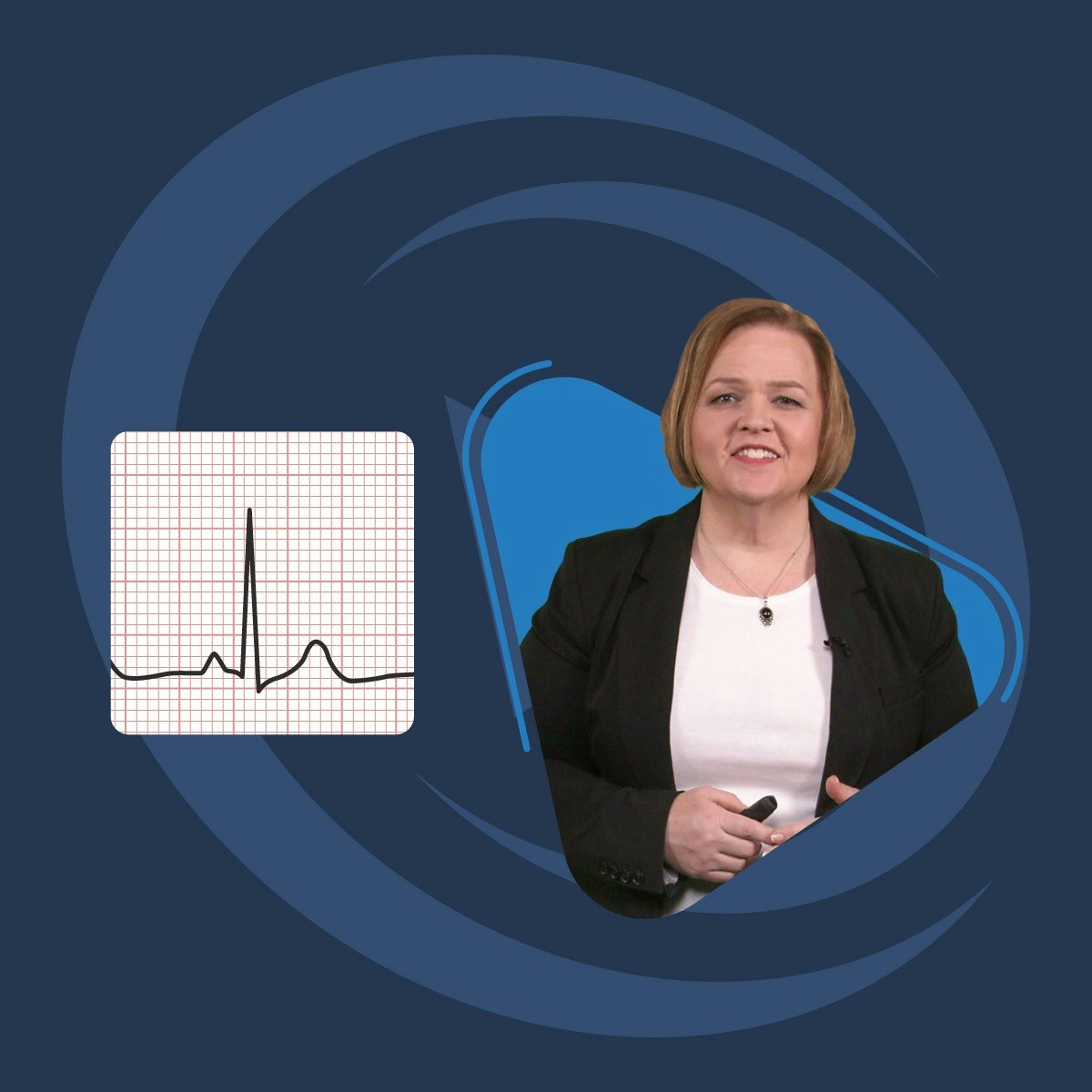
Electrocardiogram (ECG)
This course provides a comprehensive introduction to electrocardiography (ECG), focusing on the principles of ECG interpretation and the recognition of cardiac rhythm abnormalities. Learners will begin by exploring the fundamentals of ECG recording, including lead placement, waveform components, and measurement techniques. Core topics cover the cardiac conduction system, normal sinus rhythm, and common dysrhythmias such as atrial fibrillation, flutter, bradycardia, tachycardia, ventricular arrhythmias, and heart blocks. Through detailed explanations, ECG strip analysis, and guided examples, learners will develop the ability to identify normal and abnormal patterns, interpret rhythm disturbances, and understand their physiological basis. The course also introduces clinical considerations for recognizing life-threatening arrhythmias and appropriate initial responses in nursing contexts. Designed for clarity and practical application, this course builds confidence in reading and interpreting ECGs across healthcare settings.

Well Being & Self Care: for Physical and Mental Health
The feelings of being overwhelmed, stressed, and continually battling the amount of insufficient time for self-care are the reality in today’s world. Almost everyone knows what’s good for their well-being, yet we can’t find the time to put it into our daily routines. We know that exercising is good, that meditation pays dividends, and that sleeping enough is essential for us to functional optimally. Yet, this knowledge does not always translate to action. This course attempts to bridge that gap through the creation of habits, by suggesting well-being practices that are practical, impactful, and research backed. As we know, we can’t just meditate on our well-being; there are other factors at play as well. This course therefore touches upon deep rooted behaviors that come in the way of our well-being and provides practical, everyday strategies to manage them. Professionals seeking work-life balance and stress management techniques, young adults navigating transitions in life (college, career, relationships), parents juggling family responsibilities and personal well-being, individuals experiencing burnout or seeking to enhance their health, and anyone interested in developing healthier habits and enhancing their overall quality of life will find this course invaluable. Whether you're looking to refine existing self-care routines or establish new habits that support physical and mental well-being, this course provides practical strategies tailored to diverse life stages and challenges. Participants should have an interest in personal development and an openness to learning new concepts and strategies. A willingness to implement self-care practices is essential for effectively applying the course's teachings. This course is designed to guide individuals through the process of habit formation and behavior change, focusing on cultivating habits that contribute to overall well-being and resilience. After completing this course, learners will be able to recognize the significance of habits in shaping their lives, explain the process of habit formation using evidence-based strategies, and apply effective techniques for cultivating habits that promote well-being, such as exercise, meditation, and gratitude practices. Participants will also gain skills in identifying and addressing common behaviors that impact well-being, such as comparing oneself to others and difficulty in setting boundaries, thus fostering a holistic approach to personal health and happiness.
Air Pollution – a Global Threat to our Health
We all have to breathe to live. But the air we breathe is polluted both outdoors and indoors. Each year, this pollution costs 7 million lives across the globe – and a lot of suffering. 1 in 8 deaths is due to air pollution. This course will provide you with an introduction to the most recent research in the field of health effects of air pollution as well as a broader understanding of sources and spread of air pollution and what we should do about it. What is air pollution? What are the sources? How and where are we exposed outdoors and indoors? What happens in the body? Which diseases are the result? Who are the most vulnerable? How can we assess the effects of air pollution? And what should we do to reach the Sustainable Development Goal to “substantially reduce the number of deaths and illnesses from hazardous chemicals and air, water and soil pollution”? These are some of the important questions we will address in the course. During the course you will meet researchers and experts from the University of Copenhagen and the Technical University of Denmark. They work with different aspects of air pollution and health: toxicology, exposure assessment, epidemiology, engineering and health impact assessment. It is a global responsibility to combat the health impacts of air pollution, and this fight can only be won through new knowledge and global collaboration. We hope you will join us in the course and equip yourself to take part in this global and individual health challenge.

Big Data, Genes, and Medicine
This course distills for you expert knowledge and skills mastered by professionals in Health Big Data Science and Bioinformatics. You will learn exciting facts about the human body biology and chemistry, genetics, and medicine that will be intertwined with the science of Big Data and skills to harness the avalanche of data openly available at your fingertips and which we are just starting to make sense of. We’ll investigate the different steps required to master Big Data analytics on real datasets, including Next Generation Sequencing data, in a healthcare and biological context, from preparing data for analysis to completing the analysis, interpreting the results, visualizing them, and sharing the results. Needless to say, when you master these high-demand skills, you will be well positioned to apply for or move to positions in biomedical data analytics and bioinformatics. No matter what your skill levels are in biomedical or technical areas, you will gain highly valuable new or sharpened skills that will make you stand-out as a professional and want to dive even deeper in biomedical Big Data. It is my hope that this course will spark your interest in the vast possibilities offered by publicly available Big Data to better understand, prevent, and treat diseases.
The Data Science of Health Informatics
Health data are notable for how many types there are, how complex they are, and how serious it is to get them straight. These data are used for treatment of the patient from whom they derive, but also for other uses. Examples of such secondary use of health data include population health (e.g., who requires more attention), research (e.g., which drug is more effective in practice), quality (e.g., is the institution meeting benchmarks), and translational research (e.g., are new technologies being applied appropriately). By the end of this course, students will recognize the different types of health and healthcare data, will articulate a coherent and complete question, will interpret queries designed for secondary use of EHR data, and will interpret the results of those queries.
Développement psychologique de l'enfant
Comment se développent les enfants? Quelles sont leurs compétences perceptives, affectives et sociales ? Quels sont leurs besoins ? Telles sont les questions auxquelles répond ce MOOC. Nous vous apporterons des informations claires, validées scientifiquement et accessibles, que vous soyez parents, grands-parents, étudiants, professionnels de la petite enfance ou tout simplement désireux de mieux comprendre le développement des enfants. Vous allez découvrir que l’enfant, dès sa naissance, est déjà une personne avec de nombreuses capacités et connaissances, générales ou spécifiques, qui apprend d’une manière constante, rapide et efficace. Nous explorerons ensemble les compétences précoces des enfants étudiées en psychologie. Nous parcourrons notamment le développement de la sécurité affective, du contrôle de soi, des émotions, du jeu et de la créativité. Nous aborderons également la conscience de soi des jeunes enfants, ainsi que le développement de l’empathie, du sens moral et de l’équité. Pour finir, nous nous pencherons sur la question de la parentalité, car comme le disait Winnicott "un enfant seul ça n'existe pas". N'attendez plus, rejoignez ce MOOC pour partir à la découverte du monde incroyable du développement psychologique du jeune enfant.
Easing the burden of obesity, diabetes and cardiovascular disease
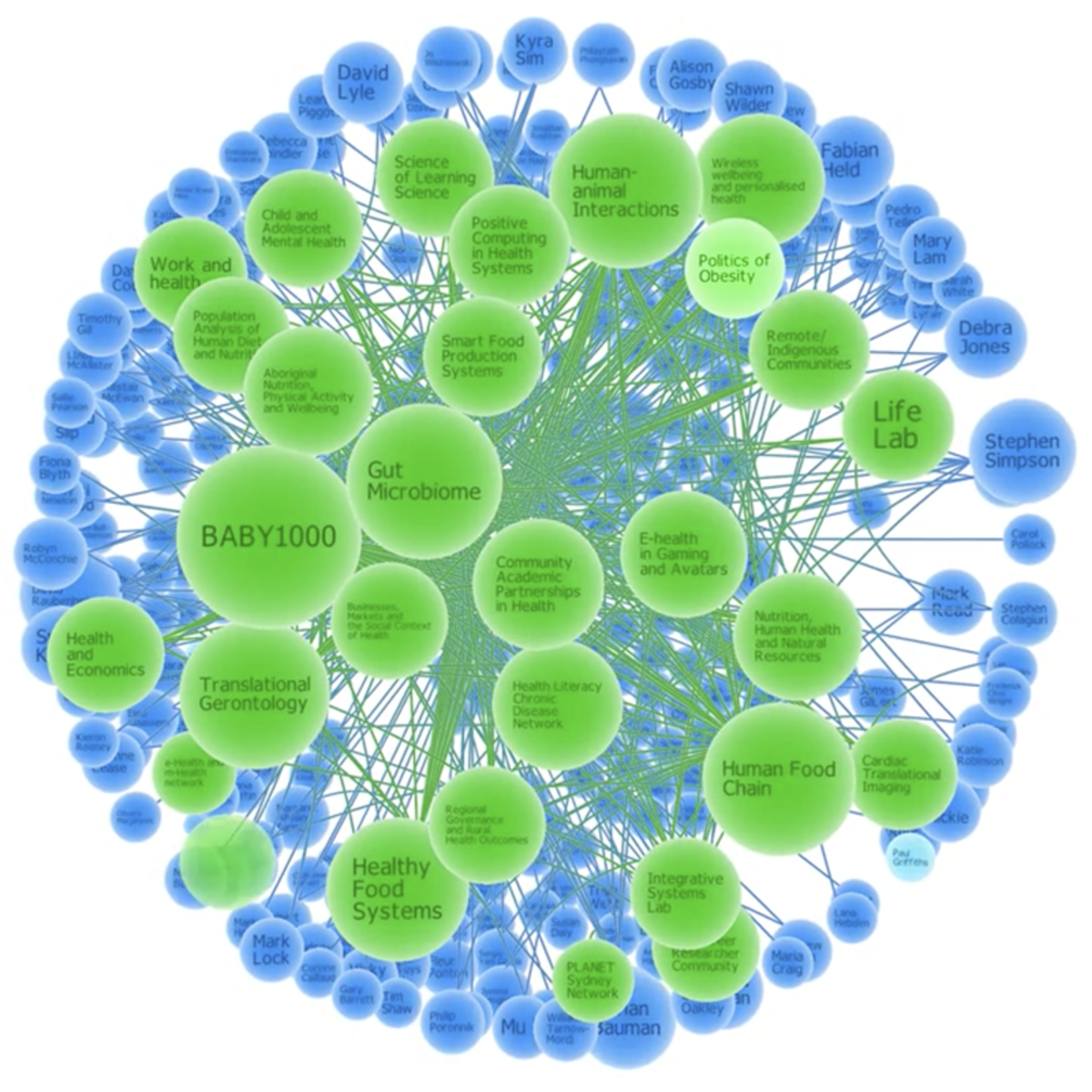
Last date for individual learners to enrol in the course: 29 July 2026. This course is multidisciplinary in nature, and aims to equip the global audience of interested lay people, people with chronic disease, public health researchers, health clinicians, students, administrators, and researchers to reflect on the overall impact of the burden of chronic disease . It shows how all chronic diseases (obesity, diabetes, cardiovascular disease, chronic obstructive pulmonary disease, and cancer) are related by a set of common causes, and that such diseases should be tackled, not individually, but as part of a complex system, with interrelated contributing factors. These factors are genetic, environmental, psychological, economic, social, developmental, and media related. The Charles Perkins Centre at the University of Sydney is a unique interdisciplinary education and research hub which seeks solutions to chronic disease through a complex systems approach. Academics in many disciplines (in Science and Medicine, but also in Architecture, Humanities, Law etc) work in a collaborative fashion to produce novel solutions to the problems of chronic disease. All contributors and participants in this course are members of the Charles Perkins Centre and will speak from the unique interdisciplinary perspective that this Centre affords. The course will describe a complex systems approach as the most productive way to ease the burden of chronic disease. It then describes these diseases in detail, their risk factors, and the environmental and biological factors that have led to the current epidemic of obesity, diabetes and cardiovascular disease. Finally, the solutions – and more importantly the process for finding solutions- is the subject of the last module. No one approach by itself can ever be the answer, and certainly not a simple diet and exercise approach. The entire course consists of 5 content modules, plus an extra module for completing assignments and discussions, and takes about 6 weeks to complete. Completion certificates are issued on the basis of participation in all 6 modules. What you'll learn: - How the Charles Perkins Centre recruits interdisciplinary teams to ease the burden of chronic disease - How a complex systems approach is necessary to provide solutions to a complex problem - The fundamentals of chronic disease research and where it is heading - The biggest risk factors for chronic disease and their global incidence - The biological, genetic, social, regulatory, and other influences that have inflated these risk factors - How to provide solutions globally for the reduction of chronic disease

Introduction to Healthcare Finance
Introduction to Healthcare Finance equips healthcare leaders with fundamental finance tools and concepts necessary for effective collaboration with experts and managing organizations. In this course, you’ll explore healthcare pricing, investment valuation, and pharmaceutical research and development costing. You will consider the motivation, consequences, and valuation techniques essential to helping you make strategic decisions and engage in effective bargaining in healthcare mergers and acquisitions. Get an inside look at the variations and complexities of healthcare pricing, trade-offs between financial risk and performance incentives, and the bargaining processes vital to pricing strategies and organizational viability. Financial valuation techniques, such as net present value and internal rate of return, are explored alongside financial risk considerations and opportunity costs.
Cardiovascular Disorders: Medical-Surgical Nursing
This course focuses on the pathophysiology, assessment, and management of common cardiovascular disorders within the context of medical-surgical nursing practice. Learners will explore diseases such as coronary artery disease, heart failure, valvular disorders, hypertension, and arrhythmias. Emphasis is placed on understanding underlying mechanisms, interpreting clinical signs, and applying evidence-based nursing interventions to promote cardiovascular health and recovery. The course integrates anatomy, physiology, and clinical reasoning to help learners connect theory to bedside practice. Through case-based learning, diagnostic interpretation, and care planning exercises, students will gain the knowledge and confidence to recognize cardiovascular emergencies and support patient outcomes in diverse clinical settings.

Understanding Food Labels and Portion Sizes
All of us have struggled to decipher the long list of ingredients and recommendations on our food labels. This course provides a deeper understanding of labeling standards and methods for estimating food portions essential for informed decision-making and healthy eating behaviors. You will learn the foundations of reading food labels (including supplement facts labels) as well as common obstacles faced when portioning food. With over 30 years as a leader in fitness and wellness education, the National Academy of Sports Medicine (NASM) has built its reputation on providing an evidence-based curriculum that is both relevant and applicable for those seeking the skills and knowledge required to promote optimal health.

Anatomy of the Chest, Neck, Abdomen, and Pelvis
WARNING: THESE VIDEOS CONTAIN IMAGES OF HUMAN DISSECTION. MAY BE DISTURBING TO SOME. Human structure is important to all of us as it has been for millennia. Artists, teachers, health care providers, scientists and most children try to understand the human form from stick figure drawings to electron microscopy. Learning the form of people is of great interest to us – physicians, nurses, physician assistants, emergency medical services personnel and many, many others. Learning anatomy classically involved dissection of the deceased whether directly in the laboratory or from texts, drawings, photographs or videos. There are many wonderful resources for the study of anatomy. Developing an understanding of the human form requires significant work and a wide range of resources. In this course, we have attempted to present succinct videos of human anatomy. Some will find these images to be disturbing and these images carry a need to respect the individual who decided to donate their remains to benefit our teaching and learning. All of the dissections depicted in the following videos are from individuals who gave their remains to be used in the advancement of medical education and research after death to the Yale School of Medicine. The sequence of videos is divided into classic anatomic sections. Each video has a set of learning objectives and a brief quiz at the end. Following each section there is another quiz covering the entire section in order for you to test your knowledge. We hope these videos will help you better understand the human form, make time that you may have in the laboratory more worthwhile if you have that opportunity and help you develop an appreciation of the wonderful intricacies of people. ANATOMY OF THE CHEST, NECK, ABDOMEN, AND PELVIS WAS PRODUCED IN PART DUE TO THE GENEROUS FUNDING OF THE DAVID F. SWENSEN FUND FOR INNOVATION IN TEACHING. This work was supported in part by the Kaplow Family Fund, Yale School of Medicine. COURSE CURRICULUM: ANATOMY OF THE THORAX, HEART, ABDOMEN AND PELVIS RECOMMENDED TEXT GRAY’S ANATOMY FOR STUDENTS, RICHARD L DRAKE, ELSEVIER. ONLINE AND PRINT EDITIONS ADDITIONAL RESOURCE ATLAS OF HUMAN ANATOMY, FRANK H NETTER, ELSEVIER. ONLINE AND PRINT EDITIONS. We would like to thank all of those who have contributed to the creation of this course: Charles C Duncan, MD, Producer & Director, Professor of Neurosurgery, Pediatrics and Surgery (Anatomy), Yale School of Medicine William B Stewart, PhD, Associate Producer, Narration, Anatomist, Chief Section of Human Anatomy, Department of Surgery, Yale School of Medicine Shanta E Kapadia, MBBS, Anatomist, Lecturer in Anatomy, Section of Human Anatomy, Department of Surgery, Yale School of Medicine Linda Honan, PhD, Professor, Yale School of Nursing Harry R Aslanian, MD, Associate Professor, Department of Medicine (Gastroenterology) Yale School of Medicine Jonathan Puchalski, MD, Associate Professor of Internal Medicine (Pulmonary), Yale School of Medicine Michael K. O’Brien, MD, PhD, Assistant Clinical Professor of Surgery, Yale School of Medicine Mahan Mathur, MD, Assistant Professor of Radiology and Bio-Medical Imaging, Yale School of Medicine Lei Wang, MLS & Kelly Perry, Technical, Yale Medical Library Anna Nasonova, Artist, Yale School of Architecture Rachel Hill, Artist and Technical, Yale College Philip Lapre, Technical, Section of Anatomy, Department of Surgery, Yale School of Medicine

Telehealth: Musculoskeletal Assessment
What role do virtual musculoskeletal assessments play in patient care? What are the benefits of virtual assessments, and what virtual findings should prompt an in-person evaluation? In this short course, we’ll discuss when it is appropriate to conduct a virtual musculoskeletal assessment as well as tips and tricks to make these visits beneficial to both you and your patients. We’ll build on the clinical knowledge you already possess and give helpful ways to modify your in-person exam skills to have clinical value in the context of a telehealth visit. This course will begin by discussing a general musculoskeletal functional assessment before diving deeper into both upper and lower extremity joint assessment. We’ll discuss how you can properly coach patients to perform the proper maneuvers for joint assessment. No matter if you’re experienced in the field or a healthcare student interested in musculoskeletal assessment, this course introduces you to virtual physical assessments. By taking this course, you can contribute to broadening access to musculoskeletal healthcare. No previous telehealth or specific technology experience is required, though familiarity with physical assessments is assumed.
أساسيات تكنولوجيا صناعة الأسنان
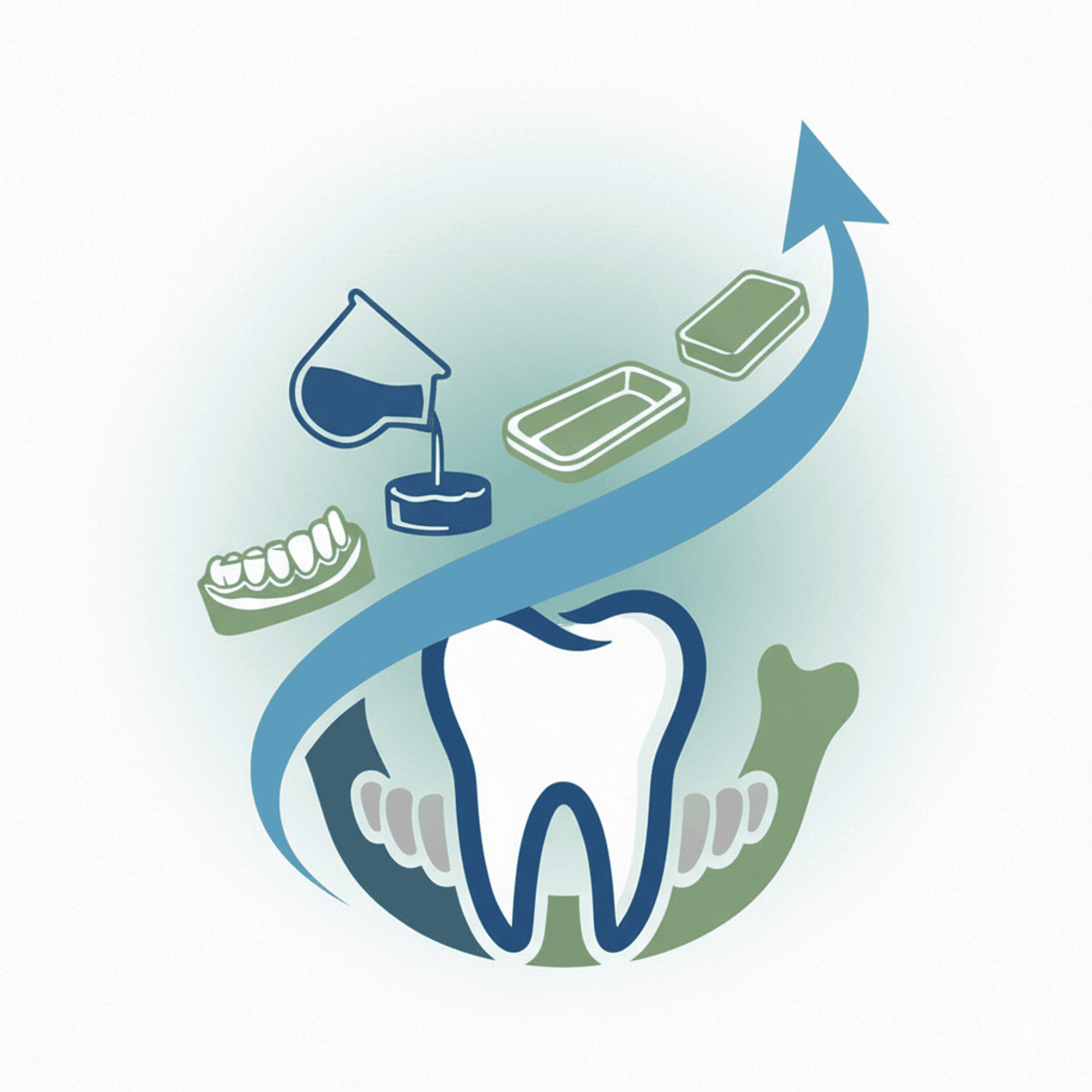
يهدف هذا المساق إلى تعريف المتعلم المبتدئ بالمعلومات العامة والأساسية حول أحد أهم الجوانب التطبيقية في طب الأسنان، وهو أساسيات تكنولوجيا صناعة الأسنان. يُعد فني الأسنان جزءًا أساسيًا من الفريق الطبي، حيث يقوم بتصميم وتصنيع التعويضات السنية التي تعيد للمرضى وظيفة الفم الجمالية والوظيفية بعد فقدان الأسنان أو تلفها. يتناول هذا المساق المبادئ الأساسية لتقنيات تصنيع الأسنان، بدءًا من التعرف على الأدوات و المواد المستخدمة وخصائصها بالاضافه الى التطبيق العملي لصبّ الطبعات والنماذج السنية، وصولًا إلى مراحل تصنيع التركيبات المختلفة مثل التيجان والجسور والأطقم الكاملة والجزئية. كما يهدف هذا المساق إلى توضيح العلاقة بين الدقة في العمل المخبري وجودة التعويض السني النهائي، إضافةً إلى إكساب الطلبة فهمًا عامًا للتكامل بين الجانب العملي والتقني من جهة، والجانب السريري من جهة أخرى.

Decoding Nutrition Labels
On their surface, food labels might seem simple. However, when digging deeper into the history of when, why, and how they came about, and how they have evolved into their current form, you learn a lot about how our food system actually works.

Fighting Misinformation in Public Health
This introductory course examines the foundations of health misinformation and disinformation and how they affect public health. Learners explore the distinction between public and individual health, key drivers of misinformation, and common psychological influences such as confirmation bias and the illusory truth effect. The course introduces core concepts, red flags, and scientific literacy fundamentals, including peer review, retractions, and how vaccines work, to help learners build a strong public health literacy toolkit. This course is part of the "Fighting Misinformation in Public Health" certificate program offered by the University of Alberta Continuing Education. For more information, visit this page: https://coned.ualberta.ca/public/category/courseCategoryCertificateProfile.do?method=load&certificateId=22473053
Introduction to Systems Biology
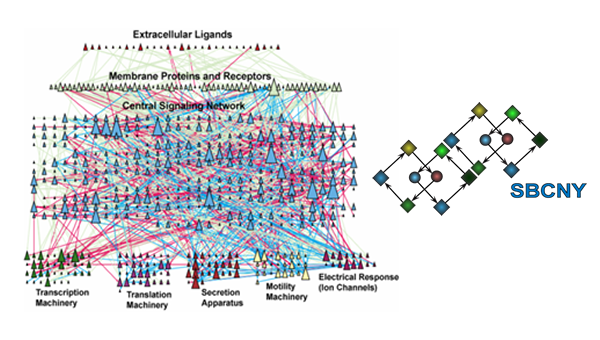
This course will introduce the student to contemporary Systems Biology focused on mammalian cells, their constituents and their functions. Biology is moving from molecular to modular. As our knowledge of our genome and gene expression deepens and we develop lists of molecules (proteins, lipids, ions) involved in cellular processes, we need to understand how these molecules interact with each other to form modules that act as discrete functional systems. These systems underlie core subcellular processes such as signal transduction, transcription, motility and electrical excitability. In turn these processes come together to exhibit cellular behaviors such as secretion, proliferation and action potentials. What are the properties of such subcellular and cellular systems? What are the mechanisms by which emergent behaviors of systems arise? What types of experiments inform systems-level thinking? Why do we need computation and simulations to understand these systems? The course will develop multiple lines of reasoning to answer the questions listed above. Two major reasoning threads are: the design, execution and interpretation of multivariable experiments that produce large data sets; quantitative reasoning, models and simulations. Examples will be discussed to demonstrate “how” cell- level functions arise and “why” mechanistic knowledge allows us to predict cellular behaviors leading to disease states and drug responses.
ÉCHELLE RACE: Dépistage préhospitalier de l’AVC impliquant une occlusion de gros vaisseaux cérébraux
L'AVC est une urgence médicale qui dépend du temps. Dans l'AVC ischémique, le type d'AVC le plus courant, le premier objectif est de rétablir la circulation cérébrale par un traitement thrombolytique avec rTPA intraveineux et, s'il n'est pas efficace ou s'il existe des contre-indications médicales, par traitement endovasculaire. Dans l'AVC hémorragique, il existe également des traitements spécifiques qui peuvent améliorer son pronostic. L'avantage de toutes les thérapies disponibles dans l'AVC aigu est d'autant plus grand que le traitement est commencé tôt. C'est pourquoi l'organisation de systèmes Code Ictus coordonnés entre les systèmes d'urgence médicale et les hôpitaux est cruciale pour obtenir le meilleur traitement possible des patients victimes d'un AVC aigu de manière rapide. De plus, les échelles d'évaluation neurologique facilitent la reconnaissance de l'AVC aux niveaux hospitalier et préhospitalier et fournissent de précieux renseignements sur la gravité de l'AVC. En ce sens, l'échelle RACE est une échelle préhospitalière validée comme outil d'identification des patients ayant subi l'AVC le plus grave, dont on soupçonne une occlusion vasculaire, candidats à un traitement endovasculaire. Le profil de ce cours s'adresse à tous les professionnels de la santé travaillant dans le domaine de l'urgence
Telemedicine: Evaluate, Guide, and Train
In the rapidly evolving world of virtual healthcare, clinical skills are only half the story. Telemedicine: Evaluate, Guide, and Train is a foundational course for healthcare professionals ready to master the art of virtual patient care. This course moves beyond basic platform competency to teach you how to systematically evaluate and improve the quality of telemedicine interactions using objective data and proven communication frameworks. You will learn to conduct virtual audits, analyze patient engagement metrics, and interpret automated feedback to identify concrete areas for improvement. Through hands-on activities, you will not only assess performance but also design the tools necessary for excellence, such as standardized communication guidelines and effective training materials. Featuring expert-led video demonstrations, AI-powered coaching dialogues, and a capstone project where you build a complete Telemedicine Excellence Toolkit, this course equips you with the skills to enhance patient rapport, ensure consistent quality of care, and lead the development of high-performing telehealth teams.
AI & Digital Transformation in Clinical Practice
Artificial intelligence in healthcare is transforming clinical practice, but successful adoption requires more than understanding the technology. It demands the ability to evaluate AI tools, integrate them into clinical workflows, and use them responsibly to improve patient care. This course equips healthcare professionals with practical, non-technical knowledge to apply AI in clinical practice across diagnostics, patient monitoring, clinical operations, and digital transformation initiatives. Learners will explore how AI supports, rather than replaces, clinical judgment while improving efficiency, reducing administrative burden, and enabling data-driven decision-making. What makes this course unique is its strong focus on real-world clinical application instead of AI development or programming. Through case studies, workflow redesign exercises, hands-on activities, role plays, and a capstone project, learners will develop the confidence to assess AI in clinical settings, manage organizational change, and address ethical, regulatory, and governance considerations. By the end of the course, learners will be prepared to identify high-impact AI opportunities, lead responsible digital transformation initiatives, and implement AI solutions that enhance patient outcomes while maintaining safety, transparency, and clinician accountability.
AI in Healthcare & Drug Discovery
AI is transforming how healthcare, pharmaceutical research, and drug discovery teams work, from early-stage research to clinical decision-making. The AI in Healthcare & Drug Discovery Certification is a beginner-friendly, hands-on program designed for professionals in pharma, biotech, clinical research, healthcare analytics, and medical innovation. Learn how AI supports drug discovery, clinical trials, biomedical analysis, and evidence-based decisions without coding experience. The course covers practical AI applications across the drug development lifecycle, including target identification, molecule screening, biomarker evaluation, trial planning, clinical data analysis, and research automation. Through guided exercises and real-world scenarios, you’ll learn how to use machine learning, generative AI, predictive analytics, and automation to review scientific information faster, analyze data more efficiently, and support safer, smarter research outcomes. By the end of the course, you’ll confidently apply AI tools to improve productivity, research quality, and decision-making across healthcare and drug development workflows. Enroll now to gain practical AI skills for healthcare research and innovation.

Boost Your Well-being with PERMA Experiments
Ready to move beyond generic self-help advice that doesn't fit YOUR life? This course gives YOU the tools to assess and improve YOUR personal well-being through science and AI. You'll learn to apply the PERMA well-being framework—Positive Emotion, Engagement, Relationships, Meaning, and Accomplishment—to assess YOUR own strengths and gaps, and discover why 'Three Good Things' actually works psychologically. You'll use ChatGPT to conduct YOUR PERMA self-assessment and generate gratitude prompts tailored to YOUR specific life. Most importantly, you'll conduct YOUR own 7-day experiment using Google Sheets to track entries and ChatGPT to analyze patterns. Through realistic role plays where you apply PERMA to real situations, explain these concepts to skeptical friends, and coach dialogues where you navigate personalization challenges, you'll practice applying positive psychology in contexts that matter to YOU. Designed for anyone interested in improving their personal well-being. No psychology or AI background required.
Genetic Epidemiology Foundations
This course is presented by the University of Colorado Denver in collaboration with the Vanderbilt Genetics Institute at Vanderbilt University Medical Center and the International Genetic Epidemiology Society. It is designed to provide students with the background and knowledge foundations necessary to conduct statistical analysis of genetic association study data. This course includes multiple lectures and evaluations on each of the topics: the history of genetics research presented by Dr. Nancy Cox, foundational concepts in population genetics presented by Dr. Bruce Weir, population structure in genetic association studies presented by Dr. Todd Edwards, quality control in genetic studies presented by Dr. Goncalo Abecasis, analysis of population-based case-control association studies presented by Dr. Celia Greenwood, and analysis of family-based studies presented by Dr. Joan Bailey-Wilson. Examples of concepts and reference literature are also provided in this 6-module course.
Analyze Rosters: Clinic Scheduling Issues
Did you know that scheduling errors account for nearly 25% of patient no-shows and missed appointments in clinics? Effective roster analysis can help identify these problems before they disrupt operations or impact patient satisfaction. This Short Course was created to help healthcare administration professionals enhance their scheduling management capabilities to ensure operational efficiency and positive patient experiences in medical office environments. By completing this course, you will be able to analyze appointment rosters to detect scheduling conflicts, administrative gaps, and workflow inefficiencies, allowing you to take proactive steps that keep clinic operations running smoothly and patient satisfaction high. By the end of this 2-hour long course, you will be able to: Analyze appointment rosters to identify and flag potential scheduling conflicts and administrative issues. This course is unique because it focuses on real-world scheduling challenges and data-driven roster analysis, giving you the skills to transform appointment lists into actionable insights that improve clinic efficiency and reduce patient wait times. To be successful in this project, you should have: Basic medical office procedures knowledge Understanding of appointment scheduling concepts Familiarity with healthcare administrative terminology Computer navigation skills
Topics of Medical Spanish III: Dentistry and Oral Health
Este curso te introduce al vocabulario clave, gramática avanzada y habilidades comunicativas necesarias para diagnósticos dentales y tratamientos orales. Practica con situaciones reales y mejora tu capacidad de interacción en contextos médicos. This course offers an introduction to essential vocabulary, advanced grammar, and communication skills for dental diagnoses and oral treatments. Engage in real-world scenarios to strengthen your ability to interact confidently in medical settings.
#talkmentalillness
I am a professor and mental health researcher and educator, and I’ve been working in the field for over 15 years. Like so many of my colleagues, however, I was unprepared for the wave of mental health challenges that would face our society in 2020. From COVID-19 and the devastating economic impacts of the pandemic to racial justice protests, widespread natural disasters, our current cultural moment presents unprecedented mental health concerns, and particularly for marginalized communities. For this reason, I led a field-wide call to action for mental health research and treatment that resulted in this #TalkMentalIllness course. I had the opportunity to speak to over 30 experts from different domains in psychology research, practice, and popular public figures and to discuss the causes and cutting-edge treatments for many serious disorders, the stigma surrounding mental illness in our culture, systemic inequality in mental health treatment, and the mental health challenges of today. #talkmentalillness curates the interviews from the Mental Health Experts series into an accessible learning experience that will help you have conversations about mental health. Talking about mental illness is both the content and desired outcome of this course, as you will use what you learn from my interviews with mental health experts to guide your own discussions about mental health challenges and treatments with family members, friends, colleagues, and other people in your life. The course will begin by presenting a core set of definitions for mental illness and analyzing the stigma associated with it. We will then apply these topics to specific psychological disorders, including anxiety and mood disorders, eating disorders, suicide, substance use, and psychosis. We will then consider how these issues disproportionately impact marginalized groups and communities of color. The course will conclude by considering innovative approaches to psychological treatments and how the pursuit and science of happiness inform mental health and wellness. This course is part of a broader educational mission to share the science of mental illness with both students and the public, both locally and globally. I have designed and created it in collaboration with the Office for Academic Innovation and Libraries’ Media Services Team at the University of Colorado Boulder. - June Gruber

Materials in Oral Health
The drive for development of new and novel oral biomaterials has never been more important with many people using oral biomaterials today and seeing their benefits in restoring and improving their oral health for a more enjoyable lifestyle. The unique properties of biomaterials such as titanium (Ti), zirconia (ZrO2) and various polymeric materials have made them materials of choice in oral health: dental implants, oral and maxillofacial surgery, and even regenerative medicine. Oral biomaterials research today is an exciting and intensive multidisciplinary area that encompasses contributions from a wide range of fields from professional dentistry to biology, chemistry, physics, material science, and engineering. Materials in Oral Health is a FREE 4-week course open to all interested learners. In the course, you will learn about the special properties and benefits of biomaterials including, titanium and titanium alloys, zirconia and other alloys, ceramics, and modern composites. You will gain insights of the practical use of these biomaterials in different aspects of dentistry and clinical implications. You will realize how contemporary dentistry is about unifying synthetic materials to living tooth and bone tissues. You will get in touch with the crucial roles of digital dentistry and learn about CAD/CAM technology in crown fabrication, 3D printing and digital orthodontics. And lastly, you will be introduced to procedures and testing methods used to test significant mechanical properties of biomaterials in the research laboratory. We cordially invite those of you who wish to make a difference in tomorrow’s dental materials and oral health development to join us in the 4-week journey in Materials in Oral Health. You can get recognition for completion of the course by obtaining a Course Certificate. You can refer to details on: https://learner.coursera.help/hc/en-us/articles/208280196

Achieving Longevity through Movement
Please note: This course content was originally presented at the ACE Health and Fitness Summit: Achieving Longevity through Movement, a live, virtual event. Gain the tools to transform both your practice and your clients' lives. In today’s fast-paced, technology-driven world, achieving lasting health and wellness is more critical than ever. This course offers innovative, practical solutions to help individuals embrace sustainable health habits. From holistic yoga to advanced recovery techniques, you'll gain the skills needed to enhance your own practice and make a lasting impact on your clients' lives. Whether you're a fitness professional, enthusiast, or passionate about wellness, this course is designed for you. Explore the latest trends and techniques through five dynamic sessions led by top industry experts, and elevate your approach to wellness and longevity.
Psychology of Personality
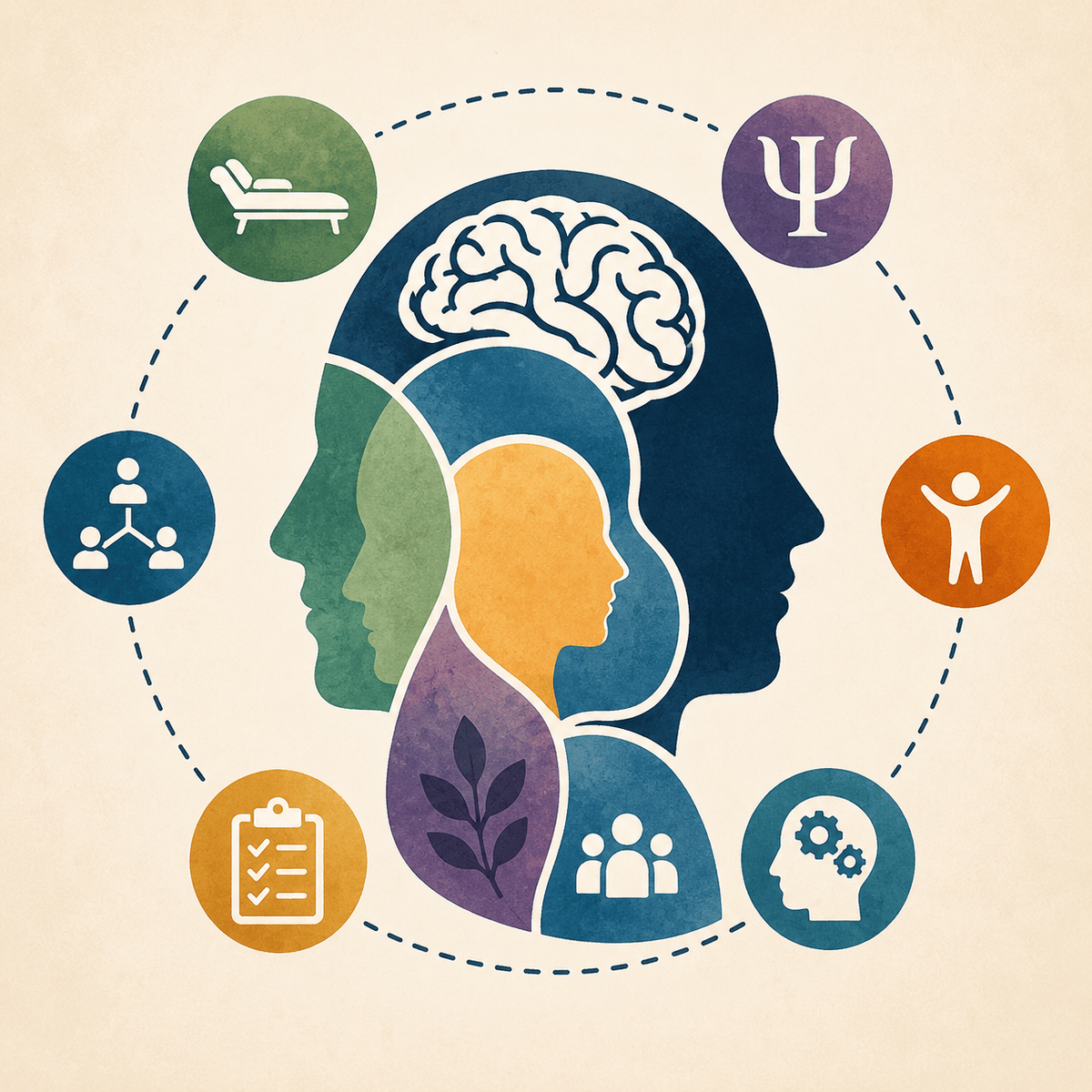
Discover how personality shapes the way we think, feel, behave, and interact with the world in this comprehensive Personality Psychology course. Designed for undergraduate students, psychology enthusiasts, educators, counselors, and lifelong learners, this course explores the major theories of personality, personality development, individual differences, and the scientific foundations of human behavior. Through engaging lectures, real-world examples, assessments, and discussions, you'll examine the most influential perspectives in psychology, including Sigmund Freud's Psychoanalytic Theory, Carl Jung's Analytic Psychology, Alfred Adler's Individual Psychology, Karen Horney's Social Theory, Erik Erikson's Psychosocial Theory, Gordon Allport's Trait Theory, Raymond Cattell and Hans Eysenck's Trait Models, Abraham Maslow's Hierarchy of Needs, Carl Rogers' Person-Centered Theory, B.F. Skinner's Operant Conditioning, Albert Bandura's Social Cognitive Theory, and George Kelly's Personal Construct Theory. You'll also learn about personality assessment methods, motivation, identity, self-concept, observational learning, behavior modification, and cognitive approaches to personality. By the end of this course, you'll be able to explain how personality develops across the lifespan, compare major theories of personality, critically evaluate their strengths and limitations, and apply psychological concepts to understand everyday behavior, mental health, education, workplaces, and interpersonal relationships. Whether you're preparing for advanced studies in psychology or seeking practical insights into human behavior, this course provides a strong scientific foundation grounded in contemporary psychological research and real-world applications.

Prenatal Development and Infancy
Learn what shapes a child’s earliest development by exploring the critical period from conception through the first two years of life. This course examines the stages of prenatal growth, the impact of genetics and environmental factors, and the key physical, cognitive, and social-emotional milestones that define infancy and toddlerhood. By the end of this course, you will be able to analyze how a child's health, learning, and emotional bonds are established during this foundational period.
General Biology
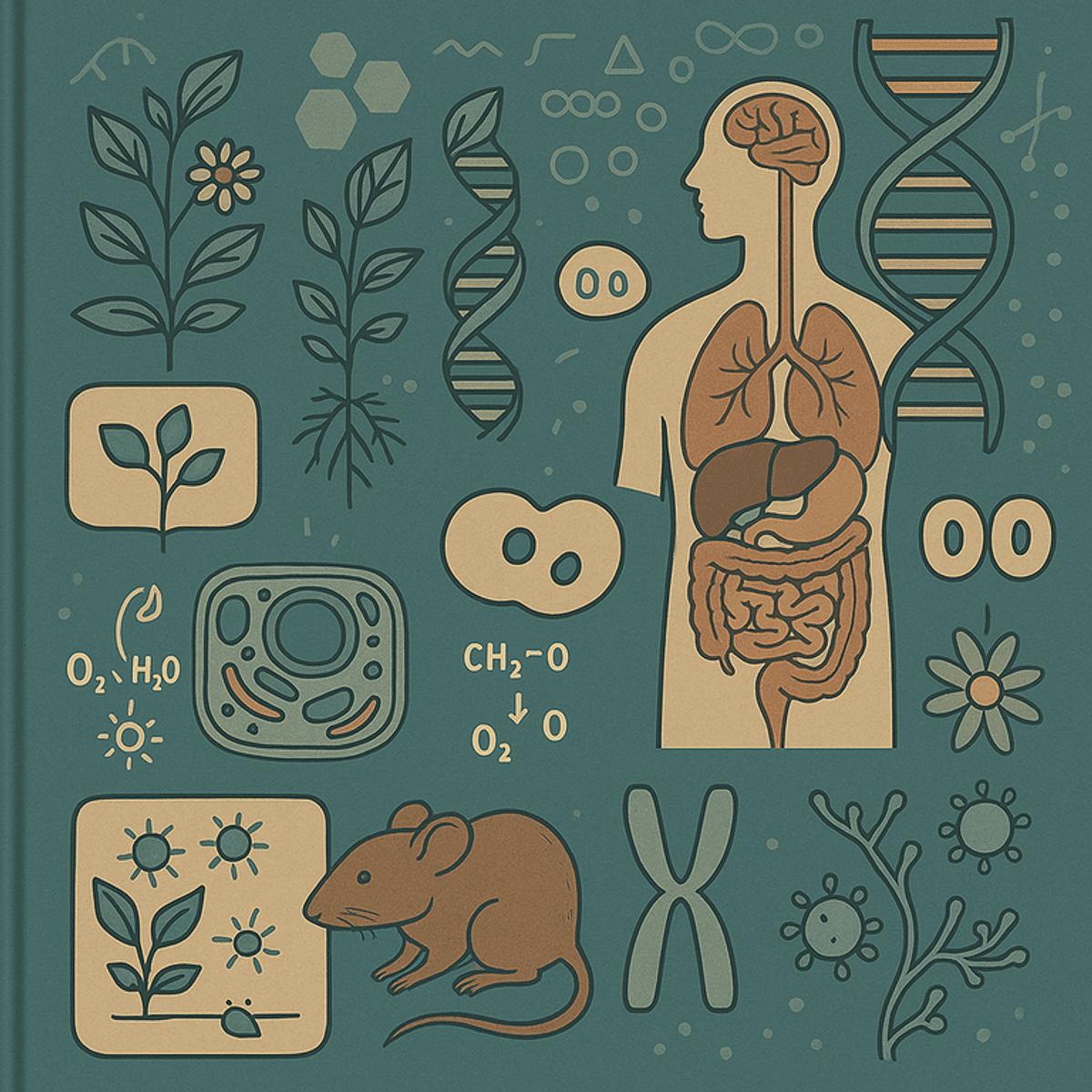
Build a strong foundation in biological sciences—from molecular mechanisms to complex physiological systems. This course covers essential concepts in cell biology, genetics, and human anatomy, providing practical frameworks to explore life processes through scientific inquiry and experimentation. Learn to apply the scientific method, understand cellular structures and energy transformations, and master genetic principles from Mendelian inheritance to epigenetics. Explore biotechnology applications such as recombinant DNA, genetic engineering, and cloning that drive modern medicine and research. Study human systems—circulatory, respiratory, digestive, nervous, endocrine, immune, and reproductive—to see how they maintain homeostasis and adapt to change. Gain expertise in cell division, cancer biology, and immune defenses. Whether you aim for a career in medicine, health sciences, biotechnology, or research, this course equips you with the biological knowledge and analytical skills needed to understand and solve challenges at molecular, cellular, and organismal levels.