Cursos de Ciencia y matemáticas
Los mismos datos para todos, vengan de Udemy o de Coursera: precio, valoración, duración e idioma. 238 cursos encontrados. Afinar la búsqueda
New Fermentation Markets and How They Scale
Discover how fermentation is transforming industries and driving a sustainable future. This course begins by exploring the evolution of fermentation—from ancient food traditions to modern precision techniques—and why it matters today. You’ll dive into the science behind fermentation, including microbes, synthetic biology, and feedstocks, before examining the innovative products shaping global markets in food, beauty, and industrial materials. Finally, you’ll tackle one of the biggest challenges: scaling fermentation from lab to commercial production. This course is part of the College of ACES suite of online programs and is supported by the Integrated Bioprocessing Research Lab (IBRL), a pilot plant facility focused on bioprocessing technologies located at the University of Illinois in Urbana-Champaign. The IBRL was built with the needs of industry projects and customers in mind, supporting over 1,000 scale-up projects for our clients since opening in 2018. Learn more about online programs from the College of ACES: https://acesonline.illinois.edu Learn more about IBRL: https://ibrl.aces.illinois.edu
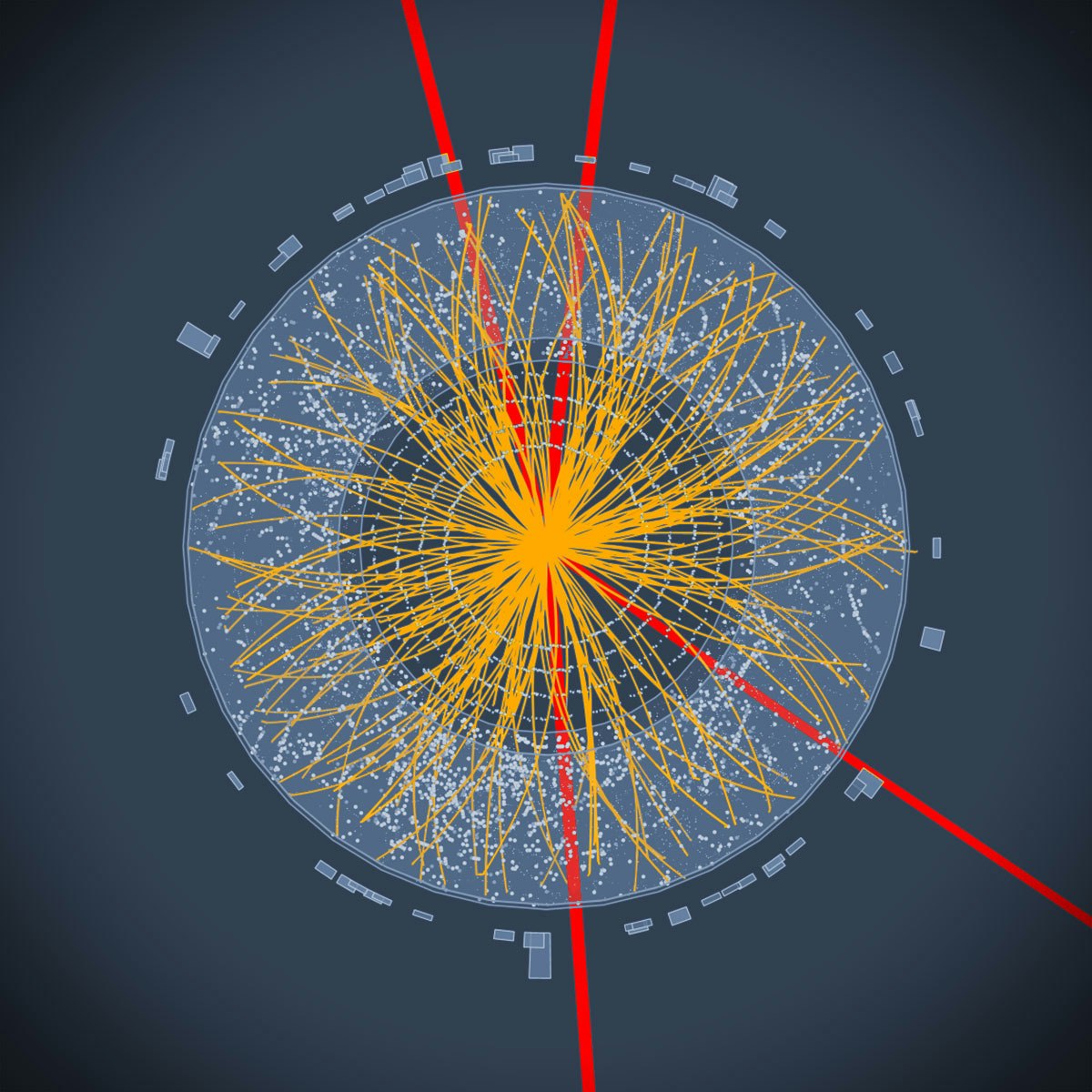
Physique des particules - une introduction
Ce cours vous introduit à la physique subatomique, c'est à dire à la physique du noyau et à celle des particules élémentaires. Plus spécifiquement les questions adressées sont les suivantes : - Quels sont les concepts de la physique des particules et comment sont-ils implémentés? - Quelles sont les propriétés du noyau atomique et comment peut on les utiliser? - Comment accélérer et détecter des particules et mesurer leurs propriétés? - Qu’est-ce qu’on apprend à partir des réactions de particules à haute énergie et leurs désintégrations? - Comment fonctionnent les interactions électromagnétiques et comment peut-on les mettre à contribution? - Comment fonctionnent les interactions fortes et pourquoi sont-elles difficiles à comprendre? - Comment fonctionnent les interactions faibles et pourquoi sont-elles spéciales? - Quelle est la masse des objets au niveau subatomique, et comment y intervient le Higgs? - Que peut-on apprendre de la physique des particules concernant l’astrophysique et l’Univers tout entier? Le cours est structuré en sept modules. Suivant le premier module qui introduit notre sujet, les modules 2 (Physique nucléaire) et 3 (Accélérateurs et détecteurs) dépendent peu du reste du cours et peuvent être étudiés séparément. Les modules 4 à 7 approfondissent les notions de la matière et des forces élémentaires.
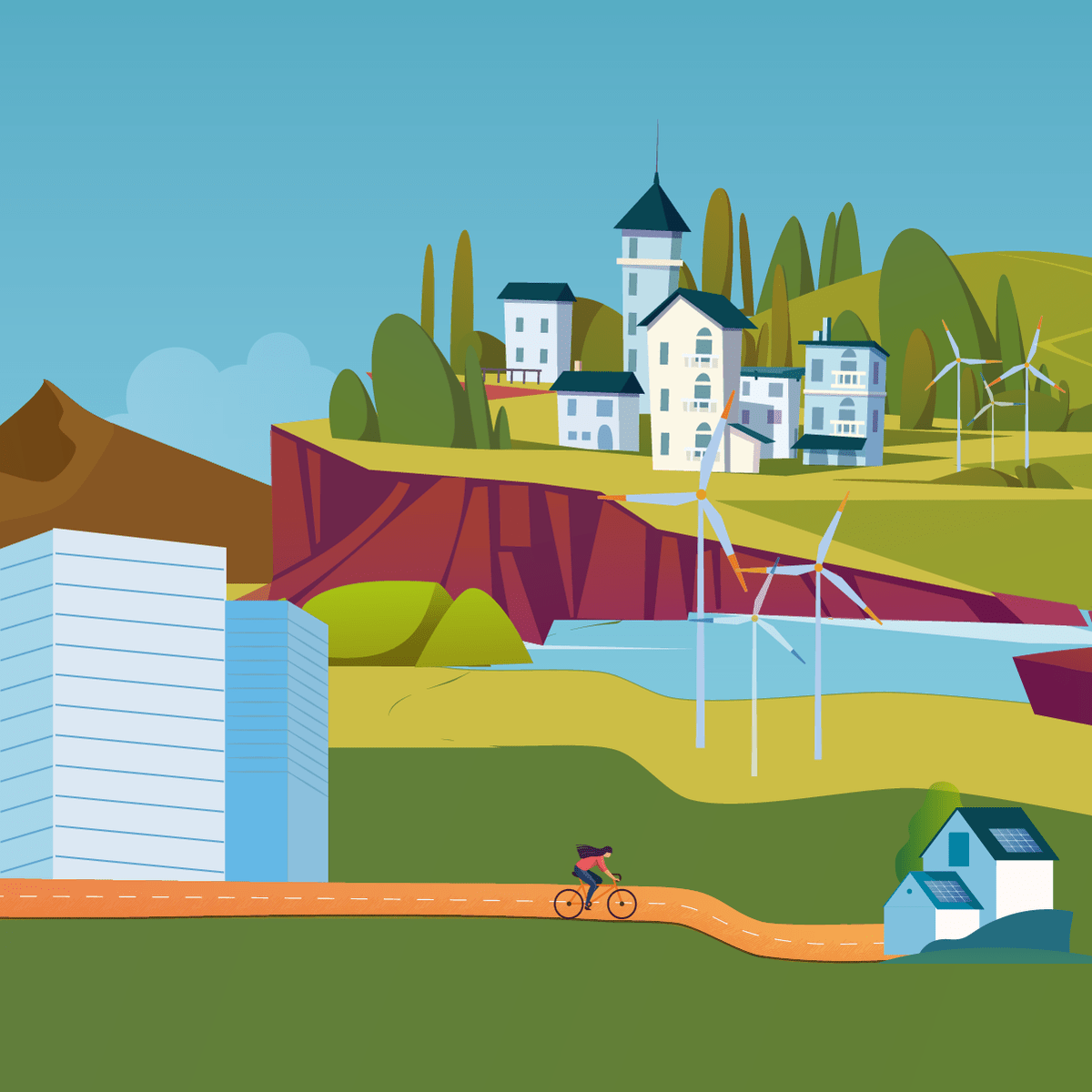
Infraestructura sostenible en la agenda de desarrollo
En este curso, profundizarás en el concepto y la importancia de la infraestructura sostenible, y entenderás su papel crucial en la recuperación económica de la región. Además, descubrirás cómo estos proyectos pueden contribuir a alcanzar las metas del Acuerdo de París y los Objetivos de Desarrollo Sostenible. Te ayudaremos a apreciar la importancia de una visión compartida de la infraestructura sostenible a lo largo de todo el ciclo de vida de un proyecto, proporcionándote las herramientas para enfrentar los desafíos globales. Exploraremos los roles que el sector privado puede desempeñar en el desarrollo de proyectos de infraestructura sostenible, y te mostraremos los beneficios económicos y sociales de incorporar esta perspectiva en tus proyectos. Además, te presentaremos los pilares de la sostenibilidad del marco integrado que permite suministrar una infraestructura de mejor calidad, y te ayudaremos a entender las diferencias entre este marco y las salvaguardas sociales y ambientales en los proyectos.
Geodesign: Change Your World
Ignite your career with Geodesign! The magnitude of challenges before us exceeds the reach of conventional approaches to planning and design. The pandemic has spawned urgent needs for new design approaches and solutions. Also at the doorstep is climate change: altering community design approaches; addressing infrastructure types and locations; as well as the need to protect carbon-sequestering environs. Geodesign provides a revolutionary way forward. It leverages information systems to foster collaborations that result in geographically specific, adaptive, and resilient strategies to wicked problems across scales of the natural and built environment. Geodesign builds confidence through dynamic real-time feedback, which empowers engaged collaborations for meaningful plans. With Geodesign, you can change your world – for the better! This course includes well-illustrated lectures by the instructor, as well as guest lectures each week to ensure you are hearing a variety of viewpoints. Each week you will also be able to examine what Geodesign is through interactive mapping that showcases real-word Case Study examples of Geodesign from around the globe. As you move along in the course, you will discover the interrelationships of both the physical and human aspects that contribute to how Geodesign strategies are composed. The course concludes with you outlining your own Geodesign Challenge, and receiving feedback about that from your peers
Developments of structural dynamics
This course is devoted to the dynamic implementation of continuous structural elements vs discrete models. The matrix representation and implicit solution of Lagrange’s equation are at the heart of this approach, in the framework of conservative structural systems, with Gaussian modes. The prototype of the continuous element being the prismatic beam - as an illustration, but with general value - and the implicit model/solution leads to the major place of natural eigenshapes in vibration and shocks theory and general dynamic representation of structures and foundations of the dynamic tests and certification. In fact, this course is a perspective on the double vision of any dynamic structure, with the continuous point of view and a digital model in perspective. At the end of this course, the physicist, the mechanical engineer, the specialist in control will have a general overview of the dynamic representation and implicit solution applicable in structural analysis and control of general dynamic systems. In a certain way, it is founded on the famous discussions between Albert Einstein and Niels Bohr. Recommendation: we suggest having a look, at the course "Foundation of structural dynamics: from static to discrete dynamics". This course proposes an original point of view of the foundations of dynamics. And could highlight the present course.

Careers in Sustainability
This course is an introduction to careers in sustainability, focusing primarily on the role of a sustainability analyst at public and private organizations. Through a mix of video, print, peer review, and interactive content, learners will be able to explain sustainability and the specifics of a sustainability analyst’s job within an organization. The course is structured around two elements: topical knowledge and practical application. Throughout the course, learners can practice what they learn and get feedback from their peers to build their skills. Additionally, knowledge checks provide milestones for learners to ensure that they understand the necessary information about each topic presented. Each module begins with a video that introduces the concepts taught in the lesson, including interviews with ASU School of Sustainability professors. Interactive activities and hands-on application are central to the learner experience in this course. They include participating in mini-application experiences, trying out real-life skills with expert feedback, and creating personalized tools like presentation slide decks and spreadsheet templates to use in the role on day one of a new job. The interactive and hands-on activities are specifically designed to teach not only sustainability skills but also professional skills like professional writing, presentation skills, and conducting successful video meetings. This combination of practical skills and specialized content makes this course a unique foundation for the rest of the specialization.

Conceptos y Herramientas para la Física Universitaria
Este curso provee al estudiante con conceptos y herramientas matemáticas para modelar problemas en física, que al aplicar podrá enfrentar con éxito los cursos de física universitarios. Así pues, la filosofía de este curso consiste en cubrir temas conceptuales relativos a la Física y desarrollar tu capacidad de aprender y aplicarlos en tu vida profesional. El curso se aborda en dos fases a través de las cuales el alumno: - Aprenderá a aplicar el cálculo diferencial e integral para interpretar y modelar la cinemática de una partícula en una dimensión, - Aprenderá el manejo de cantidades físicas vectoriales en forma gráfica y analítica en dos y tres dimensiones.

Introduction to the Industrial Metaverse (IMV)
The course Introduction to the Industrial Metaverse enables learners to understand and apply the Industrial Metaverse (IMV) for digital transformation and operational excellence, while encouraging organizations to engage in the IMV ecosystem. Over six modules, the course offers a structured, hands-on overview that connects core technologies, use cases, and key concepts behind the IMV. Learners explore the three IMV pillars—Digital Twin, Industrial AI, and Software-Defined Automation—and gain insight into how the IMV supports different stages of industrial lifecycles. Selected deep-dive topics include physics-based simulation, immersive engineering, and IT/OT convergence, concluding with a future-oriented outlook. Each module features real-world examples, visual aids, quizzes, exercises, and reflection tasks. Modules conclude with graded assignments, and the course ends with a final graded quiz. The course is designed to be accessible to learners from diverse backgrounds. No prior IMV experience or academic degree is required. Basic technical understanding and familiarity with industrial processes may be helpful but are not mandatory. The course addresses a broad audience, including students, career switchers, industrial employees, partners, and suppliers, and is well suited for early-career professionals and anyone interested in the Industrial Metaverse.

Intro to the Arctic
In this course you will first learn about the Arctic as a geographic region, the peoples the Arctic, and the long history of Arctic settlement and exploration. Attention then turns to key features of the Arctic environment – its climate and weather, features of the ocean, sea ice, lands and the Greenland Ice Sheet, and some of the rapid changes being observed. Learning Objectives: Appreciate the long history of the Arctic and its peoples. Recognize and recall the physical geography of the Arctic, including major features of the Arctic Ocean and Arctic lands. Describe the key climate and environmental elements of the Arctic, including its sea ice cover, patterns of temperature, precipitation, snow cover, land ice, permafrost and vegetation, the physical processes giving rise to these features, and how they are changing.

Internet of Things: Sensing and Actuation From Devices
Have you wondered how information from physical devices in the real world gets communicated to Smartphone processors? Do you want to make informed design decisions about sampling frequencies and bit-width requirements for various kinds of sensors? Do you want to gain expertise to affect the real world with actuators such as stepper motors, LEDs and generate notifications? In this course, you will learn to interface common sensors and actuators to the DragonBoard™ 410c hardware. You will then develop software to acquire sensory data, process the data and actuate stepper motors, LEDs, etc. for use in mobile-enabled products. Along the way, you’ll learn to apply both analog-to-digital and digital-to-analog conversion concepts. Learning Goals: After completing this course, you will be able to: 1. Estimate sampling frequency and bit-width required for different sensors. 2. Program GPIOs (general purpose input/output pins) to enable communication between the DragonBoard 410c and common sensors. 3. Write data acquisition code for sensors such as passive and active infrared (IR) sensors, microphones, cameras, GPS, accelerometers, ultrasonic sensors, etc. 4. Write applications that process sensor data and take specific actions, such as stepper motors, LED matrices for digital signage and gaming, etc.
Introduction to Unmanned Aerial Systems/Drone Technology
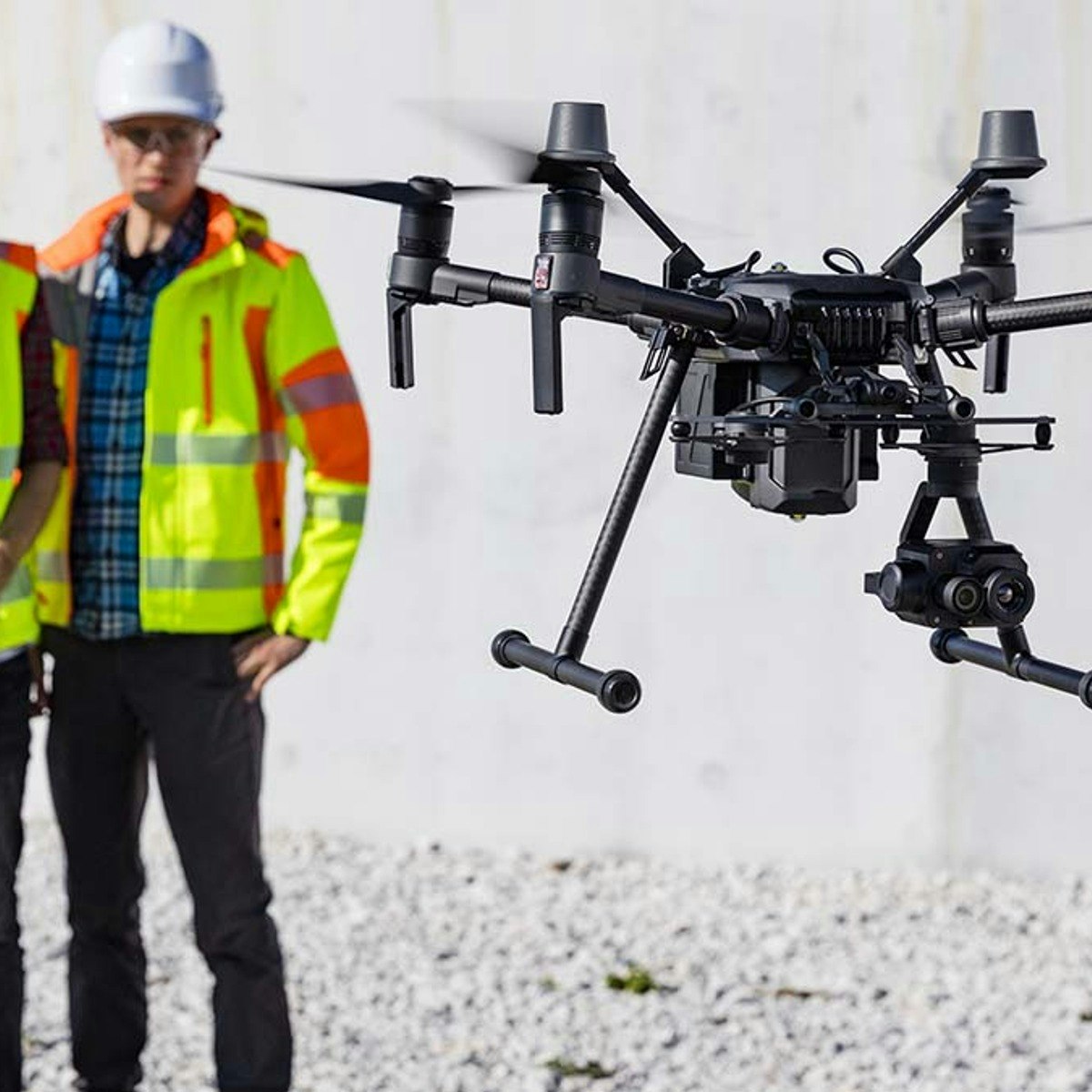
Learn Unmanned Aerial Systems (UAS) and drone technology from the ground up in this beginner-friendly introduction course. Drones are transforming industries worldwide, from agriculture and construction to public safety and film, just as computers and smartphones once reshaped everyday life. Whether you're new to drone technology or looking to build a solid foundation in UAS, this course covers everything you need to get started: what unmanned aerial systems are, the industries putting them to work, core UAS terminology and key concepts, and the practical considerations every UAS operator should know. You'll also learn the correct industry terminology and why professionals avoid the word "drone" in technical and regulatory contexts. Perfect for aspiring drone pilots, UAS enthusiasts, and anyone exploring careers in the growing drone industry.

Engineering and Product Design Processes
Welcome to “Engineering and Product Design Processes!” In this short course, you will learn how engineering design processes and product design processes are carried out. After the course, you will be familiar with the steps in both design processes. You will also be familiar with the main goal of each design process, as well as their similarities and differences.

Robot Applications
This course focuses on real-world applications of robotics across diverse domains and environments. Learners will explore how robotic systems operate in complex scenarios, including healthcare, extreme environments, and distributed systems. The course highlights the practical impact of robotics and its role in addressing societal challenges. This course is part of the "Robotics & Robots" Specialization. Contributors: Prof. Bruno Siciliano, University of Naples, Federico II Proff. Gianluca Antonelli, University of Cassino and Southern Lazio; Paolo Dario/Gastone Ciuti/Filippo Cavallo/Federico Masiero, Sant’Anna School of Advanced Studies, Pisa; Roberto Lampariello, Institute of Robotics and Mechatronics German Aerospace Center; Pedro Lima, University of Lisbon; Robin Murphy, Texas A&M University; Anibal Ollero/Guillermo Heredia, University of Seville; Dezhen Song, Mohamed bin Zayed University of Artificial Intelligence "A special mention goes to Mario Selvaggio for his tireless dedication to the project, interacting with all the lesson authors, ensuring consistency and soundness throughout, also in connection with the Springer Nature books supporting the MOOC course. His contribution to defining the problems posed at the end of the various lessons was crucial" - Bruno Siciliano

3D Modeling for 3D Printing and Laser Cutting on Fusion 360
Updated in May 2025. This course now features Coursera Coach! A smarter way to learn with interactive, real-time conversations that help you test your knowledge, challenge assumptions, and deepen your understanding as you progress through the course. In this immersive course, you'll begin by mastering the fundamentals of 3D design using Fusion 360. Starting with software installation and exploring the user interface, you'll quickly transition into your first 3D modeling projects, such as a chair and various platonic solids. These lessons will help you grasp key design principles, from sketching to applying constraints and arcs. As you progress, you'll dive into modeling objects specifically for 3D printing, including everyday items like a phone charging station and customized tools like an Allen key. Each project introduces different modeling techniques while covering the practical aspects of 3D printing, such as material choices and design tolerance. The course then transitions into laser cutting, where you’ll design intricate items like a lamp and a custom box. By focusing on parametric product modeling, you'll learn to create designs that are both precise and adaptable. In the final phase of the course, you’ll take on more complex projects, including a 3D printed hinge with moving parts, while refining advanced techniques like rendering and model refinement. By the end, you'll have the knowledge to execute professional-grade designs ready for 3D printing and laser cutting, along with a fully finished project that showcases your new skills. This course is designed for beginners with no prior experience in 3D modeling or CAD software, as well as intermediate users looking to enhance their skills in 3D printing and laser cutting. A basic familiarity with computers and design software is recommended but not required.
Beer Quality Systems
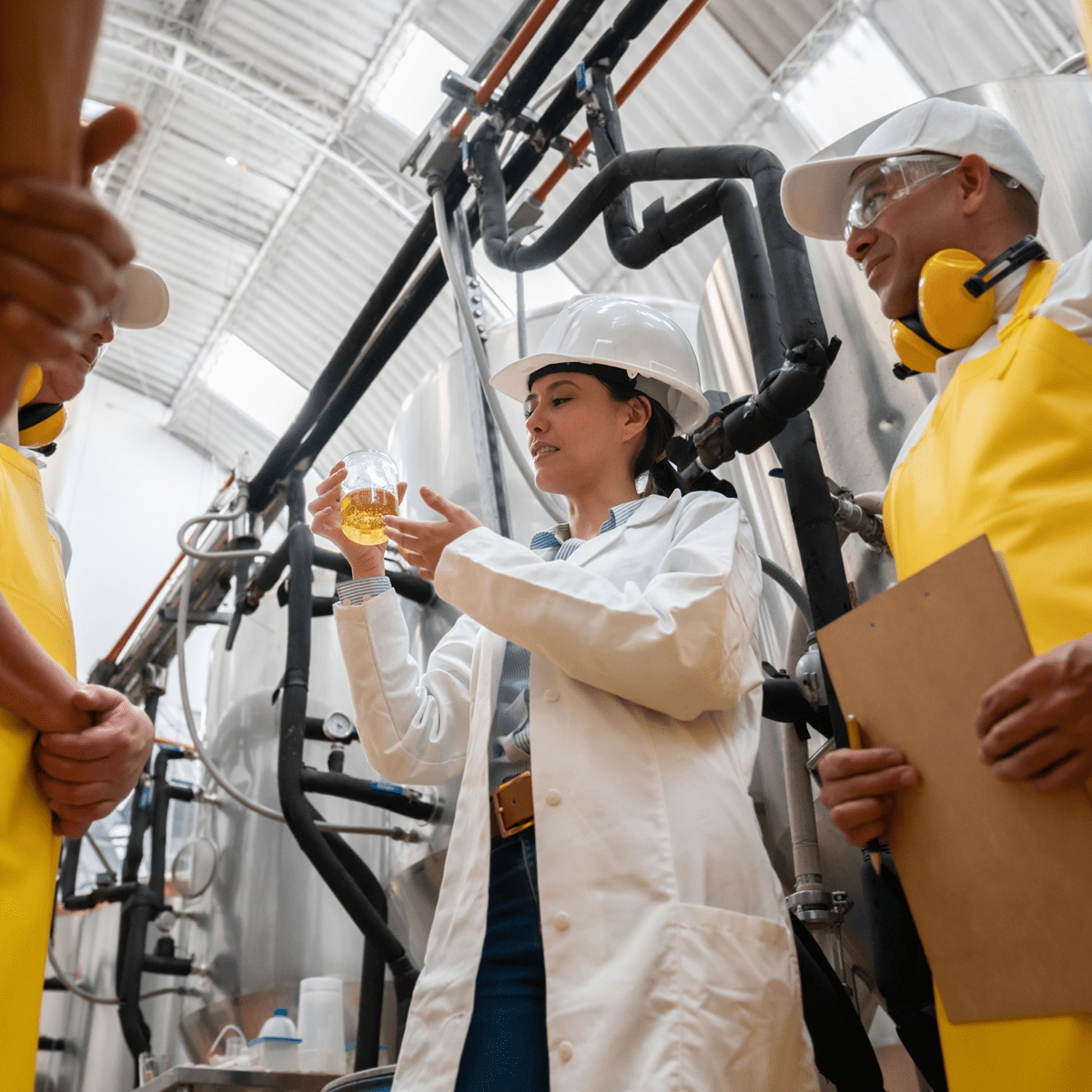
Ultimately, the difference between success and failure as a brewer is whether you consistently deliver a quality beer. Designed for brewers of all skill levels, this course is part of a comprehensive series where brewing legend Charlie Bamforth, Ph.D. guides you through the key markers of beer quality: flavor, foam, color/clarity, freshness and quality systems. In this last course of the Beer Quality Series, you will examine the systems necessary to produce quality beer. Thought-provoking lectures will allow you to explore at your own pace how to define quality in beer and brewing. This course will teach you about the documentation of raw materials and processes, how and what should be measured and how to establish a quality program, whether you are brewing on an international scale or in a bucket. By the end of this course, you will be able to consistently brew a high-quality product that delights the drinker every time.
Calculus: Single Variable Part 4 - Applications
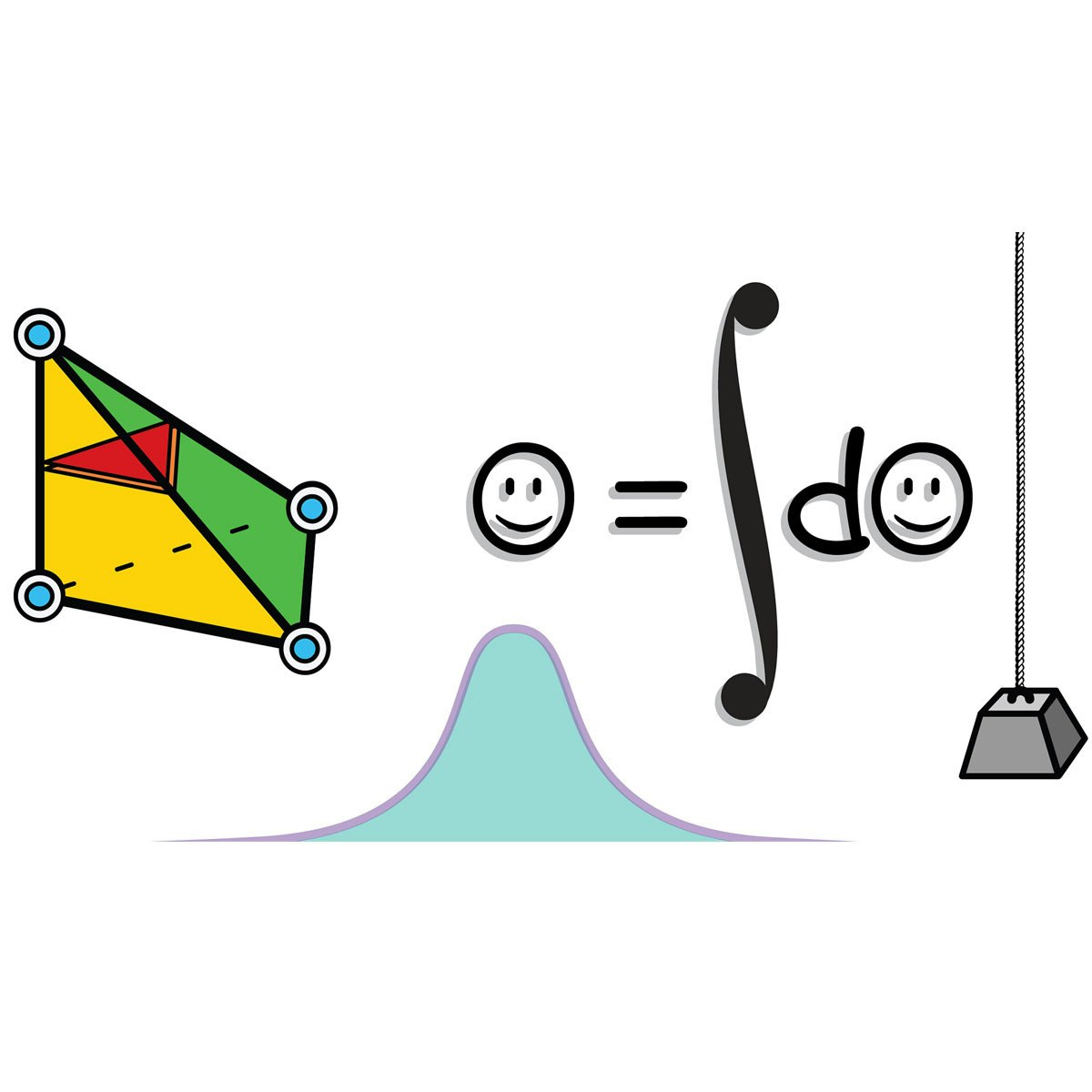
Calculus is one of the grandest achievements of human thought, explaining everything from planetary orbits to the optimal size of a city to the periodicity of a heartbeat. This brisk course covers the core ideas of single-variable Calculus with emphases on conceptual understanding and applications. The course is ideal for students beginning in the engineering, physical, and social sciences. Distinguishing features of the course include: 1) the introduction and use of Taylor series and approximations from the beginning; 2) a novel synthesis of discrete and continuous forms of Calculus; 3) an emphasis on the conceptual over the computational; and 4) a clear, dynamic, unified approach. In this fourth part--part four of five--we cover computing areas and volumes, other geometric applications, physical applications, and averages and mass. We also introduce probability.

Fundamentals of Engineering Exam Review
The purpose of this course is to review the material covered in the Fundamentals of Engineering (FE) exam to enable the student to pass it. It will be presented in modules corresponding to the FE topics, particularly those in Civil and Mechanical Engineering. Each module will review main concepts, illustrate them with examples, and provide extensive practice problems.

Dinosaurs: Evolution, Extinction, and Paleobiology
Dinosaurs are unique in the history of life. They evolved more than 200 million years ago, inhabited every continent, and are still around today. This course provides an overview of the world of dinosaurs, from the earliest small dinosaurs to titanosaurs and T. rex to modern birds, and investigates some of the most fascinating questions in dinosaur paleontology: How did dinosaurs get so big? What were they like when they were alive? Why did they suddenly go extinct? Drawing on the Museum’s long-standing leadership in the field, including the world's largest collection of vertebrate fossils, renowned paleontologists Mark Norell and Diego Pol, joined by colleagues from around the world, explain how modern discoveries are made. Through videos and essays, this course takes learners into the field, where fossils are discovered and excavated, and then back to the lab where paleontologists use new technologies and methods to infer how these animals lived. Learners will do their own investigations using real specimens to gain first-hand knowledge of how paleontologists continue to make new discoveries about ancient creatures.

Engineering of Structures: Shear and Bending
This course deals with shear and bending. Shear is a set of parallel, non-collinear forces acting across an element and bending is the curved form taken by a slender element when subjected to loads perpendicular to the element. These forces are easy to understand. You will study how stress and bending force acts for different structures and also, identify what role these forces play in their designs. The first module introduces you to the concept of shear and bending while building structures. The second module explores different understanding of stress and bending. It defines important terms used to understand these forces. It also studies the impact of shear and compression on beams of different materials. You will also learn how to calculate shear stresses and bending stresses. The third module explores how to build a cardboard beam or shelf . You'll also study the structure beam and share a report on it.

Agroforestry IV: Climate, Carbon Storage and Agroforestry
Welcome to Agroforestry IV: Climate Change, Carbon Storage and Agroforestry Systems, a detailed review of fundamental principles and best practices for successful agroforestry projects. This interdisciplinary module, presented by leading experts in the field, is the fourth in the five-module course covering the various aspects of agroforestry including the global distribution of the practices, their underlying principles, and major scientific advances during the past nearly five decades. Students will gain extensive knowledge and skills related to agroforestry systems, best practices and scientific management that can be useful in promoting their professional development and sharpening their land management skills.
Evaluación de peligros y riesgos por fenómenos naturales
Reconocer el conocimiento básico sobre los factores físicos y sociales que condicionan el riesgo de una sociedad por fenómenos extremos de origen natural (sismos, huracanes, etc.) y promover las acciones necesarias para reducir el impacto de los desastres en una comunidad.
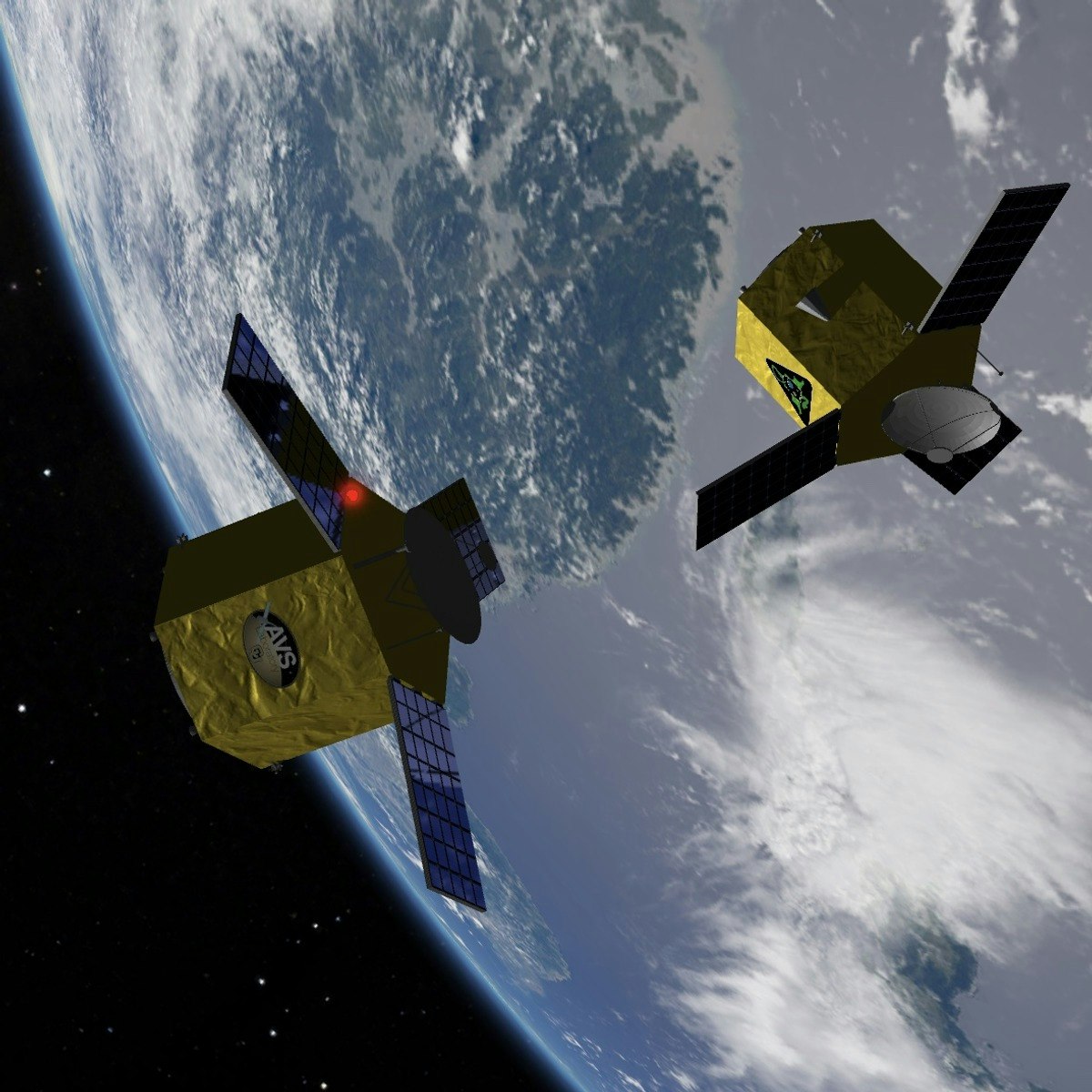
Spacecraft Relative Motion Kinematics and Kinetics
Spacecraft relative motion control has many applications including rendezvous and docking, circumnavigation, on orbit assembly, servicing, etc. The course Spacecraft Relative Motion Kinematics and Kinetics covers the fundamentals of describing the motion of one spacecraft as seen by another spacecraft. A range of relative coordinates are investigated. Further, the course covers developing the differential equations of motion of the relative motion and considers a range of assumptions on separation distances. Finally, the impact of the J2 perturbation on the relative motion is studied. After this course, you will be able to... * Describe relative motion using rectilinear or curvilinear Hill frame coordinates, using relative orbit elements, as well as using differential orbit elements. * Develop the differential equations of relative motion for both near circular and highly elliptical chief motions * Predict the impact of perturbations on the relative motion * Understand how to setup relative orbits that remain bounded to the chief. Please note: this is an advanced course, best suited for working engineers or students with college-level knowledge in mathematics and physics. The material covered is taking from the book "Analytical Mechanics of Space Systems" available at https://arc.aiaa.org/doi/book/10.2514/4.105210.
Community-Based Climate Change Solutions
Climate change will have tremendous impacts on every human community across the globe. However, because of the context of both how climate is changing and how communities are organized and function, it can be disastrous to apply the same solutions across the board. This course will teach you the basic principles needed to identify the dynamics and needs of each community, build on its strengths, and adopt best practices and practical frameworks for adapting climate change solutions to local contexts. You’ll learn tools and approaches to put these principles into practice across different community settings, regardless of your level of prior experience. This course is intended for professionals who have been tasked with implementing climate change solutions at the community level, whether in urban or rural areas or in industrialized or developing countries. Upon completion of the course, you will be able to effectively select and adapt climate change solutions to best match the specific social and environmental context of each community, and to engage community members in implementing sustainable solutions that produce positive, equitable outcomes. This course requires no previous knowledge of climate change solutions or of community engagement, and people with this knowledge will also benefit from the course.

Wetland Delineation Fundamentals
In this course, learners will get familiarized with the major components of wetland delineation, including the steps involved and the resources available for remote identification. They will explore the field indicators for hydrology, hydric soils, and vegetation, essential for accurate wetland delineation. The course will cover the best practices for writing wetland delineation reports and the differences between wetland delineation and jurisdictional determination. By the end of the course, learners will have a comprehensive understanding of the processes and indicators used in wetland delineation, enabling them to conduct accurate and effective assessments. This course is part of the College of ACES suite of online programs, including the graduate-level certificate, "Wetland Science and Conservation" that can be stacked toward an online master's degree in Natural Resources and Environmental Sciences. To learn more about online programs from the College of ACES and explore ways to apply your Coursera work toward a degree program at the University of Illinois, visit ACES Online at acesonline.illinois.edu.

Being a researcher (in Information Science and Technology)
The course provides a broad view of how to become and progress as a researcher. It spans over a wide range of topics, from the historical development of scientific thought to research methodology, to the pragmatics of publication, research funding, evaluation, and promotion in a researcher’s career. It also stresses the ethical aspects of research. Although the course speaks about scientific research in general, it especially focuses on the field on Information and Communication Science and Technology. The course is mainly directed to students engaging in research and beginning researchers. It may also be of interest for senior researcher in their role as supervisors or mentors, and to all those who are interested in how scientific research works. The main topics addressed in the course are: - Research, its historical development, and its role in society; - Research methodology; - The products of research: publications and artifacts; - The professional researcher: roles and career progress; - Research evaluation, from peer review to bibliometrics; - Research ethics.
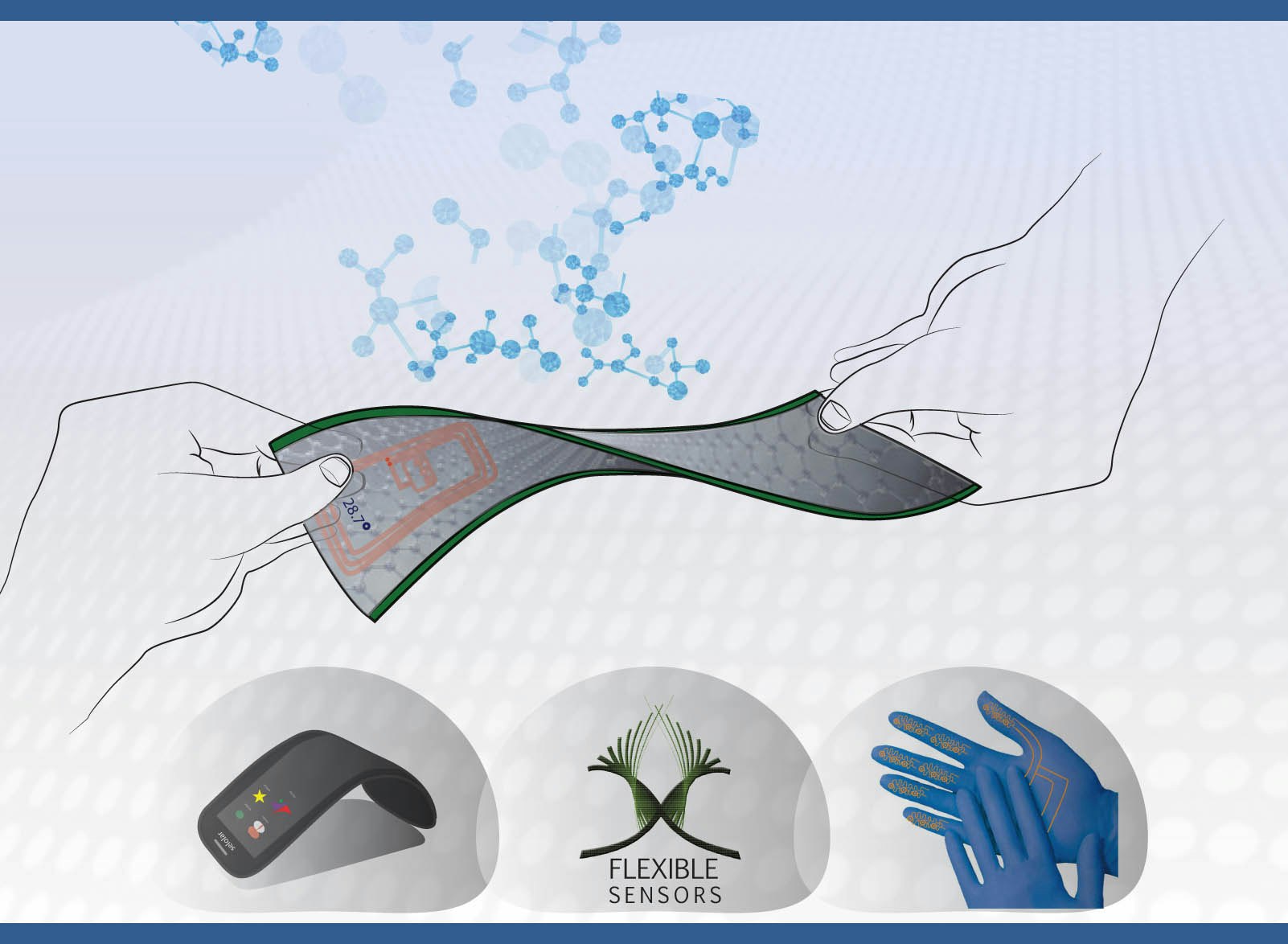
Nanotechnology and Nanosensors, Part 2
Learn about novel sensing tools that make use of nanotechnology to screen, detect and monitor various events in personal or professional life. Together, we will lay the groundwork for infinite innovative applications, starting from diagnosis and treatments of diseases, continuing with quality control of goods and environmental aspects, and ending with monitoring security issues. _ _ _ _ _ _ _ _ _ _ _ _ _ _ _ _ _ _ _ _ _ Nanotechnology and nanosensors are broad, interdisciplinary areas that encompass (bio)chemistry, physics, biology, materials science, electrical engineering and more. The present course will provide a survey on some of the fundamental principles behind nanotechnology and nanomaterials and their vital role in novel sensing properties and applications. The course will discuss interesting interdisciplinary scientific and engineering knowledge at the nanoscale to understand fundamental physical differences at the nanosensors. By the end of the two parts of the course, students will understand the fabrication, characterization, and manipulation of nanomaterials, nanosensors, and how they can be exploited for new applications. Also, students will apply their knowledge of nanotechnology and nanosensors to a topic of personal interest in this course. - - - - - - - -- -- -- - - - - COURSE OBJECTIVES The course main objective is to enhance critical, creative, and innovative thinking. The course encourages multicultural group work, constructing international 'thinking tanks' for the creation of new ideas. Throughout the course, you will be asked to reflect upon your learning, think "out of the box", and suggest creative ideas. The two parts of the course are set to encourage the understanding of: 1. The importance of nanoscale materials for sensing applications. 2. Approaches used for characterizing sensors based nanomaterials. 3. Approaches used for tailoring nanomaterials for a specific sensing application. 4. Metallic and semiconductor nanoparticles. 5. Organic and inorganic nanotubes and nanowires. 6. Optical, mechanical and chemical sensors based on nanomaterials. 7. Hybrid nanomaterial-based sensors. ---------------- We recommend that you read the following supplementary reading materials: -Jiří Janata, Principles of Chemical Sensors, Springer, 2d Edition (1989). -Roger George Jackson, Novel Sensors and Sensing, CRC Press (2004). _ _ _ _ _ _ _ _ _ _ _ _ _ _ _ _ _ _ Teaching Team About Professor Haick Hossam Professor Hossam Haick is an expert in the field of nanotechnology, nanosensors, and non-invasive disease diagnosis. Prof. Haick is the recipient of the prestigious Marie Curie Excellence Award, ERC Award, and the FP-7 Health Award. He is also the recipient of more than 42 international honors and prizes for his achievements, including a Knight of the Order of Academic Palms (conferred by the French Government) and the “List of the World’s Top 35 Young Scientists”, and the Discovery Award of the Bill & Melinda Gates. Prof. Haick is the founder and the leader of a European consortium of eight universities and companies for the development of advanced generation of nanosensors for disease diagnosis. He also serves as an associate editor of the two journals and serves as an advisory consultant to the Chemical Abstracts Service (CAS) – the world's authority for chemical information - a senior scientific advisory member of several national and international companies and institutes, and as a scientific evaluator in the European Commission. Email: hhossam@technion.ac.il _ _ _ _ _ _ _ _ _ _ _ _ _ _ _ _ _ _ Course Staff Meital Bar-Segev, Teaching Assistant: Received her B.A. (Cum Laude) in Chemistry and B.Sc (Cum Laude) in Materials Engineering from the Technion – Israel Institute of Technology (both in 2010). During her studies, she worked in a student position at Tower Semiconductors Ltd. After graduation she worked at Alfred Mann Institute in the Technion (AMIT) as a process development engineer. Currently, she performs her Ph.D. degree (direct track) in the Russell Berrie Nanotechnology Institute (RBNI) of the Technion under the supervision of Prof. Hossam Haick. The research of Meital focuses is the development of electronic skin based on nanoparticles. Abeer Watted, Teaching Assistant: Received her B.Sc. and M.Sc. in Transportation and Highways Engineering from the Technion. She is a Ph.D. student at the Faculty of Education in Science and Technology at the Technion, under the supervision of Asst. Prof. Miri Barak. She received a second master degree in Educatu in Science and Technology from the Technion in 2013. Her research focuses on science education and inquiry-based laboratories. Currently, Abeer works as a lecturer at Al-Qasemi Academic College of Education, where she serves also as the head of Civil Engineering Department. Maya Usher, Teaching Assistant: Received her B.A. and M.A. (Cum Laude) in Communication Studies from Sapir Academic College and Ben Gurion University- Israel (2009; 2013 respectively). Currently, Maya is a PhD. candidate at the Faculty of Education in Science and Technology at the Technion, under the supervision of Asst. Prof. Miri Barak. Her research focuses on examining online collaborative learning in small multicultural groups. Muhammad Khatib, Teaching Assistant: Received his B.Sc in Biochemical Engineering from the Technion – Israel Institute of Technology (2015). His final research project, conducted with Prof. Avi Schroeder, dealt with harnessing liposome-based drug delivery systems to applications in precise agriculture. Currently, he performs his Ph.D. (special track) in the Department of Chemical Engineering of the Technion under the supervision of Prof. Hossam Haick, and his research focuses on self-healing devices for monitoring infectious diseases. Miri Barak, Pedagogical Advisor: Assistant Professor at the Faculty of Education in Science and Technology, Technion- Israel Institute of Technology. She is the Head of the Science and Learning Technologies group and the advisor of graduate students. Her academic activities focus on developing, integrating, and evaluating science education curricula at school and higher education levels. Her studies involve the use of information and communication technologies (ICT), with emphasis on emerging web-2.0 and cloud applications, to foster meaningful learning and high-order thinking.

Vers l'infiniment petit - Voyages de l'infiniment grand à l'infiniment petit
Partez à la découverte de l'infiniment petit, en compagnie de physiciens et de physiciennes qui vont vous faire découvrir les secrets de la matière quand on l'étudie aux distances les plus courtes, aux énergies les plus élevées. Vous vous initierez aux progrès les plus récents de la recherche en physique nucléaire et de la physique des particules, et vous découvrirez les principes des accélérateurs et des détecteurs avec lesquels on a pu étudier la matière à ces échelles, pour arriver jusqu'à la découverte du boson de Higgs en 2012 auprès du collisionneur de particules du CERN, le LHC. Ce cours en français fait partie du MOOC "Voyages de l'infiniment grand à l'infiniment petit", conçus par des physiciens et des physiciennes du Labex P2IO (Physique des 2 Infinis et des Origines) regroupant des laboratoires de physique de l'infiniment grand et de l'infiniment petit situés à Orsay et Saclay. Les différents parcours de ce MOOC vous montreront les connaissances et les énigmes de l'infiniment grand et de l'infiniment petit, les relations que ces deux infinis entretiennent, et les liens de ces découvertes avec la société : https://www.coursera.org/learn/physique-2-infinis-infiniment-petit https://www.coursera.org/learn/physique-2-infinis-infiniment-grand https://www.coursera.org/learn/physique-2-infinis-liens https://www.coursera.org/learn/physique-2-infinis-et-nous Le MOOC "Voyages de l'infiniment grand à l'infiniment petit" a été conçu avec le soutien financier du Labex P2IO (Physique des 2 Infinis et des Origines) présenté sur www.labex-p2io.fr
Fundamentals of Materials Science
Materials are the physical foundations for the development of science and technology. The human civilizations are historically designated by the evolution of materials, such as the Stone Age, the Bronze Age and the Iron Age. Nowadays, materials science and technology support most of the industrial sectors, including aerospace, telecommunications, transportation, architecture, infrastructure and so on. Fundamentals of Materials Science is a core module for undergraduates majored in materials science and engineering. This English course will be taught by Prof. Guo Qiang, Prof. Reddy and Prof. Liu Jing from Shanghai Jiao Tong University. An integrated approach of combining metallic, ceramic and polymeric materials will be adopted in this course, for the attendants to attain a deep understanding on the correlation of composition, microstructure, processing and properties in materials science. Let’s gather in this course and explore the wonderland of materials together.

Humans and Earth-Prehistory to Sustainability - Air & Fire
Air & Fire takes you on a fascinating journey from the origins of our planet to the energy revolution happening today. Along the way, you’ll discover how the greenhouse effect really works, why climate feedback loops can spiral out of control, how transportation transformed the world, and how humanity successfully responded to the ozone crisis. By the end of this course, you’ll understand what makes Earth so special, how fire changed human biology and the course of history, why our climate is changing, and what can and must be done about it. No scientific background is required. Through clear explanations, memorable stories, striking locations, and surprising connections, this course makes complex environmental issues understandable and relevant. You’ll come away better able to separate facts from slogans and with real reasons for hope about a cleaner, safer future.
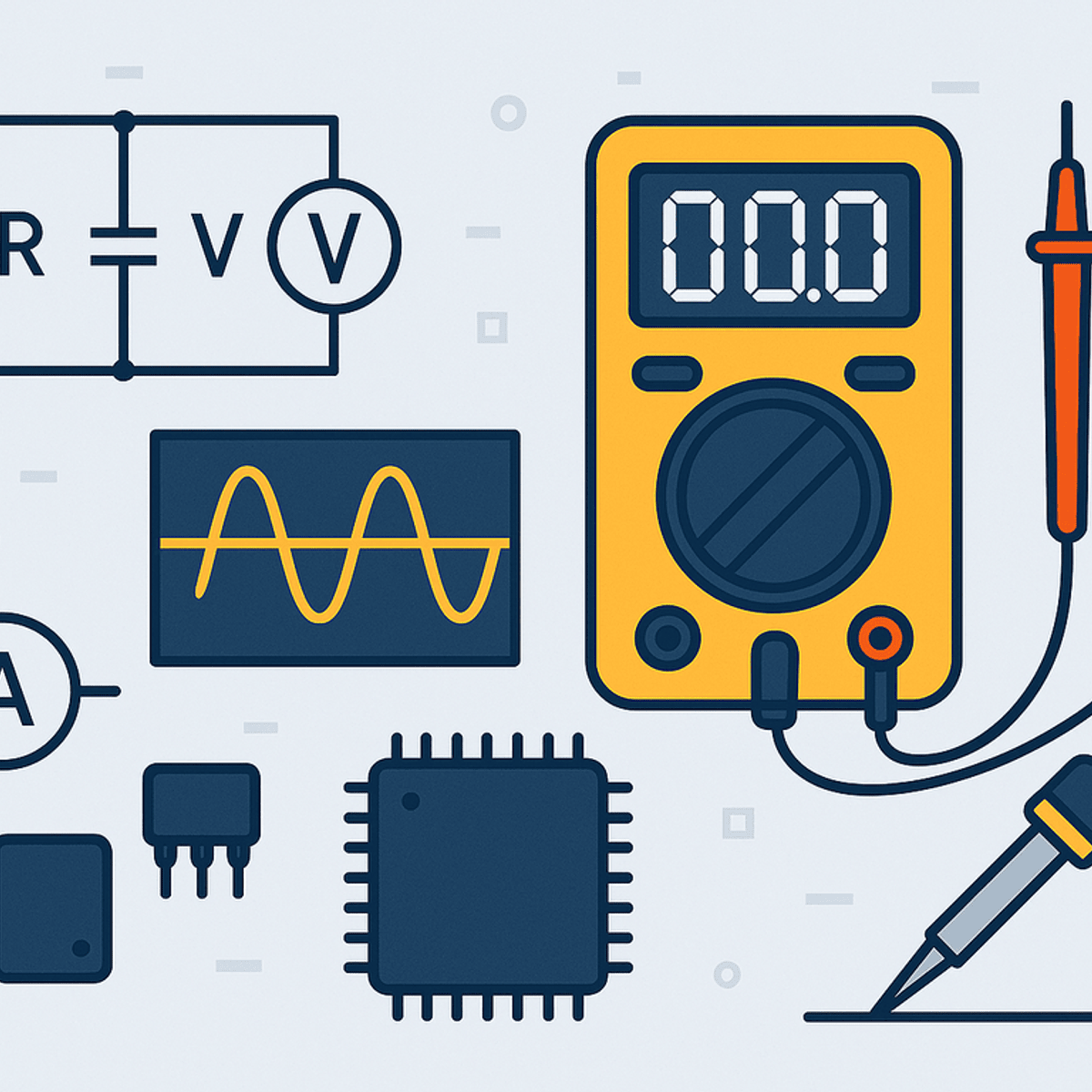
Basic Electronics
Master the fundamental principles of electronic circuits and devices with this comprehensive course designed for aspiring electrical engineers, electronics enthusiasts, and hardware developers. Beginning with essential circuit elements, resistors, and power sources, you'll progress through systematic circuit analysis techniques including Kirchhoff's laws, nodal and mesh analysis, and network theorems like Thevenin's and Norton's equivalents. The course covers both time-domain analysis of RL, RC, and RLC circuits and frequency-domain techniques using phasor algebra for AC circuit analysis. You'll explore semiconductor devices including diodes for signal shaping and voltage regulation, bipolar junction transistors (BJTs) for amplification and switching, MOSFETs for low-power applications, and operational amplifiers (op-amps) for building complex signal processing circuits. Through hands-on problem-solving and practical applications, you'll learn to design power circuits, calculate power factors in AC systems, and implement digital switching circuits. Whether you're preparing for advanced studies in electrical engineering, developing IoT devices, or pursuing careers in electronics design and embedded systems, this course provides the essential foundation in circuit theory, semiconductor physics, and analog electronics needed to analyze, design, and troubleshoot electronic systems across diverse engineering applications.
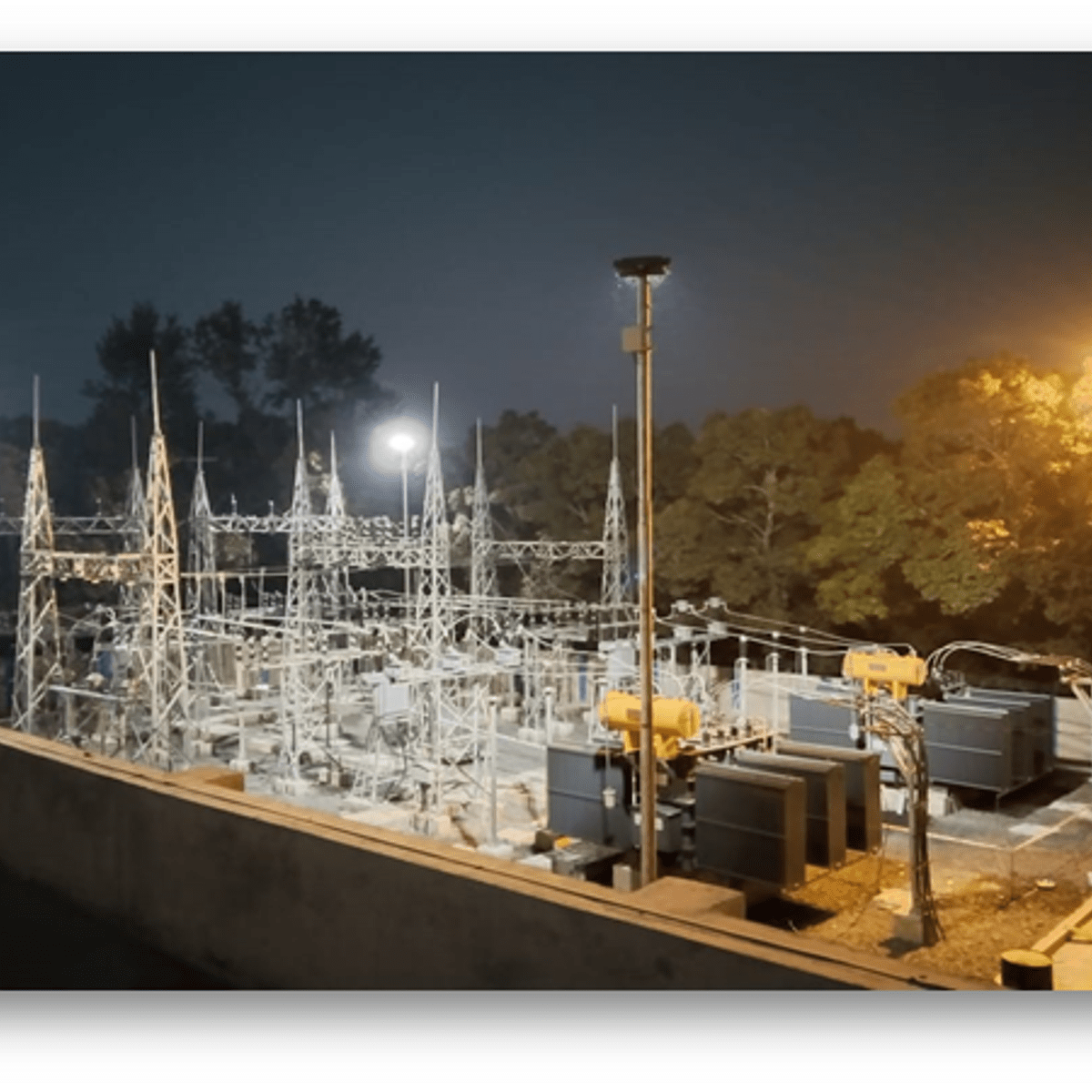
MV Substation - An industrial approach (PART-A)
This tailor-made certificate course on MV Substation Engineering is curated by the Subject Matter Experts and practitioners of L&T, and is structured pragmatically to help the learner understand the industry practices in carrying out the engineering for substations and selection of various substation equipment in accordance with Indian & International Standards. In addition, it covers the electrical safety rules, safe operating procedures and an overview of maintenance practices to give a holistic understanding of the subject. This course opens up opportunities for the learners to become/excel as a Electrical Design Engineer, Construction and Planning Engineer. This course gives the learners insights about: 1. Substation, its types and components 2. Substation configuration for different scenarios 3. Transformers, its types and installation 4. Complete knowhow of LV and MV Switchgear and its components 5. Basics of Protection system 6. Station AC/DC Aux Power system

Wind resources for renewable energies
The main goal of this course is to get the necessary knowledge on atmospheric and fluid dynamics in order to quantify the wind resource of a local or regional area. We’ll learn about basic meteorology, the specific dynamics of turbulent boundary layers and some standard techniques to estimate wind resources regardless of the type of turbine used or the level of efficiency achieved. Then, we will see what are the turbines characteristics to consider in order to estimate the electricity production from an isolated turbine or from a turbine farm. The differences and similarity between wind or marine resource assessment will also be discussed. Finally, you will have the opportunity to get hands-on experience with real in-situ data sets and apply what you have learned on wind resource assessment.

Traitement d'images : introduction au filtrage
Ce MOOC sur le traitement d'images est à l’intersection de plusieurs domaines scientifiques et techniques : les mathématiques, la physique, l’informatique. De la ligne de fabrication jusqu’au scanner médical en passant par les satellites. Les images nous servent à extraire des informations omniprésentes aujourd’hui. Elles doivent être systématiquement traitées pour s’affranchir des mauvaises conditions d’acquisition, afin d’isoler les objets pertinents et de les analyser. Les traitements présentés (filtrage , rehaussement, suppression du bruit) sont le point de départ de la chaîne d’analyse. Ils permettent par exemple le relevé des diagnostics en imagerie médicale, la détection de pièce défectueuse sur une ligne de production ou encore la reconnaissance des plaques d’immatriculation sur les radars. Dans ce MOOC, vous prendrez connaissance des bases nécessaires en mathématiques et en informatique avec le langage Python. Vous apprendrez à manipuler les algorithmes et la programmation des opérations élémentaires du traitement d’images : charger et observer une image, analyser sa qualité, améliorer sa netteté et ses contrastes, ajouter du flou ou détecter des contours. Pour suivre ce cours, des bases du langage de programmation Python sont nécessaires : boucles, opérateur logique, vectorisation des opérations , définition de fonction, tableaux et numpy. Une attestation de suivi avec succès est attribuée par Coursera aux apprenants réussissant à obtenir une note supérieure à 50 %. Ce cours a été créé avec le soutien de la Fondation Patrick & Lina Drahi.
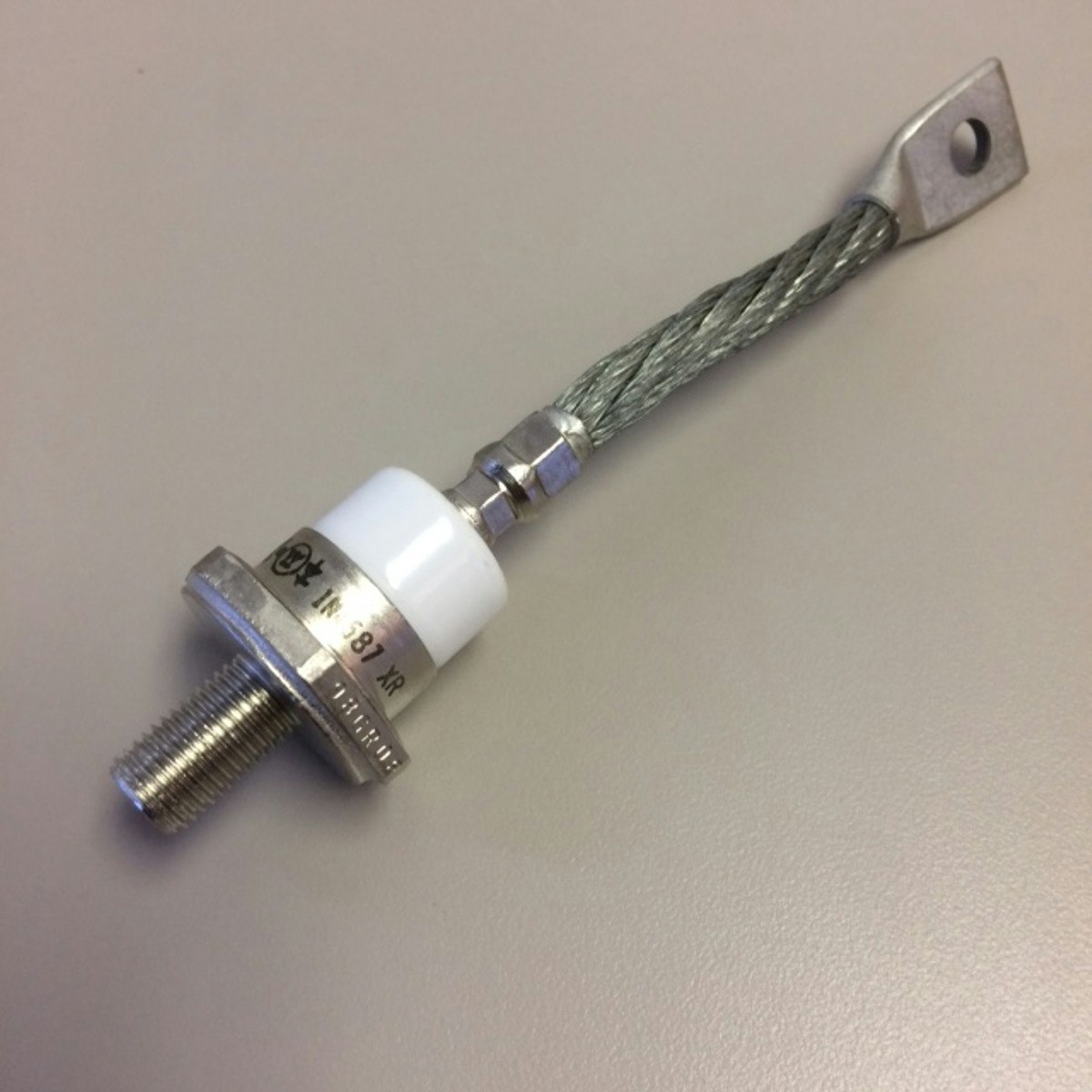
High Voltage Schottky and p-n Diodes
This course can also be taken for academic credit as ECEA 5722, part of CU Boulder’s Master of Science in Electrical Engineering. This course is primarily aimed at first year graduate students interested in engineering or science, along with professionals with an interest in power electronics and semiconductor devices . It is the second course in the "Semiconductor Power Device" specialization that focusses on diodes, MOSFETs, IGBT but also covers legacy devices (BJTs, Thyristors and TRIACS) as well as state-of-the-art devices such as silicon carbide (SiC) Schottky diodes and MOSFETs as well as Gallium Nitride (GaN) HEMTs. The specialization provides an overview of devices, the physics background needed to understand the device operation, the construction of a device circuit model from a physical device model and a description of the device fabrication technology including packaging. This second course provides a more detailed description of high-voltage Schottky and p-n diodes, starting with the semiconductor physics background needed to analyze both types of diodes. The main properties of crystalline semiconductors are presented that lead to the calculation of carrier densities and carrier currents, resulting in the drift-diffusion model for the semiconductors of interest. Next are a close look at Schottky diodes followed by p-n diodes, with a focus on the key figures of merit including the on-resistance, breakdown voltage and diode capacitance. For each diode, the analysis is then linked to the corresponding SPICE model. Finally, the power diode losses - both on-state losses and switching losses - are examined in a convertor circuit, including a comparison of silicon p-n diodes and 4H-SiC Schottky diodes. Learning objectives: • Provide students with a detailed understanding of High-Voltage Schottky and p-n diodes. • Students will be able to calculate key diode parameters based on their physical structure. • Students will be able to construct SPICE models for Schottky and p-n diodes.

Precalculus: Mathematical Modeling
This course helps to build the foundational material to use mathematics as a tool to model, understand, and interpret the world around us. This is done through studying functions, their properties, and applications to data analysis. Concepts of precalculus provide the set of tools for the beginning student to begin their scientific career, preparing them for future science and calculus courses. This course is designed for all students, not just those interested in further mathematics courses. Students interested in the natural sciences, computer sciences, psychology, sociology, or similar will genuinely benefit from this introductory course, applying the skills learned to their discipline to analyze and interpret their subject material. Students will be presented with not only new ideas, but also new applications of an old subject. Real-life data, exercise sets, and regular assessments help to motivate and reinforce the content in this course, leading to learning and mastery.

Circular Economy - Sustainable Materials Management
This course looks at where important materials in products we use every day come from and how these materials can be used more efficiently, longer, and in closed loops. This is the aim of the Circular Economy, but it doesn’t happen on its own. It is the result of choices and strategies by suppliers, designers, businesses, policymakers and all of us as consumers. In addition to providing many cases of managing materials for sustainability, the course also teaches skills and tools for analyzing circular business models and promotes development of your own ideas to become more involved in the transition to a Circular Economy. You will learn from expert researchers and practitioners from around Europe as they explain core elements and challenges in the transition to a circular economy over the course of 5 modules: Module 1: Materials. This module explores where materials come from, and builds a rationale for why society needs more circularity. Module 2: Circular Business Models. In this module circular business models are explored in-depth and a range of ways for business to create economic and social value are discussed. Module 3: Circular Design, Innovation and Assessment. This module presents topics like functional materials and eco-design as well as methods to assess environmental impacts. Module 4: Policies and Networks. This module explores the role of governments and networks and how policies and sharing best practices can enable the circular economy. Module 5: Circular Societies. This module examines new norms, forms of engagement, social systems, and institutions, needed by the circular economy and how we, as individuals, can help society become more circular. This course is brought to you by: LUND UNIVERSITY INTERNATIONAL INSTITUTE FOR INDUSTRIAL ENVIRONMENTAL ECONOMICS (IIIEE) EIT RAWMATERIALS VITO GEOLOGICAL SURVEY OF DENMARK AND GREENLAND NATIONAL TECHNICAL UNIVERSITY OF ATHENS GHENT UNIVERSITY DELFT UNIVERSITY OF TECHNOLOGY

Beer Quality: Freshness
In this third course of the Beer Quality Series on beer freshness, led by distinguished professor Charles Bamforth, Ph.D, you will learn about beer flavor preconceptions, expectations, and causes of flavor instability. You'll also learn about the science of flavor change and the study and process impacts of flavor stability. In addition, you will review light instability and how it can lead to skunking.
Pipe Material Specification
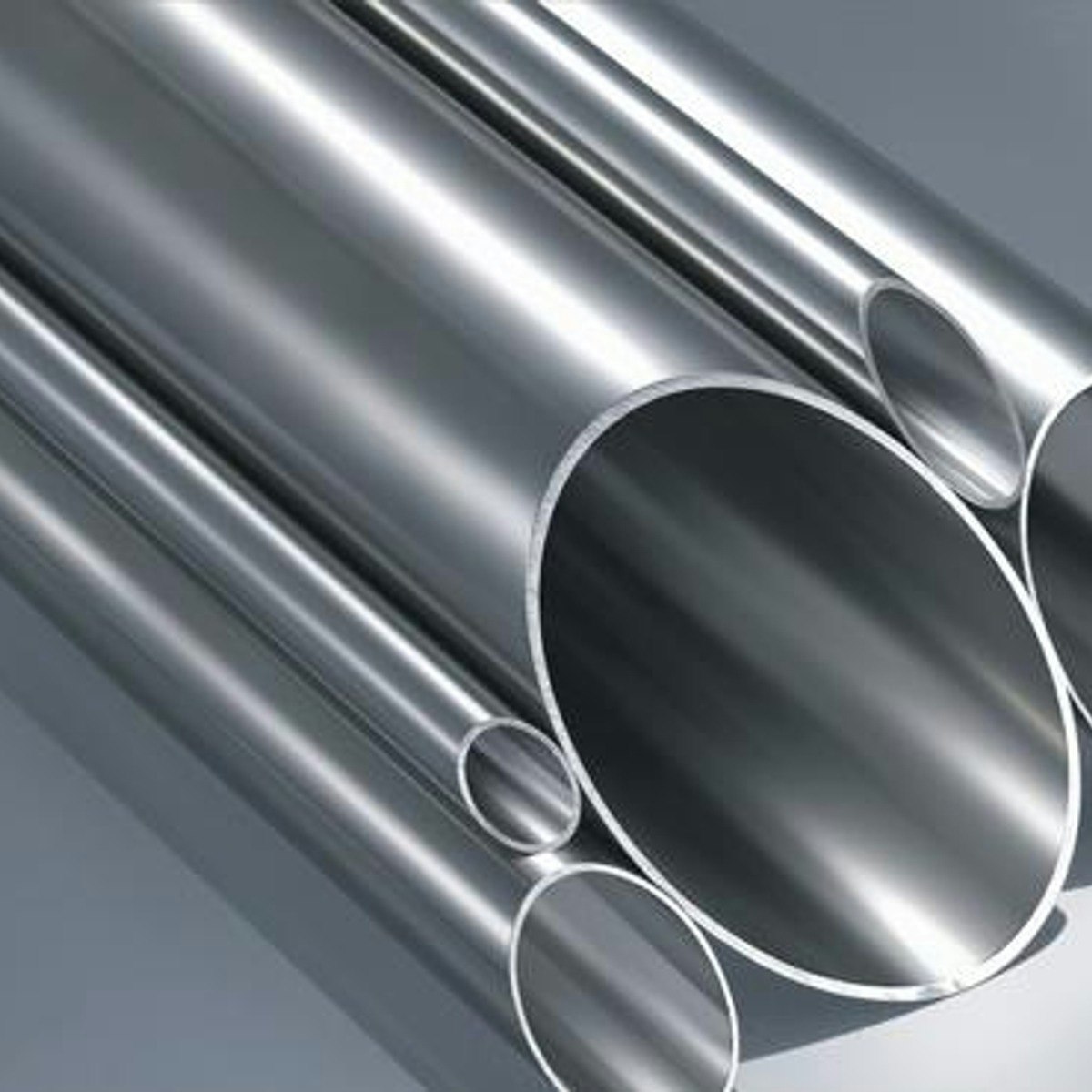
This particular course entitled “Pipe Material Specification” under the specialization entitled “Design of Industrial Piping Systems” is mainly aimed at piping system design aspects. The major differences between tube and pipe should be known to the designer first. The right selection of the straight pipe for a given process requirement is entirely based on the sound knowledge of the designer on pipe manufacturing techniques, pipe ends, pipe materials, and ASME B31 pressure piping series. Designers should be capable of determining the pipe wall thickness for the internal pressure as well as external pressure based on the ASME B31.3 code and selecting of proper schedule number from the ASME B36.10M and B36.19M standards. Piping is composed of pipe fittings, valves, flanges, gaskets, nuts and bolts, etc. Therefore, designers should be acquainted with various types of fittings, importance, ends, pressure-temperature ratings, and material. Similarly, designers should be acquainted with various types of flanges, ends, face finishing, pressure-temperature ratings, materials, and similar knowledge on gaskets and nuts and bolting. Valves are used for isolation, regulation, and one-way operations. Therefore, types, end connections, material, pressure-temperature ratings, internal construction, internal parts, and functioning of valves should be known to the designer for their right selection. PFDs, P&IDs, General Arrangement Drawings (GADs), and Piping Isometrics are important drawings for any process plant; and development, reading, and interpreting these drawings is one of the desired requirements that the designer should possess. To fulfill this requirement the designer should be thorough with certain symbols used to present a three-plane piping system on a 2D sheet such as GADs, etc. The designers must familiarize themselves with general abbreviations, service codes, line number identification, ‘insulation and heat tracing codes’, representations of pipelines, boundaries, off-page connectors, pipe fittings, piping valves, piping components, and ‘fire, and safety’. In a nutshell, the designer should be thorough with the legend sheet of a particular industry. The flexibility of a piping system is a major issue and it is dicey if the piping system doesn’t have inherent flexibility. Therefore, designers should be masters in all aspects of pipe stress analysis and perform flexibility analysis using industry-accepted pipe stress analysis software. They should be in a position to suggest the optimum pipe routing with appropriate supports, hangers, and expansion joints. To become an expert in flexibility analysis the designer should be well familiar with various types of primary supports, secondary supports, various types of hangers, good practices followed in piping and equipment layout known as layout rules, and expansion joints. Further, it is a requirement expected from the designer, i.e., the design of jacketed piping. Vibration-induced loads are to be included in the pipe flexibility analysis. Unless the designer knows the sources for pipe vibration and types; the effect of vibration cannot be captured in the stress analysis process. The piping system needs insulation and a thorough knowledge of the types, shapes, and materials is essential. Pipes may be routed through underground. Therefore, designers should be capable of making the decision when the underground piping is preferred. If preferred, the designer should know what sort of challenges going to be faced that arise from corrosion and land sliding, and what are remedial solutions. Hence, designers should know about proper cathodic protection as it is one of the remedial solutions to prevent the UG pipe. The course is aimed to address all these aspects and these essential topics are included in the course. These are explained and demonstrated in a lucid form therefore, the learners can easily grasp the concepts and acquire the required skillset as mentioned above.
Applications in Engineering Mechanics
This course applies principles learned in my course “Introduction to Engineering Mechanics” to analyze real world engineering structures. You will need to have mastered the engineering fundamentals from that class in order to be successful in this course offering. This course addresses the modeling and analysis of static equilibrium problems with an emphasis on real world engineering systems and problem solving. --------------------------- Recommended Background: You will need to have successfully completed my earlier course “Introduction to Engineering Mechanics” in order to be successful in this course. --------------------------- The copyright of all content and materials in this course are owned by either the Georgia Tech Research Corporation or Dr. Wayne Whiteman. By participating in the course or using the content or materials, whether in whole or in part, you agree that you may download and use any content and/or material in this course for your own personal, non-commercial use only in a manner consistent with a student of any academic course. Any other use of the content and materials, including use by other academic universities or entities, is prohibited without express written permission of the Georgia Tech Research Corporation. Interested parties may contact Dr. Wayne Whiteman directly for information regarding the procedure to obtain a non-exclusive license.

Foundations of Modern Mining
Our insatiable demand for metals over the years has been spurred by unprecedented economic growth across many countries in the world. It is important to know that the very structure upon which we are built depends on the products of mining. This course on Foundations of Modern Mining will equip you with the essential knowledge and skills to navigate the complex processes involved in mining. It provides an informative overview of the entire mining cycle known as “PEDOCA” – Prospecting & Exploration, Development, Operation, Closure and After-Care. This course is designed for individuals interested in developing foundational knowledge in modern mining, particularly professionals in the mining industry, or those with a related background who are eager to deepen their understanding of core mining principles. Learners should have a basic understanding of maps, familiarity with mining equipment, some health, safety, and environmental knowledge, and a strong interest in mining After completing this course, learners will be able to tackle operational challenges in the manufacturing industry by applying comprehensive knowledge gained. Also, they will be able to advance their careers, meet regulatory requirements, or drive transformation initiatives.

Battery Comparison, Manufacturing, and Packaging
Battery comparison, Manufacturing, and Packaging: In this course, you’ll identify components of battery management systems including electrical and thermal protections, cell balancing, state of charge and state of health estimation.

Mountains 101
Mountains 101 is a broad and integrated overview of the mountain world. This 12-lesson course covers an interdisciplinary field of study focusing on the physical, biological, and human dimensions of mountain places in Alberta, Canada, and around the world. Specifically, we'll study the geological origins of mountains, how they’re built-up and worn-down over time; we’ll learn about their importance for biodiversity and water cycles, globally and locally; we’ll explore their cultural significance to societies around the globe, and how that relationship has evolved over time; and we’ll learn how mountains are used, how they’re protected, and how today they’re experiencing rapid change in a warming climate. At the end of each lesson, Mountains 101 will also provide learners with some smart tricks -- Tech Tips -- to safely enjoy time in the high alpine environment: from how to pick the best footwear for hiking to making smart decisions in avalanche terrain. We’ll be delivering your online lessons from valley bottoms to mountaintops, from museums and labs, to alpine huts and other spectacular alpine sites, and we’ll do so with the help of a whole host of experts. We invite you to join us for this online adventure! The mountains are calling...

Digital Signal Processing 2: Filtering
Digital Signal Processing is the branch of engineering that, in the space of just a few decades, has enabled unprecedented levels of interpersonal communication and of on-demand entertainment. By reworking the principles of electronics, telecommunication and computer science into a unifying paradigm, DSP is a the heart of the digital revolution that brought us CDs, DVDs, MP3 players, mobile phones and countless other devices. The goal, for students of this course, will be to learn the fundamentals of Digital Signal Processing from the ground up. Starting from the basic definition of a discrete-time signal, we will work our way through Fourier analysis, filter design, sampling, interpolation and quantization to build a DSP toolset complete enough to analyze a practical communication system in detail. Hands-on examples and demonstration will be routinely used to close the gap between theory and practice. To make the best of this class, it is recommended that you are proficient in basic calculus and linear algebra; several programming examples will be provided in the form of Python notebooks but you can use your favorite programming language to test the algorithms described in the course.

Honors Algebra 2: Linear and Quadratic Functions
Honors Algebra 2: Linear and Quadratic Equations is the first course of a high-level algebra course designed to deepen your mathematical thinking and prepare you for advanced study in math, science, and engineering. Whether you're a high school student looking to accelerate your progress or an adult learner brushing up on foundational skills, this course offers a rich, engaging experience aligned with the Common Core State Standards. You'll explore the essential building blocks of algebra: linear functions, quadratic functions, and systems of equations. Through interactive lessons and real-world applications, you'll develop a deep understanding of how equations model the world around us—from predicting trends to describing physical phenomena. Along the way, you'll strengthen your skills in graphing, solving equations, and interpreting mathematical relationships, with an emphasis on conceptual understanding and mathematical reasoning. Designed with a university-level rigor but paced for online learners, this course invites you to go beyond memorization and truly engage with the power and elegance of algebra.

Landside Facility Planning
This course focuses on the landside of airport development, where the passenger and cargo journey begin and ends. You'll explore the intricate planning and design considerations that shape the user experience, from the moment of arrival to the efficient handling of cargo. Delve into the layout and planning considerations of terminal buildings, understanding their crucial functions and the importance of passenger conveniences. Explore the design of departure and arrival gates, and learn about the integration of essential MEP and HVAC services. Gain a visual understanding of terminal design through BIM model walkthroughs, witnessing how plans translate into functional spaces. Understand the planning of approach roads, landscaping, and drainage systems that connect the city to the terminal. Explore the design of multi-level and surface car parking, and learn how to optimize landside access and arrival/departure planning. Examine the critical role of the Air Traffic Control Tower, and the planning of essential utilities like water harvesting, supply management, fuel storage, power supply, and renewable energy integration. Finally, understand the critical placement and function of the Airport Fire & Rescue station. Gain a comprehensive understanding of the terminal operations framework, starting with gate demand methods. Explore the intricacies of check-in and ticketing processes, and the efficient flow of baggage claim. Understand the critical role of security screening, and learn how to design effective curb and holdroom areas, ensuring smooth passenger flow. Analyze air cargo demand and learn to design efficient air cargo aprons. Explore cargo handling systems and storage, and understand the specific planning considerations for air cargo facilities. Learn how to design sustainable air cargo facilities and integrate heliports. Examine the dynamics of PPP airports through case studies, and understand the crucial aspects of airport security. Through comprehensive exploration of landside facility planning, you'll develop the expertise to craft exceptional passenger and cargo journeys. From designing intuitive terminal layouts and integrating essential utilities to optimizing operational flow and ensuring sustainability, this course empowers you to create welcoming and efficient landside spaces that connect people and goods to the world. The target learners for this specialization are civil engineering graduate students, post graduate students and professionals working in the field of Airports. The prerequisites include Basic Civil Engineering, Building Materials and Transportation Engineering.

Formwork Practices
Welcome to the course on “Formwork Engineering Practices”, a comprehensive course designed to equip learners with the basic knowledge and skills needed in the field of construction. This course comprises of 6 modules, Module 1 delves into the fundamental principles and significance of formwork in construction. This module provides a holistic understanding of formwork classifications, benefits, objectives, and strategic material selection. This module also provides insights on essential accessories, consumables, application of tools and tackles in formwork. In Module 2, learners can have a detailed exploration on various formwork types of formwork such as conventional formwork and system formwork or Engineered formwork for foundations, walls, columns, slabs, and beams. This in-depth module has been crafted on components, assembly and deshuttering of foundation formwork, wall & column formwork. Going beyond theoretical principles, the module imparts practical insights that can be directly utilized in real-world situations. Module 3 focuses on learning conventional formwork drawings. The module provides insight into Flex System-slab & Beam and Heavy Duty Tower system. Going beyond theoretical principles, the module imparts practical insights that can be directly utilized in real-world situations. Module 4 delves into Formwork Planning and Monitoring, a crucial aspect in construction, encompassing the strategic configuration, scope, logistics and costing of formwork. Learners will know about design loads to be considered for formwork design, benefits of formwork design, design assumptions and design methods. Learners will be familiarized with the fundamental codal requirements for design of formwork In Module 5, the learners will be able to explore on overall formwork cost for the project which includes material cost, labor cost, and plant & machinery cost. Formwork costing calculation exercise along with cost optimization in formwork operations will enable better understanding on formwork cost estimation and optimization. The concluding Module 6 delves about application of specialized formwork such as tunnel formwork, climbing system for midrise and high-rise constructions, Alongside, the learners are provided with practical knowledge and skills through real-world case studies to tackle diverse challenges in construction projects." Collectively, the Formwork Engineering Practices provides a concise and comprehensive overview of formwork systems, blending theoretical knowledge with practical applications to prepare learners for success in the construction industry. The course is developed based on the basic understanding of formwork and project experience. Good formwork system always aims for quality, safety, economical and speedy construction. L&T Edutech offers this unique course to make you understand the basic requirements of formwork and ensure that you are ready for the industry!!! Happy Learning!! Target Learners: Post-Graduate Students of Structural Engineering Practicing Engineers in Structural Design Faculties of Civil Engineering Domain Prerequisites: Engineering Mechanics Fundamentals in Strength of Materials & Fluid Mechanics Basics in Concrete Technology Design knowledge of Reinforced Concrete Elements Exposure to relevant codes and standards

Organometallic Catalysis in Sustainable Chemistry
Organometallic Catalysis in Sustainable Chemistry offers foundational knowledge to tackle sustainability challenges from a chemical perspective, primarily through homogeneous organometallic catalysis. The course centers around dihydrogen (H₂) as the key sustainability molecule, utilizing it in various roles, such as in processes that produce or consume dihydrogen. With these tools, the course explores methods for storing H₂, upgrading biomass, and utilizing CO₂ to create industrially valuable commodity chemicals. Highly beneficial and engaging for students, the course follows a logical progression. It starts with the basics of organometallic chemistry and then applies this knowledge to catalysis, with a focus on sustainability. By completing the course, students will gain essential tools to independently explore organometallic catalysis in sustainable chemistry. This course is designed for students or professionals, typically with a Bachelor's degree in chemistry or equivalent relevant industrial experience, who have an interest in homogeneous catalysis and sustainability.
Bases Matemáticas: Derivadas
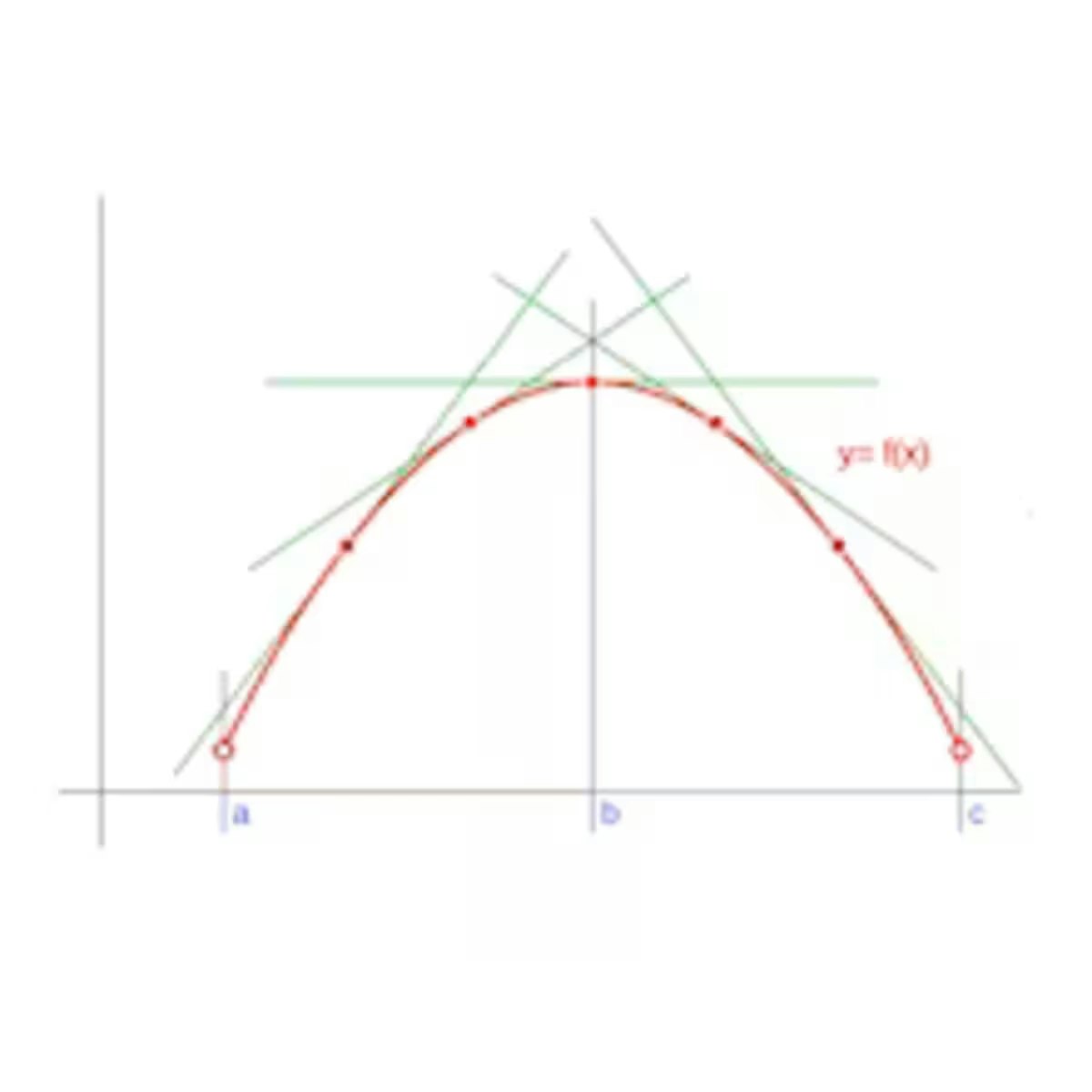
Este curso ofrece una revisión fundamental del cálculo diferencial, centrada en funciones y derivadas, con ejemplos y aplicaciones prácticas. Nuestro propósito es ofrecer una base sólida sobre funciones y derivadas, junto con sus aplicaciones, que sirva como refuerzo y acompañamiento académico para el estudiante. Está pensado como apoyo académico para estudiantes de ingeniería y grados con matemáticas.

Cities, Climate and Change: Pathways and Opportunities
How can we develop transformative skills and capacities to achieve climate neutral and sustainable cities? This course explores how we can design, create and achieve climate neutral and sustainable cities. We embrace the “mission to the moon” approach for tackling greenhouse emissions from cities putting an emphasis on pathways and opportunities. We utilise insights and inspiration from Sweden, Europe and around the world. We target how to support individuals and organisations in developing transformative skills and capacities for climate action on climate neutral in cities. We focus on mitigation of greenhouse gas emissions but also connect to adaptation, resilience, social justice and sustainable development in the context of cities, climate and change.
CPS Design with ARM Core using MicroPython for Industries
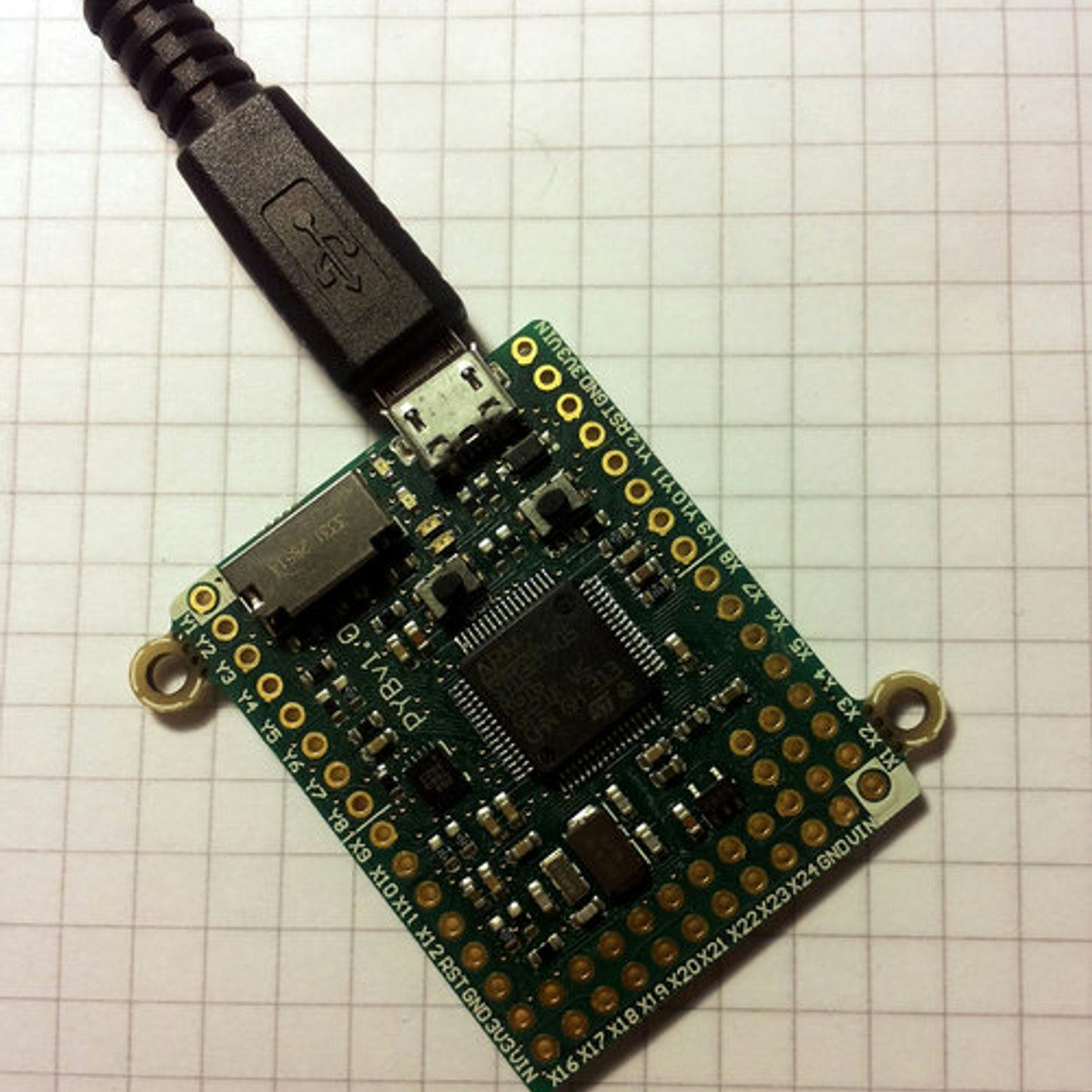
This course equips participants with the knowledge and hands-on skills needed to design and implement ARM Processor with Micro python in Cyber-Physical Systems (CPS) for industrial and use. Covering foundational concepts and practical development with Micro python programming on ARM processors, participants will explore the Consumer Industry, Smart City Perspective of CPS, and gain expertise to design and control the evolving smart systems. Participants will gain insights of Raspberry Pi Pico, Thonny IDE and Installing Micro Python for Pico and delve deep into the exploration of embedded systems in CPS. This covers 16x2 LCD Display using I2C Protocol, Interfacing ADC with Pico and displaying in OLED, Simple Weather Monitoring System, Interfacing Bluetooth with Pico and various embedded control systems for washing machine, design of Coffee machine, Vacuum cleaner and more using embedded system. Refrigeration Appliances, Weigh-In-Motion, induction, microwave oven. Furthermore, they will intricate concepts of civil structures, importance of sensors in smart civil structures and various controlling devices and systems for smart civil structures, gain knowledge in Smart city structures includes smart waste management, detection of underground utilities, smart metering and wireless occupancy and surveillance.