Cursos de Ciencia y matemáticas
Los mismos datos para todos, vengan de Udemy o de Coursera: precio, valoración, duración e idioma. 238 cursos encontrados. Afinar la búsqueda
Matrix Algebra for Engineers
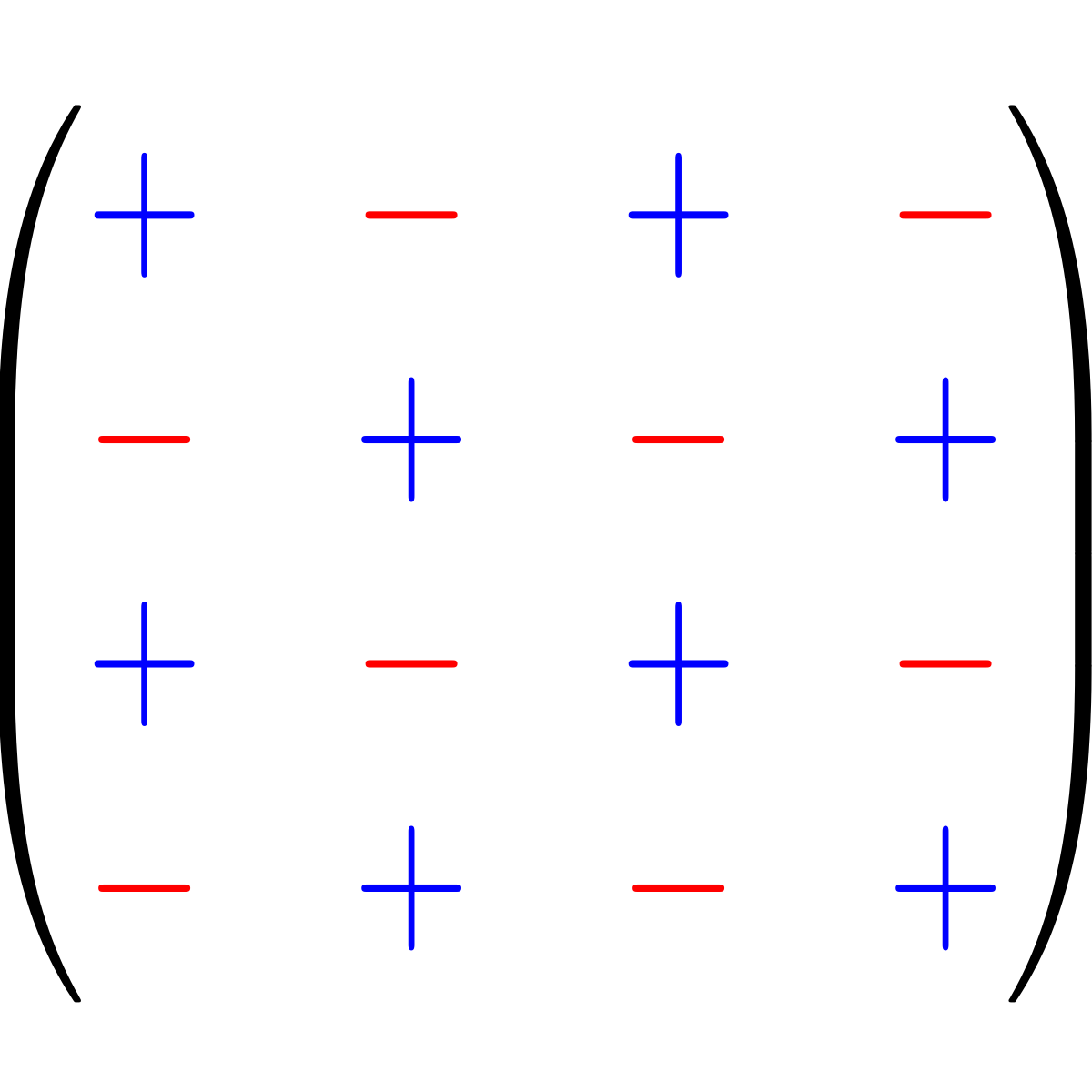
This course is all about matrices, and concisely covers the linear algebra that an engineer should know. The mathematics in this course is presented at the level of an advanced high school student, but it is recommended that students take this course after completing a university-level single variable calculus course, such as the Coursera offering Calculus for Engineers. There are no derivatives or integrals involved, but students are expected to have a basic level of mathematical maturity. Despite this, anyone interested in learning the basics of matrix algebra is welcome to join. The course consists of 38 concise lecture videos, each followed by a few problems to solve. After each major topic, there is a short practice quiz. Solutions to the problems and practice quizzes can be found in the instructor-provided lecture notes. The course spans four weeks, and at the end of each week, there is an assessed quiz. Download the lecture notes from the link https://www.math.hkust.edu.hk/~machas/matrix-algebra-for-engineers.pdf And watch the promotional video from the link https://youtu.be/IZcyZHomFQc
Formulación y nomenclatura de compuestos químicos
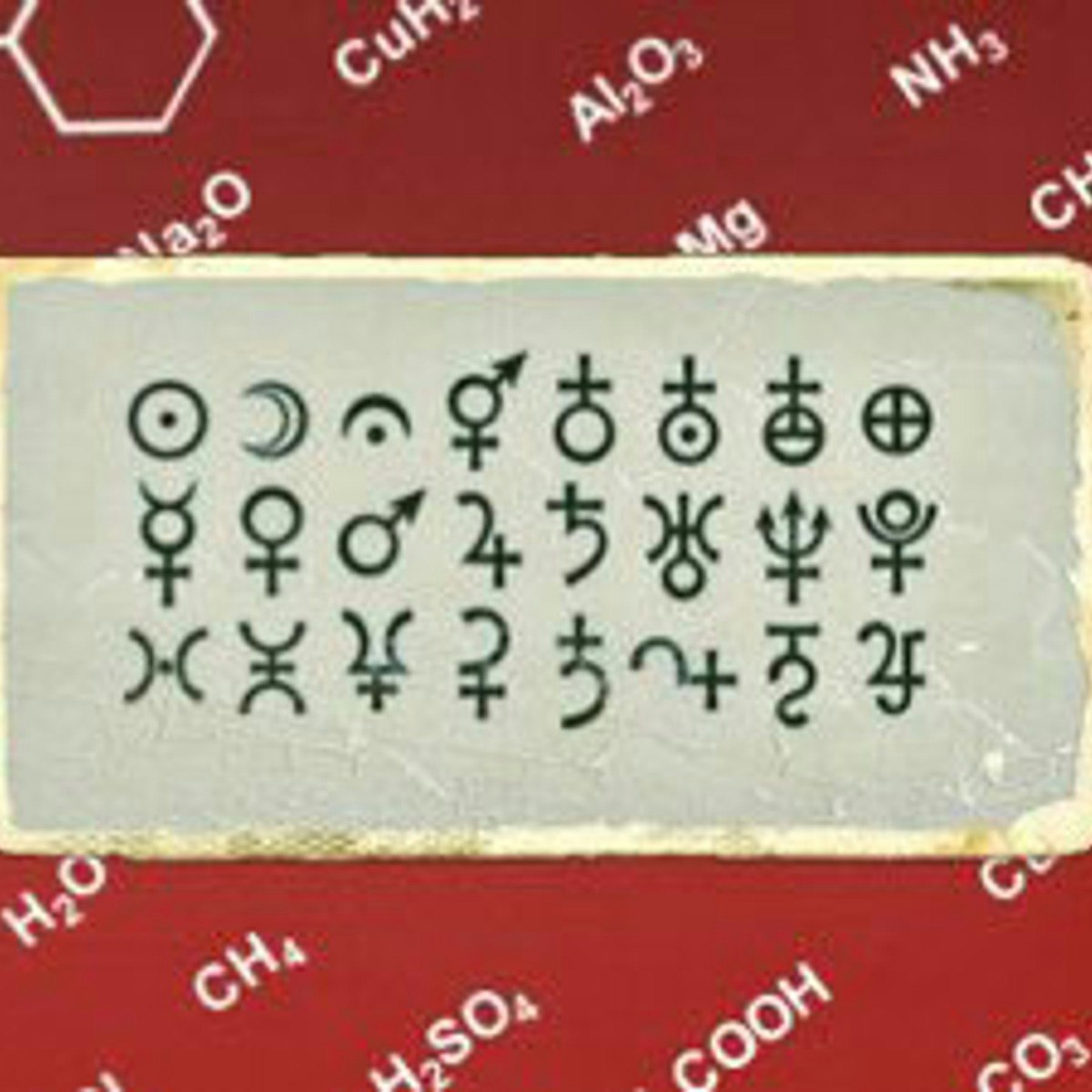
Este curso va dirigido a los alumnos que acceden a la Universidad, especialmente, aquellos que no han cursado Química y que requieren de los conocimientos básicos en estos aspectos. En este curso aprenderás las normas que se utilizan para establecer las fórmulas de las sustancias y especies químicas, así como las reglas necesarias para nombrarlas. De este modo, podrás identificar y nombrar correctamente los compuestos químicos inorgánicos y orgánicos más comunes.
Differential Equations and Applications
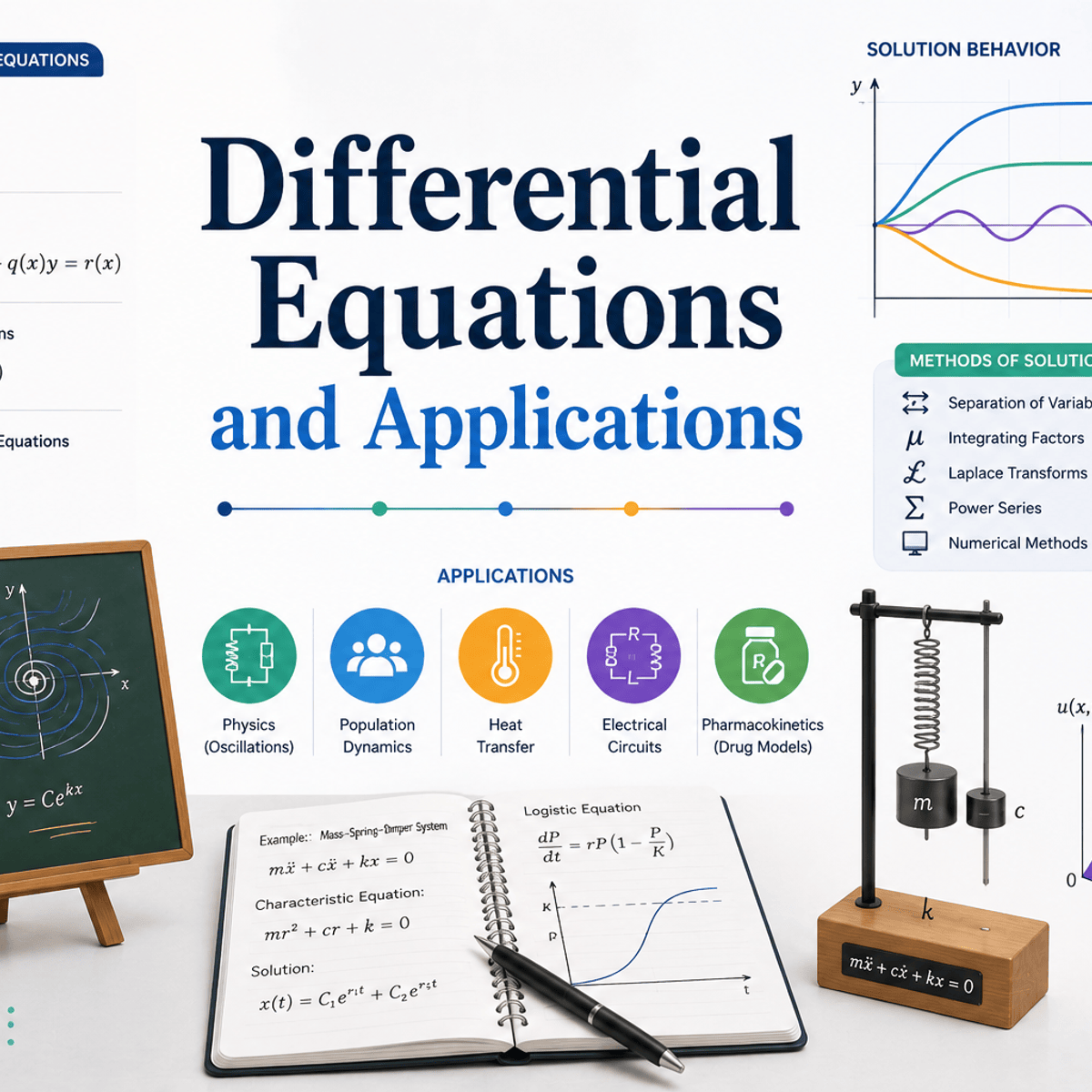
This course provides a comprehensive study of ordinary differential equations (ODEs), focusing on both theoretical concepts and solution techniques. It begins with the classification and solution of linear and non-linear first-order ODEs, followed by an in-depth exploration of second-order ODEs, including the concepts of linear dependence and independence of solutions. Various methods for solving second-order equations are introduced, such as the method of undetermined coefficients, variation of parameters, and reduction of order. The course also covers advanced techniques like the Laplace Transform for solving initial value problems and the application of Fourier series for representing periodic solutions. Sturm-Liouville problems are studied as a framework for solving boundary value problems and understanding eigenfunction expansions. Additionally, the course addresses the solution of systems of linear ODEs using matrix methods and eigenvalue analysis. This course equips students with the mathematical tools necessary to model and analyze real-world dynamic systems in science and engineering.

How Can We Measure and Study Human Error?
Course 2 teaches you how to distinguish between different methods for studying human error. You will also learn about human-centered design and usability, and how to compare and contrast different methodologies for evaluating the usability of products, technologies & systems.
Design of Illumination, Earthing and Lightning Protection
This course provides a comprehensive understanding of key building services essential for safe and efficient electrical design, focusing on illumination systems, earthing, lightning protection, and backup power solutions. Learners will begin with fundamental electrical calculations and progress to designing UPS and battery systems that ensure continuity of supply for critical loads. The course also covers earthing systems, lightning and surge protection, emphasizing safety, fault management, and equipment protection. In addition, learners will explore the principles of lighting design, including illumination calculations, fixture selection, and control strategies for energy-efficient buildings. By the end of the course, learners will be able to design lighting systems based on lux requirements, develop effective earthing and protection schemes, and size UPS systems for reliable operation. They will also understand how these systems integrate within a building’s overall electrical infrastructure. What makes this course unique is its practical, design-oriented approach, combining core theory with real-world applications and decision-making scenarios. Completing this course equips learners with critical skills for roles in electrical design, building services, and smart infrastructure engineering. Target learners: • Graduate engineers seeking practical knowledge in Smart Building Electrical & ELV systems. • Design consultants and project engineers working on building and infrastructure projects. • Commissioning, maintenance, and facility professionals involved in smart building technologies.
Introducción a la mecánica de suelos
Este curso sirve como una introducción a los principios básicos de la mecánica de suelos y su vinculación con la ingeniería. Los tópicos que se ven en el curso incluyen identificación y caracterización de suelos, y la evaluación de propiedades ingenieriles de estos materiales.
Converter Control
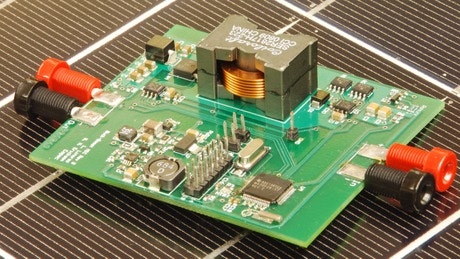
This course can also be taken for academic credit as ECEA 5702, part of CU Boulder’s Master of Science in Electrical Engineering degree. This course teaches how to design a feedback system to control a switching converter. The equivalent circuit models derived in the previous courses are extended to model small-signal ac variations. These models are then solved, to find the important transfer functions of the converter and its regulator system. Finally, the feedback loop is modeled, analyzed, and designed to meet requirements such as output regulation, bandwidth and transient response, and rejection of disturbances. Upon completion of this course, you will be able to design and analyze the feedback systems of switching regulators. This course assumes prior completion of courses Introduction to Power Electronics and Converter Circuits.
Calculus through Data & Modeling: Applying Differentiation
As rates of change, derivatives give us information about the shape of a graph. In this course, we will apply the derivative to find linear approximations for single-variable and multi-variable functions. This gives us a straightforward way to estimate functions that may be complicated or difficult to evaluate. We will also use the derivative to locate the maximum and minimum values of a function. These optimization techniques are important for all fields, including the natural sciences and data analysis. The topics in this course lend themselves to many real-world applications, such as machine learning, minimizing costs or maximizing profits.
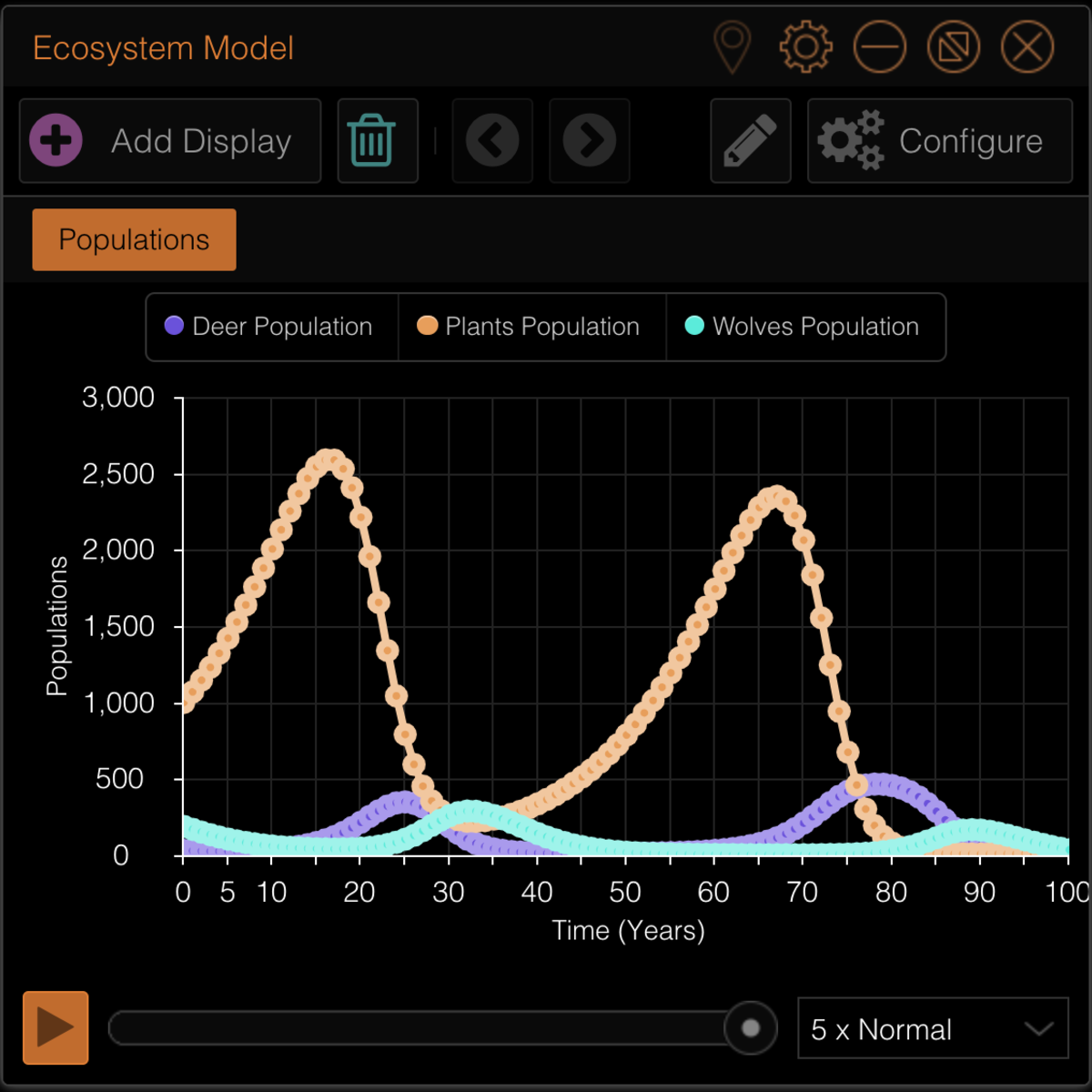
Building an Ecosystem model with Insight Maker
In this 1-hour long project-based course, you will create a model that simulates the interrelated dynamics of three different species populations within an environment: plants, deer, and wolves By doing so, you’ll be introduced to Insight Maker, a free web-based simulation environment that supports both System Dynamics modeling and Agent Based modeling. This will equip you with everything you need to know in order to build tailor-made models and simulations. Note: This course works best for learners who are based in the North America region. We’re currently working on providing the same experience in other regions.

Our Earth's Future
Our Earth’s Future is about the science of climate change and how to talk about it. You will learn from scientists in the fields of climatology, oceanography, Earth science, and anthropology who study how climate change is affecting people, populations, and ways of life. Explore the multiple lines of evidence for the human-induced climate change that is happening today, and consider what that means for the future of our planet. At the end of this course you will be able to understand key scientific principles, identify and address misconceptions, and contribute confidently to conversations about climate change.
Protecting the World: Introducing Corrosion Science and Engineering
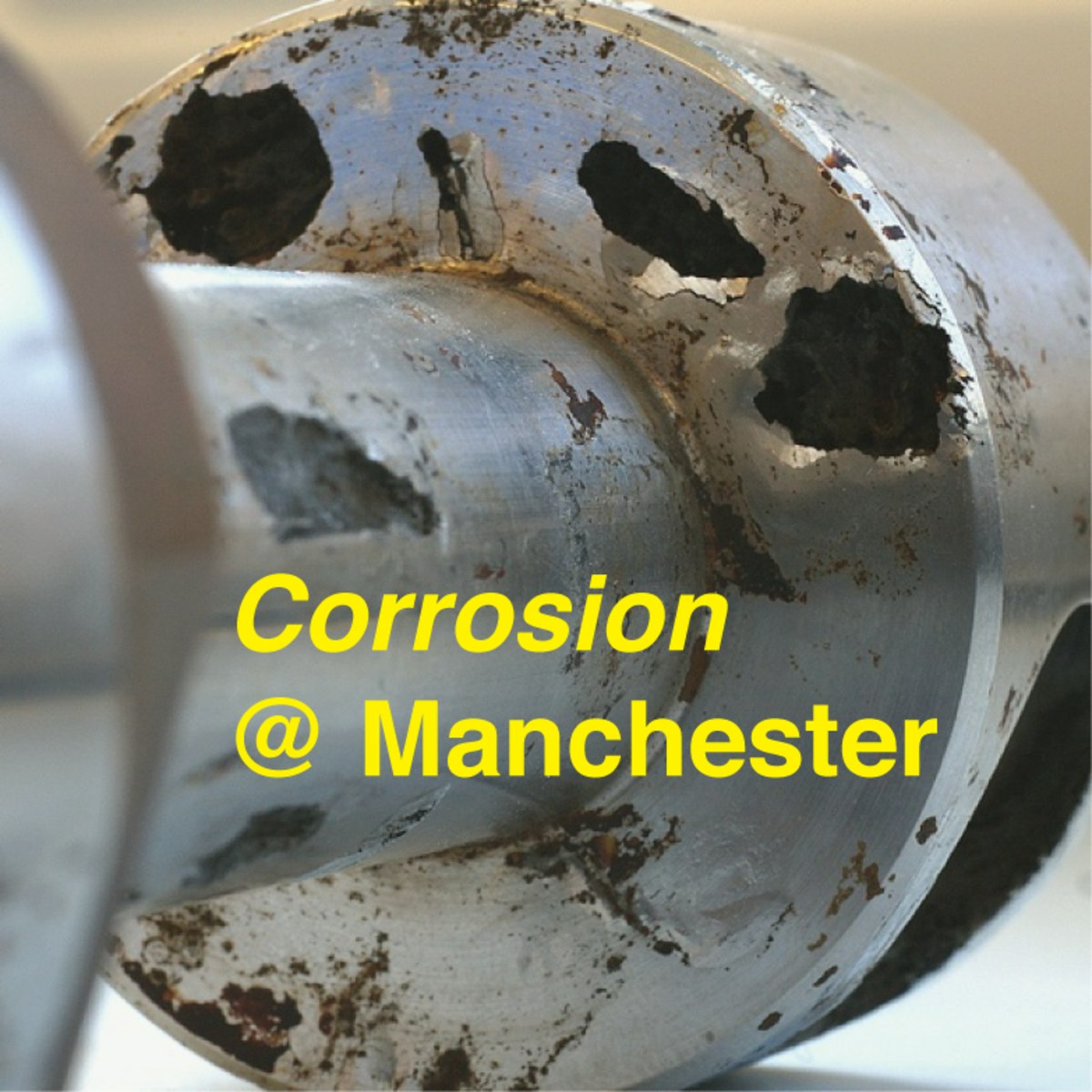
If you have ever encountered rusty car bodies, leaking pipes, tarnished silverware or the green patina of a copper roof then you have experienced corrosion in action. This course, from the Corrosion@Manchester team in collaboration with AkzoNobel, will teach you why metals corrode, what the environmental consequences are, how much corrosion costs and how corrosion can be controlled. It is designed for students, householders, teachers, professionals and anyone in-between. The aim of the course is to introduce the complex world of corrosion and corrosion control. While a full appreciation of corrosion science involves elements of materials science, electrochemistry and physics while corrosion engineering requires a practical knowledge of corrosion failures and engineering design this course does not need an extensive background knowledge. The course mirrors elements of the Corrosion Control Engineering teaching programme at The University of Manchester for final-year undergraduates and masters-level postgraduates and is used as a supplementary learning resource by our students.
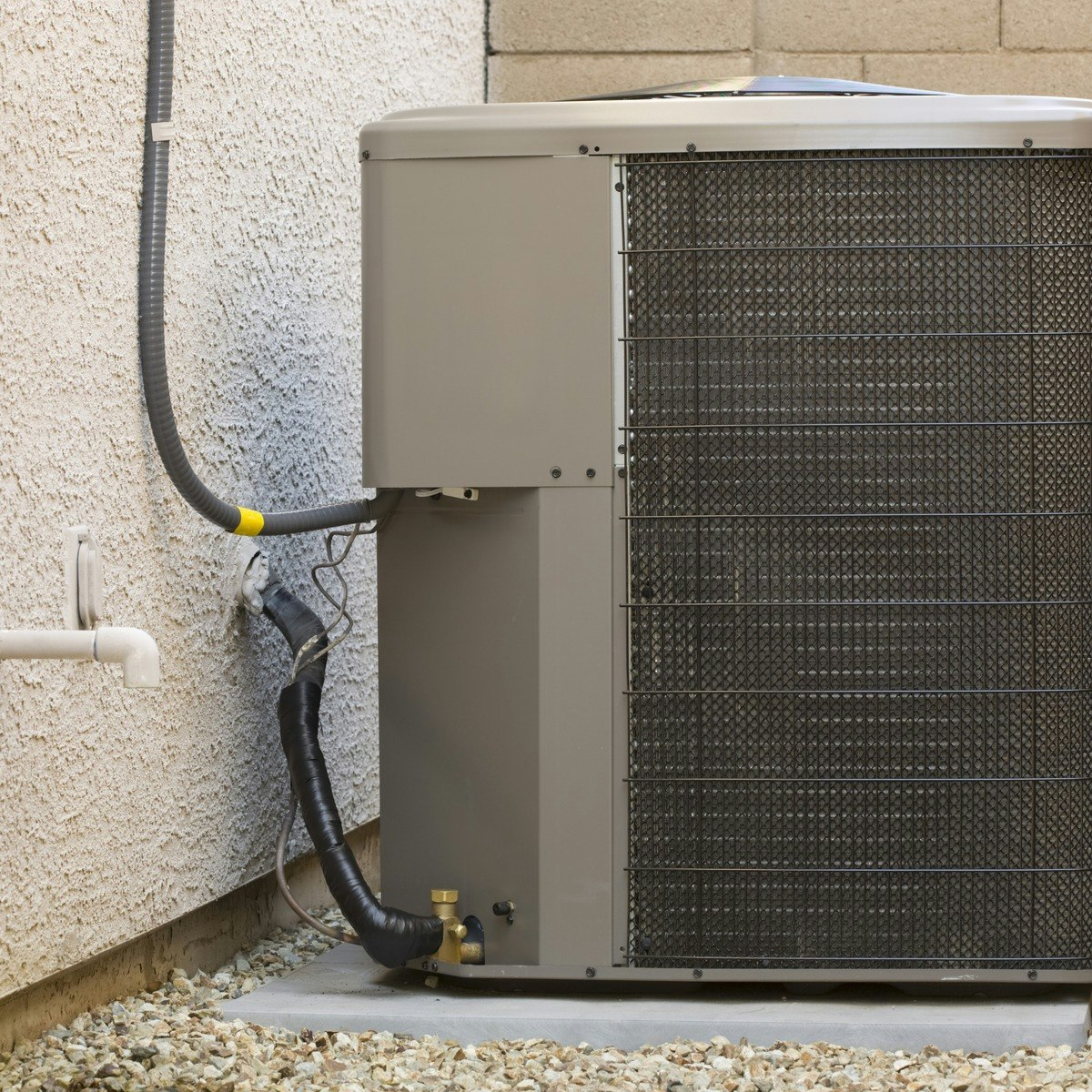
HVAC Supplies
The modern HVAC technician knows that a system is only as reliable as its smallest components. While massive compressors and furnaces often get the spotlight, the "little things" are what truly ensure operational success and long-term performance. This course provides a comprehensive deep dive into the essential supplies and peripheral equipment that play a major role in every professional installation and maintenance call. By completing this course, you will gain the technical literacy needed to navigate supply houses with confidence and ensure your installations are leak-proof, efficient, and user-friendly. Move beyond basic mechanical knowledge and master the intricate details that separate a standard technician from a true HVAC expert.

Greening the Economy: Lessons from Scandinavia
How can we live a good life on one planet with over seven billion people? This course will explore greening the economy on four levels – individual, business, city, and nation. We will look at the relationships between these levels and give many practical examples of the complexities and solutions across the levels. Scandinavia, a pioneering place advancing sustainability and combating climate change, is a unique starting point for learning about greening the economy. We will learn from many initiatives attempted in Scandinavia since the 1970s, which are all potentially helpful and useful for other countries and contexts. The International Institute for Industrial Environmental Economics (IIIEE) at Lund University is an international centre of excellence on strategies for sustainable solutions. The IIIEE is ideally suited to understand and explain the interdisciplinary issues in green economies utilising the diverse disciplinary backgrounds of its international staff. The IIIEE has been researching and teaching on sustainability and greener economies since the 1990s and it has extensive international networks connecting with a variety of organizations.
Geospatial Information Technology Essentials
The "Geospatial Information Technology Essentials" course offers a multi-disciplinary approach, integrating key aspects of both Geospatial and Information Technology. Organized into seven comprehensive modules, it provides a thorough learning experience. Module One introduces the fundamentals of Geographic Information Systems (GIS), covering its applications, hardware requirements, data models, and attribute data types. Module Two delves deeper into GIS concepts, focusing on mapping essentials, data conversion techniques, and georeferencing. In Module Three, learners explore GIS database management, including basics of databases, RDBMS, SQL, and advanced geodatabase management. Module Four covers spatial analysis using GIS, with practical demonstrations of techniques like catchment area delineation, overlay analysis, and viewshed analysis. Module Five provides insights into geospatial IT, including enterprise GIS, web and mobile GIS technologies, and practical case studies. In Module Six, system integrations and decision support are discussed, with a focus on command and control center case studies, decision support systems, and open-source GIS projects. Module Seven introduces future trends in geospatial technologies, highlighting advancements in survey and mapping technologies, spatial analytics, and geointelligence. Join us on this journey into Geospatial Information Technology and equip yourself with the essential skills and knowledge to excel in this dynamic field! Target Learners: • Undergraduate students of Civil Engineering • Post-Graduate Students in Geoinformatics/ Remote Sensing/ Geospatial Engineering. • Practicing Engineers involved in geospatial applications in construction. • Faculties in Civil, Geospatial and Environmental Studies. • Professionals in GIS and Remote Sensing fields • Engineers and project managers involved in spatial data analysis Prerequisites: • Basic understanding of GIS principles and spatial data • Familiarity with computer operations and software usage • Software: ArcGIS
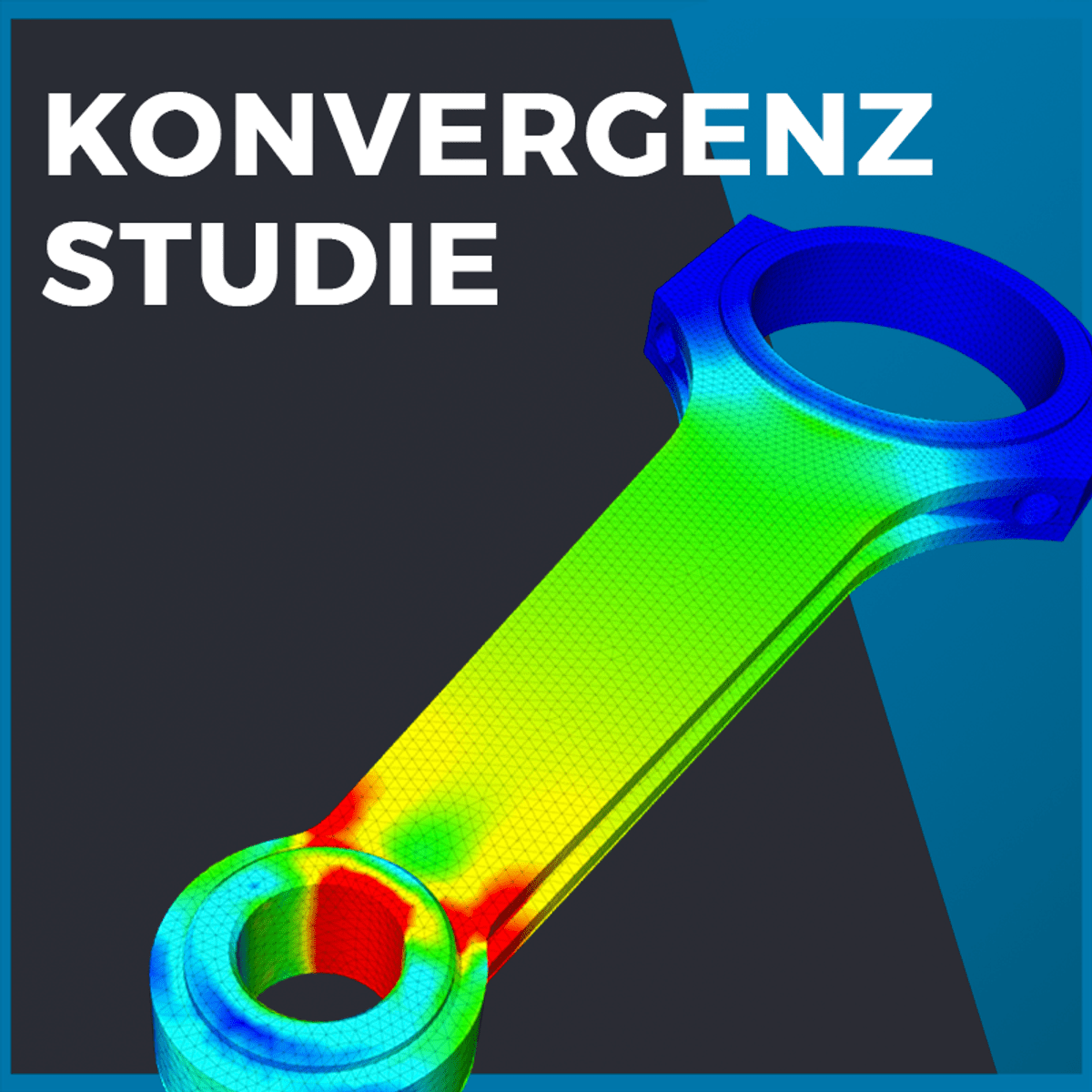
Netzkonvergenzstudien in der Finiten Elemente Methode
Bei der Finite-Element-Modellierung führt ein feineres Netz in der Regel zu einer genaueren Lösung. Je feiner jedoch ein Netz ist, desto länger ist die Berechnungszeit. Wie erhalten Sie ein Netz, das zufriedenstellend Genauigkeit mit Rechenressourcen in Einklang bringt? Eine Möglichkeit ist die Durchführung einer Netzkonvergenzstudie. SimScale ist eine technische Simulationsplattform, die die Art und Weise revolutioniert, wie Ingenieure, Designer, Wissenschaftler und Studenten Produkte entwerfen. Die SimScale-Plattform ist vollständig über einen Standard-Webbrowser zugänglich und verfügt über eine einfach zu bedienende Schnittstelle, die zahlreiche Simulationstypen unterstützt, darunter Festkörpermechanik (FEM), Strömungsdynamik (CFD) und Thermodynamik. Dieser Kurs läuft auf Coursera's praktischer Projektplattform namens Rhyme. Auf Rhyme führen Sie Projekte praxisnah in Ihrem Browser durch. Sie erhalten sofortigen Zugang zu vorkonfigurierten Cloud-Desktops, die alle Software und Daten enthalten, die Sie für das Projekt benötigen. Für dieses Projekt benötigen Sie keine speziellen Einstellungen oder Daten. Alles ist bereits direkt in Ihrem Internetbrowser eingerichtet, so dass Sie sich ganz auf das Lernen konzentrieren können! Anmerkungen: - Dieser Kurs eignet sich am besten für Lernende, die in der Region Nordamerika ansässig sind. Wir arbeiten derzeit daran, die gleiche Erfahrung auch in anderen Regionen anzubieten.
Introducción a la Estructura de la Materia
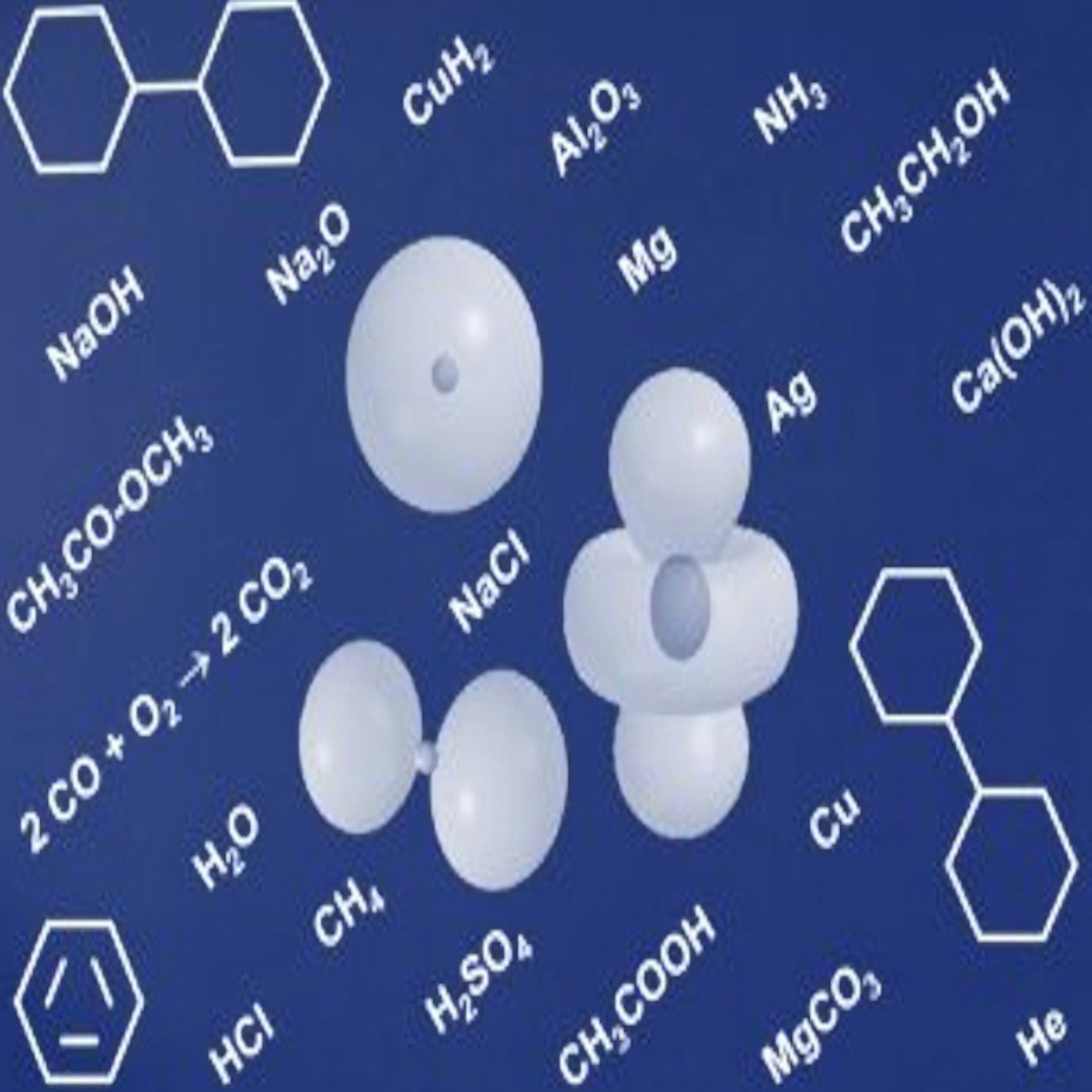
Todo lo que nos rodea y los materiales que utilizamos en nuestra vida cotidiana están compuestos por mezclas de sustancias y compuestos químicos. Sus propiedades, usos y transformaciones dependen tanto de los elementos que los constituyen como de su estructura química. La Química es la disciplina científica que estudia estos procesos y resulta fundamental en numerosas titulaciones universitarias. Este curso está especialmente diseñado para estudiantes que acceden a la Universidad y necesitan adquirir una base sólida de conocimientos básicos de Química.

La Economía Circular: ¿un mito o una posibilidad?
En el contexto actual de emergencia climática y escasez de recursos es necesario empezar a replantear que papel es el que ejerce la economía. Hasta el momento, el desarrollo económico ha estado basado en un crecimiento continuo basado en el uso de recursos naturales sin tener en cuenta las consecuencias derivadas de su uso ineficientes, y los impactos ambientales que generan en el medio ambiente. Frente a esta situación, desde hace unos años se ha intensificado el debate sobre cómo debería ser la economía para permitir un desarrollo más sustentable. Uno de los conceptos que ha ganado fuerza es el de la Economía Circular, que sirviéndose de la investigación desarrollada desde finales de 1970’s se inspira para plantear productos, y sistemas industriales y urbanos más respetuosos con el medio ambiente. La economía circular, pues, no es un concepto del todo nuevo. Representa una nueva forma de entender y analizar sistemas actuales, y de promover sistemas y productos más respetuosos con el medio ambiente. En este curso aprenderás lo fundamentos de la economía circular, las cifras actuales que demuestran la necesidad de avanzar hacia sistemas y productos circulares, y sobre todo las herramientas básicas para poder analizar los sistemas socioeconómicos actuales. La estructura del curso contempla 5 sesiones, cada uno requiere una dedicación de unas 4 horas de estudio y práctica. La primera sesión explica las distintas escuelas de pensamiento que han servido para desarrollar el concepto de la Economía Circular. Durant la segunda sesión, os mostraré cuales son los compromisos políticos y los planes de acción en EC en Europa que se están implementando para mejorar ambientalmente la economía actual. Las tres sesiones siguientes describen los fundamentos básicos para analizar un sistema y producto desde un punto de vista físico. Después de hacer una introducción sobre los principios de termodinámica, y de conservación de la materia, aprenderás como se usan para el análisis de sistemas. También hablaremos sobre el ecodiseño o diseño para el medio ambiente, y finalmente de cómo algunas de estas herramientas se aplican conjuntamente. El curso está orientado a profesionales en medio ambiente y gestión de empresas, también universitarios de pregrado y estudiantes de posgrado y tecnólogos.

Designing and Simulating Physical Models
As systems become more complex, engineers need to keep pace with the techniques for designing and testing the digital representations of their creations. This course equips you with the latest skills in modeling and simulation using Simscape™, an industry-standard tool integrated with Simulink® and prepares you to meet the changing needs of engineering roles in automotive, aerospace, and robotics sectors, ensuring you remain competitive and relevant in a rapidly advancing job market. You will have the opportunity to engage in practical, project-based learning that mirrors the challenges faced by top engineering firms. Through hands-on experience creating dynamic models and simulating real-world systems, you’ll develop skills in multi-domain physical modeling and component integration. You will use Simulink and Simscape throughout the course. Simulink is a multi-domain modeling and simulation environment for engineers and scientists who design controls, wireless, and other dynamic systems. Within the Simulink environment, Simscape is used to rapidly create models of real-world components like electric motors, batteries, quadcopters, and robot arms. You will receive free access to Simulink and Simscape for the duration of the course to complete your work. Whether you're an aspiring engineer or a seasoned professional, this course will enhance your skill set. Enroll now to gain skills that are in high demand across various engineering fields.
HVAC Systems
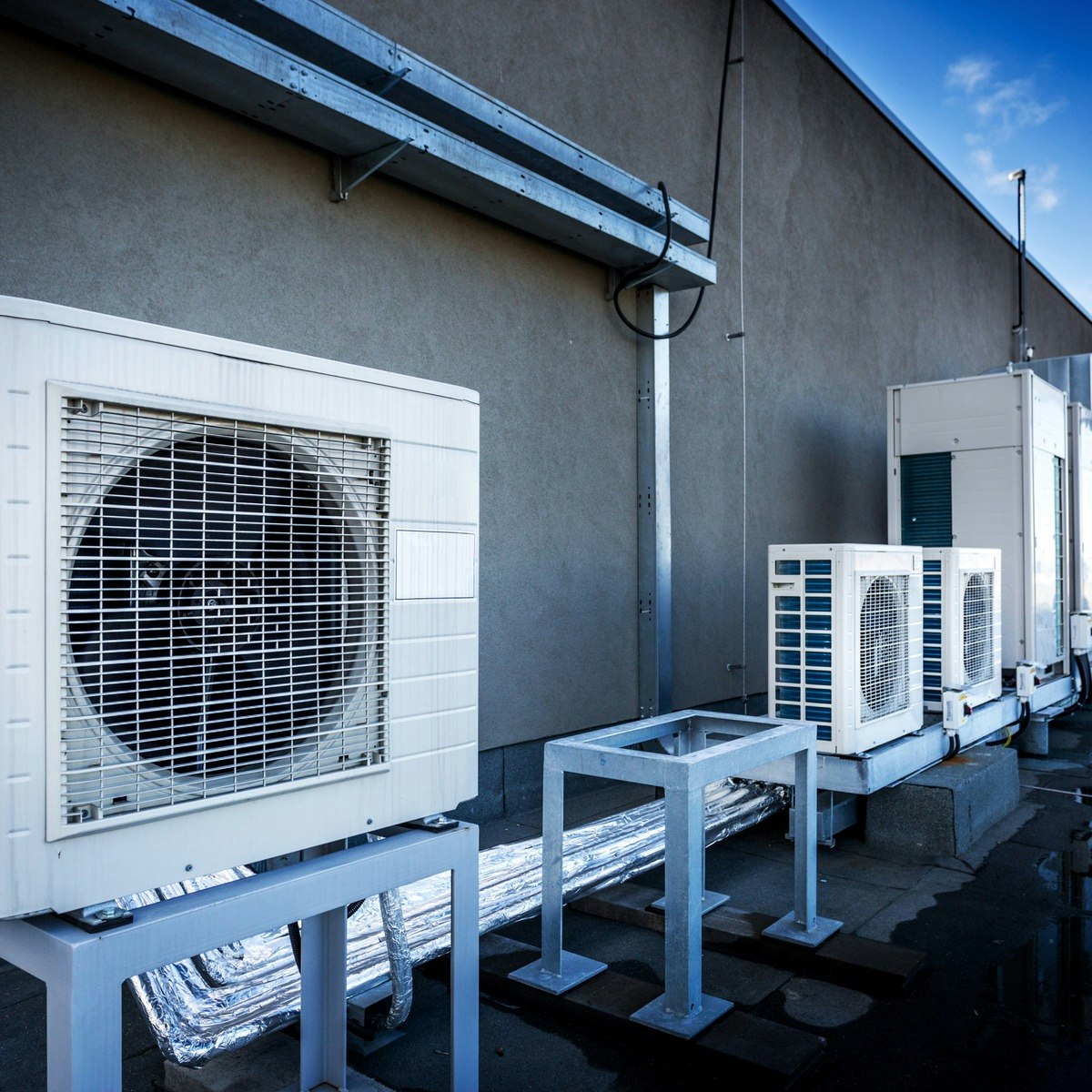
Understanding the mechanics of climate control is essential for anyone entering the trades or managing modern building infrastructure. This course provides a comprehensive general overview of HVAC systems and their operational fundamentals. You will explore the mechanical diversity of heating and cooling, gaining clarity on how specific systems are engineered to maintain comfort within a structure. Since each system works differently, you will examine why certain units are better suited for specific climates than others. By completing this course, you will build a foundational knowledge base that allows you to transition from general curiosity to technical proficiency, giving you a professional advantage in identifying and discussing the right equipment for any job.
Las estaciones del año y el clima
¿Sabes por qué hay animales que migran cada año? ¿Cómo saben los campesinos cuándo sembrar y cuándo cosechar? ¿Sabes qué gobierna el ciclo anual de frío y calor y de lluvias y secas? Las estaciones del año son el fenómeno climático más perceptible por el ser humano y se manifiestan de diferente forma en distintas regiones; por ejemplo cuando es invierno en la mitad del mundo, es verano en la otra mitad. Entender el mecanismo de las estaciones es el primer paso para entender el clima, que afecta a casi todas las actividades humanas. En este curso estudiaremos los procesos que provocan las estaciones del año, las repercusiones que tienen éstas para las actividades humanas y su relación con los fundamentos del sistema climático terrestre. A través de simulaciones visuales haremos comprensibles conceptos y procesos físicos y te propondremos experimentos. Si estas considerando estudiar ciencias de la Tierra o si quieres comprender mejor cómo funciona el clima, este curso es para ti. ¡Acompáñanos! Y conoce más sobre nuestro hogar el planeta Tierra.

Urban Climate Governance: Towards 1.5° Celsius Alignment
Welcome to this course where you will explore how cities can and are addressing the climate crisis. In this course we will explore the science behind the 1.5°C goal, as well as useful local governance and technical tools to help cities align to it. This course will highlight the importance of renewable energy together with energy efficiency considerations. We will also look at the importance of cities’ physical layout and its relationship to energy systems, in particular, the role of integrated urban planning and transport planning to support more sustainable energy solutions. Throughout this course, learners will be introduced to city climate solutions, matched by successful city case studies. This course is primarily aimed at undergraduate and graduate students as well as practitioners in the public and private domains.
Conceptos base para el estudio del medio ambiente
La progresiva toma de conciencia sobre la interrelación entre los procesos de desarrollo y la sostenibilidad del medioambiente en Latinoamérica, hacen necesarios incursionar en los conocimientos de disciplinas básicas ambientales como: Biología, Química, Física y Estadísticas. Los objetivos de la introducción a la Biología tienen como fines entre otros: 1. Conocer la constitución de la materia viva; 2. Estudiar la organización de los distintos seres vivos; 3. Estudiar las funciones que éstos realizan. También se incursiona en los fundamentos de Física y Química, ambas desde hace tiempo muy relacionadas entre sí, mencionando como ejemplo que, en 1827, el francés Fourier observó en particular el dióxido de carbono, retenía el calor atmosférico. Más tarde en 1903 el físico sueco Arrhenius, construyó la teoría general del efecto invernadero del calentamiento planetario. Esto nos muestra que Física, Química y Medio Ambiente mantienen una fructífera colaboración, que dura hasta nuestros días. Finalmente cabe destacar que fue necesario también incorporar la más nueva; las Estadísticas Ambientales, incorporada en nuestra región después de la “Convención Sobre Acceso a la Información, Participación del Público en la Toma de Decisiones y el Acceso a la Justicia en Asuntos Ambientales” o conocida también como Convención de Aarhus (1999). Esta disciplina, fundamentalmente, ha contribuido a sistemas nacionales de información ambiental, indicadores ambientales y de sostenibilidad.

Solar Energy Codes, Permitting and Zoning
This course equips learners to identify national code and zoning rules specific to photovoltaic (PV) systems, as well as key design elements and points for inspection. Curriculum includes zoning variances, critical elements of the permitting process, planning documents necessary for PV system installation and recommendations for permitting offices to streamline the permit process. Learners gain a code inspector’s perspective in relation to building and electrical code requirements. This course is for anyone interested in entering the solar power sector, and is especially appropriate for building and code inspectors, engineers, HVAC installers and architects. It assumes that the learner has a basic grasp of electrical engineering and mathematical concepts. Those who are unfamiliar with how PV works, the elements of a PV system, and/or solar power ROI should take the first course of the specialization, Solar Energy Systems Overview. Learners seeking a greater understanding of the anatomy and function of PV systems should take the second course, Solar Energy and Electrical System Design. Material includes online lectures, videos, demos, hands-on exercises, project work, readings and discussions. This is the third course in the Solar PV for Engineers, Architects and Code Inspectors specialization. To learn more about the specialization, check out a video overview at https://youtu.be/XjkKzbXqA6s.

Environmental Management & Ethics
Decision-makers often turn to scientists and engineers to assist them to navigate through complex environmental, health and societal challenges pervaded by systemic uncertainty, ambiguity and ethical implications. This course prepares you to meet the requests and demands of current and future decision-makers and in this course, you will analyze ethical challenges associated with environmental dilemmas and apply different decision making tools relevant to environmental management and regulation.
Geographical Information Systems - Part 2
This course is the second part of a course dedicated to the theoretical and practical bases of Geographic Information Systems (GIS). It offers an introduction to GIS that does not require prior computer skills. It gives the opportunity to quickly acquire the basics that allow you to create spatial databases and produce geographic maps. This is a practical course that relies on the use of free Open Source software (QGIS, Geoda). In the first part of the course (Geographical Information Systems - Part 1), you explored the basics of land digitization and geodata storage. In particular, you learned how to: - Characterize spatial objects and phenomena (spatial modeling) from the point of view of their positioning in space (coordinate systems and projections, spatial relationships) and according to their intrinsic nature (object or vector mode vs. image or raster mode); - Use various data acquisition methods (direct measurement, georeferencing of images, digitization, existing data source, etc.); - Use various geodata storage methods (simple files and relational databases); - Use data modeling tools to describe and implement a database; - Create queries in a query language and data manipulation. The second part of the course deals with spatial analysis methods and georeferenced information representation techniques. In particular, you will learn how to: - Analyze the spatial properties of discrete variables, for example by quantifying spatial autocorrelation; - Work with continuous variables (sampling, interpolation and construction of isolines) - Use digital elevation models (DEMs) and their derivatives (slope, orientation, etc.); - Use geodata superposition techniques; - Produce cartographic documents according to the rules of the semiology of graphics; - Explore other forms of spatial representation (interactive cartography on the internet, 3D representations, and augmented reality). The page https://www.facebook.com/moocsig provides an interactive forum for participants in this course.
The Basics of Rocket Science
Why are rockets so big? Is there gravity in space? How does a rocket engine even work? In this course, you’ll explore the major concepts of rocket science, including orbital dynamics, velocity, and different types of engines that help propel a rocket out of Earth’s atmosphere. Determine how rocket scientists use formulas and Newton’s laws to propel rockets off the ground and accelerate them to their destination. Explore how and why rockets have stages, including how rocket scientists choose between solid and liquid engines for rockets. With The Basics of Rocket Science, you’ll even get an inside look at how we might get humans to Mars, an advancement in rocket science that could change humanity's future.

SOLIDWORKS Revolution and Cut Features
Welcome to SOLIDWORKS Revolution and Cut Features, the third course in the SOLIDWORKS 3D CAD for Education Specialization. To get the most out of this course, you should first complete the previous two courses in the series. This course focuses on feature refinement and advanced geometry creation using cuts and revolved features. Upon completion of this learning module, you will be able to: - Create extruded cuts - Apply fillets/chamfers - Create revolve boss - Apply revolve cut This course is ideal for learners who want to explore new tools for creating axisymmetric objects and refining their designs. Software Prerequisites: SOLIDWORKS Desktop EDU Access powerful capabilities for Engineering with SOLIDWORKS Desktop at a low price, $60 (excluding taxes), follow this link : https://go.3ds.com/CSW1

Physics 102 - Electric Potential and DC Circuits
This second course serves as an introduction to the physics of electricity and magnetism. Upon completion, learners will understand how mathematical laws and conservation principles describe fields and how these fields are related to electrical circuits. Learners will gain experience in solving physics problems with tools such as graphical analysis, algebra, vector analysis, and calculus. This second course covers Electric Potential, Capacitance, Current, Resistors, and DC Circuits. Each of the two modules contains reading links to a free textbook, complete video lectures, conceptual quizzes, and a set of homework problems. Once the modules are completed, the course ends with an exam. This comprehensive course is similar in detail and rigor to those taught on-campus at Rice. It will thoroughly prepare learners for their upcoming introductory physics courses or more advanced courses in physics.

KALKÜLÜS I: HAZIRLIK VE ALTYAPI / CALCULUS I: PRECALCULUS
Niçin bu ders: Kalkülüse Hazırlık (Precalculus)? Tek değişkenli fonksiyonları tanımak bu dersin konusu. Hemen her üniversite programında bir diferansiyel ve entegral hesap dersi var. Bu ders, çok önemli olmasına karşın, dünyada en az sevilen derslerden birisi de bu ders. Kimse dersin önemini inkâr etmiyor, ama ders hem öğrenci açısından hem de öğreticiler açısından sevimsiz bir deneyime dönüşüyor. Bu dersin amacı: fonksiyonları tanıtmak. Niçin? Matematik bir dil. Sözel dillerde kelimeleri dilbilgisi kurallarıyla birleştirilerek gözlemleri ve düşünceleri oluşturuyoruz. Matematikte de benzer olarak, dilbilgisinin görevini birbiriyle çelişmeyen kabuller (aksiyomlar / postulatlar), kelimelerin görevini de işlemleri tanımlayan işaretler ve fonksiyonlar sağlıyor. Sözel dillerde en az binlerce kelime gerekirken, matematikte sadece onlarca “kelime” yani fonksiyon yeterli oluyor. Bu açıdan bakınca matematik sözel dillerden daha kolay olmalı... İşte bu nedenle, matematiğin kelimelerini, yani fonksiyonları tanımak çok önemli. Bu dersin amacı temel fonksiyonları tanıtmak. Bu fonksiyonları iyi bilmeyenler, matematik dilinde ilerlemekte, özel olarak da kalkülüste başarılı olamıyorlar. Why this course: Precalculus? Single variable functions are an introduction to calculus. Almost every university program has a course on differential and integral calculus. Although this course is very important, it is also one of the least popular courses in the world. No one denies the importance of the course, but it is not successful both for the students nor for the instructors. As a result, the lesson turns into an unpleasant experience for both the students and the instructors. The aim of this course is to introduce functions. Why? Mathematics is a language. In verbal languages, we combine words with grammatical rules to form observations and thoughts. In mathematics too, the task of grammar is to provide non-contradictory assumptions (axioms/postulates), and the task of words is provided by signs and functions that describe operations. While thousands of words are required in verbal languages, only dozens of "words" i. e. functions are sufficient in mathematics. From this point of view, mathematics should be easier than verbal languages. For this reason, it is very important to recognize the functions that make up the words of mathematics. The aim of this course is to introduce the basic functions.

Creativity, Innovation and Transformation
Our lives are being disrupted by pandemics, global warming, wars, political chaos, and technological innovations. We must prepare for an unpredictable and unknown future - and this is the goal of the course on Creativity, Innovation, and Transformation (CIT)! CIT is an upgrade of the former Creativity, Innovation and Change (CIC) course, which was last streamlined and updated in 2024. The course consists of four main Modules/Lessons: Innovation Toolbox Creative Diversity CENTER Transformation The course offers unique ways to: Discover our unique creative and innovative nature Grow our sense of responsibility to ourselves and our community Transform our inner world into higher moral and ethical states Appreciate unexpected beauty and deeper meaning in our lives. Through a blend of rich and fresh perspectives on topics of creativity, innovation, and transformation, the course contributes to making us aware of our unique creative selves and how we can unfold our individuality in a world of disruptions and differences in great need of everyone’s creative, innovative and transformative potential! Welcome to CIT MOOC! Recommended Readings Jack Matson - Innovate or Die - http://amzn.to/14Wed0V Darrell Velegol - CENTER, Design of Innovation Processes - https://a.co/d/0xKzmoI Keith Nelson - Breakthroughs - https://a.co/d/iRZkLy7

Qualitative and Quantitative Analysis of Disaster Risk
This course will teach you how to identify and analyze the risks of natural disasters in infrastructure projects. You will learn about different types of qualitative and quantitative analysis, as well as the methodologies and tools used to conduct these analyses in order to apply the knowledge. You will review risk models and comprehensive risk management. Interesting practical exercises will be presented that require the installation of specific software from the Inter-American Development Bank to conduct analyses related to the presented contents. This course is ideal for individuals interested in risk management, project planning, and climate change. It will also be useful for those working in government, non-governmental organizations, or the private industry. This course is part of a Specialization. Before starting, we recommend you take Course 1: "Natural Disaster Risk in Infrastructure Projects".
Conversión energética: Innovación, análisis y comunidades
Al finalizar el curso Conversión energética: Innovación, análisis y comunidades, el estudiante estará en capacidad de analizar soluciones tecnológicas clave para la descarbonización y la electrificación, aplicar herramientas de análisis y simulación —incluyendo enfoques apoyados en inteligencia artificial— para evaluar sistemas y proyectos energéticos, y comprender el diseño y el papel de modelos colaborativos como las comunidades energéticas en la transición energética. A lo largo del curso, el estudiante desarrollará una visión integral de los sistemas energéticos actuales, combinando fundamentos tecnológicos con análisis práctico y una mirada social y comunitaria. Esto le permitirá comprender mejor los desafíos de la transición energética, evaluar alternativas reales y participar de manera informada en la toma de decisiones, tanto en contextos profesionales como ciudadanos. No se requieren conocimientos técnicos previos. Este curso se distingue por su enfoque aplicado y su metodología de aprendizaje activo. A través de videos explicativos, estudios de caso reales, actividades prácticas y recursos interactivos, el estudiante podrá conectar la teoría con situaciones concretas del sector energético. Además, el curso integra herramientas de análisis contemporáneas y promueve la reflexión sobre el impacto técnico, económico y social de las decisiones energéticas.

AI for Autonomous Vehicles and Robotics
In this course, you will delve into the groundbreaking intersection of AI and autonomous systems, including autonomous vehicles and robotics. “AI for Autonomous Vehicles and Robotics” offers a deep exploration of how machine learning (ML) algorithms and techniques are revolutionizing the field of autonomy, enabling vehicles and robots to perceive, learn, and make decisions in dynamic environments. Through a blend of theoretical insights and practical applications, you’ll gain a solid understanding of supervised and unsupervised learning, reinforcement learning, and deep learning. You will delve into ML techniques tailored for perception tasks, such as object detection, segmentation, and tracking, as well as decision-making and control in autonomous systems. You will also explore advanced topics in machine learning for autonomy, including predictive modeling, transfer learning, and domain adaptation. Real-world applications and case studies will provide insights into how machine learning is powering innovations in self-driving cars, drones, and industrial robots. By the course's end, you will be able to leverage ML techniques to advance autonomy in vehicles and robots, driving innovation and shaping the future of autonomous systems engineering.
Spacecraft Relative Motion Control
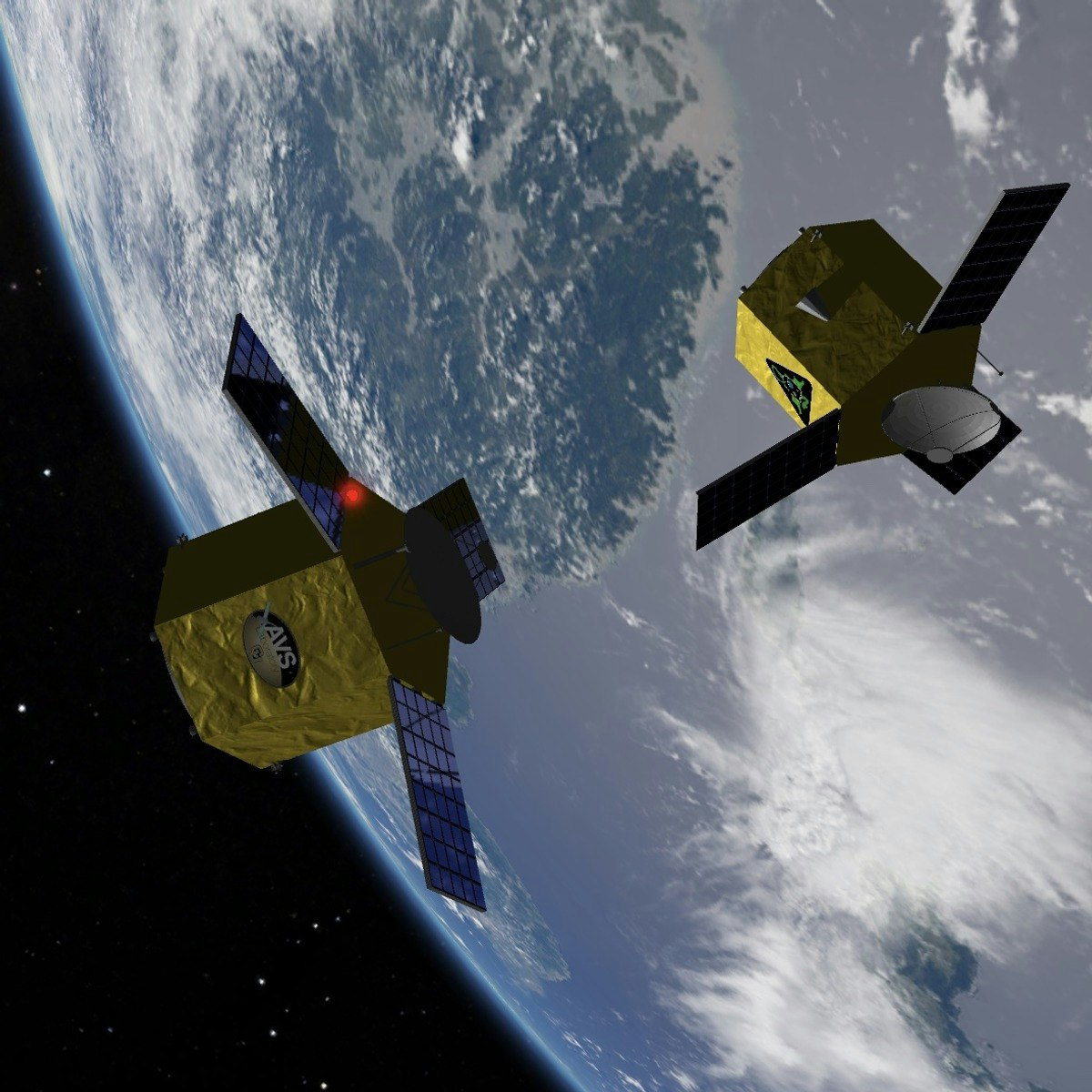
Spacecraft relative motion control solutions stabilize the spacecraft relative to another spacecraft. This is useful control the approach prior to docking, to circumnavigate while inspect the target object, or to remain in a bounded vicinity about the target. This course covers the basics of nonlinear control theory to apply Lyapunov's direct method to the relative motion control problem. Feedback control strategies using inertial coordinates, differential orbit elements and Hill frame coordinates are studied. Reference relative motions are considered that are either naturally occurring or require a feed-forward control component. After this course, you will be able to... * Develop nonlinear relative motion control strategies * Discuss the stability guarantees of these control solutions * Numerically simulate the relative motion control solutions * Create reference motions that are natural and don't require control effort when the tracking errors have converged * Study the impact of uncertain dynamics and control errors. Please note: this is an advanced course, best suited for working engineers or students with college-level knowledge in mathematics and physics. The material covered is taking from the book "Analytical Mechanics of Space Systems" available at https://arc.aiaa.org/doi/book/10.2514/4.105210.
Data Science Math Skills
Data science courses contain math—no avoiding that! This course is designed to teach learners the basic math you will need in order to be successful in almost any data science math course and was created for learners who have basic math skills but may not have taken algebra or pre-calculus. Data Science Math Skills introduces the core math that data science is built upon, with no extra complexity, introducing unfamiliar ideas and math symbols one-at-a-time. Learners who complete this course will master the vocabulary, notation, concepts, and algebra rules that all data scientists must know before moving on to more advanced material. Topics include: ~Set theory, including Venn diagrams ~Properties of the real number line ~Interval notation and algebra with inequalities ~Uses for summation and Sigma notation ~Math on the Cartesian (x,y) plane, slope and distance formulas ~Graphing and describing functions and their inverses on the x-y plane, ~The concept of instantaneous rate of change and tangent lines to a curve ~Exponents, logarithms, and the natural log function. ~Probability theory, including Bayes’ theorem. While this course is intended as a general introduction to the math skills needed for data science, it can be considered a prerequisite for learners interested in the course, "Mastering Data Analysis in Excel," which is part of the Excel to MySQL Data Science Specialization. Learners who master Data Science Math Skills will be fully prepared for success with the more advanced math concepts introduced in "Mastering Data Analysis in Excel." Good luck and we hope you enjoy the course!

Internet of Things V2: DragonBoard™ bring up and community ecosystem
Do you want to develop skills to prototype embedded products using state-of-the-art technologies? In this course you will build a hardware and software development environment to guide your journey through the Internet of Things specialization courses. We will use the DragonBoard™ 410c single board computer (SBC). This is the first in a series of courses where you will learn both the theory and get the hands-on development practice needed to prototype Internet of Things products. This course is suitable for a broad range of learners. This course is for you if: - You want to learn how to use learn how to use Linux for embedded purposes. - You want to pivot your career towards the design and development of Internet of Things enabled products - You are an entrepreneur, innovator or member of a DIY community Learning Goals: After completing this course, you will be able to: 1) Know where you can find resources and help in the 96Boards ecosystem. 2) Describe the DragonBoard™ 410c peripherals, I/O expansion capabilities, Compute (CPU and Graphics) capabilities, and Connectivity capabilities. 3) Understand how to navigate and make use of the Linux terminal. 4) Configure at least one integrated development environment (IDE) for developing software. 5) Make use of Git and GitHub for version control purposes. 6) Create and build projects that interface with sensors and actuators through GPIO and Arduino.
Design of HVAC Distribution and Delivery Systems
Building energy systems are responsible for moving energy around in buildings through air, water, and refrigerant distribution systems to meet heating, ventilating, and air conditioning (HVAC) needs of the occupied spaces. This course will train engineers and architects to design these HVAC systems based on the engineering foundation established in the previous course. Students will learn the design objectives dictated by occupant comfort and health, apply engineering principles to heat and mass exchangers, design both air and water distribution systems, and explore alternative methods for providing indoor environmental comfort to occupants.

Enseignes et afficheurs à LED
Comprendre le fonctionnement des enseignes et des afficheurs à LED, depuis les petites enseignes à motifs fixes jusqu'aux écrans géants à LED. Apprendre à les fabriquer et à les programmer les microcontrôleurs qui les pilotent. Ce cours va vous permettre de comprendre comment fonctionnent les enseignes et les afficheurs à LED, depuis les montages les plus simples jusqu’aux des matrices de LED multicolores. Les concepts électroniques nécessaire vous seront donnés, ainsi qu’une introduction aux microcontrôleurs, tant du point de vue matériel que pour la programmation en C. Chaque semaine, il vous sera possible de programmer des enseignes et afficheurs à distance et voir le résultat par vidéo. Vous serez encouragés à fabriquer vos propres enseignes et afficheurs. Des techniques de réalisation de complexitié progressive vous seront proposées.
Image and Video Processing: From Mars to Hollywood with a Stop at the Hospital
In this course, you will learn the science behind how digital images and video are made, altered, stored, and used. We will look at the vast world of digital imaging, from how computers and digital cameras form images to how digital special effects are used in Hollywood movies to how the Mars Rover was able to send photographs across millions of miles of space. The course starts by looking at how the human visual system works and then teaches you about the engineering, mathematics, and computer science that makes digital images work. You will learn the basic algorithms used for adjusting images, explore JPEG and MPEG standards for encoding and compressing video images, and go on to learn about image segmentation, noise removal and filtering. Finally, we will end with image processing techniques used in medicine. This course consists of 7 basic modules and 2 bonus (non-graded) modules. There are optional MATLAB exercises; learners will have access to MATLAB Online for the course duration. Each module is independent, so you can follow your interests.
Wind Energy
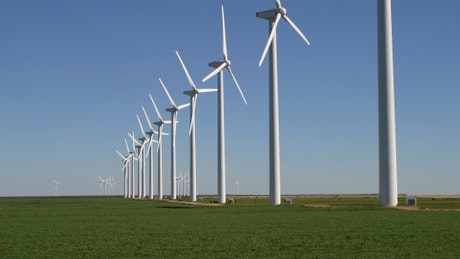
Welcome to the course of Wind Energy. This course gives an overview of key aspects in wind energy engineering. Whether you are looking for general insight in this green technology or your ambition is to pursue a career in wind energy engineering, 'Wind Energy' is an excellent starting point. Experts located in the wind pioneering country of Denmark will take you on a tour through the most fundamental disciplines of wind energy research such as wind measurements, resource assessment, forecasting, aerodynamics, wind turbine technology, structural mechanics, materials, financial and electrical systems. You will gain a rational understanding of wind energy engineering and, through hands-on exercises, you will learn to perform wind energy calculations based on simple models. Working with the different course disciplines will give you a taste of what wind energy engineering is all about. This allows you to identify the most interesting or relevant aspects of wind energy engineering to be pursued in your future studies or in your professional career. View our video: https://youtu.be/he4UWTGHxrY (The video was made for the original version, and it is still highly relevant; a new version will be published soon). For other professional courses in wind energy engineering, visit our website at www.wem.dtu.dk

RF/Microwave Design - S-parameter Analysis
This course empowers learners to analyze, design, and evaluate RF and microwave systems using S-parameter techniques with some focus to 5G radio and microwave equipment. Through structured theory, interactive visualization, and practical tool-based sessions, participants will interpret the behavior of S-parameters, design impedance matching networks, and simulate wideband performance using professional-grade tools such as Smith Chart Online, Qorvo Match Calc, and CST Studio Suite. The course progressively develops competence from essential principles to advanced wideband considerations, ensuring a clear understanding of how reflection, transmission, stability, and gain metrics define real-world RF performance. This course is for RF engineers, electronics professionals, and advanced students who want to master S-parameters, matching networks, and wideband 5G/microwave system design, bridging theory with practical testing skills. Learners should have a basic understanding of electrical engineering concepts such as impedance, reflection, and frequency response, along with familiarity with decibels, phase, and vectors. Comfort with technical software tools is also beneficial. By the end, learners will synthesize theory and simulation to confidently evaluate and optimize RF components and systems across a broad frequency range.
Quantum Mechanics
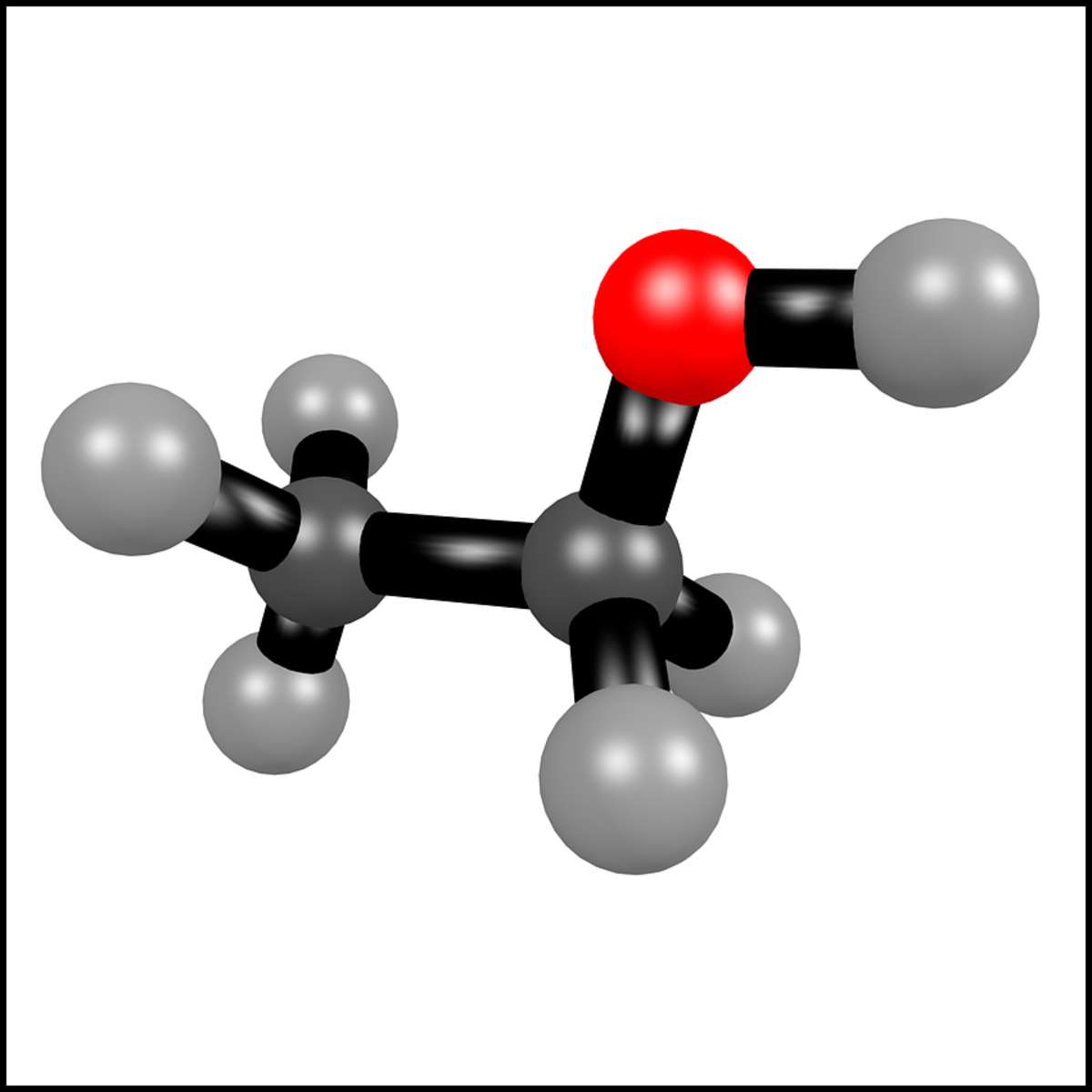
Course 2 of Statistical Thermodynamics presents an introduction to quantum mechanics at a level appropriate for those with mechanical or aerospace engineering backgrounds. Using a postulatory approach that describes the steps to follow, the Schrodinger wave equation is derived and simple solutions obtained that illustrate atomic and molecular structural behavior. More realistic behavior is also explored along with modern quantum chemistry numerical solution methods for solving the wave equation.
Battery Pack Balancing and Power Estimation
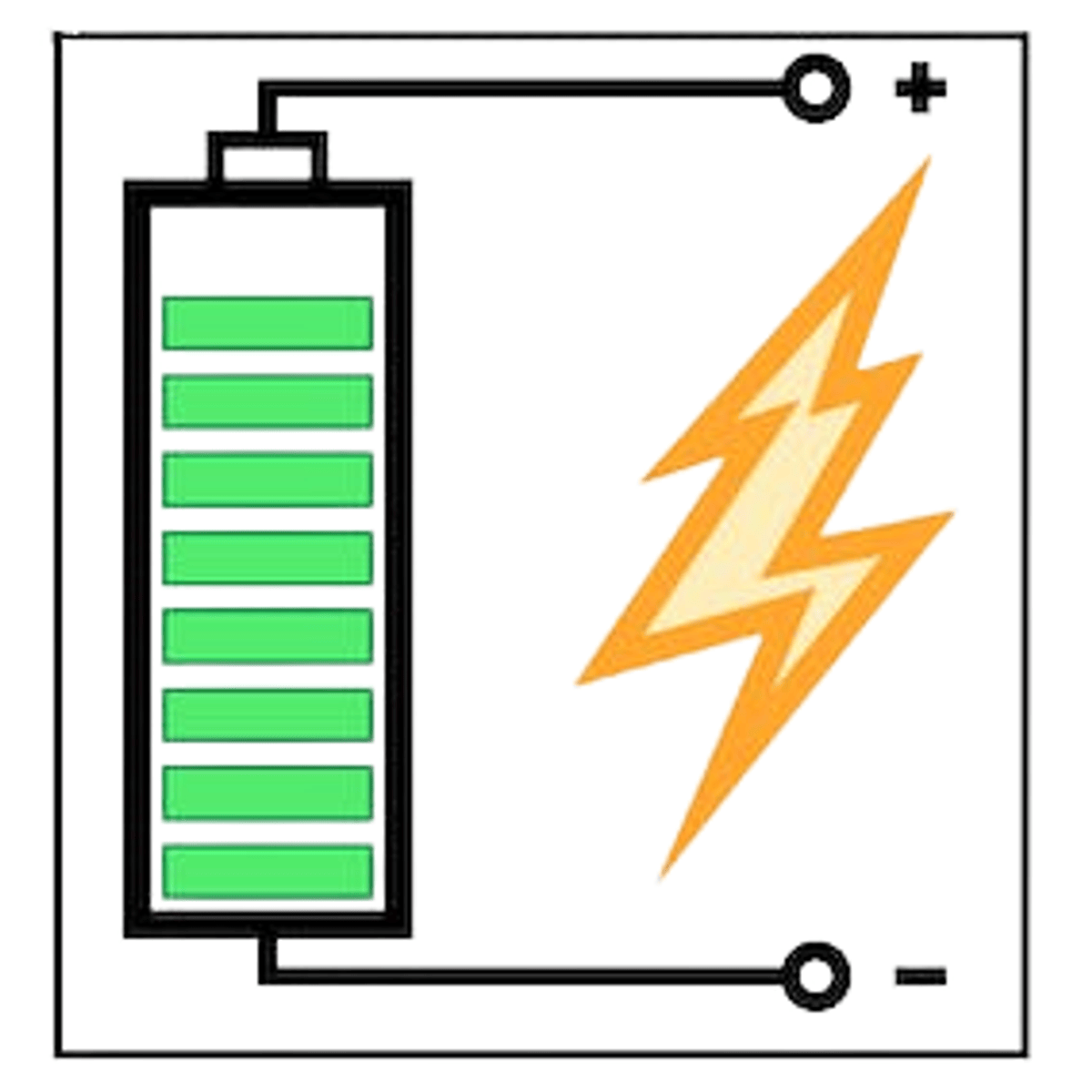
This course can also be taken for academic credit as ECEA 5734, part of CU Boulder’s Master of Science in Electrical Engineering degree. In this course, you will learn how to design balancing systems and to compute remaining energy and available power for a battery pack. By the end of the course, you will be able to: - Evaluate different design choices for cell balancing and articulate their relative merits - Design component values for a simple passive balancing circuit - Use provided Octave/MATLAB simulation tools to evaluate how quickly a battery pack must be balanced - Compute remaining energy and available power using a simple cell model - Use provided Octave/MATLAB script to compute available power using a comprehensive equivalent-circuit cell model

Act on Climate: Steps to Individual, Community, and Political Action
Are you concerned about climate change? Would you like to learn how to address and respond to this challenge? If so, this course is for you. Act on Climate: Steps to Individual, Community, and Political Action is intended to help learners understand, address and respond to climate change as individuals and in partnership with their communities and political leaders. The course focuses on how to translate learning into action on climate change in the areas of food, energy, transportation and the built environment (cities). This course was co-developed and taught by Michaela Zint, Professor of Environmental Education and Communication, and University of Michigan Students. A range of academic climate change experts and professional leaders are featured. As a result of completing this course, you will be able to: 1) Identify individual, community, and political actions you can engage in to effectively address and respond to climate change. 2) Describe how insights from the social sciences can be employed to create change at the individual, community, and political levels. 3) Feel empowered to continue to influence how you, your community, and political leaders address and respond to climate change. Use #UMichActonClimate on social media to share what you're doing and connect with other learners.

大学化学
本课程是北京大学开设的一门在线大学化学基础课,主要面向具有大学水平的化学初学者。课程内容基本涵盖全部基础化学概念。
Integration of Distributed Energy Resources in MicroGrid
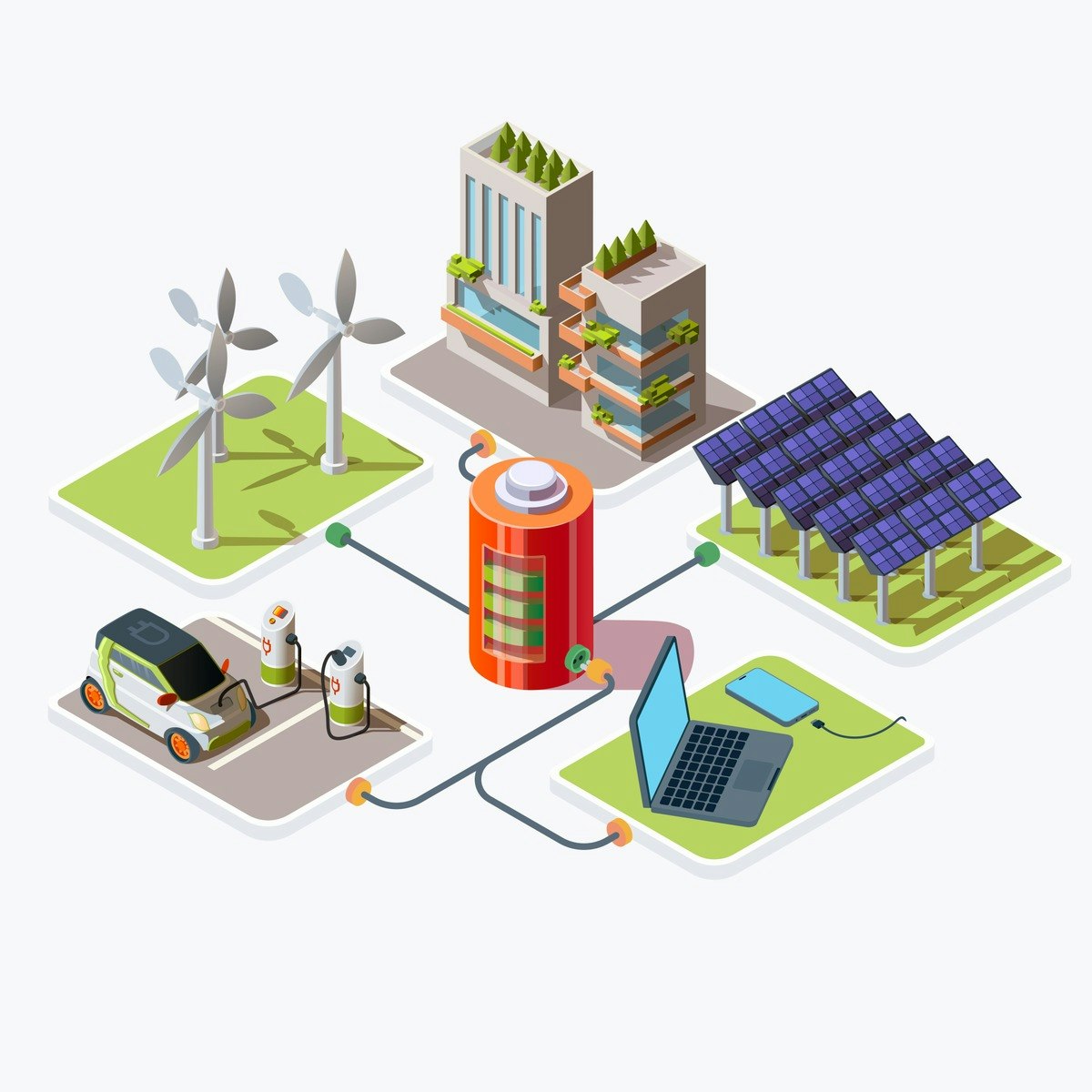
This course is designed to provide a comprehensive understanding of Distributed Energy Resources (DERs), renewable energy integration, and microgrid systems that are transforming modern power networks. The course covers the fundamentals of DERs, Solar PV systems, renewable energy forecasting, wind power integration, Virtual Power Plants (VPPs), and Electric Vehicles (EVs) in smart grids. It further explores DER integration methods, microgrid architecture, operational functions, topologies, modeling and simulation techniques, microgrid design, and real-world applications through case studies of successful microgrid implementations. Objectives By the end of this course, you will be able to: • Develop a comprehensive understanding of Distributed Energy Resources (DERs), their classification, benefits, and role in modern power systems. (BL2) • Understand the principles, components, and classifications of Solar Photovoltaic (PV) systems and the importance of renewable energy forecasting for grid operations. (BL2) • Analyze the integration requirements, challenges, and operational considerations associated with wind energy, Virtual Power Plants (VPPs), and Electric Vehicles (EVs) in smart grid environments. (BL4) • Illustrate various methods and strategies used for integrating Distributed Energy Resources into smart grid systems. (BL3) • Understand the architecture, components, operational functions, and topologies of microgrid systems based on industry standards such as IEEE 2030.7. (BL3) • Develop practical skills in modeling, simulating, and designing microgrid systems using MATLAB and HOMER Pro software tools. (BL3) • Analyze real-world microgrid deployment scenarios and assess their impact on rural electrification and sustainable development. (BL4) This course provides a specialized focus on the integration of renewable and distributed energy resources within smart grid and microgrid environments. The course stands out for its balanced coverage of renewable energy technologies, grid integration strategies, forecasting techniques, microgrid design methodologies, and emerging smart grid applications. Additionally, the course discusses practical aspects of renewable energy forecasting, DER integration, Virtual Power Plants, Electric Vehicle integration, microgrid control and operation, and software-based design and simulation techniques. Learners will gain both theoretical knowledge and application-oriented understanding through case studies, simulation exercises, and real-world examples from the evolving energy sector. To be successful in this course, you should have a basic understanding of electrical engineering concepts, including power systems, renewable energy systems, electrical machines, and power electronics. Familiarity with MATLAB, basic programming concepts, and power system analysis will be beneficial but is not mandatory. By enrolling in this course, participants will gain valuable technical knowledge and practical insights directly applicable to renewable energy systems, smart grids, and microgrid technologies. Whether you are a student seeking expertise in sustainable energy systems or a professional aiming to enhance your understanding of modern grid integration technologies, this course offers a strong combination of theoretical foundations and practical industry applications.

Introduction to Materials Science
Periods of our civilization have names associated with materials – stone age, bronze age, iron age and the silicon age. Materials impact all aspects of your daily life and will continue to do so in the future. The more we understand materials, the more we imagine the future with fantastic devices and advancements enabled by materials. This initial specialization introduces a limited number of material science and engineering concepts. The topic presentations are at the concept level without being mired in heavy mathematics. Participation in each course is best done by initially having a firm sense of what MSE does and its impact on society. Topics in this specialization span from atom bonding and crystal structure to diffusion and phase diagrams. Some of the position titles that may benefit from this course include Materials Engineer, Chemical Engineer, Electrical Engineer, Aerospace Engineer and Materials Quality Control. Others who want to explore the world of materials will find it helpful.

Learning for a Sustainable Future: Live at COP28
The 28th UN Climate Change Conference (COP28) is being held in Dubai, UAE from 30 November – 12 December 2023. It will bring together heads of state, climate experts and campaigners to agree and accelerate coordinated global action on climate change. This two-week course, which runs in parallel with the COP28 conference, offers you an opportunity to examine what COP28 is, why it’s important and reflect on how you can add your voice to the call for collective action for a sustainable future. You’ll explore the broader context of COP28 and consider other key frameworks such as the UN Sustainable Development Goals and the UN Convention on Biological Diversity. Throughout the course, we will share ‘live’ insights into the issues being discussed at COP28, as well as responses to the conference themes from children and young people, community groups and ministerial bodies, both nationally and internationally. Using these ‘starting points’, we will invite you to reflect on what you have heard, watched and read and think about what these conversations and issues mean to you. We will provide opportunities for discussion and reflection and will share ideas and inspiration to help us all take our next steps beyond the Conference. There has never been a more urgent need for the world to work together and take collaborative action to secure a sustainable future for people and planet. Join us and become part of our shared learning community, where everyone, course team included, is encouraged to reflect, share and learn with and from one another during COP28. You may also be interested in our 5-week course Learning for a Sustainable Future https://www.coursera.org/learn/learning-for-a-sustainable-future
Zn and Ni Based Batteries
Zn and Ni based Batteries: This course focuses on identifying active materials, chemistry and manufacturing processes as they relate to Zn as well as Ni batteries Battery selection and sizing for various applications.
Mechanics of Materials III: Beam Bending
This course explores the analysis and design of beam bending problems. Prerequisite Knowledge: You will need to have successfully completed my earlier course “Mechanics of Materials I: Fundamentals of Stress and Strain and Axial Loading” in order to be successful in this course ------------------------------------------------- The copyright of all content and materials in this course are owned by either the Georgia Tech Research Corporation or Dr. Wayne Whiteman. By participating in the course or using the content or materials, whether in whole or in part, you agree that you may download and use any content and/or material in this course for your own personal, non-commercial use only in a manner consistent with a student of any academic course. Any other use of the content and materials, including use by other academic universities or entities, is prohibited without express written permission of the Georgia Tech Research Corporation. Interested parties may contact Dr. Wayne Whiteman directly for information regarding the procedure to obtain a non-exclusive license.