Cursos de Ciencia y matemáticas
Los mismos datos para todos, vengan de Udemy o de Coursera: precio, valoración, duración e idioma. 238 cursos encontrados. Afinar la búsqueda
Energy Harvesting
Joining this course presents opportunity to learn about energy harvesting that refers to a technology that converts the energy discarded in our daily lives into useful electrical energy that we can use. As we all know, most of low-power electronics, such as remote sensors, are driven by batteries. However, even when it comes to long-lasting batteries, they face an issue that is a regular replacement. It can turn out to be costly as there are hundreds of sensors in remote locations. Whereas, energy harvesting technologies supply unlimited operating life of low-power equipment and even remove the need to replace batteries where it is costly, unfeasible, or unsafe. The whole sessions cover the concept of energy harvesting technologies, which has gained popularity over the last few years, and thus will be beneficial for those who seeks for understanding principles and their applications.

Sensors and Systems for Biomedical Applications
Explore advanced sensor technologies vital to innovative healthcare solutions with our "Sensors and Systems for Biomedical Applications" course. Designed for aspiring professionals in biomedical engineering, healthcare technology, and related fields, this course offers comprehensive knowledge of implantable, diagnostic, and analytical sensor systems. The course encompasses implantable electrodes for neurological conditions such as epilepsy and Parkinson’s disease, material characterisation techniques like IR, UV-Vis, and X-ray spectroscopy, and scanning electron microscopy (SEM). It also includes specialised modules on cancer diagnostic sensors, focusing on breast tissue phenotyping and flexible sensors for detection. You will gain an understanding of piezoelectric, piezoresistive, temperature, and light-based sensors, including Diffuse Reflectance Spectroscopy and image sensors, and will explore biomedical sensors for glucose, heart rate, ExG, and protein-protein interaction. Additionally, the course highlights the transformative role of artificial intelligence in biomedical applications and provides insights into the regulatory requirements for medical device certification and approval. This course bridges sensor technology with healthcare applications, preparing you to contribute to innovations in diagnostics, monitoring, and treatment. It equips you with the skills to drive advancements in diagnostics, monitoring, and treatment, making you a valuable asset in the rapidly evolving biomedical field. Join us to become a leader in healthcare innovation!
Our Place in the Cosmos
Come aboard! If you decide to take this course, you will expand your horizon of what is possible for you in the cosmos. In Course 1 (Our Place in the Cosmos) of this four course specialization, there are 39 learning objectives spread out over 4 weeks and 10 lessons. Week 1 - You will learn about the course and the specialization as a whole as well as the method used to guide you through the material. You will also get to meet the crew of the USS Pathway to Space. As your instructor and captain, I will create a unique and hopefully fun learning environment full of surprises and moments of connection with the material. We will also discuss how wonder started it all with our first guest, Dr. Valerio Ferme with Space and Wonder. Week 2 - We have two topics and two guests this week. In A Tour of the Cosmos, with Dr. Erica Ellingson, we will guide you through all the grandeur of the cosmos from the size and scale to the timeline of its existence. In Astrophysics, with Dr. Kevin France, we will explore concept and merger of two great fields of study: Astronomy and Physics. The tools used by an astrophysicists are key to unlocking the cosmos. At the end of this week, you will have a better understanding of the cosmos and your place in it. Week 3 - Space exploration can happen in two ways. By viewing there and going there. This week we will explore both methods. Our first lesson is with Dr. Paul Hayne and Dr. Carolyn Crow on Space Exploration-Going There. We will look at the stages of exploration and how the science changes at each point. Next, we will meet Dr. Kristy Tiampo as we discuss Space Exploration-Viewing There. We will dive deep into remote sensing work around Earth and how that technique of viewing can be applied throughout the cosmos. Week 4 - This week, we will discuss some of the great science being conducted in the cosmos as well as our species search life elsewhere in the universe. We have three lessons this week. The first two are in two parts. Extending Science Beyond Earth. In Part 1, we meet Dr. Nick Schneider and discuss how the different wavelengths of light have allowed us to understand other planets like Mars but also Earth. In Part 2, we meet Dr. Dave Brain and discuss what we have learned about other planets in our solar system and compare those discoveries with our home planet. We will end with the Search for Life Elsewhere where our guest, Dr. Bruce Jakosky, and I discuss what is needed for life in the cosmos and where we might find it. In these lessons, you will become a member of the crew of the USS Pathway to Space and together we will make the unknown, known. Your journey to discovering your pathway to space begins now.
El ABC de la sostenibilidad
En la actualidad la agenda de sostenibilidad es clave para las empresas, gobiernos y ciudadanía. Es vital que las personas conozcan de primera mano los conceptos básicos para comprender todo lo que está sucediendo alrededor de la sostenibilidad, como vector de cambio sistémico en la economía, la sociedad, las empresas y nuestras vidas. Este curso es una introducción a la sostenibilidad vista como una disciplina transversal en nuestra sociedad (en el ámbito público y privado internacional) basado en la información pública más actualizada a la fecha en temas económicos, sociales y ambientales. A lo largo del mismo, se describe cómo la sostenibilidad es aplicable de manera holística a situaciones diarias en la población, uso de recursos naturales, su aplicación en la economía mundial y su interacción con la biosfera, pasando por aspectos sociales como la transición justa, equidad, igualdad, diversidad, derechos humanos, educación y salud. Al final de este curso, obtendrás una visión general y muy amplia de los desafíos claves y las posibles soluciones para lograr el desarrollo sostenible, socialmente justo y ambientalmente posible respetando los límites planetarios.

Ceramics and Composites
This course will introduce the major types of ceramics and their applications. We will learn about the different methods used for glass strengthening; the factors that determine a ceramic’s crystal structure; the key characteristics of composite materials; and the different structures of fiber-reinforced composite materials. We will discuss reasons for creating various types of composites.

From the Big Bang to Dark Energy
This course explores the Universe's evolution over 13.8 billion years, from the Big Bang to dark energy. Understand the evidence behind discoveries like Dark Matter, the Higgs Boson, and the accelerating expansion driven by dark energy. This course is for anyone curious about modern physics and cosmic mysteries. By the end, you will be able to: - Explain the Universe's origins and evolution. - Describe the roles of Dark Matter and Dark Energy. - Understand the Higgs Boson's significance in matter formation. - Discuss the Universe's possible future. No prior physics or science background is required, just a curiosity about the cosmos. This course is offered in English.

Image Segmentation, Filtering, and Region Analysis
In this course, you will build on the skills learned in Introduction to Image Processing to work through common complications such as noise. You’ll use spatial filters to deal with different types of artifacts. You’ll learn new approaches to segmentation such as edge detection and clustering. You’ll also analyze regions of interest and calculate properties such as size, orientation, and location. By the end of this course, you’ll be able to separate and analyze regions in your own images. You’ll apply your skills to segment an MRI image of a brain to separate different tissues. You will use MATLAB throughout this course. MATLAB is the go-to choice for millions of people working in engineering and science, and provides the capabilities you need to accomplish your image processing tasks. You will be provided with free access to MATLAB for the duration of the course to complete your work. To be successful in this course you should have a background in basic math and some exposure to MATLAB. If you want to familiarize yourself with MATLAB check out the free, two-hour MATLAB Onramp. Experience with image processing is not required.
Calculus: Single Variable Part 1 - Functions
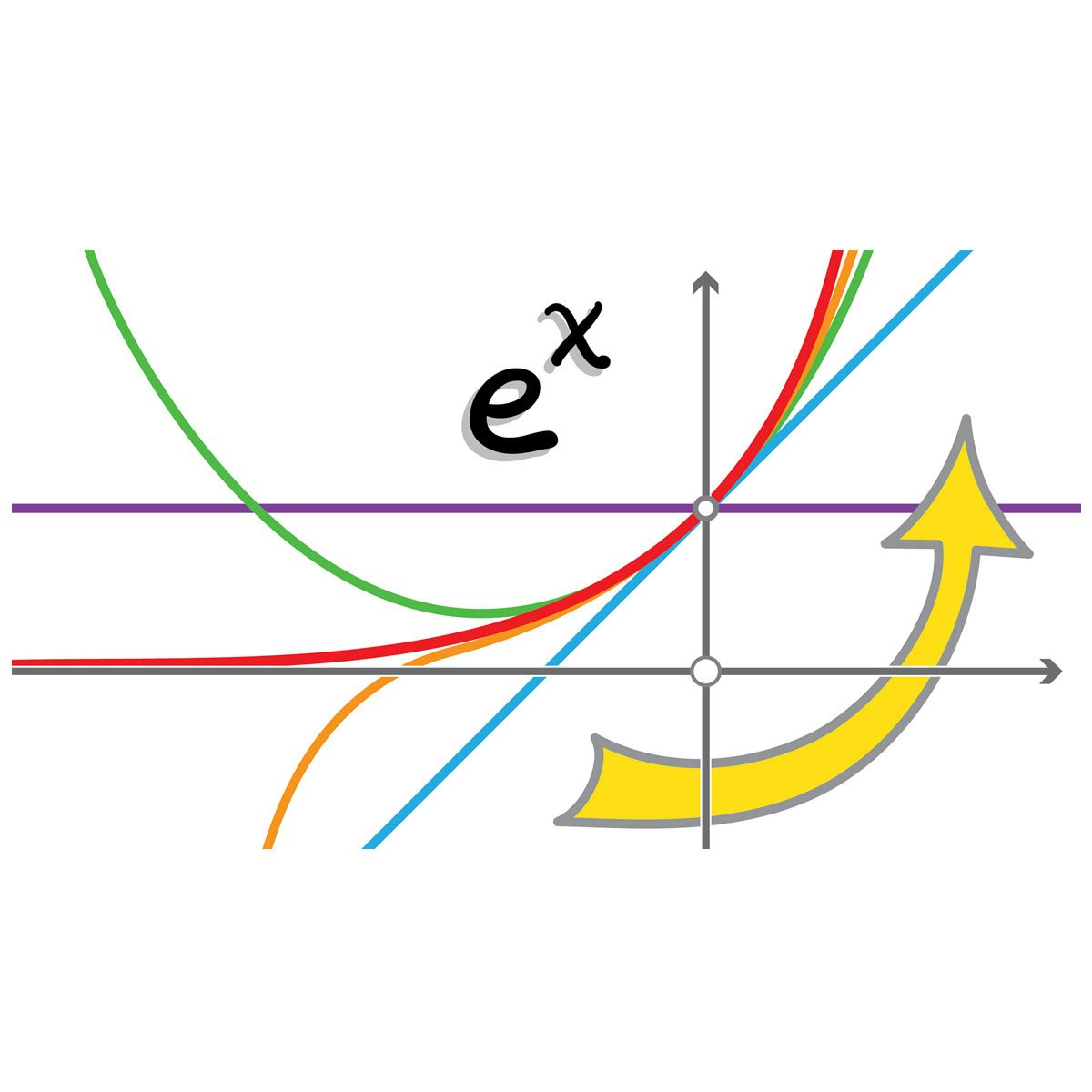
Calculus is one of the grandest achievements of human thought, explaining everything from planetary orbits to the optimal size of a city to the periodicity of a heartbeat. This brisk course covers the core ideas of single-variable Calculus with emphases on conceptual understanding and applications. The course is ideal for students beginning in the engineering, physical, and social sciences. Distinguishing features of the course include: 1) the introduction and use of Taylor series and approximations from the beginning; 2) a novel synthesis of discrete and continuous forms of Calculus; 3) an emphasis on the conceptual over the computational; and 4) a clear, dynamic, unified approach. In this first part--part one of five--you will extend your understanding of Taylor series, review limits, learn the *why* behind l'Hopital's rule, and, most importantly, learn a new language for describing growth and decay of functions: the BIG O.

Boiler Major Systems: Feedwater, Milling and Air Systems
This course specialization delivers an in-depth and practical understanding of boiler major systems, with strong emphasis on fuel preparation, combustion, air–gas–draft systems, and water–steam cycle integration in thermal power plants. It begins with detailed coverage of fuel preparation and firing systems, including fuel oil and coal firing equipment, combustion fundamentals, and soot blower systems. Learners gain clear insight into air and gas flow sequences, draft systems, fans, air preheaters, ducting arrangements, and associated design considerations. The specialization provides comprehensive knowledge of boiler water and steam systems, including supercritical boiler water–steam circuits, condensate and feedwater systems, feedwater heaters, deaerators, boiler feed pumps, condensate extraction pumps, and condenser systems. Power cycle chemical treatment, condensate polishing units, and boiler water quality monitoring systems are also covered to ensure reliable and efficient operation. A major focus is placed on coal milling systems, covering coal bunkers, feeders, pulverizers, vertical roller mills, classifiers, reject handling, coal piping, and temperature and airflow control. The course further explains fan sizing, air preheater construction, duct design, accessories, and applicable codes and standards. This specialization equips learners with a system-level understanding essential for safe, efficient, and optimized boiler and turbine-cycle operation.

Water: an essential resource
One of the most obvious claims in our everyday life is the importance of water, often called the blue gold. Anyway, we are often incapable of shifting this importance in tangible actions aimed at protecting this resource and optimizing its use. Past and present anthropic pressure has heavily impaired fresh water, usually supplied for drinking water production. Water utilities and water-treatment practitioners were unprepared to effectively face the challenge of a growing high-quality water demand, especially in climate change scenarios. We need to think out of the box, creating multi-disciplinary panels of experts able to exploit the advances in chemistry, environmental engineering, and ICT to effectively join human health protection and economic and social development. In this sense, stakeholders’ involvement is essential to success. This MOOC wants to communicate the challenge of protecting water and then human health from chemical and microbiological hazards, as well as the multidisciplinarity required by this challenge by providing some key elements about water quality, protection and remediation, sustainable drinking water production, online monitoring, and finally advanced computing for process control. Moreover, a broader perspective to investigate the experience of water supply will be introduced. For instance, participants will be invited to observe and understand people’s practices around drinking water, exploring approaches and tools derived from service and product design to support behavioral change. It fulfills SDG6, covering almost all its set targets, but also some relevant targets in SDG11, SDG12, and SGD15, considering the strict connection among safe water provision, robust cities/societies development, and sustainable consumption.

宇宙之旅:对话 (Journey of the Universe: Weaving Knowledge and Action)
宇宙之旅是由不断进步的科学发现和人文科学交织组成的,历史、哲学、艺术、宗教统统都含括在内。 这门课由一系列20个与科学家与环境学家关于宇宙之旅的访谈组成。前10个访谈是与科学家和历史学家的访谈,它们帮助我们深化对宇宙、地球、人类进化过程的理解。后10个访问是与环境学家、教师和艺术家的访谈,它们探索了宇宙奥义和人类社会之间的联系。
Power System Stability
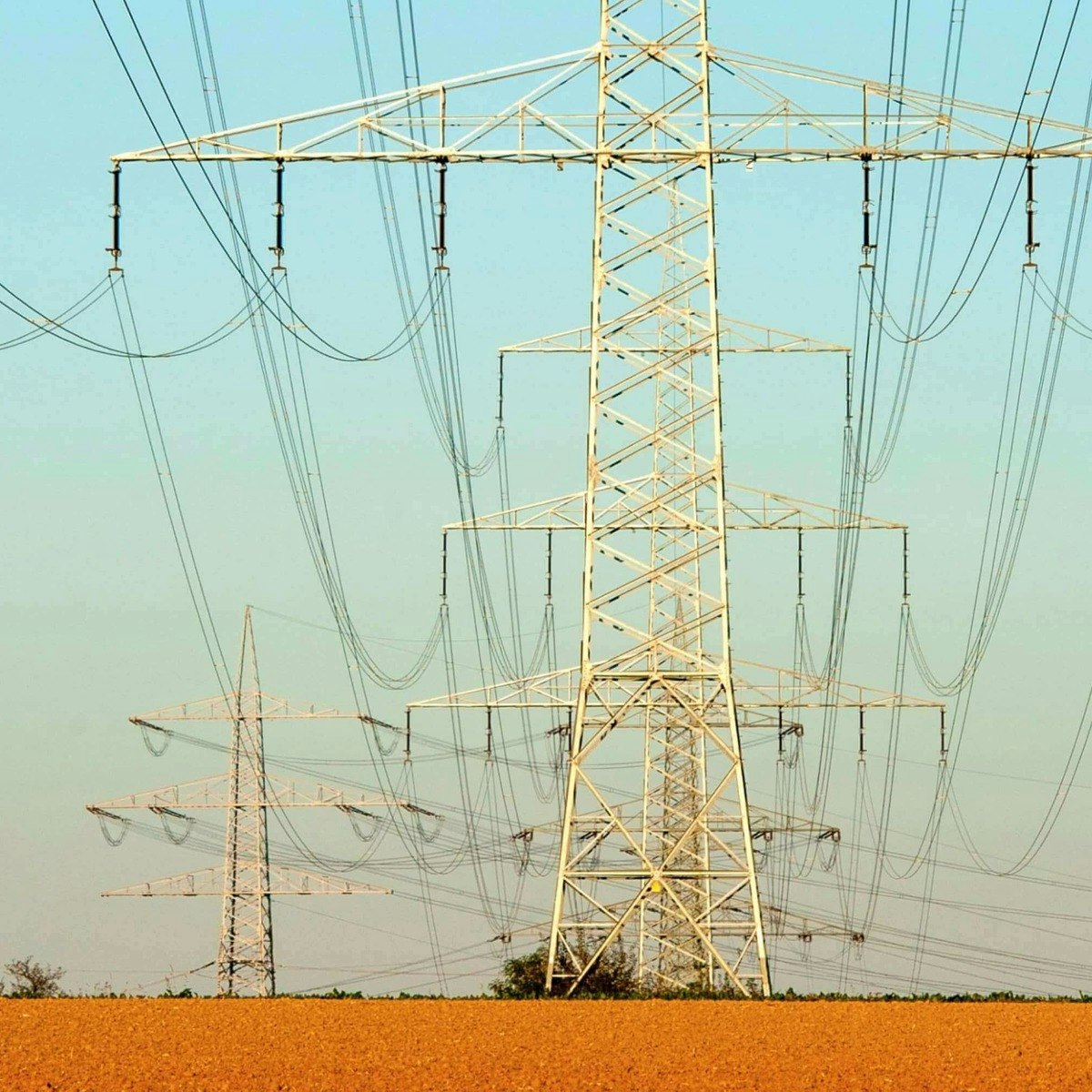
This course is designed to provide a comprehensive analysis of rotor angle and voltage stability and methods of stability enhancement. Objectives By the end of this course, you will be able to: • Declare the importance of power system stability and classify various types of stability based on the nature of disturbance and parameter to be accessed. (BL3) • State the basic assumptions in stability studies and deduce the generator modelling for stability analysis. (BL3) • Derive the swing equation and power angle equation and illustrate their significance in transient stability assessment and demonstrate using ETAP simulation. (BL3) • Develop a comprehensive understanding of Equal Area Criterion principle for transient stability analysis of a SMIB system with applications for determination of critical clearing angle and critical clearing time by solving simple numerical problems. (BL4) • Elucidate the concept of voltage stability and the determination of voltage stability index based on PV/QV characteristics. (BL3) • Illustrate the short-term and long-term voltage stability analysis with real time case studies and analyze the effects of voltage collapse and instability. (BL3) • Discover the principle and characteristics of FACTS controllers suitable for transient stability enhancement and power system stabilizer for small signal stability enhancement. (BL4) This course provides a specialized focus on modeling of power system components for stability studies and differential algebraic equations governing the dynamic behavior of the machines. The course details the analysis of rotor angle stability and voltage stability through traditional techniques supported with real time case studies. The course touches upon the principle of Equal Area Criterion, which is a simple approach for transient stability assessment of a SMIB system and hence determines the critical clearing angle and critical clearing time. The course also explores in detail the various methods of stability enhancement such as FACTS controller and Power System Stabilizer. The course stands out for its hands-on ETAP demonstrations, which is an industrial software used in power grid sectors, providing learners with practical skills in the field of power system stability analysis. To be successful in this course, you should have a background in basic electrical engineering principles, including knowledge of circuit analysis, electromagnetism, transmission and distribution of electrical power, per unit computation, load flow analysis and modeling of power system components. Familiarity of any simulation packages such as MATLAB, POWER WORLD will be highly beneficial to understand and practice hands-on exercises. By enrolling in this course, participants will not only gain theoretical knowledge but also practical skills that are directly applicable in the field of power system analysis and design. Whether you're a student aspiring to enter the industry or a professional seeking to deepen your expertise, this course offers a unique blend of theoretical insights and hands-on applications, equipping you with the tools to excel in this dynamic field.
Sustainable Textile Manufacturing
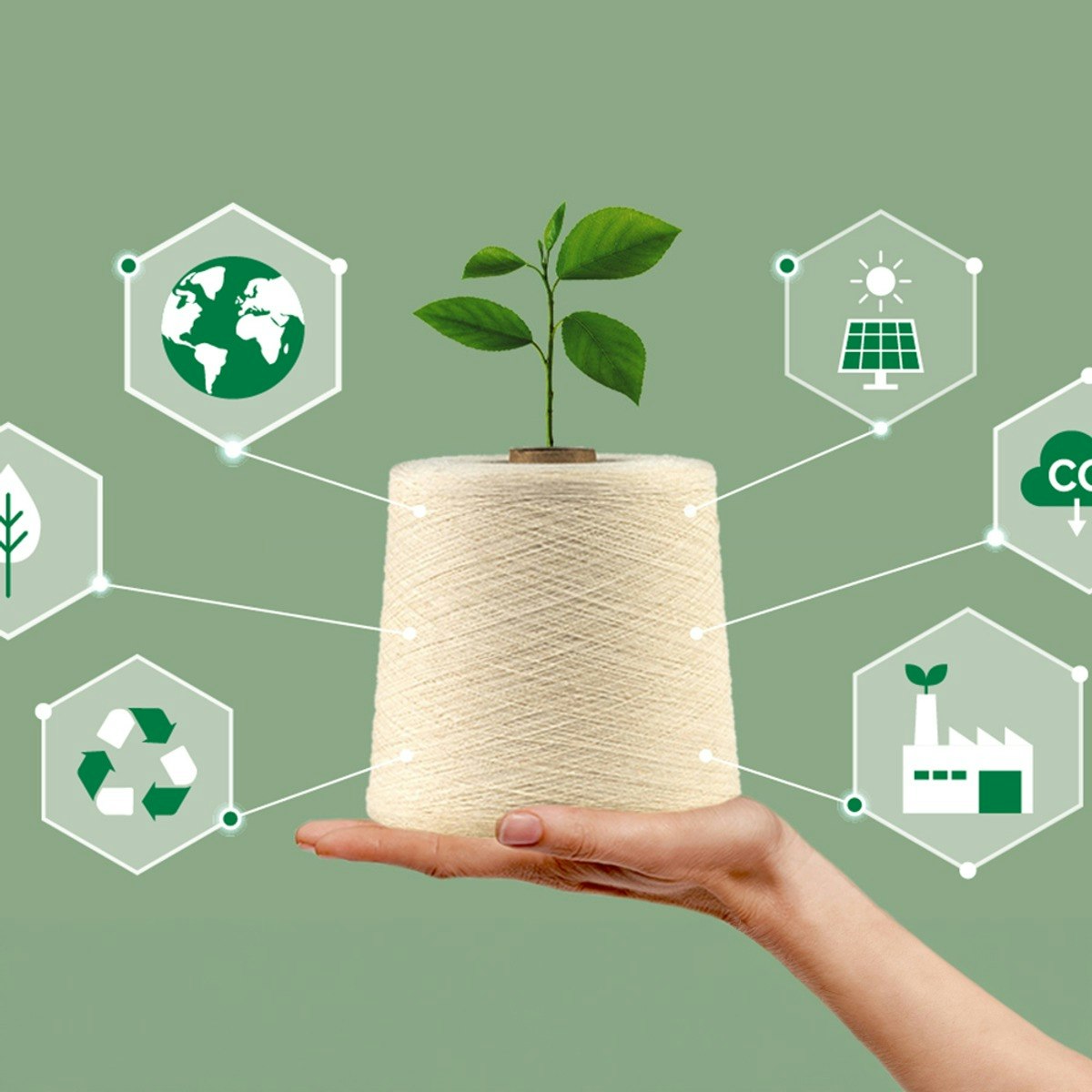
The MOOC aims to describe the approach to sustainability in the Italian textile manufacturing sector (for clothing and other sectors) with a specific focus on all steps of the production chain. Each video focuses on one step of the supply chain (raw material sourcing, spinning, weaving, design, prototyping, production, integration of innovative technologies in the processes) and tells the state of the art on the sector's sustainable approach, possible plans and interventions, as well as the opportunities that companies will have to seize in the immediate future in terms of social and environmental responsibility. The topics are addressed by Politecnico di Milano lecturers and industry professionals as guest speakers. INTENDED LEARNING OUTCOMES (ILOs) If you actively participate in this course, at the end you will be able to: - Acquiring technical knowledge of traditional manufacturing processes - Acquiring technical knowledge about sustainable requirements and solutions - Understanding contemporary change towards sustainability - Understanding of the complexity and multitude of processes and stakeholders along the textile supply chain ACTIVITIES Over and above consulting the content, in the form of videos and other web-based resources, you will have the opportunity to discuss course topics and to share ideas with your peers in the Forum of this MOOC.

6G Evolution: Blockchain, Semantic Communications & Radar
The second part of this specialization in 6G wireless technologies will allow learners to understand blockchain-empowered wireless systems, analyze multimodal smart networks with vision-aided capabilities, master semantic communication principles and mathematical frameworks, and explore radar-enabled monitoring for 6G applications. Learners will gain expert insights into how these advanced technologies will enable intelligent, secure, and efficient wireless networks. Part 2 advances beyond foundational concepts to examine cutting-edge innovations that will transform network intelligence and functionality. The integrated approach covers blockchain resource management, semantic communication transceiver design, radar principles for assisted living, and multimodal network architectures. Expert discussions from telecom visionaries provide real-world perspectives on wireless network evolution and deployment strategies. By completing Part 2, learners will be equipped with specialized knowledge in next-generation network intelligence and security mechanisms, positioning them to contribute to 6G's most innovative applications. This intermediate foundation gives learners a fundamental understanding how 6G will revolutionize connectivity through intelligent, semantic-aware, and blockchain-secured communications.
Slope Engineering
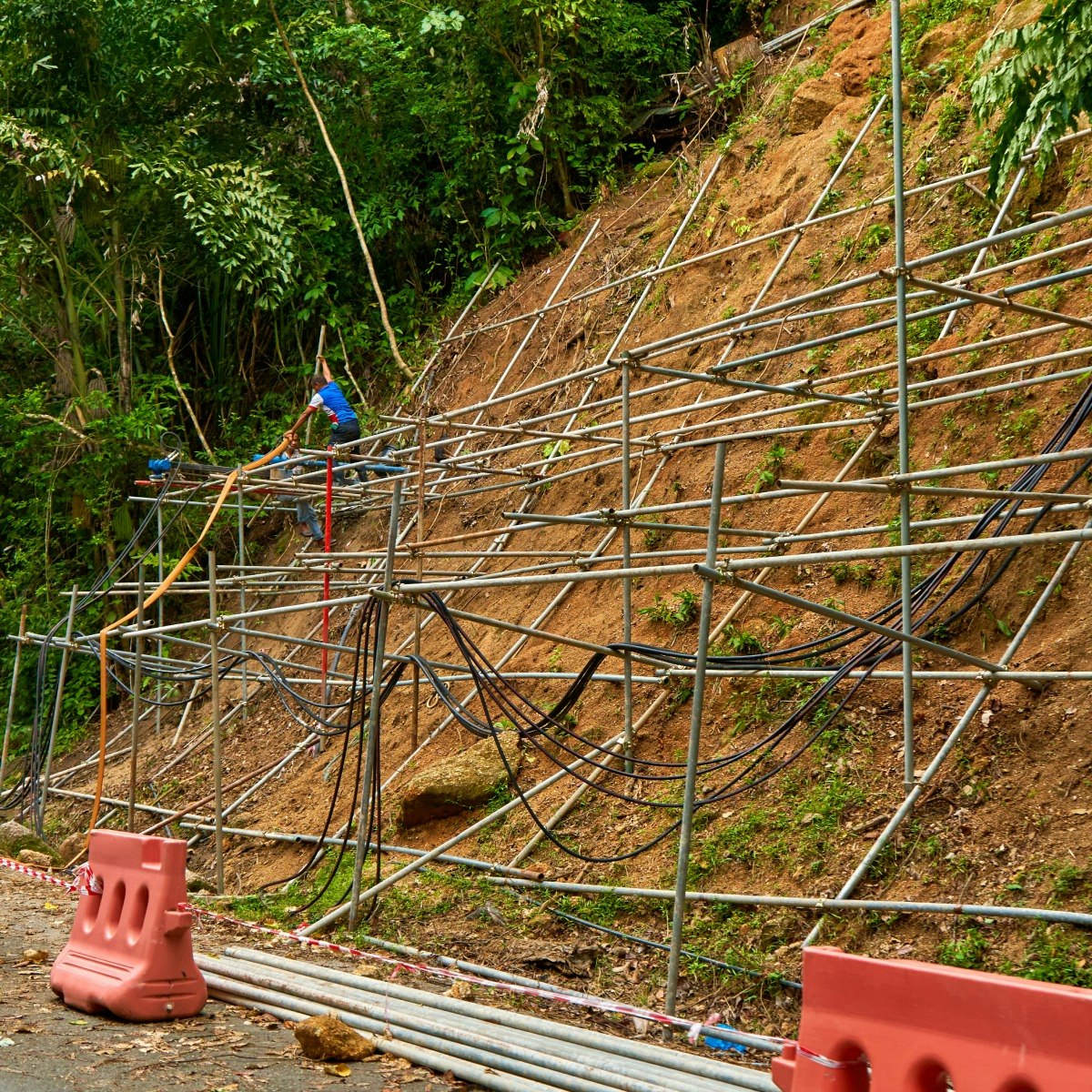
This course aims at studying the cause of landslides from the slope engineering perspective. Analysis and methods for determining slope stability are presented. Slope failure cases in Hong Kong are also studied.
The Age of Sustainable Development
The Age of Sustainable Development" gives students an understanding of the key challenges and pathways to sustainable development - that is, economic development that is also socially inclusive and environmentally sustainable.
Bases Matemáticas: Números y terminología
Este curso proporciona una preparación matemática fundamental para los primeros niveles de estudios en ingeniería y otros grados que incluyen asignaturas de matemáticas. A lo largo de su desarrollo, revisaremos de forma estructurada los conceptos esenciales de la teoría de conjuntos, comprendiendo su importancia como lenguaje formal de las matemáticas y herramienta de clasificación y análisis. Además, abordaremos la terminología básica utilizada en el razonamiento matemático y exploraremos las propiedades clave de los números reales y complejos, entendiendo cómo se construyen, cómo se relacionan entre sí y cuál es su utilidad dentro de los modelos matemáticos. Esta formación básica permitirá al estudiante adquirir la base conceptual necesaria para afrontar con solvencia cursos posteriores donde se aplican estos principios.

Reinforcement Learning
This course provides an overview of reinforcement learning, a type of machine learning that has the potential to solve control system problems that are too difficult to solve with traditional techniques. You'll work through the basics of the reinforcement problem and how it differs from traditional control techniques. You'll also see how neural networks are used to represent unknown functions and how the agent uses rewards from the environment to train them.

Production of concrete
Concrete production involves selecting and mixing raw materials—cement, water, fine and coarse aggregates—in precise proportions to achieve desired strength and durability. The process includes batching, thorough mixing, and transporting the concrete in rotating drum trucks to prevent premature setting. At the construction site, concrete is poured into molds, vibrated to remove air bubbles, and then cured under controlled conditions to harden and gain strength. This careful process ensures the creation of a durable and versatile material for various construction applications. Target learners Civil Engineering Students, faculties and working professionals

General Relativity II: Applications
This is an introductory course on general relativity (GR). We will introduce the physics of curved spacetime, Einstein field equations and their applications to the solar system, black hole physics, gravitational wave astronomy and cosmology.

Concreting Practices
Welcome to the course on “Concreting Practices”, a comprehensive course designed to equip learners with the basic knowledge and skills needed in the field of construction. This course comprises of 5 modules, Module 1 “The blending of aggregates “delves into the fundamental principles in concrete construction involves the careful combination of various types and sizes of materials to achieve a well-graded and homogeneous mixture.. The selection of aggregates, such as crushed stone, gravel, or sand, is based on factors like particle size distribution, shape, and specific engineering requirements. By blending aggregates with different properties, engineers can enhance the workability, strength, and durability of the concrete mix. Achieving the right blend ensures proper compaction and cohesion within the concrete, resulting in a cohesive, well-structured material suitable for diverse construction applications, from foundations to structural elements. The blending of aggregates is a nuanced aspect of concrete mix design, directly influencing the overall quality and functionality of the construction material. In Module 2” Mix design “learners can have a detailed exploration on various process of concrete that involves the various factors to achieve the optimal combination of cement, aggregates, water, and admixtures. The primary objectives of mix design include achieving the required strength, durability, workability, and other specified properties based on the project's structural and environmental requirements. Engineers assess the properties of individual components, such as the gradation of aggregates, characteristics of cement, and the impact of admixtures, to formulate a well-balanced and cost-effective concrete mix. Module 3” Testing on concrete” focuses on learning its quality and performance in construction. Workability tests, such as the slump test, assess how easily concrete can be mixed, transported, and placed without segregation. Compressive strength tests, typically conducted after 28 days, measure the concrete's ability to withstand axial loads, indicating its overall strength and durability. Flexural strength tests evaluate the concrete's capacity to resist bending forces, which is crucial for structural elements like beams and slabs. Together, these tests provide a comprehensive understanding of concrete's properties, ensuring it meets the required standards for various applications. Module 4 “Finishing and curing “involves shaping and smoothing the concrete surface using tools like trowels, achieving desired textures or coatings for specific project needs. Curing, on the other hand, is the process of maintaining proper moisture, temperature, and time for the concrete to reach its intended strength and durability. Both processes demand careful attention and adhere to best practices to ensure the structural integrity, aesthetic appeal, and longevity of the final concrete structure. In Module 5” Issues at Project “the learners will be able to explore construction projects involves addressing specific challenges such as bug holes, concrete placement for high-rise structures, and cold joints. To mitigate bug holes, it is crucial to use well-designed formwork, ensure proper concrete mix proportions, employ effective consolidation techniques, and implement thorough curing processes. For high-rise buildings, coordination of concrete placement, consideration of temperature control, placing the concrete with the help of Boom placers and careful curing are essential to maintain uniformity and prevent issues. Cold joints can be minimized through careful planning, proper surface preparation, and the use of bonding agents. Overall, a robust quality control plan encompassing regular inspections, comprehensive training, and collaboration among stakeholders is vital to ensure construction success. Collectively, the Concreting Practices provides a concise and comprehensive overview of the processes and techniques involved in the preparation, placement, and curing of concrete to ensure high-quality, durable, and structurally sound construction. L&T Edutech offers this unique course to make you understand the basic requirements of concreting practices and ensure that you are ready for the industry!!! Happy Learning!! Target Learners: Post-Graduate Students of Structural Engineering Practicing Engineers in Structural Design Faculties of Civil Engineering Domain Prerequisites: Engineering Mechanics Fundamentals in Strength of Materials & Fluid Mechanics Basics in Concrete Technology Design knowledge of Reinforced Concrete Elements Exposure to relevant codes and standards

Phase Diagrams I & II
In this course, we will look at phase diagrams and how they are used to determine the state of the material as a function of temperature and composition. We will also investigate how the microstructure and materials properties can be manipulated as a function of temperature and composition. A special focus will be on the eutectic phase diagram.

Solar Energy Basics
This course gives you an introduction to the fundamentals of solar power as it applies to solar panel system installations. You will learn to compare solar energy to other energy resources and explain how solar panels, or photovoltaics (PV for short), convert sunlight to electricity. You will be able to identify the key components needed in a basic photovoltaic (solar panel) system, such as is found on a house or building, and explain the function of each component in the system. You will also learn how to calculate the electrical demand of a building, how to reduce the overall demand, and then how to design a solar panel system that can meet that annual demand at a given location. You will also compare the different types of pricing models that are being used and key regulatory considerations for grid tied systems (where a house or building is connected to the electrical grid and also generates electricity from solar panels). A capstone design project that entails both the simple audit of a building to determine demand, and a selection of components to design a solar panel system to meet that demand.

Practice CATIA Part Design
In this learning course, you will learn how to create 3D models using the CATIA Part Design app. You will also learn how to use different feature-based tools to build a 3D model. Further, you will also learn how to add parameters, reuse data, create models using tables, and modify a model.

La industria de hidrocarburos en la transición energética
El presente curso explica el papel de la industria de hidrocarburos en el despliegue de un modelo de sostenibilidad en México ¿Sabías que algunas aplicaciones tecnológicas del futuro no serán viables sin la industria de hidrocarburos ? ¿Sabes que un modelo de apertura a la diversidad de participantes en la industria de hidrocarburos enriquece su valor para la economía y sociedad mexicana? Este curso te permite la identificación de los retos involucrados en la transición energética de nuestro país y cuál es el papel que juega la industria de hidrocarburos en el modelo de sostenibilidad; promueve el reconocimiento de la existencia de recursos no aprovechados y el potencial petrolero existente que puede ser monetizado a favor de los mexicanos; favorece la argumentación sobre por qué la industria, en un contexto de mercado internacional y gestión de riesgos, ha evolucionado hacia un modelo inclusivo y participativo entre gobierno y empresas que busca la mayor reducción de emisiones a través de avances tecnológicos; facilita la identificación del potencial de los recursos no convencionales que tiene México; y finalmente, describe las acciones de impacto social y estándares de seguridad implementados que promueven una industria comprometida con la sostenibilidad y desarrollo social.

Ingeniería de aeropuertos OACI (ICAO): Diseño del lado aire
Aprende paso a paso cómo diseñar los elementos críticos del lado aire de un aeropuerto: desde la pista y las calles de rodaje hasta la plataforma. Este curso te proporciona las bases del diseño aeronáutico basadas en el Anexo 14 de la OACI, el estándar técnico aplicado en la mayor parte del mundo. Los aeropuertos representan un punto crítico en la aviación: la transición entre el vuelo y el contacto con el suelo. A diferencia de la dispersión en el espacio aéreo, aquí el tráfico se concentra en un entorno delimitado, exigiendo una regulación minuciosa para garantizar la eficiencia operativa. Este curso online profundiza en las especificaciones de diseño del lado aire bajo el estándar global del Anexo 14 de la OACI (con mención a las diferencias respecto a la normativa estadounidense). El programa cubre: Influencia de la aeronave: Parámetros de diseño condicionados por el modelo de avión. Geometría y Orientación: Dimensionamiento estratégico de la pista. Infraestructura Física: Características técnicas de pistas, calles de rodaje y plataformas. Ayudas Visuales: Sistemas de luces y señalización para la navegación. Entorno Seguro: Superficies de limitación de obstáculos y servidumbres. Ingeniería de Pavimentos: Diseño de firmes para soportar cargas de tráfico específicas.
Introduction to Semiconductor Devices 1
This course aims to provide a general understanding of semiconductor devices. This course explores the principles and the operation mechanism of semiconductor, such as charge transfer, p-n junction, junction capacitors, and Metal-Oxide-Semiconductor Field Effect Transistors(MOSFETs). The lecture notes can be downloaded with registration, that helps students watch the videos. It is recommeded to print them in two pages in one A4 sheet and take notes during lectures for better understanding. Also, there are quiz problems to check your understanding of the lectures each week. To receive course certificate, you must score at least 60% of each week's quiz withing two chances. Lecture notes, quiz and certificate are offered to registered students only. week 1 Introduction to Semiconductor Devices week 2 Crystal properties, Atoms, Electons and Schrodinger Equation week 3 Carriers in Semiconductors week 4 Excess Carriers and Drift Carriers in Semiconductors week 5 p-n Junction under Equilibrium week 6 Currnet Flow at p-n Junction week 7 Junction Capacitance, p-n Junction Applications, Breakdown
Input Filter Design
This course can also be taken for academic credit as ECEA 5707, part of CU Boulder’s Master of Science in Electrical Engineering degree. This is Course #3 in the Modeling and Control of Power Electronics course sequence. After completion of this course, you will gain an understanding of issues related to electromagnetic interference (EMI) and electromagnetic compatibility (EMC), the need for input filters and the effects input filters may have on converter responses. You will be able to design properly damped single and multi-section filters to meet the conducted EMI attenuation requirements without compromising frequency responses or stability of closed-loop controlled power converters. We strongly recommend students complete the CU Boulder Power Electronics specialization as well as Courses #1 (Averaged-Switch Modeling and Simulation) and #2 (Techniques of Design-Oriented Analysis) before enrolling in this course (the course numbers provided below are for students in the CU Boulder's MS-EE program): ● Introduction to Power Electronics (ECEA 5700) ● Converter Circuits (ECEA 5701) ● Converter Control (ECEA 5702) ● Averaged-Switch Modeling and Simulation (ECEA 5705) ● Techniques of Design-Oriented Analysis (ECEA 5706) After completing this course, you will be able to: ● Understand conducted electromagnetic interference (EMI) and the need for input filter ● Understand input filter design principles based on attenuation requirements and impedance interactions. ● Design properly damped single-stage input filters. ● Design properly damped multi-stage input filters. ● Use computer-aided tools and simulations to verify input filter design
Foundation of Structural Dynamics
A course with variable geometry where everyone, we hope, will find personal benefits. The parts can be studied sequentially or independently; and inside each part, elementary learning items can be picked up. Globally, this course proposes a deep knowledge of fundamental dynamics, with possible explicit and implicit applications in structural dynamics, but also in physics and control of any dynamic system (automatics, …). The concepts of static, dynamic, and thermodynamic approaches are defined, followed by the analytical Newtonian foundations of discrete (digital) dynamics. Dynamics is not simply an extension of statics, but another modeling with open possibilities. The basic theorems (Newton‘s equivalence principle, König’ s theorems, conservations) are detailed in the perspective of structural applications. This course opens perspectives towards not only the general dynamics of structures but also towards robotics and control of dynamic systems. These concepts will be learned in a second course (Developments of structural dynamics).

Virtual Factory for Education
This course covers the main areas on designing, programming, simulating and optimizing a virtual factory and robots on Dassault Systèmes 3DEXPERIENCE platform. Upon completion of this course, you will be able to: - Build a virtual factory with industrial equipment and resources - Define, analyze and optimize factory flows and resource utilization - Define robot trajectories, create robot tasks and generate robot programs This is a fundamental course, intended for learners interested in starting their journey with the 3DEXPERIENCE platform for industrial engineering, layout & flow simulation and robotics. Prerequisites: To practice the lessons learned in this course, you will need access to the 3DEXPERIENCE platform. You are eligible for the 3DEXPERIENCE Engineer for Students offer to put this module into practice. Access powerful capabilities for manufacturing with DELMIA at a low price, $72 (excluding taxes), use this link : https://go.3ds.com/CVF1
Electrodynamics: An Introduction
The depth and breadth of electromagnetism, the foundation for many fields including materials science, electrical engineering, and physical chemistry, requires a long, steep, and steady learning curve. This course aims to bridge the gap between the fundamental principles taught in electromagnetism and its practical application to specific fields such as materials, physics, and chemistry related to energy storage and harvesting. The goal of Electrodynamics: An Introduction is to not only teach electromagnetism but also introduce some mathematical tools which can be used to solve problems in the subject. Within these lecture notes, we review vector calculus and explain how to use fields to visualize the topics we cover. This course is dynamic, as the lectures continuously build on previous notes and a variety of explanations are presented for each solution. Since this is a lower level course, we will focus on the simple concept of electrostatics. This has applications in exploring intermolecular forces, and qualities of capacitors. Through this, we relate electromagnetism to more conventionally studied topics and its application to specific research topics related to energy storage and harvesting.

Internet of Things V2: Setting up and Using Cloud Services
Have you wondered what exactly AWS is and why is it important? Do you want to make informed design decisions about which services to use? Do you want to gain expertise to leverage the cloud for your own projects? In this course, you will learn to interface with the AWS cloud. You will then develop software to send data to and receive data from the cloud. Along the way, you’ll learn how to structure your project with a variety of these difference services. Learning Goals: After completing this course, you will be able to: 1) Understand what the cloud is and how it works. 2) Install and configure the AWS CLI and SDK on a Linux system. 3) Use various AWS services such as EC2, IoT, and many more. 4) Build projects that heavily leverage the cloud. 5) Integrate the cloud into embedded systems.

Solar Power Generation
Welcome to the "Solar Power Generation" course, where we embark on a journey into the transformative world of solar power generation. Over the next few weeks, we will delve deep into the principles, technologies, analysis, demonstrations and practical applications that define modern solar photovoltaic systems. In Module 1, we will lay the groundwork with an exploration of PV cells: from their fundamental theories to the various types and modules available. Understanding these basics is crucial as we move into optimizing energy capture through panel tilt angles and exploring different system configurations. Module 2 extends our knowledge into the practical realm with analysis and sizing of charge controllers, inverters, and the economics of solar PV systems. We will also examine the statistical outlook and future trends in solar power, alongside an introduction to Concentrated Solar Power (CSP) and hands-on exercises using MATLAB for PV module determination. Moving forward in Module 3, we will analyze the diverse configurations of solar power generation, tackling both the advantages and challenges. This module equips you with the methodologies and components needed for effective solar PV design, whether for on-grid systems with detailed panel and inverter sizing or off-grid systems with considerations for battery sizing and shading effects. Module 4 dives into the nitty-gritty of design standards and simulation software, featuring demonstrations of the System Advisor Model (SAM) and PVSYST. Through these tools, you will learn to simulate grid-connected PV systems, analyze shading effects, and optimize your designs for efficiency and reliability. In Module 5, we explore real-world case studies, from mega-scale solar projects in deserts to international collaborations like the Morocco Solar Power Generation initiative. We will discuss innovative solutions such as undersea power cables and examine the feasibility and challenges of implementing large-scale solar parks. Module 6 showcases the cutting-edge developments in solar technology, including advancements in solar chimneys, thin-film, spherical, and perovskite solar cells. We will explore how these innovations are shaping the future landscape of renewable energy. Finally, in Module 7, our focus turns to grid integration and power evacuation strategies. You will learn about renewable energy forecasting, grid connection techniques, load management, and regulatory frameworks like Power Purchase Agreements (PPA) and renewable energy tariffs. Throughout this course, our aim is not only to build your theoretical understanding but also to equip you with practical skills to design and analyze solar PV systems effectively. By the end, you will be prepared to tackle real-world challenges in the rapidly evolving field of solar energy. Thank you and let's begin our exploration into the Solar Power Generation.
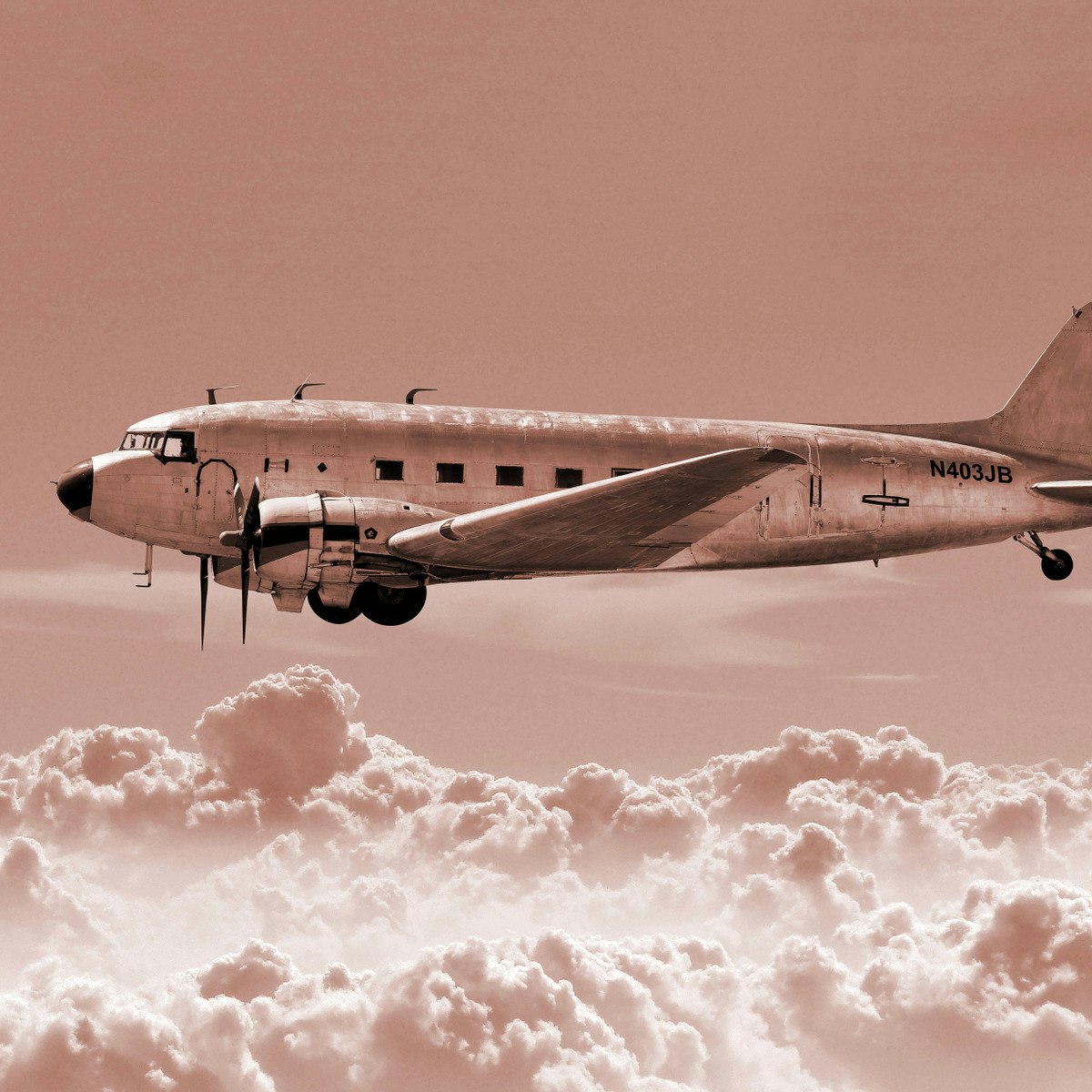
Flight mechanics - Lift and trajectory
In this course, you will understand the influence of the angle of attack and speed on the lift. Then we will focus on hazards and limitations, like stall, spiral dive, or flutter. You will understand why stall phenomenon and Mach number limit the maximum lift and altitude the airplane can achieve. Then, you must understand what is flutter and why the altitude and speed of the airplane must be restricted to a safe domain. In the end, we will explain how to control the trajectory of the airplane and the relation with lift and load factor. This course is a part of the specialization "Fundamentals of Flight mechanics".

Sustainability of Social-Ecological Systems: the Nexus between Water, Energy and Food
In this course you will become familiar with the ideas of the water-energy-food nexus and transdisciplinary thinking. You will learn to see your community or country as a complex social-ecological system and to describe its water, energy and food metabolism in the form of a pattern, as well as to map the categories of social actors. We will provide you with the tools to measure the nexus elements and to analyze them in a coherent way across scales and dimensions of analysis. In this way, your quantitative analysis will become useful for informed decision-making. You will be able to detect and quantify dependence on non-renewable resources and externalization of environmental problems to other societies and ecosystems (a popular ‘solution’ in the western world). Practical case studies, from both developed and developing countries, will help you evaluate the state-of-play of a given community or country and to evaluate possible solutions. Last but not least, you will learn to see pressing social-ecological issues, such as energy poverty, water scarcity and inequity, from a radically different perspective, and to question everything you’ve been told so far. ACKNOWLEDGEMENT Part of the results and case studies presented have been developed within two projects: MAGIC and PARTICIPIA. However, the course does not reflect the views of the funding institutions or of the project partners as a whole, and the case studies were presented purely with an educational and illustrative purpose.

xDesign Foundations: Sketching and Extrusion
Welcome to xDesign Foundations: Sketching and Extrusion, the first course in the SOLIDWORKS xDesign for Education Specialization. In this course, you will learn how to use SOLIDWORKS xDesign to solve CAD problems. The problems involve creating a 3D object from a 2D sketch using the Extruded Boss/Base feature. You will also learn about the sketch tools & end conditions for extrude feature. Upon completion of this learning module, you will be able to: - Create sketch profiles - Extrude the sketch profiles - Create sketch fillets/chamfers - Convert & Offset Entities in a sketch - Create sketch entities using mirror command - Use start & end conditions for extrude boss This course is ideal for beginners and those new to SOLIDWORKS xDesign, particularly students, educators, and early-career professionals in engineering and design. Software Prerequisites: 3D Creator Access powerful capabilities for Engineering with SOLIDWORKS xDesign at a low price, $72 (excluding taxes), follow this link : https://go.3ds.com/CXD1

Exploring Light: Hands-on Activities and Strategies for Teachers
This is an Exploratorium teacher professional development course taught by Teacher Institute staff, open to any science teacher (particularly middle or high school level) and science enthusiast. This is a hands-on workshop that explores topics and strategies teachers can use to help their students become active investigators of light. Watch a preview video (copy and paste this link into your browser): https://youtu.be/fPvT_quBVIw There are four weeks of course content, which require 2-4 hours per week. Each module builds upon the previous one, so we strongly suggest you follow the sequence we've outlined rather than skip ahead or do the course in less time. The course is designed to give you an opportunity to learn and share with others, not test what you know. There are weekly activity and reflection assignments, but these will not be graded. To receive credit for this course, you will need to complete the peer-reviewed final assignment. As a participant, you will: - Watch videos that demonstrate natural phenomena and the Exploratorium's approach to teaching and learning - Conduct personal investigations by engaging in hands-on activities based in those phenomena - Reflect and share your experience doing activities - Discuss and identify challenges and opportunities for teaching - Devise a lesson of your own based on one or more of the activities Each week, we'll look at a different light-related topic: We will start by examining human visual perception, then take a brief historical tour of our evolving scientific understanding. We’ll also look at optics and optical instruments and finish by looking at the wave nature of light. To get the most out of this experience, you'll have to try out some activities! In return, you'll get lots of valuable teaching resources, an in-depth understanding of the subject matter, and useful tips and techniques for the classroom. NOTE: This is a hands-on workshop, so you will need to buy or find materials. All of the materials required are inexpensive and should be easy to obtain, and we welcome substitutions! A separate list of materials is available for each activity.
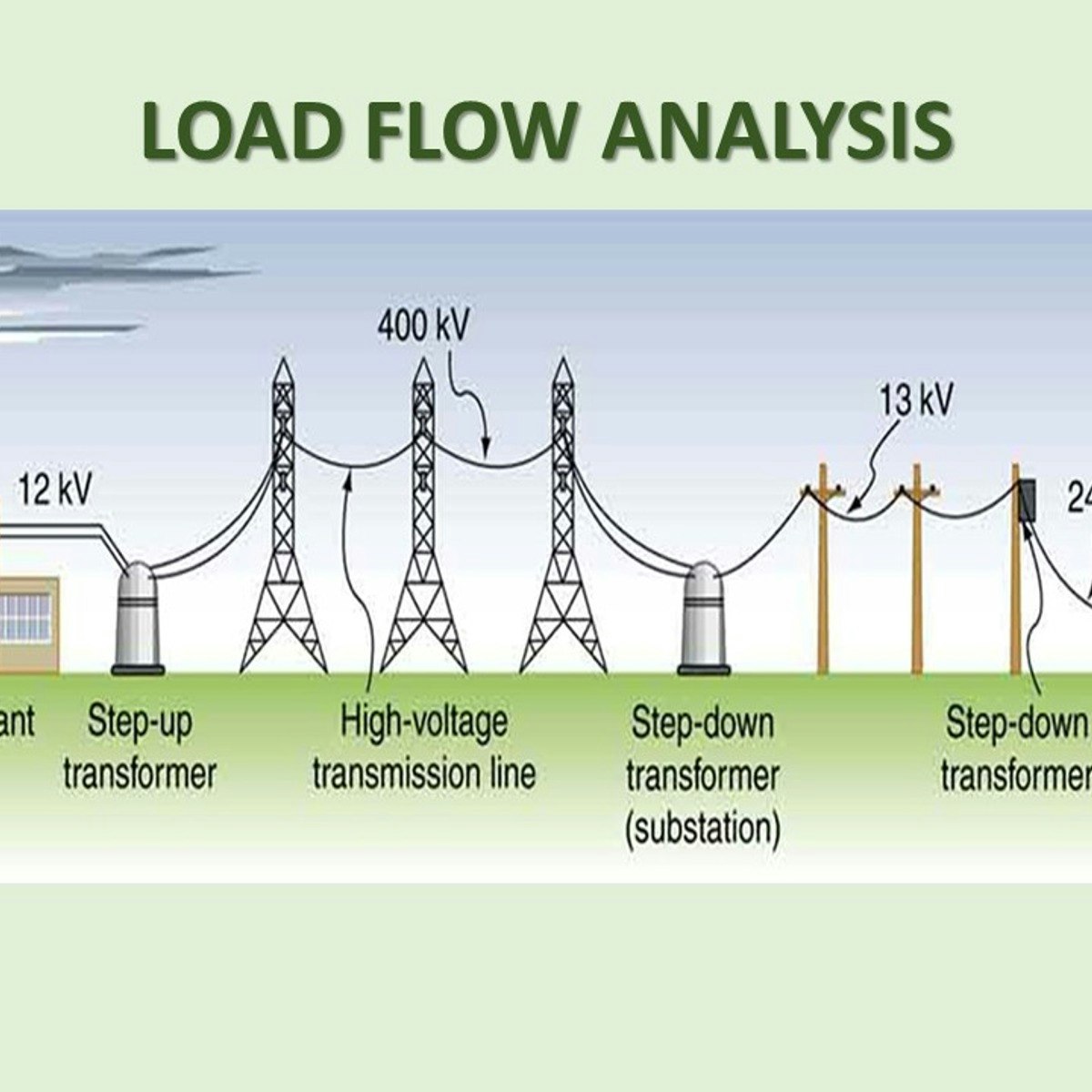
Load Flow Analysis
This course is designed to provide a comprehensive analysis of various solution techniques available for load flow analysis of power system networks. Objectives By the end of this course, you will be able to: • Declare the need for model formulation of power system network and derive the model formulation equations of a network with suitable illustrations. (BL3) • Deduce the need and applications for tap changers in transformers and arrive at the representation of off nominal tap changing transformer with pi model equivalent circuit. (BL3) • Develop a comprehensive understanding of the formation of bus impedance and bus admittance matrices using appropriate techniques and illustrate with numerical examples. (BL4) • Illustrate the concept of graph theory in bus admittance matrix formation and discuss the sparsity in power systems. (BL4) • Discover the algorithm/flowchart of various numerical solution techniques such as Gauss-Seidel, Newton Raphson and Fast Decoupled algorithms used to obtain load flow solution of power system networks and examine a comparative analysis of these algorithms. (BL4) • Elucidate the concept of DC and AC-DC load flow equations and their solution with suitable algorithms and case study/examples. (BL4) This course provides a specialized focus on network model formulation and construction of network matrices, namely, bus admittance and bus impedance matrices supported with real time test system. The course touches upon the detailed procedure of applying iterative solution techniques such as Gauss-Seidel, Newton-Raphson, and Fast Decoupled methods to solve the load flow problem imbibed with demonstrations of live examples. The course stands out for its hands-on ETAP demonstrations, which is an industrial software used in power grid sectors, providing learners with practical skills in the field of power system design and analysis. To be successful in this course, you should have a background in basic electrical engineering principles, including knowledge of circuit analysis, electromagnetism, transmission and distribution of electrical power, per unit computation and modeling of power system components. Familiarity of any simulation packages such as MATLAB, POWER WORLD will be beneficial for hands-on exercises. By enrolling in this course, participants will not only gain theoretical knowledge but also practical skills that are directly applicable in the field of power system analysis and design Whether you're a student aspiring to enter the industry or a professional seeking to deepen your expertise, this course offers a unique blend of theoretical insights and hands-on applications, equipping you with the tools to excel in this dynamic field.
Applied Mathematics in Bioengineering
Covers and emphasizes practical applications of linear algebra, statistics, complex analysis, and signal processing in bioengineering. Students develop fluency with matrix decompositions, statistical inference and curve fitting, complex-number representations of signals, linear time-invariant systems, and Fourier analysis, and apply these tools to representative biomedical problems.
Robotic Control Systems in Manufacturing
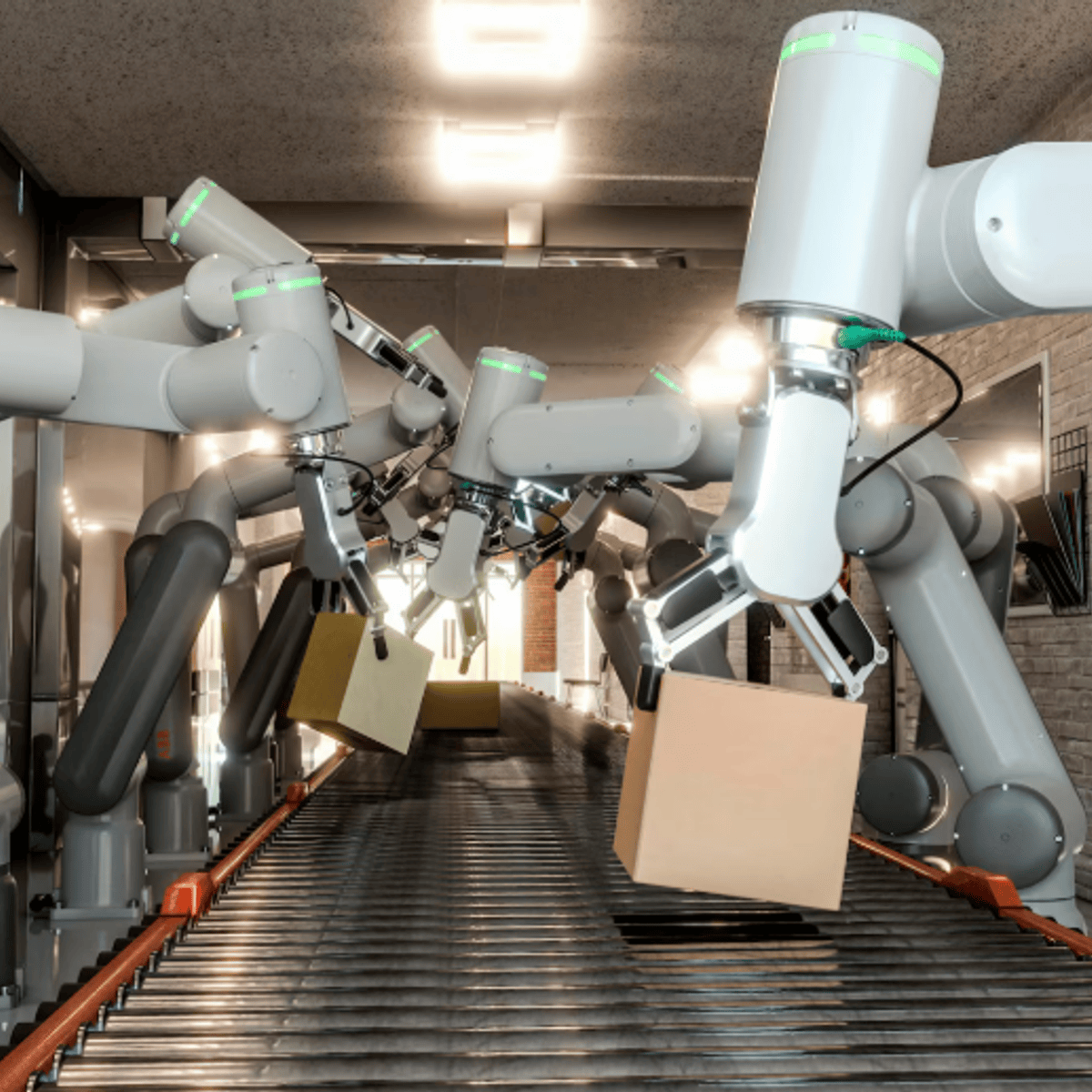
Launch your journey into next-generation manufacturing with Robotic Control Systems in Manufacturing, the first course in L&T EduTech’s New Age Technologies in Manufacturing specialization. This course introduces the fundamentals of robotic control systems used in modern industries, with a strong focus on AVR microcontrollers and Espressif (ESP) modules. Learners will explore microcontroller architecture, hardware setup, programming, and interfacing techniques to build intelligent robotic solutions. The course also demonstrates how ESP technologies enable energy monitoring, industrial automation, robot movement, and object recognition. Through expert-led video lessons and practical industry applications, you will gain the skills needed to design, program, and deploy robotic control systems in smart manufacturing environments. By the end of this course, you will be able to: Explain the role of robotic control systems in modern manufacturing. Configure and program AVR microcontrollers using appropriate hardware and IDE tools. Interface sensors, actuators, and peripheral devices with AVR-based systems. Apply ESP modules for energy monitoring and industrial automation applications. Implement robotic movement and object recognition functionalities using ESP technologies. Develop foundational skills for designing intelligent robotic solutions in manufacturing. Target Learners: This course is designed for: Undergraduate and diploma students in Mechanical, Electrical, Electronics, Mechatronics, and Manufacturing Engineering. Aspiring robotics and automation professionals. Industry practitioners seeking to upskill in industrial robotics and control systems. Learners interested in smart manufacturing, Industry 4.0, and emerging automation technologies.
Fundamentals of Biomedical Imaging I
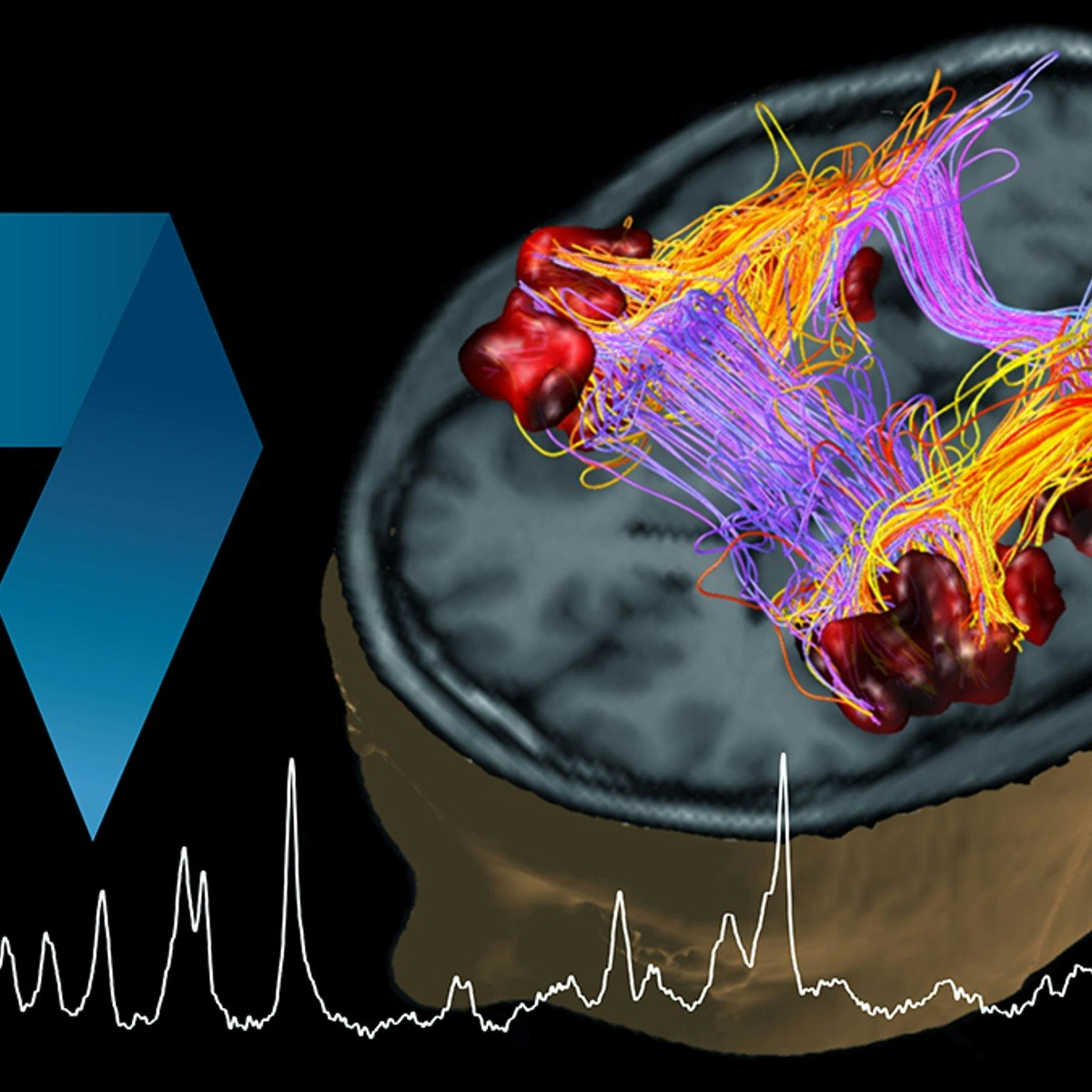
Fundamentals of Biomedical Imaging: Ultrasounds, X-ray, positron emission tomography (PET) and applications Learn how principles of basic science are integrated into major biomedical imaging modalities and the different techniques used, such as X-ray computed tomography (CT), ultrasounds and positron emission tomography (PET). This physics course covers the physical principles of major in vivo bio-imaging modalities and the different imaging techniques. After a short study of ultrasound imaging, you will learn about the different X-ray imaging techniques. The understanding of the interaction of X-rays with tissue will lead to the study of three different techniques: • Computed Tomography (CT) • Emission Tomography • Positron Emission Tomography (PET) This course shows how existing physical principles transcend into bio-imaging and establish an important link into life sciences, illustrating the contributions physics can make to life sciences. Practical examples will be shown to illustrate the respective imaging modality, its use, premise and limitations, and biological safety will be touched upon. During this course, you will develop a good understanding of the mechanisms leading to tissue contrast of the bio-imaging modalities covered in this course, including the inner workings of the scanner and how they define the range of possible biomedical applications. You will be able to judge which imaging modality is adequate for specific life science needs and to understand the limits and promises of each modality. To learn more about biomedical imaging, join us in the second part of this course Biomedical Imaging: Magnetic Resonance Imaging (MRI).

Drones for Environmental Science
How can drones be used for good in environmental science? What types of data can scientists collect, and how should they go about collecting it using drones? Why should someone integrate drones into their existing career or pursue this field? This Duke Environment+ course serves as an introduction for anyone interested in learning more about drone use in the environmental sciences. No background knowledge in drones is assumed or necessary. Over the course of four weeks, you will discover the basics of drone use in the environmental sciences, including specific benefits of using drones for scientific research; types of drones and how they are used for different purposes and missions; and best research practices, including legal and ethical concerns. The final week of the course will help you get started on exploring different career paths that involve drones by introducing you to professionals working with this technology in the environmental sciences. By the end of the course, you should be better equipped to consider how to use drones for your own research interests, and you will be better prepared for the more in-depth Environment+ course sequence UAS Applicants and Operations in Environmental Science, should you decide to continue your studies.
Anthropometry, Biomechanics, and Motor Skills in User Design
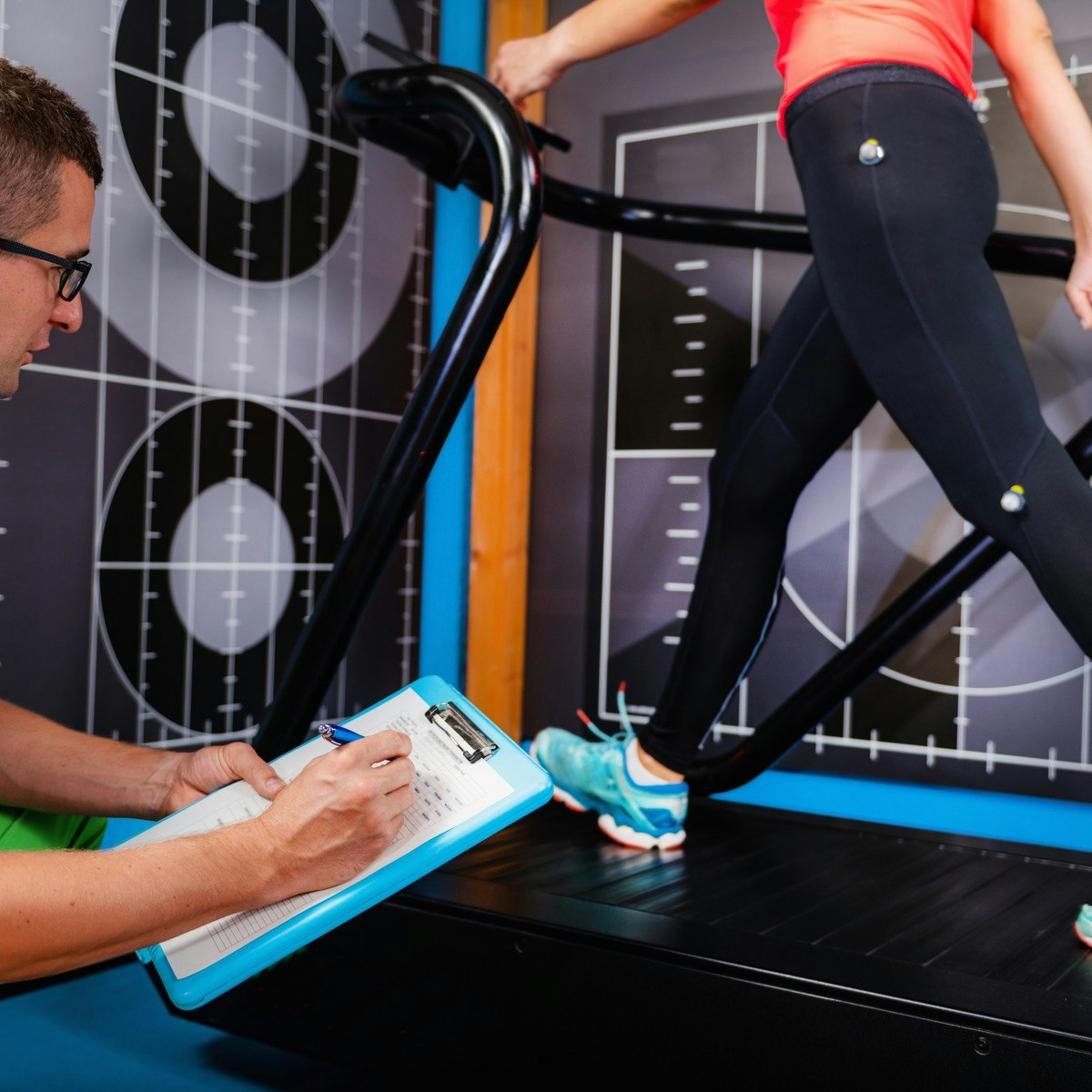
Course 5 examines the role of anthropometrics, biomechanics and motor skills in human performance as well as key factors that influence how humans produce and sense motion, and how these can be applied to training and testing performance.
Design of Specific Systems
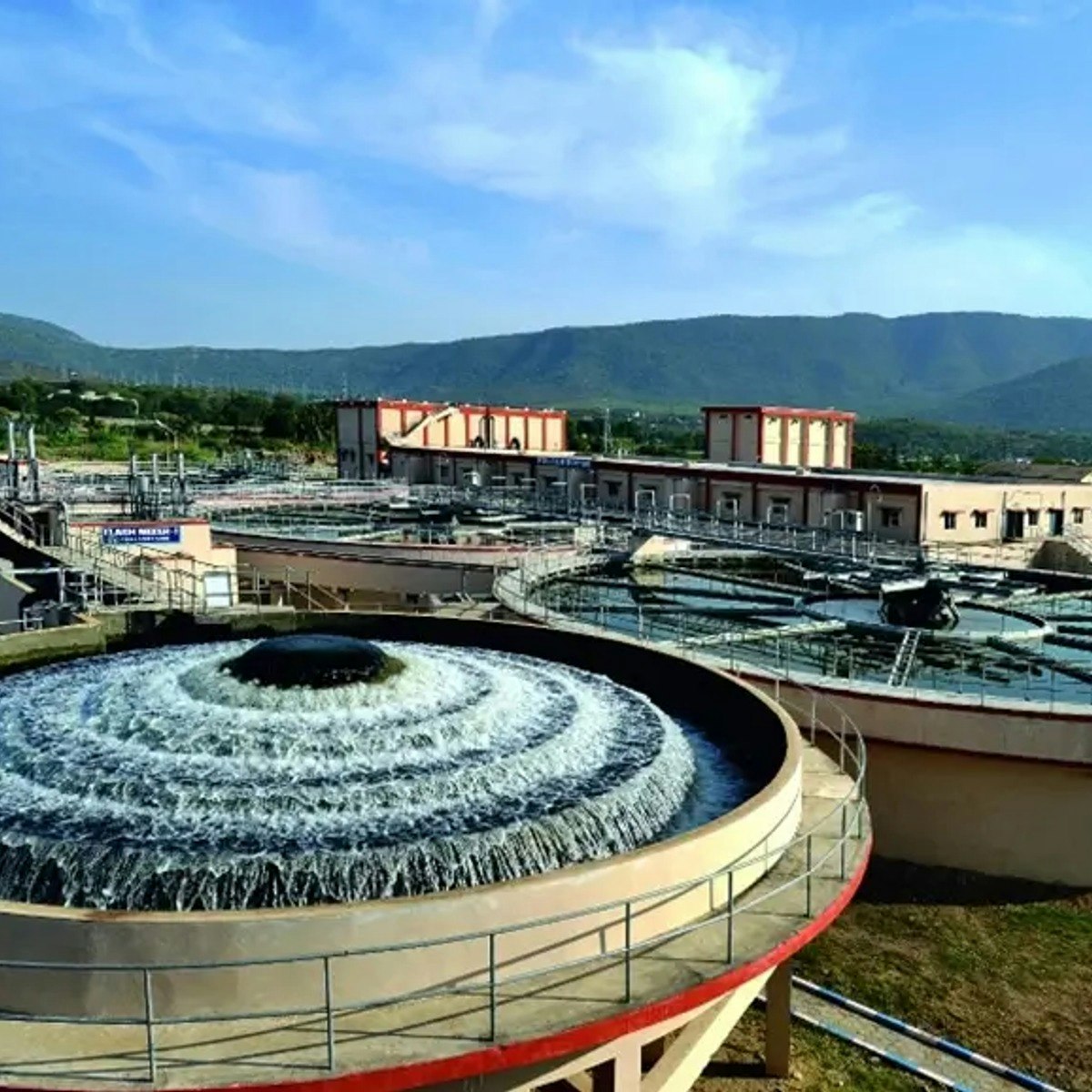
This course is designed for mechanical and chemical engineering professionals, faculty members, and students seeking practical and industry-relevant expertise in utility system design for process plants. The course provides an in-depth understanding of ETP design, covering primary, secondary, and tertiary treatment stages, contaminant removal technologies, regulatory compliance, water reuse optimization, and sustainable sludge management. Learners will also gain strong competency in the design of Safety Relief and Flare Systems, including pressure relief devices, flare stacks, and gas handling systems, with a focus on industry codes, risk mitigation, environmental impact reduction, and plant safety. In addition, the course explores the design and operation of critical utility systems such as Co-Generation plants, Oily Water Sewer (OWS), Closed Blowdown (CBD), Contaminated Rainwater (CRWS), Rainwater Harvesting systems, Incinerators, and utilities used in sugar technology. Emphasis is placed on applicable standards, best practices, environmental sustainability, and efficient waste and energy management. Practical design approaches, real-world industrial examples, and system integration concepts are emphasized to bridge the gap between theory and practice. By the end of the course, learners will be equipped to design, evaluate, and manage complex utility systems that ensure safe, compliant, and sustainable industrial operations while enhancing overall plant reliability and performance.
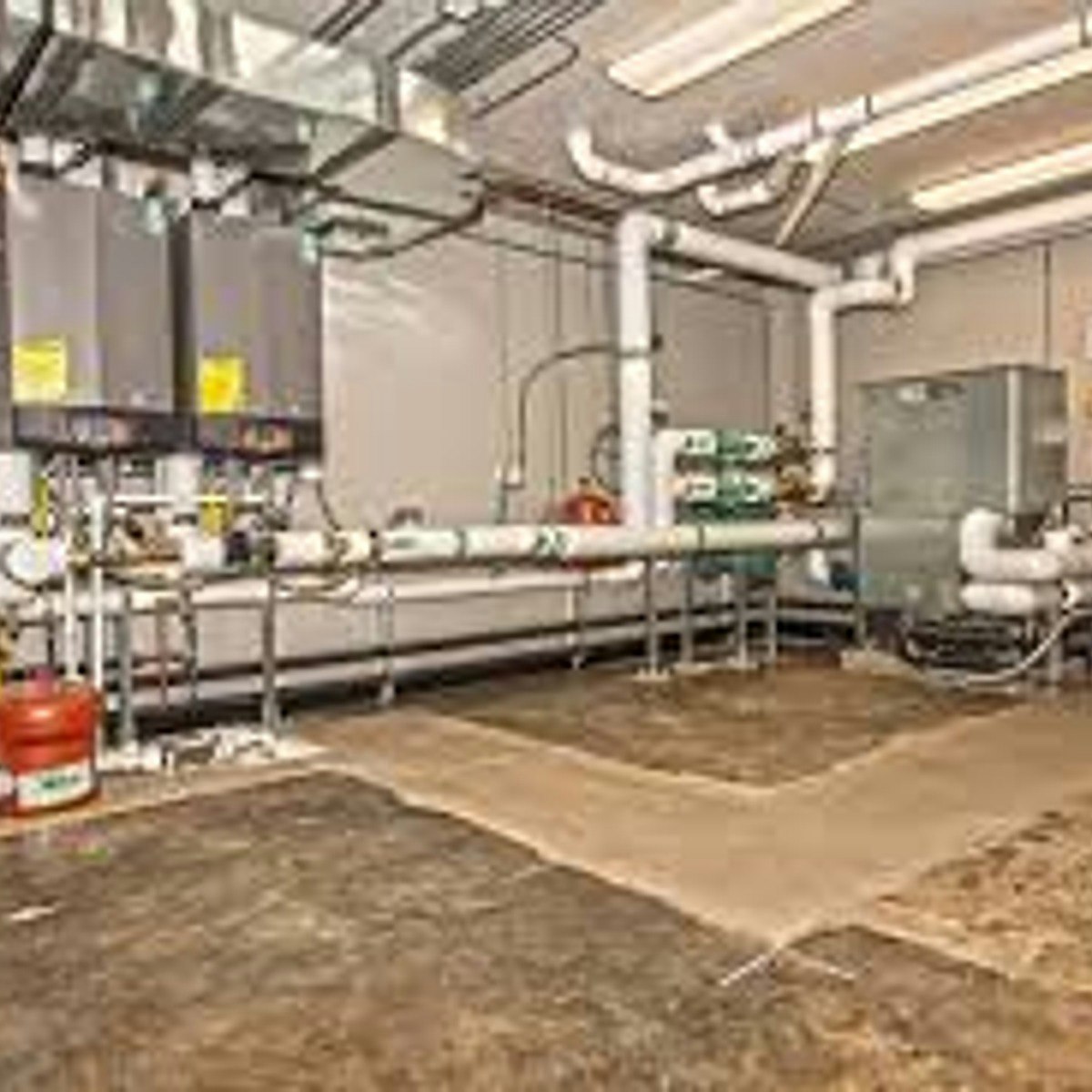
Cutting-edge Technology in Air Conditioning System
In the dynamic field of HVAC technology, strategies like Demand Control Ventilation (DCV) are revolutionizing indoor air quality and energy efficiency. DCV dynamically adjusts ventilation rates based on real-time occupancy and air quality indicators, optimizing conditions for occupants while minimizing energy consumption. Adherence to codes and standards, notably ASHRAE Standard 62.1, ensures the safety and efficiency of DCV systems. A key focus of DCV is monitoring and controlling carbon dioxide (CO2) levels, a crucial indicator of indoor air quality. Elevated CO2 levels prompt real-time adjustments in ventilation rates, preventing the accumulation of pollutants and promoting a constant supply of fresh air. This adaptive approach aligns with principles promoting occupant health and well-being. Designing ventilation rates within DCV involves considering factors such as occupancy, space size, and specific application requirements. Strategies like damper control and precise positioning efficiently meet ventilation demands. DCV's versatility extends to both Constant Air Volume (CAV) and Variable Air Volume (VAV) systems. In Constant Air Volume (CAV) systems, DCV optimizes airflow by modulating it based on real-time occupancy and air quality data. This ensures ventilation precisely tailored to the immediate needs of the space, balancing energy efficiency and air quality maintenance. In Variable Air Volume (VAV) systems, DCV adjusts the air supply to match demand, optimizing energy conservation without compromising air quality. An example illustrates the seamless integration of DCV within a VAV system, showcasing practical impact. CO2 sensors, including advanced types like nondispersive infrared (NDIR) sensors, play a pivotal role in DCV systems. Proper sensor placement ensures accurate readings, enhancing overall effectiveness by providing precise data on indoor air quality. Shifting to the broader context of HVAC, understanding fans, their history, and diverse applications is essential. Fans, integral to industrial processes and electronics cooling, have evolved with various types, including centrifugal and axial fans. Appreciating fan terminologies like pressure, flow rate, speed, and efficiency becomes vital. Centrifugal fans excel in scenarios requiring directed and pressurized airflow, while axial fans are ideal for linear airflow applications. Grasping fan terminologies is crucial for optimizing performance. The affinity laws and fan control strategies govern efficiency, providing insights into operational optimization. Fan performance curves visually depict relationships between airflow, pressure, and power consumption, aiding in selecting and optimizing fan systems. Expanding the horizon, Variable Refrigerant Flow (VRF) systems mark a milestone in HVAC technology. Evolving from traditional systems, VRF systems offer a dynamic and energy-efficient approach. Continuous advancements introduce features like individual zone control, energy efficiency, and adaptability to variable loads. The escalating demand for energy-efficient HVAC solutions underscores the need for VRF systems. Their capacity for simultaneous heating and cooling, coupled with precise temperature control, makes them preferred in various applications. Designing VRF systems involves meticulous consideration of factors like building size, occupancy, and specific requirements for each zone. The connectivity or combination ratio, indicating the number of indoor units connected to a single outdoor unit, significantly influences system efficiency. In conclusion, from Demand Control Ventilation to advanced fan systems and Variable Refrigerant Flow, these strategies form a comprehensive picture of HVAC technology. Rooted in energy efficiency and sustainability, they play a pivotal role in shaping the future of indoor environmental control, catering to occupant comfort, operational efficiency, and environmental responsibility. Target Learners: 1. Knowledge of Thermodynamics & Heat Transfer 2. Undergraduate students of Mechanical who are in either Vth, VIth, VIIth or VIIIth semester 3. Graduate students of Mechanical 4. Working professionals with B.Tech./B.E., in Mechanical 5. Diploma students of Mechanical
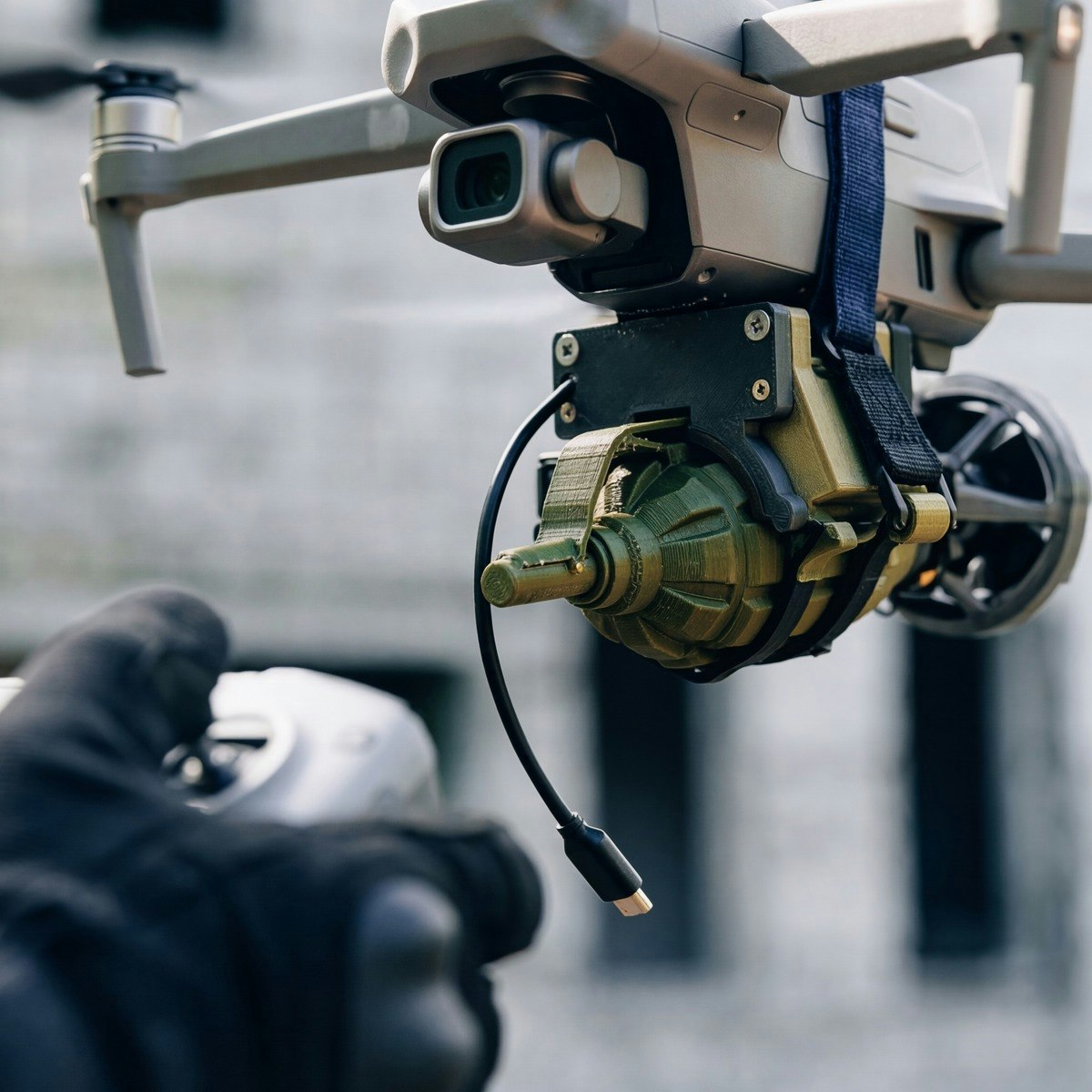
UAS/Drone Technology: Sensors and Payloads
This course introduces the sensors onboard Unmanned Aerial Systems (UAS) and how they integrate with platform subsystems, including the accelerometer, Inertial Measurement Unit (IMU), and GPS. These core sensors are critical to UAS flight and navigation, but they're just the starting point: a wide variety of sensors are available for UAS payloads, each opening up new applications worth exploring in greater detail. By the end of this course, you'll discover new sensors and payload applications across the drone industry, build a foundational understanding of the science and technology behind them, and gain the knowledge needed to select the right sensor for your specific UAS application, whether for mapping, inspection, agriculture, public safety, or other real-world use cases.

Biodiseño respondiendo a retos complejos
En este curso veremos una propuesta pedagógica basada en el pensamiento de diseño para la conceptualización de proyectos en el área de biodiseño. El biodiseño presenta biotecnologías a audiencias no especializadas para que las incorporen dentro de propuestas de solución a retos actuales. El biodiseño también incita a observar la naturaleza y a reflexionar sobre su relación con las comunidades que la rodean. La metodología propuesta brinda herramientas prácticas y acompaña al maestro a formular una ruta de enseñanza para formar individuos creativos e innovadores, con pensamiento crítico, capaces de aprender a aprender y con habilidades de resolución de problemas complejos. Durante todo el curso analizaremos casos concretos de biodiseño, conoceremos herramientas de cada una de las etapas del design thinking y te acompañaremos a crear una ruta de enseñanza para implementar la metodología pedagógica en tu propio contexto.

Diode - pn Junction and Metal Semiconductor Contact
This course can also be taken for academic credit as ECEA 5631, part of CU Boulder’s Master of Science in Electrical Engineering degree. This course presents in-depth discussion and analysis of pn junction and metal-semiconductor contacts including equilibrium behavior, current and capacitance responses under bias, breakdown, non-rectifying behavior, and surface effect. You'll work through sophisticated analysis and application to electronic devices. At the end of this course learners will be able to: 1. Analyze pn junction at equilibrium and under bias, capacitance and current characteristics, and breakdown behavior 2. Analyze metal-semiconductor contact at equilibrium and under bias, capacitance and current characteristics, non-rectifying contact and surface effects
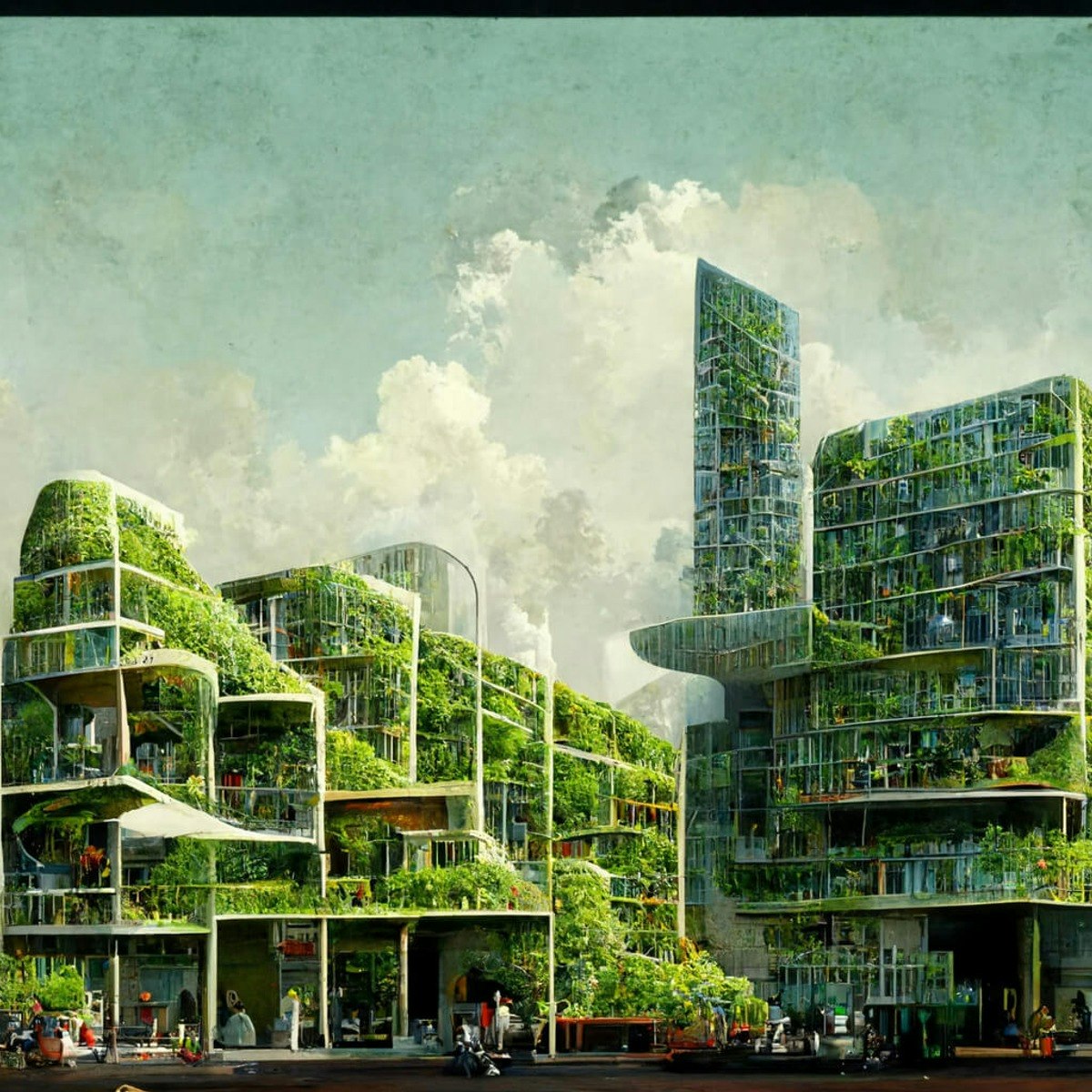
Green Building Assessment & Certification
The course delves into sustainability, addressing the environmental impact of construction materials and advocating for the use of green products. Various green certifications and sustainable alternatives for building materials are discussed, emphasizing the importance of reducing the environmental footprint in construction. Life cycle assessment (LCA) is explained in four phases: goal and scope definition, life cycle inventory, life cycle impact assessment, and interpretation of results. Green project management, focusing on positive environmental, social, and economic impacts, is detailed across phases: project definition, design integration, construction implementation, and commissioning. The module also highlights the significant environmental impacts of buildings and introduces global green building rating systems, with a specific focus on India's GRIHA and IGBC systems and their role in promoting sustainable design practices.

Differential Equations & Advanced Applications
Master the foundational principles of differential calculus and unlock analytical capabilities essential for data science, engineering, and advanced mathematics. This course provides comprehensive training in derivative calculations, optimization techniques, and real-world problem-solving applications. Through systematic exploration of differentiation rules, implicit differentiation, and critical point analysis, you will develop robust mathematical reasoning skills applicable across scientific and business domains. Learn to model dynamic systems, analyze rates of change, and apply calculus techniques to solve complex optimization challenges. Whether advancing in quantitative fields or building analytical foundations for graduate studies, this course equips you with rigorous mathematical frameworks and practical computational skills to excel in data-driven decision-making and technical problem-solving.