Cursos de Humanidades y sociales
Los mismos datos para todos, vengan de Udemy o de Coursera: precio, valoración, duración e idioma. 724 cursos encontrados. Afinar la búsqueda

Exam Preparation for ServiceNow Certified System Admin (CSA)
This course shows you how to prepare for the exam and what the exam looks like. Exam Purpose The CSA exam certifies you have the skills and essential knowledge to contribute to the ServiceNow system's configuration, implementation, and maintenance. Exam Preparation Exam questions are based on official ServiceNow training materials and the ServiceNow documentation site. This course should not be considered an official study or exam material and should only be used to prepare for the mainline exam. Exam Scope Platform Overview and Navigation (6%) • ServiceNow Platform Overview • Platform capabilities and services • The ServiceNow Instance • Next Experience Unified Navigation Instance Configuration (10%) • Installing applications and plugins • Personalising/customising the instance • Common user interfaces in the Platform Configuring Applications for Collaboration (19.5%) • Lists, Filters, and Tags • List and Form anatomy • Form Configuration • Form templates and saving options • Advanced Form Configuration • Task Management • Visual Task Boards (VTBs) • Visualisations, Dashboards, and Platform Analytics • Notifications Self-Service & Automation (19.5%) • Knowledge Management • Service Catalogue • Workflow Studio • Virtual Agent Database Management and Platform Security (30%) • Data Schema • Application/Access Control • Importing Data • CMDB and CSDM • Security Center • Shared Responsibility Model Data Migration and Integration (15%) • UI Policies • Business Rules • System update sets • Scripting in ServiceNow Exam Structure The exam consists of approximately (60) questions. For each question on the examination, there are multiple possible responses. You should review the response options and select the most correct answer. • Multiple Choice (single answer) For each multiple-choice question on the exam, there are at least four possible responses. You should review the response options and select the one response that most accurately answers the question. • Multiple Select (select all that apply) For each multiple-select question on the exam, there are at least four possible responses. The question will state how many responses should be selected. You should review the response options and select ALL responses that accurately answer the question. Multiple-select questions have two or more correct responses.
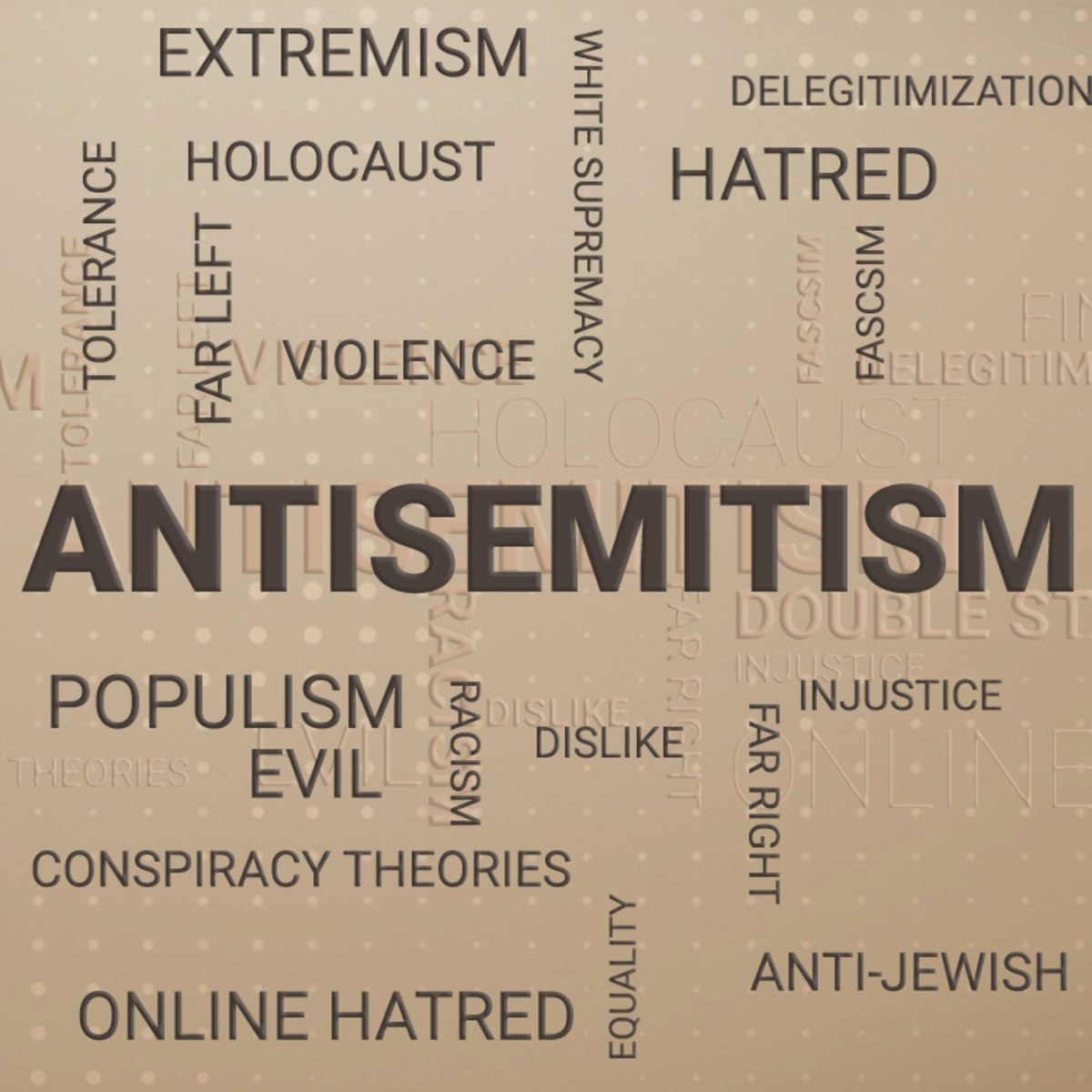
L’antisémitisme : De ses origines à nos jours
Dans ce cours, 50 éminents universitaires du monde entier examineront des questions et des problèmes liés à l’antisémitisme, notamment : qu’est-ce que l’antisémitisme ? Comment a-t-il évolué au cours de l’histoire ? Pourquoi est-il présent dans tant de cultures diverses, et même parmi des idéologies opposées ? Qu’est-il arrivé à l’antisémitisme après la Shoah? Comment l’antisémitisme s’exprime-t-il aujourd’hui et quels sont les principaux domaines dans lesquels il se manifeste ?

Molecular Biology and Biotechnology Principles
Welcome to the exciting world of Molecular Biology and Biotechnology! This comprehensive course offers a deep dive into the core concepts and cutting-edge applications of these dynamic fields. Whether you're an aspiring biologist, a curious science enthusiast, or a professional seeking to expand your knowledge, this course is designed to cater to all levels of expertise. In this course, you will embark on a journey through the fascinating realm of molecular biology, exploring the structure, function, and regulation of genes and proteins. You will unravel the mysteries of DNA, RNA, and protein synthesis, understanding how these fundamental biological molecules shape life as we know it. Discover the intricacies of gene expression and regulation, as well as the principles behind genetic inheritance and evolution. Diving into the world of biotechnology, you will explore the revolutionary techniques that harness the power of molecular biology for practical applications. From genetic engineering and genome editing to stem cell therapy and biotechnology-based diagnostics, you will gain insight into how biotechnological advancements are reshaping medicine, agriculture, and industry. Throughout the course, you will engage in hands-on activities and assignments to reinforce your learning. Practical experiments, such as PCR analysis and bioinformatics exercises, will sharpen your skills in DNA and protein sequence analysis. Furthermore, you will have the exciting opportunity to design your biotechnological solutions to real-world problems, bringing your creativity and innovation to the forefront. We will guide you through the complexities of molecular biology and biotechnology, providing clear explanations and real-world examples. By the end of the course, you will have developed a solid foundation in these fields, enabling you to apply your knowledge in diverse scientific and industrial settings. Emphasizing the importance of ethical considerations, you will be empowered to make responsible decisions in the face of rapid technological advancements. Embark on this enlightening journey with us and unlock the genetic secrets and innovative solutions that are shaping the future of molecular biology and biotechnology. Get ready to unleash your potential and be part of the scientific revolution!

Music Theory: Essentials of Music Theory for Modern Music
Led by Future Skills, this course will equip you with the core tools of modern music theory and show you exactly how to use them in today’s music landscape. By the end of this course, you will be able to read and write musical notation, build and analyze scales and keys, construct common and advanced chords, and create compelling chord progressions inside Ableton Live. Music Theory: Learn the Essentials of Music Theory for Modern Music is designed as the foundational part of a three-course journey, focusing on the building blocks of music—from notes and piano layout to harmony and advanced chord structures. What makes this course unique is its practical, producer-friendly approach: you won’t just learn theory, you’ll actively apply it in a digital music production environment. This course is ideal for beginner musicians, producers, songwriters, and performers who want to strengthen their musical foundation. No prior music theory experience is required, but to be successful, you should be comfortable using a computer and have basic familiarity with music creation tools. Whether you’re starting out or filling knowledge gaps, this course will help you turn musical ideas into confident, informed compositions.

Econometrics with Eviews: Time Series, and Panel Data
In this course, you will learn: How to collect, import, and structure data (World Bank, IMF, WDI, Panel Data) Understanding types of data and preparing datasets for analysis Testing for stationarity: Unit Root Tests & data transformations Building & interpreting OLS regression models in EViews Classical Linear Regression Model (CLRM) assumptions explained clearly Advanced regression tools: Chow Test, Bai-Perron, Bry-Boschan Detecting & solving econometric issues: Heteroscedasticity, Multicollinearity, Autocorrelation • Estimation & applications of ARDL Models, VAR, VECM & Cointegration Tests Causality tests: Granger, Johansen, Dumitrescu-Hurlin, Toda-Yamamoto Deep dive into Panel Data Analysis: Fixed/Random Effects, GMM, FMOLS, DOLS, PMG Modeling volatility with ARCH & GARCH (and extensions) Forecasting, impulse responses, and dynamic modeling for policy & research Introduction to Machine Learning in Econometrics (LASSO, Random Forests, Big Data handling in EViews) Why This Course? Comprehensive – Covers both classical and modern econometric methods. Hands-on – Every concept demonstrated directly in EViews with real data. Research-Oriented – Designed for publishing-level analysis (thesis, research papers, reports). Step-by-Step Learning – Starts from the basics and gradually advances to complex models. Practical Assignments & Quizzes – Test your knowledge as you progress. Who Should Enroll? Undergraduate & Graduate Students in Economics, Finance, and Business PhD Scholars & Researchers preparing econometric models for publications Policy Analysts & Data Professionals applying econometrics in real-world decision-making Anyone who wants to master EViews for econometric modeling By the End of This Course: You will be able to confidently analyze time series and panel data, detect econometric issues, apply advanced models, and present results like a professional researcher. This will equip you with the skills to excel in academic research, consulting, and policy analysis.

الثقافة المالية | Financial Literacy
لا يخفى على أحد أنه عندما يتعيّن علينا اتخاذ قرارٍ يتعلق بالأمور المالية في حياتنا الشخصية، أو حتى عند التعامل مع المستندات المالية فإننا نشعر بالارتباك، ونكون حذرين قبل اتخاذ القرار لأن الآثار المترتبة على اتخاذ أي قرارٍ خاطئٍ في هذا المجال بالتحديد قد تكلف صاحبها خسائر طائلةً هو في غنىً عنها، لذا فإنه من الضروري جداً امتلاك ثقافةٍ ماليةٍ تجعل صاحبها على درايةٍ وتمكنه من إدارة الأموال بفاعلية، وبالتالي تجعله قادراً على اتخاذ قراراتٍ أكثر دقة، وتكون مبنيةً على أساسٍ متينٍ من الثقافة والمعرفة المالية. تهدف هذه الدورة التدريبية إلى تمكين المتدربين من تثقيف أنفسهم مالياً من خلال زيادة وعيهم المالي فيما يتعلق بالمصطلحات المالية والمصرفية، وكيفية عمل خطة مالية شخصية تتضمن وضع الميزانية، وإدارة التدفق المالي وحساب النفقات، بالإضافة إلى تزويدهم بالمهارات والمعلومات التي تساعدهم في التعامل مع القروض والودائع وعمليات الاحتيال. هذه الدورة هي دورة تمهيدية؛ فهي تلقي الضوء على أساسيات الموضوع بشكل عام بهدف التعريف به وبمحاوره الأساسية التي يجب الإلمام بها، وتتكون من 4 محاور رئيسية يتضمنها عدد من التقييمات للتأكد من مدى فهم المتدربين للمواضيع المطروحة. إذا كنت من المهتمين بإتقان الثقافة المالية أو كان مجال عملك يتطلب إتقان تلك المهارات وتوظيفها في سياق عملك، فهذه الدورة ستكون مثالية لإغناء خبرتك وتطوير مهاراتك في فهم وتحليل ذلك بشكل فعال ومؤثر. حيث ستزودك هذه الدورة باطلاع واسع ودقيق على مجموعة من المحاور المتعلقة بهذا الموضوع، مثل: شرح تطبيق أساليب القضاء على الأمية المالية في المجالات المختلفة، تحديد طرق الاحتيال وكيفية تجنبها، توضيح أنواع الودائع وأقسامها، التعرف على كيفية اختيار القرض المناسب، تبيان خصائص القروض ومخاطرها، شرح أساليب الادخار المختلفة، التعرف على كيفية إدارة الديون، تحديد طرق تقليل النفقات الشخصية، شرح كيفية إدارة التدفقات النقدية، استعراض أهم المصطلحات المالية والمصرفية المتداولة، التعرّف على مفهوم الثقافة المالية وأهميتها، تطبيق أساسيات التخطيط المالي الشخصي.

Fusion 360 Surface Design & T-Spline Sculpting
Unlock the full potential of Autodesk Fusion 360 by mastering the powerful techniques of surface design and T-Spline sculpting in this comprehensive, hands-on course. Whether you’re a complete beginner or someone with some Fusion 360 experience, this course will equip you with the skills needed to model complex, organic, and visually compelling shapes used in industries like product design, industrial design, and mechanical engineering. The course begins with the fundamentals of surface modeling, where you'll learn to use tools like extrude, revolve, sweep, loft, patch, ruled surface, offset, trim, and stitch. Through easy-to-follow exercises and real-world projects, you'll develop the ability to create smooth and precise surface bodies that are often impossible to achieve with solid modeling alone. Then, you’ll transition into the world of T-Spline sculpting—Fusion 360’s powerful toolset for designing freeform, organic shapes. You’ll create and edit T-Spline primitives, explore sculpting workflows using the Edit Form tool, and learn how to insert edges, bridge surfaces, create symmetry, and manipulate faces and vertices with precision. The course also covers converting sculpted bodies to solid forms and adding thickness for prototyping and production. Whether you're designing consumer products, artistic models, or prototypes, this course provides the practical knowledge and creative techniques needed to turn your ideas into professional-quality 3D models.

AI, Democracy, and Elections
This is aimed at anyone interested in how AI affects democracy, democratic processes, and elections. AI developments are rapidly altering how we manage information, and we have all heard dire warnings about how society is about to change. One often mooted solution is that the field needs strong political regulation to minimise associated risks. In democracies, that means that the task falls to our democratically elected representatives. But what if the very democratic system itself is changed by AI? To understand more about these matters becomes vital. In this course we first provide a general overview of how AI, democracy and the interconnections between the two can be understood. It then offers two more in-depth takes: one focusing on how and why the use of chatbots can detrimentally impact democratic communication unless we are wary; the other focusing on how AI-mediated information can impact party choice.

Child Psychology Diploma (CPD Accredited)
This course contains the use of artificial intelligence to offer a high-quality, native-sounding listening experience. How Can the Child Psychology Diploma Help You Transform the Lives of Children? Are you ready to dive into the fascinating world of Child Psychology and become a guiding light in a child’s journey of growth and development? The Child Psychology Diploma is a comprehensive program designed to equip you with in-depth knowledge of child development, Child Psychology, and child care, empowering you to make a meaningful impact on children’s lives. Whether you’re aspiring to work as a child counselor, family support worker, educator, or simply want to understand the intricacies of a child’s mind, this diploma is your gateway to transforming lives through Child Psychology. In a rapidly evolving world, children face unique challenges that require a solid foundation in Child Psychology. From developmental milestones to emotional regulation, understanding Child Psychology helps address the physical, cognitive, and emotional needs of children. This diploma bridges the gap between knowledge and application, ensuring you’re fully prepared to support children effectively with Child Psychology. Did you know that early intervention in child care can significantly impact a child's future? Research shows that a strong understanding of Child Psychology can reduce risks associated with anxiety, ADHD, and other developmental challenges. By enrolling in the Child Psychology Diploma, you will be at the forefront of driving positive changes in child development. At the start of your journey with the Child Psychology Diploma, you will delve into the foundational principles of Child Psychology, gaining a deep understanding of how thoughts and emotions shape behavior. This introduction lays the groundwork for exploring key concepts in child development and the importance of emotional and cognitive processes in shaping a child's growth through Child Psychology. Then, you’ll move into learning about the critical milestones of child development, spanning from infancy to adolescence. Each stage of growth presents unique opportunities and challenges, and you’ll discover effective strategies to support children at every phase with Child Psychology insights. Alongside this, you’ll explore attachment theory to understand how early bonds form and their lasting impact on a child's emotional and social well-being, a cornerstone concept in Child Psychology. After that, the focus shifts to practical skills, such as behavioral observation and assessment. You will learn to identify behavioral patterns, recognize psychological challenges, and apply proven Child Psychology techniques to support children’s mental health and well-being. The course will guide you in addressing common childhood mental disorders, including anxiety, ADHD, and learning disabilities, with actionable strategies grounded in Child Psychology. Throughout the course, you’ll dive deeper into cognitive and emotional development, examining the interplay of a child’s thoughts, feelings, and family dynamics. Understanding these aspects of Child Psychology equips you to address the unique needs of children in different environments, fostering resilience and emotional balance. By the end of the Child Psychology Diploma, you’ll have mastered the core tenets of Child Psychology, child development, and child care, empowering you to create impactful changes in children’s lives. You’ll be well-prepared to apply your knowledge in real-world scenarios, supporting healthy emotional and psychological development in children through Child Psychology. What Makes This Diploma Unique? At Care Skills Academy, we combine theory with real-world applications, ensuring you gain practical skills in Child Psychology. Here’s why you should choose the Child Psychology Diploma: • Comprehensive Curriculum: Cover all aspects of Child Psychology, from development to mental health, ensuring you are well-prepared for any challenge. • Interactive Learning: Engaging lessons make complex concepts in Child Psychology easy to understand and apply. • Career Focused: Prepare for roles in counseling, child care, or family support with practical knowledge of child development and Child Psychology. • Flexible Learning: Study at your own pace while gaining insights into Child Psychology and its real-world applications. • Globally Recognized Certification: Earn a CPD-accredited certificate in Child Psychology, showcasing your expertise in the workplace. Why Should You Take This Course? This Child Psychology Diploma is ideal for anyone looking to enhance their knowledge of child development, whether for personal growth or career advancement. Here’s what you’ll gain: • A deeper understanding of Child Psychology and its practical applications in daily life. • Skills to assess and support the mental well-being of children in various scenarios through Child Psychology techniques. • Knowledge to address challenges in child development and foster resilience in children using Child Psychology. • The ability to create customized strategies for child care and emotional support with Child Psychology. • Expertise to pursue rewarding careers in child counseling, education, or family support based on Child Psychology principles. Career Pathways The Child Psychology Diploma opens the door to a wide range of fulfilling career opportunities in Child Psychology, child care, and child development. This certification equips you with the skills and knowledge to make a meaningful impact on children’s lives across various roles, including: • Child Counselor: Provide emotional and psychological support to children, helping them navigate challenges using principles of Child Psychology. • Family Support Worker: Assist families in addressing issues related to child development, behavioral concerns, and emotional well-being with insights from Child Psychology. • Early Childhood Educator: Foster the cognitive, emotional, and social growth of young children, utilizing strategies grounded in Child Psychology and child care. • Childcare Specialist: Manage and enhance the developmental needs of children in professional child care settings with guidance from Child Psychology. • Behavioral Therapist Assistant: Support therapists in implementing behavior plans and interventions, applying insights from Child Psychology to promote positive outcomes. • Youth Advocate: Champion the needs and rights of children and adolescents, addressing issues related to child development and mental health using Child Psychology. Transform Lives Through the Power of Child Psychology Are you ready to create a positive impact in the lives of children? The Child Psychology Diploma is your stepping stone to a rewarding career in Child Psychology, child development, or child care. This course empowers you with the knowledge, skills, and confidence to shape brighter futures for children through Child Psychology. Enroll today and become a certified expert in Child Psychology! Unlock the potential to inspire, guide, and support children through every stage of their development. Let’s transform lives together with the power of Child Psychology. All of our courses are accredited by the CPD Standards Service, a UK-based independent organisation that ensures high-quality professional training. Upon completion, our students are eligible to apply directly to the CPD Standards Service for an additional CPD accredited certificate for a separate minimal fee. This internationally recognised certificate helps boost your CV and professional profile.
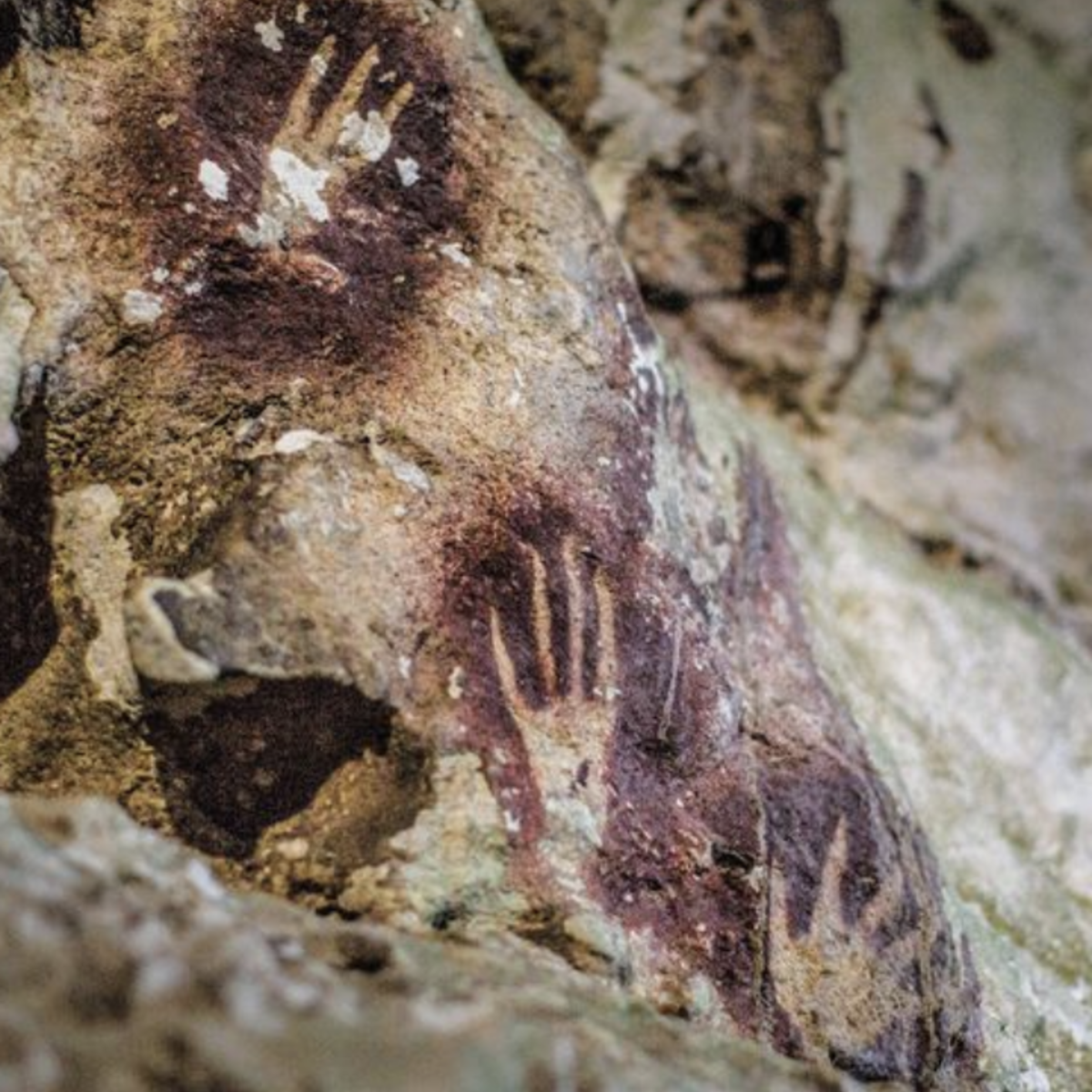
Richard Schechner's Introduction to Performance Studies
Performance Studies: An Introduction explores the wide world of performance--from theatre, dance, and music to ritual, play, political campaigns, social media, and the performances of everyday life. Performance studies also ranges across cultures--Asia, Africa, the Caribbean, Europe, the Americas. And it spans historical periods from the art of the paleolithic caves to YouTube and the avantgarde. This course is devised by Richard Schechner, one of the pioneers of performance studies, in dialogue with more than a dozen expert scholars and artists. Performance Studies: An Introduction puts students in dialogue with the most important ideas, approaches, theories, and questions of this dynamic, new academic field. Learning Objectives By the end of this course, you should be able to: Articulate and analyze the major concepts of performance studies Identify and analyze performances within the “broad spectrum of performance”--from everyday life and social media to performance art and global spectacles such as the Olympics Comprehend key terms of performance studies, including is/as performance, restored behavior, ritual, play, make-belief/make-believe, performance in everyday life, the performative, and intercultural performance Produce collaborative work that demonstrates teamwork in applying ideas learned in the course Compare, analyze, and interpret performances of their own and other cultures Articulate how the major concepts of the course relate to their own experiences and worldviews Analyze and criticize in a constructive way the work of classmates The lessons present Schechner’s concept of performance studies along with online assignments. In the assignments, students apply what they are learning by composing short responses to materials, writing in their NYU Classes Forums, and by reviewing other students’ forum posts each week. Students choose either to work in groups of 3 to 5 on a term-long project maintaining a project portfolio in NYU Classes or to write a research paper. During the term, each group will lead an in-class 25-minute discussion of their project-in-progress. During the last face-to-face class, each group will present their project. The weekly content is: What is Performance? What is Performance Studies? Performance Processes From Not Performing to Performing Ritual Play Performing in the Paleolithic Ramlila of Ramnagar The Performing Brain Performativity Constructing Social Roles Social Media Intercultural, Transcultural, Global Group Projects & Wrap Up Course Requirements Each student is required to complete the week’s online lesson prior to the class session, attend and participate in the class sessions, complete the weekly assignments, participate and present the group project or submit a final paper. Required Readings See weekly online lessons. Required Viewings (Videos) See weekly online lessons. Written work Each student will either participate in a group project or write a research paper due at the end of the term, submitted electronically. Your professor will confer online and/or face-to-face during office hours to help students develop their writing and their projects. If you do a group project your professor may ask you to do some writing in relationship to your project. Academic Integrity The policy on plagiarism and academic honesty is posted on Classes. Read this document carefully, and be guided by it. Copyright Keep in mind the material you find in the online lessons is subject to copyright. You may not reproduce, reuse, or distribute it without permission outside of your work in this course. For more information on copyright and how it applies to course materials, see the Copyright Basics research guide.

SAT Digital English| Reading, Writing, Language|2026 Updated
Dominate the SAT Digital English: Unleash Your Skills and Score High! Struggling with the SAT English section? Fret no more! This comprehensive course, designed by the creator of a top-rated, best-selling Math course on Udemy, provides everything you need to conquer the Digital SAT English and achieve your target score. Master the Fundamentals: Build a rock-solid foundation in English grammar with in-depth lessons covering tenses, subject-verb agreement, passive voice, conditionals, prepositions, articles, and a whole lot more. Learn to identify and rectify the 100 most common grammar errors that trip up even the best students. Unleash Your Reading Power: Go beyond basic reading comprehension. Develop powerful reading strategies to tackle complex passages on the SAT quickly and efficiently. Learn how to extract key information, analyze arguments, and anticipate question types. Discover effective techniques to boost your reading speed and master "cracking the code" of SAT Reading. Expand Your Vocabulary: Enhance your vocabulary with engaging lectures that focus on high-yield words frequently appearing on the SAT. Gain the confidence to understand complex passages and express yourself effectively in the Writing section. Practice Makes Perfect: Solidify your learning with a plethora of quizzes and practice tests designed to mirror the actual format and difficulty of the SAT English section. Get immediate feedback on your performance and identify areas for improvement. This course is perfect for you if: • You want to improve your overall English skills • You're aiming for a high score on the SAT English section • You struggle with grammar rules or reading comprehension • You're looking for proven strategies and effective techniques • You want a comprehensive course from a trusted instructor Don't settle for an average score. Enroll today and unlock your full potential in SAT Digital English!

Reaching Vulnerable Groups through Pandemic Policy
This course aims to provide an in-depth reflection on social work in different contexts, hereby focusing on their needs, the way the contexts have been influenced, and different challenges that have occurred during the last two years. It aims to set up conversations with multiple professionals where they give information about the hurdles on their path, the lessons learned from these turbulent times, and to give an overview of important ideas and practices that could help reshape the future of social work. In the end, the goal is to provide specific, hands-on, best practices collected from literature and professionals in Belgium and Europe that help organise social work, both during and after a pandemic. This course was developed as part of the research project 'Pan-European Response to the Impacts of the COVID-19 and future Pandemics and Epidemics' (PERISCOPE, https://www.periscopeproject.eu/). Funded by the European Commission Research Funding programme Horizon 2020 under the Grant Agreement number 101016233, PERISCOPE investigates the broad socio-economic and behavioural impacts of the COVID-19 pandemic, to make Europe more resilient and prepared for future large-scale risks.

The Complete History of Human Civilization (2025)
Dive into a journey through time with our comprehensive online course on the History of Human Civilizations. This course covers the entire expanse of human history from the dawn of Homo Sapiens to the complexities of the 21st century, and offers a profound understanding of the events and ideas that have shaped our world as we know it. We will discover the origins of early human societies, from hunter-gatherer groups to the first urban settlements sparked by the Neolithic Revolution. We’ll explore the rise and fall of the world’s most influential ancient civilizations—including Mesopotamia, Ancient Egypt, and the Indus Valley, ancient Greece, and the Roman Empire, to name just a few. From the intellectual flourishing of the Renaissance and the transformative waves of the Industrial Revolution to the ideological confrontations of the Cold War and the digital breakthroughs of the modern era, each module is designed to not only recount facts but to connect historical insights to contemporary issues. The course is set up in such a way that you can pick and choose where you want to start, and which topics you wan to explore. From the mythical warriors of ancient Sparta, to the legends of Alexander the Great and Ghenhis Khan. We’ll witness vast empires throughout time, from the lost empires of China and India, to the infamous civilizations of the Aztecs, the Mayas and the Incas. We will uncover how the Age of Discovery marked the start of the global world as we know it today, and see the seeds of scientific breakthroughs that have improved our lives so much over the past centuries. We’ll look at history from a wide variety of angles, and cover not just the typical Western of European perspective, but we aim to paint a comprehensive picture and do justice to multple perspective. This truly is global history. The course is supported by thousands of videos and images, so that history truly comes to life. There is abundant supporting material to browse through all the concepts covered, a vast timeline, detailed questions and answers to test your knowledge, and hundreds of multiple choice questions to test your understanding. Join us as we delve into the past to understand the present and shape our future. This course isn't just about history; it's about understanding the forces that drive change and the lessons we can draw to navigate today’s world.
How to Tune Our Emotions: Seongho's New Proposal 2
This lecture series explores our emotional landscape through the thought of Seongho Yi Ik (1683- 1761), one of the most original Confucian thinkers of late Joseon Korea. Rooted in the Confucian project of “Learning to be Human,” the course examines how emotional cultivation is essential not only to moral development but also to understanding others and living well in community. Centered on Seongho’s New Compilation of the Four-Seven Debate (Sachil sinpyeon), the lectures trace his major philosophical innovations: his vivid social metaphors of emotion, his naturalistic and embodied account of emotional life, his creative engagement with Western learning, and his expanded view of the emotional spectrum through both philosophical and digital approaches. The course also considers his reflections on the emotions of sages, the emergence of public emotions from private life, the role of ritual in cultivating shared moral feeling, and the continuing relevance of his thought to the Korean concept of Jeong today. Through these lectures, Seongho’s insights offer both a deeper understanding of Confucian moral psychology and practical wisdom for tuning our own emotions.

Camtasia for Beginners: Video Creation in Camtasia Course
Do you want to easily record & edit videos in one simple-to-use app? Perfect, this Camtasia course will help you make amazing videos that captivate your audience. Whether you're a YouTuber making tutorials or an online course creator, Camtasia is the perfect screen recording & video editing application for you. RECORD. EDIT. EXPORT. The Video Production process is simple with Camtasia. And after taking this Camtasia course, you'll be confident making your own videos, quickly. Watch the free preview videos to start learning! Once you enroll, you’ll get instant access to hours of easy-to-watch video lessons, premium support if you ever get stuck, and lifetime access to course updates! This is the ONLY Camtasia course you need. What is Camtasia good for? • Video tutorials • How-to videos • Software demo videos • Meeting recordings • YouTube videos • Training videos • Video lessons • Webinar recordings • Instructional videos • Explainer videos • Presentation recordings • and more! Start learning with a free Camtasia trial while you take the course. Enroll now, and get instant access to: • Hours of easy-to-watch video lessons • Downloadable course workbook with top tips from every lesson • Instructor support if you have any questions • Lifetime access to course updates What can Camtasia do for you? If you want to efficiently make videos with your computer, Camtasia is the perfect tool for Mac or PC users. You can record your screen, audio from any microphone, and video from a webcam or camera plugged into your computer. After recording, you can edit it all together with screen annotations, callouts, title cards, and animations. Add transitions, music, and effects to make your video pop. Completely customize it yourself, or use templates and themes built into Camtasia. Add closed captions, remove greenscreen backgrounds, and adjust your cursor/mouse size/style... like magic! Finally export your videos to share with the world in crystal clear quality. Who teaches this course? The lead instructor for this course, Aaroncayc has partnered with Phil Ebiner of Video School to put together this Camtasia for Beginners course. Video School has created many of the top-rated and most popular online courses that teach creative skills to millions of students around the world. Our goal is to make this the very best Camtasia course out there. If you aren't completely satisfied, we will do whatever we can to improve this course based on your feedback! Enroll now to start making your own videos with Camtasia today! We can't wait to see you in class! Cheers, Phil & Aaroncayc FAQ - Frequently Asked Questions What’s the prerequisite to join this course (or in other words who is eligible for this course)? The only prerequisite is, you must be computer savvy. Now, what does that mean? It means, you must know how to use a computer, the internet, and preferably a word processor or a spreadsheet Then it would be so much easier for you to learn Camtasia. Who this course is for? [and Who This Course Is NOT For?] This course is only for beginners. In Other Words, This course is Not for Advance users. I designed this course specifically for absolute beginners, in fact even if you never used Camtasia before. No problem this course is for you. I will teach you from scratch, It will take you from beginner level to intermediate level. This course is specifically designed for those who are new to video editing and screencast and record their computer screen and wants to edit their own videos better and more efficiently. So that sounds like you this is a perfect course to enroll in. Feel free to look through the course description to find out more information and then click that enroll button. I can’t wait to see you in the course. What Camtasia version do you need to follow along with this course? My recommendation is you should have at least Camtasia 2019 version to follow along with this course because there are certain features that were introduced in Camtasia 2019 ver. and if you have an older ver. than Camtasia 2019 then you can’t use those certain features for ex: here are a few of them -Auto-normalize Loudness (aka Automatic Audio Leveling) -Mouse Cursor Smoothing (aka smooth out cursor movement) -Logo support in Themes -Library asset - Opens directly in Camtasia -Custom Keyboard Shortcuts (revised in Camtasia 2019) and so on… What if I don't have Camtasia installed on my computer? In case, you don’t have Camtasia installed then don’t worry. I will also share the link to download Camtasia for Windows and Mac and also teach you step-by-step how to install it. Now some of you might have an older version of Camtasia like Camtasia 2018 or Camtasia 9. If you do then still you can join the course and learn the core functionality of Camtasia which is always the same and you can cover many features except a few ones which were introduced in Camtasia 2019 as I mentioned before. Personally, my recommendation is if possible then use at least Camtasia 2019 ver. Last but not least if you’ve any of these versions of Camtasia: - Camtasia 2019 - Camtasia 2020 - Camtasia 2021 - Camtasia 2022 - Camtasia 2023 Then you’re good to go. What version did you use to create this course? I created this course using Camtasia 2019 and the reason is this version has laid the core foundation of Camtasia and many new features were introduced in Camtasia 2019. So no matter which version you have among these: - Camtasia 2019 - Camtasia 2020 - Camtasia 2021 - Camtasia 2022 - Camtasia 2023 The core skills which I teach in this course are the same in all these versions. And above all I teach basics and essentials and core functionality, they are all same no matter which version you use. So if you have any of the above versions you're good to go.

Research Ethics for Beginners
This course equips you with the skills and knowledge you need to engage with historical and contemporary research ethics and consider procedural research ethics codes. It teaches you to recognize what the expectations for a researcher are regarding research ethics. This will help you reflect on your identity and take steps to develop an aspirational research ethics stance.

GEOVIA Surpac: Complete Training from Survey To Estimation
In this comprehensive course, you'll learn to harness the full power of GEOVIA Surpac, a leading software in the mining and geology industry. Starting with an introduction to the user interface, you'll gain the skills to import Total Station survey data, calculate excavation volumes, and create detailed geological databases. As you progress, you'll master 3D ore body modeling, block model creation, and resource estimation, essential for accurate mine planning and decision-making. The course also covers advanced techniques in slice planning, ultimate pit design, and generating mineable reserves will be added later to this course, which will ensure that you can carry out every step of mine design with precision. Whether you're a beginner or looking to expand your expertise, this course equips you with the essential tools and knowledge to excel in your career. By the end of this course, you’ll be well-prepared to apply Surpac's powerful features in real-world scenarios, enhancing both your technical skills and professional value in the field of geology and mining, making you a more competitive candidate in the industry. Surpac is used by a lot of mining and consulting companies around the world, and having a Surpac knowledge will definitely boost your chances in landing your dream career in the mining industry.
Digital Case Method
The course is suited for teaching and learning professionals, media professors, university leaders, and educators interested in learning, creating, and using Digital Case Studies. This course will allow learners to tap into the power of visual storytelling through the powerful format of the digital case study, which can and should be created by students themselves. This class uses video tutorials and practical guides to teach learners case creation using inexpensive tools such as a smartphone, stabilizer, and Adobe Premiere Software. It also dives into how to design, fund, and manage education programs built on digital case studies. To be successful in this course no pre-requisite filmmaking knowledge is required. An interest in documentary-style filmmaking and video editing is all you need.

World Geography: The Physical & Human Geography of the World
Discover the world like never before in our engaging World Geography curriculum! Through an interactive and dynamic curriculum, students will explore the physical and human geography of every major region on Earth, including North America, South America, Europe, Africa, Asia, Australia & the Pacific, and the Polar Regions. Students will begin by mastering fundamental geographic concepts such as the 5 Themes of Geography, map skills, climate patterns, and human-environment interaction. From there, they will embark on a journey across the globe, uncovering the diverse landscapes, cultures, economies, and historical influences that shape each region. Our Geography curriculum goes beyond memorizing maps—it challenges students to think critically about how geography influences societies, migration, trade, and global connections. Why do certain civilizations thrive in specific locations? How does geography impact economies, politics, and conflicts? What role does climate change play in shaping the world today? With short, engaging videos with blank maps and guided notes sheets, students will develop essential skills in geographic analysis, critical thinking, and global awareness. Whether you're a student, educator, or geography enthusiast, this course provides an in-depth and accessible understanding of the world around us. Join us on this exciting journey through Earth’s landscapes, cultures, and connections—because understanding geography means understanding the world!

Mastering Remote Work and Online Study in U.S. in the post-COVID Era
Are you ready for the new, COVID-forced, online learning paradigm? This competency-based, skill-building course will help non-U.S. students, first-generation immigrants, and foreign-born professionals better understand and master American online learning, as well as other U.S. virtual environments, for college and career success. In the post-COVID era, the course can also be very instrumental in assisting U.S.-based institutions in organizing remote learning activities for their current or prospective international students. The current pandemic has disrupted the world of higher education and work as we know it. Many thousands of international students and professionals can no longer travel internationally at will and must now learn how to effectively study and work remotely. To excel in American online learning and work environments, international students and foreign-born professionals need to know how American universities and companies use the Internet to organize study and work, develop and execute projects, communicate ideas, collaborate, and solve organizational and technical problems. By taking this course, you will learn how to enhance your cultural knowledge and assess potential skill gaps that may hinder your online experience or negatively impact your performance in U.S. virtual learning and work environments. Throughout the course you will systematically review competencies required for online work, come to better understand common barriers for non-native students and professionals, learn how to detect and overcome competency gaps, and develop plans for self-improvement and success. We believe that you will find the course useful and gain new knowledge and skills to become more successful in your remote study/work in the U.S. The course was previously offered as iMOOC101 and iMOOC102 "Mastering American e-Learning". We have updated it to reflect the new realities of the Post (well, not yet!)-COVID era. We will be glad if you could share your own experiences in navigating the new world of remote teaching, learning, and work.

The complete Instructional Designer course
Looking to move into an Instructional Design role? Whether you are a teacher looking to transition into Instructional Design or a Learning Professional exploring how to evolve your skill set, this bite-sized, easily digestible course is for you. It has been designed to provide the most well-rounded exploration of what Instructional Design means and how you can effectively create meaningful E-Learning. The course is broken down into helpful instructor-led videos and hand-picked resources to give you the best insight into this subject. Everything is in plain English and gives you all the information I wish I had when I started in the industry. I have also included access to hundreds of free resources to give you the best start possible and save you from hours of searching the internet. What's in the course? Within this course, there is a detailed exploration of the ADDIE framework. This exploration will give you a well-rounded understanding of analysing, designing, developing, implementing and evaluating your online courses by producing multiple mediums to transfer knowledge to your learners. We also look at how you use authoring tools to create your learning and explore how you can start to make your first portfolio items. Whether you are creating learning for education or corporates, these skills provide a transferable base to effectively understand what solutions are required and how to create eLearning that meets that need. The techniques explored have been tried and tested through hundreds of courses to ensure that you are successful in Learning and Development. This course is continually updated with new and helpful information to ensure you get the most recent information on Instructional Design practices, valuable resources and helpful tips. So why not start your Instruction Design journey now?!

Grant Writing for Beginners
This course equips you with the skills to write compelling grant proposals. You'll learn to refine your research interests, connect with relevant resources, structure and articulate your project needs, and improve your writing through creative revision and feedback.

Build a Six-Figure Online Business Selling Online Courses
If you are an entrepreneur, freelancer, author, coach or career professional who has been struggling to figure out how to earn extra income on the side, or if you want to turn your passion into a full time income, then keep reading. Below, I'll share with you the easiest solution to overcome all of these challenges by creating and selling valuable and profitable online courses. Are you tired of Sunday nights spent dreading the work week? Do you dream of passive income from online courses, but keep talking yourself out of it? Are you looking to get into online business but don’t know where to start? Have you launched an online course, but aren’t getting the results you expected? Whatever your background may be, if you’ve ever thought about turning your knowledge, your unique gifts and your passion into a profitable online course, then you’ve come to the right place! Look — there’s no doubt that you have valuable insight to share with your tribe. But that doesn’t automatically guarantee that you can connect with them and get what you’ve created in front of them. And even if you do, there’s no guarantee that your course is packaged in a way that’ll engage them and convert them into buyers. To do all of that — and make money — you need a lot more than empty promises and hot air. You need a plan. You need a step-by-step guide that will walk you through every aspect of creating a course for people that’s irresistible, valuable and — most importantly — profitable. That’s exactly what this course is. The Internet is full of “experts” — but most of them are wrong. It seems like every day there's a new training, free guide, or blog post promising that you can make a gazillion dollars if you just buy this product. There’s no shortage of training courses teaching the tactical tools and techniques to create and sell an online course. While that’s extremely valuable and a necessary part of any course creation and promotion, just knowing the mechanics of doing something doesn’t guarantee you’ll be successful at it. This missing component is the reason so many course creators fail at making their courses profitable. This course is different — over 60,000 students is the proof. In the last ten years my husband Joe and I have been able to earn a generous multiple 6-figure monthly income running an online business and creating and selling online courses. By implementing the strategies I teach in this course, our courses to date have enrolled over 210,000 students. All you need to create, launch and profit. This comprehensive training program provides absolutely everything you'll need to successfully launch your own online business, courses and programs and profit from them. From figuring out what you should be teaching to positioning, pricing and marketing, I'll walk you through everything you need to know to create and launch a unique course that customers will happily pay premium fees for... and we'll work together to do it, step-by-step. You won't find anything here that hasn't worked for me or my clients! This is hands-on, action-taking, make-it-happen training.

Faculty, Skills, and the Future of Higher Education
This course helps higher education faculty, instructors, and academic leaders make sense of the forces reshaping colleges and universities, and what they mean for everyday teaching practice. You will examine key shifts such as technological acceleration, especially advances in artificial intelligence, changing student expectations, and evolving labor market demands that are influencing perceptions of degree value and student outcomes. Throughout, you will distinguish between temporary environmental changes and the enduring mission and purposes of higher education. Building on this foundation, you will explore how knowledge, skills, and judgment interact in a world where AI is increasingly capable of performing routine cognitive tasks. The course examines the continued role of faculty expertise in guiding learning, maintaining academic rigor, and supporting meaning-making—not just skill acquisition. You will analyze the gaps between academic learning and workforce expectations, and learn how skills can serve as connectors between disciplines and career pathways. Finally, you will identify concrete opportunities in your own courses to make learning more visible and transferable, incorporate more active and applied learning, and experiment with AI-supported tools that extend instructional presence while preserving faculty autonomy. You will leave with a practical, low-risk action plan for integrating new approaches into your teaching context and contributing thoughtfully to institutional responses to change.

Learn to Teach English Online
Welcome to the 2024 edition of the ELT 1010: 120-Hour TESOL Course for Online English Teachers! This 120-TESOL for Online English Teachers Course is informed by ground-breaking research in the field of applied linguistics, by the experiences of dozens of trained and qualified professional English teachers and by the growing need to make online language teaching practical, relevant, engaging and learner-centered. If you're getting started online, you've come to the right place. If you'd like to teach in person, you've come to the right place. If you have years of experience and wish to upskill, you've come to the right place. This course is the only language teacher certification course which provides you with the following: • 15+ hours of video content, 60+ hours of completing activities and assignments and 50+ hours of lessons looking through supplementary readings and complementary materials (approximately 125.5 hours in total). • 40 modules focusing not only on building knowledge of language learning, language acquisition and teaching methodology but also on employability, career-building, networking and professional development. • 15 hours of video lectures, each accompanied by 350 PPT slides which you may download and follow at your own pace. • 22 post-module activities, 5 post-module quizzes and 15 major assignments to help ensure comprehension. • Content which has been planned and created by a tightly-knit and growing group of current and former freelance online language teachers who know your exact experiences (and potential experiences) firsthand. • Access to a language teacher community where you could network and grow alongside other educators. • 100+ FREE language teaching resources, including guides, tutorials, worksheets, rubrics, course outlines and more. • A certificate of completion. • An opportunity for a practicum/teacher placement upon completion. This course is packed with extensive content, including made-from-scratch materials, pedagogically informed research articles and comprehensive videos. Topics Include... • Finding, using and creating materials • Creating and planning engaging lessons with digital tools • Gaining employment on platforms and by institutions • Teacher professionalization and long-term success • Overview and mitigation of key challenges • Much, much more! A qualified instructor will be with you every step of the way. This is all you need for long-term success as an online English teacher. Learn and grow in Teach Ahead's 120-hour TESOL program. We'll see you in class!

Population and Urbanization
Analyze the powerful population trends that shape modern society by focusing on urbanization - the historical development of cities and its profound impact on our contemporary social lives. By the end of this course, you will be able to explain how these demographic patterns directly influence the structure and experience of social life in cities today.

Certification in Medical Billing (For Beginners)
Explore the basics of medical billing and healthcare revenue cycle management in this beginner-friendly course. Through simple modules, you'll gain the essential skills needed to navigate medical billing with confidence. Acquire essential knowledge of medical terminology, billing software applications, compliance regulations, and reimbursement methodologies. Whether you're starting a new career or aiming to strengthen your current skills, our introductory course provides you with the necessary confidence to excel in this field. This comprehensive course guides you through each stage of the billing cycle with precision and clarity. From the initial patient check-in and demographic entry to the crucial steps of patient encounter, coding, charging posting, and claim creation, you'll gain a thorough understanding of the entire process. Moreover, you'll delve into essential components like payment and cash posting, as well as honing your skills in areas such as accounts receivable and denials management. With a focus on appeals and patient statements, this course equips you with the essential knowledge to navigate the complexities of Healthcare Revenue Cycle Management. In this course, we delve into the crucial roles and responsibilities of billing professionals. Also provide references to further online learning resources and share insights into career opportunities. Throughout the course, you'll find assessments accompanying each lecture to gauge your understanding of the material. And, to wrap it up, there's a final test to ensure you've grasped the concepts thoroughly.

Nuts and Bolts of U.S. Immigration Law
This course begins by exploring short term entry and long term entry into the United States. We will cover the various means of short term entry and long term entry, as well as the general application processes. We will also examine exclusion and deportation in the United States. In particular, we will discuss how and why individuals may not be admitted into the United States and possible reasons for deportation or removal. Lastly, we will cover the process of how to become a United States citizen and the various requirements for naturalization.

Nuclear Power Plants - STEM Essentials
Get confident in nuclear power plants, all in only an hour! Learn how they work, and how to build and run them. What’s important to engineers when designing, improving and using nuclear power plants? What are all the key components? How does the energy flow? What are the big concrete towers are for? You'll be able to answer these questions after taking this course! Daniel is your navigator of all things Engineering, and also the founder of Engineering All Sorts, where we’re all about Engineering for Educators - STEM education to help you to be confident in the details.
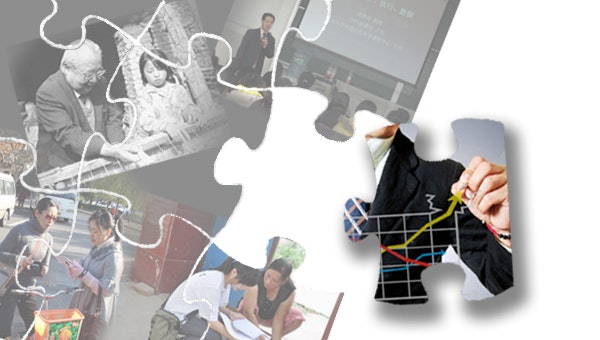
社会调查与研究方法 (上)Methodologies in Social Research (Part I)
社会调查与研究方法, 首先,是一套观察社会现象、测量社会现象的工具; 其次,是一套分析和运用社会现象数据的科学方法; 最高境界,则是一套针对社会、经济、教育、政治、法律、管理、公共卫生、新闻报道等人类的生产与生活现象,进行科学沟通的思维逻辑与表达方式。

SPSS Data Analysis for Beginning Researchers
Thank you for checking in SPSS Data Analysis for Beginning Researchers. Who is this course for? As the title implies, this course is for people working on their very first research projects (i.e. beginners / newbies), including but not limited to: • Students working on their research papers or dissertations • Beginning researchers with a non-technical background • Anyone curious about data analysis What is so difficult about data analysis? Many people find data analysis difficult, and with good reasons. Data analysis is difficult because it is not a single discipline. It is multi-disciplinary, which means that it requires integrated knowledge from different fields in order to do it right. Specifically, to conduct data analysis for your research you need: • Knowledge in the data analysis software (e.g. SPSS, Excel, R, etc.) • Knowledge in statistics concepts • Knowledge in research methods • Experience and skills working with data What you need is not only knowledge in separate fields, but also experience and skills integrating these knowledge together to deal with real life data. However, beginning researchers, by definition, have very little of these knowledge, experience, and skills. For example: • You may know how to use the data analysis software, but you don't know what method of analysis to use because you are not familiar with the statistics concepts. • You may know some statistics, but you may not know how to calculate the statistics on the computer. • You may have knowledge in both statistics and data analysis software, but you are not sure what analysis to conduct in order to fulfill the research needs. • You may have knowledge in statistics, software, and research, but you may not have the experience in actually handling data, and you are stuck dealing with practical issues here and there (such as missing and invalid data). There are plenty of textbooks in these different disciplines, but few of them could teach you all these knowledge and skills. The problem is not lack of information. Quite the contrary, the problem is overwhelmingly rich information, so rich that you may not know where to start and how to select, so rich that you may not know how to put them into practice to fulfill your specific needs. How may this course help? This course is designed to be concise and practical. I am not attempting to tell you everything about statistics, SPSS, data analysis, and research - that would make your learning journey unnecessarily difficult. Instead, I am going to guide you, in an structured and practical way, through the minimal set of knowledge and skills you would need to analyze your own data. This course will not make you an expert in statistics, SPSS, data analysis, and research, but it will help you finish your own data analysis. This is to be achieved by the following: • Background knowledge. Each section of the course begins with a brief introduction to the minimal set of necessary statistics concepts you need. • Practical demonstrations. All the videos are example-based. In each video, I show you how to conduct a practical data analysis task. These tasks are carefully selected from a list of most common analyses that you are likely to conduct. • Experience sharing. In addition to statistics and SPSS, I also share a lot of my own experience doing research and data analysis, including how to deal with the most common issues while working with data, avoid the common mistakes and misunderstandings, and work around some annoying bugs in SPSS. • Key points. Key points are highlighted throughout the video and also recapped at the end of the videos. • Exercise. There is an exercise at the end of each section. This helps you apply what you have learned in the previous videos. There are also questions that prompt you to think deeper about what you are doing. The exercise problems have been used for a few years in my own offline classes so they are proven to be helpful to students. While appropriate, a separate video is dedicated to demonstrating the answers to these exercise problems. • References. For those who would like to dig deeper into the statistics concepts, I have included links to useful references for your pursue. So, how may I learn effectively in this course? You may do the following for each section: • Watch the videos. Take notes while necessary. • Complete the exercise on your own. Knowing is not enough. We must apply! • If you forget some of the details, refer back to the previous videos. • After attempting the exercise, watch the next video for answers. Watch my steps carefully and compare with yours. In case of any difference, ask yourself which way is better, and why. • Last but not least, apply the techniques to your own data. That's all for the introduction. Happy learning!

Street Photography: Foundations & Creative Mindsets
This course, taught by Troy Baird, is your launchpad into the world of street photography. Whether you’re brand new to the genre or looking to reinvigorate your creative process, we’ll break down what makes street photography so powerful—and how to find your own unique artistic voice within it. Through stories, philosophies, and real-world examples, we’ll explore not just how to shoot, but why we shoot. You’ll learn how to define street photography for yourself, tap into your emotional instincts, and build the kind of mindset that allows for consistent, authentic image-making. We’ll also dive into storytelling, intention, and seeing the world with more awareness. By the end of this course, you’ll be able to: * Define your own creative purpose and visual style * Evaluate great street photos and understand why they work * Build daily practices that nurture inspiration and creativity Who’s this for? Anyone curious about street photography, self-expression, or personal creativity. No experience necessary—just a camera (or smartphone) and an open mind. Instructor bio: Troy Baird is an Australian film director and documentary filmmaker with over a decade of global experience. Alongside his documentary work, Troy has pursued his passion for street photography, traveling extensively to dynamic locations including Cuba, India, Nepal, Japan, Morocco, New York, and across Europe and Southeast Asia. His creative journey has taught him to adapt, pivot, and continually refine his approach, culminating in a 9-hour Skillshare Staff Pick class that distills insights from over 200 books, countless films, podcasts, online resources, and ten years of hands-on street photography experience. Troy’s mission is to help creatives discover their own artistic voice and express themselves through street photography.

How to use Moodle 4.0 for Teachers and Course Creators
Have you just started with Moodle and found all the information is scattered everywhere over the internet? Then this is exactly what you need. Everything you need to know in the one place that will show you how to complete all the common tasks that a course creator or teacher needs to work with Moodle. Additional tricks and tips section showing you easier ways to create content and activities. Course development walk throughs with examples demonstrating how to create a course from scratch and how to setup grade book. This course will continue to evolve and provide the most up to date and useful course development instructions. This course will get you on the right track, provide all the information you need to not only get started but to continue to learn and improve your Moodle course development skills. • How do I use Grade-book? • How do I use Scales or how do I use Letter? This Moodle 4.0 course is perfect for teacher and course creators as well as being extremely useful for Moodle administrators that need to learn how Moodle works. By working through the course you will learn about all the tools, activities, resources and plugins that are commonly used in delivery courses through the Moodle platform. Let's start Moodling...

Leadership in Transitions: Competences in Just Transitions
*Broadening leadership competences to navigate economic, social and ecological challenges in wind energy transitions* This course is designed to help you develop your leadership competencies through experiential learning, reflection, and applying new approaches based on what you learn. It consists of 6 modules which present different themes in the renewable energy transition, particularly: justice in the energy transition (Module 2), participatory practices with local community members (Module 3), perspectives of other-than-humans (Module 4), alternative ownership and governance models (Module 5), and the management of wicked problems in transitions (Module 6). Additionally, each module provides exercises to help you apply the gained insights in your daily work as a leader in the wind energy sector. Steering towards a just and effective wind energy system demands strong leadership. While the idea of a strong leader is often associated with someone dominant, assertive, and focused on clear, immediate outcomes, the complexity and uncertainty involved in the wind energy transition require a different approach. As the EU works toward reaching its goal of 45 % renewable energy by 2030, accelerating wind energy presents a range of challenges. It is not just about what is technically and financially possible. Local authorities and developers involved in wind energy focus on economic, social, and environmental issues to transform the wind energy system towards greater justice and effectiveness. Therefore, these 6 modules place a strong emphasis on developing transition leadership competencies such as deep listening, reflecting on your assumptions, considering the perspectives of others, facilitating collective learning, and collaborating with different actors. Completing this course, you have broadened your leadership competencies to navigate the complex and uncertain realities of the renewable energy transition.

Research Methods Made Easy
This is a comprehensive course on Research Methodology which covers all the topics of research related to Social Sciences, starting from the selection of the topic to the Report Writing, and from the research design to the application of statistical measures in the whole process of research. This course is going to help a lot in conducting all kinds of research and then writing a compelling thesis and dissertation. All the students, no matter whether they belong to intermediate, graduate, or postgraduate classes will benefit from this course.

Interdisciplinarity in Thought and Practice
This course is your launchpad into the power of interdisciplinary thinking—a dynamic approach that transforms how you understand and engage with complex challenges. You will learn to actively draw from multiple disciplines, evaluate the unique strengths of different perspectives, and synthesize these insights to forge new, more comprehensive understandings. The result is the ability to generate integrated knowledge, pioneer alternative solutions, and develop novel approaches to the issues that matter. Who is this for? This course is designed for forward-thinking individuals ready to break down silos. It is ideal for: Professionals aiming to sharpen their critical thinking, enhance creative problem-solving, and master more effective communication strategies. Artists and Creatives seeking to bridge their practice with other disciplines, fueling innovation and discovering fresh, unexpected sources of inspiration. Core Learning Domains: The curriculum is built around three key areas of modern literacy: Visual Literacy: Decoding and creating meaning from images, design, and visual media. Audio Literacy: Developing a critical ear for sound, music, and the information conveyed through our auditory environment. Creative Multimodal Thinking: Combining visual, audio, and other sensory elements to communicate and ideate in innovative, impactful ways.

Advanced Materials Characterization Techniques (Analytical)
This course provides an in-depth exploration of cutting-edge techniques used to characterize materials at the micro and nanoscale. Designed for graduate students and professionals in materials science, engineering, and related fields, the course will cover a range of advanced characterization methods, including: • Electron Microscopy: Techniques such as Scanning Electron Microscopy (SEM) and Transmission Electron Microscopy (TEM), Auger Electron Microscopy for high-resolution imaging and analysis. • X-ray Diffraction (XRD • Spectroscopic Methods: in depth understanding of spectroscopic techniques like Raman Spectroscopy, energy dispersive x-ray spectroscopy, and x-ray photoelectron spectroscopy. • Thermal Analysis: Exploring Differential Scanning Calorimetry (DSC), differential thermal analysis (DTA) and Thermogravimetric Analysis (TGA) to study thermal properties. • Atomic Force Microscopy: Microscopy at the level will be studied through Atomic force microscopy commonly known as AFM. Through a series of lectures, and case studies, students will gain practical experience in selecting and applying the appropriate characterization techniques for various materials. The course will also emphasize the importance of data interpretation and the role of advanced characterization in materials development and innovation. By the end of the course, participants will be equipped with the skills and knowledge necessary to conduct comprehensive materials characterization, enabling them to contribute to advancements in material design and application across multiple industries. This course focuses on principles, instrumentation concepts, and interpretation, rather than hands-on operation or laboratory training on the instruments.

又見大觀:《紅樓夢》中的烏托邦 (The Red Chamber Dream (3): Daguan Garden)
本課程旨在解析《紅樓夢》中的重要空間場域——「大觀園」,故將從大觀園建造的原因、過程、整體規畫等依序層層深入解說,並從園中各處設計分析其與人物性格之間的聯繫。

Master Cognitive Biases and Improve Your Critical Thinking
Critical thinking is one of the most important skills anyone can learn. Let philosopher Kevin deLaplante introduce you to the cutting edge of critical thinking education, with this entertaining and enlightening introduction to cognitive biases and their importance for critical thinking. Interest in Cognitive Bias Training Has Exploded Books and articles on the impact of cognitive biases in business, finance, management, teaching, science, politics, and many other fields, have exploded in popularity in recent years. Many industries have started offering cognitive bias training to management and workers, and the trend is growing. Benefits of Understanding and Mastering Cognitive Biases Cognitive biases undermine critical thinking by making us vulnerable to faulty beliefs and bad decisions. Cognitive bias training is motivated by a desire to avoid disasters, improve performance, and promote social justice. The good news is that there are proven strategies for neutralizing or minimizing the negative effects of cognitive biases. These "debiasing" techniques can be surprisingly simple and effective. What You Will Learn in This Course This course will get you up to speed on what cognitive biases are, why they're important for critical thinking, why cognitive bias training has become popular, and what sorts of "debiasing" techniques have been shown to be effective in improving the quality of thinking and decision-making. Check out the free preview videos in the "Getting Started" section for a full breakdown of the topics covered in the course, and how the course is organized!
Multimedia Content Creation
Discover the core skills behind compelling digital content in our Multimedia Content Creation course—designed for both aspiring and experienced creators. In this course, you’ll learn how to create multimedia content that grabs attention, tells your story, and connects with audiences on any platform. Throughout this course, you’ll gain hands-on experience in multimedia content creation, developing versatile skills you can apply to everything from social media posts and marketing campaigns to presentations and branded assets. Whether you're designing for video, social graphics, or web layouts, this course emphasizes multimedia content flexibility, empowering you to craft content in various engaging formats. By the end of the course, you’ll have the confidence and creative toolkit to deliver high-quality multimedia content that stands out in today’s digital landscape

Confidence On Camera: Make Amazing Videos, Easily.
It's time to be amazing on video... And you can do it, I promise you. Video is one of the most powerful tools to connect with your audience. The thought of putting yourself on camera might seem intimidating at first, but when you know how to do it with ease + confidence - people notice. And why is this so important? Because people do business (and buy courses!) from individuals they like and trust. And when they can connect with them - by seeing them on camera - they become fans (and students!) for life. Being on camera is not about playing a role, it's about being yourself - free from inhibition and fear. It's about sharing your most authentic self, in a way that is so engaging, people feel like they know you. In this class, I cover the exact skills you need to: • overcome feelings of doubt and insecurity - so you can be confident on camera • prepare your material - so you speak naturally + offer real value • connect with the lens - so your audience feels like you are talking to them • look your best on camera - so you can impress your fans + still be yourself • create a mini professional studio - so you can get started RIGHT NOW Let me take the fear out of this process. With over 4.5 hours of video content, I will show you how easy it is to share your BEST SELF on camera. And the videos you will create can be published EVERYWHERE - your courses, on Facebook, in webinars, on Instagram, and with clients - the possibilities are endless. I'm Alexa and I'm an award-winning, best-selling Udemy instructor for the last seven years. My students share amazing feedback about the results they achieve as well as the unshakable confidence they gain as a result of showing up and doing the work. "I have spent several hundreds of dollars on video classes and marketing with video classes (seminars, books, courses, etc.), and I learned more in this one class than in everything else combined! Her easy going style of teaching made the daunting idea of making videos seem accessible to me. It took away the fear of having to be "perfect"." - Jennifer, Udemy student Great news...New content has been added! Get insights into how you can create your own mini studio on a budget! You can create professional looking videos using tips to film with your iPhone and computer. You'll also receive: • equipment recommendations • how-to videos for lighting • demonstrations with iPhone settings • set up instructions for filming with your computer • TRUE STORIES of how I created videos on the go and in a pinch What do you have to lose? You have a 30-day money-back guarantee to put these techniques into action. Create a video - and GET MY PERSONAL FEEDBACK - and if you don't see your videos improve - you can always request a refund. It's that simple. Your audience is waiting to meet you. Enroll NOW. Hear the reviews! "I'm so glad that I signed on for this course! Alexa is the real deal. She is so engaging and positive. I felt like she was talking to me and is my biggest booster. So much great information and I now have enough to confidently make my first video in my life. It is such an undertaking for an average person to get into the world of instructional video. Alexa gets it and she offers everything one needs in such a clear and heartfelt way. I can't wait to get started with my adventure in online video presentation. Thank you Alexa!" - Terry "Alexa is wonderfully engaging, knowledgeable, clear, interesting and relevant. I feel like she's connecting with me one-on-one. But the really cool thing about her is that she totally walks her talk, demonstrating with every word and gesture, with the lighting and sound, with her warmth and energy, what she's teaching in the course. If you want to learn confidence on camera, take this course!" - Richard "Alexa is so real, honest and personable. I feel like she's talking directly to me. Loving it! She's radiant and glowing, and her authenticity is so captivating." - Joanne "Excellent course; well paced with an inside-out approach to being on camera. Alexa models her own approach, she really "walks her talks" and communicates an inspiring energy of honest, clear, and focused connection with her audience; exactly what we all need to do in front of our cameras. Thank you Alexa." - Hassan
Creating Interactive Learning Videos with Edpuzzle
By the end of this project, you will be ready to use Edpuzzle to make video learning content more interactive to improve student learning. Technology plays an ever-increasing role in education, both in the classroom and when moving to online learning. With Edpuzzle, you will begin with videos they have created or found on YouTube, Khan Academy, and other websites. You can then adjust the length, add your own narration, and add comprehension checks to ensure that your videos are not just being watched - they are effective instructional tools. If you are looking for ways to improve your flipped classroom, hybrid learning, or online learning environment, Edpuzzle is an essential tool to add to your Teacher’s Toolkit. *You will need a free Edpuzzle account for this project.

Systems Thinking Made Simple
This course is a comprehensive introduction to the area of systems thinking and theory that is designed to be accessible to a broad group of people. The course is focused upon two primary achievements; Firstly providing students with the key concepts that will enable them to see the world in a whole new way from the systems perspective, what we call systems thinking. Secondly the aim is to provide you with the standardized language of systems theory through which you will be able to describe and model systems of all kind in a more coherent fashion whilst also being able to effectively communicate this to others. This course requires no prior specific knowledge of mathematical modeling or science, as we will be starting with the very basic model of a system and then building upon this to create more sophisticated representation. The course is broken down into four main areas. Firstly we will start the course with an overview to systems thinking making a clear distinction between or traditional methods of analytical reasoning and the alternative method of synthesis that forms the foundations of system thinking. Next we will delve into systems theory to start building our model of a system, clearly defining what exactly a system is and is not. During the rest of this section we will build upon this model by adding the concepts of efficiency, functionality and talking about energy and entropy. In the third section to the course we will develop our model into a more powerful framework by adding the concept of the system’s environment, discussing systems boundaries, synergistic interactions between systems and the emergence of hierarchical structure out of these synergies. In the last section we will look at different models for capturing how systems change over time what is called system dynamics, here we will explore the ideas of feedback loops, causal loop diagrams and the phenomena of homeostasis. Finally we wrap-up the course with a discussing of systems science, looking at how and why it is of relevance to us.

Inteligencia Artificial aplicada a la Producción Musical
La creación musical y la toma de decisiones en los procesos de producción musical requieren tanto habilidades técnicas como creativas. Con la creciente integración de la inteligencia artificial (IA) en estos procesos, surgen nuevos desafíos y oportunidades para los productores musicales. Este curso está diseñado para explorar cómo la IA puede potenciar la creatividad humana en la producción musical. Nos enfocaremos en cómo los productores pueden aprovechar la IA para generar soluciones innovadoras, mejorando la calidad y eficiencia de sus proyectos dentro de las posibilidades tecnológicas actuales. Se hará un recorrido por los aspectos históricos, creativos y técnicos de la producción musical con IA.

Forensic Psychology : Criminal Profiling Certificate
*Printable online certificate available upon completion of course* Role Play Disclaimer: Certain topics may include sensitive subject matter, such as discussions of crime, victimology, or offender behavior. Viewer discretion is advised. Do you want to understand the criminal mind? In specific do you want to gain deeper level insights behind abnormal psychology of serial killers. In this comprehensive course I delve into criminal psychology, forensic psychology and propose many thought provoking questions that will make you ponder. Criminal profiling was developed by the FBI and now these techniques are used all around the world by different law enforcement agencies. You will discover what goes on behind closed doors of crime scenes and learn how the professionals piece evidence together bit by bit like a jigsaw puzzle and zero in on suspects. What You'll Learn • Motivations behind crimes • Early warning signs of a psychopath • Historic case studies of serial killers and criminals • Body language analysis - "gait cycles" • Intro to forensic science • Forensic psychology • Forensic entomology • Geographic Profiling • How to think like a Detective ( 3 types of reasoning) • And much, much more! People with dark psychology who commit heinous crimes have been living among us since ancient times. There have been many historical events and recorded cases of serial killers and psychopaths alike, and this isn't a new phenomenon and the truth is these people with abnormal psychology lead perfectly normal lives, with the exception of their deviant behaviors. They could be your colleagues at work, friends, and neighbors. Things aren't always as they appear. It was the fictional world class detective Sherlock Holmes who once said " once you've eliminated the impossible, whatever remains, however improbable, must be the truth". Its time to go on an enlightening adventure and explore the darker parts of the human psyche, forensic psychology, and understanding criminal behavior and offender profiling techniques. The greatest investment you can make is an investment in yourself. Buy Now!

Chemerinsky on Constitutional Law - The Structure of Government
This course will highlight the construction and interpretation of the U.S. Constitution through the centuries. You'll learn the history behind the Constitution, cases that formed important precedent, and how changes in interpretation have been dependent on shifts in cultural and political climate as well as the composition of the Supreme Court. We'll start with an overview of the Constitution where we'll consider questions such as "Why the Constitution?" and "What function does the Constitution serve?" Next we'll examine how the Constitution and its subsequent interpretation established the powers of the federal, legislative, and judicial branches of government and allocated powers to the states. Join me as we look at the questions both raised and answered by the Constitution and those that interpret it! By the end of this course, you should be able to: - Describe how the structure of the United States government has been shaped by both the text of the Constitution and by subsequent interpretation and practice of political actors in all branches of government - Illustrate compromises found in the Constitution by citing examples and historic background - Articulate the importance of key cases such as Marbury v. Madison, McCullough v. Maryland, and Lochner v. New York - Explain how the outcome of cases is often dependent upon the current cultural and political climate as well as the composition of the court by citing particular cases and important shifts in the court's jurisprudence - Assess the relative suitability of various approaches to constitutional interpretation and analysis

Fundamentals of Remote Sensing and Geospatial Analysis
MASTER THE FUNDAMENTAL PRINCIPLES OF REMOTE SENSING AND GEOSPATIAL ANALYSIS! Do you find that other remote sensing courses are too short and vague, and do not prepare you for real world problems? Are you looking for a course that goes IN-DEPTH and teaches you all the fundamentals of remote sensing? My course provides a solid foundation to carry out practical, real life remote sensing spatial data analysis and gives you the techniques and knowledge to tackle a variety of geological and environmental problems. This course provides an introduction to remote sensing - the acquisition of information about the earth from a distance, typically via airborne and spaceborne sensors. The abundance of earth observation data allows us to address many pressing environmental, geographical, and geological issues. This course will prepare the students for the basics of using remote sensing data. Students will have a solid understanding of the physical principles of remote sensing, including electromagnetic (EM) radiation concepts, and will also explore in detail the interaction of EM radiation with the atmosphere, water, vegetation, minerals, and other land types from a remote sensing perspective. We will go over various industries where remote sensing can be used including agriculture, geology, mining, hydrology, forestry, environmental, and many more! The students will also learn about current satellite sensor platforms for remote sensing analysis including passive senors, synthetic aperture radar, and LiDAR. In addition to learning the basic concepts, terminology, and theories in remote sensing science and application, they will also learn the accurate steps for pre-processing images including radiometric and atmospheric correction techniques. Lastly, we will look at how to interpret spectral characteristics from different materials and how to create their own basic equation for using remote sensing images on their own projects in the future. Enroll in my course today! I want your experience with this course to be a success but more importantly prepare and give you the knowledge for using remote sensing in the real world.
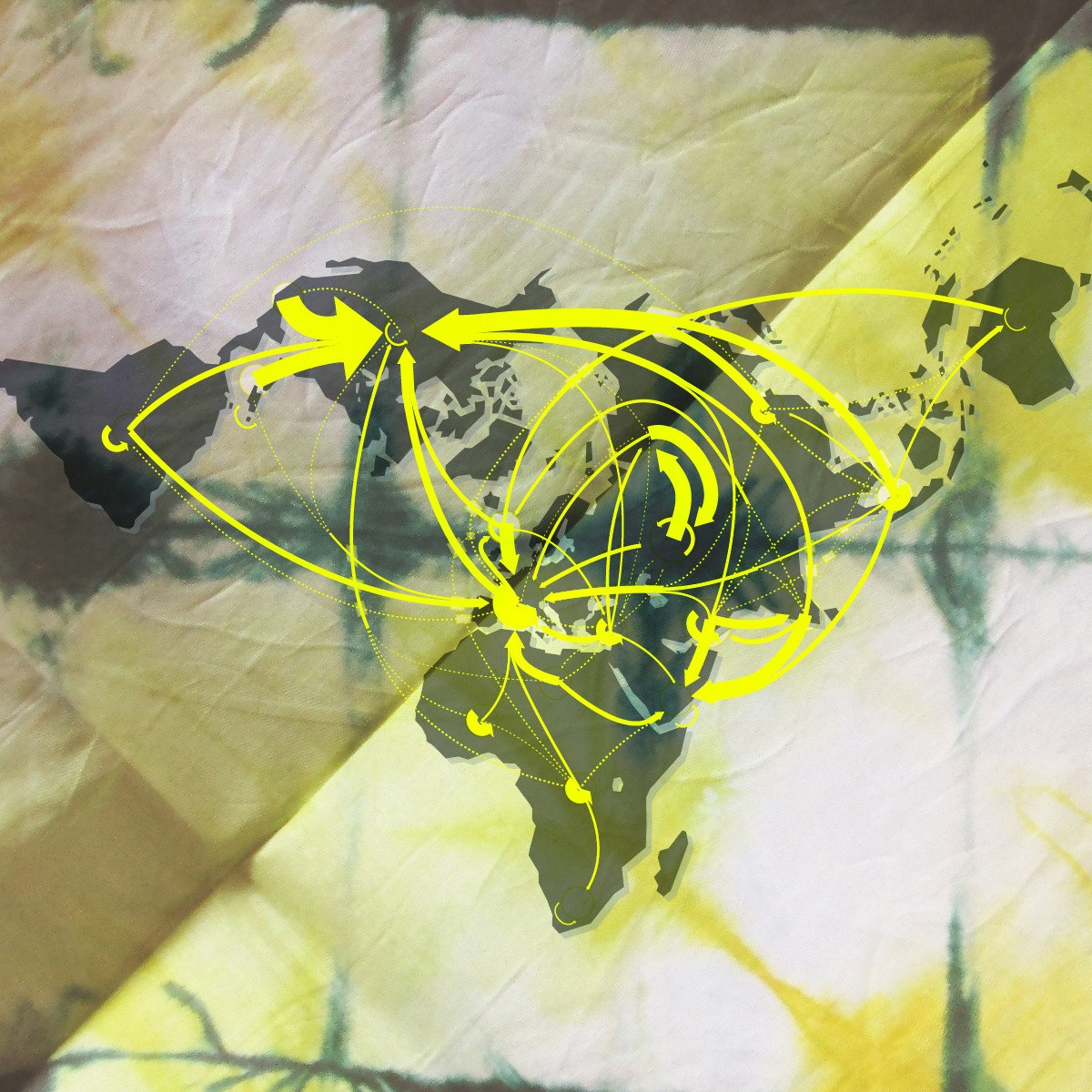
Afrique et mondialisation, regards croisés
Au-delà des relations internationales classiques, le processus de mondialisation mobilise quantité d'acteurs économiques, sociaux et culturels, individuels et collectifs, qui agissent dans l'espace mondial. Nous étudions ensemble, Africains, Latino-américains et Européens, comment il en dérive de nouvelles relations internationales. Ce cours prend sa source dans les approches sociologique et historique françaises des relations internationales, comme celles promues en Afrique et en Amérique latine. Bertrand Badie, Marie-Françoise Durand, Delphine Allès, Atta El Battahani, Carlos Milani, Gaïdz Minassian, Papa Samba Ndiaye, Karen Smith, Folashadé Soule-Kohndou.

Advanced Certification in Clinical Data Management (2026)
Unlock your potential with our comprehensive Clinical Data Management Certification course! Dive deep into 11 expertly designed modules that cover all the essential topics, from the basics to advanced concepts. Each module is crafted to guide you through the key areas of Clinical Data Management, ensuring you gain a thorough understanding. By the end of the course, you’ll be equipped with invaluable knowledge that will set you up for success in clinical research roles within CROs or pharmaceutical companies. Get ready to accelerate your career with the skills employers are looking for! Topics covered in this course are: - Introduction to Masterclass of Clinical Data Management - Basics of Clinical Data Management - Phase Trials: Phase 1, 2, 3 & 4 - Role of Clinical Data Management in Phase Trials - Data Integrity & ALCOA Plus Principles - Data Capture & Data Flow in Clinical Trials - Case Report Form (Paper & Electronic Case Report Form) - Designing Case Report Forms with examples - Stages of Clinical Data Management & CDM Cycle - Clinical Data Management Plan - Role of Clinical Data Associate - Role of Clinical Data Coordinator - Role of Clinical Data Specialist - Role of Clinical Data Manager - Data Cleaning - Data Validation - Database Lock - Data Archival - Clinical Data Storage & Data Privacy - Career & Opportunities in Clinical Data Management - Skill Development & Applications for Job roles

Introduction to Archaeology: Reconstruction of The Past
This course is the third course in a series on the discipline of Archaeology. It is intended for learners at all stages, including advanced high school, college students, or life-long learners. Basic information about Archaeology and its history are presented in the first introductory course. The second course teaches common scientific methods used in archaeological research. This course focuses on forms of interpretation to reconstruct various aspects of the past through archaeological approaches. The final course covers contemporary social issues that archaeologists engage with.