Cursos de IT y software
Los mismos datos para todos, vengan de Udemy o de Coursera: precio, valoración, duración e idioma. 902 cursos encontrados. Afinar la búsqueda

AI in Global Competition: The Intelligence Edge
This course, 'AI in Global Competition: The Intelligence Edge', delves into the transformative role of artificial intelligence in shaping the competitive landscape of intelligence operations. Participants will gain a comprehensive understanding of how AI technologies redefine strategic contexts and the implications of falling behind in AI development. The course will cover the application of AI in open-source intelligence operations, providing insights into the strategic risks and opportunities that arise from AI-driven intelligence initiatives. By the end of the course, learners will be equipped to critically assess the evolving dynamics of AI in the intelligence community and its impact on global competition.

Networking in Google Cloud: Network Architecture - 日本語版
Networking in Google Cloud」シリーズの 3 番目のコース「Network Architecture」へようこそ。 このコースでは、Google Cloud 内で効率的かつスケーラブルなネットワーク アーキテクチャを設計するための基礎について説明します。 モジュール 1「ネットワーク アーキテクチャの概要」では、サブネット、ルート、ファイアウォール、ロード バランシングなど、ネットワーク アーキテクチャの中核となるコンポーネントやコンセプトを紹介します。 モジュール 2「ネットワーク トポロジ」では、Google Cloud でよく使用されるさまざまなネットワーク トポロジの詳細とその長所と短所について説明します。
Microsoft Azure Data Fundamentals Exam Guide (DP-900)
This course provides a clear path to mastering Azure data fundamentals and preparing for the DP-900 certification exam. It covers key concepts such as structured, semi-structured, and unstructured data, along with essential Azure services, ensuring learners build a strong foundation in cloud data solutions. Learners will gain the knowledge and skills required to analyze data features, utilize Azure SQL and open-source database services, and evaluate various Azure storage options. The practical examples provided will help boost confidence and prepare you for success in the DP-900 exam. The course is unique because it combines clear theoretical explanations with practical real-world applications, offering a comprehensive understanding of Azure data services that aligns with exam requirements. This course is ideal for administrators, engineers, analysts, or anyone interested in data careers, provided they have a basic understanding of cloud concepts and client-server applications. Based on the book, Microsoft Azure Data Fundamentals (DP-900) Exam Guide, by Steve Miles.

Python for Serverless Applications and Automation on AWS
This course gives you a thorough introduction to the python programming language. You'll start by learning the definition of python, its history, semantics, and how it works. The first week concludes by writing a python script to solve a problem. In Week 2, you'll learn about Serverless Architectures and understand the differences between microservices, service-oriented and monolith architectures. You'll build a microservices architecture by learning how to use the following tools: AWS Lambda, Amazon API Gateway, and Cloud9. It's then time to go deep with AWS Databases. You'll see Amazon RDS and Amazon DynamoDB in action, visualizing the important role they play in developing applications in python. The course's final week will cover application integration services. Amazon's Simple Notification Service (SQS), Simple Queue Service (SQS), and EventBridge take center stage as important “glue” components for scalable, cloud-based applications. You'll close the course with a hands-on project, writing some code to use some hardcoded data to write to dynamodb and then convert that into a lambda function.

CCSP: Cloud Concepts, Architecture and Design
This course is designed to equip you with a robust understanding of cloud computing fundamentals and advanced security principles. Through engaging lessons, you will gain the skills necessary to navigate and excel in the dynamic landscape of cloud technologies. Whether you're an aspiring cloud professional or seeking to enhance your existing expertise, this course offers invaluable insights and practical knowledge to elevate your career.

Network Security, Access Control, and Automation
Network security and automation are critical skills in today’s interconnected IT environments, where safeguarding data and ensuring controlled access are top priorities. This course provides a comprehensive understanding of network security principles, access control mechanisms, and automation techniques that are widely used in modern enterprise networks. Through this course, learners will develop practical skills in configuring secure network environments, implementing access control lists (ACLs), and managing VPNs. You will also gain hands-on knowledge of Layer 2 and wireless security, enabling you to protect networks against common vulnerabilities and threats. What sets this course apart is its balanced approach to both foundational concepts and real-world implementation. By combining theoretical insights with practical configuration techniques, learners will be prepared to apply security measures and automation strategies effectively in professional settings. This course is ideal for aspiring network engineers, IT professionals, and cybersecurity enthusiasts with a basic understanding of networking concepts who want to strengthen their security and automation skills. This course is part three of a three-course Specialization designed to provide a comprehensive learning pathway in this subject area. While it delivers standalone value and practical skills, learners seeking a more integrated and in-depth progression may benefit from completing the full Specialization.

Analytics as a Service for Data Sharing Partners
This is a self-paced lab that takes place in the Google Cloud console. In this lab you will learn how Authorized Views in BigQuery can be shared and consumed to create customer-specific dashboards.

Apply Sqoop for HR Data Analytics Projects
By the end of this course, learners will be able to import, filter, and optimize structured HR data from relational databases into Hadoop using Apache Sqoop; apply secure authentication methods; automate recurring data ingestion tasks; and prepare analytics-ready datasets for salary and attrition analysis. This hands-on project-based course is designed for learners who want practical experience applying Sqoop in real-world HR analytics scenarios. Through guided lessons, learners progress from project setup and secure database connectivity to executing optimized Sqoop import commands, handling NULL values, and applying data formats and compression for performance efficiency. The course emphasizes subset imports and complex joins to support meaningful HR use cases such as salary analysis and employee attrition insights. What makes this course unique is its end-to-end, use-case-driven approach. Rather than focusing solely on commands, learners work within a realistic HR data analytics project, gaining exposure to operational considerations such as job automation, data quality management, and scalability. Upon completion, learners will possess job-ready skills to confidently use Sqoop as part of enterprise-scale Hadoop analytics workflows, making the course especially valuable for aspiring data engineers and analytics professionals working with structured enterprise data.

Analyze Economic Signals for Financial Success
Financial forecasting depends on more than projecting numbers—it requires knowing how to read the economic signals that influence them. This intermediate-level course introduces you to the indicators and market dynamics that shape business performance. You’ll begin by examining how movements in interest-rate curves influence borrowing costs and future interest-expense assumptions. From there, you’ll work with leading indicators such as PMI, CPI, and consumer-confidence measures to understand how demand may be changing before it shows up in company results. The course combines short videos, focused readings, and hands-on exercises that let you practice turning market data into concrete forecasting insights. By the end, you’ll be equipped to explain how broader economic trends affect revenue, margins, and financial planning—skills that help analysts, planners, and decision-makers build forecasts that are credible, grounded, and ready for real-world use.

Promoting Accessible Workplaces with Assistive Technology
Workplaces and educational institutions are becoming increasingly aware of the importance of inclusivity in their forces, and there are significant efforts being made to promote cultures of inclusivity. Despite that, the needs of disabled workers and students remain largely overlooked by a working society of abled persons even though great advances have been made in widely available Assistive Technology. In this course, learners will gain increased awareness of many types of disabilities represented in the workforce and educational institutions. Learners will learn about the Assistive Technology (AT) tools built into Microsoft and Windows products, including screen readers, Immersive Reader, Accessibility Checker, etc. as well as how to instruct in their use. Learners will become proficient in inclusive communication practices in the workplace or classroom by learning to construct accessible written materials and presentations. The course will offer audiovisual storytelling to encourage active learning about a world outside of “abled privilege.”

Making the Case for Robotic Process Automation
Overview Robotic Process Automation (RPA) is reshaping the accounting and finance profession. 40% of transactional accounting work is expected to be automated by 2020 and predicted to touch 230 million knowledge workers, 9% of the global workforce, according to McKinsey Research. Driven by the need to stay competitive, decrease costs and increase efficiency, RPA is quickly making a significant impact on the profession. Companies no longer think about "if" but "when" to implement RPA. Short Description: • Robotic Process Automation (RPA) can transform business processes by eliminating the mundane, time-consuming, manual tasks that professionals complete; enabling them more time to focus on critical thinking. This course for accounting and finance professionals worldwide will show through use cases how robotic process automation can be utilized to decrease errors and increase productivity. Course description/ Overarching Learning Goal This course is intended to provide accounting and financial professionals with practical literacy on robotic process automation through a real-world, relevant data preparation use case. It will help identify potential uses and the benefits and considerations for robotic process automation. This course will help you make the business case by helping you assess requirements, define proof of value and measure and validate the ROI for automation.
Introduction to AWS Elemental MediaConnect - v.02.00.01
This course introduces you to AWS Elemental MediaConnect. You will learn how to use MediaConnect to ingest live video into the AWS Cloud, and then distribute it to multiple destinations inside or outside of the AWS Cloud.

Hands-on AWS Auto Scaling Labs: Essential Lab Exercises
This course enables learners to master AWS Auto Scaling through immersive hands-on labs, allowing them to dynamically adjust compute resources, optimize application performance, and excel in creating scalable, resilient cloud solutions. It is designed for cloud professionals seeking to develop their AWS Auto Scaling skills, and is essential for those aiming to optimize application performance, availability, and cost-effectiveness in cloud environments. AWS Auto Scaling facilitates the automatic adjustment of compute resources based on demand, ensuring applications efficiently handle varying workloads. A solid understanding of Auto Scaling is also crucial for designing resilient and dynamically scalable architectures. Hands-on lab exercises form the core of this course, providing practical experience in configuring, testing, and fine-tuning Auto Scaling policies. Detailed lab manuals and video demonstrations guide learners through dynamic labs, empowering them to confidently implement and optimize AWS Auto Scaling solutions.

Vertex AI でノートブックを使用する
このコースは、Vertex AI Notebooks に関する入門コースです。Vertex AI Notebooks は Jupyter ノートブックをベースとした環境であり、データの準備からモデルのデプロイとモニタリングに至るまで ML のワークフロー全体をサポートする統合プラットフォームを提供します。このコースでは、(1)Vertex AI Notebooks の種類とそれぞれの機能、(2)Vertex AI Notebooks の作成と管理の方法について説明します。

Google Sheets - Advanced Topics 日本語版
Google スプレッドシートの中級コースは、初級のコースで説明されたコンセプトを元に進められます。 このコースでは、Google スプレッドシートでテーマを適用してカスタマイズする方法を学習し、条件付き書式のオプションを確認します。 Google スプレッドシートの高度な数式と関数をいくつか学習します。関数を使用した数式を作成する方法を確認し、さらに Google スプレッドシート内のデータを参照して検証する方法を学びます。 スプレッドシートには、何百万という数、数式、テキストを入力しておくことができます。このようなデータは要約や可視化を行わないと、十全に活用することが難しい場合があります。このコースでは、グラフやピボット テーブルなど、Google スプレッドシートのデータ可視化オプションを確認します。 Google フォームは、データを収集して迅速なデータ分析を可能にするオンライン アンケートです。フォームで収集したデータをスプレッドシートに接続する作業や、既存のスプレッドシートからフォームを作成する作業を通じて、フォームとスプレッドシートがどのように連携するのかを確認します。 Screen reader support enabled. Google スプレッドシートの中級コースは、初級のコースで説明されたコンセプトを元に進められます。 このコースでは、Google スプレッドシートでテーマを適用してカスタマイズする方法を学習し、条件付き書式のオプションを確認します。 Google スプレッドシートの高度な数式と関数をいくつか学習します。関数を使用した数式を作成する方法を確認し、さらに Google スプレッドシート内のデータを参照して検証する方法を学びます。 スプレッドシートには、何百万という数、数式、テキストを入力しておくことができます。このようなデータは要約や可視化を行わないと、十全に活用することが難しい場合があります。このコースでは、グラフやピボット テーブルなど、Google スプレッドシートのデータ可視化オプションを確認します。 Google フォームは、データを収集して迅速なデータ分析を可能にするオンライン アンケートです。フォームで収集したデータをスプレッドシートに接続する作業や、既存のスプレッドシートからフォームを作成する作業を通じて、フォームとスプレッドシートがどのように連携するのかを確認します。

Cloud Foundations & AWS Basics
The Cloud Foundations & AWS Basics course is designed to provide learners with a strong foundation in cloud computing concepts and core AWS fundamentals. This course introduces the essential principles of cloud computing, cloud deployment models, AWS infrastructure, and foundational AWS services required to begin a cloud journey confidently. The course covers key concepts such as cloud computing models, on-premises vs cloud environments, cloud service models including IaaS, PaaS, and SaaS, and deployment models such as Public, Private, Hybrid, and Multi-Cloud. Learners will also explore AWS Cloud fundamentals, AWS Global Infrastructure, Region selection strategies, AWS account setup, AWS Console navigation, and AWS support plans. This course is structured into two modules, each containing lessons and video lectures. Learners will engage with approximately 4–6 hours of video content, combining conceptual understanding with practical cloud learning insights. Each module includes quizzes to reinforce learning and validate understanding of key concepts. Course Modules: Module 1: Cloud Fundamentals Module 2: AWS Fundamentals By the end of this course, a learner will be able to: - Understand core cloud computing concepts and benefits - Differentiate between cloud service models such as IaaS, PaaS, and SaaS - Compare Public, Private, Hybrid, and Multi-Cloud deployment models - Understand the differences between on-premises and cloud environments - Explain AWS Cloud fundamentals and AWS Global Infrastructure concepts - Choose AWS Regions based on latency, pricing, compliance, and availability requirements - Set up and navigate an AWS account and AWS Management Console - Understand AWS support plans and foundational operational best practices - Gain practical exposure to cloud learning environments such as Hands-on Labs and Sandbox environments This course is ideal for individuals beginning their cloud computing journey and looking to build a strong understanding of cloud fundamentals and AWS basics. It provides the foundational knowledge required for cloud engineering, cloud operations, and AWS certification preparation.
Kubernetes Fundamentals
When deployments crash and failures go undetected, Kubernetes is what keeps production workloads running. This course takes you from zero to running production-grade containerized applications with complete confidence. Here is what you will build skills in: • Kubernetes Architecture You will understand how a cluster operates so you can set up, manage, and troubleshoot any Kubernetes environment without getting lost. • Cluster Setup You will get a real Kubernetes environment running using Minikube, VirtualBox, and Kubectl from day one. • Deployments and Scaling You will deploy, scale, and monitor real applications using YAML, Pods, Replica Sets, and the Kubernetes Dashboard. • Application Networking You will ensure external traffic reaches your app and internal services communicate reliably using Pod-to-Pod, Pod-to-Service, Ingress, and Egress. • Persistent Storage You will ensure no data is lost when containers crash or restart by managing Volumes, Persistent Volumes, and the storage lifecycle. Ideal for anyone looking to build job-ready Kubernetes skills. Rated 4.1 stars by 27 learners. Over 200,000 learners trust LearnKartS on Coursera. Enroll now and become container-native ready.

Segurança de TI: defesa contra as artes negras digitais
Este curso abrange uma grande variedade de conceitos, ferramentas e práticas recomendadas ao nível da segurança de TI. Aborda ameaças e ataques e as várias formas através das quais podem surgir. Vamos fornecer-lhe algumas informações gerais sobre o que são os algoritmos de encriptação e como são utilizados para salvaguardar dados. Em seguida, vamos analisar detalhadamente os três aspetos mais importantes da segurança das informações: autenticação, autorização e contabilidade. Também vamos abordar soluções de segurança de rede, desde firewalls a opções de encriptação de Wi-Fi. Por último, vamos analisar um caso prático, no qual examinamos o modelo de segurança do Chrome OS. O curso conclui ao reunir todos estes elementos numa arquitetura de segurança detalhada e de várias camadas, apresentando depois recomendações sobre como integrar uma cultura de segurança na sua entidade ou equipa. No final deste curso, vai saber mais sobre: ● como funcionam vários algoritmos e técnicas de encriptação, bem como as respetivas vantagens e limitações ● vários tipos e sistemas de autenticação ● a diferença entre autenticação e autorização ● como avaliar potenciais riscos e recomendar formas de reduzir o risco ● práticas recomendadas para proteger uma rede ● como ajudar as outras pessoas a entender conceitos de segurança e a protegerem-se

Generative AI for Cloud Solutions
This course explores how Generative AI is transforming modern cloud solutions by combining large language models with scalable cloud architectures. Learners gain a strategic understanding of how AI-driven systems are designed, deployed, and governed in real-world cloud environments. Through a structured journey from NLP foundations to advanced LLM-based application development, the course helps learners build practical skills in fine-tuning models, retrieval-augmented generation, and prompt engineering. You will learn how to design, deploy, and scale AI-powered cloud applications while addressing operational and performance challenges. What sets this course apart is its balance of conceptual depth and hands-on architectural thinking. It connects core AI concepts with real-world cloud deployment patterns, Dev frameworks, and LLMOps practices. This course is ideal for cloud engineers, software developers, architects, and technology professionals looking to integrate Generative AI into cloud solutions. A basic understanding of cloud computing and software development concepts is recommended.

Encoder-Decoder Architecture - Italiano
Questo corso ti offre un riepilogo dell'architettura encoder-decoder, che è un'architettura di machine learning potente e diffusa per attività da sequenza a sequenza come traduzione automatica, riassunto del testo e risposta alle domande. Apprenderai i componenti principali dell'architettura encoder-decoder e come addestrare e fornire questi modelli. Nella procedura dettagliata del lab corrispondente, implementerai in TensorFlow dall'inizio un semplice codice dell'architettura encoder-decoder per la generazione di poesie da zero.

AppDynamics Monitoring
AppDynamics Monitoring for Machine Learning Applications is a beginner-level course designed to equip data scientists, ML engineers, and DevOps professionals with the specialized monitoring skills needed for production ML systems. Unlike traditional applications, machine learning systems have unique failure modes, complex data dependencies, and business-critical performance requirements that demand sophisticated observability approaches. This course provides hands-on experience with AppDynamics' AI-powered monitoring platform, teaching learners to implement comprehensive monitoring solutions that capture both technical performance and business outcomes. Through real-world case studies, practical exercises, and advanced troubleshooting scenarios, learners will master the art of maintaining reliable, high-performing ML applications that deliver consistent business value in production environments.

Programming with Cloud IoT Platforms
Internet of Things (IoT) is an emerging area of information and communications technology (ICT) involving many disciplines of computer science and engineering including sensors/actuators, communications networking, server platforms, data analytics and smart applications. IoT is considered to be an essential part of the 4th Industrial Revolution along with AI and Big Data. This course aims at introducing IoT Cloud platforms from Samsung, Microsoft, Amazon, IBM and Google and how they can be used in developing IoT applications. This course will be offered in English. Subtitles/captions in English and will be also provided. IoT (Internet of Things, 사물인터넷)는 최근 중요한 정보통신기술로 주목 받고 있으며 센서/ 제어기, 통신 네트워크, 서버 플랫폼, 데이터 분석, 스마트 앱 등의 컴퓨터공학 기술들이 융합된 기술입니다. IoT는 인공지능, 빅데이터와 함께, 4차산업혁명의 3대 핵심 기술 중 하나로 손꼽히고 있습니다. 글로벌 Cloud 서비스 제공자들이 IoT를 특별히 지원하기 위하여 개발한 IoT Cloud 플랫폼들을 소개합니다. 이것들을 활용하여 다양한 IoT 어플리케이션을 개발할 수 있습니다. 본 과목은 영어로 진행되며, 영문자막(일부 한글과 영문 모두)을 제공합니다.

Advanced Power Platform: Connectors, Components & Automation
Take your Power Platform development skills to the next level with this advanced, hands-on course. Build enterprise-ready canvas and model-driven apps, design powerful workflows using Power Automate, and create secure, scalable business solutions with Microsoft Dataverse and custom APIs. You’ll begin by exploring advanced Power Apps features—working with Power Fx, variables, multi-screen navigation, and connecting to data sources like Dataverse, SharePoint, and Excel. You'll also build both canvas and model-driven apps, implement business rules, and manage app security using roles and field-level access. Next, you’ll automate business processes using Power Automate. Design dynamic workflows with conditions, expressions, error handling, and performance optimization. Real-world scenarios include approval flows, email triggers, notifications, and integrations with SharePoint and Outlook. In the final module, you'll apply custom business logic using Power Fx, JavaScript, and plug-ins. Build client scripts, register them in model-driven forms, and write secure plug-ins and APIs in C#. By the end of this course, you will be able to: - Develop advanced apps using Power Apps and Dataverse - Automate processes using Power Automate with real-world connectors - Implement secure business logic with Power Fx, JavaScript, and plug-ins - Build scalable and production-ready components with best practices Disclaimer: This course is an independent educational resource developed by Board Infinity and is not affiliated with, endorsed by, sponsored by, or officially associated with Microsoft corporation or any of its subsidiaries or affiliates. This course is not an official preparation material of Microsoft corporation. All trademarks, service marks, and company names mentioned are the property of their respective owners and are used for identification purposes only.

DevOps and AI on AWS: Upgrading Apps with Generative AI
Explore the intersection of DevOps and Generative AI on AWS in this hands-on course. Learn to enhance existing applications with powerful AI features using Amazon Bedrock's large language models (LLMs). You'll gain practical experience in implementing customized text generation, mastering prompt engineering, and applying advanced techniques like fine-tuning and Retrieval Augmented Generation (RAG). We focus on essential DevOps practices, guiding you through the process of coding, building, and testing an application upgraded with generative AI capabilities. You'll learn to integrate these AI features seamlessly into your software development lifecycle, ensuring smooth deployment and maintenance. The course also sharpens crucial developer skills. We highlight how to enable effective source control management, enabling efficient collaboration and version control in your projects. Additionally, you'll master unit testing to ensure the reliability of your applications.By the end of this course, you'll be equipped to modernize applications using generative AI, implement proven DevOps practices, and leverage AWS' AI services. Whether you're a developer expanding your AI expertise or a DevOps professional incorporating AI technologies, this course provides the tools to excel in the evolving landscape of software development and artificial intelligence. Join us to transform your applications and development practices with the power of generative AI on AWS.

Cloud Deployment and Scaling with ASP.NET Core
Embark on a transformative journey into the dynamic landscape of cloud computing with our specialized course on deploying and scaling ASP.NET Core applications. In today's technology-driven world, the efficient deployment and scaling of applications in the cloud are indispensable skills. This module, designed with precision, delves into cloud deployment and scaling strategies, offering a tailored approach specifically for ASP.NET Core applications. Learning Outcomes: Mastery of Cloud Deployment, Scalability Expertise, and Cloud Power Unleashed. By the end of this immersive learning experience, you'll gain proficiency in seamlessly deploying and scaling ASP.NET Core applications in cloud environments through a curriculum enriched with practical examples. You'll unlock the ability to harness the full potential of the cloud, ensuring your applications achieve optimal performance, scalability, and availability. We recommend a foundational understanding of ASP.NET Core and familiarity with basic cloud computing concepts. While prior knowledge of C# is advantageous, it is not mandatory. This course is designed to accommodate you with varying levels of expertise, making it accessible to a broad audience. This course positions you for roles such as Cloud Application Developer, where you'll specialize in deploying and optimizing ASP.NET Core applications. Alternatively, you can pursue opportunities as a Cloud Solutions Architect, shaping resilient cloud architectures. DevOps Engineer roles also become accessible, empowering you to streamline deployment pipelines and ensure efficient, automated deployment in diverse cloud ecosystems. Elevate your skill set and career prospects by enrolling in this course — where the fusion of theory and hands-on practice propels you into the forefront of cloud deployment for ASP.NET Core applications.

Security and Privacy for Big Data - Part 2
Welcome to our focused course on Privacy and Data Protection in Big Data Environments. Here, you will delve into not only privacy-preserving methodologies but also explore crucial data protection regulations and concepts. By the end of this course, you'll be empowered to navigate your next Big Data project with confidence, assuring all aspects of privacy and data protection are well-managed. This course will sharpen your ability to identify potential vulnerabilities in Big Data projects, providing you with the tools to fortify your systems for long-term sustainability. It is an invaluable resource for ICT professionals, systems designers, and managers who are involved with big data. Even if your experience with Big Data or IT is minimal, such as for a product manager, this course has been crafted to offer you the fundamental knowledge you need. Ready to master the intricacies of privacy in Big Data? Secure your spot in the course today.

CompTIA A+ Core 2 V15: Software Troubleshooting
This course covers common operating system errors, performance issues, and application failures, with hands-on practice using recovery and diagnostic tools for Windows 10 and 11. You’ll learn a step-by-step approach to diagnosing and fixing problems on Windows, Android, and iOS devices. You’ll also learn how to address PC security issues, certificate errors, and mobile security threats, so you can keep systems secure and running smoothly. Lessons focus on problem solving and managing everyday issues and more complex incidents.
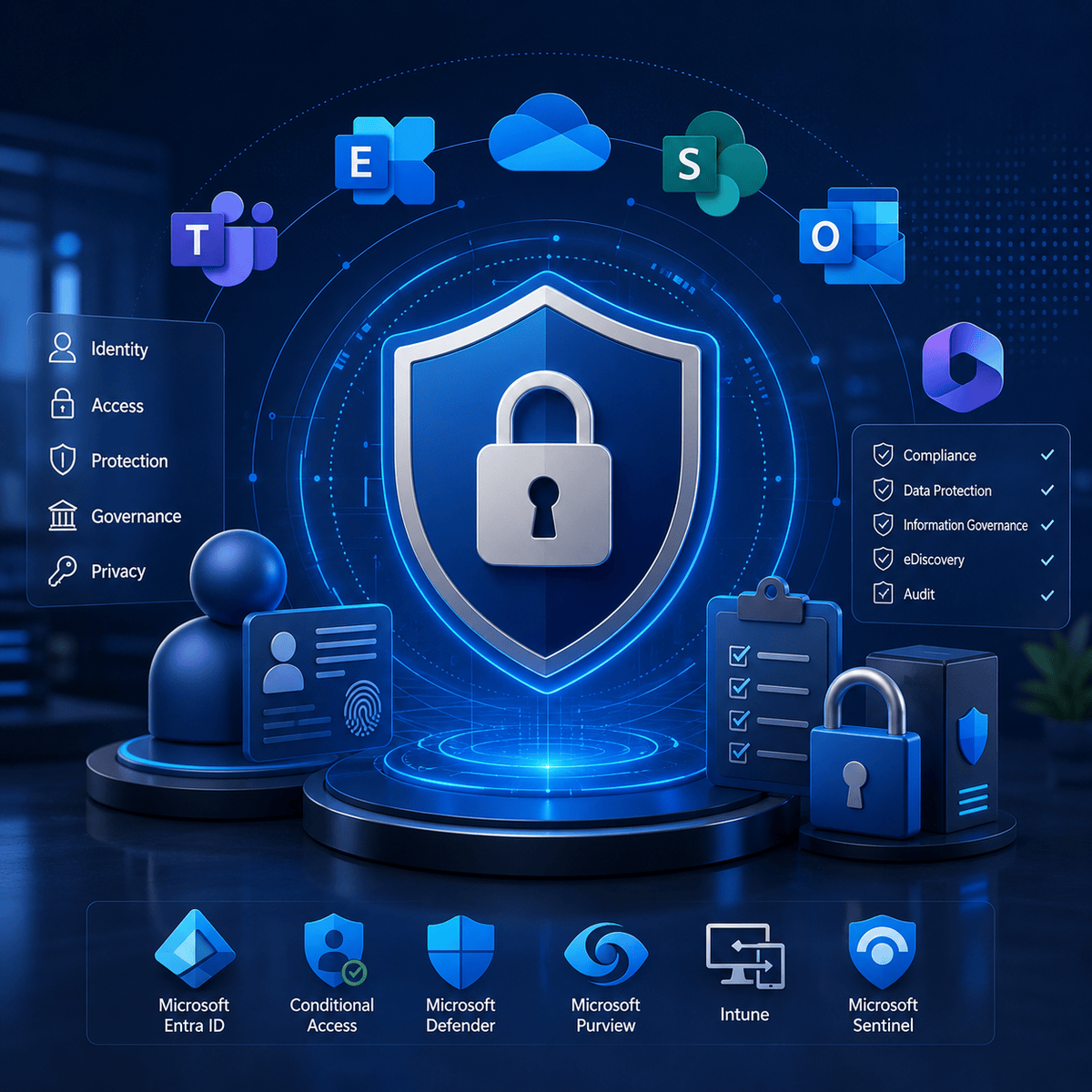
Microsoft 365 Security: Identity, Compliance & Trust
The Microsoft 365 Security: Identity, Compliance & Insights course is designed for beginners, IT professionals, administrators, security analysts, and business users who want to build a foundational understanding of Microsoft 365 security, identity management, compliance, privacy, and workplace analytics capabilities. This course introduces learners to Microsoft 365 identity and security solutions used to protect users, devices, applications, and organizational data in modern workplace environments. You will explore Microsoft Entra ID, identity protection concepts, threat protection capabilities, Microsoft Secure Score, and security best practices within Microsoft 365. You’ll also learn how Microsoft 365 supports compliance, privacy, risk management, information protection, and regulatory requirements across organizations. The course covers concepts such as Microsoft Purview compliance solutions, data protection, information governance, regulatory compliance, Microsoft Priva, and privacy management capabilities. Additionally, the course introduces workplace analytics and employee experience insights using Microsoft Viva Insights. You’ll explore personal insights, team insights, analytics capabilities, and integrated Viva experiences within Microsoft Teams. Through a combination of conceptual explanations, demos, and real-world scenarios, this course provides a practical understanding of how organizations use Microsoft 365 services to improve security, identity management, compliance, privacy, and workplace insights. The course delivers approximately 7–9 hours of structured video content, organized into two modules. Each module includes quizzes and knowledge checks to reinforce learning and validate understanding. Enroll in this course to gain a strong foundation in Microsoft 365 security, identity, compliance, privacy, and workplace analytics services and confidently begin your journey into modern Microsoft security and compliance solutions. Course Modules Module 1: Microsoft 365 Identity & Security Management Explore identity management, authentication, identity protection, threat protection, Microsoft Entra ID, and security capabilities within Microsoft 365. Module 2: Microsoft 365 Compliance, Privacy & Insights Learn compliance solutions, information protection, privacy management, regulatory compliance, workplace analytics, and Microsoft Viva Insights capabilities. By the End of This Course, You Will Be Able To: Understand identity and access management concepts in Microsoft 365 Explore Microsoft Entra ID identity and authentication capabilities Understand identity protection and threat protection concepts Analyze Microsoft Secure Score benefits and security recommendations Understand trust, privacy, risk, and compliance concepts in Microsoft 365 Explore Microsoft Purview compliance and information protection solutions Understand data residency and regulatory compliance capabilities Explore Microsoft Priva privacy management concepts Analyze workplace insights and analytics using Microsoft Viva Insights Understand personal and team insights capabilities in Microsoft Viva

Criar embeddings, pesquisa vetorial e RAG com o BigQuery
Este curso estuda uma solução de geração aumentada de recuperação (RAG) no BigQuery para mitigar as alucinações da IA. Ele introduz um fluxo de trabalho de RAG que engloba a criação de embeddings, a pesquisa por um espaço vetorial e a geração de respostas aprimoradas. O curso explica os motivos conceituais dessas etapas e a implementação prática delas com o BigQuery. Até o fim do curso, será possível criar um pipeline de RAG usando o BigQuery e modelos de IA generativa como o Gemini, além de modelos de embeddings, para lidar com os próprios casos de uso de alucinação de IA.

Introduction to Contemporary Operating Systems and Hardware 1a
In this course, you will explore the several types of hardware components installed in computers and peripherals. The course also offers a detailed exploration of these components and their function as part of the computer and peripheral hardware. The career skills acquired in this course will begin your journey into information technology. At the end of the course, you will be able to: - Identify basic cable types and their connectors, features, and purposes. - Demonstrate knowledge of several types of memory and their installation. - Categorize and install diverse types of storage devices. - Explain and configure motherboards, central processing units (CPUs), and add-on cards. - Apply electronic principles and their relationship to the power supply. - Explain the components and operation of multifunction devices/printers and settings. Software requirements: CPU-Z (https://www.cpuid.com/softwares/cpu-z.html)
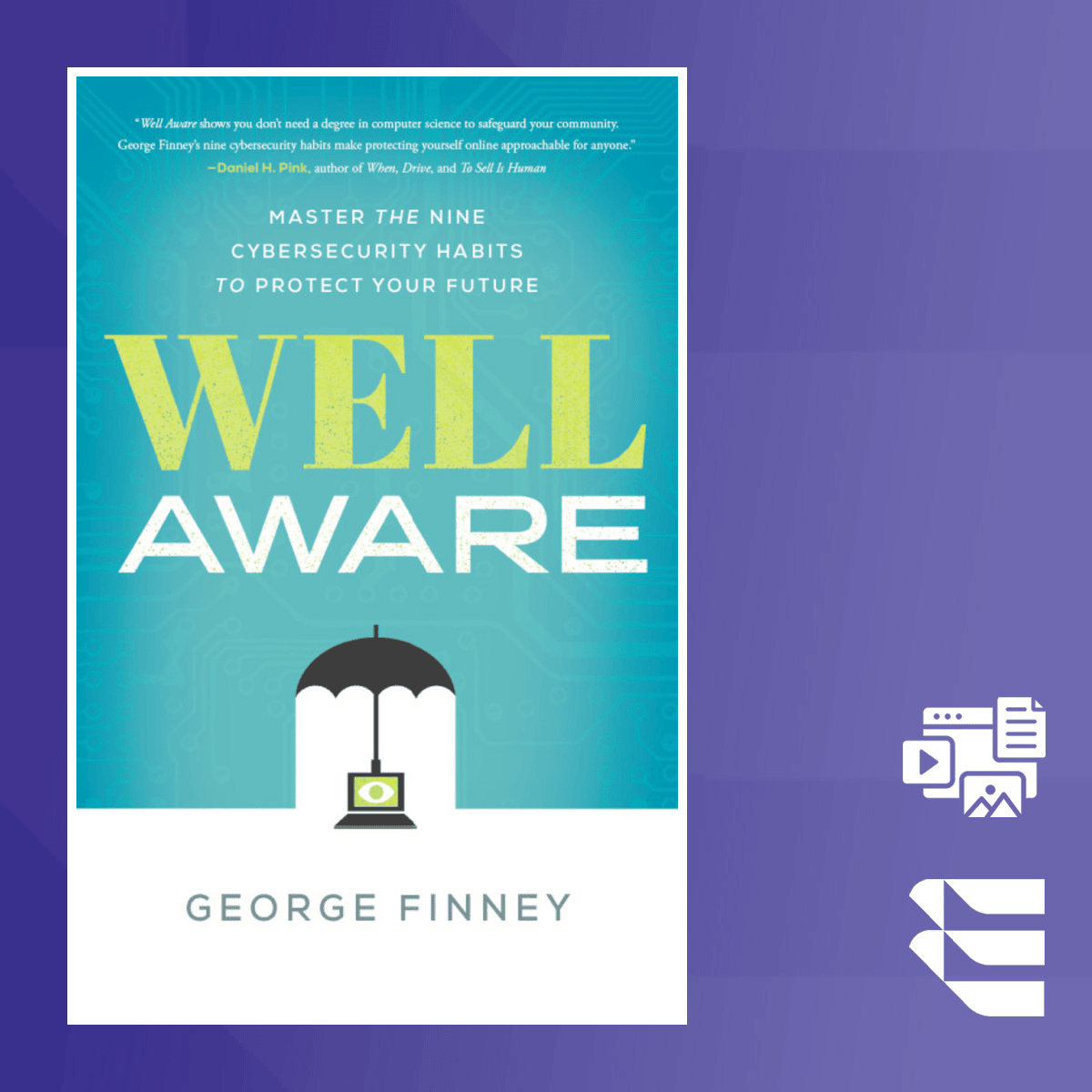
Practical Cybersecurity: Stay Safe Online
This course is based on George Finney's bestselling book, Well Aware. This course takes you on a structured journey through nine essential cybersecurity habits, beginning with literacy to recognize credible information sources and progressing through skepticism, vigilance, secrecy, and cultural awareness. Along the way, you’ll gain practical frameworks and real-world examples that help you spot deception, protect your data, and strengthen your digital defenses. By the end, you’ll have not only the knowledge but also actionable strategies to build a resilient cybersecurity mindset and safeguard your digital future. Completing this course offers clear career advantages: you’ll develop a security-focused mindset that employers across industries value, regardless of whether your role is directly technical. Demonstrating these habits shows that you can protect sensitive information, adapt to evolving threats, and contribute to a culture of security. All of this wills strengthen your professional credibility and open up opportunities in cybersecurity and beyond. This course is set-apart because of its emphasis on habits and mindset rather than just technical skills. By blending practical exercises with cultural and community perspectives, it equips you to think critically, act decisively, and maintain vigilance in any digital environment. This unique approach ensures the lessons stay relevant and actionable, no matter how technology or threats evolve. Ideal for professionals, educators, and individuals facing digital risks, this course is designed for those seeking to evaluate information, safeguard data, and counter deception. Whether in cybersecurity, media, or business, participants will gain essential skills to make informed decisions in a complex digital world. Copyright George Finney. All rights reserved. Originally published by Greenleaf Book Group LLC, Austin, Texas. This course has been packaged and distributed by Packt Publishing on behalf of Greenleaf Book Group. Greenleaf Book Group is a hybrid publisher and book distributor dedicated to empowering independent authors and small presses. Renowned for its innovative publishing model, Greenleaf offers a comprehensive suite of services, including editorial guidance, design, distribution, and marketing support, tailored to each author's goals. With a focus on quality and collaboration, Greenleaf has produced numerous bestsellers across a wide range of genres, providing authors with the tools and expertise to maximize their reach and impact in the competitive publishing industry.
Create Embeddings, Vector Search, and RAG with BigQuery
This course explores a Retrieval Augmented Generation (RAG) solution in BigQuery to mitigate AI hallucinations. It introduces a RAG workflow that encompasses creating embeddings, searching a vector space, and generating improved answers. The course explains the conceptual reasons behind these steps and their practical implementation with BigQuery. By the end of the course, learners will be able to build a RAG pipeline using BigQuery and generative AI models like Gemini and embedding models to address their own AI hallucination use cases.
Splunk Search Expert 103
In this course, you will learn how to calculate co-occurrence between fields and analyze data from multiple datasets, increase your knowledge of searching and learn how to work with multivalue data. In addition, you will learn tips and tricks to improve search performance using accelerations.

AWS Certified SysOps Administrator - Associate
This course features Coursera Coach! A smarter way to learn with interactive, real-time conversations that help you test your knowledge, challenge assumptions, and deepen your understanding as you progress through the course. Prepare for the AWS Certified SysOps Administrator - Associate exam with hands-on experience in real-world scenarios. You'll master key AWS services such as EC2, IAM, VPC, and Route 53, focusing on configuration, performance monitoring, and cost management. This course dives into backup and recovery strategies, high availability, and database services, ensuring you're equipped to handle the full scope of AWS operations. The course structure is designed to walk you through each AWS service in depth. Starting with Identity and Access Management (IAM), you’ll learn how to manage user permissions and security policies. Then, you’ll explore VPCs and EC2 instances, gaining expertise in networking and compute resources. High availability, application load balancing, and Route 53 are covered in the next phase, enabling you to architect resilient solutions. You’ll then move on to backup, recovery, and orchestration tools to automate processes and ensure the availability of critical resources. Finally, the course will take you through managing AWS costs effectively, which is crucial for optimizing cloud resources. By the end, you will have the comprehensive knowledge needed to confidently tackle the AWS Certified SysOps Administrator - Associate exam and apply these skills in real-world AWS environments. This course is ideal for system administrators, engineers, or anyone looking to advance their career with AWS expertise. It’s targeted at those familiar with basic AWS concepts and cloud technologies. If you have experience managing systems or are aiming for a career in cloud operations, this course is for you.
Jenkins Pipeline: Declarative and IaC approaches for DevOps
By the end of this course you will be able to start writing your own Jenkins scripts either in the Jenkins UI or as Jenkinsfile over a multi-stage CD workflow.

Networking in Google Cloud: Hybrid and Multicloud - Português Brasileiro
「Networking in Google Cloud 日本語版」シリーズの 6 番目のコース「Hybrid and Multicloud」へようこそ。最初のモジュールでは、Google Cloud のさまざまな接続オプションを説明します。Cloud Interconnect について掘り下げ、その種類とそれぞれの機能を確認します。2 番目のモジュールでは Cloud VPN の実装、高可用性 VPN トポロジ、Network Connectivity Center(NCC)による管理の効率化について説明します。このコースを修了すると、オンプレミス ネットワークや他のクラウド ネットワークを Google Cloud に拡張するためのさまざまな接続オプションについて説明できるようになります。また、Google Cloud の各種のハイブリッドおよびマルチクラウド接続サービスが特定のユースケースに適しているかどうかを検討する方法についても理解できます。さっそく始めましょう。

Certified Kubernetes CKA: Architecture, Installation, Config
This course teaches you the core skills for building, managing, and securing Kubernetes clusters. You’ll start by learning how Kubernetes works and how its components fit together. Using kubeadm, you’ll set up clusters, handle everyday management tasks, and maintain nodes for reliable performance. Through hands-on labs, you’ll practice real-world tasks like managing containers with CricTL and backing up or restoring etcd. You’ll also learn how to secure clusters by configuring API access, setting security contexts, and using RBAC for users and service accounts. By the end, you’ll have the practical knowledge to deploy and maintain secure, highly available Kubernetes clusters.

HashiCorp Vault Foundations and Secrets Management
Updated in May 2025. This course now features Coursera Coach! A smarter way to learn with interactive, real-time conversations that help you test your knowledge, challenge assumptions, and deepen your understanding as you progress through the course. In this course, you will gain a deep understanding of HashiCorp Vault and how it helps manage secrets in an automated and secure way. You will learn about Vault’s various secrets engines, authentication methods, and security features. By the end, you’ll be proficient in setting up Vault in real-world scenarios, enabling you to securely manage credentials, encryption keys, and sensitive data for your organization. The course focuses on hands-on demos and practical implementations to ensure you're ready for real-world applications. You’ll start by familiarizing yourself with Vault’s core concepts, including the Key/Value Secrets Engine, Database Secrets Engine, and Transit Secrets Engine. Then, you'll dive deeper into the security hardening aspects of Vault, such as auto-unsealing, integrated storage, and Vault initialization. Through demos, you’ll configure these engines and methods to understand how they interact with one another. As you move through the course, you’ll configure different authentication methods like AppRole, Userpass, and Vault tokens, learning how each plays a role in ensuring access to secrets. The course also covers critical aspects like regenerating root tokens, securing Vault initialization, and rotating encryption keys, ensuring your Vault deployment remains secure and resilient. This course is ideal for security engineers, DevOps professionals, and anyone looking to strengthen their skills in secrets management and Vault security. No prior experience with HashiCorp Vault is required, but familiarity with IT infrastructure, cloud computing, or security concepts will be helpful. The course is structured for learners of all levels but leans toward an intermediate understanding of security and cloud technologies.

Gemini for Data Scientists and Analysts - 한국어
이 과정에서는 Google Cloud의 생성형 AI 기반 파트너인 Gemini가 고객 데이터를 분석하고 제품 판매를 예측하는 데 어떤 도움이 되는지 알아봅니다. BigQuery에서 고객 데이터를 사용해 신규 고객을 식별, 분류, 개발하는 방법도 다룹니다. 실무형 실습을 통해 Gemini로 데이터 분석 및 머신러닝 워크플로가 얼마나 개선되는지 경험할 수 있습니다. Duet AI의 이름이 Google의 차세대 모델인 Gemini로 변경되었습니다.

LFCS Exam Prep: User and Group Management and Permissions
This course delves into the critical aspects of Linux permission management, user and group administration, and storage management. Begin by understanding the foundational read, write, and execute permissions, and advance to mastering SUID, SGID, and sticky bits for specialized scenarios. Gain comprehensive skills in managing users and groups, essential for setting permissions and maintaining security. Explore storage management essentials, including partitioning, file systems, and mounting techniques. With practical labs and real-world scenarios, this course ensures you gain hands-on experience and confidence in managing Linux systems.

Adobe Experience Manager Use Cases and Benefits
By completing this course, you’ll learn how Adobe Experience Manager (AEM) is used to create meaningful, high‑impact digital experiences across industries. You’ll explore common use cases for AEM Sites, Assets, Forms, and Edge Delivery Services, and understand the business value these capabilities deliver when implemented effectively. This course gives you a practical view of how organizations use AEM to streamline content operations, accelerate publishing, personalize customer journeys, and support responsive experiences across web, mobile, and in‑venue channels. You’ll see how different features of the platform solve real‑world challenges—from managing large libraries of digital assets to powering dynamic sites and simplifying complex form workflows. Whether you’re new to AEM or looking to deepen your understanding of digital experience solutions, this course helps you identify where AEM fits and how its tools support measurable outcomes for companies of all sizes.

Transform Data: Cleanse, Encode, Validate
This course teaches you how to transform real-world datasets into reliable analytical assets through practical, reproducible data-cleaning techniques. You’ll learn how to evaluate categorical features and select optimal encoding strategies, measure and document data quality, and apply effective approaches to handle missing values. Using Python and pandas, you'll practice assessing cardinality, implementing target encoding, validating completeness with Great Expectations, and building transparent transformation lineage. You’ll also clean messy fields such as ages, salary outliers, and dates to ensure consistent model-ready outputs. Designed for analysts, data engineers, and ML practitioners, this course equips you with the job-ready skills needed to prepare high-quality datasets that support trustworthy insights and predictive modeling.

Dataflow: Qwik Start - Templates
This is a self-paced lab that takes place in the Google Cloud console. This page shows you how to create a streaming pipeline using a Google-Provided Cloud Dataflow template.

Learn GitHub Flavored Markdown
This course features Coursera Coach! A smarter way to learn with interactive, real-time conversations that help you test your knowledge, challenge assumptions, and deepen your understanding as you progress through the course. Master GitHub Flavored Markdown (GFM) and unlock the ability to create well-structured, readable documents for the web. By the end of this course, you will have hands-on experience with all aspects of Markdown, from formatting text to embedding images, creating links, and organizing content into neat tables. Whether you're documenting your project, writing README files, or contributing to GitHub repositories, this course equips you with the skills to produce clear, concise content. The course begins by introducing you to the fundamentals, such as how Markdown works and how to write in it. You'll quickly dive into text formatting, exploring options like italicizing, bolding, and creating blockquotes. Then, you'll progress to more advanced features like inserting external and internal links, images, and tables. You'll also learn how to write clean, organized code snippets and create task lists for project tracking. Along the way, you'll be encouraged to experiment with various features of Markdown, making the learning process hands-on and practical. By the time you complete the course, you'll be comfortable working with all the core elements of Markdown and confident in your ability to use it in any GitHub-based project. This course is ideal for beginners looking to improve their documentation skills or anyone interested in learning how to use GitHub more effectively. No prior experience with Markdown is required, and the course is accessible to all skill levels.

Google Chat - Español
En este curso, te presentamos Google Chat, el software de chat de Google que se incluye en Google Workspace. Aprenderás a enviar mensajes a usuarios individuales y grupos en Google Chat. Además, descubrirás opciones de personalización, funciones de colaboración y cómo Google Chat se integra en otros productos de Google Workspace. Exploraremos el uso de Espacios en Google Chat, y te enseñaremos cómo crearlos, administrarlos, buscarlos y unirte a ellos. También comprenderás las diferencias entre utilizar un espacio y un chat en grupo. Explorarás las apps de Google Chat y aprenderás a buscar apps y usarlas en la plataforma. Además de los videos del curso, completarás actividades prácticas para aplicar lo que aprendiste. Considera invitar a un colega o dos para que interactúen contigo en Google Chat a medida que completas las actividades.

Digital Transformation with Google Cloud - בעברית
?מהי טכנולוגיית ענן ומהו מדע הנתונים? וחשוב יותר, איך הם יכולים לעזור לכם, לצוות שלכם ולעסק שלכם .קורס המבוא הזה בנושא טרנספורמציה דיגיטלית מתאים למי שרוצה ללמוד על טכנולוגיית הענן כדי להתמקצע ולהצטיין בעבודתו וכדי לעזור בפיתוח העתיד של העסק .בקורס יוגדרו מונחי יסוד כגון הענן, נתונים וטרנספורמציה דיגיטלית. בנוסף, נבחן דוגמאות של חברות מרחבי העולם המשתמשות בטכנולוגיית הענן כדי לבצע טרנספורמציה בעסק. הקורס כולל סקירה של סוגי ההזדמנויות שיש לחברות ושל האתגרים הנפוצים שחברות מתמודדות איתם במהלך טרנספורמציה דיגיטלית .הקורס גם מדגים איך עמודי התווך של פתרונות גוגל קלאוד יכולים לעזור בתהליך חשוב לומר: טרנספורמציה דיגיטלית לא קשורה רק לשימוש בטכנולוגיות חדשות. כדי הטרנספורמציה תהיה מלאה, ארגונים צריכים גם ליישם חדשנות ולפתח דפוס חשיבה שמקדם חדשנות בכל התחומים והצוותים. השיטות המומלצות המתוארות בקורס יעזרו לכם להשיג את המטרה הזו.

Agents d'IA générative : transformer l'entreprise
Agents d'IA générative : transformer l'entreprise est le cinquième et dernier cours du parcours de formation "Leader en IA générative". Il aborde la façon dont les entreprises peuvent utiliser des agents d'IA générative personnalisés pour relever des défis métier spécifiques. Des exercices pratiques vous apprendront à créer un agent d'IA générative de base tout en découvrant les composants de ces agents, comme les modèles, les boucles de raisonnement et les outils.

Cybersecurity Awareness and Innovation
It’s not you, it’s me! What’s going on? This course empowers students, professionals and the wider community to deal with cybersecurity attacks and risks focused on identity management, and it is an introduction to the upcoming full course focused on cybersecurity awareness. It provides a practical overview of challenging issues such as identity credential management and security, e-mail threats and web impersonation, and web hacking. In addition to this, you will have a practical appreciation of innovation applied to these concepts through an interview with a renowned expert in fraud and cybercrime. The teaching staff consists of Iván Pau, UPM researcher and expert in usable security, and Román Ramírez, hacker and cybersecurity expert. Learning will be carried out by introducing use cases related to cybersecurity incidents, in a way that ensures participants to get really involved in the course. You will easily acquire practical skills and be ready to face real threats in a digital world. This course is part of an online programme developed by Universidad Politécnica de Madrid (world-class tech university renowned for the quality of its education programmes and the research undertaken at its centres), Ferrovial (the world's leading private investor in cities and infrastructures) and EIT Digital. Ideate. Talents. Tech. Trust. EIT Digital

Chatbots
The course "Chatbots" offers a deep dive into the world of chatbots, equipping learners with the skills to design, build, and optimize conversational interfaces. You will explore the evolution of chatbot technology and understand the fundamental mechanics that drive their functionality. Through hands-on projects using Amazon Lex and AWS, you'll not only learn to create chatbots but also how to evaluate their performance using machine learning classifiers. What sets this course apart is its practical approach, allowing you to apply theoretical knowledge in real-world scenarios. Collaborating with peers, you’ll tackle challenges together, enhancing your problem-solving skills while fostering a supportive learning environment. By the end of the course, you’ll have the confidence to develop functional chatbots tailored for various applications, from customer service to personal assistants. Whether you are a novice looking to enter the tech field or an experienced professional aiming to expand your skill set, this course provides invaluable insights and practical tools to advance your career in the rapidly growing chatbot landscape. Join us to unlock the potential of conversational AI!

Evaluate Vision Errors: Identify Failure Patterns
Transform your ability to diagnose and improve computer vision model performance through systematic error analysis. This course empowers you to move beyond aggregate metrics and conduct detailed failure analysis that reveals the root causes of model errors. You'll master the critical skills of analyzing confusion matrices, categorizing prediction errors into specific failure modes, and visualizing model predictions to identify correlations between errors and data characteristics. By completing this course, you'll be able to: • Evaluate computer-vision model errors systematically to identify failure patterns This course is unique because it provides hands-on experience with real-world error analysis workflows used in enterprise computer vision deployments. To be successful in this project, you should have a background in machine learning fundamentals, Python programming, and basic computer vision concepts.