Cursos de IT y software
Los mismos datos para todos, vengan de Udemy o de Coursera: precio, valoración, duración e idioma. 902 cursos encontrados. Afinar la búsqueda

Présentation de Gemini Enterprise
Ce cours présente Gemini Enterprise, une plate-forme puissante qui rassemble des agents IA, la recherche d’entreprise, NotebookLM et un accès intelligent aux données pour résoudre les défis organisationnels. À travers des exemples concrets et une exploration pratique, les participants pourront lier les capacités de Gemini Enterprise à des besoins métiers réels, décrire son architecture et expliquer comment il gère l'accès aux données et la confidentialité entre les différents rôles.

Google Cloud Speech API: Qwik Start
This is a self-paced lab that takes place in the Google Cloud console. The Google Cloud Speech API integrates speech recognition into dev apps; you can now send audio/receive a text transcription. Watch these short videos Powerful Speech Recognition Using Google Machine Learning and Google Cloud Speech: Qwik Start - Qwiklabs Preview

Google Cloud Customer Care Fundamentals - 日本語版
このコースでは、Google Cloud サポートを最大限に活用する方法について説明します。Google Cloud カスタマーケアが提供するさまざまなサポート サービス、サポートケースを作成および管理する方法、Google Cloud のサービスに影響を与える既知の問題を確認する方法、サポート エンジニアと効果的にコミュニケーションを取る方法について学習します。さらに、さまざまなケースの優先順位付けとサービスレベル目標(SLO)についても学習し、ケースのステータスや必要に応じてサポートケースをエスカレーションする方法についての理解を深めます。
Microsoft Entra ID Fundamentals and Identity Administration
The Microsoft Entra ID Fundamentals and Identity Administration course is designed for beginners, IT administrators, cloud engineers, security professionals, and Microsoft Azure practitioners who want to build a strong foundation in identity and access management using Microsoft Entra ID. This course introduces learners to Microsoft Entra ID, Microsoft’s cloud-based identity and access management solution, and explores how organizations securely manage users, groups, identities, roles, and directory synchronization across cloud and hybrid environments. You’ll begin by learning the fundamentals of Microsoft security services and Microsoft Entra ID, including tenants, administrative units, role-based access control (RBAC), and permissions management. You’ll then explore identity types, authentication models, user and group management, and best practices for identity administration. The course also covers directory synchronization concepts, Microsoft Entra Connect, password and device writeback, synchronization tools, and Microsoft Identity Manager to help you understand how organizations integrate on-premises Active Directory with Microsoft Entra ID. Through a combination of conceptual explanations, demonstrations, and real-world scenarios, you’ll gain practical knowledge of identity administration, access management, and directory synchronization using Microsoft Entra ID. The course delivers approximately 6+ hours of structured content, organized into three modules. Each module includes quizzes and knowledge checks to reinforce learning and validate understanding. Enroll in this course to build a strong foundation in Microsoft Entra ID and confidently manage identities, users, groups, permissions, and hybrid identity environments. Course Modules Module 1: Microsoft Security Fundamentals Module 2: Microsoft Entra ID Fundamentals and Administration Module 3: Identity Management and Directory Synchronization By the End of This Course, You Will Be Able To: - Understand Microsoft Entra ID architecture and identity concepts - Explore Microsoft security services and identity management capabilities - Manage Microsoft Entra tenants, administrative units, and roles - Understand identity types and authentication models - Create and manage users and groups - Configure Microsoft Entra roles and permissions - Understand directory synchronization concepts - Explore Microsoft Entra Connect and synchronization tools - Understand hybrid identity and identity lifecycle management

Salesforce Data Cloud Mastery: Certified Consultant Skills Path
This course features Coursera Coach! A smarter way to learn with interactive, real-time conversations that help you test your knowledge, challenge assumptions, and deepen your understanding as you progress through the course. In this course, you will learn how to leverage Salesforce Data Cloud to transform and manage organizational data effectively. As you progress, you will explore the lifecycle, setup, and administration of Data Cloud, gaining hands-on experience with data ingestion, identity resolution, segmentation, and data actions. With real-world case studies and demos, you'll be empowered to implement best practices in data cloud management. By the end of the course, you'll be able to streamline data operations, optimize data flow, and integrate external data sources seamlessly. Throughout the course, you'll explore modules covering Data Cloud's key features, from setup to advanced identity management and data analysis. Starting with an introduction to the Data Cloud, you'll then dive deeper into aspects like provisioning, segmentation, and the creation of actionable insights. By tackling practical exercises, you will gain essential skills to manage data, segment audiences, and resolve identities effectively within Data Cloud. This course is designed for anyone seeking to build or refine their skills in Salesforce Data Cloud. Whether you're a consultant, data engineer, or business analyst, you'll benefit from understanding the comprehensive Data Cloud setup and administration process. Basic familiarity with data management tools is recommended, but the course is accessible to those new to Salesforce. By the end of the course, you will be able to configure Data Cloud environments, manage data ingestion and integration, create and manage segments, utilize advanced identity resolution techniques, and perform detailed data analysis with tools like Data Explorer and APIs.
AWS Elemental Live Foundations
This training provides an introduction to AWS Elemental Live, a video processing solution that efficiently formats live video for broadcast television and streaming to internet-connected devices.

Digital Self-Defense - The Complete Cyber Security Course for Personal Users
A smarter way to learn with interactive, real-time conversations that help you test your knowledge, challenge assumptions, and deepen your understanding as you progress through the course. Protecting your digital life has never been more important. This course equips you with practical cybersecurity skills to defend your online identity, devices, accounts, and personal information from modern cyber threats. You'll learn how attackers target everyday users, develop secure online habits, and confidently apply proven techniques to safeguard your digital presence. You'll begin by building a cybersecurity mindset before securing your online accounts with strong passwords, passkeys, password managers, and multi-factor authentication. Next, you'll protect your computers and mobile devices using built-in security features, anti-malware tools, backups, and secure system configurations across Windows, macOS, Android, and iOS. The course then explores secure internet browsing, VPNs, browser security, public Wi-Fi risks, home router protection, phishing prevention, email security, messaging apps, AI-powered scams, and social media privacy. Finally, you'll strengthen your mobile security while learning practical strategies to prevent identity theft, secure financial accounts, and establish simple monthly security routines that keep your digital life protected. This course is ideal for anyone who uses the internet, including students, professionals, remote workers, parents, and everyday technology users. No prior cybersecurity experience is required, making it perfect for beginners who want practical, real-world security skills while also serving as an excellent refresher for experienced users. By the end of the course, you will be able to secure your accounts and devices, recognize phishing and AI-driven scams, browse the internet safely, protect your identity and finances, strengthen your privacy across digital platforms, and confidently apply cybersecurity best practices in your everyday life.

Cyber Incident Response: Triage, Containment & Recovery
When a cyber attack hits, the speed and structure of your response determines everything — how much damage is done, how quickly systems recover, and whether your organisation emerges stronger. Yet structured incident response remains one of the most underdeveloped capabilities in security teams worldwide. This course gives you a complete, operational incident response skillset — from the first alert through to post-incident learning. You'll begin with preparation: assessing your security landscape, establishing a Computer Security Incident Response Team (CSIRT), and developing crisis communication strategies for staff, leadership, stakeholders, and media. You'll then develop triage and analysis skills — distinguishing real incidents from noise, identifying early indicators of compromise, and analysing logs and alerts to assess the scale and impact of a breach. Moving from analysis to action, you'll apply containment strategies that isolate compromised systems while maintaining business continuity, and eradicate threats including malware and insider attacks. The final stage covers recovery, post-incident documentation, root cause analysis, and presenting lessons learned to executive audiences. Interactive role plays simulate real-world pressure: CSIRT activation, SOC manager briefings, live breach response, and leadership debriefs. Job skills taught: Incident Detection & Classification · CSIRT Management · Incident Triage & Analysis · Threat Containment · System Eradication & Recovery · Post-Incident Documentation · Post-Incident Review · Crisis Communication · SOC Operations · Security Resilience Features Coursera Coach, Dialogues and Role Plays - a smarter way to learn with interactive, real-time conversations that help you test your knowledge, challenge assumptions, and deepen your understanding as you progress through the course.

Microsoft Defender XDR for Security Analysts
Welcome to Microsoft Defender XDR for Security Analysts Welcome to Microsoft Defender XDR for Security Analysts, a hands-on course designed for security analysts, SOC professionals, incident responders, and cybersecurity practitioners who want to strengthen their threat detection, investigation, and response capabilities using Microsoft Defender XDR. This course focuses on how Microsoft Defender XDR provides unified threat protection across identities, endpoints, email, applications, and cloud workloads. You’ll learn how security teams leverage Microsoft Defender XDR to detect sophisticated attacks, investigate incidents, automate responses, and improve organizational security posture. You’ll begin by exploring the fundamentals of Microsoft Defender XDR, its architecture, benefits, and integration with Microsoft Sentinel. From there, you’ll learn how to configure alerts, investigate incidents, utilize Automated Investigation and Response (AIR), and implement advanced detection and security optimization techniques. Through concept-driven lessons, practical demonstrations, and real-world security scenarios, you’ll gain hands-on knowledge of modern security operations and incident response workflows using Microsoft’s extended detection and response platform. Recommended Background * Basic understanding of cybersecurity concepts and threat landscapes. * Familiarity with Microsoft 365 security technologies is helpful. * Experience with security operations, monitoring, or incident response is beneficial. * General understanding of cloud security and endpoint protection concepts. * Interest in Security Operations Center (SOC) workflows and threat hunting.By the End of This Course, You Will Be Able To: * Understand the architecture, capabilities, and benefits of Microsoft Defender XDR. * Configure and manage alerts, incidents, and threat analytics within Microsoft Defender XDR. * Investigate security incidents and perform threat analysis using Defender XDR tools and workflows. * Implement Automated Investigation and Response (AIR) to improve security operations efficiency. * Create custom detection rules, tune alerts, and optimize threat detection strategies. * Apply Data Loss Prevention (DLP) concepts and align security solutions using Microsoft Cybersecurity Reference Architecture (MCRA). * Integrate Microsoft Defender XDR with Microsoft Sentinel for centralized security monitoring and incident management. * Strengthen organizational security posture through proactive threat detection and response practices.
Build a free website with WordPress
By the end of this project, you will learn how to create a free website in WordPress for personal or commercial purposes. This guided project is an introduction to WordPress and is designed for people who would like to have their own website. WordPress offers a large variety of free website design and possibilities to develop a commercial website, a blog, a photo gallery, amongst others, allowing you to create an aesthetically pleasing online platform and/or add value to your business marketing. After completing this project, you will be able to create a website, select and modify the main features such as a color scheme, a logo or a menu, add pages and create articles. WordPress is an easy and free platform that provides all the tools you need to create an organized and visually appealing product while offering potential added customization and tools at a low price. Everything for your website is available on this platform!
Architect Multimodal AI Solutions End-to-End
Did you know that 90% of enterprise AI projects fail to reach production due to inadequate system architecture planning? This Short Course was created to help machine learning and AI professionals accomplish end-to-end multimodal AI solution design that bridges the gap between prototype and production. By completing this course, you'll be able to design robust, scalable architectures that handle diverse data streams, specify component interactions for real-world deployment, and create technical documentation that guides implementation teams from concept to production launch. By the end of this course, you will be able to: - Create end-to-end AI solution architectures for multimodal applications This course is unique because it focuses on the complete system lifecycle, from data ingestion through model deployment, with emphasis on production-ready infrastructure decisions and cross-modal data integration strategies. To be successful in this project, you should have a background in machine learning fundamentals, cloud computing concepts, and system design principles.
Integrate AI Insights
Integrating AI into everyday workflows can dramatically improve how teams access and act on information—but only when it’s done thoughtfully. In this course, you will develop practical skills for connecting AI models to project content and generating automated insights that support IT management and decision-making. You’ll configure AI to pull summaries from project and sprint pages, schedule regular updates, and publish insights where teams already work. Then, you’ll evaluate AI output quality by comparing generated summaries to manual notes and refine prompts and parameters to improve accuracy and layout. This course requires you to have experience creating project documentation, API keys for AI services (Open AI), basic JSON/web hook configuration and Confluence familiarity. Through guided walkthroughs and non-technical hands-on activities, you’ll practice turning AI from a novelty into a reliable productivity tool. Designed for intermediate and advanced professionals, Integrate AI Insights builds confidence in deploying AI integrations that are accurate, usable, and trusted.

Ace Salesforce Certified Tableau Desktop Foundations Exam
Updated in May 2025. This course now features Coursera Coach! A smarter way to learn with interactive, real-time conversations that help you test your knowledge, challenge assumptions, and deepen your understanding as you progress through the course. This comprehensive course is designed to prepare you for the Tableau Desktop Specialist Exam while equipping you with practical, hands-on skills to master Tableau. By the end of the course, you will be able to visualize, analyze, and share data with confidence, boosting your career with a valuable certification. You will gain a deep understanding of Tableau's functionality, from basic visualizations to advanced data analysis. You will start by installing Tableau Public and getting familiar with its user interface. As you progress, you will explore fundamental Tableau concepts such as dimensions, measures, aggregation, and granularity. With these foundations, you'll dive into a variety of data visualizations including bar charts, line charts, scatter plots, and advanced charts like dual-axis and stacked bar charts. You'll also learn how to organize and manipulate data to extract actionable insights, using features like filters, groups, sets, and calculated fields. The course will guide you through advanced techniques, such as table calculations, trend lines, and using parameters for interactive dashboards. You will also learn how to format and share your work, including exporting to PDF, PowerPoint, and publishing to Tableau Server. Along the way, you’ll develop the skills necessary to prepare and clean data, create live and extract connections, and optimize your Tableau visualizations for different devices. This course is perfect for anyone seeking to become proficient in Tableau and pass the Tableau Desktop Specialist exam. It is ideal for beginners with no prior experience in Tableau but is also suitable for intermediate learners who want to refine their skills. A basic understanding of data analysis concepts is helpful, but no prior Tableau knowledge is required.

Elastic Cloud Infrastructure: Scaling and Automation en Español
En este curso acelerado a pedido, se presentan los servicios flexibles y completos de infraestructura y plataforma que proporciona Google Cloud. A través de una combinación de clases por video, demostraciones y labs prácticos, los participantes exploran y, también, implementan elementos de las soluciones, como la interconexión segura de redes, el balanceo de cargas, el ajuste de escala automático, la automatización de la infraestructura y los servicios administrados.

Artificial Intelligence Industrial Control Systems Security
The course "Artificial Intelligence Industrial Control Systems Security" explores the intersection of artificial intelligence (AI) and industrial control systems (ICS) security, focusing on the safety, trust, and privacy of AI technologies within critical infrastructures. Learners will gain a comprehensive understanding of the key cybersecurity challenges faced by ICS and the role AI can play in mitigating these risks. Through the exploration of large language models (LLMs), regulatory frameworks, and advanced ICS protocols, students will learn how to implement robust security measures for AI systems and industrial control environments. The course stands out by providing hands-on learning experiences in critical areas such as supply chain risks, cybersecurity for PLCs, and OT protocols. By combining AI principles with real-world ICS security practices, learners will be equipped to analyze and respond to emerging threats in both AI and ICS sectors. This unique approach ensures a deeper, more integrated understanding of how AI can be applied to enhance cybersecurity in industrial environments. Whether you're a professional or a beginner, this course will prepare you to tackle the most pressing security challenges at the intersection of AI and industrial control systems.

Gemini in Gmail - Español
Gemini para Google Workspace es un complemento que les proporciona a los clientes funciones potenciadas por IA generativa en esta plataforma. En este minicurso, aprenderás sobre las funciones clave de Gemini y cómo se pueden usar para mejorar la productividad y eficiencia en Gmail.
Cybersecurity for Managers
En el mundo empresarial, los managers suelen ser el principal objetivo de un ciberataque, ya que tienen acceso a información confidencial, a cuentas o a transacciones económicas. Además, sus relaciones con múltiples contactos de interés como clientes, proveedores o personas de la misma organización los convierten en objetivos especialmente atractivos para los ciberdelincuentes. Por ello, en este curso trataremos las temáticas más relevantes en el ámbito de la ciberseguridad que debes conocer. Desde los riesgos a los que estamos expuestos, pasando por la importancia de la defensa personal y hasta cómo las organizaciones deben gestionar las crisis de seguridad o el diseño de procesos seguros. Anímate a adentrarte en el mundo de la ciberseguridad de la mano de este curso diseñado especialmente para managers. ¡Adelante!

The Art of Doing Electronics for Everyone
Updated in May 2025. This course now features Coursera Coach! A smarter way to learn with interactive, real-time conversations that help you test your knowledge, challenge assumptions, and deepen your understanding as you progress through the course. Dive into the exciting world of electronics with The Art of Doing Electronics for Everyone. This comprehensive course offers hands-on learning to demystify electronic components, circuits, and applications. Whether you're a beginner or looking to sharpen your skills, you'll master practical techniques to create and troubleshoot electronic projects confidently. The course begins with foundational concepts, introducing key components like resistors, LEDs, and multimeters. You'll progress through engaging challenges, building circuits to light LEDs, measure values, and control power. Later, you'll explore transistors, capacitors, and operational amplifiers, mastering both DC and AC applications to create dynamic and interactive systems. Advanced sections focus on integrated circuits such as the LM358, 555 Timer, and CD4017. You'll learn their operations and real-world uses through step-by-step projects, including light shows, motion detectors, and sequencers. These build-together activities are designed to solidify your understanding and ignite creativity. This course is ideal for hobbyists, students, and aspiring engineers interested in practical electronics. No prior experience is required, but a curiosity for technology and basic math skills will enhance your journey. By the end, you'll be equipped with the knowledge and confidence to tackle your own electronic innovations.

Implementing Canary Releases of TensorFlow Model Deployments with Kubernetes and Anthos Service Mesh
This is a self-paced lab that takes place in the Google Cloud console. AutoML Vision helps developers with limited ML expertise train high quality image recognition models. In this hands-on lab, you will learn how to train a custom model to recognize different types of clouds (cumulus, cumulonimbus, etc.).

Terraform in Action - Build & Manage Cloud Infrastructure
This course features Coursera Coach! A smarter way to learn with interactive, real-time conversations that help you test your knowledge, challenge assumptions, and deepen your understanding as you progress through the course. Learn how to efficiently manage cloud infrastructure using Terraform, one of the most popular Infrastructure-as-Code (IaC) tools in the industry. This course covers all aspects of Terraform from setting up your first configuration to working with advanced modules and integrating multiple providers. You will gain practical experience in deploying cloud services, configuring virtual machines, managing containers, and working with serverless infrastructure. By mastering Terraform, you will be able to automate cloud management processes and build scalable, repeatable infrastructures with ease. As you progress through the course, you will start with the basics of Terraform, including creating templates, initializing configurations, and applying changes to cloud resources. The course then delves deeper into variables, workspaces, and Terraform’s execution plan to ensure you are equipped to handle complex cloud environments. You will also explore real-world use cases, such as deploying containers, virtual machines, and key vaults on Azure, while learning to automate deployments across different cloud platforms. Along the way, you’ll gain hands-on experience with Terraform's built-in features, such as resource state management, dynamic blocks, and multi-provider configurations. You will also dive into advanced topics like cloud governance, container orchestration with Kubernetes, and CI/CD pipelines with Azure DevOps and GitHub Actions. By the end of the course, you will feel confident in deploying a wide array of cloud resources and applying best practices for scalable infrastructure management. This course is perfect for IT professionals, cloud engineers, and DevOps practitioners who want to master cloud infrastructure automation using Terraform. Some experience with cloud platforms like Azure or AWS and basic command-line knowledge is recommended. The difficulty level is intermediate, designed for those who are familiar with cloud infrastructure concepts and basic coding. By the end of the course, you will be able to design and implement scalable cloud infrastructure, manage and automate cloud resources with Terraform, configure multi-environment workspaces, and deploy containerized applications using Azure Kubernetes Service (AKS) and Azure DevOps.

Apply TOSCA Automation in a Faculty Feedback System Project
Learners will analyze real-world requirements, apply TOSCA automation concepts, design test cases, and execute end-to-end tests for a complete Faculty Feedback System project. This course enables learners to move beyond isolated tool features and focus on applying automation skills in a structured, project-driven environment. Through a step-by-step approach, learners explore the full lifecycle of test automation using TOSCA—starting from understanding project flow and user roles, to designing databases, managing test data, creating role-based modules, and finally executing and validating automated test cases. Each module mirrors real industry practices, helping learners connect theory with hands-on implementation. What makes this course unique is its end-to-end project focus. Instead of fragmented examples, learners work on a single, cohesive system that reflects real enterprise applications. This approach builds confidence in handling automation projects independently, improves problem-solving skills, and strengthens job-ready expertise. By completing this course, learners gain practical experience in automation testing, improve their understanding of system workflows, and develop the ability to design, execute, and validate test cases using TOSCA—skills that are highly valuable for software testing and QA automation roles.

Merging Results from Different Explores in Looker
This is a Google Cloud Self-Paced Lab. In this lab, you will merge results from different explores in Looker.

Flutter Startup Namer
This is a self-paced lab that takes place in the Google Cloud console. This lab walks you through writing your first Flutter app compatible for Android, iOS, and web.
Bases de Datos SQL en Azure
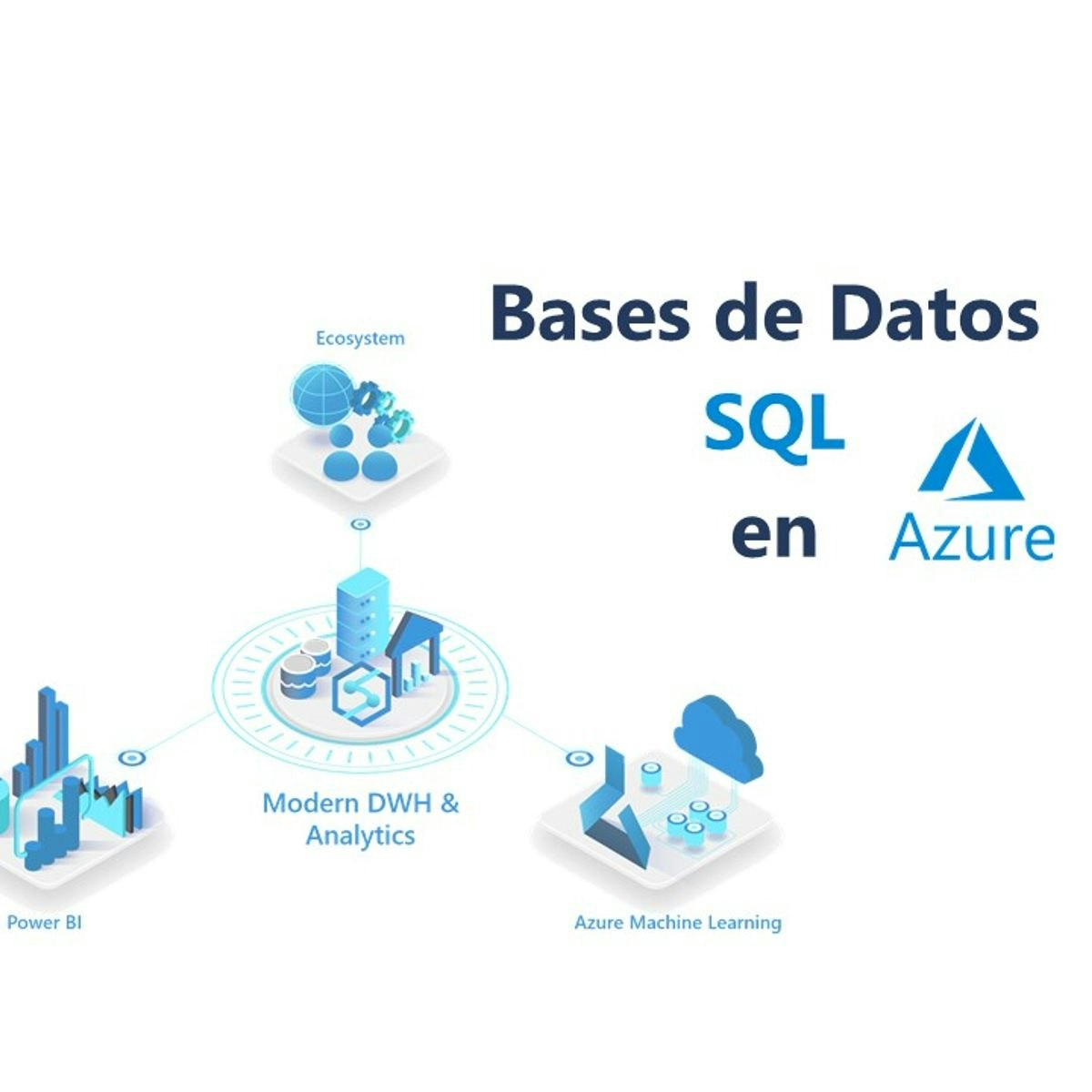
Este proyecto es un curso práctico y efectivo para aprender a utilizar las bases de datos SQL de Azure, desde cero. Aprenderás de manera práctica a crear y saber a cuando utilizar las BD de Azure SQL, los elastic pools, Managed Instance, etc. También aprenderás acerca de Azure Synapse Analytics.
Information Security
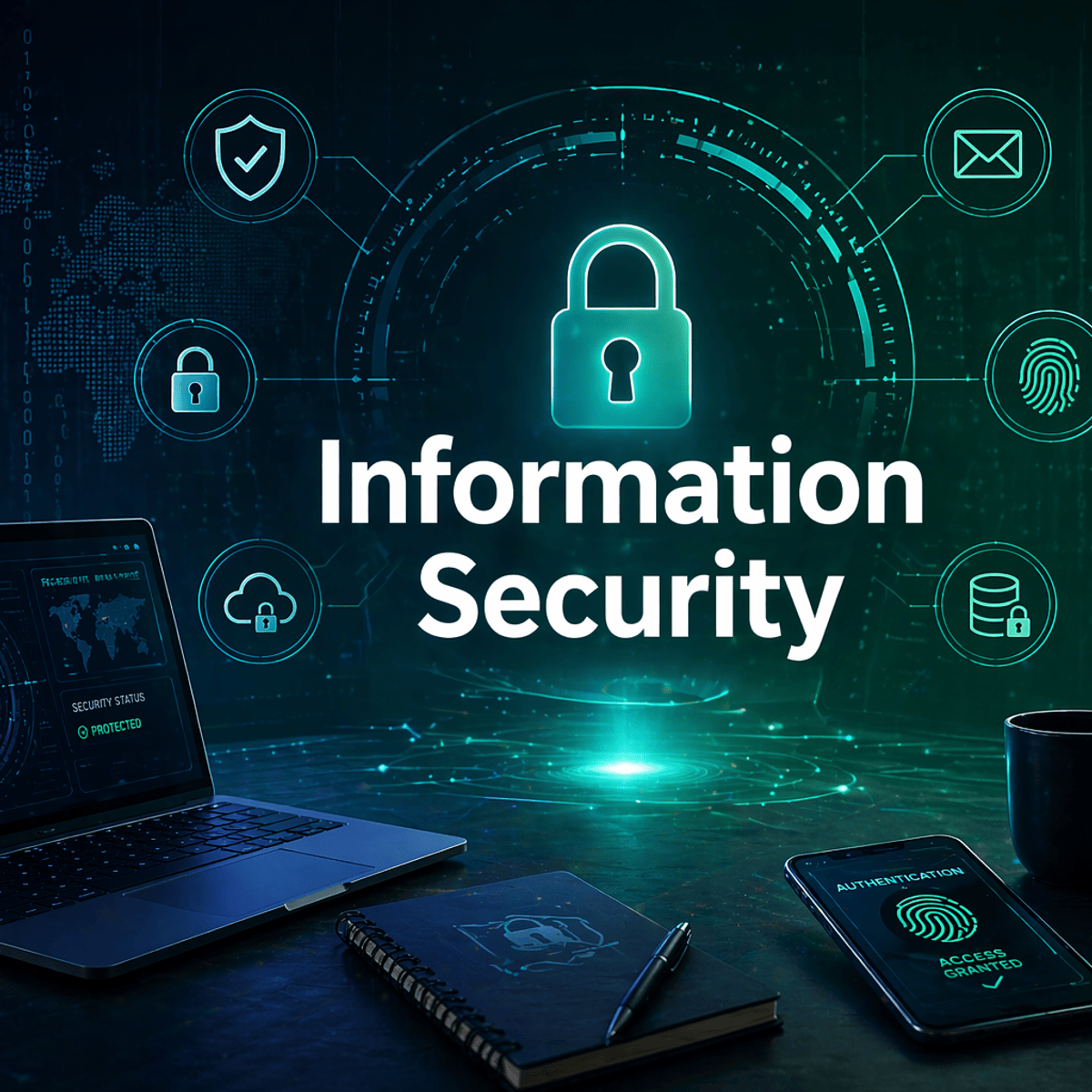
The course "Information Security" aims to prepare you for a deeper understanding and application of information security principles and practices essential for today’s digital landscape. In this course, you’ll be introduced to the fundamental concepts of securing information systems, program security, database integrity, operating system protections, cloud security, and privacy frameworks. You’ll learn about various types of security threats, vulnerabilities, and defences, as well as the legal and ethical dimensions of cybersecurity. The course covers a wide variety of topics, from program-level safeguards to physical security and auditing practices. These topics are designed to give you an overview of critical areas within the field, serving as a foundation for further specialisation and research in your degree program. Whether you're interested in secure software design, cloud infrastructure security, or the evolving challenges in privacy and anonymity, this course offers a comprehensive starting point to build your expertise in cybersecurity.

Foundations of Cybersecurity Operations
Cybersecurity is no longer limited to specialists; it's a core competency for anyone in IT or business operations. With global cybercrime costs projected to exceed $10.5 trillion by 2025, organizations cannot rely on outdated methods. This course equips you with a practical foundation in cybersecurity operations, focusing on real-world threats such as ransomware, phishing, insider risks, and data breaches. Through applied lessons, you'll explore the cybersecurity fundamentals that underpin modern defense, including the CIA triad, zero trust, and identity and access management (IAM). You'll also gain exposure to modern tools like SIEM and XDR for threat detection, and examine the structure and function of a Security Operations Center (SOC). By the end, you'll have the knowledge to understand cyber risks, strengthen defenses, and support secure decision-making. Whether you're aiming to enter a cybersecurity career or enhance your organization's security posture, this foundations of cybersecurity operations course provides the essential skills to get started.

Vector Databases: An Introduction with Chroma DB
Vector databases provide the solid foundation required by large language models to deliver AI-powered similarity searches and recommendation systems for e-commerce recommendations, cybersecurity fraud detection, medical diagnostics, bioinformatics research, and other complex analysis tasks. Begin learning how to take advantage of the efficiencies vector databases offer in this introductory course by IBM. In this introductory microcourse, you'll build your knowledge of vector database fundamentals and explore the importance of vector databases in today’s data management landscape. Then, dive into how vector databases differ from traditional databases and learn about vector database types and their uses. You’ll also gain hands-on experience setting up environments for vector database operations and performing day-to-day database tasks using Chroma DB. You will learn how to: • Set up environments for vector database operations. • Perform update, delete, and collection-related tasks. • Demonstrate vector database skills and implement similarity searches using real-world data sets. This microcourse is built to provide you with broad, foundational vector database knowledge. This course is for engineers, data scientists, machine learning engineers, DevOps engineers, AI Engineers, and others who work with or intend to build large language models (LLMS), generative AI applications, and related transformative technologies. Enroll today and learn how to take advantage of the efficiencies that vector databases offer!

Azure SQL Data Warehouse Synapse Analytics Service
Updated in May 2025. This course now features Coursera Coach! A smarter way to learn with interactive, real-time conversations that help you test your knowledge, challenge assumptions, and deepen your understanding as you progress through the course. Unlock the potential of cloud data warehousing with Azure Synapse Analytics. This course begins by introducing the core concepts of cloud-based warehousing, highlighting the advantages over traditional systems. You will gain insights into Synapse Analytics' unified approach to data, enabling you to manage SQL and Spark workloads with ease, all while streamlining analytics and reporting tasks. As you move through the course, you'll dive into practical applications, including demos on creating and managing dedicated SQL pools, integrating Spark for big data analysis, and leveraging serverless capabilities for efficient data processing. The course also covers the crucial aspects of cloud security, teaching you how to safeguard your data with tools like dynamic data masking and auditing. By exploring best practices in architecture, partitioning, and performance tuning, you'll understand how to optimize your data warehouse for enterprise-scale tasks. Finally, the course walks you through key data migration strategies, emphasizing the use of SSIS, PolyBase, and Data Factory. You’ll wrap up by exploring Azure’s monitoring and troubleshooting features, ensuring your Synapse deployment runs smoothly. This course not only equips you with essential technical skills but also prepares you to tackle real-world challenges in cloud-based data warehousing. This course is designed for data professionals, cloud engineers, and database administrators who are interested in building scalable, secure data warehouses using Azure Synapse Analytics. Prior knowledge of SQL and basic cloud computing concepts is recommended but not required.

Oracle RAC High Availability and Policy-Based Management
This course features Coursera Coach! A smarter way to learn with interactive, real-time conversations that help you test your knowledge, challenge assumptions, and deepen your understanding as you progress through the course. Gain the essential skills needed for Oracle RAC administration in this comprehensive course. Through detailed explanations and hands-on practice, you'll learn how to set up and manage Oracle 12C RAC databases, focusing on high availability and policy-based management. By the end of the course, you will understand the intricacies of Oracle RAC architecture, including its hardware and network configurations, and be capable of deploying and maintaining Oracle RAC systems in real-world environments. Starting with the fundamentals of Oracle RAC, you'll delve into its architecture, learning how to install, configure, and troubleshoot the Oracle RAC database. You'll also get hands-on practice with setting up Oracle RAC environments, configuring storage, and managing high availability. Additionally, the course covers topics such as backup and recovery, performance tuning, and monitoring to ensure your Oracle RAC system is optimized for peak performance. The course structure is designed to guide you through both theoretical and practical knowledge, with multiple practice exercises. Each module builds on the previous, culminating in comprehensive, real-world scenarios where you will work through the key skills necessary to manage and optimize Oracle RAC databases. This course is ideal for Oracle DBAs and IT professionals looking to expand their expertise in high-availability database management and Oracle RAC administration. Basic familiarity with database concepts and systems administration is recommended.

Docker Fundamentals - Understanding Containers and Images
Updated in May 2025. This course now features Coursera Coach! A smarter way to learn with interactive, real-time conversations that help you test your knowledge, challenge assumptions, and deepen your understanding as you progress through the course. In this comprehensive Docker course, you'll master the fundamentals of containerization, including how to create, manage, and deploy containers and Docker images. By the end of the course, you'll be able to understand the differences between containers and virtual machines, set up Docker on multiple platforms, manage containers using the Docker CLI, and build and optimize Docker images. You'll also learn how to containerize real-world applications like NGINX, Express, and React, giving you the hands-on experience needed for practical deployment. The course begins with an introduction to Docker and containers, explaining their core benefits and architecture. You'll also set up Docker on MacOS, Linux, and Windows, ensuring you're ready for real-world development environments. Play with Docker will also be explored for quick container experiments. By the end, you will have completed projects that involve building and deploying containerized applications, reinforcing your knowledge and confidence in Docker. This course is ideal for beginners with a basic understanding of software development. No prior experience with Docker is required.
Systems and Cybersecurity Fundamentals Part 1
This course is best suited for individuals who wish to develop expertise in cybersecurity fundamentals, including aspiring security professionals, IT administrators seeking to enhance their security knowledge, developers interested in secure systems design, and business professionals who need to understand cybersecurity risks and controls. Whether you're transitioning into cybersecurity or strengthening your existing technical foundation, this course provides essential knowledge for protecting digital assets and information systems.

Multimodal Use Cases with Gemini 1.5
This is a self-paced lab that takes place in the Google Cloud console. In this lab, you will learn how to use Gemini 1.5 Pro and Gemini 1.5 Flash LLMs for multimodal use cases.
Complex Retrieval Queries in MySQL Workbench
In this intermediate-level course you will use MySQL Workbench to expand your basic SQL query-writing skills with more complex examples and activities. In hands-on activities in MySQL Workbench, you will write and execute SQL queries that retrieve data from multiple tables. In addition, you will generate queries that summarize data and perform calculations. Nested queries and SQL scripting rounds out the course content. While the course concentrates on query writing, you also get a taste of the problem-solving and data analysis efforts required for complex query construction and query results verification. Note: This course works best for learners who are based in the North America region. We’re currently working on providing the same experience in other regions.

Ethical Hacking: Information Security, Cybersecurity, and Ethical Hacking
This course is covers information security and ethical hacking. You'll learn the core principles of cybersecurity, exploring the critical differences between information security and cybersecurity operations. Gain insights into the cyber kill chain and ethical hacking methodologies, and learn to navigate the complexities of security laws and standards. You will aquire skills to plan and scope penetration testing assessments effectively. By the end of this course, you will be prepared to apply ethical hacking practices to safeguard digital environments.

Gérer des charges de travail évolutives dans GKE
Ce cours explique comment moderniser, gérer et observer des applications à grande échelle à l'aide de Google Kubernetes Engine. Il s'appuie sur des présentations et des ateliers pratiques pour vous aider à explorer et à déployer des applications modernes à l'aide de Google Kubernetes Engine (GKE), de parcs GKE, de Cloud Service Mesh et de Config Controller, même lorsqu'elles sont réparties sur plusieurs clusters hébergés par différents fournisseurs.

Application Security Program Ignition Guide
This course features Coursera Coach! A smarter way to learn with interactive, real-time conversations that help you test your knowledge, challenge assumptions, and deepen your understanding as you progress through the course. In this course, you will gain a comprehensive understanding of application security, with practical insights into enhancing security measures and creating a robust program within your organization. From defining core concepts to addressing critical security challenges, you will learn how to protect applications from evolving threats and vulnerabilities. Key concepts like risk measurement, confidentiality, and adversary identification are explored in depth to empower you with the necessary tools to safeguard your software systems. As you progress, the course will take you through essential security components, including threat modeling, security analysis, penetration testing, and vulnerability management. You will also learn about DevOps integration, secure code releases, and decentralized application security. By the end of the course, you will understand how to build a resilient application security roadmap and measure its success through key performance indicators (KPIs), feedback, and security scorecards. This course is suitable for developers, security professionals, and anyone involved in securing software applications. Whether you are aiming to enhance your organization's security posture or looking to integrate more effective practices, this course will provide the knowledge needed to drive security improvements in any application development environment.

Data Privacy Fundamentals
This course is designed to introduce data privacy to a wide audience and help each participant see how data privacy has evolved as a compelling concern to public and private organizations as well as individuals. In this course, you will hear from legal and technical experts and practitioners who encounter data privacy issues daily. This course will review theories of data privacy as well as data privacy in the context of social media and artificial intelligence. It will also explore data privacy issues in journalism, surveillance, new technologies like facial recognition and biometrics. Completion of the course will enable the participant to be eligible for CPE credit.

Visualize the 10,000 Bitcoin Pizza Transaction Using BigQuery and AI Notebooks
This is a self-paced lab that takes place in the Google Cloud console. In this lab you will use an AI Platform Notebook instance to retrieve as many transactions as possible from BigQuery within 2 degrees of separation from the pizza exchange, post-process the transactions to remove excess transaction, then visualize the directed graph.

Sécurité informatique et dangers du numérique
Ce cours couvre une grande variété de concepts, d’outils et de meilleures pratiques en matière de sécurité informatique. Il présente les menaces et les attaques et les nombreuses façons dont elles peuvent se manifester. Nous allons vous présenter les algorithmes de cryptage et la manière dont ils sont utilisés pour protéger les données. Ensuite, nous nous plongerons dans les trois A de la sécurité de l’information : authentification, autorisation et comptabilité. Nous aborderons également les solutions de sécurité du réseau, allant des pare-feu aux options de cryptage Wi-Fi. Le cours se termine par la mise en commun de tous ces éléments dans une architecture de sécurité multicouche et approfondie, suivie de recommandations sur la manière d’intégrer une culture de la sécurité dans votre organisation ou votre équipe. À la fin de ce cours, vous serez capables de comprendre : ● le fonctionnement des différents algorithmes et techniques de cryptage, ainsi que leurs avantages et leurs limites ; ● divers systèmes et types d’authentification ; ● la différence entre l’authentification et l’autorisation ; ● comment évaluer les risques potentiels et recommander des moyens de réduire les risques ; ● les meilleures pratiques pour sécuriser un réseau ; ● comment aider les autres à appréhender les concepts de sécurité et à se protéger.

Data Connection and Functionalities in Power BI
This course focuses on building a solid foundation in connecting and managing data using MS SQL Server and Power BI. Learners will gain practical knowledge of how to structure, format, and integrate databases for effective analysis and reporting in Power BI. Key learning outcomes include: - Structuring relational databases with MS SQL Server for seamless Power BI integration - Establishing secure and optimized data connections - Managing, cleaning, and transforming datasets - Understanding query folding, DirectQuery vs. Import, and performance considerations Designed for aspiring data analysts, business intelligence professionals, and database practitioners, this course supports the development of job-ready Power BI skills focused on enterprise-scale data workflows. Basic knowledge of databases is recommended but not mandatory. Join us on this journey to enhance your Power BI and MS SQL Server skills and elevate your analytical and design capabilities.

Using Cloud Trace on Kubernetes Engine
This is a self-paced lab that takes place in the Google Cloud console. This lab deployings a Kubernetes Engine cluster, then a simple web application fronted by a load balancer is deployed to the cluster. The web app publishes messages provided by the user to a Cloud Pub/Sub topic. You will see the correlated telemetry data from HTTP requests to the app will be available in the Cloud Trace Console.

Using APIs in Research
This practical course takes you through the process of selecting an appropriate API, using a client to collect data, and preprocessing data ahead of analysis. Knowledge of languages isn’t required, but additional activities are provided if you’re proficient in Python or R.

在 Google Cloud 上将应用与 Gemini 集成
"这一简短的课程将介绍如何在 Google Cloud 上将应用与 Gemini 集成,可帮助您探索 Gemini API 及其生成式 AI 模型。此课程会教您如何通过代码访问 Gemini 模型。课程会安排您在应用中使用文本、图片和视频提示来测试这些模型的功能。

Implement Jenkins CI/CD Pipelines for Real-World Deployment
Learners will gain the ability to configure Jenkins, automate build and deployment pipelines, integrate industry-standard DevOps tools, and execute an end-to-end CI/CD project aligned with real-world practices. This course provides a hands-on, project-driven approach to mastering Jenkins for continuous integration and continuous delivery. Learners progress from understanding Jenkins fundamentals and configuration to implementing a complete deployment pipeline using a structured case study. The course emphasizes practical execution—covering user management, job configuration, build validation, deployment preparation, and production-ready integrations with application servers, version control systems, build tools, and code quality platforms. By completing this course, learners will develop job-ready skills to design, configure, and manage automated CI/CD workflows that mirror real enterprise environments. The end-to-end project focus ensures learners not only understand Jenkins concepts but can confidently apply them to real applications. What makes this course unique is its full lifecycle coverage—from Jenkins setup to final deployment—delivered through a single, cohesive project rather than isolated demos. This practical depth makes the course ideal for learners aiming to strengthen DevOps automation expertise and advance into CI/CD-focused roles.

Ingesting HL7v2 Data with the Healthcare API
This is a self-paced lab that takes place in the Google Cloud console. In this lab you will discover and use the basic functionality of Cloud Healthcare API using HL7v2 messages.

Implement Cloud Next Generation Firewall
This training course, the third course in the Configure Next Generation Firewall Series, shows you how to secure your VPC infrastructure using Cloud Next Generation Firewall (NGFW). Learn how to implement hierarchical and network policies, scope firewall rules, and configure intrusion detection and prevention to counter threats.

HDFS Architecture and Programming
The course “HDFS Architecture and Programming” offers a comprehensive understanding of the Hadoop Distributed File System (HDFS) architecture, components, and advanced programming techniques. You will gain practical experience in setting up and configuring Hadoop for Java development, while mastering key concepts such as file and directory CRUD operations, data compression, and serialization. By the end of the course, you will be proficient in using HDFS to handle large-scale data processing, enabling you to build scalable, high-availability solutions. What sets this course apart is its hands-on approach, where you will work directly with HDFS, writing client programs and applying advanced techniques such as using Sequence and Map Files for specialized data storage. Whether you're new to Hadoop or looking to refine your existing skills, this course equips you with the tools and knowledge to become proficient in HDFS programming, making you a valuable asset in the field of Big Data.
Fundamentals of Red Hat Enterprise Linux
This course will provide you with a basic introduction to Linux® skills using Red Hat® Enterprise Linux 9. It will show you how a Linux system is organized and will demonstrate introductory system administration tasks. The course highlights the significance of Linux and the open source development framework in the current IT landscape. Linux systems are omnipresent, powering the internet, retail point-of-sale setups, global stock exchanges, and more. You'll find Linux at the heart of smart TVs, airplane entertainment setups, and the majority of leading supercomputers worldwide. Learning Linux offers numerous advantages. In the IT sector, proficiency in Linux is highly sought after. Whether you're an app developer, working with cloud-based solutions, engaged in mobile or edge computing projects, or dealing with Windows systems requiring Linux interoperability, Linux knowledge is crucial. Upon completing this course, participants will have a foundational understanding of operating Linux through the command line, with Red Hat Enterprise Linux 9 serving as the basis. These skills are vital for carrying out basic operational tasks, whether on a local Linux machine or a remote system accessed via the Internet.
Orchestrate & Recover Real-Time Data Pipelines
Building a data pipeline is easy. Building one that automatically recovers from failures, maintains data integrity during outages, and runs reliably in production—that's what separates junior engineers from platform architects. This course teaches you to design self-healing pipelines with automated recovery, fault tolerance, and disaster recovery built in from day one. You'll learn to build and schedule streaming workflows using modern orchestrators like Airflow and Prefect, implement reliability patterns including idempotence, checkpointing, and dead-letter queues for exactly-once-ish processing, and design multi-region recovery strategies that keep data flowing during regional failures. Through hands-on labs and real-world examples from Airbnb, LinkedIn, Netflix, and Uber, you'll master the orchestration and recovery techniques that turn fragile scripts into production-grade infrastructure. Learn to handle automated retries, run safe backfills, implement checkpoint-based recovery, and execute disaster recovery playbooks that restore pipelines after outages. Engineers who build or maintain real-time data pipelines and need stronger orchestration, reliability, and recovery skills. Basics of Python & SQL, Linux CLI, and Kafka fundamentals. Cloud account helpful but optional. By the end of the course, learners will be able to design, orchestrate, and recover real-time data pipelines that run reliably at production scale.

Oracle RAC Advanced Operations and Deployment Scenarios
This course features Coursera Coach! A smarter way to learn with interactive, real-time conversations that help you test your knowledge, challenge assumptions, and deepen your understanding as you progress through the course. This advanced course on Oracle RAC (Real Application Clusters) offers in-depth knowledge on managing and deploying Oracle RAC in diverse operational scenarios. You will gain insights into Oracle Flex Clusters, node management, Data Guard configurations, and how to handle both installation and removal of nodes in a RAC setup, all while ensuring high availability and scalability. By completing this course, you’ll be equipped with the skills needed to handle complex RAC environments with confidence. Throughout the course, you'll start by exploring the architecture and benefits of Oracle Flex Clusters, before learning step-by-step procedures for adding and deleting nodes from an Oracle RAC. You will also get hands-on experience with Oracle 12c and 19c, learning to configure Data Guard and create physical standby RAC databases, which are crucial for disaster recovery. Through guided practice sessions, you’ll be able to perform these tasks in real-world scenarios. As you progress, you’ll dive into advanced topics such as Oracle RAC 19c environment preparation, installation, database creation, and troubleshooting. Emphasis is placed on practical, executable actions, such as adding nodes online without downtime, managing software homes, and ensuring correct database configurations. The course is designed to make you an expert in handling all stages of Oracle RAC lifecycle management. This course is designed for database administrators and IT professionals who have a foundational understanding of Oracle RAC and wish to deepen their expertise in advanced operations and deployment scenarios. It’s ideal for those looking to enhance their skills in managing Oracle RAC clusters and related technologies. Some familiarity with Oracle RAC or database management systems is required.