Cursos de Desarrollo
Los mismos datos para todos, vengan de Udemy o de Coursera: precio, valoración, duración e idioma. 1.285 cursos encontrados. Afinar la búsqueda

Troubleshooting Backend Systems
I used to think that performance of the backend depends on the application logic itself. However, there are many other factors that play a role in overall quality and performance of the application. Networking, connection establishment, security, backend communication, protocol serialization, intermediaries and much more. Often debugging the app if you have the source code allows the developer to zone in to the problem and identify it, However most of the time as an engineer you either don’t have access to the source code or its time consuming to debug a complex app. That is why in this course I present you with some tools I use to analyze the backend application performance and provide a good guess and what might be the problem without stepping in the code. Often known as black box testing. If your application is a web application that is consumable through a browser, devtools allow us to pretty much inspect all traffic going out from the app and can tell us so much about the app. If the app is not available in the browser we will then demonstrate MITM proxy which is a proxy that intercepts HTTP traffic and log it, this way we can inspect requests and see which of those are the culprit. Finally, if the app uses a protocol that isn’t HTTP intercepting it with a proxy becomes little tricky, so we will use both tcpdump and Wireshark to capture low level packets and see our requests this way. This course is designed for developers and engineers who have built backend and frontend applications and would like to take their skills further. This course is intermediate to advanced and it is recommended that students have a background in networking and backend fundamentals both of which I have courses for.

Full-stack Development with Django: Managing Migrations
Within this 2-hour long guided project you will learn how to develop a fullstack web application using Django framework. The focus of this Django course resides in dealing with the django migrations which defines the database structure, having a more intensive part in the backend rather thant the templates frontend. Your mission is to create a proof of concept for a new investment product which will be easily understood by non-investors. This bot monitors the exchange rates between two currencies and automatically performs a currency exchange transaction when the rate is favorable by a certain small threshold, mimicking the operations of traditional currency exchange companies. You have been assigned to develop a proof of concept project based on this idea. The initiative's success hinges on your pace of development. This opportunity places you in a key role, potentially making you a standout figure for this new minimal viable product. To create this minimal viable product, you will set up a Django project with the admin UI enabled, create Django migrations (including an empty migration with data to be inserted), roll back buggy migrations, and render a dashboard to display the current balance status of your portfolio. After completing this guided project, you will have set up a Django project from scratch, gaining backend knowledge about how to handle real-life data structure iterations. Furthermore, you will have an MVP of a trading bot that you can use for your own investments. To get the most out of this course, some experience with Python, relational databases, and HTML is recommended.

The Modern Python 3 Bootcamp
Updated to include SQL + Python! Welcome to the Modern Python 3 Bootcamp! I've launched my fair share of Udemy courses, but I've never done anything quite this crazy. This course is a unique experience on Udemy. There are dozens of existing Python courses you can choose from, but this course is the only one that has nearly 200 interactive challenges you can complete right here in your browser. I didn't just tack on a couple of exercises at the end; this course is fully built around the coding exercises. This course is all about getting you writing code ASAP, rather than sitting back watching a bunch of videos. In development, I referred to this course as a hybrid between a typical Udemy course and an interactive Codecademy-style course. You get over 25 hours of in-depth videos and my dumb jokes along with meticulously created exercises and quizzes to test your knowledge as you go. Many of the older Python courses still focus on Python 2. This course is all about writing the most modern, up-to-date Python code, so Python 3 was the obvious choice. The course covers all the latest additions and changes to the Python language. The course also places a large emphasis on thinking like a Python developer, and writing code the "Pythonic" way. As for the curriculum, This course teaches all the key topics covered by other Python courses, but also covers more advanced topics like web scraping, crawling, and testing, just to name a few. Please feel free to explore the curriculum and watch some of the free preview videos! Python is consistently ranked in either first or second place as the most in-demand programming languages across the job market. It has applications in data science, machine learning, web development, self-driving cars, automation, and many many other disciplines. There has never been a better time to learn it! I'm spent years teaching people to program at in-person bootcamps in the San Francisco Bay Area. In recent years, I've started bringing my methods from the classroom to the online world. In my first year teaching online, I was selected as the Best Newcomer Instructor in the Udemy Instructor Awards 2015. I'm passionate about making the best possible online learning experiences that mirror my in-person courses. If you want to take ONE COURSE to master Python take this course.

Linux Shell Scripting: Build, Automate & Troubleshoot
Build a strong foundation in Linux shell scripting and develop the practical skills needed to automate tasks, troubleshoot scripts, and create reliable command-line solutions. This course guides you from essential Linux commands and shell scripting fundamentals to advanced techniques, including control flow, substitutions, redirections, reusable functions, and debugging. You will begin by learning core concepts such as Linux commands, special variables, the VI editor, operators, arrays, and decision-making statements. As you progress, you will explore loops, nested control structures, command and parameter substitutions, input/output redirection, quoting rules, arithmetic operations, command-line options, and script troubleshooting. Every topic is reinforced through hands-on examples and practical scripting scenarios that help you apply concepts with confidence. Designed for beginners as well as learners looking to strengthen their Linux scripting skills, this course provides a structured, step-by-step learning path to writing efficient, maintainable, and professional-grade shell scripts. By the end of the course, you will be able to create executable shell scripts, automate repetitive tasks, optimize workflows, implement reusable functions, and troubleshoot scripts effectively. If you want practical Linux shell scripting experience that prepares you for real-world automation and system administration tasks, this course provides the knowledge and hands-on practice to help you succeed.

Python PCAP: Pass Certified Associate in Python Programming
The only Python PCAP course that combines hands-on learning in Jupyter Notebook with a 6-month free PyCharm Pro license — in collaboration with JetBrains. --- Welcome! My name's Adrian and I'm a professional Software Developer. If you already know basic Python and want to take another step with your skills, then you've just found an excellent course for that! Along the way, you will also create three practical Python programs! According to statistics, Python is in the top 3 programming languages all around the world. It is much easier and quicker to learn that most other languages. At the same time, it's extremely popular among software developers, data analysts and other IT professions. All of this makes it an excellent choice for your first programming language. COURSE OVERVIEW In this course, you'll learn intermediate-level Python 3 and you'll get prepared for the Certified Associate in Python Programming exam (PCAP). You will need basic Python skills (entry-level PCEP exam knowledge) to start this course. I'll show you how to install Python and all the necessary tools. You will code along with me andhave a chance to write three practical programs to practice your skills. There are 5 exam blocks when you sit the PCAP exam. Consequently, this course has 5 main modules, each one focusing on a different exam block. At the end of each module, you'll have a chance to solve an exam quiz to check your skills. This course also comes with a mock PCAP exam at the very end. It will have the same format as your actual exam, with the same passing grade and time limit. It will show you what kinds of questions you can expect. COURSE ADVANTAGES • Concise and effective – No fluff or filler. Just 5.5 hours of focused, hands-on video lessons that get you writing real Python code fast, from a real software engineer. • Based on real-world practice – You’ll learn practical programming habits and workflows used by professional developers — not just exam theory. • Reasonably priced – Get a complete exam prep and coding foundation at a fraction of the cost of traditional bootcamps. • Official certificate of completion – Showcase your achievement with a printable Udemy certificate to strengthen your resume or LinkedIn profile. • Bonus for students – In collaboration with JetBrains, every student receives 6 months of free PyCharm Professional access, a professional-grade Python IDE used by developers worldwide.
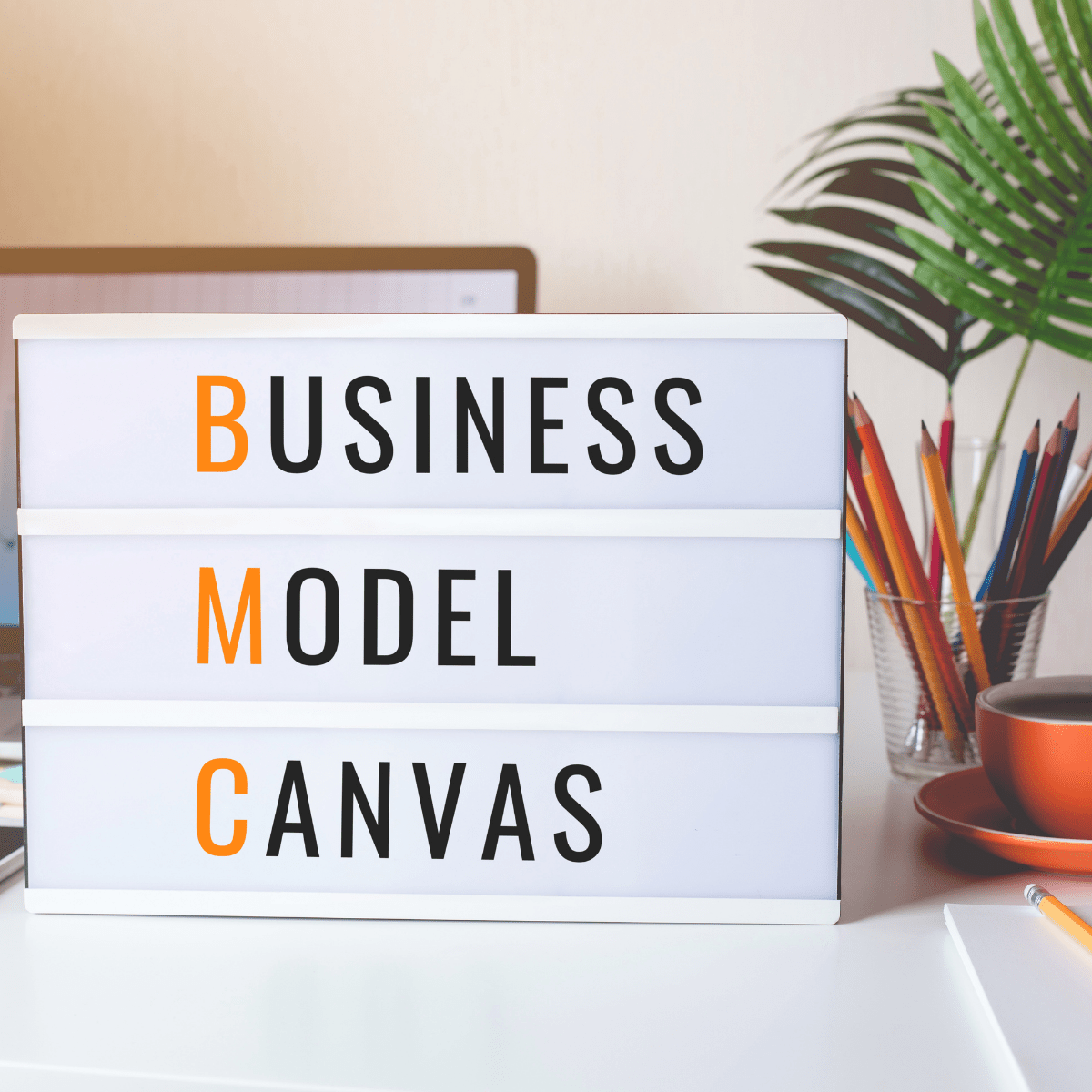
Créer un Business Model Canvas avec Miro
Ce projet vous permet de réaliser un Business Model Canvas avec la plateforme Miro, outil en ligne de création de visuels graphiques professionnels et de travail collaboratif à distance. Vous comprendrez les diverses fonctionnalités de la plateforme et vous aurez toutes les compétences de base pour créer un Business Model Canvas ou modèle économique pour votre projet en toute simplicité. Vous apprendrez à utiliser Miro pour construire facilement votre Business Model Canvas appelé aussi modèle économique et serez capable de le présenter avec clarté. Ce projet est destiné aux personnes souhaitant développer leur projet professionnel.

Android MVVM Architecture complete course
One of the most common questions I get asked while teaching Android Development is "What is MVVM and how do I use it?" This is a fundamental concept in Android Architectures, and this course addresses that question. Here we will start from scratch, and discuss what is MVVM and why use it. We will see the components that need to go into this architecture and we will see how they fit together to provide an easy way to implement a healthy application. That is, an application that is scalable, maintainable, easy to understand and easy to test. We will look at MVVM, ViewModels, LiveData, contexts, Transformations, Mediators and a lot more. We will implement all these concepts in practice in several Android applications, to give you a clear understanding of how to use them. Finally, we will also discuss best practices, patterns and anti patterns. There are a lot of gotchas around MVVM and in this course we will learn how to avoid them. This course is a complete discussion around the topic of MVVM and Android Architectures. It is the architecture supported and recommended by Google. There is no need to search through incomplete online tutorials or youtube videos. This course is all you need to get a deep understanding of the architecture, as well as practical knowledge of how to use it. So sign up today and let's start learning to build MVVM in our apps.

Leveraging Llama2 for Advanced AI Solutions
The focus of this course is to equip learners with the skills and knowledge to design, develop, and optimize advanced large language model (LLM) solutions using LLama2. Topics covered will include a comprehensive understanding of LLM architectures, techniques for fine-tuning LLMs, retrieval-augmented generation (RAG), and the utilization of tools like Ollama, LangChain, Streamlit, and Hugging Face. This course will be exciting for learners as it delves into cutting-edge advancements in AI, offering hands-on experience with state-of-the-art tools and techniques. A key highlight of the course is building two different implementations of a solution that consumes the original LLama2 paper published by Meta, enabling Q&A interactions with the AI about the paper. This hands-on project not only provides practical experience but also demonstrates the benefits of using LLama2 for deep understanding and knowledge extraction from complex documents. This course targets Software Engineers, Machine Learning Engineers, Data Scientists, and Engineering Managers. Participants will gain insights into leveraging Llama2 for advanced AI solutions. Software Engineers will deepen their understanding of LLM architectures, Machine Learning Engineers will enhance model optimization skills, Data Scientists will explore innovative applications, and Engineering Managers will learn to lead AI-driven projects effectively. Participants should have a beginner-level knowledge of Python and accounts on GitHub and Hugging Face for hands-on projects. A minimum hardware setup of 8 GB RAM and 3.8 GB of free storage is required, and the course is compatible with macOS or Windows operating systems. By the end of this course, participants will be able to evaluate large language models (LLMs) and understand the solution development process. They will analyze use cases to identify optimal architectures and optimization techniques, apply and compare various optimization methods, and design advanced LLM solutions using Llama2, equipping them to create sophisticated AI applications.

Learn HTML and CSS in 7 Days: Build Responsive Websites
Are you ready to build clean, responsive websites with HTML and CSS? Welcome to the 7-Day Web Developer Bootcamp. In this beginner-friendly course, you will learn the fundamentals of HTML, CSS, and Responsive Web Design step by step. More importantly, you will use what you learn by building practical projects along the way. Start Your Web Development Journey Here HTML and CSS are the foundation of every website. If you want to get into web development, this course is the perfect place to start. You do not need any prior coding experience. We begin from zero and guide you through the most important concepts in a clear, structured, and practical way. Learn by Doing This course is built around active learning. You will practice with coding exercises, quizzes, mini-projects, and complete website projects, so you do not just watch tutorials. You actually build websites. Course Structure We start with HTML, so absolute beginners can understand how websites are structured and create their first web pages. After that, the main focus is CSS. You will learn how to style websites, work with spacing, colors, typography, layouts, and understand how browsers interpret your CSS code. One of the most important parts of the course is Responsive Web Design. You will learn Flexbox and CSS Grid to create layouts that work on different screen sizes and real-world projects. Course Features • 7+ hours of animated video explanations • Mini-projects in every section • Quizzes and coding exercises for reinforcement • Source code available for every lesson • 2 complete website projects • Responsive Web Design with Flexbox and Grid Why Choose This Course? We value your time. That is why this course is direct, practical, and focused on the skills you actually need as a beginner web developer. Every lesson is: • structured and to the point • beginner-friendly • practical and project-based • up-to-date and relevant • focused on real web development About Us We are Fabian and Pavel from Berlin. As freelance developers, we specialize in building full-stack web applications for real clients. Our teaching style on the Coding2GO YouTube channel has helped more than 250,000 web developers worldwide learn modern web development concepts. This course gives you a more complete and structured learning experience than short YouTube videos, with full explanations, exercises, projects, and source code included. Frequently Asked Questions Do I need any prior knowledge? No. This course is made for absolute beginners. You will learn everything step by step. What tools or software are required? You only need a computer with internet access. We will guide you through setting up the necessary free tools. What if I need more than 7 days? No problem. You get lifetime access to the course and can come back any time. Enroll now and build your first responsive websites with HTML and CSS.

An Introduction to Cryptography
Cryptography is an essential part of secure but accessible communication that's critical for our everyday life and organisations use it to protect their privacy and keep their conversations and data confidential. This course provides a comprehensive introduction to the fascinating world of cryptography, covering both historical cyphers and modern-day cryptographic techniques. In this course, you will explore the foundations of encryption, decryption, and cryptographic protocols. Through a combination of theoretical concepts, practical examples, and hands-on exercises, you will gain a solid understanding of the principles and applications of cryptography. Join this fascinating course to explore the world of cryptography and learn how secrets have been kept in the past and the modern world. This course is one of many, offered by Click Start, a UK training programme designed to help young people develop digital skills. Click Start offers a limited number of scholarships giving free access to young people in the UK. Check the FAQs to see more detail and follow the link to check if you are eligible for free access today.

Animating in Unreal Engine
In this course you will learn how to animate characters in Unreal Engine 5. We begin with the basics of animating within the engine, and then build up your skillset with various tools and techniques. You will explore different workflows as well as seeing full animation processes in action, which you can follow along with, or passively watch to absorb the information and apply to your own project. This course is suitable for any recent Unreal Engine 5 version, and will include further updates for 5.6+ specific features. Throughout the course you will be shown the important tools for character animation, with tricks and tips along the way. This isn't just a list of features, which could be overwhelming, but is instead a gradual build-up of techniques where you will be shown how they can be used in different workflows. You will not only pick up the specifics of animating in Unreal Engine's Sequencer, but you will learn the fundamentals of character animation. Included is a weapon model I have created for the course, where you will be shown the process of rigging it to be ready for animation. You will then be shown how to animate it alongside the character. This method/approach can be applied to any character or weapon model. We also cover creating walk cycles and I share my formulaic approach for taking out any guess-work or estimation, freeing you to create the style of animation you need without having to worry about cycle times, distances, loop length and so on. The examples shown in the course feature the UE5 mannequin for demonstration purposes and mainly focus on more realistic human character movement examples, but the principles taught can be applied to any style of character and any style of animation. Animation takes time and practice, but this course should get you up to speed with all of the most important tools and how to navigate the interface, as well as many tips and tricks for character animation.

Introduction to Architecting Smart IoT Devices
Architecting smart IoT (Internet of Things) devices involves designing and developing interconnected devices that can collect and exchange data over the internet to perform various functions and tasks. These devices are equipped with sensors, microcontrollers, communication modules, and software, allowing them to interact with the physical world and communicate with other devices or central systems. What will you learn? Embedded Systems are so ubiquitous that some of us take them for granted: we find them in smartphones, GPS systems, airplanes, and so on. But have you ever wondered how these devices actually work? If so, you're in the right place! In this course, you'll learn about the characteristics of embedded systems: the possibilities, dangers, complications, and recipes for success. We'll discuss all of this in the framework of a flourishing embedded systems field: the Internet of Things, where billions of intercommunicating devices could enable unprecedented, innovative products and services. If you'd like to learn how to create similarly innovative products, then this is the course for you! At the end of the course, you'll be able to: - make the right choice for your own project when it comes to the target market, parallel executions, time, and the lifecycle of your system - hack, avoid failure and promote success - decide whether to buy or to build components - how to assemble a good team - install case tools - learn how to work with SysML

JavaScript Unit Testing - The Practical Guide
Automated testing is a key concept in modern (web) development. It is a concept that can be intimidating at first, hence many developers shy away from diving into testing and adding tests to their projects. This course teaches you automated unit & integration testing with JavaScript from the ground up. You will learn how tests are written and added to your projects, what should (and should not) be tested and how you can test both simple as well as more complex code. You will learn about the software and setup required to write automated tests and example projects will be provided as part of the course. It's a hands-on, practical course, hence you won't get stuck in theory - instead you'll be able to learn all key concepts at real examples. In the course, Vitest will be used as the main testing library & tool. It's a modern JavaScript test runner and assertion library that provides Jest compatibility. Hence what you'll learn in this course will help you no matter if you're working with Vitest or Jest. And the core concepts will apply, no matter which testing setup you're using at all! As part of this course, typical testing problems will be defined and solved and common strategies like mocking or working with spies are taught in great detail. This course also does not focus on specific types of JavaScript projects - neither does it focus on any specific library or framework. Instead, you'll learn how to automatically test your (vanilla) JavaScript code, no matter if it's a NodeJS or frontend project. The fundamentals you'll gain in this course will help you in all your future projects - backend (NodeJS) and frontend (vanilla JS, React, Vue, Angular) alike. This course will provide you with an extremely solid foundation to build up on, such that you can start adding tests to all your JavaScript projects. In detail, this course will teach you: • What exactly "testing" or "automated testing" is (and why you need it) • What "unit testing" is specifically • Which tools you need to enable automated unit tests in your projects • How to write unit tests • How to get started with integration tests • How to formulate different expectations (assertions) • Which patterns to follow when writing tests • How to test asynchronous and synchronous code • How to deal with side effects with help of spies & mocks • How to apply all these concepts in real projects & examples

Git and GitHub Masterclass - The Practical Bootcamp
This course features Coursera Coach! A smarter way to learn with interactive, real-time conversations that help you test your knowledge, challenge assumptions, and deepen your understanding as you progress through the course. In this course, you will master Git and GitHub, two essential tools for version control and collaboration. You’ll start by understanding the basics of Git, including setup, configuration, and core commands, before diving into more advanced topics like merge conflicts, rebasing, and pull requests. You'll gain practical experience pushing changes, creating branches, and collaborating on open-source projects. Throughout the course, you will be guided through Git's essential commands and lifecycle, learning how to manage your code efficiently. We will also cover real-world workflows, demonstrating how to work in teams using GitHub for version control, making you industry-ready for software development and collaboration. This course is ideal for software developers, aspiring developers, or anyone looking to learn about Git and GitHub. Prior programming knowledge is not necessary, but some familiarity with version control will be helpful. This course is suitable for beginners looking to dive into the world of Git and GitHub. By the end of the course, you will be able to use Git to manage your projects, work with GitHub repositories, resolve merge conflicts, and contribute to open-source projects confidently.

SQL Server Administration Part 3
This SQL Server Administration Part 3 course is designed for the student who has already taken or is taking Part 1 and Part 2, which are prerequisite courses. This course will cover High Availability solutions such as log shipping, database mirroring, replication, peer to peer replication and always on availability group technologies. Upon completing this course, the student will be well versed in configuring, managing, and monitoring virtually all tasks that a SQL SBA does in his daily, weekly and monthly duties. The materials that the student will need such as documents and SQL scripts will be provided via a zip file that the student requests via email. Upon completion of this course, the student will have the training, education and knowledge that a college provides in their courses about SQL Server Administration.
CSC: Software Security Essentials
This course will be useful to programmers and cybersecurity practitioners who are looking to improve their skills and knowledge of secure software development. You will begin by identifying security requirements and expectations, factors that undermine software security, and common vulnerabilities in software. Then, you'll eliminate those vulnerabilities, which are due to either software defects, human factors, or process shortcomings. You'll also apply general principles for secure design and design software to counter specific threats. This is the first course in a multi-course Specialization. All of the courses in this Specialization require that you run free versions of Python, PyCharm, and Node.js on a Windows system. The course setup instructions provided in the first module of this course go into more detail about the hardware and software requirements.

Unity Turn-Based Strategy Game: Intermediate C# Coding
Are you looking to level up your game development skills and take your projects to the next level? Do you like games like XCOM2 or Final Fantasy Tactics? In this course, you’ll take your skills from beginner to advanced, learn to manage and organise a complex project. You’ll create a custom Grid System and learn advanced Programming concepts, such as; C# generics, C# events, and custom structs. Plus A* Pathfinding! Even if you’re not interested in turn-based strategy games, these skills are transferable to other types of games. You’ll create turn-based gameplay with multiple Units, along with grid-based movement and logic. You’ll also add enemy AI and with all the actions you create, you’ll be writing good high quality code. • Writing reusable and easily extendable code • Learn to organise a complex project • Separate gameplay logic from animation and visual components • Learn to write clean code, how to keep all systems decoupled You’ll need to be familiar with the Unity editor, and have a basic to intermediate knowledge of C#. If you’ve taken any of our Unity courses (or the equivalent) you’ll be good to go. You’ll get full lifetime access for a single one-off fee. The creators are qualified and experienced coders, so are able to explain complex concepts clearly, as well as entertain along the way. We’re thrilled to have teamed up with Code Monkey to bring you this course. All students have access to the Q&A forums where our Instructors, Teaching Assistants and Community are ready to help answer your questions and cheer on your success. Ready to create your own Turn-Based Strategy game? Come join the course now!

Visualización de Datos - Gestión Empresarial
La visualización de datos surge como una poderosa herramienta que transforma los datos sin procesar en representaciones significativas y visualmente convincentes. La visualización de datos también mejora la comunicación y la colaboración dentro de las organizaciones. Las representaciones visuales de datos facilitan el intercambio de conocimientos y hallazgos entre los equipos y departamentos. En lugar de revisar páginas de hojas de cálculo o informes, las partes interesadas pueden interpretar y analizar la información sin ningún esfuerzo cuando se presenta visualmente. Esto promueve una comprensión compartida y alinea a los equipos hacia los mismos objetivos comunes, lo que, en última instancia, fomenta una colaboración más eficaz y eficiente. Podemos concluir que la visualización de datos permite a las organizaciones identificar información procesable e impulsar fuertemente a la innovación. Al visualizar los datos de diferentes maneras, los patrones y los valores atípicos se pueden detectar fácilmente, situaciones lo que lleva a nuevos descubrimientos y oportunidades valiosas. Las herramientas de visualización también admiten la exploración interactiva, lo que permite a los usuarios profundizar en puntos de datos específicos o filtrar información según sus criterios de interés. Esta flexibilidad permite a las organizaciones descubrir relaciones ocultas, descubrir nuevas tendencias y hacer predicciones informadas, lo que lleva a la innovación y la ventaja competitiva. En este curso de Visualización de datos – impacto en la gestión empresarial aprenderás sobre las 3 herramientas que se han colocado en la preferencia de las organizaciones cuando se busca obtener información significativa de los grandes volúmenes de datos en constante aumento que las organizaciones están teniendo. Lo que te permitirá aprovechar los datos para tomar decisiones de manera efectiva y mantenerte a la vanguardia en el panorama actual basado en los datos y sus analíticas. Ten presente que la visualización de datos ayuda a contar historias seleccionando los datos en una forma más fácil de entender, destacando las tendencias y los valores atípicos. Una buena visualización cuenta una historia, eliminando el ruido de los datos y resaltando la información útil. La visualización eficaz de datos es un delicado equilibrio entre forma y función. Recuerda que los datos y los elementos visuales deben trabajar juntos, y que hay algo de arte en combinar un gran análisis con una gran narración.

Make Online Games Using Unity's Multiplayer Framework
Ever wanted to make your very own multiplayer games? The free Unity Game Engine is making the process easier than it has been with its Netcode For GameObjects (NGO) framework. In this course we'll create a multiplayer top-down shooter that you can modify and turn into your own fun creation and play against 20 or more people simultaneously online. In the process you'll learn how to create and deploy a dedicated server with matchmaking. We’ll be making a .io style game (like slither .io and agar .io), that can accommodate dozens of players. Through that process you’ll build the skills to make your own competitive or cooperative multiplayer game in any genre that interests you. You’ll learn about networking and how to make the game a multiplayer. You’ll start building the core gameplay, making your tanks move, shoot, collect coins etc. Later you’ll add polish and more advanced features like leaderboards, mini maps and bounties. You’ll take your game online using UGS (Unity Gaming Services) so players can connect over the internet without the need to port forward. Finally you’ll learn how to make your game deployable as a dedicated server, so none of the players have to host the game. And you’ll learn to integrate matchmaking, so players can queue up, be matched together and a server spun up for them to play on. You’ll get full lifetime access for a single one-off fee. The creators are qualified and experienced with modelling and coding, so are able to explain complex concepts clearly, as well as entertain along the way. All students have access to the Q&A where our Instructors, Teaching Assistants and Community are ready to help answer your questions and cheer on your success. Jump in and start creating your own multiplayer game now. You’ll be playing it with your friends in no time!
Mastering Swift 6
This course delves into the advanced features and capabilities of Swift, focusing on its evolution and the tools developers need to create modern, efficient applications. Swift has become one of the leading languages for iOS and macOS development, and mastering its key concepts is critical for anyone looking to stay at the forefront of app development. You will learn how to leverage closures, protocols, and generics to build highly reusable and flexible code. The course also covers advanced memory management, structured concurrency, and error handling techniques that are crucial for developing performant and error-free applications. What sets this course apart is its blend of theoretical concepts with real-world examples. You'll see how these advanced topics are applied in the development of real Swift applications, preparing you for any challenges you might face in production-level coding. This course is ideal for intermediate to advanced Swift developers looking to deepen their knowledge. A strong understanding of Swift basics is recommended, but the course will guide you through advanced topics.

Master Langchain v1 and Ollama - Chatbot, RAG and AI Agents
2026 Upgrade: Course completely re-recorded with LangChain v1 and LangGraph v1. All projects, agents, tools, and RAG pipelines rebuilt from scratch. **Perfect for developers, AI engineers, and serious learners who want production-grade GenAI skills.** This course is a comprehensive, practical guide to integrating Langchain v1 (latest release) and Ollama to build, automate, and deploy production-ready AI applications. Updated with the newest technologies and frameworks, you'll learn to set up these cutting-edge tools, create advanced prompt templates, build autonomous AI agents, implement RAG (Retrieval-Augmented Generation) systems, and deploy real-world applications on AWS. Each section is designed to provide you with hands-on skills and real-world experience with the latest AI development practices. What You Will Learn 1. Ollama & Langchain Setup • Complete installation and configuration of Ollama and Langchain • Work with the latest models: GPT-OSS, Gemma3, Qwen3, DeepSeek R1, and LLAMA 3.2 • Master Ollama commands, custom model creation, and raw API integration • Configure local LLM environments for optimal performance 2. Advanced Prompt Engineering • Design effective AI, human, and system message prompts • Use ChatPromptTemplate and MessagesPlaceholder for dynamic conversations • Master the invoke method and structured prompt patterns • Implement best practices for prompt tuning and optimization 3. LCEL Chains for Workflow Automation • Build Sequential, Parallel, and Router Chains with Langchain Expression Language (LCEL) • Create custom chains using RunnableLambda and RunnablePassthrough • Implement chain decorators for simplified workflow automation • Design conditional logic and dynamic chain routing for complex applications 4. Structured Output Parsing • Parse LLM outputs using Pydantic, JSON, CSV, and custom parsers • Use with_structured_output method for type-safe responses • Handle date-time parsing and structured data extraction • Format data for downstream processing and integration 5. Chat Memory and Conversation Management • Implement chat history with BaseChatMessageHistory and InMemoryChatMessageHistory • Use MessagesPlaceholder for dynamic conversation flow • Build stateful conversational AI applications • Manage long-term chat sessions efficiently 6. Build Production-Ready Chatbots • Create interactive chatbot applications using Streamlit • Implement streaming responses like ChatGPT • Maintain persistent chat history and session state • Deploy user-friendly chat interfaces with real-time updates 7. Document Processing with Multiple Loaders • Process PDFs using PyMuPDF and create QA systems • Work with Microsoft Office files (PPTX, DOCX, Excel) • Use Microsoft's MarkItDown for universal document conversion • Implement IBM's Docling for advanced OCR and document processing • Extract tables, images, and figures from any document type 8. Vector Stores and RAG Implementation • Build Retrieval-Augmented Generation (RAG) systems with FAISS and Chroma • Create and manage vector embeddings using OllamaEmbeddings • Implement document chunking strategies with RecursiveTextSplitter • Optimize chunk sizes for better retrieval performance • Design RAG prompt templates for context-aware responses 9. Agentic RAG Systems • Build autonomous RAG agents that retrieve and reason • Create custom tool decorators for agent capabilities • Implement real-time streaming for agent responses • Integrate vector stores with intelligent agent workflows 10. Tool Calling and Function Execution • Set up built-in tools: Tavily Search, DuckDuckGo, PubMed, Wikipedia • Create custom tools and bind them to LLMs • Implement tool calling loops for multi-step reasoning • Pass tool results back to LLMs for informed responses 11. AI Agents with Langchain • Master the create_agent API for building intelligent agents • Build web search agents with DuckDuckGo integration • Implement agent state management and middleware • Create dynamic model selection for intelligent agent routing • Stream agent responses in real-time using values, updates, and messages 12. Text-to-SQL Agent (MySQL Integration) • Build natural language to SQL query systems • Create schema inspection, query generation, and validation tools • Implement automatic SQL error correction with LLMs • Execute complex database queries from natural language 13. Real-World AI Projects • Stock Market News Analysis: Scrape web data and generate comprehensive reports • LinkedIn Profile Scraper: Extract and parse profile data with LLMs • Resume Parser: Build AI-powered CV analysis and JSON extraction system • Health Supplements QA: Create domain-specific RAG question-answering systems 14. Production Deployment on AWS • Launch and configure AWS EC2 instances for LLM applications • Install Ollama and Langchain on cloud servers • Deploy Streamlit applications in production environments • Connect VS Code to remote servers for seamless development By the end of this course, you'll have the expertise to build, deploy, and manage production-grade AI-powered applications using Langchain and Ollama. You'll be able to create intelligent chatbots, RAG systems, autonomous agents, and document processors that are ready for real-world deployment. Start building the future of AI applications today.
Introduction to Object-Oriented Programming with Java
Introduction to OO Programming with Java is course 2 of the Core Java Specialization. After completing this course, you'll be able to create simple Java classes that exhibit the principle of Encapsulation, to import other classes for use, to work with Strings, print output and use advanced math functions. We'll begin with a brief refresher on necessary concepts from Object-Oriented Programming. Next, we'll introduce basic Java concepts regarding classes, enabling you to start writing simple Java classes with attributes and methods. We'll introduce the idea of instances, or objects created from classes, so that you can start to build object-oriented solutions. Finally, we'll cover namespaces and Java Libraries to explain how Java packages classes, so that everyone can develop code without name collisions. You will be able to organize and access classes, as well as use selected standard classes from the Java runtime environment. To be successful in this course, you should have taken Course 1: Introduction to Java or have equivalent knowledge.

Godot 4: Build an Action Combat RPG
Ever dreamed of creating your own epic 3D role-playing game? Now’s your chance! Join us as we guide you through building a large-scale RPG in the Godot engine. You’ll learn to bring your ideas to life, levelling up your dev skills in the process. We’ll start with the essentials and tackle the fun stuff: crafting attacks, abilities, and a levelling system to make your player character truly shine. By the end, you’ll have a fully playable RPG, complete with gear, enemies, and jaw-dropping environments. Building a game this size sounds intimidating, right? No worries! We’ll guide you step-by-step to create a fully-fledged RPG in Godot, from scratch. You’ll also learn the secret sauce behind pro-level Godot skills. Ever wondered how to make your character stronger across levels? We’ll teach you how to use resources to manage player stats and create that satisfying "level-up" feeling players crave. Power up your skills and your hero at the same time! RPGs are all about killer gear. You’ll master inventory systems, item equipping, and weapon damage. Plus, you’ll make sure players can see their hero evolve with each shiny new sword or piece of armour they equip. Animations bringing the game to life? Check! We’ll dive into animation trees and state machines, so your characters don’t just move—they flow. Hook animations into gameplay to make every attack and action feel impactful. From bone attachments to global illumination, we’ve got your back with advanced techniques that will make your RPG not just playable but downright gorgeous. Make those levels pop with lighting that wows even the pickiest players. Stuck on complex interfaces? We’ll teach you how to create dynamic UIs that update with player actions—whether it’s equipping items or tracking stats. Build interfaces players love to use. This course is perfect for intermediate Godot devs or anyone who’s taken our Complete Godot 3D course. If you know the editor and can set up scenes, this is your chance to level up. Stuck? Never fear. You’ll have access to a supportive community and a crack team of teaching assistants. Whether you’re debugging or dreaming up your next feature, you won’t be on this journey alone. The Godot engine is blowing up (not literally!), and now’s your chance to jump on in. Grab your keyboard, your imagination, and maybe a cup of tea—it’s time to get creating. See you in the course!
React Hooks: useRef, useMemo, useCallback, ImperativeHandle
By the end of this course you will have a solid grasp of some of the most important hooks in React. We will start by understanding the tricky parts of hooks and spend time digging deeper than other courses, logging everything. We then go ahead to consume our hooks in real life examples. This course is aimed at developers who are familiar with React and hooks in general, understand the basics well, and would like to have some more experience, especially using some of the more advanced and dynamic development patterns in React.

Python Hacking: Build 15+ Penetration Testing Tools [2026]
Unlock the full power of Python 3 for ethical hacking, malware development, and penetration testing — from absolute beginner to advanced offensive security developer. This hands-on, practical course is designed for students who want to master ethical hacking and Python programming side by side. You will learn by building 15+ real-world hacking tools from scratch — including reverse shells, botnets, internet worms, keyloggers, FTP/SSH brute forcers, PDF password crackers, and more. We start from zero — no prior programming or cybersecurity experience needed. By the end, you’ll have the skills to write custom hacking tools, automate attacks, and understand how malicious software is developed and deployed in real-world offensive operations. What You’ll Learn Programming Topics (Python 3): • Socket Programming (TCP, UDP) • Multithreading & Concurrency • Python Requests & Subprocess modules • File I/O, Parsing, Serialization • Interacting with the OS • Building CLI tools & automation scripts • Importing & using modules (e.g., os, socket, threading, subprocess, requests) • Writing cross-platform code • Sending and receiving data across networks Hacking & Malware Development Topics: • Setting up a penetration testing lab (Linux/Windows VM setup) • Building fully functional botnets and worms • Developing a Python backdoor with remote shell capabilities • Writing a custom keylogger for Linux and Windows • Automating brute-force attacks on FTP and SSH • Creating a network scanner and port scanner • Building a password hash cracker • Creating PDF password brute force tools and PDF protectors • Developing trojans and reverse shells • Evading antivirus and understanding malware detection • Exploit development and automation using Python Projects You’ll Build • FTP Brute Forcer – Try thousands of username-password combinations • SSH Brute Force Tool – Automate dictionary attacks on SSH servers • Custom Backdoor – Execute system commands remotely on compromised machines • Reverse Shell – Establish remote access to victim machines • Keylogger – Record keystrokes silently and export logs • Botnet Framework – Deploy multiple agents and control them from a C2 server • Internet Worm – Build a Python worm capable of propagating across systems • PDF Cracker – Unlock password-protected PDFs with brute-force logic • PDF Protector – Secure your PDF files from unauthorized access • Information Stealer – Exfiltrate saved credentials and sensitive data • Network Scanner – Identify live hosts and open ports • Port Scanner – Detect services running on a target system • Exploit Automation Tool – Launch payloads and automate common attack vectors Who Is This Course For? • Aspiring ethical hackers • Students of penetration testing or cybersecurity • Python developers looking to apply skills in security and malware development • Bug bounty hunters seeking to build custom recon/exploit tools • Intermediate programmers aiming to understand offensive security programming Why This Course? Unlike typical coding courses, this course is 100% focused on offensive cybersecurity. Every topic is taught in the context of hacking and real-world attacks. No boring theory. Every concept is demonstrated through live Python coding, real attacks, and malware behavior. By the end, you will be confident in building your own hacking arsenal and ready to take your cybersecurity knowledge to the next level — whether in penetration testing, malware analysis, or red team operations. Lab & Environment Setup • Install & configure Kali Linux, Windows 10, and Ubuntu in VirtualBox • Set up a safe lab for testing tools without legal risks • Learn how to test your malware on isolated systems Legal Notice This course is intended strictly for educational purposes and ethical testing only. All demonstrations are performed in a controlled lab environment. Do not use these techniques on any system without explicit permission.

Advanced Django: Introduction to Django Rest Framework
Code and run Django websites without installing anything! This course is designed for learners who are familiar with Python and basic Django skills (similar to those covered in the Django for Everybody specialization). The modules in this course cover an introduction to the the Django REST framework and handling JSON within the context of APIs, fundamentals such as serialization ViewSheets, and authentication/permissions. To allow for a truly hands-on, self-paced learning experience, this course is video-free. Assignments contain short explanations with images and runnable code examples with suggested edits to explore code examples further, building a deeper understanding by doing. You’ll benefit from instant feedback from a variety of assessment items along the way, gently progressing from quick understanding checks (multiple choice, fill in the blank, and un-scrambling code blocks) to slowly building features, resulting in large coding projects at the end of the course. Course Learning Objectives: Describe how the Django REST framework allows Django websites to leverage APIs Apply the Django REST framework Leverage ViewSets to map views to logic Setup authentication and configure permissions

The Ultimate FiveM Development Course 2026 (Lua)
Are you wanting to become a FiveM Developer and start building your own resources? You're in the right place! Welcome to the Ultimate FiveM Development Course (2026) Alfie and Marcus have years of experience working in FiveM Development, helping thousands of server owners elevate their gameplay with high quality resources. Now, we're putting all of that experience into this course which gives YOU the tools and knowledge to start creating on your own. Whether you're wanting to launch your own store and sell resources or just want to launch and develop your own FiveM server, this complete course will teach you everything you need to know, with ZERO experience required. Why Choose this Course? This course is straight to the point and delivers the important content without any time wasted, focusing on the key concepts within FiveM development. We work best when doing, so our challenge projects along the way will give you the opportunity to test your knowledge and create working resources which you can use in-game. Course Structure We begin with a comprehensive introduction to Lua, ensuring that even beginners with no knowledge of the language can follow along and build up knowledge. The next section of the course introduces you to FiveM development, before moving onto both basic and advanced Native References. Following this, we will introduce NUI interfaces and show you how to work with data, before moving on to integrating resources with popular frameworks and systems - including ESX, QBCore, vRP and QBox. Along the way, you'll have the opportunity to take part in quizzes and challenge projects - such as creating a loadout resource for Mission Row Police Department, allowing officers to walk into the armoury and be fully kitted out. Lastly, we'll give you the knowledge to launch your own Tebex store, offering you the chance to monetise your resources and build a customer base, kickstarting your side career as a FiveM developer.

Generative AI and LLM Security
This program equips cybersecurity professionals, AI engineers, and security architects with the expertise to identify, analyze, and mitigate vulnerabilities in Generative AI (GenAI) and Large Language Models (LLMs). You’ll begin by exploring the foundations of GenAI threats, examining common attack vectors such as prompt injection, jailbreaks, model theft, and adversarial manipulation. Through practical demonstrations, you will learn how attackers exploit weaknesses in AI-driven systems and how defenders can detect and respond to these risks in real-world environments. Building on these fundamentals, you’ll gain hands-on experience in securing LLM applications, aligning model outputs to security objectives, and applying guardrails, watermarking, and safety evaluation methods. You’ll also work with API integrations using platforms like Gemini API and Google Colab to simulate secure deployment practices and mitigate risks in live systems. Next, the program delves into AI lifecycle security, covering strategies to secure training data, prevent poisoning attacks, and protect AI pipelines. You’ll explore model provenance, dependency scanning, and secure deployment pipelines—ensuring the integrity of AI systems across their entire supply chain. The course also emphasizes AI ethics and compliance, including bias detection, fairness in model design, and global regulatory frameworks like GDPR, CCPA, NIST AI RMF, ISO standards, and the EU AI Act. Using tools like Sola Security, you’ll practice auditing, governance, and risk management to operationalize ethical and compliant AI practices. Finally, you’ll examine frontier threats in emerging domains such as multimodal AI and Agentic AI, exploring adversarial attacks, cross-modal vulnerabilities, and their implications for enterprise cybersecurity. By the end of this program, you will be able to: - Identify and evaluate attack vectors targeting GenAI and LLMs. - Apply secure prompt engineering and defense strategies against prompt injection and jailbreaks. - Design and implement guardrails, safety mechanisms, and watermarking in LLM applications. - Protect AI training data, pipelines, and deployment workflows from poisoning and supply chain risks. - Assess and enforce regulatory compliance with GDPR, CCPA, NIST, ISO, and the EU AI Act. - Recognize and mitigate frontier threats in multimodal and agentic AI systems. - Integrate ethical, transparent, and resilient security practices across the AI lifecycle. This specialization is designed for cybersecurity engineers, LLM developers, AI security specialists, ML engineers, and cloud/edge security architects who want to build advanced expertise in safeguarding GenAI systems. Join us to gain the skills, tools, and strategies required to secure next-generation AI systems against evolving adversarial threats.

MySQL Database Administration: Beginner SQL Database Design
If you’re looking to develop practical, real-world data analytics & business intelligence skills and learn the foundations of database administration (DBA) and analysis, you’ve come to the right place. This course is unlike anything you’ve seen before, guaranteed. We'll start from the ground up, teaching you the tools to get the job done, and most importantly how to you apply your skills to real projects and learn how to truly think like a Database Administrator. You’ll be playing the role of a Database Administration Consultant for Maven Consulting, a firm that helps businesses create, maintain, and optimize their databases. Throughout the course, you’ll be working directly with the owners of various companies to help them manage data in their new and scaling enterprises. You will use the skills you learn to complete actual projects that database administration professionals work on every day. COURSE OUTLINE: • SQL Intro & MySQL Setup For students who haven't completed one of our other SQL courses, we'll demonstrate exactly how to download and install the tools that we'll need to access MySQL, including MySQL Community Server & MySQL Workbench. We'll share download guides for both Mac & PC, and run our first piece of SQL code to generate the project database that we'll analyze throughout the course. • Creating, Altering, and Deleting Schemas & Tables In this section we'll learn how to create schemas and tables using SQL code and with the Workbench UI tools. Then, we will learn how to alter tables by adding and removing columns. Finally, we will walk through dropping schemas and tables (be careful with this one). • Inserting, Updating, and Deleting Records After we get up to speed creating and altering tables, we will learn how to populate those tables with records of data, and update and delete records as needed. • Database Design Now that we have covered the basic mechanics, we will learn how tables relate to one another optimally, and discuss best practices for database design. We will explore the EER Diagram Editor, and you will have some opportunities to create your own database models. ***MID-COURSE PROJECT: Normalize this database for your client! • Advanced Concepts In this section, we will get into concepts like adding an index to a column, imposing constraints, and creating stored procedures and triggers. This is powerful stuff! • Server & User Management In our last section before the Final Project, we will learn how to monitor servers to make sure they are running, and how to restart them when needed. You will also get your hands on user management tools to assign roles and manage permissions, just like a real DBA. ***FINAL COURSE PROJECT: Design and build an entire database from scratch! IMPORTANT NOTE: This course does NOT cover data exploration and database analysis. Our goal here is to focus on building, altering, and maintaining SQL/MySQL databases using MySQL and MySQL Workbench (we cover data analysis in-depth in separate courses). ______________________________ Enroll today and get LIFETIME access to: • 7 hours of high-quality video • Downloadable MySQL ebook and cheat sheets • Quizzes and homework assignments • Mid-course and Final SQL projects • 30-day money-back guarantee If you’re looking for a hands-on, practical guide to mastering database administration skills using SQL/MySQL, this is the course for you! Happy administering! -John (Lead SQL Instructor & MySQL Expert, Maven Analytics) __________ Looking for our full course library? Search "Maven Analytics" to browse our full collection of Excel, Power BI, SQL, Tableau, Python, Alteryx & Machine Learning courses! See why John is one of the TOP-RATED SQL/MySQL Instructors on Udemy: "I totally loved this course! Everything was easy to understand, but it moved at a fast enough pace that I never got bored. I learned SO much about MySQL and had fun doing it. In fact, at the end of the day I didn't want to stop learning -- I wanted to keep charging on to the next lesson!" - Ann S. "This is an excellent advanced course! I've taken multiple SQL courses from Maven Analytics and recommend them all. The best part of this course is the detail they included by building a real world e-commerce database. It's much easier to grasp the concepts when you can see how they're literally applied to scenarios and outcomes as opposed to just theory. Great work!" - Dan S. "John's deep understanding of SQL and database analysis and ability to explain those tools is really unmatched. I've taken other SQL and MySQL courses and tried reading books, but this course is by far the most effective. Excited to see more courses from John!" - Steven M.

Creación de diagramas de clases UML en GenMyModel
Los modelos de clases en UML te proveen una forma de comunicar y validar el entendimiento de un problema dentro del paradigma de programación orientada a objetos, independiente de la tecnología en la que se implementa una solución. Al final del Proyecto crearás un diagrama de clases UML integrando diferentes clases, asociaciones y relaciones. Este Proyecto te ayudará a desarrollar la habilidad de representar en un modelo problemas o soluciones dentro del contexto de la ingeniería de software.

Kotlin for Android: Beginner to Advanced
KOTLIN FOR ANDROID Welcome to the world's most comprehensive course on Kotlin for Android development. Whether your a developer coming from Java, or have NO Android experience, we start from the ground up and teach you everything you need to know how to build apps using Kotlin. WHY TAKE THIS COURSE? We don't only focus on the Kotlin language like most courses on Kotlin do. Learn to code the Devslopes way. We'll teach you everything about developing with Kotlin, working with interface builder and all the SDK's you actually need to build apps. And as always, you'll be building professional, amazing looking apps from start to finish. Here are some of the things you'll be able to do after taking this course: • Learn to code how the PROs code - not just copy and paste • Learn everything you need to know about submitting to the Google Play store • Build beautiful Apps - We don't build trash - you'll create amazing real-world apps • Build Real Projects - You'll get to build projects that help you retain what you've learned WHAT YOU WILL LEARN: • Installing JDK and Android Studio as well as IntelliJ • How to run apps on own device • Those looking to get a full time job as a developer • Kotlin Foundations - Variables, Strings, Collections, Classes, Inheritance, Lambda Expressions • In depth look at activity life cycle, intents, and context • Deep dive on constraint layout and supporting multiple device sizes. • Enhance your UI with custom drawables • Using Kotlin with Android SDK • Comprehensive overview of List and Recycler Views • Learn all about web requests and working with APIs and even implement web sockets in a fully functional Slack app clone. Don't forget to join the free live community where you can get free help anytime from other students.
Introduction to Javascript: The Basics
In this 2h 10m long project-based course, you will learn how to create dynamic web pages using Javascript. Javascript is one of the most popular scripting languages used in front-end, back-end web applications and hybrid mobile applications. It can be used to add interactivity to static HTML pages. It also could be used at the back end of modern web applications. Moreover, it is the core of many modern frameworks used to build hybrid mobile web applications. Learning Javascript opens up a huge variety of promising career options. Note: This course works best for learners who are based in the North America region. We’re currently working on providing the same experience in other regions.

AWS DynamoDB - The Complete Guide (Build 18+ Hands On Demos)
This course starts from scratch! You’ll learn Amazon DynamoDB from the ground up. No prior knowledge of DynamoDB is necessary! Join the most comprehensive DynamoDB course ever. From basic to advanced topics in AWS DynamoDB, you get to learn it all! You’ll not only learn, but master DynamoDB, the cloud database from Amazon. While you learn, if you need my help, just ask. You’ll receive prompt support both via direct messaging or discussion. Amazon DynamoDB is a fast, flexible, serverless NoSQL database service from Amazon that scales on-demand to support virtually unlimited concurrent Read/Write operations, with sub-millisecond response times. This Course uses Node.js and JavaScript For all the demos that require the use of AWS SDKs, we'll use the AWS SDK for JavaScript. APIs are implemented on Node.js. Knowledge of Node.js and JavaScript is good to have for taking this course. This shouldn’t however stop you from taking the course. If you are new to JavaScript or Node.js, I cover the JavaScript fundamentals as an optional section inside this course. The JavaScript and Node.js topics covered in the course will help you get up and running with using the AWS SDK and perform the demos presented in this course. However, keep in mind that, as this course is not a JavaScript or Node.js course. The course also uses Angular and Ionic for Web and Mobile app demos. Knowledge of Angular or Ionic, however is not required for you to be able to complete the demos presented in the course. Get a very solid grasp on how to use DynamoDB in practice This course will teach you all the fundamentals of DynamoDB as well as advanced DynamoDB topics. You’ll learn how to design DynamoDB tables using the DynamoDB best practices, how to use DAX or DynamoDB Accelerator for faster performance, how to reduce DynamoDB costs, how to perform efficient scaling and how to use AWS SDK to integrate highly-scalable web as well as highly-scalable mobile applications with DynamoDB. This course follows a hands-on approach We’ll build fully functional cross-platform web as well as mobile apps supporting social media login and providing a uniform user experience across devices and platforms. This course demonstrates all the advanced features of DynamoDB, hands-on, and step by step. Simply watching me integrate DynamoDB with other AWS services and implementing web and mobile apps, will take your DynamoDB skills to the next level. We will cover the latest DynamoDB features like DAX, Global tables, Auto-Scaling, Data Encryption, On-demand, Scheduled, as well as Continuous backups and Point-in-Time Recovery. We’ll also cover hands-on demos on topics like integrating DynamoDB with S3, AWS Lambda, Cognito, Data Pipeline, Redshift, Apache Hive on EMR, CloudWatch, CloudTrail among others. We’re also going to build RESTful API that connects to the DynamoDB backend with a Fine-Grained Access Control in place. We will then take this further and integrate a highly-scalable web application or a single page application with DynamoDB. And then we’ll integrate DynamoDB with highly-scalable iOS app as well as an Android app. All these three apps, web, iOS and Android apps will use Google login for user authentication. We'll do this by implementing social OAuth 2.0 based login with Federated Access using AWS Cognito. Look through the course curriculum above for the complete list of demos covered. By the end of this course, you’ll have mastered Amazon DynamoDB and you’ll be confident and be fully equipped to tackle even advanced level DynamoDB projects. Take a look at what my existing students have said about this course: "The "AWS DynamoDB - The Complete Guide" is one of the best classes I have ever taken in person or online. Riyaz is thorough in his coverage of the topic. This practical Guide not only taught me the specifics of DynamoDB, but it also spoke to its typical ecosystem of transactional and batch solutions. His blend of concept, practical examples, production best practices, empower you to tackle real-world challenges." - Lincoln "AWS DynamoDB course is one of excellent course in UDEMY platform.Very well nicely explained each and every concept." - Chaitanya K. "Comprehensive course, instructor is highly competent and has a depth of experience" - Mitch D. "This is a very nice course and instructor has practically covered almost all aspects of integration with DynamoDB...very few people are as detailed on this topic as you are and very few people have this expertise" - Vinay G. "Amazing course, covering DynamoDB in depth with real life examples using Node, Express, Angular, and Ionic, hard to believe pack into one course. I learnt a huge amount from Riyaz, he really knows his stuff!!" - Edward W. Remember, you are in good hands! I'm waiting to help you inside the course! This is an online course, so you can take it at your own pace. If you’re busy right now, that's perfectly alright. Sign up today, and take the course at your own pace. I look forward to welcoming you inside the course!

Generative AI: Supercharge Your Product Management Career
As generative AI disrupts every business and industry, the product manager’s role is also constantly transforming. This course enables product managers to expand their skill sets and give them an edge in their careers by leveraging AI. For example, an AI product manager must understand generative AI tools and models, ethical considerations, and their practical application over and above product management skills. This course demonstrates how you can use generative AI tools, frameworks, and platforms to significantly increase or “supercharge” your overall product management effectiveness. You will learn to harness the power of Generative AI to improve your ability to ideate, design, develop, launch, and deliver products that are a customer’s delight while keeping ethical considerations in mind. Throughout this course, you will apply the concepts learned in hands-on labs and a final project. You will use Generative AI tools and models like ChatGPT, DALL-E, Gemini, CoPilot, etc. Enroll now and be part of that niche group of AI-enabled product managers!

MVVM Design Pattern Using Swift in iOS
Are you interested in learning how to write iOS apps using MVVM design pattern? MVVM design pattern allows you to develop applications that are easily maintainable and testable, and now you can learn it from the comfort of your home.. in your own time.. without having to attend class. My name is Mohammad Azam and I am the creator of many popular online courses including Mastering MapKit in iOS Using Swift and Creating Stickers and iMessages Applications in iOS 10 Using Swift 3, Mastering Micro Services Using JPA, Mastering Server Side Swift Using Vapor, Mastering ARKit for iOS, Mastering Core ML for iOS and more. I have created over 2 dozens apps and some of my apps were even featured by Apple on the App Store. I have worked with fortune 500 companies as a lead iOS developer and helped them grow their business ten folds. What’s stopping you from signing up to today? • You don't have enough time: Not a problem at all. We have designed the course so you can learn everything you need to know in less than 4 hours. In fact if you think that the course fell short on delivering topics then we will give you your MONEY BACK. Here are some of the reviews from our previous courses: "His course is AWESOME very detail instructions." "Mohammad Azam has an excellent teaching style which makes it easy & fun to comprehend these Swift features in such a short course & he explains the concepts in more detail & clarity than most instructors. Plus, his videos are well prepared & he's very articulate. I hope he will create more courses." "Excellent teaching. Just perfect!!!" Buy this course today and this is what you’ll get. I will show you how to use MVVM design pattern to build your iOS applications. I will start from the very beginning covering the basics of MVVM design pattern and then dive into advanced concepts like live binding. I will also demonstrate how to implement a web services layer and create a complete app from scratch using MVVM design pattern. The course is accompanied with all the code sample files. You will also receive a UNLIMITED support on Udemy forums. I am very active on forums and make sure that every questions is answered. Can you believe you get all this (and more) for just $195? "Awesome class for really learning how to setup and implement MapKit in your iOS apps using swift. Def. one of the best classes I've taken on Udemy. Looking forward to more classes offered by Mohammad Azam. A++ class" Why learn MVVM? • MVVM is the next step towards the future of apps. MVVM allows you to create apps that are easily maintainable and testable. • MVVM allows iOS developers to use their existing skills to create amazing iOS applications. • As the application grows MVVM design allows the developers break the app into smaller components. Who is this for? This course is for anyone who wants to take their skills to the next level. MVVM design pattern is an old pattern but it is relatively new in the iOS community. MVVM iOS applications can also help you to earn higher salary since now you know how to write a complete apps which can be tested and updated easily through the use of MVVM design principles. Is this course right for me? Look: if you are still not convinced then I urge you to check out my 5 star reviews in other courses. I am a well known developer in the iOS community with a large following. I do a lot of speaking engagements in which I spread knowledge and education. If you are not satisfied with the course then I offer a 100% REFUND. I am confident that you will enjoy the course and you will utilize the knowledge you learned in this course in your future applications. What are the requirements? • A Mac Computer • Xcode 10 or above • iOS 12 or above • Basic understanding of the Swift language and the iOS SDK - I'll teach you everything you need to know about MVVM. What am I going to get from this course? • Create amazing iOS apps using MVVM design pattern • Take your existing iOS skills to the next level • Become a professional app developer, take freelance gigs and work from anywhere in the world • Bored with the same old, same old? Apply for a new job in a software company as an iOS developer

How to create a high-quality flyer in Adobe Photoshop
**Enroll in this Guided Project before April 2026, for a free 1-month trial to the Creative Cloud Pro Plan!** In this project, learners will get a grasp of how to create a high-quality flyer that can be used for digital use or for print use in Adobe Photoshop. They will learn how to choose the correct settings and attain a basic understanding of how to compose the visual elements in a high quality flyer. Finally they will learn how to properly export their high quality flyer.

Testing Java: JUnit 5, Mockito, Testcontainers, REST Assured
Unit Testing is a must-have skill and this video course is about unit testing. If you take this video course, you will learn how to test your Java code using JUnit 5 and Mockito framework. This video course is for beginners and you do not need to have any prior Unit testing knowledge to enrol in this course. JUnit 5 in Different Java projects There are different Java projects, build tools and development environments. In this course, you will learn how to create a new project and configure JUnit 5 support for different types of projects, using different development environments and build tools. You will learn how to create a Unit test in: • IntelliJ IDEA and • Eclipse Development environments. You will learn how to create a Unit test in: • Regular Java project, • Maven-based Java project, • Cradle-based Java project. Course Overview This video course teaches Unit and Integration testing with Java from the very beginning and covers many advanced topics as well. By the end of this course, you will learn: • JUnit 5 basics, and • JUnit 5 advanced topics. Once you become familiar with JUnit 5, you will learn to use: • Test-Driven Development(TDD) You will then learn to use another very popular Test framework for Java called: • Mockito You will also learn how to write: • Spring Boot integration tests, and • Use Testcontainers to integrate real, containerized services(like databases) into your Java application tests, making sure your test scenarios are realistic without complex setup. and how to test API endpoints using REST Assured. By the end of this course you will learn and be able to use all of the following: • Create Unit Tests in IntelliJ, • Create Unit Tests in Eclipse, • Run unit tests using Gradle, • Run Unit Tests using Maven, • Use @DisplayName annotation, • Use JUnit assertions, • Test for Exceptions, • Use Lifecycle methods (@BeforeAll, @BeforeEach, @AfterEach, @AfterAll), • Run unit tests in any order you need: (Random, Order by Name, Order by Index), • Disable Unit test, • Repeated Tests with @RepeatedTest annotation, • Parameterized tests with @Parameterized annotation • @ValueSource, • @MethodSource, • @CsvSource, • @CsvFileSource • Change Test Instance lifecycle with @TestInstance (PER_CLASS, PER_METHOD) • Learn to Mock objects with Mockito's @Mock annotation, • Learn to user Mockito's argument matches, • Mockito method stubbing, • Mockito Exception stubbing, • Verify method call, • Call Real Method, • Do nothing when a method is called, • Write integration tests for Spring Boot applications, • and more...

Continuous Integration and Continuous Deployment
This course equips you with core skills in build automation, CI/CD, and configuration management through practical use of tools like Maven, Gradle, Jenkins, and Ansible. Whether you're automating builds, setting up CI/CD pipelines, or managing infrastructure as code, you'll gain the essential knowledge and tools to streamline software delivery while boosting collaboration in modern DevOps environments. By the end of this course, you will be able to: • Identify the key stages and tools involved in CI/CD pipelines • Automate builds and manage dependencies with Maven and Gradle • Set up Jenkins for continuous integration and deployment • Use Ansible for configuration management • Build efficient CI/CD workflows to support collaboration and faster releases This course is tailored for learners aiming for roles such as DevOps engineers, software developers, QA professionals, and system administrators who want to enhance their skills in automation, CI/CD processes, and configuration management. Basic programming knowledge and familiarity with the Linux platform are recommended. Join us to discover how automation, CI/CD practices, and modern DevOps tools can streamline software delivery, manage infrastructure efficiently, and improve collaboration in your development projects.

Python Data Science: Data Prep & EDA with Python
This is a hands-on, project-based course designed to help you master the core building blocks of Python for data science and machine learning. We'll start by introducing the fields of data science and machine learning, discussing the difference between supervised and unsupervised learning, and reviewing the Python data science workflow we'll be using throughout the course. From there we'll do a deep dive into the data prep & EDA steps of the workflow. You'll learn how to scope a data science project, use Python and Pandas to gather data from multiple sources and handle common data cleaning issues, and perform exploratory data analysis (EDA) using techniques like filtering, grouping, and visualizing data. Throughout the course, you'll play the role of a Jr. Data Scientist for Maven Music, a streaming service that’s been struggling with customer churn. Using the skills you learn throughout the course, you'll use Python to gather, clean, and explore the data to provide insights about their customers. Last but not least, you'll practice preparing data for data science and machine learning models by joining multiple tables, adjusting row granularity, and engineering useful fields and features. COURSE OUTLINE: • Intro to Data Science & Machine Learning • Introduce the field of data science, review essential skills, and introduce each phase of the data science workflow • Scoping a Project • Review the process of scoping a data science project, including brainstorming problems and solutions, choosing techniques, and setting clear goals • Gathering Data • Read flat files into a Pandas DataFrame in Python, and review common data sources & formats, including Excel spreadsheets and SQL databases • Cleaning Data • Identify and convert data types, find and fix common data quality issues like missing values, duplicates, and outliers, and create new columns for analysis • Exploratory Data Analysis (EDA) • Explore datasets to discover insights by sorting, filtering, and grouping data, then visualize it using common chart types like scatterplots & histograms • MID-COURSE PROJECT • Put your skills to the test by cleaning, exploring, and visualizing data from a brand-new data set containing Rotten Tomatoes movie ratings • Preparing for Modeling • Structure your data so that it’s ready for machine learning models by creating a numeric, non-null table and engineering new features • FINAL COURSE PROJECT • Apply all the skills learned throughout the course by gathering, cleaning, exploring, and preparing multiple data sets for Maven Music __________ Ready to dive in? Join today and get immediate, LIFETIME access to the following: • 8.5 hours of high-quality video • 16 homework assignments • 7 quizzes • 2 projects (1 mid-course, 1 final) • Data Science in Python: Data Prep & EDA ebook (190+ pages) • Downloadable project files & solutions • Expert support and Q&A forum • 30-day Udemy satisfaction guarantee If you're an aspiring data scientist or business intelligence professional looking for an introduction to the world of machine learning and data science with Python and Pandas, this is the course for you. Happy learning! -Alice Zhao (Python Expert & Data Science Instructor, Maven Analytics) __________ Looking for our full business intelligence stack? Search for "Maven Analytics" to browse our full course library, including Excel, Power BI, MySQL, Tableau and Machine Learning courses! See why our courses are among the TOP-RATED on Udemy: "Some of the BEST courses I've ever taken. I've studied several programming languages, Excel, VBA and web dev, and Maven is among the very best I've seen!" Russ C. "This is my fourth course from Maven Analytics and my fourth 5-star review, so I'm running out of things to say. I wish Maven was in my life earlier!" Tatsiana M. "Maven Analytics should become the new standard for all courses taught on Udemy!" Jonah M.

Advanced React – Testing & Firebase Projects
This course features Coursera Coach! A smarter way to learn with interactive, real-time conversations that help you test your knowledge, challenge assumptions, and deepen your understanding as you progress through the course. In this advanced React course, you’ll dive deep into React components, state management, and Firebase integration. You will work on dynamic eCommerce projects using React, styled-components, and modern JavaScript techniques like Context API and useReducer. By exploring API integrations, authentication, and dynamic routing, you will build the foundational skills necessary to develop scalable and responsive web applications. The course progresses by walking you through the development of various projects, such as the "Codebook" eCommerce app, integrating advanced React features with Firebase for real-time database management and user authentication. You will work on tasks like creating product listings, user authentication, checkout systems, and implementing features such as dark mode, search, and filters. As you move forward, you'll get hands-on experience deploying your applications to platforms like Netlify. Designed for intermediate learners with a solid understanding of JavaScript and React, this course will empower you to build fully functional apps with real-time features, test them thoroughly, and deploy them effectively. By the end, you will have completed multiple Firebase-backed projects that will serve as solid examples of your proficiency in React development and testing.

Selenium WebDriver with Python & PyTest – Best for Beginners
Learn Selenium with Python from Scratch — the most beginner-friendly and practical automation testing course designed to take you from ZERO to building a complete automation framework. This course is created assuming you have no prior knowledge of Python or Selenium. Every topic is broken into simple, easy-to-understand lessons with visuals, diagrams, real-life examples, and hands-on projects. Whether you are a beginner, manual tester, QA engineer, or someone preparing for a career as an SDET, this course gives you everything you need to master Python-Selenium automation. NEW: AI-Assisted Automation Framework Design Learn how modern testers use AI tools to speed up automation development and framework design. You will learn: • Design automation framework structure using AI tools • Understand Page Object Model using AI-assisted approach • Generate test structure and reusable components faster • Build automation framework from scratch using AI guidance • Execute tests using structured POM-based framework NEW: Build Scalable Automation Using AI Tools Understand how AI can improve productivity in real automation projects. You will learn: • Create automation scripts faster using AI tools • Use GitHub Copilot to assist in writing test code • Fix automation issues and debug using AI assistance • Build one-click automation execution workflows • Understand how AI supports real QA and SDET work Why Choose This Course? Companies worldwide are adopting Python for automation, AI, web applications, and security testing. With Selenium still the most widely used web automation tool, the demand for engineers skilled in Python + Selenium continues to rise. This course is built to help beginners learn FAST and get job-ready. You will learn: • Complete Python basics tailored for automation • All Selenium WebDriver concepts with real web applications • PyTest framework from scratch • Complete automation framework design • POM, Utilities, TestBase, OOPS concepts • Allure Reporting setup and execution • Logging using Loggers just like real companies • Real automation projects and practical scenarios Plus, you get Lifetime Query Support, so you're never learning alone. What Makes This Course Unique? • Starts from the absolute basics — no prerequisites • Uses diagrams, images, and PPTs to explain complex topics visually • Covers full XPATH + CSS in detail (most unique feature) • Real-time automation examples and assignments • Designed exactly how companies design frameworks • Perfect for beginners transitioning into automation Course Highlights Python for Automation (Beginner Friendly) Learn Python fundamentals — data types, operators, loops, functions, OOPS, exception handling, PIP, project setup, and more. Selenium WebDriver Automation Understand how Selenium works and learn all essential WebDriver methods, locators, waits, browser handling, automation strategies, interactions, and execution. XPATH & CSS Selectors Mastery Complete, in-depth coverage of XPATH & CSS — critical for UI automation. (This section is more detailed than most courses.) PyTest Framework from Scratch Learn fixtures, annotations, parameterization, command-line execution, project structure, reporting, and parallel execution. Build a Complete Automation Framework Build your own Python-Selenium automation framework using: • Page Object Model (POM) • TestBase • Utility functions • Logging • OOPS implementations Allure Reporting + Loggers Set up industry-standard reporting and logging systems used in real automation projects. Real-Time Projects Automate a real web application end-to-end and gain practical experience. Topics Covered (Summary) • Python Installation (Mac & Windows) • PyCharm Setup • Python Basics – Inputs, Identifiers, Operators, Loops, Control Statements • Python Functions, OOPS, Exception Handling • Selenium Introduction & First Script • Selenium Locators (Complete) • XPATH & CSS Selectors (Advanced + Practical) • Browser Handling & User Interactions • Selenium API Methods • End-to-End Automation Scenarios • PyTest Setup, Fixtures, Parameters • Page Object Model (POM) • Complete Framework Development • Allure Report Integration • Logger Integration • And much more… Who Should Enroll? • Complete beginners with ZERO coding or automation knowledge • Manual testers transitioning into automation • QA engineers/specialists • Aspiring SDETs • Students preparing for automation/testing careers • Anyone wanting to master Selenium WebDriver using Python Why Students Love This Course • Simple explanations with visuals • Real-time examples and hands-on projects • Covers everything from Basic Python to Full Framework • Instructor lifetime support • Builds job-ready skills • Learn to create a real automation framework from scratch • Helps prepare for interviews & SDET roles By the End of This Course, You Will Be Able To: • Automate web applications using Selenium with Python • Build a complete automation framework from scratch • Work with PyTest, POM, Allure, Loggers, and Utilities • Crack automation/SDET interviews confidently • Apply these skills directly in your company projects All the Very Best! Keep Learning :: Keep Growing — Pankaj G

SMP/E for z/OS Workshop
This course is designed to provide the SMP/E skills needed in the installation and maintenance of optional features and maintenance in the z/OS operating environment. Students are taught to define the SMP/E database and invoke SMP/E to add, modify, or replace system elements. The course includes extensive hands-on labs using a current level of SMP/E. Students will get practical experience in the SMP/E tasks involved in installing a z/OS product. Emphasis is on interpreting results of SMP/E processing. SMP/E concepts examined in this course include modification control statements, the consolidated software inventory, zone structure, and error analysis. SMP/E commands such as RECEIVE, APPLY, ACCEPT, RESTORE, REPORT, and LIST are discussed. Students will also learn how to perform automated SMP/E delivery of z/OS and product maintenance over the Internet with an automated SMP/E process that downloads and installs IBM preventive and corrective service over the Internet. After completing this course, you should be able to: •Describe how SMP/E is used as a tool for system maintenance •Interpret modification control statements in a sample SYSMOD •Create a consolidated software inventory database to support installation and maintenance requirements •Use the SMP/E dialogs to install a product and its related service •Manage exception SYSMOD data •Describe the use of the primary and secondary data sets required by SMP/E •Analyze output from SMP/E processing and resolve commonly encountered problems •Describe the use of the REPORT command to determine software dependencies between zones •Use the BUILDMCS process to create a function SYSMOD from an installed product and its service •Use the new SMP/E functions to install software service automatically over the Internet ▪Implement support for communication server FTP client ▪Use the new RECEIVE ORDER command to order and install z/OS maintenance automatically over the Internet •Use z/OSMF to install software and perform service update

Unreal Engine 5 C++ Inventory Systems
In this course, you will learn how to create inventory systems for your games in Unreal Engine 5 using C++ and Blueprints. We will create a spatial inventory with item grids for different categories (Equippable, Consumable, and Craftable) and the ability to switch between grids filled with items. Items can be different sizes, each taking up a different number of squares in the grid, and items can be stackable, allowing for splitting, combining, consuming, and dropping items. This inventory system is architected for scalability, modularity, and uses Unreal Engine C++ best practices. The inventory is coded in its own separate plugin, which can be added to multiple game projects or simply kept in a single project. Assets are provided for this course, including: • All 3D meshes for items used, including consumable potions, equippable cloaks, masks, and weapons, and craftable foraging materials. • All 2D textures for icons, widgets, menus, borders, and messages. • Niagara effects for picking up items This project uses Unreal Engine 5.5 and works in Unreal Engine 5.6 - you may use the latest version of Unreal Engine for this course! Features of this course include: • Spatial inventory grids and the ability to switch between multiple grids in the inventory to house items of different categories (we implement Equippables, Consumables, and Craftables), • An Item Fragment system whereby items can be customized by adding modular "Fragments" to give them functionality (a well-established software pattern in the games industry). Add a Grid Fragment to make the item capable of taking up multiple squares on the grid - add an Equippable Fragment to make the item equippable, etc., • Item tooltip popups showing item attributes and the use of design patterns to make a highly-flexible system where tooltips adapt to an item's fragments to display item information, • The ability to move items in a spatial inventory, • Stackable items with stack counts (just add a Stackable Fragment), supporting max stack sizes, and the ability to split, combine, and drop items in the inventory, • Consumable items, the ability to consume and apply custom behaviors upon item consumption (we will implement potions), • Equipment with equippable slots, and actually equipping items of different types (we will implement cloaks, masks, and weapons), • Assets will be provided for this course, including the character, weapons, equipment, potions, and craftables, as well as all UI textures for inventory menu widgets. Though you are free to use your own assets! • Everything is programmed to work in a multiplayer environment, both Listen Server and Dedicated Servers. It also works in single-player, Standalone games. • Items are functional - not just affecting what we see in the menus, but also what happens in the game - the system is coded to be flexible, allowing you to program your own functionality when items are consumed/equipped/used, including incorporation with the Gameplay Ability System (GAS). My students have easily incorporated this inventory into their own projects with little effort. We will cover topics from intermediate to advanced Unreal Engine C++. If you have taken my course titled Unreal Engine 5 C++ The Ultimate Game Developer Course or have equivalent knowledge, you are ready for this course! You will also have access to the Druid Mechanics Discord Community, a community I have created for my students, designed to be your most helpful resource when learning. We are going on 35,000 students and climbing! We're all here to help each other out! I hope you enjoy this course as much as I did while creating it! Jump in, and let's make some inventories!

Unreal Engine 3D Pacman: Design, Build & Animate Game
Build a complete Pacman 3D game while developing practical Unreal Engine 4 game development skills. In this hands-on course, you'll progress through every stage of creating a playable game, from project setup and level design to blueprint scripting, player movement, enemy behavior, animations, and gameplay effects. You'll begin by organizing your project, integrating assets, constructing maze environments with geometry and materials, and refining the game world with lighting and sound. As the course advances, you'll create Player, Enemy, Game Mode, and collectible Blueprints, implement pellets, power pellets, fruit collectibles, custom camera systems, and core gameplay logic. You'll also design character animations, responsive movement, collision interactions, visual and audio effects, and speed boost mechanics that enhance gameplay. Designed for aspiring game developers, Unreal Engine beginners, and intermediate learners, this course emphasizes learning by building a complete project. Each module includes practice and graded quizzes to reinforce key concepts as you progress. By the end of the course, you'll be able to design a Pacman 3D environment, implement Blueprint-based gameplay systems, create animated player interactions, and develop a fully functional game using Unreal Engine 4.

Learn To Create A Store Simulator in Unity 6 & C#
Learn how to create and program your very own Store Simulator game using Unity, an industry-standard game development program used by large gaming studios and indie developers across the world. In this course you won’t just be learning programming concepts, but tying these concepts to real game development uses. You will have access to a course forum where you can discuss the topics covered in the course as well as the next steps to take once the course is complete. This course has been designed to be easily understandable to everyone, so whether you’re a complete beginner, an artist looking to expand their game development range or a programmer interested in understanding game design, this course will help you gain a greater understanding of development. At the end of this course you will have developed the ability to understand such game elements as: • A first-person character controller with full movement capabilities • The ability to add and remove stock from shelves • Place shelves and other furniture in your store • A complete menu system to purchase stock and other objects • Managing customers and creating a wide variety to appear in your game • Using physics systems to throw objects • A full system for managing the price of items for sale • Full user Interface with interactive menus • A checkout out system to earn money in-game • Managing Audios Systems • And more... The course also includes a complete version of the project to use for your own reference to ensure everything in your game works as it should! Start learning today and let me help you become a game developer!

Manipulate Text Like a Pro with stringr
This course teaches you how to master text manipulation in R using the stringr package. You'll start with essential string operations and progress to advanced pattern matching using regular expressions (regex). Through hands-on exercises, you'll learn how to clean, transform, and extract information from text data efficiently. The course covers both fundamental techniques and advanced string operations, including text normalization and integration with dplyr for comprehensive data processing. You'll practice with real-world examples, building the skills needed to handle complex text manipulation tasks. Whether you're cleaning messy text data, extracting specific patterns, or standardizing string formats, this course will give you the tools to manipulate text data like a pro.

Build an app with ASPNET Core and Angular from scratch
This course has been remastered and completely updated for .Net 9.0 and Angular 20! Have you learnt the basics of ASP.NET Core and Angular? Not sure where to go next? This course should be able to help with that. In this course we start from nothing and incrementally build up our API and Angular front end until we have a fully functional Web Application that we then publish to Azure These are 2 of the hottest frameworks right now for the 'back-end' (Microsoft's ASP.NET Core) and the 'front-end' (Google's Angular) and are well worth spending the time to learn. In this course we build a complete application from start to finish and every line of code is demonstrated and explained. This course is right up to date as at June 2025 using .Net 9.0 and Angular 20 and as these frameworks evolve, this course will evolve with it. Read some of the great reviews of the course: Jim says "The absolute best course for building an API in .Net core and working with Angular!" Daniyal says: "This is a complete project based course from start to finish with real world experience using technologies that are currently in demand in the market. People interested in learning latest technologies should consider this course." Here are some of the things you will learn about in this course: • Setting up the developer environment • Creating the ASP.NET Core WebAPI and the Angular app using the DotNet CLI and the Angular CLI • Adding a Client side login and register function to our Angular application • Adding 3rd party components to add some pizzazz to the app • Adding routing to the Angular application and securing routes. • Using extension methods in .Net • Building a great looking UI using Tailwind4 and DaisyUI • Adding Photo Upload functionality as well as a cool looking gallery in Angular • Angular Template forms and Reactive forms and validation • Paging, Sorting and Filtering • Adding a Private Messaging system to the app • Publishing the application to Azure free of charge • Using SignalR for real time presence and live messaging between users • Many more things as well Tools you need for this course In this course all the lessons are demonstrated using Visual Studio Code, a free (and fantastic) cross platform code editor. You can of course use any code editor you like and any Operating system you like... as long as it's Windows, Linux or Mac Is this course for you? This course is very practical, about 90%+ of the lessons will involve you coding along with me on this project. If you are the type of person who gets the most out of learning by doing, then this course is definitely for you. On this course we will build an example Dating Application, completely from scratch using the DotNet CLI and the Angular CLI to help us get started. All you will need to get started is a computer with your favourite operating system, and a passion for learning how to build an application using ASP.NET Core and Angular.

Delivery Problem
In this online course we’ll implement (in Python) together efficient programs for a problem needed by delivery companies all over the world millions times per day — the travelling salesman problem. The goal in this problem is to visit all the given places as quickly as possible. How to find an optimal solution to this problem quickly? We still don’t have provably efficient algorithms for this difficult computational problem and this is the essence of the P versus NP problem, the most important open question in Computer Science. Still, we’ll implement several solutions for real world instances of the travelling salesman problem. While designing these solutions, we will rely heavily on the material learned in the courses of the specialization: proof techniques, combinatorics, probability, graph theory. We’ll see several examples of using discrete mathematics ideas to get more and more efficient solutions.

One Week Python
Don't waste your time with 60+ hour behemoth courses that you never finish! Instead, try this quick and effective pathway to Python that was designed with your sanity in mind. This course is the perfect first step into the world of data science, web dev, machine learning, or any other discipline that requires Python knowledge. As an-person coding bootcamp instructor, I created this course to keep you engaged the entire way through. It's full of exercises, quizzes, challenges, and projects. The slides, diagrams, and cheatsheets were painstakingly designed to help you visualize the tricky concepts. There are no 20-minute monster videos in this course; the average video is only 4 minutes long. Everything about this course has been designed to make it actually completable! This course covers all the Python essentials you need: everything from variables to data structures to object oriented programming and modules. You’ll fill up your Python toolbox so you can go on and tackle libraries like pandas, flask, scikitlearn, django, and more. What this course is not: This course is not a complete guide to every single possible feature in the Python language. It focuses on the 80% that is absolutely critical and worth your time, but there are other (much longer) courses that are more akin to Python textbooks that take the time to cover every feature. In fact, I created one of those courses, and it happens to be 40 hours long! As someone who has both created and purchased massive Udemy mega bootcamp courses, I know they are still the standard format on the platform, but maybe it’s time for something a bit more human and engaging. I thought it was worth a try at least. Here's a detailed breakdown of what we cover: • Painless installation for all platforms and users • Working with numbers • Python variables • Strings and string methods • Booleans • Conditional Logic • Boolean Logic • Loops • Functions • Scope • Lists • Dictionaries • Sets • Tuples • *args and **kwargs • Working with errors • Custom modules • 3rd party modules • PIP • Object Oriented Programming • Classes

Optimization with Next.js: Build a Product Portfolio Website
In this 1.5-hour long guided project, you will learn how to build an optimized website using Next.js. We do this by building the website step by step using Microsoft Visual Studio code and Next.js command line tools. To ensure that the users have a pleasant browsing experience, we will use Next.js optimized components instead of traditional HTML elements. You will also learn how to apply global and local styles to avoid class name collision. This project is aimed at learners who already know how to build a website using traditional methods or other frameworks other than Next.js.