
coursera · en
Practice deploying AWS Network Firewall for threat hunting.
coursera · ⏱ 1,5 h · en
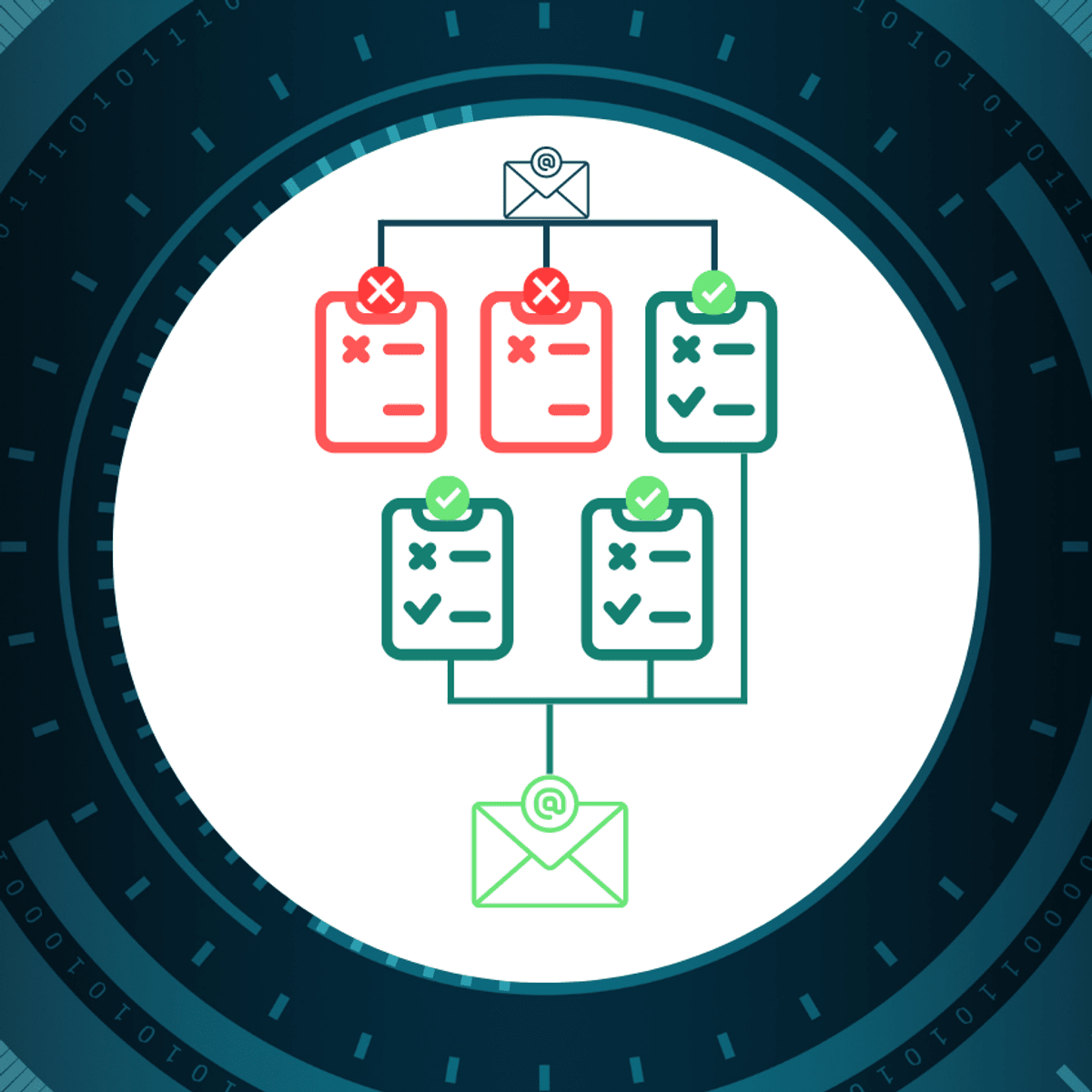
Do you receive an extraordinary amount of job application emails every day? Moreover, do you have the time to screen and read each job applicant’s email? How can you efficiently filter all candidate emails and forward qualified applicants to hiring committees?
In this beginner-level guided project "Process Forms with AI Model in Power Automate", we will use a pre-created job application form and create a model that will extract data from the form. We will then train the model with a couple of patterns, and create a flow that will use the model when candidate emails arrive. Consequently, when we receive a job application by email, the application will go through the flow and, if the candidate meets desired requirements, forward the email to the supervisor.
The requirement for this project is having a Microsoft developer program account, but don’t worry, you will be given instructions on how to get it right here.
If you are ready to make your and your colleagues’ lives easier by starting to automate manual, time-consuming processes, then this project is for you! Let's get started!

coursera · ⏱ 1,5 h · en
This is a self-paced lab that takes place in the Google Cloud console.
Explore financial transactions data for fraud analysis, apply feature engineering and machine learning techniques to detect fraudulent activities using BigQuery ML.

coursera · ⏱ 12 h · en
Welcome to Microsoft Sentinel, Microsoft Defender XDR & Threat Protection, a deep-dive course designed for cloud security engineers, SOC analysts, and IT professionals who want to master Microsoft’s advanced detection, response, and threat protection ecosystem.
This course covers the end-to-end workflow of cloud security operations using Microsoft Sentinel (SIEM & SOAR) and Microsoft Defender XDR. You’ll explore workspace planning, SIEM roles, SOAR automation, threat detection, and hunting queries in Sentinel. You’ll then move into Defender XDR configuration, integration with Sentinel, and best practices for incident response. Finally, you’ll learn about the entire Microsoft Defender product family (Defender for Cloud Apps, Office 365, Identity, and Endpoint) to build a unified threat protection strategy.
By the end of this course, you’ll be confident in deploying, configuring, and managing Microsoft Sentinel and Microsoft Defender XDR to detect, investigate, and respond to modern cloud threats.
Who Should Take This Course?
SOC Analysts and Incident Responders
Cloud Security Engineers and Azure Administrators
IT Security Professionals looking to implement SIEM + XDR
Learners preparing for SC-200 or seeking advanced Microsoft security skills
Course Format
This course delivers 6–7 hours of expert-led video content, split across four modules. Each module includes demos, configuration guides, and best practices. Knowledge checks and in-video questions are included to help reinforce learning.
Course Modules:
Module 1: Azure Security Foundations: Networking, Key Vault & Defender
Module 2: Microsoft Sentinel: SIEM & SOAR for Cloud Security Operations
Module 3: Microsoft Defender XDR: Configuration, Integration & Best Practices

coursera · pt-BR
Entre no futuro com a estratégia agêntica: descubra, crie e faça protótipos. Neste curso, você vai dominar o framework de transformação de IA agêntica do Google e ir além dos chatbots para ter colegas de equipe autônomos. Com um caso de uso de varejo, você vai aprender a quantificar o valor comercial, priorizar projetos de IA, mapear jornadas críticas do usuário e criar protótipos funcionais usando ferramentas sem código como o Google AI Studio e o Gemini Enterprise. Este curso oferece um roteiro sólido para que líderes empresariais e técnicos conduzam suas organizações à era da IA agêntica.

coursera · ⏱ 10 h–15 h · en
Firms make significant investments in IT. In the IS/IT Governance course we will discuss how to govern IT to make sure that the IT investments contribute to organizational goals and strategies.
Firms need to formally evaluate significant IT investments. IT investments are also risky, so firms need to consider the risk associated with the investments to appropriately evaluate the investment. We will discuss how to evaluate IT investments.
Firms usually make multiple IT investments in a given year. In this course we will discuss how to evaluate a portfolio of IT investments. Firms need a mechanism to charge users for the IT investments made to encourage prudent consumption of IT resources. We will discuss different mechanisms for charging for IT that incents users to spend IT dollars wisely.
Finally, IT investments are made to generate value for the firm. This requires that employees actually use the new IT systems that is developed. Thus, in the IS/IT Governance course we will discuss strategies to make sure that users use the new system so that the firm derives value from its IT investments.

coursera · ⏱ 1,2 h · en
By completing this course, you’ll gain a clear understanding of the key roles involved in an Adobe Experience Manager (AEM) implementation and the skills required to succeed in each one. You’ll learn how project managers, developers, architects, content authors, business analysts, and other specialists contribute to delivering effective digital experiences—and how their responsibilities vary across AEM Sites, Assets, Forms, and other products in the stack.
This course gives you a practical view of the digital experience talent landscape, helping you understand not only what each role does, but also the skills organizations look for when building high‑performing AEM teams. Whether you're exploring career paths or collaborating across functions, you’ll come away with a clear framework for how AEM projects are structured and how cross‑functional teams work together.
Ideal for learners new to AEM or anyone looking to broaden their understanding of digital experience roles, this course equips you with foundational knowledge that supports both career development and effective project collaboration.
coursera · ⏱ 15 h–25 h · en
This course forms part of a series of courses that offers a good starting point for a career in cybersecurity. It will help you gain knowledge and skills related to networking and cloud computing and get you one step closer to the Microsoft Cybersecurity Analyst Professional Certificate, which requires no degree or prior experience.
After completing this course you’ll be able to:
• Identify the main concepts of networking
• Explain common network infrastructure and monitoring
• Describe network security components, approaches, and mitigation
• Define and explain key concepts of the cloud computing environment, virtual machines, and cloud services.
This is also a great way to prepare for the Microsoft SC-900 exam. By passing the SC-900 exam, you’ll earn the Microsoft Security, Compliance, and Identity Fundamentals Certification.

coursera · ko
생성형 AI 에이전트: 조직 혁신'은 Gen AI Leader 학습 과정의 다섯 번째이자 마지막 과정입니다. 이 과정에서는 조직이 어떻게 커스텀 생성형 AI 에이전트를 사용해 특정 비즈니스 과제를 해결할 수 있는지 살펴봅니다. 모델, 추론 루프, 도구와 같은 에이전트의 구성요소를 살펴보며 기본적인 생성형 AI 에이전트를 빌드하는 실무형 실습을 진행합니다.

coursera · en
This comprehensive course on Docker Fundamentals equips you with the skills to build, deploy, and manage containerized applications using Docker. Begin by understanding the core concepts of Docker, its installation on Windows, and the architecture of containers. Learn to create and manage containers, use Docker Compose and Docker Swarm for orchestration, and write Dockerfiles to automate deployments. Progress to hands-on experience with Docker CLI commands, networking, and real-world comparisons between Docker, Kubernetes, and virtual machines for optimized DevOps workflows.
To be successful in this course, you should have a basic understanding of system administration, software development, and command-line tools.
By the end of this course, you will be able to:
- Explain Docker architecture and create containerized applications
- Automate builds using Dockerfiles and deploy with Compose and Swarm
- Use Docker commands and networking to manage real-world environments
- Compare Docker with Kubernetes and virtual machines for DevOps efficiency
Ideal for DevOps engineers, system administrators, and software developers.

coursera · en
This course builds on foundational hardware knowledge by covering the critical system components that make a PC function: firmware, motherboards, power supplies, and storage. Covering approximately 5 hours of expert instruction, learners gain the skills to configure BIOS/UEFI settings, identify motherboard components, select and replace power supplies, and implement a wide variety of storage solutions.
Learners benefit by developing hands-on proficiency with the internal architecture of a modern PC. Online labs reinforce BIOS/UEFI navigation, storage device identification, RAID configuration, and power supply selection. By the end of this course, learners will be able to configure system firmware, identify and replace motherboard components, size and install power supplies, and implement storage solutions from traditional HDDs to modern NVMe SSDs.

coursera · en
This course features Coursera Coach!
A smarter way to learn with interactive, real-time conversations that help you test your knowledge, challenge assumptions, and deepen your understanding as you progress through the course.
In this course, you will master Salesforce's Lightning Web Components (LWC), a modern framework that aligns with web standards. You’ll learn hands-on with real-world projects, transitioning from Aura Components to LWC. By the end, you’ll be capable of developing functional applications using LWC, giving you an edge in Salesforce development.
The course begins by setting up your development environment, guiding you through tools like Salesforce CLI, Visual Studio, and Scratch Orgs. You'll then dive into core LWC concepts such as data binding, event communication, and properties. As the course progresses, you'll build applications, render components conditionally, and work with Salesforce data. The course concludes with a project where you'll build a real-world eBike application using everything you’ve learned.
This course is perfect for Salesforce Developers, Admins, and web developers looking to enhance their skills in LWC.

coursera · ⏱ 1,5 h · en
This is a self-paced lab that takes place in the Google Cloud console. A step-by-step guide through the process to configure multiple methods to ingest Google Cloud data into Splunk

coursera · en
AutoCAD 3D design skills are essential for professionals working in architecture, engineering, manufacturing, and product visualization. This course explores how to move beyond traditional drafting into the world of 3D modeling, visualization, and advanced AutoCAD productivity techniques that improve design accuracy and workflow efficiency.
Through a practical, hands-on approach, learners will develop the ability to create and manipulate 3D models, enhance project presentations with visualization tools, and streamline daily tasks using advanced AutoCAD features. The course also demonstrates how AutoCAD integrates with other software and resources to support collaborative and professional design environments.
What sets this course apart is its balance of foundational concepts and real-world productivity strategies. In addition to learning core 3D modeling techniques, learners will discover expert tips, system variables, and hidden AutoCAD features that can significantly improve performance and efficiency.
This course is ideal for CAD professionals, designers, architects, engineers, and students looking to expand their AutoCAD expertise into 3D workflows. A basic understanding of AutoCAD drafting tools and interface navigation is recommended before starting the course.
This course is part three of a three-course Specialization designed to provide a comprehensive learning pathway in this subject area. While it delivers standalone value and practical skills, learners seeking a more integrated and in-depth progression may benefit from completing the full Specialization.
This Specialization is based on the book, AutoCAD For Dummies, by Ralph Grabowski.
From AutoCAD For Dummies. Copyright © 2022 by John Wiley & Sons, Inc., Hoboken, New Jersey
Used by arrangement with John Wiley & Sons, Inc.

coursera · en
The CCNP and CCIE Security Core SCOR 350-701 video course is for anyone interested in learning about key Cisco security as well as anyone studying for the CCNP and CCIE Security exam. Best-selling author and speaker Omar Santos will walk you through the vast array of security topics using dynamic presentations, demos, and test-taking techniques to help you understand security threats, preventative measures, and mitigation methods coalesce.
This complete video course begins with an introduction to the new Cisco CCNP Security and CCIE Security certifications before covering the main topics including Network security; Cloud security; Content security; Endpoint protection and detection; Secure network access; and Visibility and enforcement.

coursera · en
This course provides practical guidance on managing, cleaning, and validating research data to support high-quality, reliable research. Learners will explore key data management principles, including organizing and storing research data, sharing data responsibly, and applying FAIR data practices. The course also introduces techniques for identifying and cleaning messy datasets, using a range of approaches and tools to improve data quality. In addition, learners will develop strategies for avoiding common research mistakes during data collection, analysis, and reporting, helping to ensure findings are accurate, robust, and trustworthy. Suitable for students, researchers, and professionals, this course builds essential skills for working confidently with research data.

coursera · ⏱ 19,8 h · en
This long course equips you with the administrative and configuration skills needed to tailor Jira to team processes, automate repetitive tasks, and maintain governance at scale. Topics cover setting up new projects using standard schemes, creating reusable workflow schemes, and evaluating and applying board configurations to improve stakeholder visibility. You will practice designing workflows, adding custom statuses, and creating validators and conditions to enforce process gates. The course includes configuration performance considerations—assessing the impact of custom fields—and guides learners through prototyping lightweight UI extensions and choosing marketplace apps through structured due diligence. A practical emphasis on automation teaches building no-code automation rules, debugging and optimizing rule execution, and designing global synchronization automations to keep multiple systems in sync. By the end, you will be able to deploy shared schemes; model operational processes in Jira; and measure the performance and ROI of automation initiatives that reduce manual effort and improve reliability.

coursera · en
Updated in May 2025.
This course now features Coursera Coach!
A smarter way to learn with interactive, real-time conversations that help you test your knowledge, challenge assumptions, and deepen your understanding as you progress through the course.
Unlock the intricacies of advanced network attacks, web hacking, and cryptography in this comprehensive course designed for cybersecurity enthusiasts and professionals. You’ll gain expertise in identifying and mitigating session hijacking, evading firewalls and IDS, and exploiting web vulnerabilities, ensuring a holistic understanding of modern attack surfaces.
The course begins by delving into network and perimeter hacking techniques, exploring methods to bypass security systems, and demonstrating countermeasures. Progressing further, you’ll navigate web application hacking strategies, covering web servers, common vulnerabilities, and ethical hacking methodologies, including the OWASP Top 10. Dive deep into SQL injection techniques and wireless network exploitation, mastering tools, methods, and defenses for each.
Explore cutting-edge topics like mobile platform vulnerabilities, IoT device exploitation, and operational technology security. The course concludes with an extensive study of cryptography, from foundational concepts to practical tools and cryptanalysis, preparing you to implement robust encryption strategies and mitigate cryptographic attacks effectively.
Ideal for cybersecurity professionals, ethical hackers, and IT specialists, this course requires a foundational knowledge of networking and basic cybersecurity concepts. It is best suited for intermediate-level learners aiming to advance their skills in offensive and defensive security strategies.

coursera · ⏱ 1,3 h · en
This is a self-paced lab that takes place in the Google Cloud console. In this lab, you receive hands-on practice with Security Command Center’s (SCC) threat detection features and learn how to investigate and triage common vulnerabilities associated with containers and virtual machines. You also learn how to surface and manage your findings with SCC’s Event Threat Detection and Security Health Analytics features.

coursera · ko
생성형 AI로 사용자에게 더 나은 검색 경험을 제공하여 웹사이트의 탐색 경험을 향상합니다. 이 과정에서는 사용자가 웹사이트의 콘텐츠를 발견할 수 있도록 Vertex AI Search를 통해 생성형 검색 경험을 웹사이트 사용자에게 제공하는 방법을 알아봅니다. 웹사이트 편집자는 생성형 AI를 사용하여 제안을 통해 콘텐츠를 신속하고 효율적으로 번역하고 개선하는 방법을 배울 수 있습니다.
coursera · en
This course explores advanced Azure integration techniques, focusing on APIs, event-driven solutions, and messaging frameworks. You'll learn to implement API management, develop event-based solutions, and use messaging systems to enhance communication between services. These are crucial skills for modern cloud architectures, where systems need to interact seamlessly and securely.
The course will teach you practical, hands-on skills for designing and implementing solutions that scale efficiently. By working through examples and exercises, you'll understand how to manage and integrate Azure’s cloud services effectively, optimizing the performance of your applications.
What sets this course apart is its blend of theory and real-world examples. You’ll gain not just the technical know-how but also the context to implement solutions in a production environment. With Azure's tools, you'll learn how to solve complex integration challenges that arise in the cloud.
This course is ideal for developers, DevOps engineers, and cloud architects who want to level up their skills in Azure. Basic knowledge of cloud computing and Azure services will help you get the most out of this course.
This course is part three of a three-course Specialization designed to provide a comprehensive learning pathway in this subject area. While it delivers standalone value and practical skills, learners seeking a more integrated and in-depth progression may benefit from completing the full Specialization.

coursera · en
This course features Coursera Coach!
A smarter way to learn with interactive, real-time conversations that help you test your knowledge, challenge assumptions, and deepen your understanding as you progress through the course.
Dive into Bash shell scripting and unlock powerful automation skills to streamline tasks on Linux and Windows environments. You’ll start by setting up your scripting environment using WSL and CentOS, then move through core scripting concepts such as variables, inputs/outputs, loops, conditionals, and functions. The course carefully balances theory with hands-on practice, guiding you from basic script writing to advanced automation techniques including working with remote servers and REST APIs.
The journey includes mastering command chaining, text processing with tools like grep and sed, scheduling jobs via cron, and practical scripting for monitoring and system management. You’ll also explore debugging and logging to ensure your scripts are reliable and maintainable. This course builds progressively, allowing learners to develop skills in a structured and applicable manner.
Ideal for system administrators, developers, DevOps engineers, and IT professionals seeking to automate workflows and improve efficiency. No prior scripting experience is required, but basic familiarity with Linux command line is helpful. This is a beginner to intermediate course designed to build your confidence in Bash scripting for real-world automation.

coursera · en
This course features Coursera Coach! A smarter way to learn with interactive, real-time conversations that help you test your knowledge, challenge assumptions, and deepen your understanding as you progress through the course.
This course is designed to help you master Azure Infrastructure as Code (IaC) using Bicep. You will learn to deploy and manage Azure resources effectively and efficiently, embracing automation and cloud-native practices. By the end of the course, you'll have hands-on experience with deploying resources using different tools, including the Azure portal, Azure CLI, ARM templates, and Azure Bicep, giving you the skills to streamline infrastructure deployment and enhance productivity.
Throughout the course, you'll begin by understanding the different deployment methods available within Azure. You'll then dive deeper into Azure Bicep, starting with basics and progressing to advanced scenarios such as deploying containerized applications, implementing Landing Zones, and integrating with DevOps. The course offers live demos and practical insights into deploying Azure resources using Bicep, ensuring you get an interactive learning experience.
You will also explore how to implement Azure Container Apps using Bicep and automate deployments with Azure DevOps and GitHub Actions. This knowledge is crucial for anyone looking to work efficiently with cloud-native technologies and DevOps processes.
This course is suitable for cloud professionals, DevOps engineers, and IT architects interested in enhancing their skills with Azure Infrastructure as Code. The course is designed for learners with a basic understanding of cloud concepts and is suitable for intermediate learners seeking to build on their Azure expertise.
By the end of the course, you will be able to deploy resources using multiple Azure tools, implement infrastructure as code with Bicep, automate deployment pipelines, and effectively manage Azure resources using best practices.

coursera · ⏱ 45 min · en
This is a self-paced lab that takes place in the Google Cloud console. In this lab, you familiarize yourself with Google Cloud Billing reports, which provides built-in cost reporting for GCP within the Google Cloud Console. You view Billing reports from a live billing account, understand current and forecasted GCP costs, and then analyze costs using report filters to identify cost drivers and trends

coursera · en
This course, Responsible AI: Applying AI Principles with Google Cloud - Locales, is intended for non-English learners. If you want to take this course in English, please enroll in Responsible AI: Applying AI Principles with Google Cloud.
As the use of enterprise Artificial Intelligence and Machine Learning continues to grow, so too does the importance of building it responsibly. A challenge for many is that talking about responsible AI can be easier than putting it into practice. If you’re interested in learning how to operationalize responsible AI in your organization, this course is for you.
In this course, you will learn how Google Cloud does this today, together with best practices and lessons learned, to serve as a framework for you to build your own responsible AI approach.

coursera · es
Este curso es el primero de una serie que tiene como objetivo prepararte para un rol como especialista de soporte de TI de nivel inicial. En este curso, serás introducido en el mundo de la tecnología de la información, o TI. Aprenderás sobre las diferentes facetas de la tecnología de la información como hardware y software informático, Internet, solución de problemas y servicio al cliente. Revisaremos el aspecto de una entrevista técnica y brindaremos consejos sobre cómo prepararse mejor para una entrevista. Este curso abarca una amplia variedad de temas en TI que están diseñados para brindarte una visión general de lo que vendrá en este programa de certificado.
Al final de este curso, podrás:
● entender cómo funciona el sistema binario;
● ensamblar una computadora desde cero;
● elegir e instalar un sistema operativo en una computadora;
● comprender qué es Internet, cómo funciona y el impacto que tiene en el mundo moderno;
● aprender cómo se crean las aplicaciones y cómo funcionan en una computadora;
● utilizar metodologías comunes de resolución de problemas y habilidades básicas en un entorno de tecnología de la información.
coursera · ⏱ 7 h–14 h · es
Como integrantes del mundo empresarial, los especialistas en el tratamiento de datos suelen ser uno de los principales objetivos de un ciberataque, ya que tienen acceso a información confidencial de una empresa. Aunque sean conocedores de los riesgos a los que están sometidas las organizaciones en las que trabajan, es importante tener un amplio y consolidado conocimiento en materia de ciberseguridad para poder prevenir los ataques; y en el caso de que ocurran, mitigar los riesgos que afecten a la seguridad, reduciendo en la medida de lo posible su alcance.
Por ello, en este curso trataremos las temáticas más relevantes en el ámbito de la ciberseguridad que debes conocer. Desde los riesgos a los que estamos expuestos, pasando por la importancia de la securización de las operaciones y hasta cómo las organizaciones deben gestionar las crisis de seguridad, sin olvidarnos de la gestión de los incidentes y del fraude. También veremos qué son las tecnologías de gestión de eventos e información de seguridad (SIEM) y profundizaremos en las funciones que desempeña un científico de datos en distintas áreas, como el tratamiento de logs, la detección de anomalías y las series temporales.
Anímate a adentrarte en el mundo de la ciberseguridad de la mano de este curso diseñado especialmente para especialistas en el tratamiento de datos. ¡Adelante!
coursera · ⏱ 1 h · en
Compute services are the backbone that power most web-based applications. Amazon Elastic Compute Cloud (Amazon EC2) is the foundation that many other Amazon Web Services (AWS) offerings are built upon. This course provides you with the opportunity to explore the different families of EC2 instances and identify the target workloads for each of these families. You will learn about the different instance types and how to select the best instance types to maximize price and performance.
coursera · en
Welcome learner! This is the first of five courses of the Google Cloud Data Analytics Certificate. Jump into the world of data analytics and cloud computing. Explore the data lifecycle in the cloud and gain a better understanding of the common tools used by data analysts.

coursera · en
Master Red Hat Linux: Configure, Manage & Optimize is a hands-on course designed to help you build practical Linux administration skills through structured, step-by-step learning. You will learn how to configure system date and time settings, manage users, control Linux services with systemctl, and monitor system processes using both command-line and graphical tools. As you progress, you will configure mounted file systems, deploy and manage web servers, and develop confidence working within the Linux shell using advanced commands, pipelines, and shell operators.
This course is ideal for aspiring Linux system administrators, IT professionals, and learners who want to strengthen their Red Hat Linux administration skills through practical application. Each module combines guided demonstrations with practice quizzes and graded assessments to reinforce key concepts and help you measure your progress.
What makes this course unique is its structured progression from core system administration tasks to advanced shell command mastery. Rather than focusing on isolated commands, the course connects system configuration, service management, process monitoring, file system administration, web server management, and shell operations into a complete learning experience. By the end of the course, you will be able to configure and manage Red Hat Linux systems, administer services and processes, deploy web servers, and apply advanced shell commands to streamline everyday administration tasks with confidence.

coursera · ⏱ 2 h · en
This course delves into critical security aspects, from local security enhancements to advanced mandatory access control techniques. Begin by mastering file access control lists and file system attributes to bolster local security. Progress to configuring robust Linux firewalls using tools like firewalld and UFW, ensuring your systems are well-protected against unauthorized access. Finally, gain in-depth knowledge of mandatory access control with AppArmor and SELinux, learning to manage file and port access with precision. Through hands-on labs and real-world scenarios, this course equips you with the practical skills and confidence needed to secure Linux systems comprehensively.

coursera · en
Updated in May 2025.
This course now features Coursera Coach!
A smarter way to learn with interactive, real-time conversations that help you test your knowledge, challenge assumptions, and deepen your understanding as you progress through the course.
This course delves into the essential concepts of Ethernet switching and routing, providing a comprehensive understanding crucial for network management. It begins with an introduction to Ethernet switching, covering the fundamentals of Layer 2 and multilayer switches, MAC address tables, and neighbor discovery protocols such as CDP and LLDP. You will also explore Virtual LANs (VLANs), learning how to configure and manage them effectively to enhance network performance and security.
As you progress, the course introduces more advanced topics like trunking and the Spanning Tree Protocol (STP), essential for maintaining a stable and loop-free network. You will gain hands-on experience configuring trunk links, managing multiple VLANs, and implementing Voice VLANs. The course also covers critical STP features such as Root Guard, Loop Guard, and BPDU Guard, helping you ensure network resilience and prevent potential issues.
In the routing modules, the focus shifts to static and dynamic routing techniques. You will learn about the fundamentals of routing, static route configurations, and the OSPFv2 protocol. The course includes in-depth coverage of OSPF neighbor formation, DR and BDR elections, and LSA types, preparing you for real-world routing scenarios. By the end of the course, you will have a strong grasp of Ethernet switching, VLAN management, and routing protocols, enabling you to design and troubleshoot complex network environments confidently.
This course is designed for network professionals and students looking to deepen their knowledge of Ethernet switching and routing. A basic understanding of networking concepts is recommended but not required. It is ideal for those preparing for certifications like CCNA or seeking to advance their careers in network management.

coursera · fr
Ce cours est une introduction aux notebooks Vertex AI, des environnements basés sur des notebooks Jupyter qui proposent une plate-forme unifiée pour l'ensemble du workflow de machine learning, de la préparation des données jusqu'au déploiement et à la surveillance des modèles. Le cours aborde les sujets suivants : (1) Les différents types de notebooks Vertex AI et leurs fonctionnalités, et (2) comment en créer et les gérer.

coursera · en
This course's focus will be on practical aspects of preparing to work as a support agent in organizations with AWS environments. We will start with some review of previous topics covered in the series, with specific attention paid towards debugging and troubleshooting. We’ll then move into concepts around interacting with customers to obtain information and progress towards a solution.
In the next module, you'll have the opportunity to view the architecture from various perspectives, such as builder, supporter, and interviewer. We will then shift into preparing you to apply for Cloud Support Associate positions. This will involve diving into resume and portfolio building, as well as the creation of an online presence. The second module will close out with a look at how you can evaluate opportunities and any gaps you may have in your knowledge. The third module of the course will have a focus on interviewing. This will involve preparing for interviews, discussions with professions from AWS Premium Support around the interviewing and hiring process, and looking at mock interviews and sample questions. The last module of the course will allow you to practice using the knowledge and various skills you’ve acquired over the course of the series with a multi-part project. In the project, you’ll build, analyze, and document an application architecture. You’ll also can view the architecture from various perspectives, such as builder, supporter, and interviewer.

coursera · en
Updated in May 2025.
This course now features Coursera Coach!
A smarter way to learn with interactive, real-time conversations that help you test your knowledge, challenge assumptions, and deepen your understanding as you progress through the course.
Unlock the power of Microsoft Azure with this comprehensive course on designing robust infrastructure solutions. You'll gain expertise in creating secure, scalable, and compliant Azure environments tailored to organizational needs. From logging and monitoring to governance and identity management, this course equips you with the critical skills required for cloud success.
Begin your journey by exploring solutions for logging and monitoring, where you'll learn to design log routing, recommend monitoring tools, and establish the appropriate level of logging. Next, dive into authentication and authorization, mastering solutions for securing resources with RBAC, identity management, and enforcing compliance. With detailed modules, you'll confidently architect systems that align with industry best practices.
Advance to governance and application access strategies, developing hierarchical structures for Azure resources and integrating applications into Azure Active Directory. Each lesson builds your ability to address real-world challenges, providing actionable insights and practical solutions.
This course is ideal for IT professionals, cloud architects, and security experts eager to deepen their Azure expertise. A foundational understanding of Azure and cloud computing is recommended, as the course balances intermediate and advanced topics for effective learning.
coursera · en
The world runs computers. From small to large businesses, from the CEO down to level 1 support staff, everyone uses computers. This course is designed to give you a practical perspective on computer security. This course approaches computer security in a way that anyone can understand. Ever wonder how your bank website is secure when you connect to it? Wonder how other business owners secure their network? Wonder how large data breaches happen? This is practical computer security. It will help you answer the question – what should I focus on?

coursera · ⏱ 1 h · en
Elevate your AI development skills with H2O Cloud AI Developer Services! This comprehensive program is designed to provide you with an in-depth understanding of H2O ai's cloud-based AI services, tailored for developers, data engineers, and AI practitioners like you.
Led by H2O ai makers Audrey Létévé, Senior Customer Data Scientist, and Jon Farland, Director of Solutions Engineering, this course offers invaluable insights from real-world AI implementations.
Why H2O Cloud AI?
Tabular Services: Imagine effortlessly scaling your machine learning models on tabular data. We'll explore AutoML, seamless data connectivity, and advanced features that empower you to tackle real-world projects with confidence.
Language Services: Customizing and deploying NLP solutions has never been easier. From Hydrogen Torch to sophisticated language models, we'll equip you with the tools to conquer enterprise use cases.
Vision Services: Dive into the world of computer vision. Learn data labeling with Label Genie, harness document AI capabilities, and build robust vision models using Hydrogen Torch.
AI Assistants Services: Streamline your workflow with intelligent code suggestions and automations. Say goodbye to mundane tasks—our AI assistants have your back.
By the end, you will be able to create, automate, monitor, and share AI solutions using the H2O Cloud AI platform, optimizing your business use cases across different data types and domains. This course will prepare you to lead in the fields of AI and data science with confidence.

coursera · ⏱ 2,5 h · en
This is an introductory course intended for users and developers to acclimate to the Red Hat Enterprise Linux desktop and command-line interfaces.
Course objectives:
Prepare candidates for their adoption of Red Hat Enterprise Linux 9.

coursera · en
This course features Coursera Coach!
A smarter way to learn with interactive, real-time conversations that help you test your knowledge, challenge assumptions, and deepen your understanding as you progress through the course.
This course focuses on managing hybrid network infrastructure and storage services in a hybrid environment. You will learn to integrate DNS with Active Directory Domain Services (AD DS), configure DNS zones and records, and manage DNSSEC and forwarding. The course also covers implementing DHCP, IP Address Management (IPAM), and remote access roles, including site-to-site VPNs and the Network Policy Server. You will explore managing Azure network solutions, such as Azure Virtual WAN, Azure AD Application Proxy, and Azure Relay.
Additionally, the course delves into managing hybrid storage with Azure File Sync, configuring cloud endpoints, and monitoring file sync. It also includes migrating DFS to Azure File Sync, configuring Windows Server File Share Access, and implementing Distributed File Systems (DFS). You will learn to manage storage with tools like Storage Spaces, Storage Replica, Data Deduplication, SMB Direct, and Storage QoS, as well as configure file systems and manage branch caching.
This course is ideal for IT professionals managing hybrid infrastructures and storage environments, particularly those working with Azure and Windows Server technologies. Basic knowledge of networking and storage management will be beneficial.

coursera · ⏱ 18 h–30 h · en
This course helps you practice your exam techniques and refresh your knowledge in all the key areas assessed in the Microsoft-certified Exam SC-900: Microsoft Security Compliance and Identity Fundamentals.
You’ll test your knowledge in a series of practice exams mapped to all the main topics covered in the SC-900 exam, ensuring you’re well prepared for certification success. You’ll prepare by taking practice tests with similar formats and content.
You’ll also get tips and tricks, testing strategies, and useful resources on how to sign up for the Microsoft SC-900 proctored exam.
This is also a great way to prepare for the Microsoft SC-900 exam. By passing the SC-900 exam, you’ll earn the Microsoft Security, Compliance, and Identity Fundamentals Certification. Earning a Microsoft Certification is globally recognized evidence of real-world skills.
After completing this course, you’ll be able to:
• Describe the concepts of security, compliance, and identity
• Describe the capabilities of Microsoft Azure Active Directory, part of Microsoft Entra
• Describe the capabilities of Microsoft Security solutions
• Describe the capabilities of Microsoft compliance solutions
coursera · en
With AWS Migration Hub Refactor Spaces, you can fast-track the application refactoring of existing applications into distributed applications, typically based on microservices.
In this course, you will learn the benefits and technical concepts of Refactor Spaces. If you are new to the service, you will learn how to start with Refactor Spaces through a demonstration using the AWS Management Console. You will learn about the native architecture and how the built-in features can help you focus on refactoring your applications. This means you can focus less on creating and managing the underlying infrastructure that makes refactoring possible.

coursera · ⏱ 42 h–54 h · en
The course "Advanced Network Security and Analysis" dives into the essential skills needed to protect and analyze complex network environments. This course covers advanced topics like anonymization techniques, mobile application security, and in-depth analysis of DNS, HTTP, SMTP, and TCP protocols. Learners will gain practical experience in recognizing vulnerabilities and analyzing network traffic to detect potential threats. Each module offers hands-on insights into industry-standard tools and techniques, equipping students to address real-world security challenges confidently.
Uniquely focused on practical application, the course empowers students to work with tools like Splunk, TCPDump, and Wireshark, ensuring they can navigate and mitigate complex network security scenarios. Through interactive content, learners will gain a comprehensive understanding of network protocols, explore the mechanics of cyber-attacks, and learn how to implement effective defenses. By the end of the course, students will have developed an advanced toolkit for safeguarding modern network infrastructures, making them valuable assets in any IT security environment.
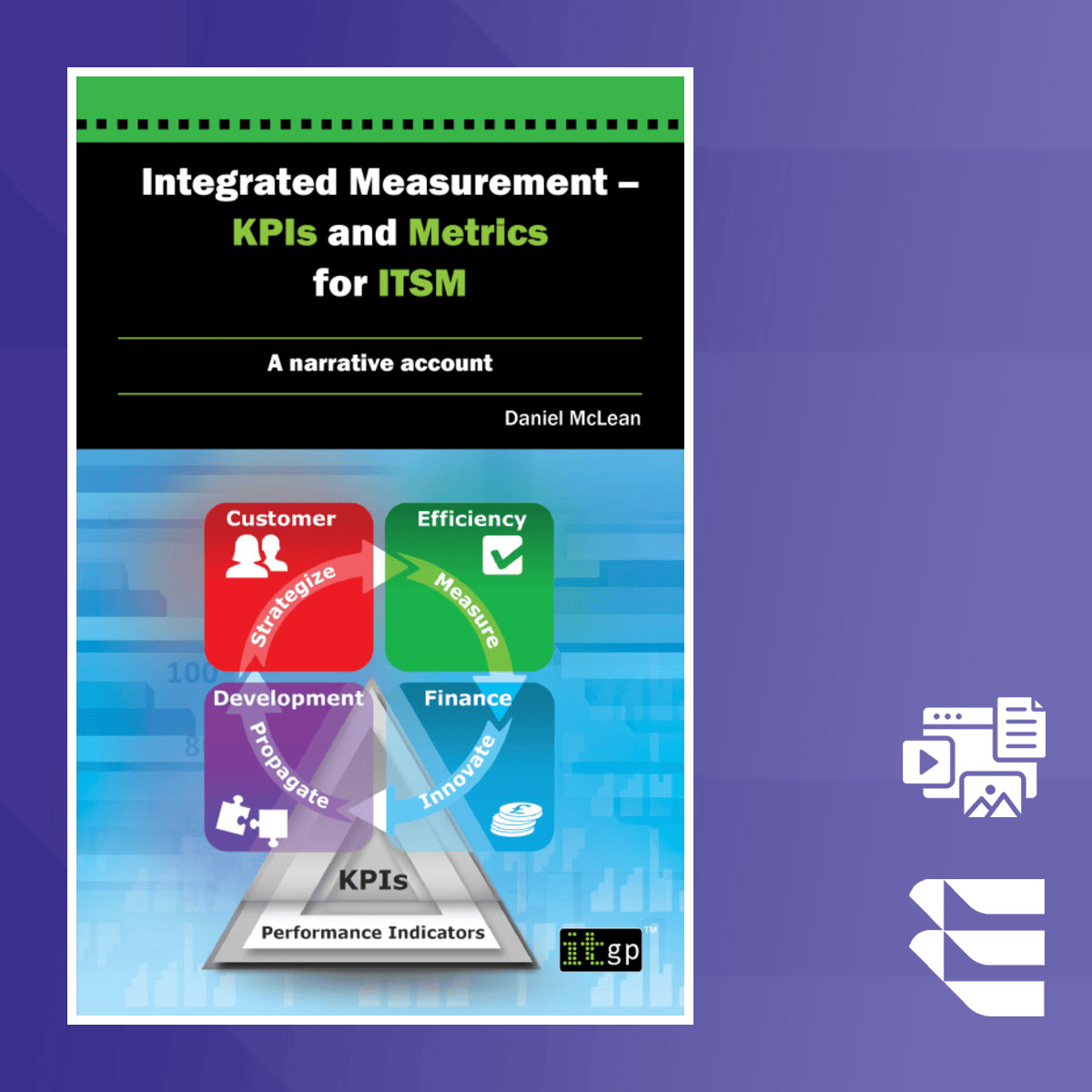
coursera · en
This book provides a clear, practical guide to understanding and applying Key Performance Indicators (KPIs) in IT Service Management. It simplifies complex concepts and offers actionable strategies for measuring and improving IT service performance. Designed for professionals at all levels, it helps build the skills needed to make data-driven decisions and enhance operational efficiency.
You will gain the tools to effectively define and track KPIs, interpret the data to drive improvements, and enhance the value of IT service management in your organization.
What sets this book apart is its emphasis on real-world examples and actionable insights, bridging theory with practice to optimize ITSM processes at every stage.
Ideal for IT professionals and service managers, this book assumes basic ITSM knowledge but no prior experience with KPIs. It equips readers with the skills to measure, analyze, and improve service performance effectively.
This course is based on a book published by IT Governance Publishing.
© Daniel McLean 2013
The author has asserted the rights of the author under the Copyright, Designs, and Patents Act, 1988, to be identified as the author of this work. First published in the United Kingdom in 2013 by IT Governance Publishing.

coursera · de
In diesem Kurs wird Gemini Enterprise vorgestellt, eine leistungsstarke Plattform, die KI-Agenten, Unternehmenssuche, NotebookLM und intelligenten Datenzugriff verbindet, damit Unternehmen ihre Herausforderungen lösen können. Anhand von Beispielen aus der Praxis und praktischen Übungen lernen Teilnehmer, wie sie die Funktionen von Gemini Enterprise für echte Geschäftsanforderungen nutzen, die Architektur beschreiben und erklären, wie Datenzugriff und Datenschutz in verschiedenen Aufgabenbereichen gehandhabt werden.

coursera · ⏱ 16 h · en
Welcome to Design Security Solutions for Applications and Data, a focused and practical course designed for cybersecurity professionals, cloud security architects, and Microsoft cloud administrators. This course is part of the SC-100: Microsoft Certified Cybersecurity Architect Expert specialization and equips you with the expertise to design, implement, and manage secure application and data protection strategies in Microsoft’s cloud ecosystem.
You’ll explore secure cloud application development practices, enforce strong identity controls with Microsoft Entra ID, and leverage Microsoft Defender for Cloud to safeguard workloads. The course also covers encryption at rest and in transit, key management with Azure Key Vault, data residency considerations, and governance strategies using Data Lifecycle Management (DLM).
The course delivers 6–7 hours of targeted video lectures that combine theoretical insights with hands-on demonstrations, demos, and real-world security design scenarios. Organized into two core modules, each includes quizzes and in-video assessments to validate understanding.
Enroll in “Design Security Solutions for Applications and Data” to gain the skills required to design secure, compliant, and resilient application and data protection strategies in Microsoft’s cloud ecosystem.
Who Should Take This Course?
Application Security Engineers & Cloud Developers
Data Protection and Compliance Specialists
Microsoft 365 and Azure Security Administrators
Security Architects preparing for the SC-100 exam
Course Modules:
Microsoft Defender for Cloud to Protect Cloud Applications
Microsoft Cloud Data Protection and Governance
By the end of this specialization, you will:
Master secure application design aligned with Microsoft’s security frameworks
Implement encryption, classification, and governance for sensitive data
Integrate identity-first strategies into application and data security design
Be fully prepared to take and pass the SC-100 certification exam

coursera · de
In diesem Kurs wird die Vertex AI-Vektorsuche vorgestellt und beschrieben, wie sie beim Erstellen einer Suchanwendung mit Large Language Model-APIs (LLM) für Einbettungen genutzt werden kann. Der Kurs besteht aus konzeptionellen Lektionen über Vektorsuche und Texteinbettungen, interaktiven Demos zum Erstellen einer Vektorsuche in Vertex AI und einem praxisorientierten Lab.

coursera · ⏱ 12 h–16 h · en
Design and implement production ready Lakehouse architectures using Delta Lake and Databricks. By the end of this course, you will be able to build multi layer Medallion pipelines including Bronze, Silver, and Gold layers, manage ACID transactions, enforce and evolve schemas, implement Change Data Capture, and optimize Delta tables for performance using data skipping, compaction, and Liquid Clustering. You will also learn to unify batch and streaming workloads while ensuring reliability, scalability, and recoverability in enterprise environments.
This course stands out by going beyond Delta Lake syntax and focusing on end to end Lakehouse engineering, from architectural design patterns to production optimization and concurrency control. Through structured modules and hands on implementation, you will gain practical experience designing scalable data platforms that support both BI analytics and machine learning workloads.
If you are a data engineer, analytics engineer, or platform architect looking to modernize legacy data warehouses or data lakes, this course provides the applied skills required to build efficient, cost effective, and future ready data infrastructure on Databricks. This is primarily aimed at first- and second-year undergraduates interested in engineering or science, along with high school students and professionals with an interest in programming.
coursera · ⏱ 2 h · en
Kubernetes in AWS: Create Cluster in EKS in your own VPC
IMPORTANT: You must have or create an AWS account to work along to this course.
By the end of this course, you will know the steps necessary to set up your own EKS clusters in AWS. You will configure the AWS CLI and connect your local kubectl to the cluster so you can perform direct operations to the cluster.

coursera · ⏱ 1,5 h · en
This is a self-paced lab that takes place in the Google Cloud console.
In this lab, you will explore cost control mechanisms when utilizing the Managed Service for Prometheus on Google Cloud. The Google Cloud Managed Service for Prometheus charges for the number of samples ingested into Cloud Monitoring and for read requests to the Monitoring API. The number of samples ingested is the primary contributor to your cost.

coursera · ⏱ 18 h–24 h · ja
Google ドライブは Google のクラウドベースのファイル ストレージ サービスです。Google ドライブでは、すべての作業を 1 か所にまとめ、追加のソフトウェアを必要とせずにさまざまなファイル形式を表示でき、どのデバイスからでもファイルにアクセスできます。
このコースでは、Google ドライブの操作方法を学びます。ファイルやフォルダをアップロードする方法や、ファイルの種類に関係なく作業する方法のほか、Google ドライブでファイルを簡単に表示、配置、整理、変更、削除する方法についても学びます。
Google ドライブには共有ドライブが含まれています。共有ドライブを使用して、チームでファイルを保存したり、検索したり、ファイルにアクセスしたりできます。新しい共有ドライブの作成、メンバーの追加と管理、共有ドライブのコンテンツの管理などの方法を学びます。
Google Workspace とはつまり、コラボレーションと共有機能そのものです。Google ドライブで利用できる共有オプションを確認し、さまざまなユーザー ロールや割り当て可能な権限について学びます。
また、テンプレートを使用して一貫性を確保し、時間を節約する方法についても確認します。
Google ドライブには、さまざまなツールやオプションが用意されています。このコースでは、それらのオプションの中から、オフラインで作業する方法、ドライブ ファイル ストリームを使用する方法、Google Workspace Marketplace からアプリをインストールする方法について説明します。